Which Country is Best for Gorilla Trekking
Which Country is Best to See Gorillas in Africa: Uganda Gorilla Trekking Guide 2026
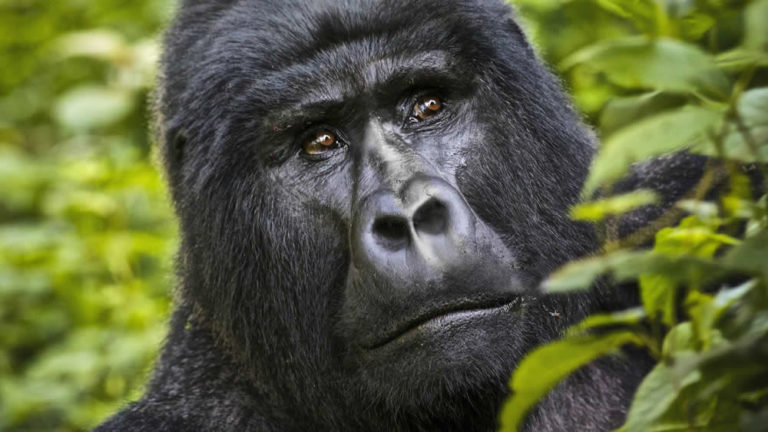
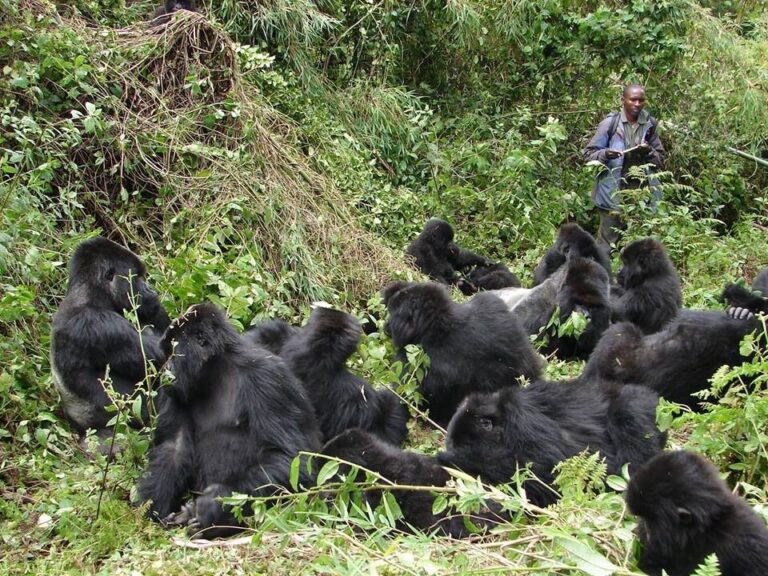
Which Country is Best for Gorilla Trekking: Few wildlife encounters stir the heart and soul like watching a baby gorilla leap between tree branches or seeing a huge silverback majestically patrol his territory.
Surrounded by dense vegetation, the sounds of breaking bamboo shoots, rustling leaves, and distant forest calls create an unforgettable African safari experience.
For many travelers, seeing mountain gorillas in their natural habitat is more than a bucket-list adventure—it is a dream shaped by ancient storytelling, conservation history, and a powerful sense of primal connection.
If you are planning a gorilla trekking safari in Africa, you may be asking: Which country is the best place to see gorillas? Although gorillas can be found in several African countries.
Uganda stands out because of its large mountain gorilla population, two remarkable trekking destinations, relatively affordable gorilla permits, and wide range of activities that can be combined with gorilla trekking.
Where Are Gorillas Found?
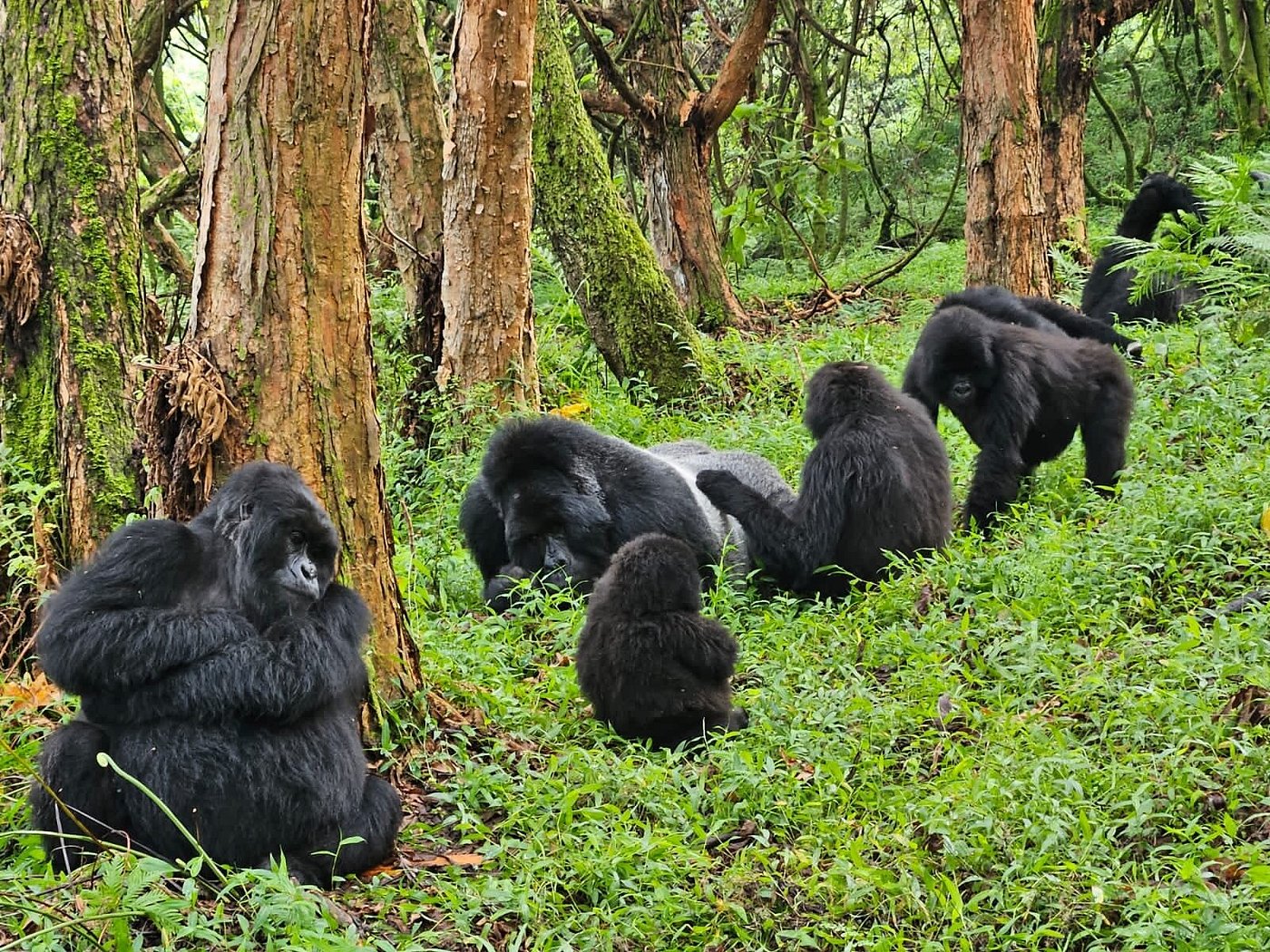
Africa is home to two gorilla species: the Eastern gorilla and the Western gorilla. These species are further divided into four subspecies, each living in particular regions of Central and East-Central Africa.
The main gorilla groups are:
-
Eastern gorillas, which include mountain gorillas and Eastern lowland gorillas.
-
Western gorillas, which include Western lowland gorillas and Cross River gorillas.
Western lowland gorillas are the most numerous gorillas in the world, but they are considerably less popular with international travelers than mountain gorillas.
This is largely because they live in remote, difficult-to-reach forest habitats, while some of the countries where they are found have experienced civil unrest and limited tourism infrastructure.
Mountain gorillas, on the other hand, have become one of Africa’s most sought-after wildlife attractions.
Their popularity has been strengthened by decades of conservation work, international documentaries, scientific research, and the legacy of famous conservationists such as Dian Fossey.
Today, travelers can see mountain gorillas in carefully managed habitats in Uganda, Rwanda, and the Democratic Republic of Congo.
Countries With Mountain Gorillas
Mountain gorillas live in only three countries in East-Central Africa. Their remaining population is concentrated in the Virunga Massif and Uganda’s Bwindi Impenetrable Forest.
The three mountain gorilla destinations are:
-
Uganda: Bwindi Impenetrable National Park and Mgahinga Gorilla National Park.
-
Rwanda: Volcanoes National Park.
-
Democratic Republic of Congo: Virunga National Park.
The global mountain gorilla population is estimated at approximately 1,100 individuals. Uganda is home to the largest share of this population, with many habituated gorilla families available for trekking.
Rwanda is also a popular destination because of its well-organized tourism sector and easy access from Kigali, while the Democratic Republic of Congo offers a more remote and adventurous experience in Virunga National Park.
For many travelers, Uganda and Rwanda are the preferred choices because both countries have established gorilla trekking systems and offer relatively well-developed tourism services.
However, Uganda provides several advantages that make it a leading destination for gorilla trekking in Africa.
Why Uganda Is the Best Country
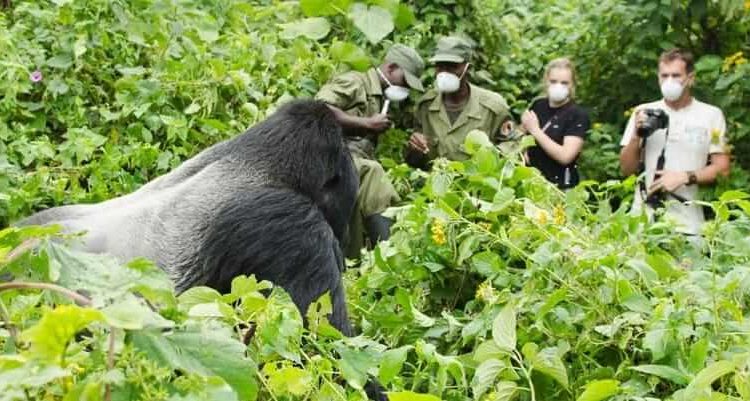
Without overlooking the unique experiences offered by Rwanda and the Democratic Republic of Congo, Uganda is one of the best countries to see mountain gorillas in the wild.
The country combines a substantial gorilla population with two trekking areas, competitive permit prices, diverse landscapes, and excellent opportunities to extend a gorilla safari with other wildlife and cultural activities.
Here are the main reasons to choose Uganda for your next gorilla trekking adventure.
1. Uganda Has Many Gorillas
If you want to see mountain gorillas in their natural habitat, Uganda is an excellent destination because it supports the largest mountain gorilla population in the world.
A significant portion of the global population lives in Uganda, with many habituated families distributed between Bwindi Impenetrable National Park and Mgahinga Gorilla National Park.
Some estimates place Uganda’s mountain gorilla population at approximately 600 individuals.
This represents more than half of the world’s remaining mountain gorillas and gives the country an important role in their conservation.
A large gorilla population also means that Uganda has numerous habituated gorilla families available for trekking.
More families can provide greater flexibility when arranging permits and may allow visitors to choose between different trekking sectors and forest environments.
Uganda has more than 25 habituated gorilla families, meaning that a large number of visitors can take part in guided treks each day.
Nevertheless, gorilla trekking remains a highly demanded activity, particularly during peak travel periods.
Travelers should therefore book permits well in advance to avoid disappointment, especially when traveling during the dry seasons or with a fixed safari schedule.
2. Two Gorilla Trekking Parks
Another major advantage of Uganda is that it offers two places to see mountain gorillas: Bwindi Impenetrable National Park and Mgahinga Gorilla National Park.
This gives visitors the opportunity to choose between different landscapes, trekking sectors, and travel routes.
1. Bwindi Impenetrable National Park
Bwindi Impenetrable National Park is Uganda’s most famous gorilla trekking destination.
The ancient rainforest is home to a large population of mountain gorillas, including numerous habituated families that visitors can track with trained guides and trackers.
The forest is characterized by steep slopes, thick vegetation, tangled vines, and a rich variety of plant and animal life.
Gorilla treks in Bwindi can be physically demanding because the terrain is mountainous and the gorilla families may move through dense forest or far from the trailhead.
Bwindi is divided into several trekking sectors, including Buhoma, Ruhija, Rushaga, and Nkuringo. Each sector offers a different setting and may be more convenient depending on your safari route and accommodation preferences.
2. Mgahinga Gorilla National Park
Mgahinga Gorilla National Park is located in Uganda’s southwestern corner and forms part of the larger Virunga conservation landscape shared by Uganda, Rwanda, and the Democratic Republic of Congo.
Although it is Uganda’s smaller gorilla park, Mgahinga offers a dramatic setting of volcanic mountains, bamboo forests, and steep green slopes.
Gorilla trekking in Mgahinga may be combined with golden monkey tracking, volcano climbing, bird watching, Batwa cultural experiences, and guided forest walks.
The park’s compact size and striking scenery make it an attractive choice for visitors looking for a quieter and highly scenic Uganda safari experience.
3. Affordable Gorilla Permits
Gorilla permit prices are an important part of planning a gorilla trekking safari.
Compared with Rwanda, Uganda has traditionally offered more affordable permits for many international visitors, making it an attractive option for travelers seeking a high-quality gorilla experience at a lower direct permit cost.
The permit prices provided for Uganda are:
-
Foreign non-residents: US$800 per person.
-
Foreign residents: US$700 per person.
-
East African Community citizens: UGX 300,000 per person.
A gorilla permit generally allows a visitor to join a guided trek and spend a regulated period observing a habituated gorilla family.
The permit also contributes to the management of the national parks, conservation programs, gorilla protection, community initiatives, and tourism operations.
The total cost of a gorilla safari is higher than the permit alone. Travelers should also budget for accommodation, transportation, meals, guide services, visas, flights, porter services, travel insurance, and other safari activities.
Even so, Uganda can offer strong value, particularly for visitors who want to combine gorilla trekking with a longer wildlife itinerary.
Because permits are limited and specific to a trekking date and location, it is advisable to reserve yours early. This is especially important for travelers visiting during June to September or December to February, when demand is often high.
4. More Activities to Combine
Uganda is not only a mountain gorilla destination. The country is known for its varied landscapes, forests, lakes, rivers, national parks, cultural communities, and adventure activities.
This makes it possible to combine gorilla trekking with several other experiences during one extended safari.
Activities Near Mgahinga
Visitors trekking gorillas in Mgahinga Gorilla National Park can add several activities to their itinerary:
-
Golden monkey tracking in the bamboo forests.
-
Volcano climbing on Mount Gahinga, Mount Sabyinyo, or Mount Muhabura.
-
Bird watching in the Albertine Rift region.
-
Batwa cultural experiences and community visits.
-
Guided forest walks through the park.
-
Boat trips and lakeside activities around Lake Mutanda.
-
Scenic sightseeing in the Virunga volcanic landscape.
Golden monkey tracking is particularly appealing because it allows visitors to encounter another endangered primate in its natural environment. Volcano hikes also offer a rewarding way to explore the dramatic terrain surrounding the gorilla habitat.
Activities Near Bwindi
Bwindi Impenetrable National Park offers more than gorilla trekking. Visitors can enjoy a range of nature and cultural experiences before or after their trek.
Popular activities include:
-
Batwa cultural visits.
-
Mountain biking through surrounding communities.
-
Bird watching in the ancient rainforest.
-
Guided forest walks.
-
Nature walks and waterfall excursions.
-
Community tourism experiences.
-
Scenic drives through the hills of southwestern Uganda.
These activities are useful for travelers who want to slow down and experience the people, landscapes, and biodiversity surrounding the national park rather than focusing exclusively on gorilla trekking.
5. Easy Safari Combinations
One of Uganda’s greatest strengths is the ability to combine gorilla trekking with traditional wildlife safaris and primate adventures.
A well-planned itinerary can include mountain gorillas, chimpanzees, lions, elephants, hippos, tree-climbing lions, boat cruises, cultural encounters, and mountain scenery.
Wildlife Safaris
Gorilla trekking can be combined with game drives in several Ugandan national parks, including:
-
Queen Elizabeth National Park, known for tree-climbing lions, elephants, buffaloes, leopards, and the Kazinga Channel.
-
Lake Mburo National Park, known for zebras, impalas, eland, giraffes, and walking safaris.
-
Murchison Falls National Park, famous for powerful waterfalls, large herds of wildlife, and Nile boat cruises.
Queen Elizabeth National Park is particularly convenient for visitors traveling between the gorilla parks and other parts of western Uganda.
A safari can include a game drive through the Kasenyi Plains followed by a boat ride along the Kazinga Channel, where visitors may see hippos, crocodiles, elephants, buffaloes, and numerous water birds.
Chimpanzee Tracking
Uganda is also one of Africa’s leading destinations for chimpanzee tracking. Gorilla trekking can be extended with primate experiences in:
-
Kibale Forest National Park.
-
Budongo Forest.
-
Kyambura Gorge.
-
Kalinzu Forest.
Kibale Forest is especially well known for chimpanzee tracking and its high diversity of primates.
Adding chimpanzee tracking to a gorilla safari allows travelers to compare the behavior, habitats, and social structures of two of Africa’s most fascinating great apes.
Boat Trips
Boat trips provide a relaxing contrast to the physical demands of gorilla trekking. Depending on your itinerary, you can enjoy a boat ride on Lake Bunyonyi, Lake Mutanda, or the Kazinga Channel in Queen Elizabeth National Park.
Lake Bunyonyi is surrounded by steep green hills and numerous small islands, while Lake Mutanda offers dramatic views of the Virunga volcanoes.
The Kazinga Channel provides excellent opportunities for observing aquatic wildlife and birds at close range.
6. Cultural and Adventure Experiences
A gorilla safari in Uganda can also include cultural and adventure activities.
These experiences add depth to the journey by introducing travelers to the country’s communities, traditions, landscapes, and outdoor attractions.
Visitors can consider adding:
-
Batwa community visits near Bwindi and Mgahinga.
-
Whitewater rafting on the Nile near Jinja.
-
Bungee jumping in Jinja.
-
Horseback riding and cycling tours.
-
Quad biking.
-
Boat cruises and lakeside excursions.
-
Rwenzori Mountains climbing.
-
Cultural tours and community-based tourism.
Jinja, often described as East Africa’s adventure capital, is a popular extension for travelers who want to add adrenaline-filled activities to their Uganda itinerary.
Those interested in high-altitude trekking can consider a mountaineering expedition in the Rwenzori Mountains, which offers a very different experience from the forested slopes of Bwindi and the Virunga volcanoes.
What Is Gorilla Trekking Like?
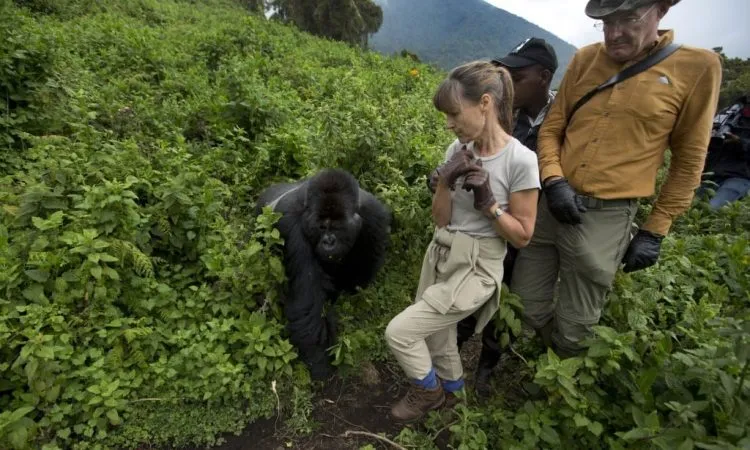
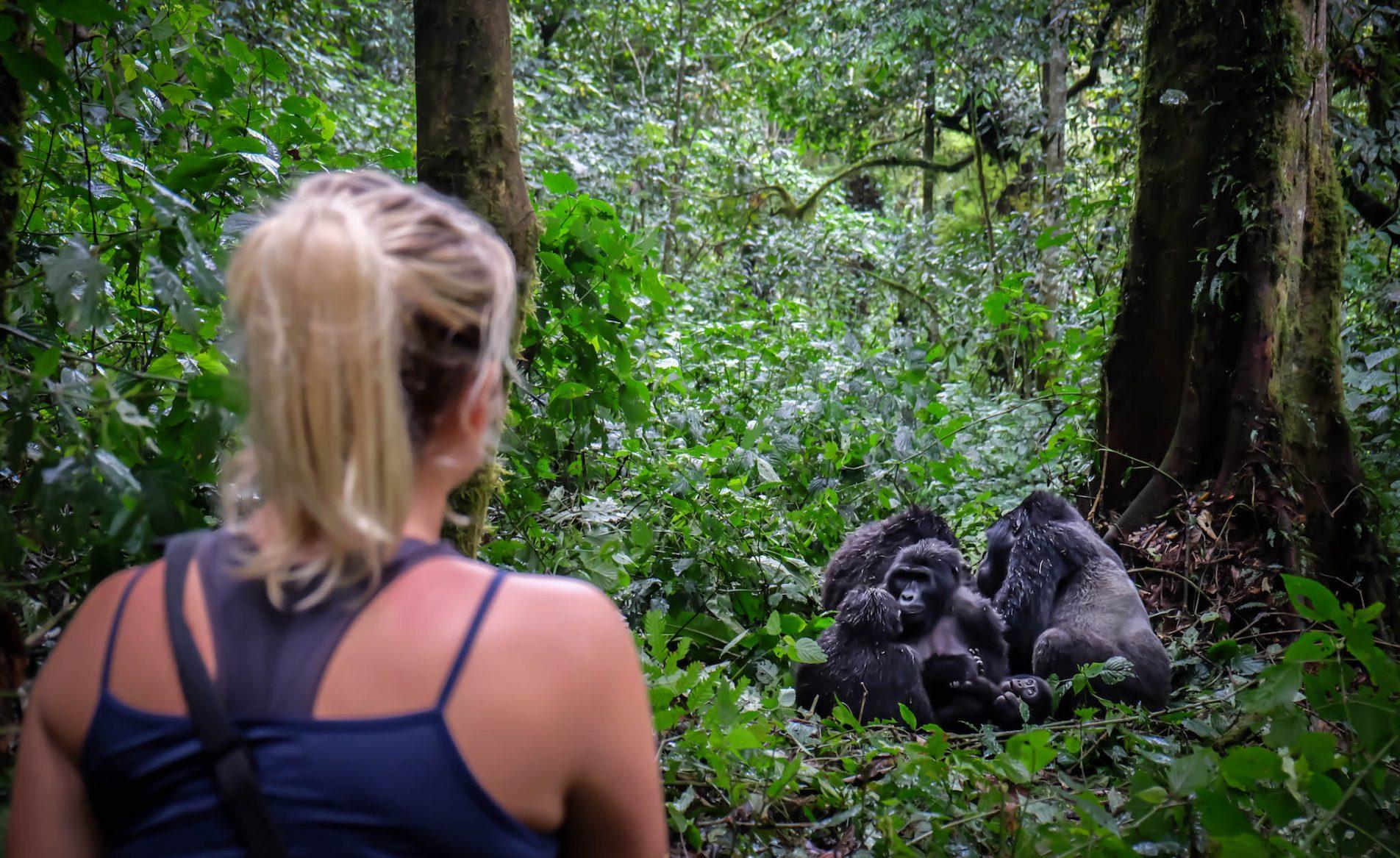
Gorilla trekking is a guided forest adventure that can last anywhere from one to six hours, depending on the location of the gorilla family, the terrain, and the movements of the animals.
Visitors walk through thick vegetation, steep slopes, bamboo forests, and sometimes muddy trails before reaching the gorillas.
Once the group finds the assigned gorilla family, visitors are allowed to observe the animals for a regulated period.
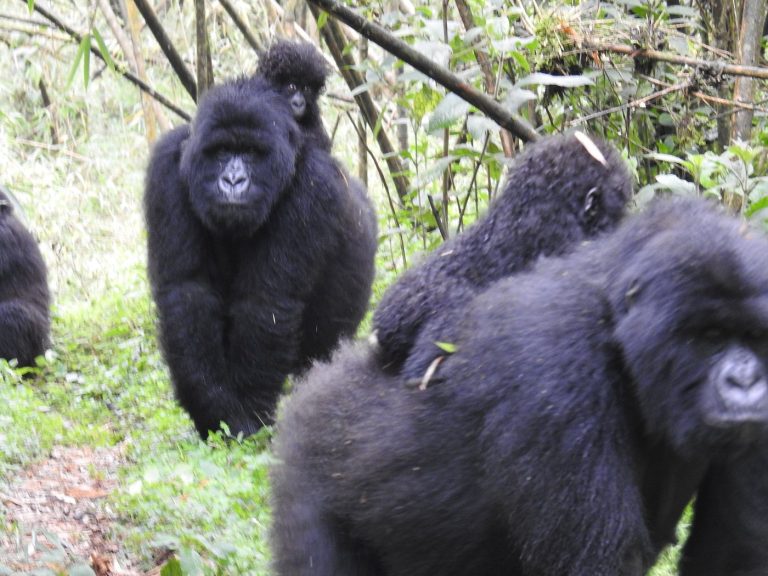
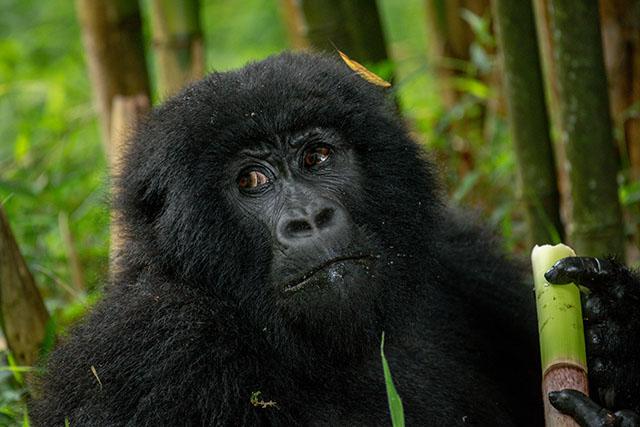
The experience may include watching gorillas feed, play, groom one another, rest, care for their infants, communicate, and move through the forest.
The trek requires patience and physical effort, but the reward is an intimate wildlife encounter unlike almost any other safari experience.
A silverback standing only a short distance away, a curious juvenile playing in the vegetation, or a mother caring for her infant can create memories that remain with travelers for a lifetime.
Travelers should prepare for changing weather, slippery trails, thick vegetation, and steep terrain. Hiring a porter can make the trek easier while also providing direct support to local communities.
Uganda, Rwanda, or Congo?
The best destination depends on your budget, travel style, accessibility preferences, and appetite for adventure.
Uganda is particularly strong for travelers who want a large gorilla population, two trekking locations, affordable permits, and the possibility of combining gorilla trekking with a longer wildlife itinerary.
Rwanda may appeal to travelers who prioritize convenient access from Kigali, a polished tourism network, and a shorter transfer to Volcanoes National Park.
The Democratic Republic of Congo may suit experienced travelers seeking a more remote and adventurous gorilla experience, although travel planning and security considerations require careful attention.
Best Time to Trek Gorillas
Gorilla trekking can be undertaken throughout the year, but many travelers prefer the drier seasons because forest trails are generally easier to navigate.
The drier periods are commonly associated with June to September and December to February.
Rain can occur at any time in the rainforest, including during the dry season.
Bwindi and Mgahinga have wet, mountainous ecosystems, so visitors should always pack waterproof clothing, sturdy hiking boots, gardening gloves, insect repellent, and layered clothing.
The wetter seasons may bring more challenging trail conditions, but they can also offer lush scenery and fewer visitors.
The best time for your Uganda gorilla safari will depend on your schedule, budget, accommodation availability, and tolerance for wet conditions.
Final Verdict
Uganda is one of the best countries to see mountain gorillas in Africa because it combines an exceptional gorilla population with two protected trekking destinations, competitive permit prices, varied landscapes, and outstanding opportunities to add wildlife, primate, cultural, and adventure activities.
Whether you choose the ancient rainforest of Bwindi Impenetrable National Park or the volcanic scenery of Mgahinga Gorilla National Park, a Uganda gorilla trekking safari offers a rare opportunity to encounter endangered mountain gorillas in their natural habitat.
For the most rewarding experience, book your permit early, choose an itinerary that matches your fitness level and interests, and allow enough time to combine gorilla trekking with other highlights such as chimpanzee tracking, game drives, boat trips, golden monkey tracking, cultural visits, or mountain climbing.
Uganda’s combination of wildlife, landscapes, and adventure makes it a compelling answer to the question: What is the best country to see gorillas in Africa?