Mountain Gorilla Population
Mountain Gorilla Population: Latest Numbers, Trends, Facts, Stats & Recovery 2026
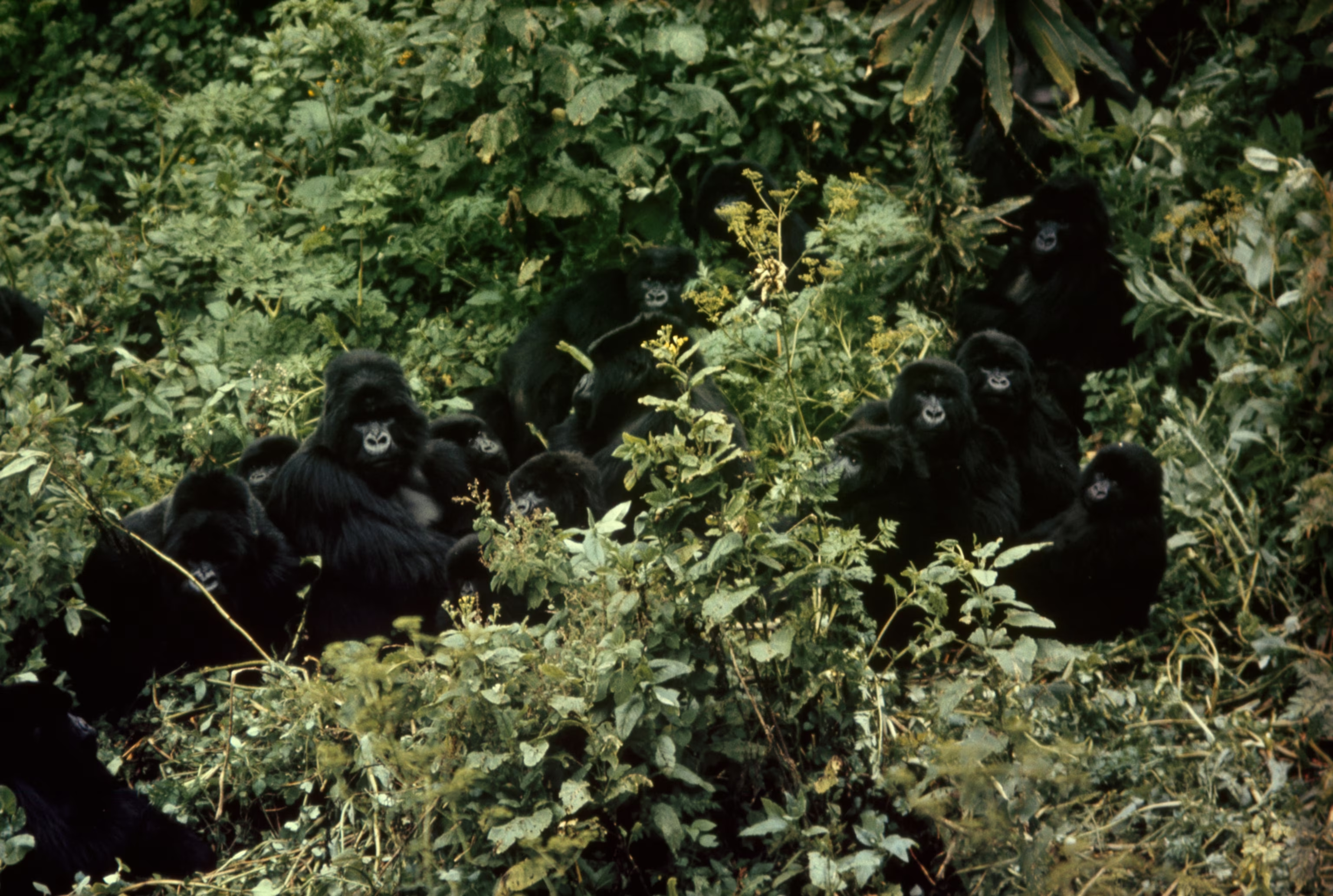
Once on the brink of extinction with fewer than 300 individuals in the 1980s, the mountain gorilla population has staged a remarkable recovery, now exceeding 1,000 strong across Uganda, Rwanda, and the Democratic Republic of Congo.
This mountain gorilla population resurgence stands as one of conservation’s greatest triumphs, driven by relentless anti-poaching efforts, habitat protection, and booming eco-tourism revenue from gorilla trekking safaris.
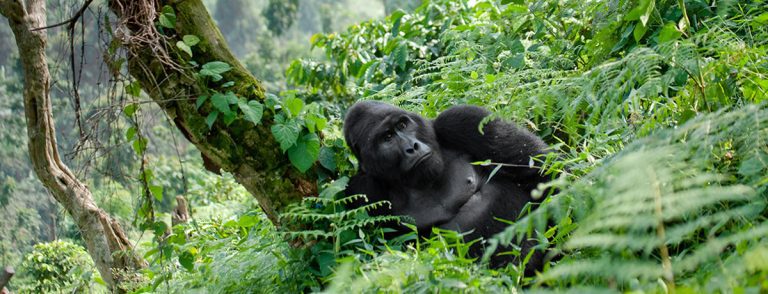
Mountain gorillas the largest living primates, inhabit the misty montane forests of the Virunga Mountains and Bwindi Impenetrable National Park, where their numbers have climbed steadily thanks to international partnerships and community involvement.
As of the latest 2022 census data—updated through 2026 monitoring—the global mountain gorilla population hovers around 1,063, split between two isolated subpopulations, marking a hopeful trend amid broader primate declines.
This article dives into the latest mountain gorilla population numbers, historical trends, habitats, threats, and why sustainable gorilla trekking in Uganda and Rwanda not only boosts your adventure but directly funds their survival.
Whether you’re planning a Bwindi gorilla trek or curious about mountain gorilla conservation, understanding these dynamics reveals why these gentle giants are thriving against the odds.
What Is the Current Mountain Gorilla Population?
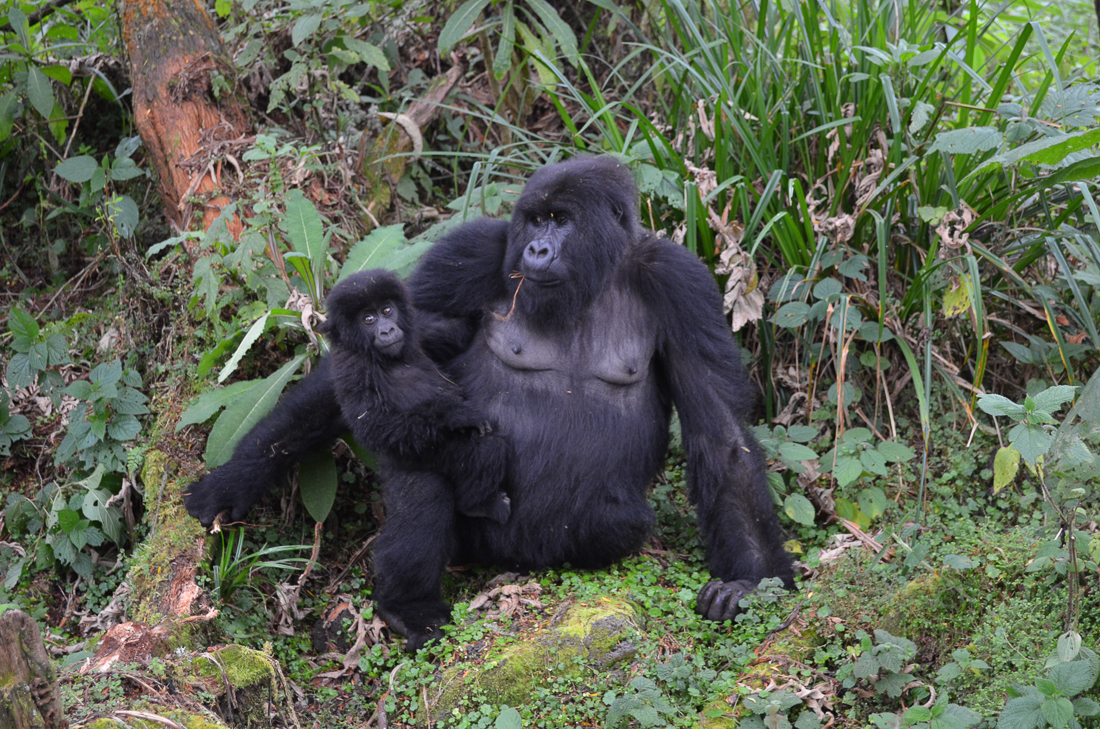
The current mountain gorilla population stands at approximately 1,063 individuals as confirmed by the comprehensive 2018-2022 censuses conducted across their range, with ongoing monitoring in 2026 suggesting continued modest growth to around 1,100.
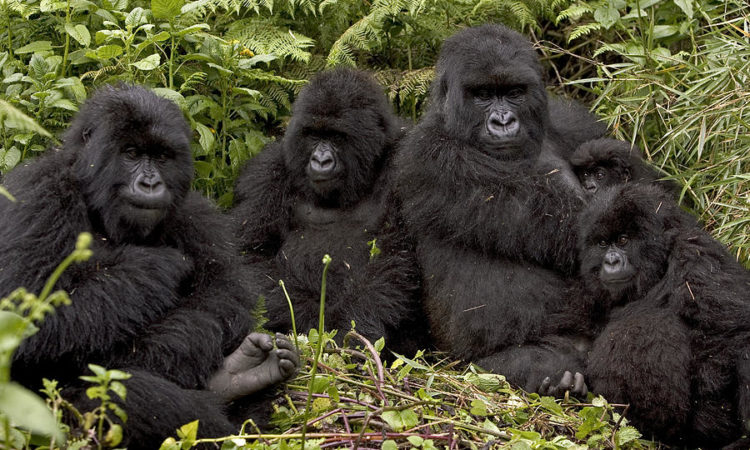
This figure represents a delicate balance in two distinct subpopulations: roughly half, about 459 to 500 gorillas, reside in Uganda’s Bwindi Impenetrable National Park, while the remaining 500+ inhabit the Virunga Massif—a cluster of volcanoes straddling Rwanda’s Volcanoes National Park, Uganda’s Mgahinga Gorilla National Park, and DR Congo’s Virunga National Park.
Counting mountain gorillas proves complex due to their elusive nature in dense, steep terrain; researchers rely on nest counts, DNA fecal analysis, and direct observations during habituation for tourism, which minimizes disturbance while maximizing data accuracy.
These latest mountain gorilla population numbers reflect rigorous annual surveys by organizations like the International Gorilla Conservation Programme (IGCP) and the African Wildlife Foundation (AWF), which deploy ranger teams equipped with GPS and camera traps.
For instance, Bwindi’s stable half of the population benefits from Uganda Wildlife Authority’s (UWA) patrols, while Virunga’s group shows slight fluctuations from human-wildlife conflicts.
Key challenges in enumeration include infants under one year (not fully counted until weaning) and nomadic silverbacks leading families across borders.
Despite this, the mountain gorilla population trends indicate resilience: a 50% increase since 2008, downgrading their IUCN status from Critically Endangered to Endangered in 2018.
For safari enthusiasts eyeing gorilla trekking Uganda or Rwanda, these numbers underscore the urgency—permits fund 90% of park revenues, directly sustaining this mountain gorilla population.
Mountain Gorilla Population Over Time
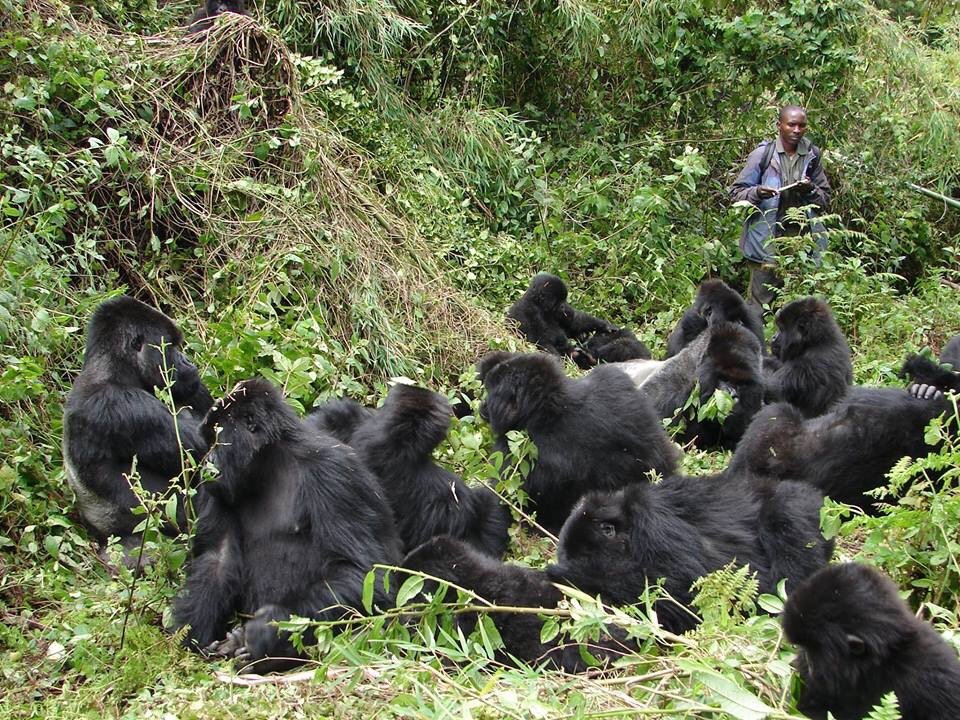
Tracking the mountain gorilla population over time reveals a dramatic arc from near-extinction to cautious optimism, with censuses providing a clear timeline of recovery.
In the 1980s, numbers plummeted to just 254, ravaged by poaching for bushmeat and trophies amid civil unrest; by 1989, only four habituated groups existed.
The 2000s marked a turning point with slow recovery to 786 by 2010, fueled by the Dian Fossey Gorilla Fund’s protections and peace accords stabilizing the Virungas.
-
1981: ~254 total, critically low [previous context].
-
2003: 380 in Virungas, 300+ in Bwindi—first joint census.
-
2006: 604 Virungas + 346 Bwindi = 950.
-
2010: 458 Bwindi + 480 Virungas = 938 (adjusted upward).
-
2018: 1,063 confirmed, 26% growth since 2010.
-
2022-2026 updates: Projections near 1,100, with 3-4% annual increase.
Major conservation milestones include the 1991 Virunga Agreement for cross-border patrols and Rwanda’s 2005 tourism boom post-genocide.
Graphically, envision a line chart: x-axis years (1980-2026), y-axis population (0-1,200), spiking post-2000 with annotations for key events like IGCP founding (1991) and status downgrade.
This mountain gorilla population growth defies global wildlife declines, proving human intervention works—but sustained eco-tourism like Bwindi gorilla safaris remains vital to maintain momentum.
Where Do Mountain Gorillas Live?
Mountain gorillas exclusively inhabit two isolated regions in East and Central Africa: Bwindi Impenetrable National Park in southwestern Uganda and the Virunga Mountains along the Uganda-Rwanda-DR Congo border.
Bwindi, a UNESCO World Heritage Site spanning 331 km², hosts half the population amid tangled montane forests at 1,160-2,607 meters elevation, where epiphyte-draped trees and bamboo thickets provide ideal foraging.
The Virunga range, covering eight extinct/hopefully dormant volcanoes like Karisimbi (4,507m), features alpine meadows above 2,000 m transitioning to bamboo and Hagenia woodlands—cool, misty habitats with 2-3m annual rainfall supporting their vegetarian diet of 26kg daily foliage.
These montane cloud forests thrive in stable climates (10-25°C), with volcanic soils fostering diverse vegetation like wild celery and thistles.
Human pressures edge these parks: Bwindi borders farms, Virungas face refugee influxes. Yet, this remoteness protects them, making gorilla trekking here an elite adventure—treks start at park gates, ascending steep trails for hour-long encounters.
Why Is the Mountain Gorilla Population Increasing?
The mountain gorilla population increase stems from multifaceted strategies transforming threats into assets, with strict conservation laws like 10-year prison terms for poaching enforced by 1,000+ rangers across parks.
Anti-poaching patrols, bolstered by IGCP and WWF, reduced snares by 80% since 2005 using SMART tech for real-time data; Virunga alone deploys drones and dogs.
Veterinary interventions by Rwanda’s Mountain Gorilla Veterinary Project vaccinate against scabies/measles and treat snares, boosting survival 20%.
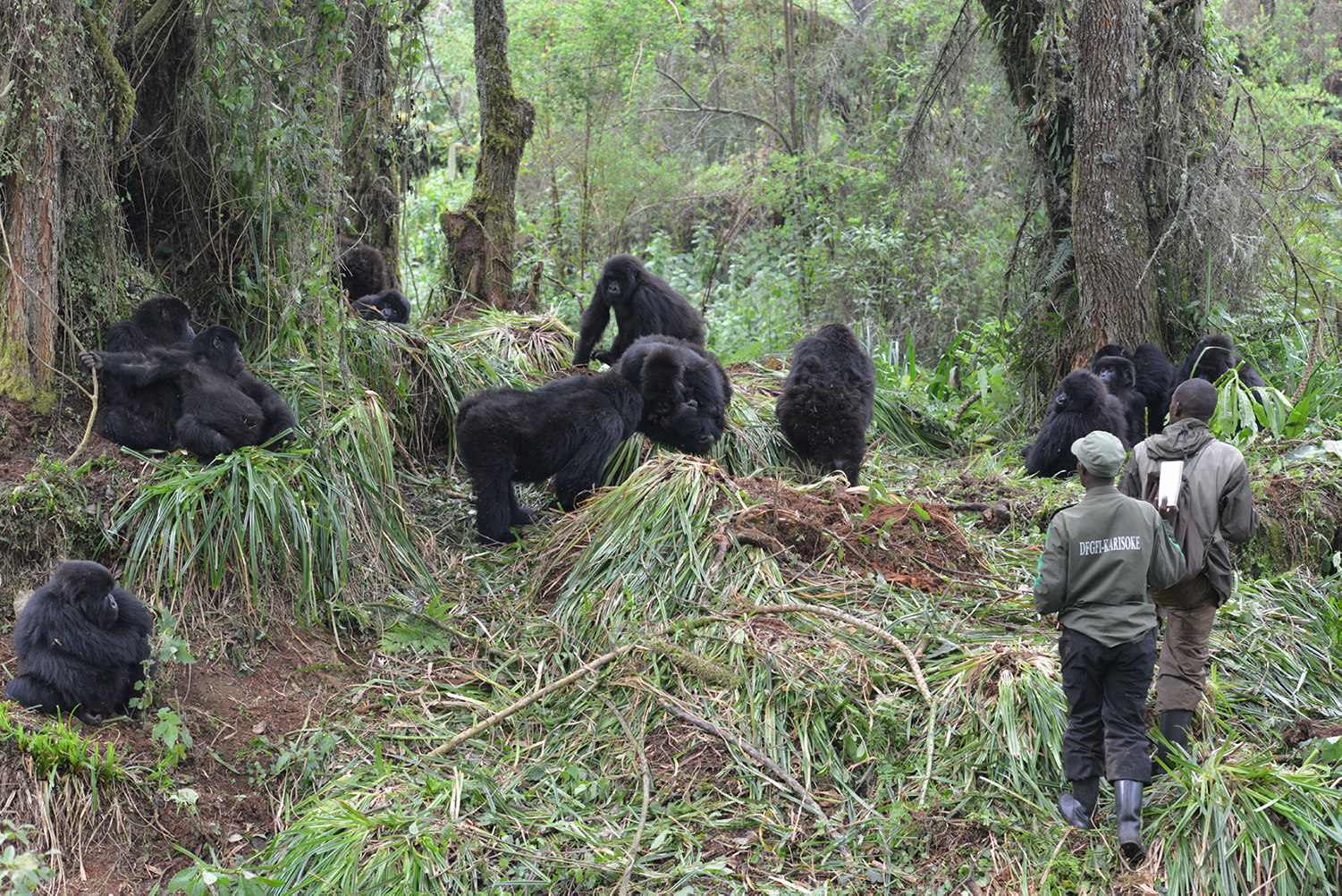
Crucially, eco-tourism revenue—$20M+ annually—funds 70-90% of operations:
Uganda’s UWA earns $25,000 per permit (8 daily), shared with communities to curb encroachment.
-
World Wildlife Fund (WWF): Funds corridor expansion, anti-snaring.
-
International Gorilla Conservation Programme (IGCP): Cross-border coordination since 1991.
-
Habituation: 17 trackable groups generate jobs for 500+ locals.
This synergy yielded 3.7% annual growth 2007-2012, sustaining the upward mountain gorilla population trend.
Threats Still Facing Mountain Gorillas
Despite gains, threats to mountain gorillas persist: disease transmission from tourists (e.g., respiratory bugs) risks 50% mortality in naive groups, prompting mask rules and 5m distancing.
Habitat encroachment from agriculture/mining fragments forests—Bwindi loses 1% yearly to farms, sparking crop raids.
Political instability in DR Congo enables militia incursions, killing 20+ since 2010. Climate change exacerbates bamboo die-offs and erratic rains, potentially halving food by 2050. Vigilance via gorilla conservation is key.
Conservation Efforts That Saved Mountain Gorillas
Conservation efforts like community-based tourism employ ex-poachers as guides, channeling 30% revenues to 40,000 locals via schools/clinics. Revenue sharing in Uganda/Rwanda invests $3M yearly in development, reducing resentment.
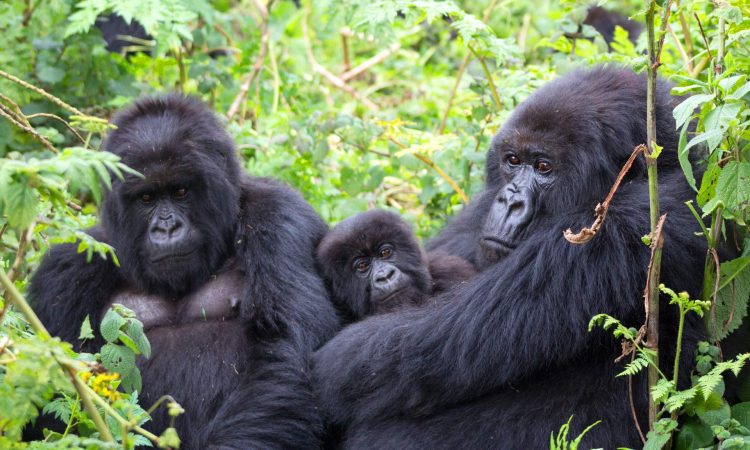
Gorilla habituation programs desensitize families over 2-3 years for safe viewing, funding vets/patrols. International partnerships—USAID, DFID, AWF—provide $10M+ annually, creating the “Silverback” model emulated globally.
Where to See Mountain Gorillas in Africa
Spot mountain gorillas via permitted treks in prime spots:
-
Bwindi Impenetrable National Park (Uganda): 459 gorillas, moderate-strenuous hikes, $700 permits; lush, family-friendly.
-
Volcanoes National Park (Rwanda): 260+, golden bamboo forests, $1,500 permits; luxury lodges like Bisate.
-
Virunga National Park (DRC): 350+, adventurous, $800 permits; budget-friendly.
Trek difficulty: 2-7 hours uphill, fitness needed; costs cover conservation. Book your gorilla safari now—contact us for custom Uganda/Rwanda itineraries boosting mountain gorilla population!
Mountain Gorilla vs Other Gorilla Populations
Unlike increasing mountain gorillas (1,063), Cross River gorillas (~250) cling to Nigeria/Cameroon, critically endangered by logging.
Western lowland gorillas (316,000+) face Ebola, but vast range dilutes threats—smaller, swamp-dwellers vs. mountains’ highland specialists.
Interesting Facts About Mountain Gorilla Population
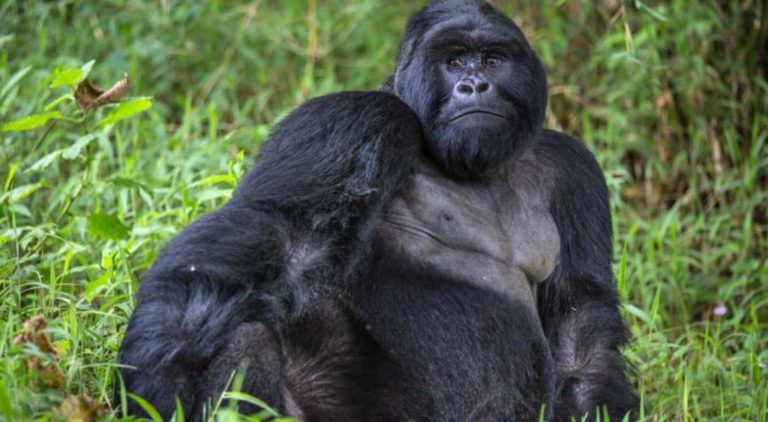
The mountain gorilla population is the only great ape increasing amid declines. As a highly protected species, troops led by 400lb silverbacks share 98% human DNA, enabling empathy-driven conservation.
-
Largest primates: Males 485lb.
-
Females birth every 4 years.
-
17 habituated groups for tourism.
Future of Mountain Gorilla Population
Projections eye 1,500 by 2030 if trends hold, but risks like fragmentation loom. Continued eco-tourism and corridors are pivotal for mountain gorilla population viability.
FAQs
How many mountain gorillas are left?
About 1,063-1,100 as of 2026.
Are mountain gorillas endangered?
Yes, Endangered (IUCN).
Where can I see them?
Bwindi, Volcanoes, Virunga.
Why are they increasing?
Patrols, tourism, vets.
Conclusion
The mountain gorilla population turnaround from 254 to 1,063+ exemplifies conservation’s power through laws, communities, and tourism. By booking a gorilla trekking safari with us, you witness this won