How much does a gorilla permit cost in 2026?
USD 800 per person in Uganda, USD 1,500 in Rwanda, and about USD 400 to 450 in the Democratic Republic of Congo. Uganda's four-hour habituation permit is USD 1,500. Uganda also charges USD 700 for foreign residents, around USD 500 for African passport holders and UGX 300,000 for East African citizens. These are government rates, identical through every operator. See the full permit breakdown.
How far in advance should I book?
Two to three months for most dates. Five to six months for June to September, December to February, and any habituation permit, since only four of those are issued per day. Eight standard permits exist per gorilla family per day, so the scarcity is real rather than a sales tactic.
Is it cheaper to trek in Uganda or Rwanda?
Uganda, by a wide margin. The permit is USD 800 against USD 1,500, and lodging and transport cost less. Rwanda's advantage is time: Volcanoes National Park is two to three hours from Kigali airport on tarmac, while Bwindi is an eight to nine hour drive from Entebbe or a flight to Kihihi. If you have four days, Rwanda. If you have a week, Uganda. Our Bwindi trek from Kigali splits the difference.
What is the best time of year to trek?
June to September and December to February are drier, with firmer trails and the heaviest demand. March to May and October to November are wet but often easier, because gorillas feed lower down when food is plentiful, and lodges are cheaper and quieter.
How fit do I need to be?
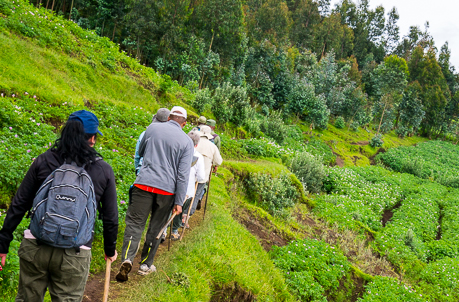
Reasonably fit. Treks run one to eight hours at 1,500 to 3,000 metres on steep, slippery ground. Rangers try to match trekkers to families by fitness, porters carry your pack for around USD 20, and sedan chairs can be arranged in Bwindi for an extra fee. Tell us honestly about knees, asthma and altitude history when you book and we will request an appropriate sector.
Can children come?
Not on the trek. The minimum age is 15 on the day, in all three countries, to protect gorillas from childhood illnesses. Younger children can join the rest of a safari, and lodges near Bwindi and Volcanoes can arrange activities while the adults trek.
Am I guaranteed to see gorillas?
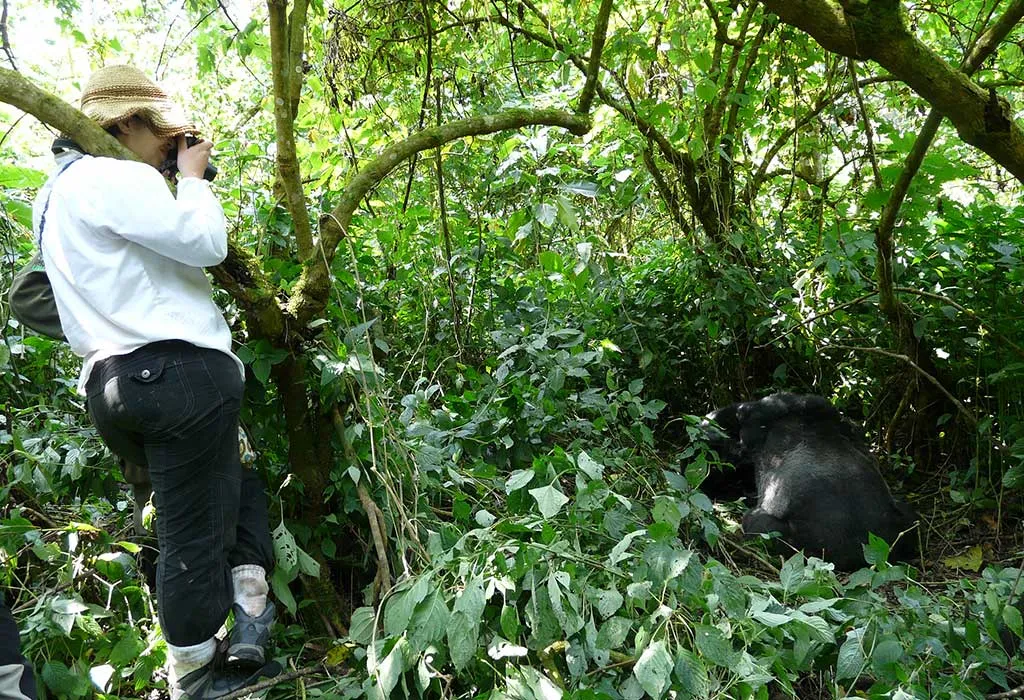
Nothing is guaranteed, but trackers locate the families before trekkers set off and success rates exceed 95%. If a family genuinely cannot be found, Uganda Wildlife Authority will usually offer a repeat trek or partial refund. We confirm the current policy in writing when you book.
Can I trek gorillas in Congo at the moment?
Access to Virunga National Park has been intermittent since 2020 for security reasons. Permits remain the cheapest at USD 400 to 450, and Kahuzi-Biega is the only place on earth to trek eastern lowland gorillas, but we confirm Congo departures only when the park is officially open and the route assessed. Ask us for the current position rather than planning around it.
Do you arrange combined Uganda and Rwanda trips?
Yes, and they are often the best value. Itineraries of 8 to 14 days pair Bwindi with Volcanoes, frequently adding Nyungwe for chimpanzees and Akagera for big game. We handle the Cyanika or Katuna crossing and the vehicle paperwork. Start with the 12-day Uganda and Rwanda safari.
What is gorilla habituation, and is it worth the money?
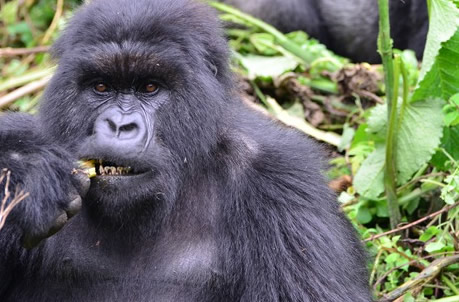
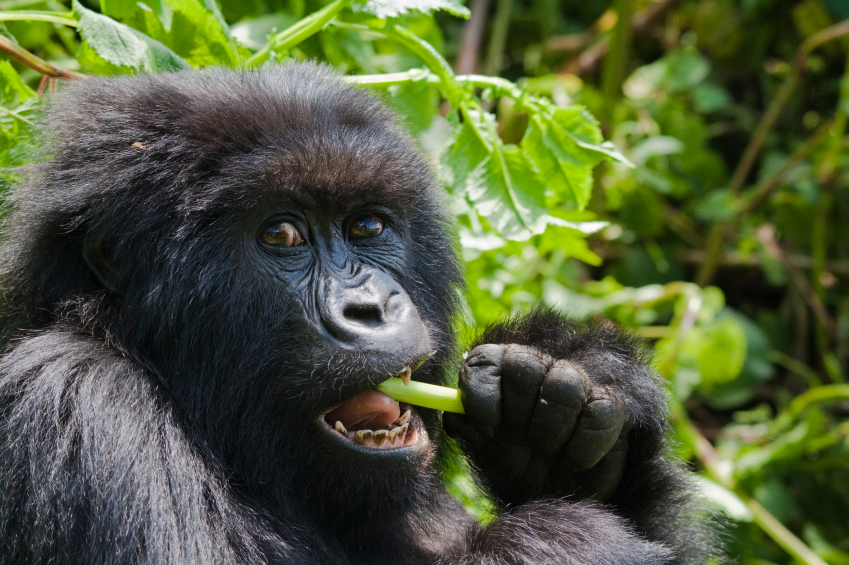
Habituation lets four trekkers spend four hours with a semi-habituated family alongside the researchers who are slowly accustoming them to people. It costs USD 1,500 in Bwindi's Rushaga sector and exists nowhere else. If you are a photographer, a repeat visitor, or someone for whom one hour would be an exercise in frustration, it is worth it. See the three-day habituation itinerary.