
Cultural Tours in Uganda
Cultural Tours in Uganda: Discover the Pearl of Africa’s Living Heritage Guide 2026
Cultural Tours in Uganda: Are you interested in learning about Ugandans’ customs and lifestyles during your safari? If so, allow us to introduce you to cultural tours in Uganda.
These provide insight into the cultural heritage of the people, encompassing everything from rural areas to townships.
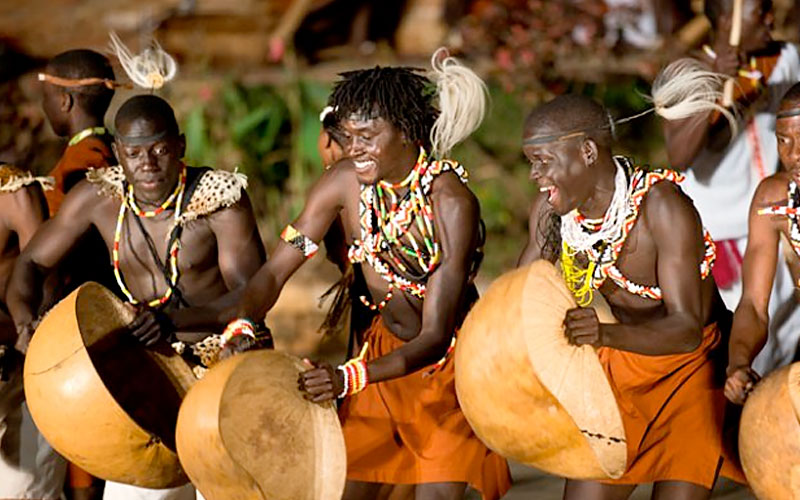
Cultural tours in Uganda allow travelers to shop at local markets for some of the country’s traditional artifacts, mix ingredients during cooking experiences, join a traditional dance performance at the Ndere Cultural Center, or even delve into Kampala’s street food.
The majority of these tours can be combined with Uganda wildlife tours, whereby you will learn about medicinal plants and traditional hunting techniques in a Batwa pygmy village, or admire the art deco architecture of Karamojong’s Manyattas, and many others.
Even the longest trips in Uganda can only skim the surface here, but when traveling with responsible and credible tour operators like Maranatha Tours and Travel, travelers not only make the most of their time but also ensure that their safari will have real benefits to the communities they visit.
Uganda is a country rich in cultural diversity, with more than 50 tribes, and our cultural tours are for travelers looking for a more customized travel experience.
A Uganda cultural tour would include a stay in a village house, a cooking tour, or a visit to the local markets- a colorful cultural immersion.
Cultural tours in the Pearl of Africa provide travelers with a deeper understanding of the country and its people, and create memories that will last a lifetime. For every national park you visit in Uganda, there’s an opportunity to enjoy these immersive experiences.
In Bwindi, Mgahinga National Park, and Semliki National Parks, you can spend time with the Batwa, learning techniques for survival in the jungles. Find out how to identify medicinal plants and many other experiences.
What Are Cultural Tours in Uganda?
Cultural tourism in Uganda involves visiting communities, historic sites, cultural institutions, markets, kingdoms, and traditional settlements to learn about the country’s heritage and contemporary way of life.
These experiences may include:
-
Visiting a Batwa community near Bwindi or Mgahinga.
-
Exploring a traditional Karamojong manyatta near Kidepo Valley.
-
Learning to prepare local food during a village cooking experience.
-
Visiting the Kasubi Royal Tombs and the Buganda Kingdom.
-
Watching music and dance at the Ndere Cultural Centre.
-
Exploring local markets and purchasing handmade crafts.
-
Learning about traditional agriculture, cattle keeping, hunting, and medicinal plants.
-
Meeting local guides, artists, storytellers, farmers, and community leaders.
Uganda’s heritage includes tangible sites, traditional settlements, crafts, monuments, music, food, beliefs, languages, and social customs.
Although the country is often described as having more than 50 tribes, the exact figure varies according to how ethnic groups are classified.
The important point for travelers is that Uganda has remarkable cultural diversity within a relatively compact destination.
A cultural tour should be more than watching a performance or taking photographs. The best experiences are community-led, respectful, educational, and transparent about how tourism benefits local people.
Top Cultural Tours in Uganda
1. Batwa cultural trail
Living around Bwindi Impenetrable Forest, Mgahinga Gorilla National Park, and some isolated communities around Semliki National Park, Batwa pygmies are one of the unmissable options for exploring cultural tours in Uganda.
Known for their ancient hunter-gatherer lifestyle, these pygmies occupied the mentioned forests for years and were known as the “keepers of the forests”.
They were, however, evicted when these forests became gazetted into Forest Reserves and National Parks, hence displacing them to nearby areas.
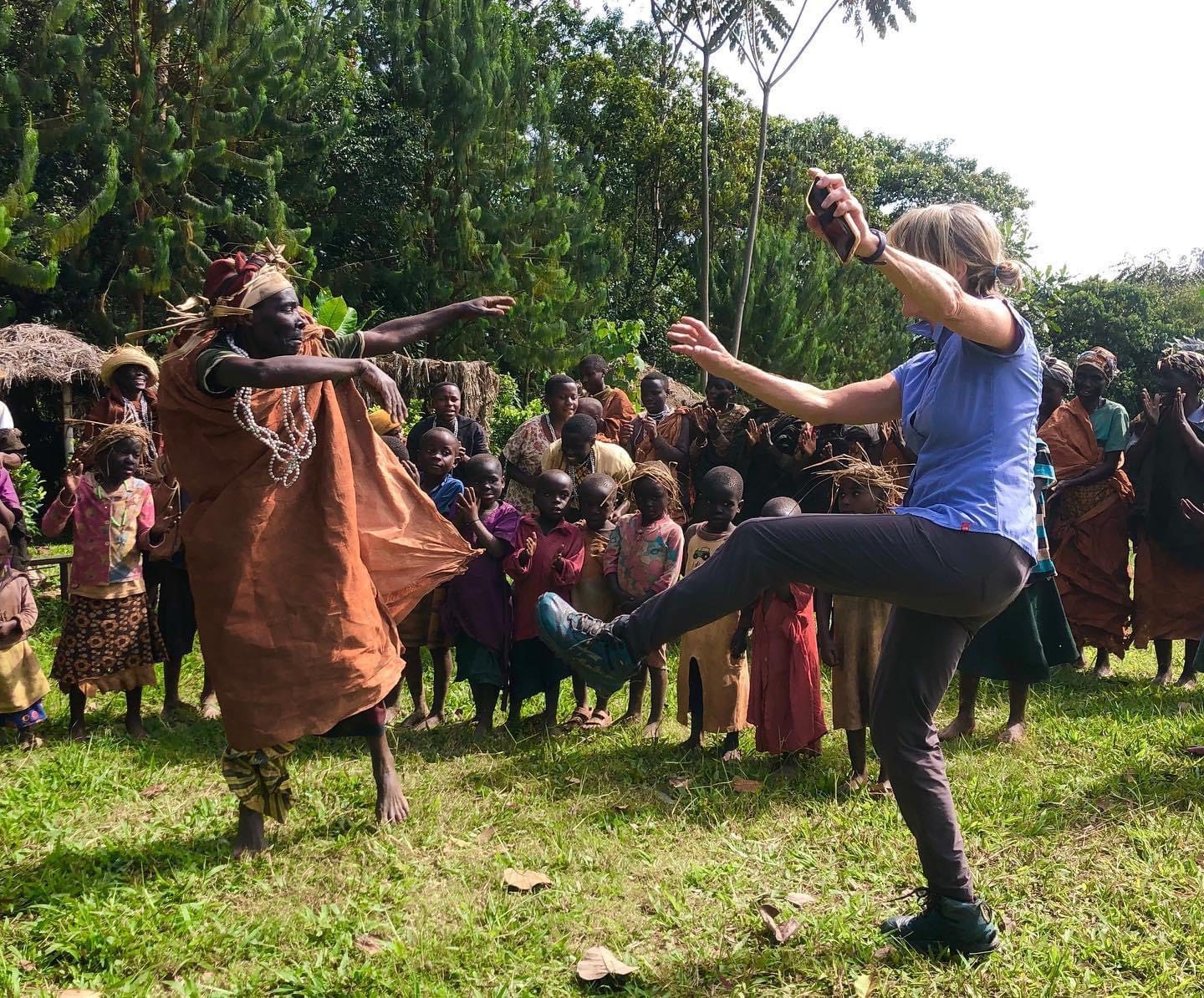
For your cultural tour here, you will visit some of the authentic communities with the Batwa people, take guided tours through their small huts, learn about the medicinal plants, be amazed by their unique traditional fire-making skills by rubbing sticks, and be entertained in their traditional dances and songs. These tours can last anywhere between one and three hours.
For a more in-depth understanding of these pygmies and their ancient lifestyle, we recommend booking the “Batwa Cultural Trail” offered in Mgahinga Gorilla National Park.
Here, visitors are guided by a local Batwa guide through the forest to identify native plants used as traditional medicines and learn about their hunting skills through mock hunting demonstrations.
Additionally, you can see how bamboo cups are made and what they look like, explore the popular Garama Cave to learn about its historical and cultural significance, including its role in providing safety during conflicts.
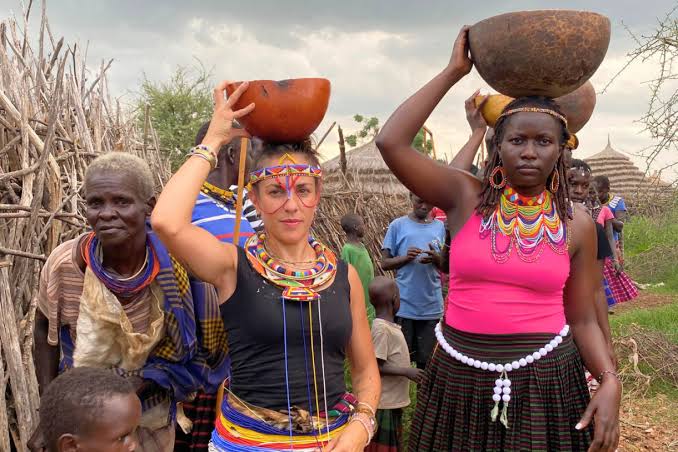
2. Karamojong cultural tours
For your safari in Kidepo Valley National Park, you can add Karamojong cultural tours to your itinerary.
Here, you will spend time with the pastoralist community, touring their traditional huts (known as Manyattas), learning about their foods and how they are prepared.
You will also learn how to identify medicinal plants, join in grazing and milking, and so much more.
These cultural tours aren’t just about tourism homesteads but also introduce travelers to ancient Karamojong culture while supporting community-based projects (sanitation, education, and health).
Explore these homesteads with an informed local guide and learn how to create traditional beadwork, and these are usually climaxed with traditional performances involving locals and visitors alike.
For township cultural tours, travelers can explore the Igongo Cultural Center in Biharwe (close to Mbarara Town), especially while driving to western and southwestern Uganda destinations.
Here, you can take a guided tour of the Museum that displays the history of Ankole culture and the general way of life of the Banyankole people, get a chance to taste local Ankole cuisines, including “Eshabwe and kalo”, drink organic milk, yoghurt, and Bongo (fermented milk).
Also displaying the Ankole culture is “Nshenyi Village”, approximately a two-hour drive from Mbarara Town.
Other township cultural tours involve visits to Ndere Cultural Center, Kasubi Royal Tombs, and the Kabaka’s palace in Mengo, the Uganda Museum, and many others. These can also be incorporated as part of Kampala City Tours for memories that will last a lifetime.
Why Take a Cultural Tour in Uganda?
A cultural experience adds depth to a wildlife safari. After seeing gorillas in the forest or elephants on the savanna, meeting local people helps you understand how communities live alongside Uganda’s landscapes and wildlife.
1. Learn about Ugandan lifestyles
A village visit may introduce you to:
-
Traditional farming and food production.
-
Cattle keeping and milk processing.
-
Local building styles and homesteads.
-
Traditional clothing and beadwork.
-
Music, dance, storytelling, and oral history.
-
Herbal knowledge and the use of native plants.
2. Enjoy authentic local food
Food is one of the easiest ways to connect with a culture. Depending on the region, you may taste:
-
Matoke, a staple made from steamed green bananas.
-
Posho, commonly served with beans, meat, or vegetables.
-
Kalo, a millet-based dish associated with western Uganda.
-
Eshabwe, a traditional Ankole ghee sauce.
-
Fresh milk, yoghurt, and fermented milk.
-
Seasonal fruits and vegetables.
-
Local tea, coffee, and traditional beverages.
Cooking tours may include collecting ingredients, preparing food with a host family, learning traditional cooking methods, and sharing a meal.
3. Support community tourism
When you book a community-owned experience, your money can support:
-
Local guides and performers.
-
Women’s craft cooperatives.
-
Community schools and health projects.
-
Conservation initiatives.
-
Cultural restoration and heritage centres.
-
Small restaurants, homestays, and transport providers.
Adventure Uganda Safaris works with local guides and community initiatives where possible to help ensure that cultural tourism creates practical benefits for host communities.
4. Add variety to a wildlife itinerary
Cultural activities can be added before or after:
-
Gorilla trekking in Bwindi.
-
Mgahinga Gorilla National Park.
-
Chimpanzee tracking in Kibale Forest.
-
Kidepo Valley National Park.
-
Queen Elizabeth National Park.
-
Murchison Falls National Park.
-
Lake Mburo National Park.
-
Kampala city tours.
This makes a Uganda safari more personal, varied, and memorable.
How to Combine Cultural and Wildlife Tours
The strongest Uganda cultural safari itineraries combine wildlife with community experiences rather than treating culture as an afterthought.
Gorilla and Batwa cultural safari
A typical itinerary may include:
-
Arrival in Entebbe or Kampala.
-
Travel to Bwindi or Mgahinga.
-
Batwa cultural experience.
-
Gorilla trekking.
-
Lake Bunyonyi relaxation.
-
Return to Kampala or continue to Queen Elizabeth National Park.
Kidepo wildlife and Karamojong cultural safari
This itinerary may combine:
-
Flights or road travel to Kidepo.
-
Morning and afternoon game drives.
-
A Karamojong manyatta visit.
-
Traditional dance and beadwork.
-
Community-led storytelling.
-
Additional wildlife viewing in Narus Valley or the Kidepo Valley.
Kampala and western Uganda cultural circuit
A shorter route may include:
-
Kasubi Royal Tombs.
-
Uganda Museum.
-
Ndere Cultural Centre.
-
Igongo Cultural Centre.
-
Ankole food experience.
-
Bwindi gorilla trekking or a Lake Bunyonyi visit.

Best Time for Cultural Tours in Uganda
Cultural tours operate throughout the year, but the best timing depends on the wider safari itinerary.
Dry seasons
The drier periods are generally:
-
June to August
-
December to February
These months are popular for gorilla trekking, game drives, and road travel. They can also be busier and more expensive.
Wet seasons
The wetter periods commonly include:
-
March to May
-
September to November
Wet-season travel may bring lower lodge rates and fewer visitors. However, some unpaved roads and walking trails can become muddy.
Cultural experiences such as cooking demonstrations, museum visits, performances, and market tours can be enjoyed in any season. For forest trails and rural walks, carry waterproof footwear and a rain jacket.
Cultural Etiquette in Uganda
Respectful behavior helps create genuine connections and protects the dignity of host communities.
1. Greet people politely.
Greetings are important in Uganda. When meeting someone, begin with a polite greeting before asking a question. In many situations, a handshake is appropriate.
2. Dress modestly.
Dress conservatively when visiting:
-
Villages.
-
Religious sites.
-
Royal or sacred places.
-
Community homes.
-
Cultural ceremonies.
Covering the shoulders and knees is generally advisable. In some communities or royal settings, women may be asked to wear a wrap or lesu over trousers or a short skirt.
3. Ask before taking photographs.
Always ask permission before photographing:
-
People.
-
Children.
-
Homes.
-
Ceremonies.
-
Sacred spaces.
-
Military or government buildings.
Do not assume that paying for a tour automatically gives permission to photograph every person or activity.
4. Use the right hand.
When greeting, giving, or receiving money and gifts, use your right hand or both hands. This is a common sign of respect.
5. Avoid excessive public affection.
Public displays of affection should be modest, especially in rural communities and at cultural or religious sites.
6. Bargain politely.
Bargaining is common in many local markets, but it should remain friendly. Do not become aggressive over a small price difference, and consider the value of handmade work.
7. Avoid giving gifts directly to children.
Handing out sweets, money, or gifts can encourage dependency and unequal interactions. If you want to support a school or community, ask your tour operator how to make a responsible contribution through an established project.
Responsible Cultural Tourism in Uganda
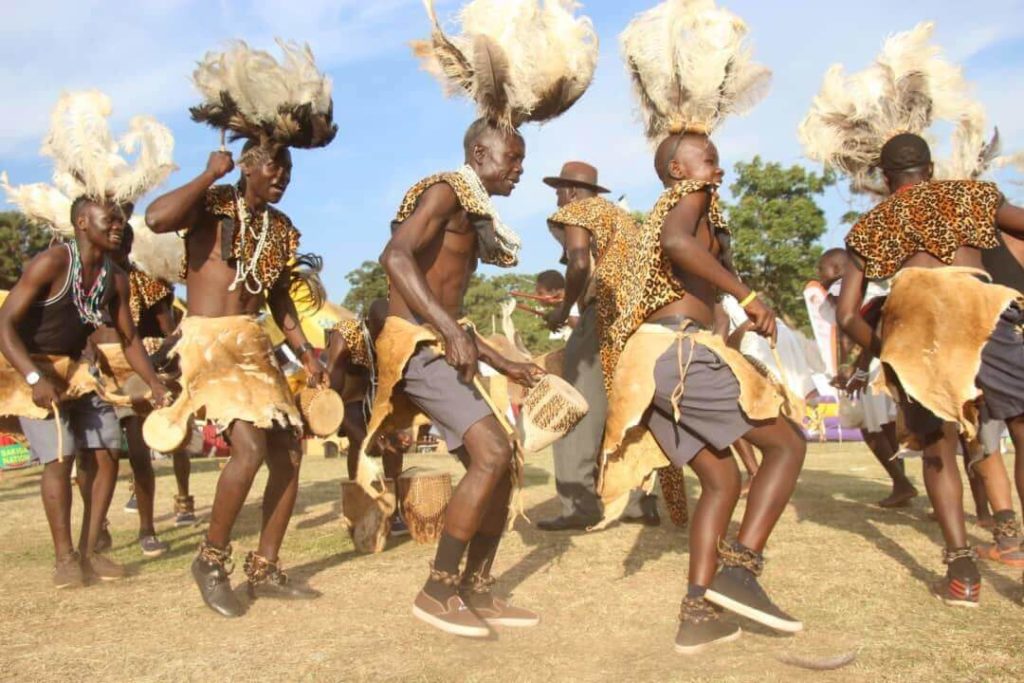
Responsible travel should benefit communities and respect local identity.
Before booking, ask:
-
Is the activity community-led?
-
Are local guides paid fairly?
-
Where do the entrance fees go?
-
Are photographs permitted?
-
Is the experience respectful and voluntary?
-
Does it support education, conservation, healthcare, or livelihoods?
-
Are children protected from exploitation?
-
Is the cultural information presented accurately?
Choose locally owned craft shops, restaurants, homestays, and guiding services where possible.
Buy products directly from artisans and avoid purchasing objects made from protected wildlife materials or illegally collected cultural artefacts.
A cultural visit should be an exchange, not a performance imposed on a community. Listen more than you speak, follow your guide’s instructions, and respect areas that are private or sacred.
What to Pack for a Uganda Cultural Tour
Your packing list depends on the region and activities, but useful items include:
-
Lightweight, modest clothing.
-
Long trousers or long skirts.
-
Comfortable walking shoes.
-
Sandals or casual shoes.
-
Light rain jacket or poncho.
-
Hat and sunscreen.
-
Insect repellent.
-
Reusable water bottle.
-
Small daypack.
-
Camera and spare batteries.
-
Hand sanitizer and personal medication.
-
Ugandan shillings for crafts, markets, tips, and small purchases.
For Batwa trails, village walks, or forest-edge experiences, waterproof hiking shoes and long trousers are particularly useful.
Why Book Cultural Tours with Adventure Uganda Safaris?
A local operator can make cultural travel more meaningful and better organized. Adventure Uganda Safaris can help you:
-
Add cultural experiences to wildlife and gorilla itineraries.
-
Select activities that match your interests and available time.
-
Arrange community guides and transport.
-
Recommend appropriate dress and etiquette.
-
Coordinate market, museum, food, and village visits.
-
Combine cultural activities with Uganda wildlife tours.
-
Build private, family, honeymoon, or small-group itineraries.
-
Support responsible community-based tourism.
Whether you want a Batwa cultural trail, a Karamojong manyatta visit, a Kampala cultural tour, an Ankole food experience, or a traditional dance performance, we can design a route around your travel plans.
Frequently Asked Questions
What are the best cultural tours in Uganda?
Popular options include the Batwa Cultural Trail, Karamojong manyatta visits, Ndere Cultural Centre performances, Kasubi Royal Tombs, Uganda Museum, Igongo Cultural Centre, local market tours, and village cooking experiences.
How long should a cultural tour in Uganda take?
A short activity may take two to four hours, while a deeper cultural itinerary can last several days. The best duration depends on whether you are combining culture with gorilla trekking, wildlife viewing, or chimpanzee tracking.
Can I combine cultural tours with gorilla trekking?
Yes. Batwa and Bakiga experiences can be combined with Bwindi gorilla trekking, while the Batwa Cultural Trail is a natural addition to a Mgahinga National Park itinerary.
Are cultural tours suitable for families?
Many are suitable for families, especially cooking activities, museum visits, craft workshops, dance performances, and community walks. Tell your operator the children’s ages so activities can be selected appropriately.
Should I tip local guides and performers?
Tipping is not always mandatory, but it is appreciated when service is good. Ask your tour leader about appropriate amounts and whether tips are shared among guides, performers, cooks, and community representatives.
Is it safe to visit Ugandan communities?
Community visits arranged through a reputable operator are generally safe. Follow your guide’s instructions, respect local customs, keep valuables secure, and avoid entering private areas without permission.
Plan Your Cultural Tour in Uganda
A cultural tour in Uganda gives you more than photographs. It creates an opportunity to learn how communities preserve traditions, adapt to change, prepare food, make crafts, protect heritage, and live alongside some of Africa’s most important wildlife habitats.
From the Batwa Cultural Trail in Mgahinga to Karamojong homesteads near Kidepo, Ankole cuisine in western Uganda, and music at the Ndere Cultural Centre, every region offers a different story.
Contact Adventure Uganda Safaris to create a customized Uganda itinerary combining cultural experiences with gorilla trekking, chimpanzee tracking, game drives, boat cruises, and scenic travel.
Choose a community-based experience, travel respectfully, and discover the people who make the Pearl of Africa unforgettable.