

Queen Elizabeth National Park Uganda – Safari Guide 2026 , Wildlife, Activities & Travel Tips
Queen Elizabeth National Park is Uganda’s most famous wildlife destination and one of East Africa’s finest safari parks. Located in western Uganda.
The park is renowned for its incredible biodiversity, spectacular landscapes, tree-climbing lions, abundant birdlife, and unforgettable safari experiences.
Covering approximately 1,978 square kilometres, Queen Elizabeth National Park is Uganda’s second-largest national park after Murchison Falls National Park.
It stretches from the foothills of the majestic Rwenzori Mountains to the shores of Lake Edward and Lake George, offering visitors diverse ecosystems that support an astonishing variety of wildlife.
Whether you’re planning your first Uganda safari or returning to explore more of the Pearl of Africa, Queen Elizabeth National Park offers an exceptional combination of game drives, chimpanzee trekking, boat cruises, bird watching, cultural encounters, and luxury safari lodges.
This complete travel guide covers everything you need to know before visiting Queen Elizabeth National Park.
Queen Elizabeth National Park is not only Uganda’s second-largest national park but also one of the world’s biologically diverse destinations.
Not only is this park most famous for its abundant and unique mammal species like tree-climbing lions, hippos, African elephants, cape buffaloes, and antelopes.
 This Park also holds over 620 species of birds, making it one of the leading destinations worth visiting to experience the best of African wildlife safaris.
Why Visit Queen Elizabeth National Park?
Queen Elizabeth National Park is one of Africa’s most biologically diverse protected areas.
The park features an impressive mix of savannah grasslands, wetlands, crater lakes, tropical forests, woodlands, and freshwater lakes that provide habitats for hundreds of wildlife species.
Unlike many African parks that specialize in only one attraction, Queen Elizabeth National Park offers multiple safari experiences in one destination.
Visitors can enjoy:
- Classic African game drives
- Tree-climbing lion tracking
- Boat safaris on Kazinga Channel
- Chimpanzee tracking
- Bird watching
- Nature walks
- Cultural experiences
- Photography safaris
- Hot air balloon safaris
- Crater lake exploration
Its strategic location also makes it an ideal stop on Uganda safari itineraries that combine Bwindi Impenetrable National Park, Kibale Forest National Park, and Lake Mburo National Park.
Queen Elizabeth National Park Location:
It is situated in Kasese, Western Uganda, and about 700 sq miles of its area coverage is crossed by the Kazinga channel.
The present Queen Elizabeth National Park was originally established as the Lake George and Lake Edward Game Reserves in 1925, and in 1952, its status was upgraded into a national park.
Today, Queen Elizabeth National Park extends up to 1978 sq. km.
History of Queen Elizabeth National Park
The area was originally established as the Lake George Game Reserve and Lake Edward Game Reserve in 1925 to protect wildlife from uncontrolled hunting.
Before becoming a protected area, the region was occupied mainly by the Basongora pastoralists who grazed their cattle across the fertile plains.
During the early 1900s, outbreaks of rinderpest, sleeping sickness, and smallpox significantly affected both livestock and human populations. These events contributed to reduced settlement within the area.
In 1952, the British colonial government officially gazetted the protected area as Kazinga National Park.
Two years later, in 1954, following the visit of Queen Elizabeth II, the park was renamed Queen Elizabeth National Park, a name it proudly carries today.
Today, it is managed by the Uganda Wildlife Authority (UWA) and receives thousands of visitors annually from around the world.
Wildlife in Queen Elizabeth National Park
It is a special wildlife destination, home to over 95 mammals, several reptile species, primates and avifaunal species.
The different wildlife that live here include giant forest hogs, Uganda Kobs, crocodiles, buffaloes, lions (inclusive of the tree-climbing lions), elephants, spotted hyenas, leopards, bushbucks, waterbucks, warthogs, etc.
Primates to explore in Queen Elizabeth National Park include the vervet monkeys, chimpanzees, the blue and white colobus monkeys, red-tailed monkeys and others.
Bird Watching in Queen Elizabeth National Park
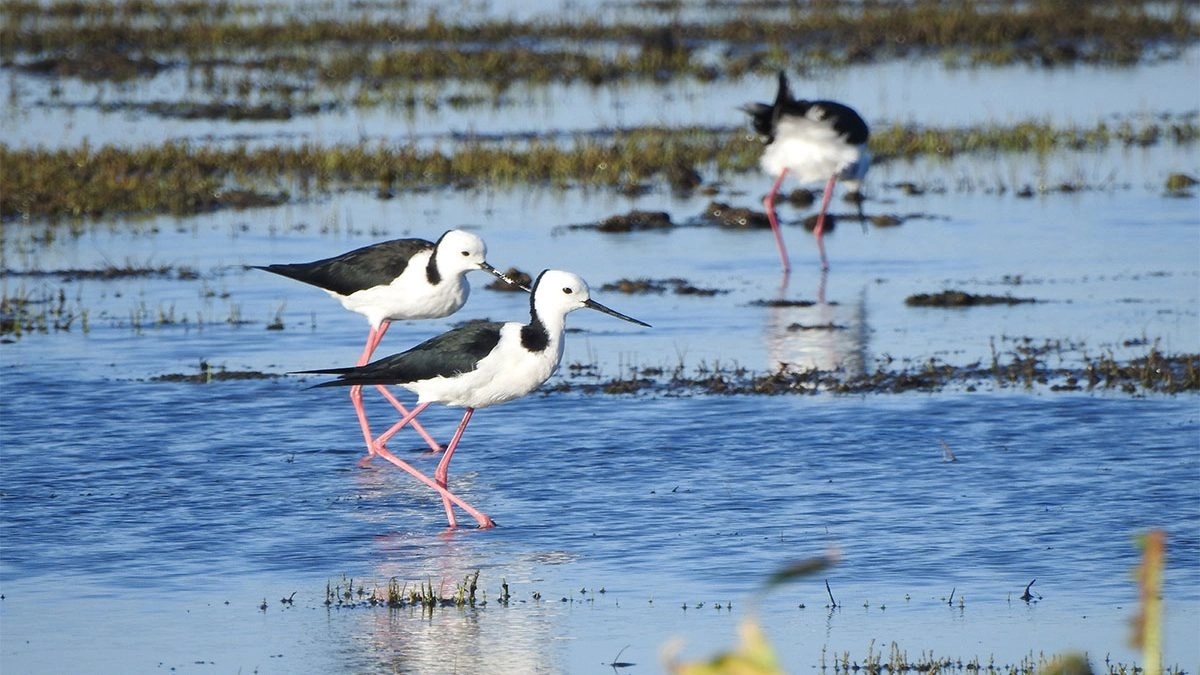
Queen Elizabeth National Park is widely regarded as Uganda’s premier birding destination.
With more than 620 recorded bird species, it boasts one of the highest bird counts of any protected area in Africa.
The park attracts birders from around the world because of its diverse habitats, including wetlands, forests, lakes, grasslands, and papyrus swamps.
Some notable bird species include:
- Shoebill Stork
- African Skimmer
- Martial Eagle
- African Fish Eagle
- Great White Pelican
- Pink-backed Pelican
- Grey Crowned Crane
- Papyrus Gonolek
- Pel’s Fishing Owl
- Black Bee-eater
- African Finfoot
- Pied Kingfisher
- Malachite Kingfisher
- Giant Kingfisher
- Saddle-billed Stork
- Black-headed Gonolek
- Ross’s Turaco
The best birding areas include Kazinga Channel, Maramagambo Forest, Mweya Peninsula, Kyambura Gorge, and the Kasenyi Plains.
Major tourist sites/Sectors in and around Queen Elizabeth National Park
1. Kasenyi Plains:
Located in the northern part of Queen Elizabeth National Park, Kasenyi is one of the most explored sectors of this protected area.
This sector is accessible 48 km away from Kasese town and features largely savanna grassland. It is most popular for its huge concentration of Uganda Kobs, African elephants, lions, and other numerous predators.
2. Ishasha sector:
On the southern side, there is the Ishasha region, which is most popular for the unique tree-climbing lions, topis and other big game species.
3. Mweya Peninsular:
This is another significant region worth exploring on Uganda safaris in Queen Elizabeth National Park. It is found on the northern bank of Kazinga Channel, a natural channel that connects Lake Edward and George.
4. Kazinga channel:
This is a natural channel and extends up to about 32km, linking Lake Edward and George. It is one spot with a huge concentration of hippos, crocodiles, and aquatic bird species.
 5. Kyambura Gorge:
Known as the Valley of Apes, the Kyambura Gorge is situated in the eastern part of Queen Elizabeth National Park. It is in this section of the park where you can enjoy the sight of several primates, including chimpanzees.
6. Maramagambo Forest:
Located in Bushenyi district, Maramagambo Forest is another valuable section of Queen Elizabeth National Park. This section of the park holds a significant faunal and avifaunal species.
7. Lake Katwe salt works:
Lying around Queen Elizabeth National Park is the unusual alkaline Lake Katwe where the salt mining works are conducted.
8. Katwe Explosion Craters:
Situated in the Northern side of the park are several Crater Lakes and while here, guests can enjoy the breathtaking views of the Rwenzori Mountain ranges.
9. Kalinzu Forest:
This is a forest thicket lying adjacent to Queen Elizabeth National Park and is a preferred spot for chimpanzee tracking. Kalinzu Forest Reserve occupies 137 sq. km of land area.
10. Bird species
Over 625 species of birds, comprising savanna, aquatic and forest species all exist in the various habitats in Queen Elizabeth National Park.
The checklist of birds in Queen Elizabeth National Park includes the swamp flycatchers, blue-headed bee-eaters, Diederik cuckoos, pygmy kingfishers, red-capped larks, African mourning doves, little bee-eaters, and black-bellied bustards.
Other species of birds include the palm nut vulture, grey crowned crane, yellow throated longcrown, helmeted guinea fowl, Ross’s turaco, grey woodpecker, broad-billed roller, striped kingfisher, and African crake.
Additional birds in Queen Elizabeth National Park include the shoebill stork, black-rumped buttonquail, great white pelicans, Caspian plovers, African skimmers, broad-billed rollers, and African finfoot.
This protected area also supports other birds, including papyrus gonoleks, red-chested sunbirds, collared pratincoles, Pel’s fishing owls, yellow-bellied wattled eyes, rufous-bellied herons, the great blue turacos, Egyptian geese, and others.
Safari activities to do in and around Queen Elizabeth National Park
1. Game drives
Queen Elizabeth National Park is one African safari destination that never disappoints when it comes to guided game drives.
The park features some of the most rewarding game tracks which offer visitors excellent encounters with the big game, birds and so much more. The prominent game tracks to explore in this park include the Kasenyi plains and Ishasha sectors.
A game drive in the game tracks in Queen Elizabeth National Park takes about 2-3 hours. On a guided game drive, expect to enjoy sights of lions, Cape buffaloes, Uganda Kobs, elephants, warthogs and other mammal species.
There are also some interesting bird species to keep eyes on, including the Kori bustard, African jacana, yellow-throated longcrows, red-throated surf owls and others. The key sessions to participate in include the morning and afternoon game viewing.
2. Lion tracking
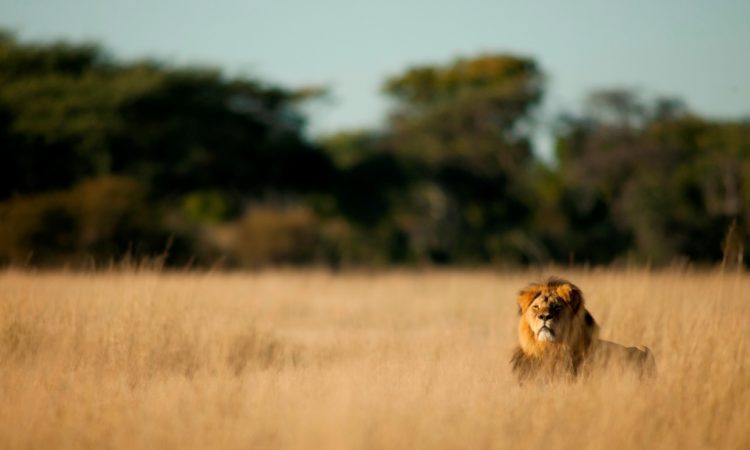
Lion tracking in Queen Elizabeth National Park is best enjoyed in Kasenyi Plains, a perfect experience that allows you to explore more about the African lions in the wild with an expert.
This is a perfect experience for researchers and you spend a great time following, and observing the behaviors of the lions.
3. Boat cruise
Boat cruise excursions in Queen Elizabeth National Park are excellently done on the extensive Kazinga channel.
The 32 km long Kazinga Channel is a perfect place to encounter a huge concentration of hippos, Nile crocodiles and aquatic species of birds.
Visitors can go for the morning or afternoon guided launch or boat cruise, with an expert.
4. Chimpanzee tracking
Visitors interested in chimpanzee tracking are also covered at Kyambura Gorge, where a section of chimpanzee communities has undergone habituation.
The trek with chimpanzees in Kyambura Gorge can last for 2-4 hours with trekkers guaranteed an hour for an up-close and personal encounter with chimpanzees upon finding them in the wild.
Besides observing the daily behaviours of chimpanzees, visitors can also utilise this period to take pictures of the great apes.
5. Birding
Queen Elizabeth National Park is notably home to the highest profusion of bird species, including aquatic, terrestrial and forest species.
The key sites to explore on a birding tour include Kyambura Gorge, Maramagambo Forest, Kazinga Channel, Kasenyi Plains, and others.

The birds to expect to identify on a birdwatching or birding excursion in Queen Elizabeth National Park include the shoebill stork, pygmy kingfishers, African mourning dove, scarlet-chested sunbird, red-capped larks and more.
6. Forest/nature walks
With an expert, you can embark on a guided nature or forest walk. This experience involves exploring the enriching habitats around the park’s savannas, Maramagambo Forest, Kyambura Gorge and others.
The guided nature/forest walk can go for 2-3 hours and comes with incredible sights of primates, birds and floral species.
7. Hot air balloon safaris
Queen Elizabeth National Park is also most popular for its exhilarating hot balloon experiences. On actual balloon safaris, visitors set off from Kasenyi Gate, and the normal flight may go for an hour.
The morning session includes a bush breakfast, or go for the afternoon session, which may come with a bottle of champagne.
Best Time to Visit Queen Elizabeth National Park
Queen Elizabeth National Park is open year-round, but the best safari experience depends on your interests.
Dry Season (Best for Wildlife Viewing)
June to September and December to February are considered the best months for game viewing.
During these periods, vegetation is shorter, roads are easier to navigate, and wildlife gathers around permanent water sources, making animals easier to spot.
Wet Season (Best for Bird Watching)
March to May and October to November bring lush green landscapes and attract migratory bird species.
These months are ideal for birdwatchers and photographers seeking vibrant scenery, although some roads may become muddy.
Where to Stay in Queen Elizabeth National Park
The park offers accommodation options for every budget, from luxury lodges to affordable camps.
Luxury Lodges
- Mweya Safari Lodge
- Kyambura Gorge Lodge
- Ishasha Wilderness Camp
- Elephant Plains Lodge
- Katara Lodge
Mid-Range Lodges
- Buffalo Safari Lodge
- Enganzi Game Lodge
- Queen Elizabeth Bush Lodge
- Twin Lakes Safari Lodge
- Ihamba Lakeside Safari Lodge
Budget Accommodation
- Simba Safari Camp
- Pumba Safari Cottages
- Tembo Safari Lodge
- Bush Lodge Budget Rooms
Most lodges organize game drives, boat cruises, airport transfers, and cultural excursions.
How to Get to Queen Elizabeth National Park
By Road
The park is approximately 6–7 hours from Kampala via:
- Kampala – Masaka – Mbarara – Bushenyi – Queen Elizabeth National Park
Alternatively, visitors traveling from Kibale National Park can reach the park in about 2–3 hours, while those coming from Bwindi Impenetrable National Park typically take 3–5 hours, depending on the route.
By Air
Domestic scheduled and charter flights operate from Entebbe International Airport or Kajjansi Airfield to:
- Mweya Airstrip
- Kasese Airstrip
Flying reduces travel time to about one hour.
Tours to Inspire You;
3 Days Queen Elizabeth Wildlife Tour introduces you to Uganda’s second largest and most explored national park. Queen Elizabeth National Park was established in 1952 as Kazinga National Park but got its current name in 1954 to honor.
Queen Elizabeth II’s visit to the country and it is now a haven to more than 95 species of mammals, including the magical tree-climbing lions, elephants… View Tour
4 Day Queen Elizabeth Wildlife Safari – Uganda Safari Tour: You will enjoy a launch cruise, game drives and chimpanzee tracking at Kyambura Gorge… View Tour
5 Days Uganda Safari Adventure – Gorilla Trekking and Wildlife is an interesting package taking tourists to the remarkable Bwindi Impenetrable National Park for gorilla trekking and cultural walks as well as the beautiful Queen Elizabeth National Park for wildlife viewing and the refreshing boat cruise along… View Tour
8 days Uganda safari perfectly introduces you to the finest national parks in Uganda: Bwindi Impenetrable National Park, Queen Elizabeth National Park, Kibale Forest, and Lake Mburo National Park… View Tour
14 Days Uganda Safari Tour will allow you to track the gorillas in Bwindi, view wildlife, trek chimps and take nature walks.
It’s an unforgettable experience in the Pearl of Africa, full of natural wonders. You will get a chance of visiting the various national parks in the country and stand… View Tour
Frequently Asked Questions (FAQs)
Is Queen Elizabeth National Park worth visiting?
Yes. It is one of Uganda’s top safari destinations, offering exceptional wildlife viewing, tree-climbing lions, chimpanzee tracking, boat cruises, and over 620 bird species.
What is Queen Elizabeth National Park famous for?
The park is best known for its tree-climbing lions in the Ishasha Sector, the Kazinga Channel boat cruise, abundant wildlife, and incredible birdlife.
How many days do I need in Queen Elizabeth National Park?
A stay of 2–4 days is ideal to enjoy game drives, a boat cruise, chimpanzee trekking, and birdwatching without feeling rushed.
Can you see the Big Five in Queen Elizabeth National Park?
The park is home to four of the Big Five: lions, elephants, buffaloes, and leopards. Rhinos are not found in the park but can be seen at Ziwa Rhino Sanctuary en route from Kampala.
Are tree-climbing lions guaranteed?
No. While the Ishasha Sector offers one of the best chances in Africa to see tree-climbing lions, sightings depend on wildlife movements and cannot be guaranteed.
Is Queen Elizabeth National Park safe for tourists?
Yes. The park is considered safe for visitors. Guided activities are led by trained Uganda Wildlife Authority rangers and experienced safari guides.
What should I pack for a safari?
Pack neutral-colored clothing, a light rain jacket, sunscreen, insect repellent, a reusable water bottle, binoculars, comfortable walking shoes, and a camera with extra batteries and memory cards.
Start Planning Your Queen Elizabeth National Park Safari
Whether you’re dreaming of spotting the famous tree-climbing lions of Ishasha, cruising along the wildlife-rich Kazinga Channel, tracking chimpanzees through Kyambura Gorge, or photographing elephants against the backdrop of the Rwenzori Mountains, it delivers one of Africa’s most rewarding safari experiences.
With its remarkable biodiversity, year-round accessibility, diverse accommodation options, and proximity to other iconic destinations like Bwindi Impenetrable National Park and Kibale Forest National Park, it is an essential stop on any Uganda safari itinerary.
Plan your adventure today and discover why Queen Elizabeth National Park remains one of the crown jewels of the Pearl of Africa.