
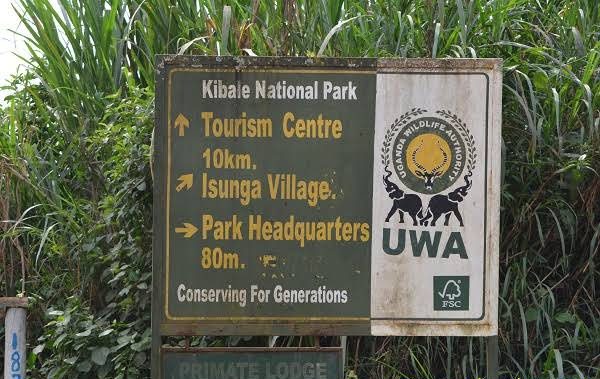
Kibale Forest National Park Uganda: Ultimate 2026 Guide to Chimpanzee Trekking & Wildlife Safaris
Kibale Forest National Park stands as Uganda’s primate paradise, renowned for chimpanzee trekking in Kibale and boasting the highest diversity of primates in Africa.
Nestled in the lush western rift valley near Fort Portal, this 795 km² haven blends lowland and montane tropical forests, home to over 1,500 chimpanzees, 13 primate species, 375+ birds, and 70 mammals.
Whether you’re planning a Kibale chimp safari or seeking birdwatching in Kibale Forest, this comprehensive guide covers everything for 2026 travellers—from access routes and top attractions to luxury lodges and insider tips.
As Uganda’s top chimpanzee tracking destination, Kibale adjoins Queen Elizabeth National Park, forming a 180km wildlife corridor perfect for multi-park itineraries. Discover why Kibale Forest safaris top bucket lists for nature lovers.
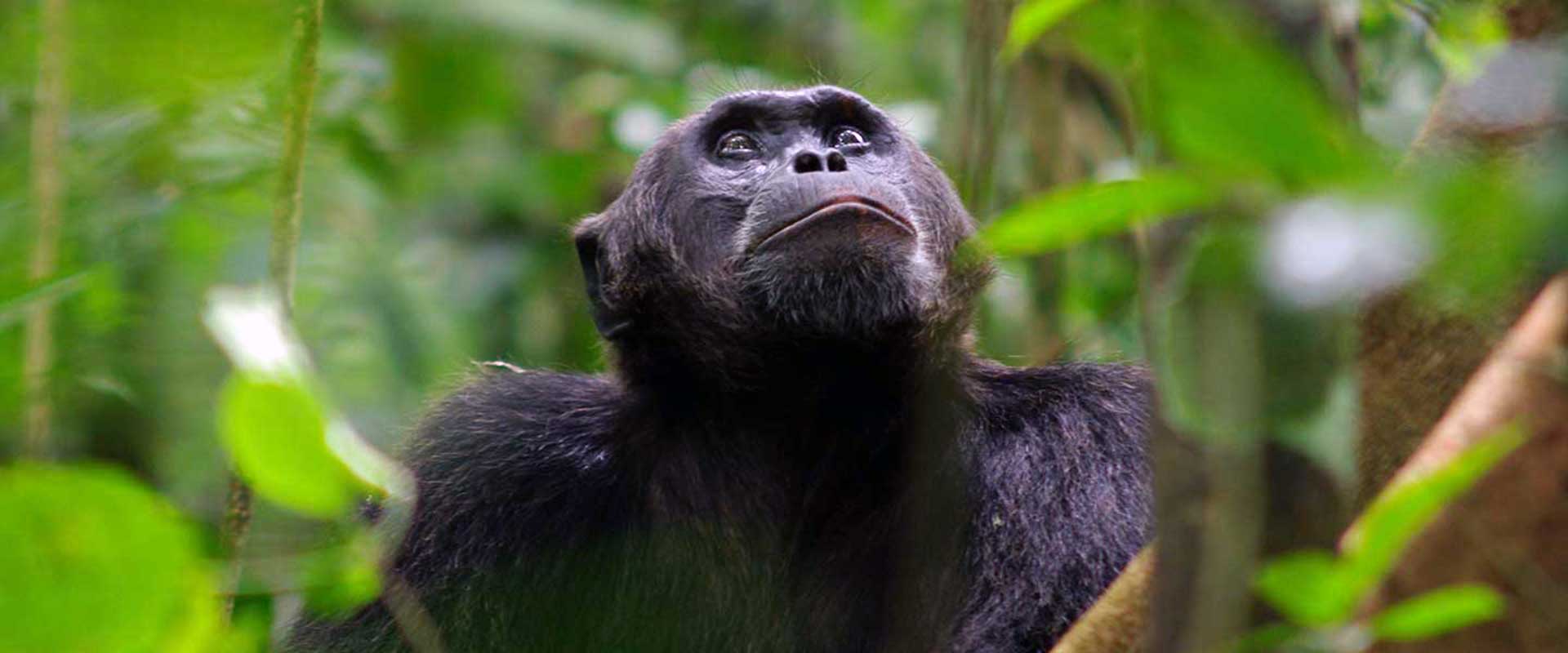
Kibale Forest National Park adjoins Queen Elizabeth National Park to the south to create a 180km-long corridor for wildlife between Ishasha, the remote southern sector of Queen Elizabeth National Park, and Sebitoli in the north of Kibale Forest National Park.
The following primates can be found in Kibale Forest National Park: chimpanzees, which are our closest relatives; colobus and the rare I’Hoest’s monkey; olive baboons; bush babies; the threatened red, black-and-white colobus; red-tailed and blue monkeys; grey-cheeked mangabeys; and potto monkeys.
The park occupies about 766 km² in size and is one of the remaining expanses to contain both lowland and montane forests. Chimpanzees are the stars at Kibale, and hundreds of them are found here including gangs of monkeys.here,
Location and Why Visit Kibale Forest National Park
Kibale Forest National Park Uganda sprawls across Kabarole and Kamwenge districts, about 320 km (200 miles) west of Kampala, with Fort Portal town as the gateway city—just 36 km northeast.
Elevated 1,100–1,600m on the Fort Portal plateau, its central forests reach 1,590m, creating misty canopies alive with calls.
Established as a national park in 1993, Kibale protects one of Africa’s most biodiverse forests, drawing eco-tourists for primate tracking, nature walks, and cultural encounters.
Why choose Kibale over other Ugandan parks? It hosts over 1,450 chimpanzees across 13+ communities, three habituated groups (Kanyanchu for tourists, plus research at Ngogo and Sebitoli), and rare primates like I’hoest’s monkeys—unmatched elsewhere.
Pair it with Rwenzori Mountains hikes or crater lakes tours for epic combos. In 2026, expect enhanced trails and permits amid rising popularity.
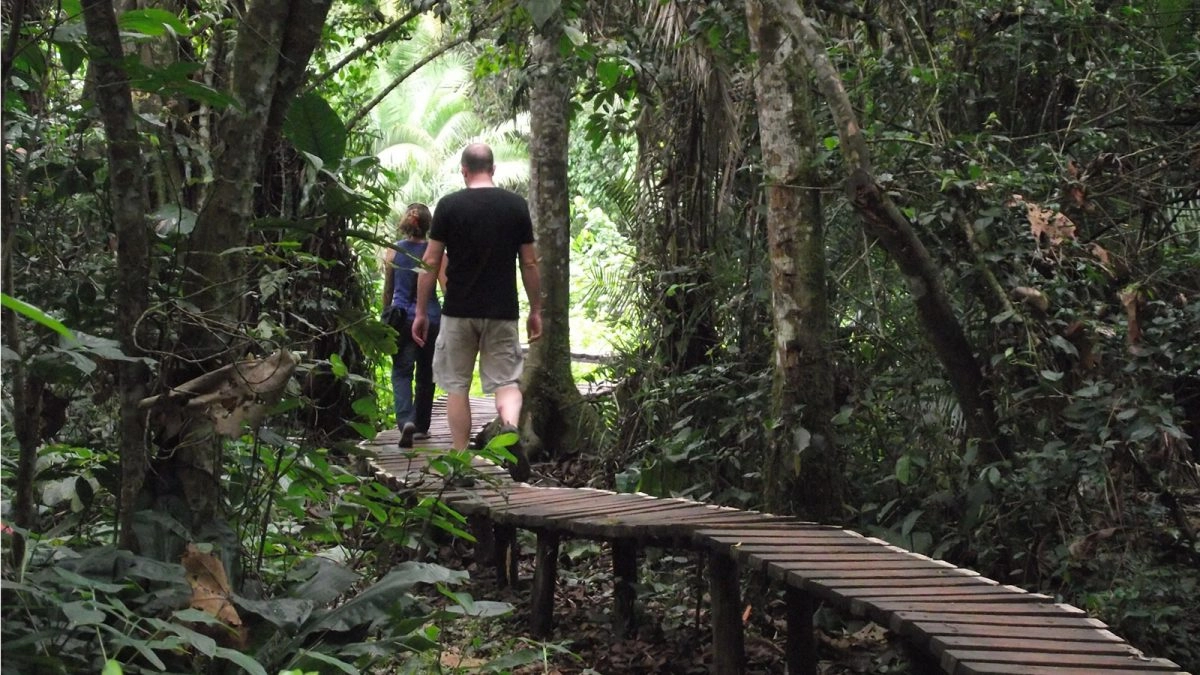
How to Get to Kibale Forest National Park (2026 Access Guide)
Reaching Kibale National Park is straightforward via tarmacked highways. From Kampala, take the Northern Route (Mubende-Fort Portal, 326 km, 5-6 hours) or the Southern Route (Mbarara-Kamwenge, similar distance).
From Fort Portal, it’s a scenic 36 km murram road to Kanyanchu Visitor Centre (1 hour). Entebbe Airport flights connect via domestic hops.
-
By Road (Recommended): Self-drive 4x4s handle rainy seasons; matatus/buses to Fort Portal, then taxis.
-
By Air: Charter to Kasese or Tooro airstrips (30-60 min drive).
-
Organized Safaris: Most Uganda tour operators bundle transfers.
Best via Fort Portal for crater lakes detours. Road upgrades in 2026 cut travel time by 30 minutes. Permits ($200 USD for chimp tracking) book via Uganda Wildlife Authority (UWA)—reserve 3-6 months ahead.
Attractions in the Kibale Forest National Park
1. Chimpanzee tracking
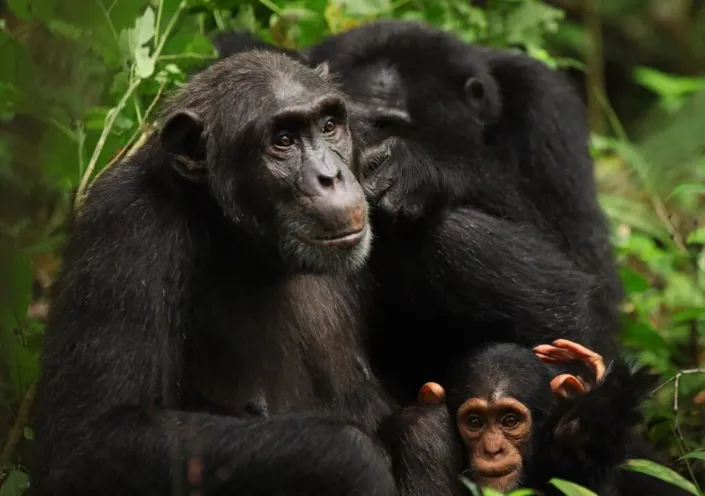
Chimpanzee tracking is a very interesting experience, and the activity is a life experience. During the tour, you will come across chimps in their nests.
Chimp tracking can be done all year round; however, the low season is March, April, May, and November. Chimpanzees, just like humans, share over 98 per cent of their DNA.
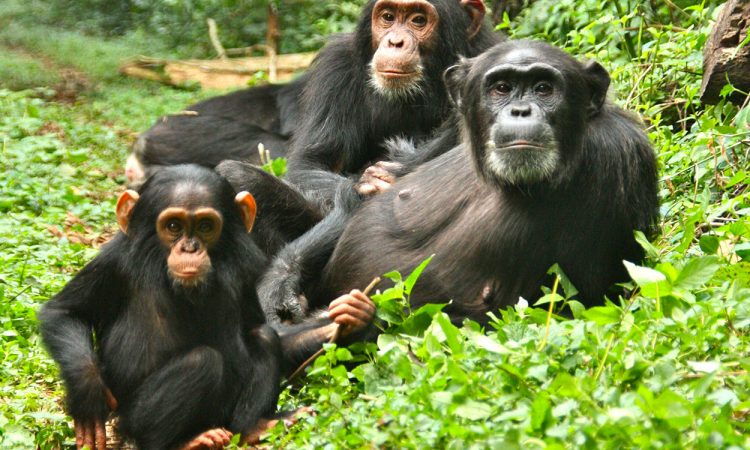
The activity allows you to spend some time with human relatives observing them swing from one tree to another. Chimps’ life expectancy is about 40 years, whereas those living in captivity can extend it up to 60 years. To track chimpanzees, you are greatly advised to book in advance.
You are advised to carry with you wear shoes with good grip, suitable for climbing steep moist muddy slopes. Carry along with your rain gear and binoculars.
2. Forest Hike
Forest hikes in Kibale forest National Park are usually done during dry seasons during the months mid-November – February, June, and September.
During this forest hike, you will get the opportunity to see different species of birds and primates in the forest. The forest walk begins at about 8.00 from Kanyanchu center and ends at the elephant wallow.
3. Bigodi Wetland

The swamp is situated just outside the park in Magombe swamp. The swamp is well known for a wide range of wildlife, including chimpanzees, red colobus, black and white colobus monkeys, sitatungas, bush bucks, otters and mongooses, offering opportunity for primate watching.
The wetland is also a home of about 138 bird species, guaranteeing to bide watchers an opportunity to see a number of birds.
4. Cultural Heritage and Nature Trail
The cultural heritage is adventurous and visitors can follow a 2-6 days trail through the forest. The full walk starts of finishes at either Kanyanchu or Sebitoli.
5. Sebitoli Forest
The forest is located about 12 km from Kabarole’s main town, Fort Portal, the forest offers outstanding opportunities for bird and primate viewing in the moist evergreen forest with a semi-closed canopy.
Where to Stay: Best Accommodations Near Kibale Forest (2026)
Accommodation Kibale Forest ranges from luxury to camps, mostly 10-30 min from trails.
Primate Lodge immerses in canopy; Chimps Nest (15 min to Kanyanchu) offers natural trails, crater lakes walks. All feature en-suites, bars; camping available.
1. Primate Lodge Kibale
The lodge is an exclusive eco-lodge situated in the heart of Kibale Forest National Park and is surrounded by a luxurious tropical forest that is home to 13 different species of primates, the most outstanding being the chimpanzees.
The primate lodge features eight safari tents, seven comfortable forest cottages, and an adventurous tree house. All the rooms are located in the forest.
The lodge has eight luxury safari tents that are raised on a wooden platform and are covered by a grass-thatched roof that blends with the environment.
Each lodge has a private veranda with a superb view of the surrounding forest. The interior is decorated with an African style and comfortable queen-sized beds which are brightly colored.
There are also forest cottages which are seven and the rooms are well equipped with large twin beds and a sitting area, nicely decorated with traditional African art.
The tree house is also exciting and comprises a simple bedroom and basic washing facilities. The camping is also available more especially to clients who wish to bring tents.
2. Facilities at the lodge
The primate lodge has a restaurant serving both international and traditional dishes, a well-stocked bar which is situated adjacent to the restaurant and where fresh coffee can be served, and the lounge area which is furnished with comfortable large chairs.
3. Nyinabulitwa Country Resort
It’s located about 20 km off Fort Portal in the western part of Uganda.
Facilities and services at the resort
- The resort has got well-designed self-contained cottages that put up both double and single beds with high-quality services.
- The resort has got a restaurant serving both international and local cuisines
- There is a lake which offers swimming services, fishing, canoeing and Kayaking
- There is also mountain biking and hiking.
- There is a craft shop with African items which is managed by the community women group.
4. Kibale forest camp
The camp is located off Fort portal-Kamwenge after passing Bigodi, you will meet a sign post that will take you to the dirt road heading to the camp
Facilities
The camp has 7 safari tents with double beds and an en-suite bathroom. The toilets are Eco-friendly toilets. The verandah will give you a very superb view of the colobus monkeys in the forest.
Chimps Nest
The lodge is located a 15-minute drive from Kanyanchu, which is a focal point of UWA for chimp tracking.
Facilities
- The park has well-contained cottages and a tree house which offer a perfect view of wildlife such as birds, chimps, elephants, and monkeys.
- There is a restaurant which serves both international and local foods with very hospitable waitresses.
- All cottages have
Activities at the Chimp Nest
- Natural trail
- Forest walk,
- Chimp tracking,
- Cultural heritage,
- Bigodi Village walk along with the discovery of the Crater Lakes
At Bigodi region
Kibale Safari Lodge is located on a hillside overlooking the forests of Kibale National Park and the mountain of the moon (Rwenzori Mountains).
The lodge is designed in the way that it blends with the surrounding natural environment and when you are on the verandah, you can watch wild animals.
Facilities at the lodge
- The lodge has a restaurant serving both local and international dishes
- There is a gift shop at the lodge providing opportunities to visitors who wish to shop facilities at the lodge.
- There are also laundry services in the park
- Chimp tracking
- Guided forest walks including nocturnal walks
- Bird walks which include visits to the Bigodi wetland Sanctuary
- There is also Bigodi women’s Swamp or village.
Best Time to Visit Kibale Forest National Park
Peak season: June-September (dry, clear views); Shoulder: December-February. Low season (March-May, October-November): Fewer crowds, lower lodge rates, but muddy trails—perfect for budget Kibale safaris. 2026 forecasts mild rains.
Essential Tips for Kibale Forest Safaris 2026
-
Permits: $200 chimp tracking, book UWA online.
-
Gear: Long pants/sleeves (tsetse flies), malaria prophylaxis.
-
Combine Itineraries: 3-day chimp + Queen Elizabeth; add gorillas via Bwindi.
-
Sustainability: Support community tourism.
-
Costs: Full-day safari ~$500-800/person (permit + guide + transport).
Kibale Forest National Park delivers unmatched chimp trekking Uganda—plan your 2026 adventure for primal thrills amid Africa’s richest forests.
Frequently Asked Questions about Kibale Forest National Park
1. Where is Kibale Forest National Park located?
Kibale Forest National Park is located in western Uganda, near Fort Portal. It lies between Queen Elizabeth National Park and the Rwenzori Mountains, making it part of Uganda’s popular safari circuit for primate and wildlife tourism.
2. What is Kibale Forest National Park famous for?
The park is best known as the “primate capital of the world,” home to over 1,500 chimpanzees. Kibale Forest National Park also hosts 12 other primate species, including colobus monkeys, red-tailed monkeys, and baboons.
3. Can you see chimpanzees in Kibale Forest?
Yes. Kibale Forest National Park offers one of the best chimpanzee trekking experiences in Africa. Visitors can track habituated chimpanzee families with experienced guides and observe them feeding, playing, and communicating in the wild.
4. What animals are found in Kibale Forest National Park?
The park is home to chimpanzees, red colobus monkeys, L’Hoest’s monkeys, forest elephants, bush pigs, and over 375 bird species. Kibale Forest National Park is a rich biodiversity hotspot for wildlife lovers.
5. How much is chimpanzee trekking in Kibale?
Chimpanzee trekking permits in Kibale Forest National Park typically cost around $200 per person for foreign non-residents. The experience includes guided trekking, one hour with chimpanzees, and conservation fees supporting park protection.
6. When is the best time to visit Kibale Forest National Park?
The best time to visit Kibale Forest National Park is during the dry seasons: June to September and December to February. Trails are easier to navigate, and chimpanzee tracking conditions are more favorable.
7. Is Kibale Forest National Park worth visiting?
Yes. Kibale Forest National Park is one of Uganda’s top safari destinations for primate tracking, bird watching, and forest walks. It is ideal for travelers seeking an immersive rainforest wildlife experience.
Conclusion
Kibale Forest National Park stands out as one of Africa’s most rewarding primate destinations, famously known as the “Primate Capital of the World.”
Home to over 1,500 chimpanzees and 12 other primate species, it offers unmatched chimpanzee tracking experiences, birdwatching, and lush tropical rainforest scenery. Its rich biodiversity and well-protected ecosystem make it a must-visit for wildlife lovers and researchers alike.
If you are planning an unforgettable Uganda safari, now is the perfect time to explore Kibale Forest’s incredible wildlife and natural beauty.
Book your adventure with Adventure Uganda Safari and experience guided chimpanzee trekking, Bigodi Wetland walks, and authentic cultural encounters. Discover the heart of Uganda’s primate world today and create memories that last a lifetime.