
Rwanda Mountain Gorilla Trekking: Your Complete Ultimate 2026 Guide
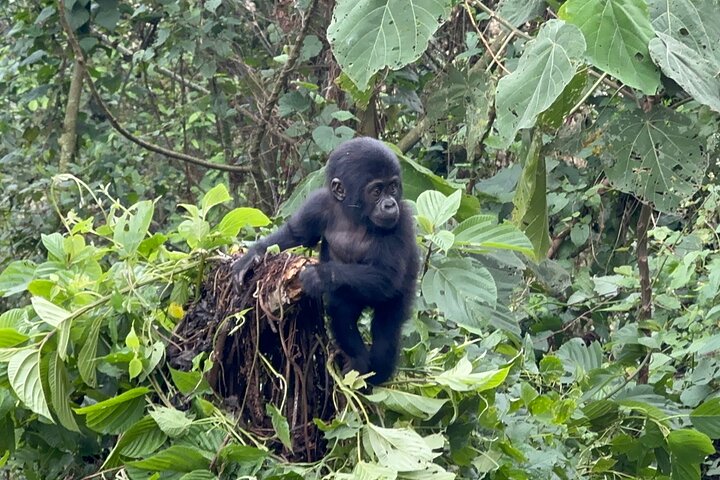
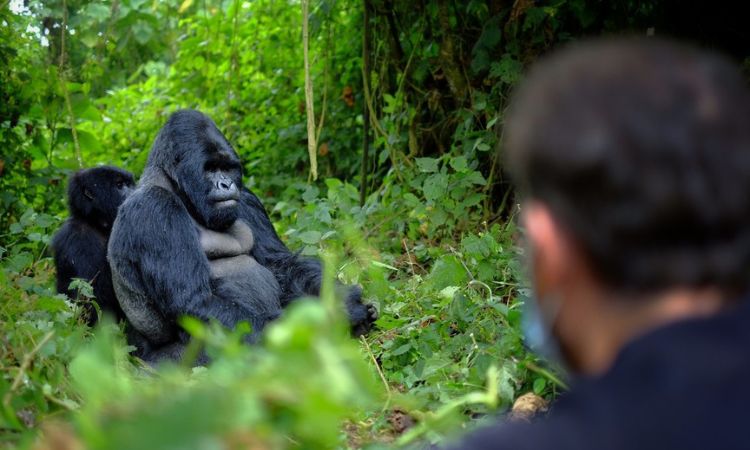
Rwanda Mountain Gorilla Trekking: Imagine standing in the mist‑shrouded forests of Volcanoes National Park in Rwanda, your heart pounding as a massive silverback gorilla parts the vines and locks eyes with you.
In that moment, the sweat, the steep climb, and the mud all fade away. You are face‑to‑face with one of the rarest and most intelligent creatures on Earth.
This is Rwanda mountain gorilla trekking—not just a safari, but a life‑changing wildlife encounter in the heart of the Virunga massif.
Rwanda has positioned itself as the high‑end, efficient, and safe choice for mountain gorilla tracking, combining world‑class conservation, streamlined logistics, and a polished visitor experience.
In this guide, you’ll discover everything you need to plan your Rwanda gorilla trekking safari: how gorilla permits in Rwanda work, current gorilla trekking costs, the best months to go, what to pack, and how our safari experts can help you secure permits and book a seamless Rwanda mountain gorilla trekking adventure.
Why Choose Rwanda for Mountain Gorilla Trekking?
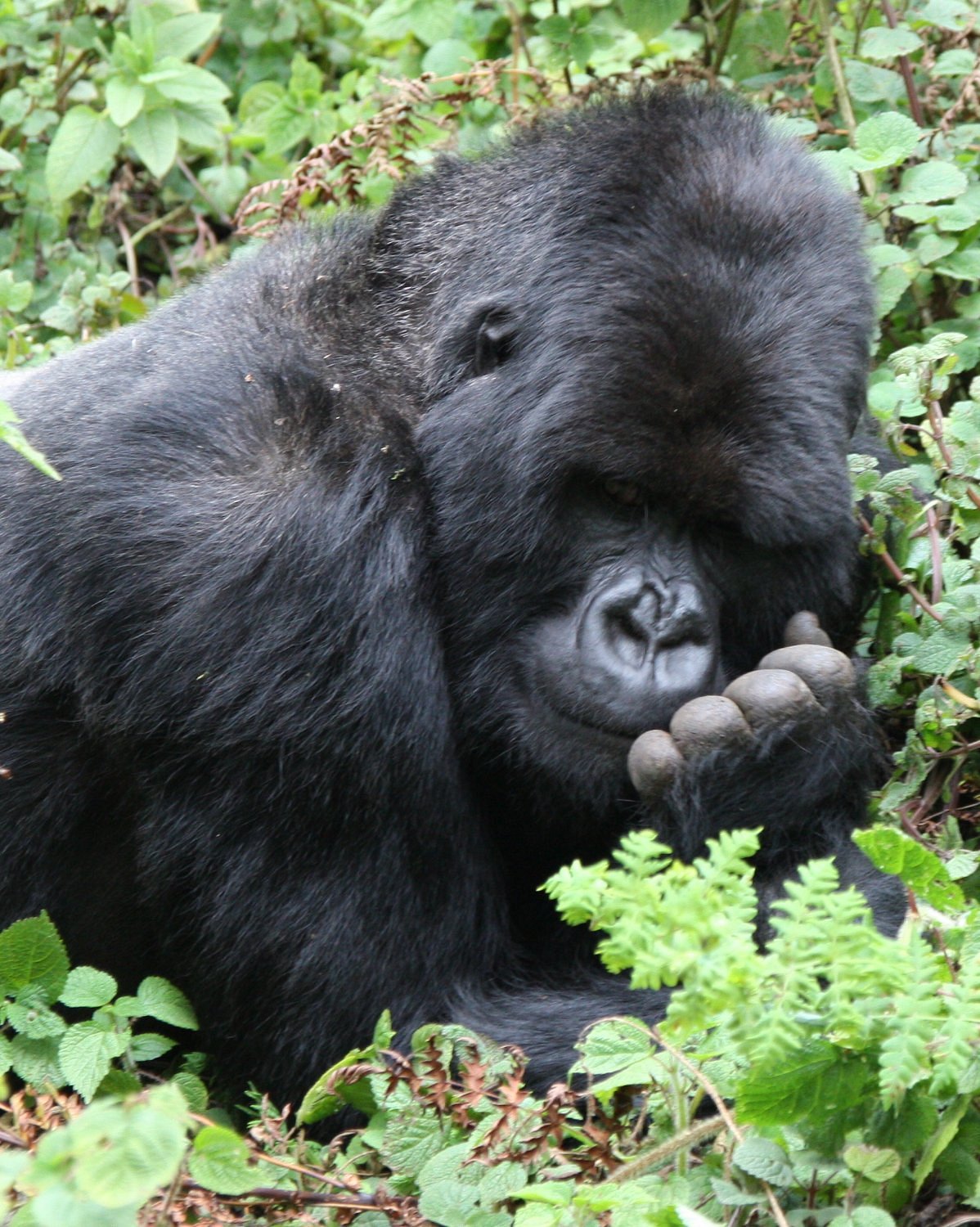
Rwanda is home to the famous Volcanoes National Park, which forms part of the Virunga massif—a chain of volcanic mountains shared with Uganda and the Democratic Republic of the Congo that hosts nearly half of the world’s remaining mountain gorillas.
Thanks to decades of dedicated conservation efforts, mountain gorilla numbers in Rwanda have steadily increased, making this one of the most successful wildlife recovery stories of our time.
What makes Rwanda mountain gorilla trekking stand out:
-
Efficient permit management – Rwanda’s Volcanoes National Park operates a tightly controlled system: each gorilla family is limited to 8 visitors per day, and all trekkers go through a professional morning briefing at Kinigi. This ensures a high‑quality, uncrowded experience and minimal stress on the gorillas.
-
Professional tracking and security – Rangers and trackers identify each gorilla group’s location before dawn, which shortens search time and increases your chances of an unforgettable encounter.
-
Tour‑operator‑friendly infrastructure – Rwanda offers English‑speaking guides, a wide range of lodges at different price points, and easy access from Kigali International Airport (just 2–3 hours’ drive to Volcanoes NP).
-
Smooth for short trips – Compared with Uganda and DRC, Rwanda is often seen as more tourist‑ready, with safer roads, dependable transfers, and a streamlined gorilla tracking process, making it ideal for first‑time gorilla trekkers or travelers on a time‑limited schedule.
If you’re searching for a well‑organized, safe, and deeply rewarding Rwanda gorilla trekking experience, Volcanoes National Park is one of the best places in the world to answer that call.
How Mountain Gorilla Trekking in Rwanda Works
Mountain gorilla trekking in Rwanda is a guided hike through the dense, montane rainforest of Volcanoes National Park until you find a habituated gorilla group.
Once you’re with the gorillas, you’ll enjoy one hour of up‑close observation under the watchful eyes of rangers and trackers.
Here’s how a typical Rwanda gorilla trekking day unfolds:
-
Early‑morning briefing at Kinigi Gorilla Tourism Centre
-
You’ll arrive at Kinigi (the main park entrance) around 6:30–7:30 a.m.
-
Rangers and guides will explain safety rules, gorilla etiquette, and which gorilla group you’ve been assigned.
-
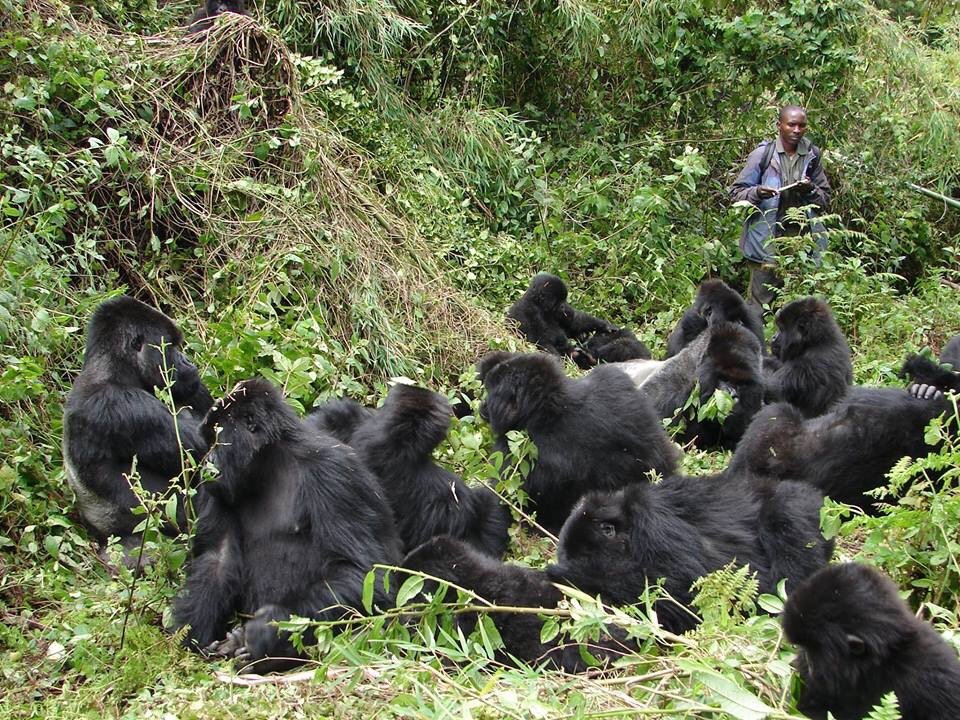
You’ll be grouped into parties of up to 8 visitors plus a Rwanda Development Board (RDB) guide and interpreters.
-
-
Hiking through the forest
-
The trek can last anywhere from 30 minutes to several hours, depending on the gorilla group’s location and the season.
-
Trails pass through steep terrain, lush rainforest, and sometimes boggy areas, so good fitness and sturdy footwear are essential.
-
Porters and rangers lead the way, cutting vegetation where needed and helping you navigate slippery slopes.
-
-
One‑hour gorilla encounter
-
Once the gorilla family is located, the group freezes and you approach quietly.
-
You’ll spend 60 minutes watching the gorillas feed, rest, play, and interact—the perfect window for photography and emotional connection.
-
Rangers monitor behavior and intervene if necessary to keep both humans and gorillas safe.
-
This structured, ranger‑led format makes Rwanda mountain gorilla trekking safer, more predictable, and deeply immersive.
Where in Rwanda You Track Gorillas
All Rwanda gorilla trekking takes place in Volcanoes National Park, within the Virunga massif.
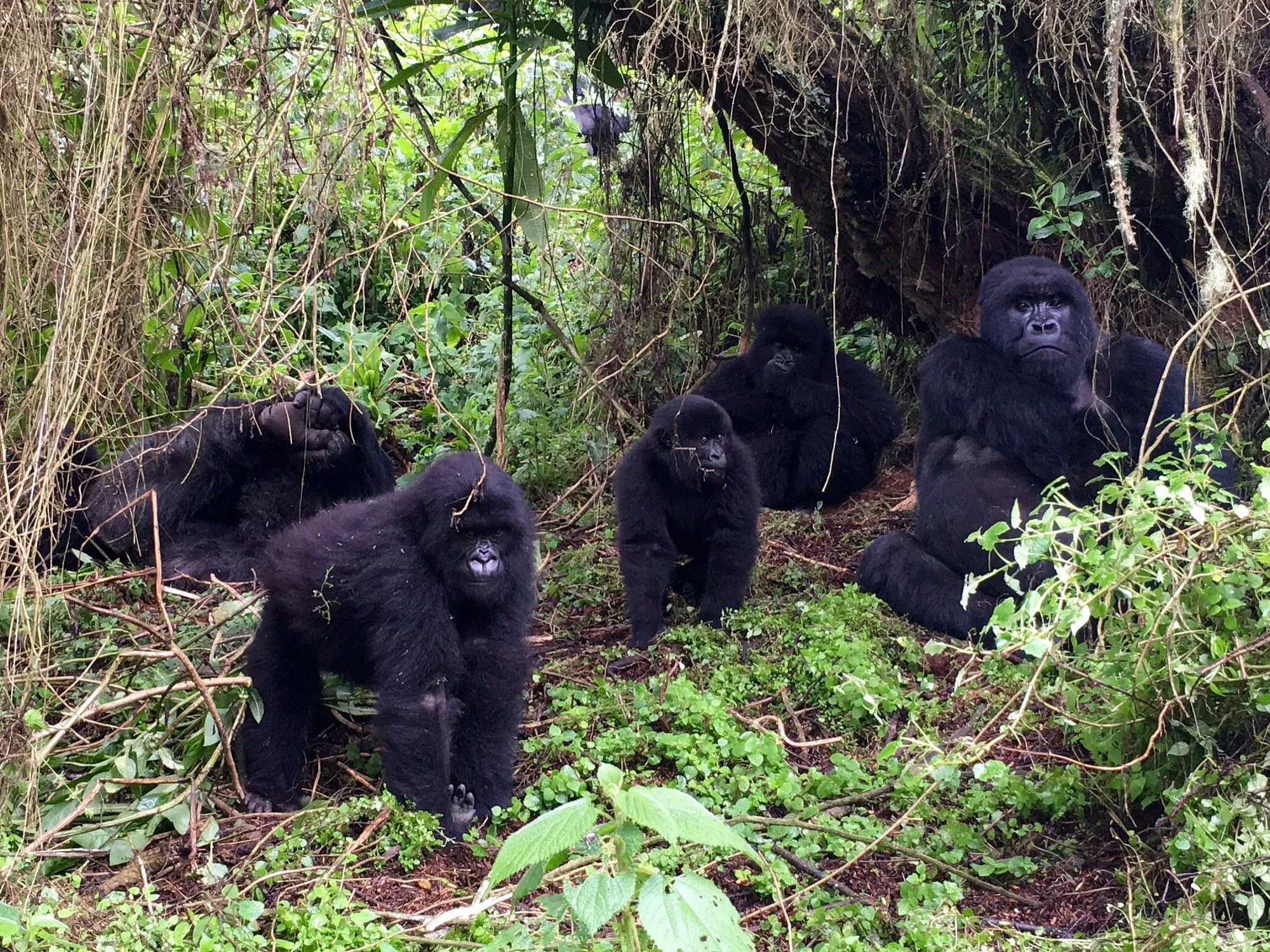
The park is home to several habituated gorilla families, each with its own personality, group size, and trek difficulty.
Some of the main gorilla groups you may encounter include:
-
Susa A/B – Large, dynamic families known for energetic youngsters and long hikes through dense forest and high elevation.
-
Amahoro – Meaning “peaceful,” this family is often described as calm and highly photogenic.
-
Karisimbi – Named after the tallest volcano in the range, this group is frequently associated with steep climbs and rewarding views.
-
Kwitonda – A younger, growing family that offers intimate encounters and a chance to see adolescent gorillas.
-
Bwenge – Known for its warm, playful nature and relatively moderate trekking grade.
Why group choice matters for your safari:
-
Trek difficulty: Some groups live at higher altitudes or farther from the trailhead, meaning longer, more strenuous hikes.
-
Group size: Larger families increase the chance of seeing multiple interactions, while smaller ones can feel more intimate.
-
Photographic potential: Active families with young gorillas are especially popular with photographers.
Thanks to strong mountain gorilla conservation in Rwanda and the Virungas, the population is slowly but steadily increasing, making each gorilla tracking experience even more special and meaningful.
Permits, Costs, and How to Book Your Rwanda Gorilla Trekking
If you’re planning a Rwanda mountain gorilla trekking adventure, the first and most important step is securing a gorilla tracking permit.
Current permit details
-
Permit price: As of 2025–2026, a Rwanda gorilla tracking permit typically costs up to USD 1,500 per person per day, though prices are subject to change by the Rwanda Development Board (RDB).
-
Availability: Only 8 visitors are allowed per gorilla family per day, and the total number of permits issued daily is limited to protect the gorillas and manage visitor impact.
-
Conservation purpose: Permit fees directly support park protection, ranger salaries, anti‑poaching efforts, and community projects around Volcanoes National Park.
When and how to book
-
Booking window: For peak months (June–August; late December–February), it’s generally recommended to book 4–6 months in advance.
-
Shoulder seasons: Consider May, September, October, or November for slightly lower prices or better availability without sacrificing good weather.
-
How our company simplifies the process:
-
We secure your Rwanda gorilla trekking permits in advance, even during busy periods.
-
Our team coordinates transfers from Kigali to Kinigi, park briefings, and logistics with RDB so you travel stress‑free.
-
We can bundle your permit with 3–4 day Rwanda mountain gorilla safaris, including accommodation and optional extras like golden monkey trekking or community visits.
-
Want your gorilla permits secured plus a smooth, all‑inclusive Rwanda gorilla trekking package? Chat with our Rwanda specialists today and lock in your dates before availability runs out.
Best Time to Go Gorilla Trekking in Rwanda
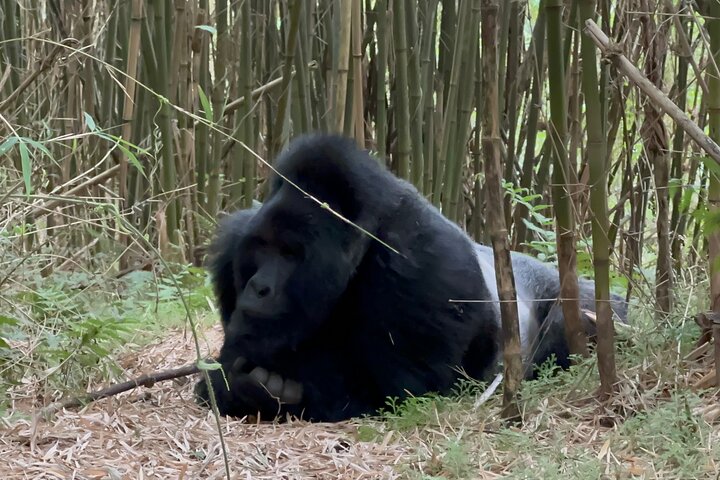
Choosing the right Rwanda gorilla trekking season can make a big difference to your comfort, photo quality, and overall experience.
Dry seasons: June–August & late December–February
During the dry months of June–August and late December through February, Volcanoes National Park offers:
-
Fewer slips and muddy trails, making the hike up the steep slopes easier and more enjoyable.
-
Clearer skies, which improve visibility and provide better lighting for gorilla photography.
-
Lower humidity and more comfortable walking conditions, especially for first‑time trekkers.
These months are considered peak season, so permits and lodges fill up quickly.
Shoulder and wetter months
-
May, September, October, and November are often called shoulder months, offering:
-
Lower prices on some safari packages and lodges.
-
Lush, greener forests and a more intimate atmosphere with fewer crowds.
-
-
True rainy periods can bring heavier downpours and muddier trails, but experienced operators can still run treks safely with proper gear.
The key takeaway: Rwanda gorilla trekking is possible year‑round, but your physical comfort and photography quality improve in the drier months. Consulting a specialist can help you align your travel dates with the best gorilla trekking conditions in Rwanda.
What to Pack and What to Expect on Your Rwanda Mountain Gorilla Trekking
Packing smartly can turn a challenging hike into a comfortable and rewarding Rwanda mountain gorilla tracking experience.
Essential gear for Rwanda gorilla trekking
-
Clothing
-
Long‑sleeve shirts and trousers to protect against stinging nettles and thorns.
-
Waterproof jacket or raincoat – rain can appear suddenly in the mountains.
-
Warm layers for cooler mornings and evenings at high altitude.
-
-
Footwear and accessories
-
Sturdy, waterproof hiking boots with good grip.
-
Gardening gloves to protect your hands while gripping vines or pulling yourself up steep slopes.
-
Trekking poles (optional but highly recommended) to reduce knee strain.
-
-
Day‑trip essentials
-
Daypack with water, snacks, and a packed lunch (often provided by your lodge).
-
Sunscreen, lip balm, and insect repellent.
-
Camera or phone with spare batteries and a zoom lens for photography.
-
Health, safety, and expectations
-
Health rules: You cannot trek if you have a contagious illness (cough, flu, COVID‑19 symptoms); gorillas are highly susceptible to human diseases.
-
Minimum age: Most operators require trekkers to be at least 15 years old for safety and conservation reasons.
-
Photography tips:
-
Use a telephoto lens to capture close‑up shots without disturbing the animals.
-
Avoid flash and keep a safe distance; rangers will guide you on where to stand.
-
Be patient and observant—some of the most touching moments happen quietly, away from the foreground.
-
By arriving prepared, you’ll maximize your chances of a safe, comfortable, and unforgettable Rwanda gorilla trekking experience.
Gorilla Trekking Rules and Etiquette in Rwanda
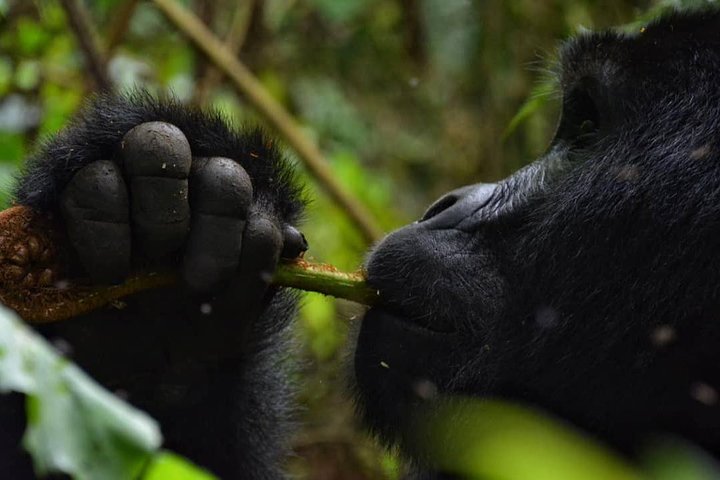
A strict code of conduct governs Rwanda gorilla trekking to protect both the animals and visitors. Rangers and guides will review these rules before every trek, so it’s important to understand them in advance.
Key gorilla trekking rules:
-
Keep a safe distance
-
Maintain at least 7 meters (about 23 feet) from the gorillas at all times.
-
Never try to touch or approach them, even if they seem calm or curious.
-
-
Respect noise and behavior
-
Speak softly and avoid sudden movements or loud noises that may startle the gorillas.
-
Do not imitate gorilla sounds or gestures.
-
-
Do not eat, drink, or spit near the gorillas
-
Food and drink attract attention and can transmit disease; keep them away from viewing areas.
-
If you need to cough or sneeze, turn away from the gorillas and cover your mouth.
-
-
Follow the rangers’ lead
-
Always stay behind the rangers and follow their instructions for positioning and movement.
-
If a gorilla approaches, freeze and let the ranger handle the situation.
-
These gorilla etiquette rules are not just formalities—they are essential for gorilla health, stress reduction, and long‑term conservation in the Virunga ecosystem. By following them, you become part of the solution instead of a risk.
Rwanda Mountain Gorilla Trekking vs Uganda Gorilla Trekking
Many travelers struggle to choose between Rwanda gorilla trekking and Uganda gorilla trekking, and both are excellent.
Here’s how they compare from a practical and experiential perspective:
Rwanda gorilla trekking highlights
-
Highly organized and efficient format, with professional briefings, limited groups (8 visitors), and well‑managed logistics.
-
Closer to the capital (Kigali), making it ideal for short safaris or multi‑country trips.
-
Often perceived as more “tourist‑friendly” and polished, with luxury lodges and smoother transfers.
-
Permits are typically more expensive, but the controlled system ensures a premium, intimate experience.
Uganda gorilla trekking highlights
-
Larger overall mountain gorilla population, spread across Bwindi Impenetrable Forest and Mgahinga Gorilla National Park.
-
Often seen as slightly more adventurous or “raw”, with more varied terrain and sometimes longer hikes.
-
Strong focus on budget and mid‑range gorilla safaris, with many tour operators offering competitive packages.
Which is right for you?
-
Choose Rwanda mountain gorilla trekking if you value efficiency, safety, convenient access from Kigali, and a polished visitor experience—especially if you’re on a short schedule or your first time tracking gorillas.
-
Choose Uganda gorilla trekking if you’re seeking multiple tracking options, a broader Great Ape experience (including habituation experiences in some areas), and often lower all‑in costs.
Either way, booking with an experienced operator will help you align your travel style, budget, and fitness level with the best routes and accommodations.
How Your Rwanda Gorilla Trekking Visit Helps Rwanda
Rwanda gorilla trekking is more than an adventure—it’s a direct investment in conservation, community development, and national growth. A portion of every gorilla tracking permit purchased goes toward:
-
Park protection – anti‑poaching patrols, ranger training, and forest monitoring.
-
Community projects – schools, health centers, and revenue‑sharing initiatives around Volcanoes National Park.
-
Employment – jobs for trackers, rangers, guides, lodge staff, and transport providers.
By choosing a responsible Rwanda gorilla trekking operator, you ensure that your travel dollars support ethical practices, local employment, and sustainable tourism models instead of exploitative or under‑regulated ventures.
By choosing responsible gorilla trekking in Rwanda, you support both wildlife and local communities. Your visit helps protect the very gorillas you’ll go on to see—and preserves this incredible experience for future generations.
If you’re ready to turn your Rwanda mountain gorilla trekking dream into a real, unforgettable journey, contact our Rwanda specialists today and let us design a tailor‑made Rwanda gorilla trekking safari package that fits your dates, budget, and expectations.