

Conservation History in Rwanda: Parks, Wildlife & Recovery 2026 Ultimate Guide
Rwanda’s conservation story is one of the most powerful wildlife recovery examples in Africa.
From the devastation of the 1990s to the restoration of national parks, habitat protection, and community-led tourism, Rwanda has transformed itself into a model for sustainable conservation and nature-based travel.
This article expands your draft into a stronger, more informative, and search-friendly version that uses relevant keywords, deeper subtopics, and a clearer structure designed to perform better on Google.
Conservation History in Rwanda: From Crisis to Recovery
Rwanda’s conservation history is deeply connected to the country’s political and social past.
During the 1990s, the Rwandan genocide and the instability that followed placed enormous pressure on protected areas such as Akagera National Park, Volcanoes National Park, and Nyungwe Forest.
Poaching increased, wildlife populations declined, park boundaries were disrupted, and some habitats were heavily degraded.
In the years that followed, conservation in Rwanda became not just an environmental goal but also a national recovery strategy.
Today, Rwanda is widely recognized for its successful conservation model. The country has rebuilt damaged ecosystems, restored wildlife populations, expanded forest cover, and made tourism a key driver of both conservation and economic growth.
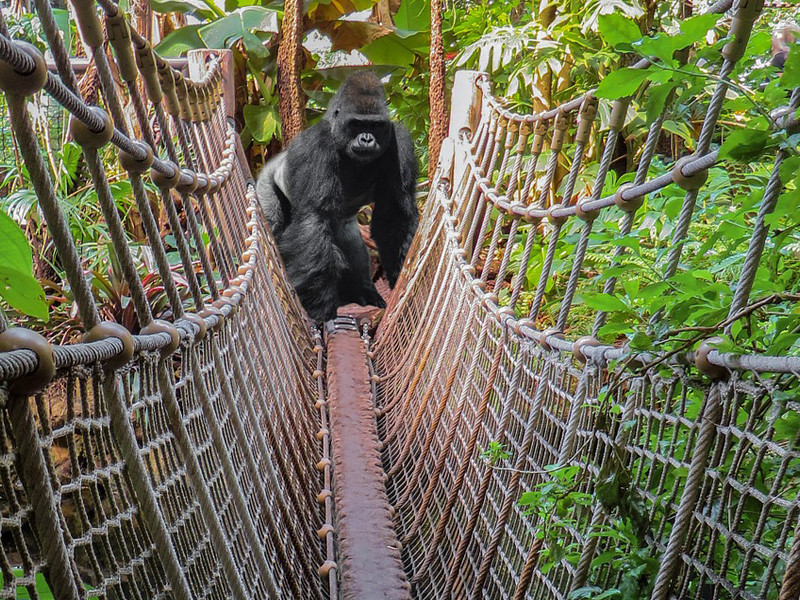
This transformation has made Rwanda one of the most admired safari destinations in East Africa, especially for travellers interested in gorilla trekking in Rwanda, big five safaris, primate tracking, and ecotourism.
Why Rwanda’s Conservation Story Matters
Rwanda’s wildlife conservation journey matters because it shows how damaged ecosystems can recover through strong leadership, local involvement, and long-term planning.
Conservation is not only about protecting animals; it also includes preserving forests, wetlands, rivers, birds, and the communities that depend on them.
In Rwanda, this broader conservation approach has helped create a more stable environment for both people and wildlife.
The country’s success is especially important because Rwanda is small and densely populated, which means protected areas face constant pressure from land use, farming, settlement expansion, and resource extraction.
Even with those challenges, Rwanda has managed to protect important habitats and make conservation part of its national identity.
This is why phrases such as Rwanda conservation success story, wildlife conservation in Rwanda, and Rwanda national parks are highly relevant when discussing the country’s tourism and environmental progress.
Protected Areas and National Parks
Rwanda’s conservation framework is anchored by its protected areas. These parks and reserves are not only wildlife habitats but also major tourism assets.
They include four national parks and several forest reserves that support biodiversity, water catchment, and climate resilience.
1. Volcanoes National Park
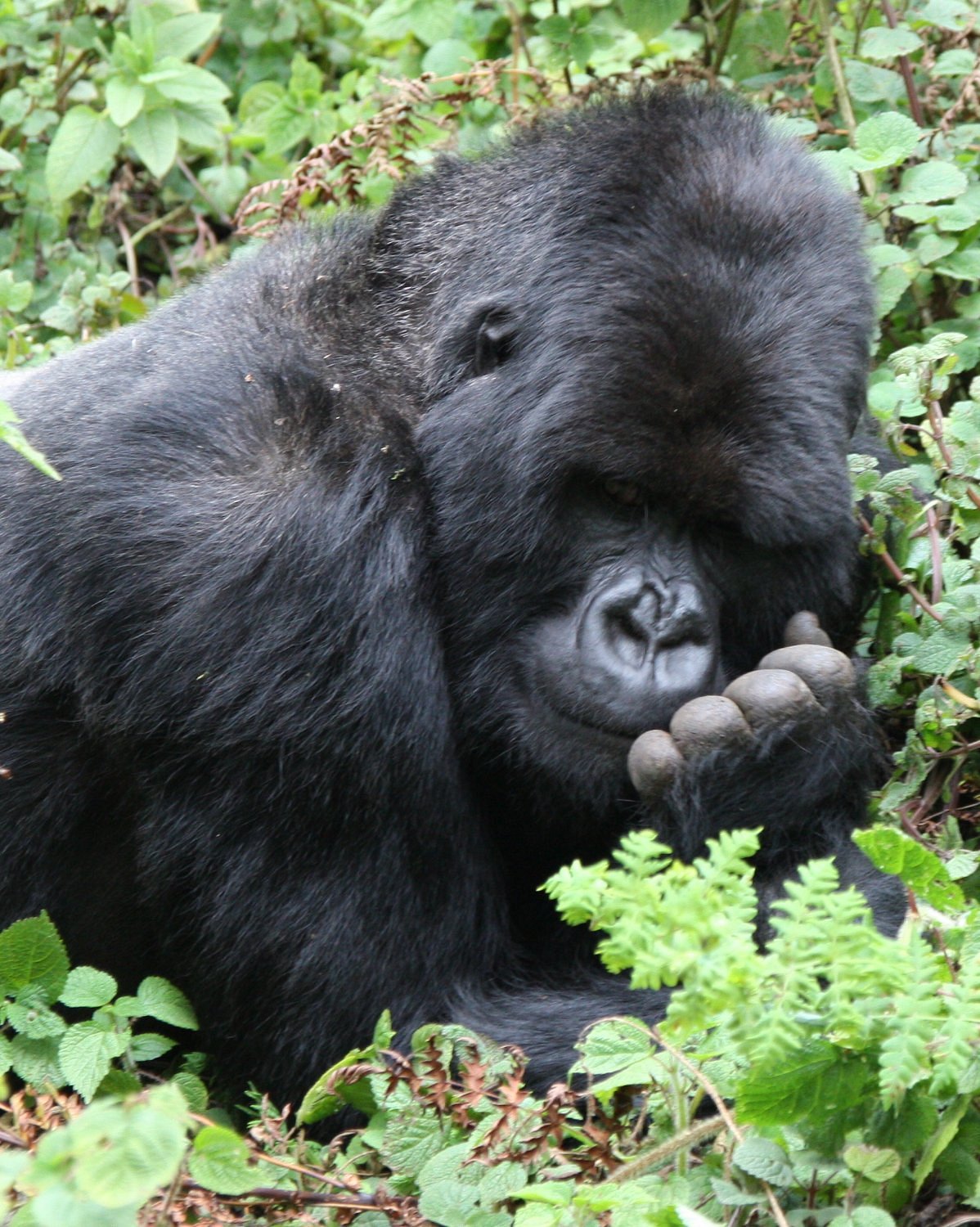
Volcanoes National Park is Rwanda’s most famous conservation area and one of the most important mountain gorilla habitats in the world.
Located in northwestern Rwanda, it is best known for gorilla trekking in Rwanda, golden monkeys, and volcanic landscapes.
The park has become a global symbol of conservation success because of the recovery of the mountain gorilla population and the strong protection measures put in place over time.
Tourism in Volcanoes National Park generates revenue that supports conservation and community development.
This makes it an excellent example of how wildlife tourism can fund habitat protection while creating jobs for local communities.
2. Akagera National Park
Akagera National Park tells one of the most dramatic recovery stories in Africa.
Once heavily affected by poaching and habitat loss, the park has been restored into Rwanda’s only savanna park and a top destination for big five safaris in Rwanda.
It now supports elephants, buffaloes, lions, leopards, rhinos, antelopes, and hundreds of bird species.
Akagera is often described as a miracle park because its revival shows what is possible when conservation management, anti-poaching efforts, and tourism investment work together.
Visitors now enjoy game drives, boat cruises, bird watching, and sport fishing in a park that was once close to collapse.
3. Nyungwe Forest National Park
Nyungwe Forest National Park is one of Africa’s oldest montane rainforests and a biodiversity hotspot. It is especially important for primate conservation, chimpanzee tracking, and forest ecology.
The park is home to chimpanzees, colobus monkeys, mangabeys, orchids, birds, and countless plant species that support the broader ecosystem.
Nyungwe is a strong ranking opportunity for content related to chimpanzee tracking in Rwanda, Nyungwe Forest National Park, Rwanda rainforest, and primate safaris in Rwanda.
Because it combines biodiversity, scenic value, and tourist activity, it deserves a prominent place in any article about conservation history in Rwanda.
4. Gishwati-Mukura National Park
Gishwati-Mukura National Park is Rwanda’s newest national park and a major conservation milestone.
Created to restore degraded forest landscapes, it plays a crucial role in habitat recovery, primate protection, and sustainable community development.
The park supports chimpanzees, colobus monkeys, baboons, and other species while also contributing to watershed protection.

Wetlands, Marshes, and Forest Reserves
Conservation in Rwanda is not limited to national parks. Wetlands and forest reserves also play a critical role in protecting biodiversity and supporting climate resilience.
One notable example is Rugezi Marsh, a Ramsar wetland site recognized for its ecological importance. Wetlands like this support birdlife, water filtration, flood control, and local livelihoods.
Rwanda’s forest reserves, including Gishwati Forest Reserve, Mukura Forest Reserve, Busanga Forest Reserve, and Buhanga Forest, help preserve habitats outside the main parks.
They also act as ecological corridors for wildlife movement and seed dispersal. This broader landscape approach strengthens Rwanda’s conservation system and helps protect species beyond park boundaries.
Major Threats to Conservation
Despite its progress, Rwanda still faces conservation challenges. These threats are common across many protected landscapes in Africa, especially where human populations live near forests and wildlife habitats.
The main issues include illegal hunting, invasive plants, livestock grazing, illegal fishing, bamboo harvesting, firewood collection, medicinal plant extraction, bush fires, and habitat encroachment.
These pressures can reduce habitat quality, disturb wildlife, and weaken ecosystem health if not managed carefully.
In addition, climate change and population growth increase pressure on protected areas, making long-term conservation planning even more important.
Community Involvement and Conservation Success
One of the biggest reasons Rwanda’s conservation model has worked is community involvement.
Local communities are increasingly included in tourism, education, park management, and conservation benefit-sharing.
When communities see direct value from wildlife protection, they are more likely to support conservation instead of exploiting natural resources unsustainably.
This approach has helped reduce conflict between people and parks while strengthening support for eco-tourism. It has also created jobs, improved local livelihoods, and encouraged conservation awareness.
Rwanda’s success demonstrates that wildlife protection works best when people living near protected areas are part of the solution.
Forest Cover and Reforestation
Rwanda has also invested heavily in tree planting and forest restoration.
Reforestation is important because forests protect water sources, reduce soil erosion, support wildlife, and store carbon. In a country with high population density, expanding forest cover is a strategic environmental priority.
Rwanda’s efforts to increase tree plantations and rehabilitate degraded lands show that conservation is tied to national development.
This makes the topic relevant not only to tourism readers but also to audiences interested in climate action, sustainable land use, and environmental policy.
Biodiversity and Wildlife Value
Rwanda is rich in biodiversity despite its small size. The country’s rainforests contain rare tree species, flowering plants, orchids, primates, birds, and unique montane ecosystems.
Nyungwe alone is known for its high species diversity, while Volcanoes National Park protects one of the most famous gorilla populations on Earth.
This biodiversity has made Rwanda a strong destination for eco-tourism and scientific conservation interest. Travelers come for gorilla trekking, chimpanzee tracking, birding, canopy walks, and scenic wildlife experiences.
Tourism and Conservation
Tourism has become one of the strongest arguments for conservation in Rwanda. The country has successfully linked wildlife protection with high-value, low-impact tourism.
Revenue from gorilla permits, game drives, and park visits supports park management, anti-poaching programs, and community projects.
This model protects biodiversity while also generating foreign exchange and employment. In many ways, Rwanda’s tourism strategy proves that conservation can be economically sustainable when managed well.
Cultural Heritage and Conservation
Conservation in Rwanda also connects with culture and heritage. Visitors often combine nature travel with historical and cultural experiences such as the Kigali Genocide Memorial, museums, traditional crafts, and local community visits.
This creates a fuller travel experience and shows how conservation fits into Rwanda’s broader identity.
Cultural heritage tourism strengthens conservation by spreading tourism income across more sectors of society. It also helps visitors understand the country more deeply, beyond wildlife alone.
Why Rwanda Stands Out
Rwanda stands out because it has turned environmental recovery into a national success story.
Its parks are better managed, its wildlife is better protected, and its conservation policies are closely tied to tourism and community development.
The country has shown that even after severe disruption, ecosystems can recover with commitment, planning, and partnership.
For travelers, researchers, and conservation enthusiasts, Rwanda offers one of the most compelling examples of sustainable wildlife management in Africa. Gorillas in Volcanoes National Park nearly became extinct in the wild.