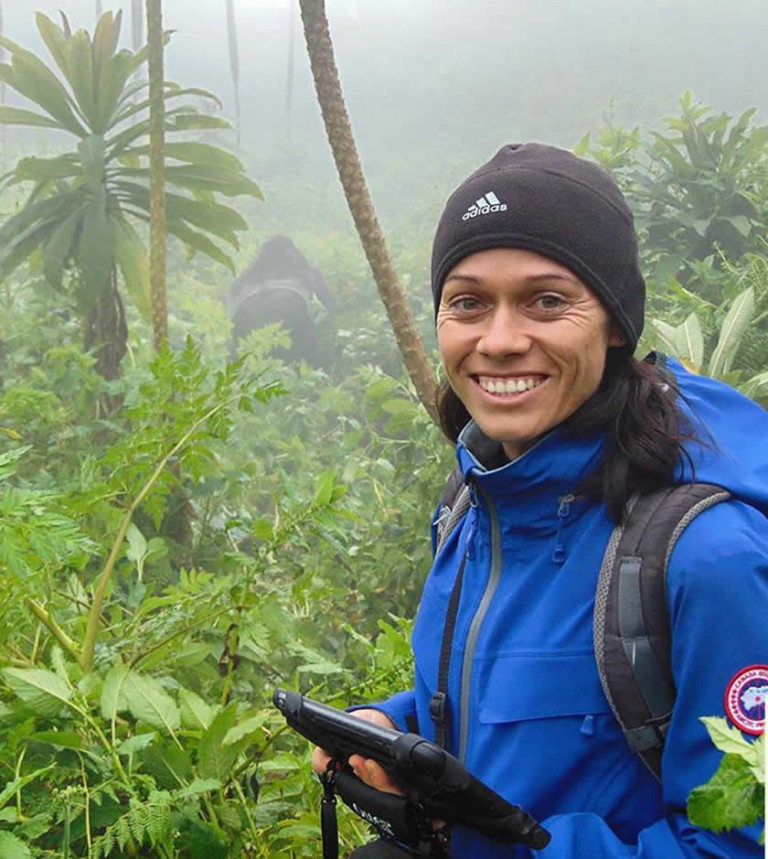

How to Visit Rwanda on Budget
How to Visit Rwanda on a Budget: Complete 2026 Travel Guide
Rwanda is often associated with luxury lodges, private tours, and the US$1,500 gorilla trekking permit. However, you do not need an unlimited budget to enjoy the Land of a Thousand Hills.
With affordable accommodation, public transport, local restaurants, free city attractions, and carefully selected activities, it is possible to plan an enjoyable budget trip to Rwanda.
This guide explains how to visit Rwanda on a budget, including daily costs, affordable accommodation, transport options, food prices, national parks, gorilla trekking alternatives, sample itineraries, safety advice, and practical money-saving tips.
Whether you are visiting Kigali, Lake Kivu, Musanze, Nyungwe Forest, or Akagera National Park, you can experience Rwanda without paying luxury-safari prices.
Important: Prices can change according to season, exchange rates, operator policies, and government regulations. Confirm current fees before booking.

Is Rwanda Expensive to Visit?
Rwanda can be more expensive than some neighboring East African destinations, especially when you include gorilla trekking, private transport, and luxury accommodation.
Nevertheless, everyday travel costs can remain manageable if you use local services and avoid unnecessary private transfers.
A realistic 2026 daily budget, excluding gorilla trekking, is approximately:
Current travel estimates place a shoestring Rwanda trip at approximately US$50–70 per day, excluding high-cost experiences such as gorilla permits.
The most expensive part of a Rwanda safari is usually not food or local transport.
It is the combination of:
-
Gorilla or chimpanzee permits
-
Private safari vehicles
-
Accommodation near national parks
-
Guided activities
-
Long-distance private transfers
The key to travelling Rwanda on a budget is separating expensive activities from affordable ones. You can stay in a budget guesthouse, use buses, eat local food, and still include one premium activity if it is important to you.
Choose Affordable Accommodation
Rwanda has luxury hotels and high-end safari lodges, but budget travelers can find hostels, guesthouses, campsites, homestays, and simple hotels.
Budget accommodation options
Consider the following:
-
Hostels in Kigali, especially around central neighborhoods
-
Family-run guesthouses in Musanze, Gisenyi, and Kibuye
-
Affordable hotels near bus stations and town centers
-
Airbnb apartments for longer stays
-
Community-based accommodation
-
Campsites in or near selected national parks
-
Simple lodges outside premium park locations
Budget accommodation may offer fewer facilities than luxury lodges, but many properties are clean, secure, and suitable for travelers who spend most of the day sightseeing.
Typical estimates include:
-
Hostels: approximately US$10–25 per night
-
Basic guesthouses: approximately US$20–60 per night
-
Mid-range hotels: approximately US$60–150 per night
-
Luxury lodges: US$200 or more per night
Prices are usually higher in Volcanoes National Park, particularly near gorilla trekking trailheads in Musanze.
Staying slightly farther from the park headquarters can reduce costs, although you should calculate the extra transport expense.
How to reduce accommodation costs
-
Travel during the low season
Some hotels reduce their rates during rainy periods. -
Book directly and compare platforms
Check the property’s website, online booking platforms, and local tour operators. -
Stay longer
Some guesthouses offer weekly discounts. -
Choose a room with breakfast
A room including breakfast can reduce your daily food budget. -
Share a room
Couples and small groups can significantly reduce the per-person cost. -
Stay near public transport
A cheaper hotel may become expensive if you need private taxis every day.
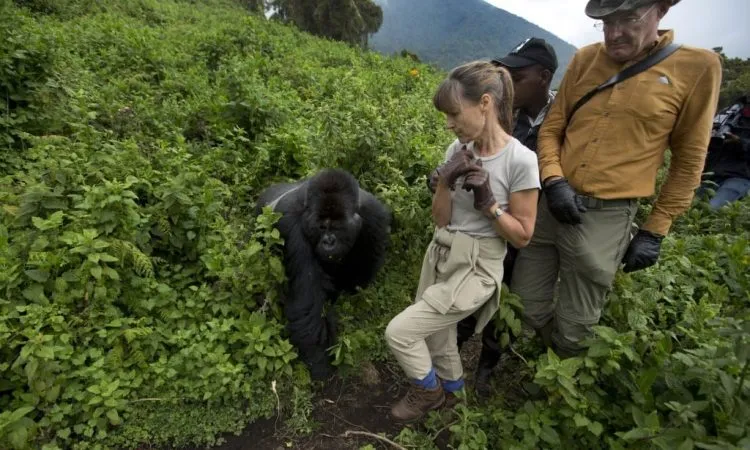
Camping in Rwanda
Camping can be an affordable option for experienced travelers, particularly around Akagera National Park and Nyungwe Forest National Park.
However, availability, equipment, weather, and park regulations differ from one location to another.
Camping during the rainy season can be uncomfortable because heavy rain may affect roads, tents, and hiking trails.
Always confirm:
-
Whether camping is allowed
-
Whether you need to bring your own equipment
-
Whether a ranger or guide is required
-
Whether meals and water are available
-
Whether the campsite is inside or outside the park
Use Public Transport in Rwanda
Transport is one of the easiest ways to control your Rwanda travel budget. The country has a relatively organized road network, and buses connect Kigali with many major towns.
Buses for intercity travel
The main bus terminal in Kigali is Nyabugogo Bus Station. From there, you can find buses to destinations such as:
-
Musanze
-
Rubavu and Lake Kivu
-
Huye
-
Rusizi
-
Karongi
-
Akagera-area towns
Intercity buses are generally much cheaper than private transfers. They may take longer and provide less flexibility, but they are suitable for independent travelers.
Depending on the route and operator, budget approximately RWF 2,000–10,000 for many intercity journeys. Confirm the current fare at the station before departure because prices vary by distance and operator.
Public buses in Kigali
Kigali’s city buses are an affordable way to move around the capital. Current fare estimates vary by route and fare system, with many ordinary urban journeys costing roughly RWF 200–1,000.
You may need a Tap&Go card for some city-bus services. Ask your accommodation about the correct route and boarding point.
Motorbike taxis
Motorbike taxis, commonly called moto-taxis, are widely used in Kigali and other towns. They are often quicker than cars in heavy traffic and can be inexpensive for short trips.
For safety:
-
Use a licensed rider
-
Wear the helmet provided
-
Agree on the price before departure when necessary
-
Avoid carrying large luggage on a motorcycle
-
Use a ride-hailing option where available
Older travel information sometimes quotes very low motorbike fares, but prices can change. Always confirm the price locally rather than relying on outdated figures.
Taxis and ride-hailing services
Taxis are more comfortable than motorcycles but cost more.
They are useful when:
-
You have heavy luggage
-
You are traveling at night
-
You are traveling with children
-
You need an airport transfer
-
You are visiting several places in one day
For the lowest cost, use public buses and motorcycles for short journeys, then reserve taxis for routes where convenience and safety matter most.
Should you rent a car?
A rental car gives you greater freedom, but it may not be the cheapest option for one person.
Car rental costs can include:
-
Daily vehicle rate
-
Fuel
-
Insurance
-
Driver fees
-
Parking
-
Cross-border charges
-
Park access and guide fees
For two to four travelers, sharing a vehicle can become more cost-effective. A local operator such as Adventure Uganda Safaris can help compare a private vehicle, shared safari, and public transport based on your route.
Save Money on Food
Food is another area where you can reduce your Rwanda safari cost without sacrificing the experience.
Affordable food choices
Look for:
-
Local buffet restaurants
-
Small family-run restaurants
-
Cafés near markets and bus stations
-
Guesthouse meals
-
Bakeries and simple lunch cafés
-
Local dishes such as rice, beans, vegetables, potatoes, plantain, and meat
A local buffet meal may cost approximately RWF 2,000–5,000, depending on the town and restaurant. International restaurants and hotel dining rooms are usually considerably more expensive.
Practical food-saving tips
-
Eat breakfast at your accommodation if it is included.
-
Choose a local buffet for lunch.
-
Carry bottled water or refill from a trusted filtered-water station.
-
Avoid eating every meal at international restaurants.
-
Buy snacks from supermarkets before visiting remote areas.
-
Ask whether the menu price includes taxes or service charges.
Street food can be inexpensive, but hygiene standards vary. Choose busy, clean-looking places where food is freshly prepared and has a high turnover.
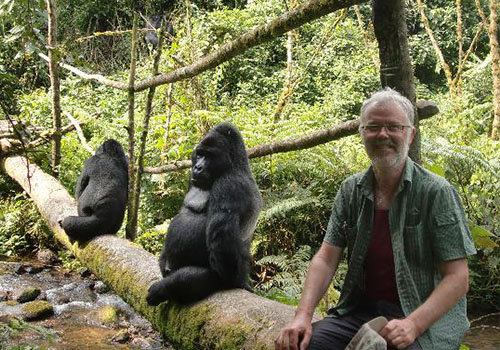
Affordable Things to Do in Rwanda
You can enjoy many Rwanda tourist attractions on a budget without booking an expensive safari package.
Explore Kigali
Kigali is clean, organized, and easy to explore.
Budget-friendly activities include:
-
Walking through safe central neighborhoods during the day
-
Visiting local markets
-
Exploring art galleries
-
Visiting memorial and cultural sites
-
Trying local food
-
Taking a guided city walk
-
Visiting craft shops and community projects
Some attractions have entrance fees, while others are free or inexpensive. Check opening hours and current charges before visiting.
Visit Lake Kivu
Lake Kivu is one of Rwanda’s most scenic destinations.
Budget travelers can enjoy:
-
Lakeside walks
-
Swimming at approved locations
-
Local markets
-
Affordable guesthouses
-
Boat trips shared with other travelers
-
Cycling and community visits
-
Sunset views
Popular areas include Gisenyi, also known as Rubavu, and Kibuye, also known as Karongi. Kibuye is especially attractive for travelers who enjoy quiet scenery and relaxed lakeside stays.
Hike near the Virunga Volcanoes
The Volcanoes region is famous for gorilla trekking, but you can experience its dramatic scenery through less expensive activities.
Possible options include:
-
Mount Bisoke day hikes
-
Volcano foothill walks
-
Cultural visits
-
Village cycling
-
Coffee experiences
-
Golden monkey tracking
-
Guided nature walks
Permit fees and guide requirements vary. Confirm the latest charges with the Rwanda Development Board or an authorized operator.
Explore Nyungwe Forest
Nyungwe Forest National Park is a strong choice for travelers interested in primates, forest scenery, and birding.
Depending on your budget, activities may include:
-
Chimpanzee tracking
-
Colobus monkey experiences
-
Forest hiking
-
Bird watching
-
Waterfall walks
-
The Nyungwe canopy walkway
Chimpanzee tracking is cheaper than gorilla trekking, but it still requires a permit and organized arrangements.
Travel costs can be reduced by using public transport to nearby towns and booking an affordable guesthouse outside the most expensive lodge areas.

Visit Akagera National Park
Akagera National Park is Rwanda’s main savanna destination and offers opportunities to see elephants, buffalo, giraffes, zebras, antelopes, hippos, crocodiles, and predators.
Ways to control costs include:
-
Sharing a vehicle with other travelers
-
Staying outside the park
-
Booking a group game drive
-
Choosing camping instead of a luxury lodge
-
Spending two nights instead of several nights
-
Combining a game drive with a boat trip on Lake Ihema
A private safari vehicle is more expensive than a shared activity, but it can be worthwhile when costs are divided among several travelers.
Gorilla Trekking on a Budget
Gorilla trekking is the activity most associated with Rwanda, but the Rwanda gorilla permit price makes it difficult to classify as a budget experience.
For 2026, the standard permit for an international visitor is US$1,500 per person, issued through the Rwanda Development Board (RDB).
The permit grants access to a guided gorilla trek in Volcanoes National Park and one hour with a habituated gorilla family.
Promotional rates may apply to certain resident, African, or East African visitor categories, but eligibility and dates are specific. The official RDB booking information notes that some promotional rates do not apply from June to October 2026.
How to reduce the total gorilla trip cost
Although you cannot remove the permit fee, you can reduce other expenses:
-
Stay in a budget guesthouse in Musanze.
-
Use a shared transfer from Kigali.
-
Travel with friends and share transport.
-
Book a porter if needed, but compare rates through a legitimate operator.
-
Avoid unnecessary luxury extras.
-
Add affordable Musanze activities before or after the trek.
-
Compare Rwanda with Uganda if gorilla trekking is your primary objective.
A shared shuttle between Kigali and the Volcanoes region may cost approximately US$30–50 each way, according to current travel estimates.
Consider Uganda as an alternative
Travelers whose priority is gorilla trekking may compare Rwanda with Uganda, where permits have historically been lower than Rwanda’s standard international rate.
However, Uganda involves longer road journeys to Bwindi Impenetrable National Park or Mgahinga Gorilla National Park.
The cheaper permit does not automatically mean the cheaper complete trip.
Compare:
-
Permit price
-
Transport
-
Accommodation
-
Number of nights
-
Visa and border requirements
-
Travel time
-
Park sector and trek location
A reputable operator can prepare a side-by-side Uganda versus Rwanda gorilla safari cost comparison.
Alternatives to Gorilla Trekking
If the gorilla permit is outside your budget, Rwanda still offers memorable wildlife and outdoor experiences.
Consider:
-
Golden monkey tracking in the Volcanoes region
-
Chimpanzee tracking in Nyungwe Forest
-
Colobus monkey tracking
-
Akagera game drives
-
Lake Ihema boat trips
-
Mount Bisoke hiking
-
Canopy-walk experiences in Nyungwe
-
Bird watching
-
Cycling tours
-
Coffee and tea experiences
-
Lake Kivu boat trips
-
Community and cultural visits
These activities allow you to experience Rwanda’s forests, volcanoes, lakes, wildlife, and communities while keeping the total trip price lower.

Sample Seven-Day Rwanda Budget Itinerary
This itinerary avoids gorilla trekking and focuses on affordable transport and activities.
A. Days 1–2: Kigali
-
Arrive in Kigali
-
Stay in a hostel or guesthouse
-
Explore local markets and cultural attractions
-
Eat at local buffet restaurants
-
Use city buses or motorbike taxis
B. Days 3–4: Musanze and Volcanoes region
-
Travel by bus to Musanze
-
Stay in a budget guesthouse
-
Take a volcano-area hike or cultural tour
-
Consider golden monkey tracking if it fits your budget
C. Days 5–6: Lake Kivu
-
Travel by bus to Gisenyi or Kibuye
-
Enjoy lakeside walks and local food
-
Book an affordable shared boat trip
-
Stay in a simple guesthouse
D. Day 7: Return to Kigali
-
Travel back to Kigali by public bus
-
Allow extra time for traffic and departure arrangements
-
Keep your final night near the airport if your flight is early
A shoestring traveler may spend roughly US$350–500 for seven days, excluding international flights and premium activities. Your final cost will depend on accommodation, activities, transport distance, and travel style.
Money-Saving Tips for Rwanda
Use these practical strategies to reduce your Rwanda travel expenses:
-
Travel during a shoulder or wet season for lower lodge rates.
-
Use buses instead of private transfers where practical.
-
Share taxis, safari vehicles, or boat trips.
-
Book accommodation with breakfast included.
-
Stay in guesthouses instead of luxury lodges.
-
Eat local meals for lunch and dinner.
-
Carry reusable water bottles.
-
Compare activity fees before booking.
-
Avoid changing money at airports unless necessary.
-
Keep a small amount of cash for rural areas.
-
Book gorilla permits well in advance if trekking is essential.
-
Build rest days into your itinerary instead of paying for activities every day.
-
Choose two or three regions rather than trying to see the entire country quickly.
-
Ask operators for a full written list of inclusions and exclusions.
Safety and Responsible Budget Travel
Rwanda is widely regarded as one of the safer and more organized destinations in East Africa, but normal precautions remain important.
-
Keep passports and valuables secure.
-
Use registered transport providers.
-
Avoid walking alone in unfamiliar areas late at night.
-
Follow park ranger instructions.
-
Respect local customs and dress appropriately.
-
Do not photograph people without permission.
-
Avoid single-use plastics where possible.
-
Use official guides for hikes and wildlife activities.
-
Follow all gorilla, chimpanzee, and wildlife-viewing rules.
-
Support locally owned accommodation, restaurants, and guides.
Budget travel should not mean cutting corners on safety. A slightly more expensive licensed guide or reliable transfer can prevent much larger problems later.
Frequently Asked Questions
Can I visit Rwanda on US$50 per day?
Yes, it is possible outside premium activities such as gorilla trekking. Use hostels, public buses, local restaurants, and free or low-cost attractions. A budget of US$50–70 per day is more realistic for many independent travelers.
What is the cheapest way to travel around Rwanda?
Public buses are generally the most affordable option for intercity travel. In Kigali, use city buses for longer journeys and licensed motorbike taxis for short trips.
Is Rwanda cheaper than Uganda?
It depends on your itinerary. Rwanda may have convenient transport and shorter distances, while Uganda may offer lower gorilla permit prices. Compare the complete cost rather than the permit alone.
Can I camp in Rwanda?
Camping is available in or near some national parks, but facilities and regulations vary. Confirm availability, equipment, fees, and weather conditions before traveling.
What is the cheapest alternative to gorilla trekking?
Depending on the destination and current fees, golden monkey tracking, volcano hikes, birding, and community experiences may cost less than gorilla trekking. Chimpanzee tracking is another popular primate activity.
How many days do I need in Rwanda?
A 5–7 day Rwanda itinerary allows you to combine Kigali with one or two destinations such as Musanze, Lake Kivu, Nyungwe, or Akagera. Longer trips provide more time for wildlife and cultural experiences without rushing.
Final Advice
A budget trip to Rwanda is possible if you plan carefully. Stay in hostels or guesthouses, use buses and motorbike taxis, eat at local restaurants, travel during quieter months, and choose activities that match your budget.
Gorilla trekking remains a premium experience, with the standard international permit costing US$1,500 in 2026, but Rwanda offers many affordable alternatives, including Akagera safaris, Nyungwe chimpanzee tracking, golden monkey trekking, volcano hikes, cycling, bird watching, and Lake Kivu adventures.
For help comparing budget Rwanda safaris, Uganda gorilla trekking, transport, accommodation, and custom itineraries, contact Adventure Uganda Safaris for a transparent, personalized quotation.