UGANDA’S RHINOS TO BE RE-INTRODUCED INTO THE WILD BY 2022
UGANDA’S RHINOS TO BE RE-INTRODUCED INTO THE WILD 2026 Guide
Uganda’s rhino conservation story has entered a historic new chapter. After disappearing from the country’s national parks because of poaching, armed conflict, and habitat mismanagement, southern white rhinos have been reintroduced into Kidepo Valley National Park.
The first animals were moved into Kidepo in March 2026, marking the return of rhinos to a Ugandan protected area for the first time since the last confirmed wild sighting in 1983.
The reintroduction follows more than two decades of breeding and conservation work at Ziwa Rhino Sanctuary, where Uganda rebuilt its rhino population from zero.
This article explains Uganda’s rhino reintroduction programme, the history of rhinos in the country, the role of Ziwa Rhino Sanctuary, the importance of Kidepo Valley National Park, and what the future could hold for rhinos in Murchison Falls National Park and other protected areas.
Key facts at a glance
-
Rhinos returned to Kidepo Valley National Park: March 2026.
-
Last confirmed wild rhino sighting in Uganda: 1983.
-
Main species currently being reintroduced: Southern white rhinoceros.
-
Breeding centre: Ziwa Rhino Sanctuary in central Uganda.
-
Uganda’s rhino population: 59 according to a Uganda Wildlife Authority update from December 2025; other conservation reports place the broader current total at about 61 after additional animals were added.
-
Original range: Murchison Falls National Park, Kidepo Valley National Park, and Ajai Wildlife Reserve.
-
Long-term goal: Establish secure, genetically diverse rhino populations in suitable protected landscapes.

Why Uganda lost its wild rhinos
Rhinos once formed an important part of Uganda’s wildlife heritage. Both northern white rhinos and eastern black rhinos lived in the country’s savanna ecosystems.
Northern white rhinos (Ceratotherium simum cottoni) were mainly associated with the wider Murchison Falls landscape. Eastern black rhinos (Diceros bicornis michaeli) lived in areas including Kidepo Valley in northeastern Uganda.
Historical conservation records describe hundreds of rhinos across these landscapes before the major decline.
The collapse of Uganda’s rhino populations was caused by several connected factors:
-
Commercial poaching for rhino horn.
-
Armed conflict and political instability during the 1970s and early 1980s.
-
Weak protection of national parks and wildlife reserves.
-
Habitat degradation and poor wildlife management.
-
Illegal hunting and loss of effective law enforcement.
By the early 1980s, Uganda’s wild rhinos had disappeared. The last confirmed sighting of a black rhino in Uganda was recorded in the Narus Valley of Kidepo in May 1983.
The northern white rhino also disappeared from Murchison Falls around the same period.
This was not only the loss of one species. Rhino extinction damaged Uganda’s natural heritage and reduced the ecological diversity of its national parks.
It also meant that visitors could no longer experience the traditional African safari combination of lion, leopard, elephant, buffalo, and rhino in the country’s major wildlife areas.
The beginning of Uganda’s rhino recovery
Uganda’s rhino recovery began with the creation of Ziwa Rhino Sanctuary in 2005.
The sanctuary was established through cooperation involving the Rhino Fund Uganda and the Uganda Wildlife Authority, with the goal of rebuilding a sustainable rhino population and eventually returning rhinos to protected areas where they once lived.
The first southern white rhinos were introduced to Ziwa to establish a secure breeding population.
Although southern white rhinos are not the same subspecies as Uganda’s former northern white rhinos, they are closely related and occupy a similar ecological role as large grazing herbivores.
Ziwa provided three essential conservation functions:
-
A safe breeding environment.
-
A place for veterinary care and population monitoring.
-
A practical training ground for future rhino translocations.
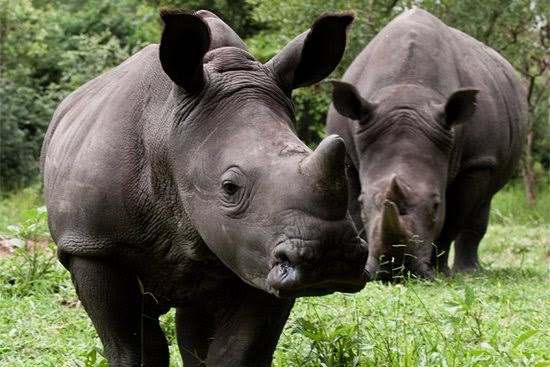
The sanctuary also became Uganda’s main destination for rhino tracking tours. Visitors can observe rhinos in a natural environment while learning about anti-poaching, habitat management, breeding, and community conservation.
Over time, the population increased significantly. By December 2025, Uganda’s national rhino population had reached at least 59 southern white rhinos according to a Uganda Wildlife Authority update.
An additional eight animals imported from South Africa helped strengthen genetic diversity within the recovery programme.
Rhinos return to Kidepo Valley.
In March 2026, Uganda began moving rhinos from protected breeding facilities into a secure area within Kidepo Valley National Park.
The first reintroduction involved southern white rhinos transported in specially designed crates.
Reports stated that the initial operation included animals from Ziwa and other conservation sources, with additional rhinos expected to follow during the year.
The return to Kidepo is historically significant because the park had been without rhinos since the species was driven to extinction there more than four decades ago.
The animals were first placed in a carefully prepared and monitored area in the Narus Valley.
The reintroduction site includes:
-
Security fencing.
-
Access roads for monitoring teams.
-
Fire-management systems.
-
Veterinary and emergency-response arrangements.
-
Ranger protection and surveillance.
-
A gradual-release approach to help the rhinos adjust.
This type of phased reintroduction is important. Conservationists do not simply release animals and leave them alone.
They monitor their health, movement, feeding patterns, interaction with the habitat, and response to potential threats.
The Kidepo project is intended to develop a foundation population that can eventually move through a larger protected landscape. More rhinos may be relocated in stages as security, habitat conditions, and monitoring capacity improve.

Why Kidepo Valley National Park matters
Kidepo Valley National Park is one of Uganda’s most remote and ecologically distinctive protected areas.
Located in the country’s northeastern Karamoja region, it contains wide valleys, rugged mountains, dry savanna, seasonal rivers, and wildlife species that are uncommon elsewhere in Uganda.
The park is suitable for a rhino reintroduction programme because it offers:
-
Extensive savanna habitat.
-
Low human population density in key conservation zones.
-
A history of supporting rhinos.
-
Strong tourism potential.
-
Opportunities to establish a secure, monitored rhino population.
Kidepo is already known for wildlife such as:
-
Lions.
-
Leopards.
-
Elephants.
-
Buffaloes.
-
Giraffes.
-
Zebras.
-
Elands.
-
Cheetahs.
-
Oryx and other dryland antelopes.
The return of rhinos could make the park even more attractive for Uganda wildlife safaris. Visitors may eventually be able to see a wider range of large mammals in one landscape, strengthening Kidepo’s reputation as a premier African safari destination.
However, rhinos are not automatically guaranteed to become a common sight.
They are large, slow-breeding animals requiring strong security, suitable habitat, water access, veterinary support, and long-term funding. The success of the project will depend on maintaining protection well beyond the initial release.
Could rhinos return to Murchison Falls?
Murchison Falls National Park was historically one of Uganda’s main rhino habitats. The park’s grasslands, riverine areas, and woodland ecosystems once supported northern white rhinos.
Uganda’s long-term conservation planning includes the possibility of reintroducing rhinos into additional protected areas.
The national rhino strategy emphasizes restoring suitable landscapes, improving genetic diversity, and establishing secure populations in places where rhinos historically occurred.
Murchison Falls could eventually become part of this recovery effort, but any reintroduction would require detailed feasibility work.
Conservation teams would need to evaluate:
-
Current habitat quality.
-
Water availability.
-
Food resources.
-
Veterinary facilities.
-
Ranger coverage.
-
Road and monitoring access.
-
Human-wildlife conflict risks.
-
Security against poaching.
-
Genetic suitability of the rhinos selected.
The earlier 2022 prediction that rhinos would be returned to Uganda’s national parks did not occur on that original timetable.
The first major return to a national park happened in 2026 at Kidepo Valley. This distinction is important for accurate conservation reporting: the reintroduction programme has progressed, but the process is phased and continues to develop.
Future translocations to Murchison Falls National Park or Ajai Wildlife Reserve should therefore be treated as planned conservation possibilities unless officially confirmed by the Uganda Wildlife Authority.

What species are being reintroduced?
The rhinos currently forming Uganda’s recovery population are primarily southern white rhinos (Ceratotherium simum simum).
They are different from:
-
Northern white rhinos (Ceratotherium simum cottoni), which historically lived in Uganda.
-
Eastern black rhinos (Diceros bicornis michaeli), which also formerly occurred in Uganda.
The choice of southern white rhinos is connected to availability, conservation partnerships, breeding success, and the need to create a viable population.
Southern white rhinos are critically important to conservation because they are large grazers that can help restore natural ecological processes in suitable grassland systems.
The distinction between subspecies should be clearly explained in any article about Uganda’s rhino recovery. Saying simply that “Uganda’s original rhinos have returned” can be misleading.
A more accurate description is that a closely related southern white rhino population is being reintroduced into Uganda as part of a national rhino recovery programme.
Why rhinos are important to Uganda’s ecosystems
Rhinos are more than a tourism attraction. They are major herbivores that influence the structure and health of grassland and savanna environments.
Their ecological contribution includes:
-
Maintaining open grasslands through grazing.
-
Creating pathways through dense vegetation.
-
Dispersing seeds through dung.
-
Supporting insects and other organisms associated with large herbivore activity.
-
Contributing to a balanced food web.
Rhinos also have strong cultural and economic value. A healthy rhino population can:
-
Increase the appeal of Uganda’s Big Five safaris.
-
Encourage longer visitor stays.
-
Create jobs in guiding, conservation, transport, and hospitality.
-
Support local communities through tourism revenue.
-
Strengthen Uganda’s international conservation reputation.
For communities near Kidepo, Murchison Falls, and other protected landscapes, a successful rhino project could create new opportunities in employment, conservation education, community tourism, and small businesses.
The role of Ziwa Rhino Sanctuary
Ziwa Rhino Sanctuary remains central to Uganda’s rhino conservation story. It is not simply a tourist attraction; it is the foundation of the country’s rhino breeding and reintroduction programme.
The sanctuary helps conservationists to:
-
Monitor births and population growth.
-
Maintain veterinary records.
-
Observe social behavior and breeding.
-
Train rangers and monitoring teams.
-
Prepare animals for future translocations.
-
Educate visitors about rhino conservation.
-
Raise public support for wildlife protection.
For travelers, rhino tracking at Ziwa Rhino Sanctuary is one of Uganda’s most accessible wildlife experiences. It is often included on itineraries between Kampala and Murchison Falls National Park.
Visitors should follow the sanctuary’s current rules and fee schedule because prices, access arrangements, and booking procedures can change.
A reputable Uganda safari operator can confirm the latest information before travel.
Challenges facing Uganda’s rhino reintroduction
Returning rhinos to the wild is a complex conservation operation. Several challenges must be managed over the long term.
Poaching and security
Rhino horn remains a major threat in parts of Africa. Even a small reintroduced population can attract criminal networks. Continuous ranger patrols, intelligence gathering, surveillance, and community cooperation are essential.
Habitat protection
Rhinos need enough food, water, space, and safe movement corridors. Expanding human settlement near protected areas can increase habitat pressure and the risk of conflict.
Genetic diversity
A small population can suffer from inbreeding. Conservation managers must carefully select animals and, when necessary, bring in rhinos from other populations to strengthen genetic health.
Disease and veterinary care
Translocated animals may experience stress, injury, or disease. Veterinary teams must conduct health checks before transport and continue monitoring after release.
Climate variability
Drought, unpredictable rainfall, wildfires, and changing water availability can affect food and habitat conditions in Kidepo and other dryland ecosystems.
Community relationships
Conservation succeeds when nearby communities benefit from wildlife protection. Employment, tourism revenue, education, and rapid response to human-wildlife conflict can help build local support.

What the rhino return means for safari tourism
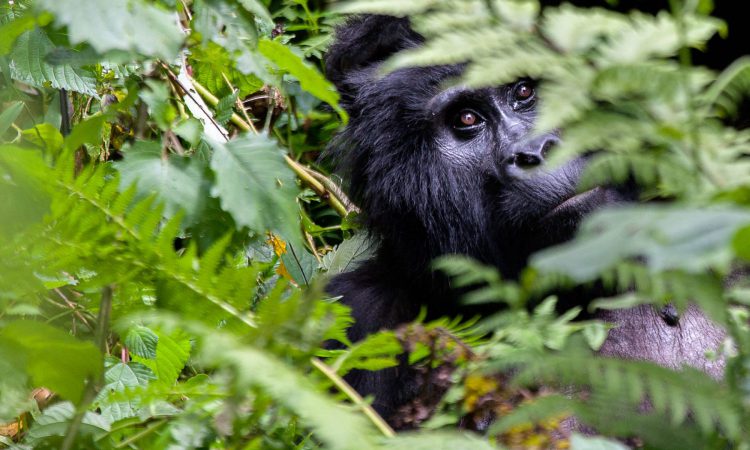
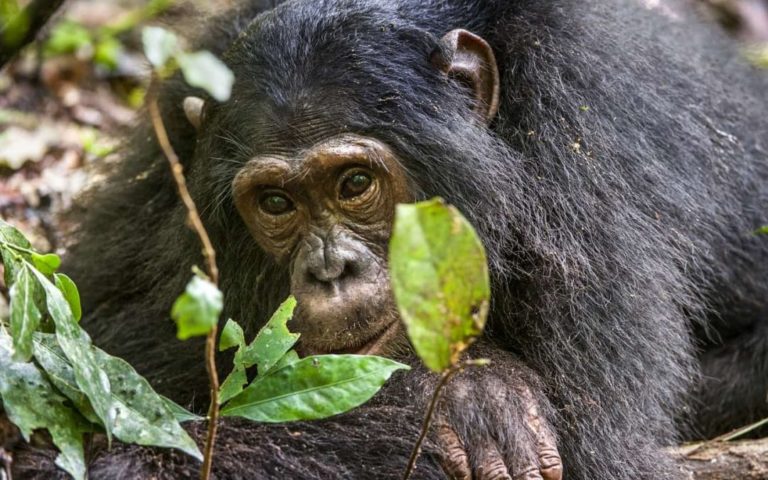
Uganda already offers a diverse safari experience, including gorilla trekking, chimpanzee tracking, boat cruises, birding, cultural tourism, and savanna game drives.
The return of rhinos adds another important attraction. Travelers may be able to combine:
-
Rhino tracking at Ziwa Rhino Sanctuary.
-
Gorilla trekking in Bwindi Impenetrable National Park.
-
Chimpanzee tracking in Kibale Forest.
-
Game drives in Queen Elizabeth National Park.
-
A remote wildlife adventure in Kidepo Valley National Park.
-
A Nile launch cruise and game drive in Murchison Falls National Park.
In the future, the presence of rhinos in national parks could strengthen Uganda’s claim as a complete Big Five safari destination
. It could also encourage visitors to spend more time in the country rather than combining Uganda only with neighboring safari destinations.
Tourism must, however, be managed responsibly. Wildlife viewing should not disturb newly reintroduced rhinos, and visitor access should follow rules established by the Uganda Wildlife Authority (UWA) and park managers.
How travelers can support rhino conservation
Tourists can contribute to Uganda’s rhino recovery in several practical ways:
-
Visit Ziwa Rhino Sanctuary with a licensed guide.
-
Book safaris through responsible, locally established operators.
-
Follow all wildlife-viewing rules.
-
Avoid buying products made from illegal wildlife materials.
-
Support community-owned lodges and local guides.
-
Share accurate conservation information.
-
Choose tourism activities that contribute to park and community conservation.
-
Report suspected wildlife crime through official channels.
The most responsible visitors understand that conservation is not only about seeing animals. It is also about protecting habitats, respecting local communities, and supporting the institutions that keep wildlife safe.
Frequently asked questions
Are rhinos extinct in Uganda?
No. Rhinos became extinct in Uganda’s wild national park populations during the early 1980s, but a breeding programme at Ziwa Rhino Sanctuary rebuilt a managed population. In 2026, rhinos were reintroduced into Kidepo Valley National Park.
When did rhinos return to Uganda’s wild?
Rhinos returned to a Ugandan national park in March 2026, when southern white rhinos were introduced into a protected area within Kidepo Valley National Park. The animals are being monitored as part of a phased reintroduction programme.
Where can tourists see rhinos in Uganda?
Ziwa Rhino Sanctuary has historically been Uganda’s main destination for viewing rhinos in a natural setting. Access to reintroduced rhinos in Kidepo Valley will depend on official park rules, animal welfare considerations, and the progress of the monitoring programme.
Which rhino species are being reintroduced?
Uganda’s current recovery programme is focused mainly on southern white rhinos. These are different from the northern white and eastern black rhinos that historically lived in Uganda.
Will rhinos be returned to Murchison Falls?
Murchison Falls is part of Uganda’s historic rhino range and may be considered for future conservation work. However, any confirmed translocation should be verified through an official Uganda Wildlife Authority announcement.
Can I include rhino tracking in my Uganda safari?
Yes. Many Uganda safari itineraries include Ziwa Rhino Sanctuary before or after a visit to Murchison Falls National Park. Adventure Uganda Safaris can help organize a custom itinerary combining rhino tracking with gorillas, chimpanzees, and savanna wildlife.
A new chapter for Uganda’s wildlife
Uganda’s rhino recovery is one of the country’s most important conservation success stories.
From complete extinction in the wild to a growing population at Ziwa Rhino Sanctuary and the historic return to Kidepo Valley National Park, the programme demonstrates what long-term conservation partnerships can achieve.
The reintroduction is not the end of the story. It is the beginning of a demanding new phase involving security, habitat management, veterinary care, genetic planning, community involvement, and responsible tourism.
If the programme continues successfully, Uganda may once again have rhinos roaming protected landscapes where they disappeared more than 40 years ago.
For wildlife lovers, conservationists, and safari travelers, the return of Uganda’s rhinos represents hope—and a powerful reason to explore the country’s extraordinary national parks.
Plan a Uganda wildlife safari with Adventure Uganda Safaris and include Ziwa Rhino Sanctuary, Murchison Falls, Kidepo Valley, gorilla trekking, or chimpanzee tracking in a tailor-made conservation-focused itinerary.