Cultural languages in Uganda
Cultural Languages in Uganda: Guide 2026
A cultural safari to Uganda introduces visitors to one of Africa’s most linguistically diverse countries.
Uganda has two official languages—English and Swahili—and is home to dozens of indigenous languages, including Luganda, Lusoga, Runyankole, Rukiga, Rutooro, Lugisu, Ateso, Luo, and Acholi.
Language is one of the most powerful ways to understand Uganda’s people, traditions, music, food, storytelling, and daily life.
During a Uganda cultural safari, you may hear different languages as you move from Kampala and Entebbe to Jinja, Mbale, Fort Portal, Kasese, Gulu, and the southwest.
Learning even a few greetings can transform your travel experience, helping you connect respectfully with local communities.
This guide explains the cultural languages in Uganda, where they are spoken, how they relate to Uganda’s ethnic groups, and how travelers can use language to enjoy a more meaningful cultural experience.
Adventure Uganda Safaris designs tailor-made cultural tours that bring you closer to Uganda’s communities, heritage sites, traditional ceremonies, food, music, and local ways of life.
Why Language Matters on a Uganda Cultural Safari
Uganda’s cultural diversity is one of its greatest attractions. The country is home to many ethnic communities, each with its own language, customs, music, food, beliefs, and history.
Language reflects this diversity and helps preserve cultural identity from one generation to the next.
For travelers, understanding Uganda’s languages offers several benefits:
-
Better cultural connection: A simple greeting in Luganda, Runyankole, Ateso, or Swahili can open doors to friendly conversations.
-
Deeper cultural understanding: Language carries history, proverbs, humor, and traditional knowledge.
-
Improved travel experience: Knowing basic phrases helps in markets, villages, taxis, lodges, and community visits.
-
Respectful tourism: Learning local greetings shows appreciation for Uganda’s people and traditions.
-
Richer storytelling: Cultural guides can explain meanings behind songs, dances, names, ceremonies, and proverbs.
English is widely used in hotels, national parks, airports, and formal tourism settings. However, Uganda’s local languages remain central to everyday life, family communication, ceremonies, and community identity.
On your cultural safari to Uganda, you will notice that there are over 40 unique languages spoken in this beautiful nation, and if interested, you will learn how to speak some.
Below is a list of the prominent languages you will hear on your trip;-
1. Luganda:
These are the commonest cultural languages spoken in Uganda. It is sometimes mistaken to be the national language simply because of its wide usage by almost all the people in the country.
This Baganda language is probably the easiest language to learn on as you move around the country. It is part of the prominent Bantu ethnic languages, which are used in almost all the parts of the nation.
When you visit some of the trading centers, this is the commonest language spoken, and one may wonder why, yet there are other beautiful languages.
2. Lusoga:
Also termed as a brother-like language to Luganda, Lusoga is part of the Bantu languages spoken by the Basoga people found in Eastern Uganda. It is the second prominent language used in Uganda, mainly in the eastern parts of this East African country.
3. Lunyankole:
Sometimes it’s called the ruling language by the local people simply because it is the president’s mother tongue.
This is another common language mostly used by the Banyankole from western Uganda, and one special attribute about these people is that they are proud of their language.
A Munyankole man can speak his language loudly from anywhere and this has made the Banyankole people to stand out.
4. Lutoro:
Commonly used by the Batoro people, Lutoro is another interesting language a visitor can learn while on a Uganda safari. It has some words common to those of Lunyankole only that the pronunciation changes slightly.
5. Lukiga:
Being part of the Bantu languages, Lukiga is a common language mainly spoken by Bakiga people from western Uganda. When it comes to the pronunciation of different words, Lukiga is so interesting, and trust me, you will love learning a few words on your safari tour through the various villages in the west.
6. Lugisu:
Also known as “Lumasaba”, Lugisu is the mother-tongue for Bagisu people found in Eastern Uganda. These people have unique lifestyles and cultural practices, like the prominent “Imbalu” (male circumcision).
Lugisu is one of the precious languages in this pearl of Africa with jargons related to those of other Bantu languages.
7. Luo:
This is another rare language found in a few African countries, and it’s mainly spoken by the Luo people, part of the Nilotics. It is completely different from Bantu languages, and it’s very hard for a person from the Bantu ethnic group to pick a word when a Luo person is speaking.
8. Itesote.
Spoken by Itesotes, people found far East of Uganda, Itesote is another wonderful language spoken here.It involves twisting of the tongue while speaking, and this makes it a unique, interesting language.
Other languages you should expect on your tour to this East African country include; – Lusamya, Lunyara, Lulamogi, Acholi, Lululi, Japadhora, Kiswahili and many more.
Language and Uganda’s Cultural Regions
This regional diversity means that a well-planned Uganda cultural safari can introduce you to several languages, communities, and traditions in one journey.

How to Learn Basic Ugandan Languages Before Your Safari
You do not need to become fluent before visiting Uganda. Learning a few greetings and polite expressions can make a big difference.
Practical language tips
-
Start with greetings. Greetings are highly valued in Ugandan culture.
-
Use English when unsure. Most people in tourism settings speak English.
-
Ask your guide to teach you. Safari guides can teach useful phrases for each region.
-
Practise respectfully. Smile, speak slowly, and ask for correction.
-
Listen before speaking. Pay attention to pronunciation and local customs.
-
Use language as connection, not performance. Avoid treating local languages as entertainment.
-
Support community-led experiences. Choose cultural tours that benefit local people directly.
Useful all-purpose phrases
-
Hello – Jambo (Swahili) / Oli otya (Luganda)
-
How are you? – Habari? (Swahili) / Oli otya? (Luganda)
-
Thank you – Asante (Swahili) / Weebale (Luganda)
-
Welcome – Karibu (Swahili) / Oliwanyala (Luganda)
-
Goodbye – Kwaheri (Swahili)
-
Yes – Yebo / Kale
-
No – Nedda / La
Cultural Etiquette for Language and Communication
When visiting Ugandan communities, respectful communication is essential.
-
Greet elders first when appropriate.
-
Ask permission before taking photographs of people, homes, or ceremonies.
-
Dress modestly during village visits and cultural ceremonies.
-
Avoid interrupting traditional rituals.
-
Listen to your guide’s instructions.
-
Do not treat cultural practices as a spectacle.
-
Ask questions respectfully and show genuine interest.
-
Support local artisans, farmers, guides, and community projects.
A responsible cultural safari should create mutual respect and direct benefits for host communities.
Cultural Experiences Where You Can Hear Local Languages
Adventure Uganda Safaris can incorporate language-rich cultural experiences into your Uganda itinerary, such as:
-
Buganda Kingdom heritage tours in Kampala and central Uganda
-
Source of the Nile and Busoga cultural tours in Jinja
-
Mount Elgon and Bagisu cultural experiences near Mbale and Sipi Falls
-
Banyankole cattle-keeping experiences in western Uganda
-
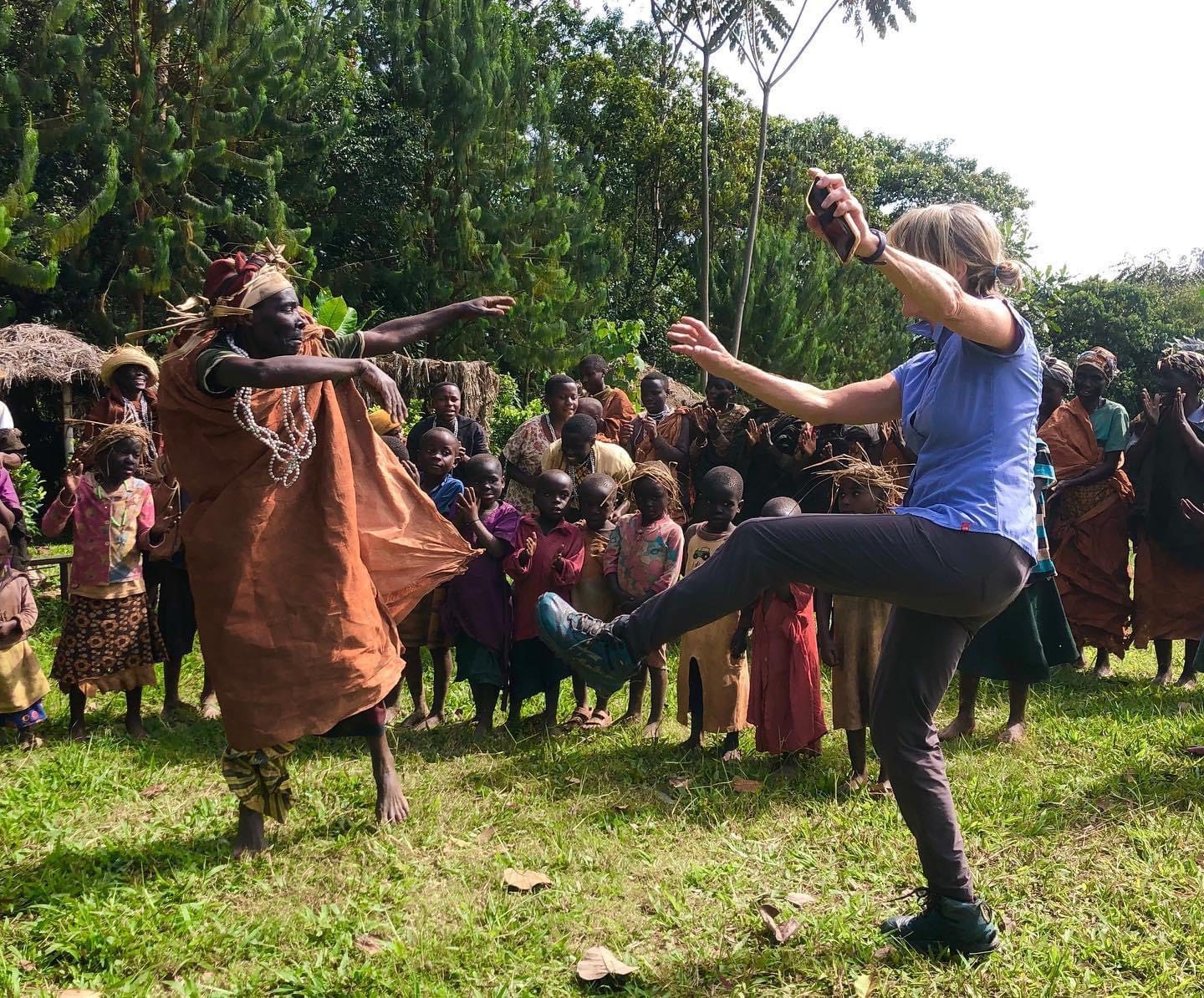
Batwa cultural encounters near Bwindi and Mgahinga
-
Tooro Kingdom cultural visits around Fort Portal
-
Acholi and northern Uganda cultural tours
-
Karamojong community visits in northeastern Uganda
-
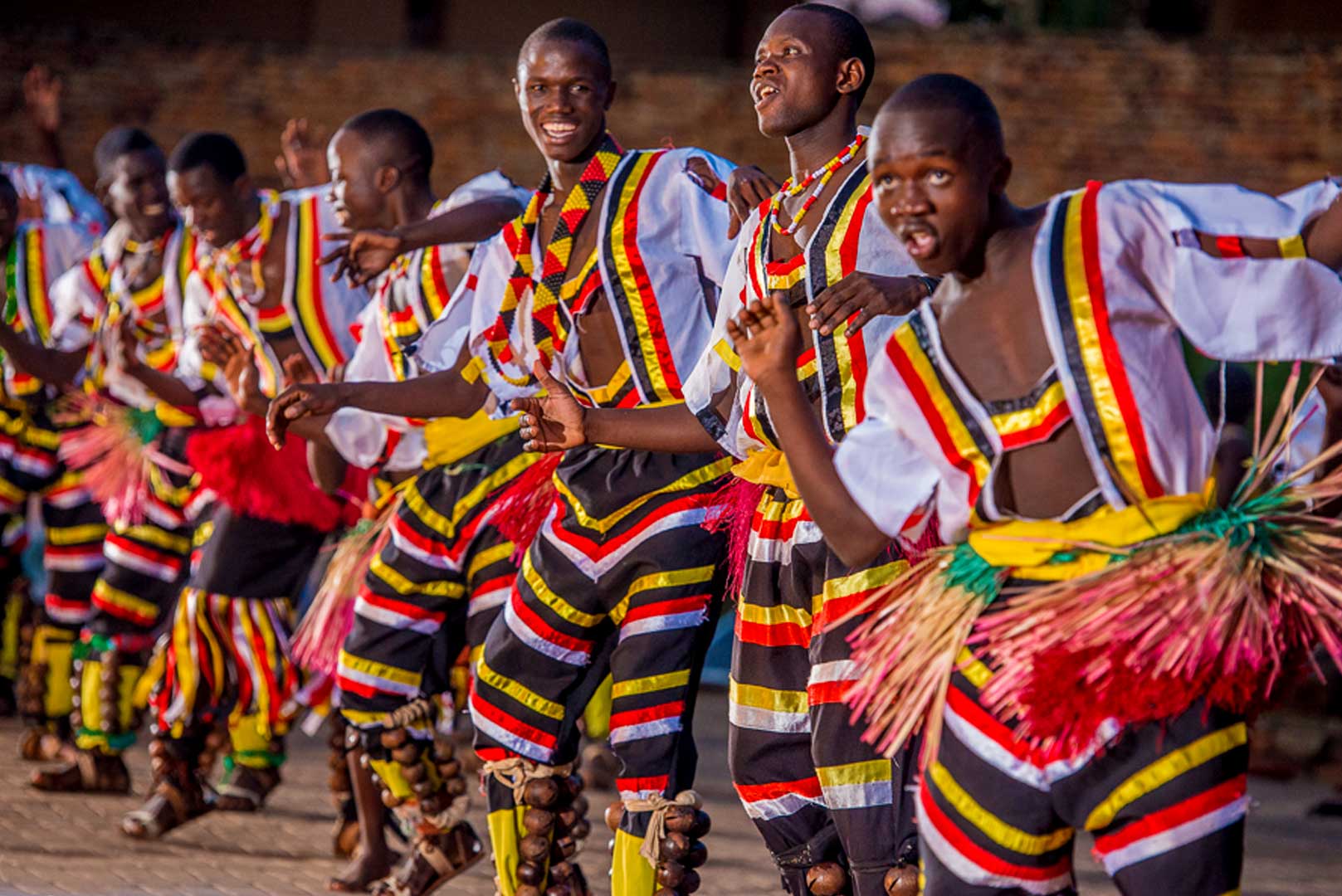
Traditional food, music, dance, and storytelling experiences
Each experience offers a chance to hear local languages in their natural cultural setting.
Why Book a Cultural Safari with Adventure Uganda Safaris?
Adventure Uganda Safaris creates tailor-made Uganda cultural safaris that combine language, heritage, wildlife, and community experiences.
We can arrange:
-
Private cultural tours across Uganda
-
English-speaking guides with deep local knowledge
-
Visits to cultural kingdoms and heritage sites
-
Community-led village experiences
-
Traditional dance and music performances
-
Coffee, farming, and food experiences
-
Mount Elgon, Sipi Falls, and Bagisu cultural tours
-
Batwa cultural experiences near Bwindi
-
Combined cultural and wildlife safari packages
-
Flexible itineraries for couples, families, groups, and solo travelers
Our team helps you travel beyond the usual tourist trail and connect meaningfully with Uganda’s people, languages, and living traditions.
Frequently Asked Questions
How many languages are spoken in Uganda?
Uganda has dozens of indigenous languages, with estimates often ranging from more than 40 to more than 70 depending on how languages and dialects are classified. English and Swahili are the country’s official languages.
What is the most widely spoken local language in Uganda?
Luganda is the most widely spoken and understood indigenous language, especially in Kampala, Entebbe, and Central Uganda. It is the language of the Baganda people and the Buganda Kingdom.
Do I need to speak Luganda to visit Uganda?
No. English is widely used in tourism, hotels, national parks, and major towns. However, learning a few Luganda, Swahili, or regional greetings can enrich your cultural experience.
Which language will I hear in Bwindi?
In and around Bwindi Impenetrable National Park, you may hear Rukiga, Runyankole, English, and sometimes Luganda or Swahili. The Batwa community also has its own cultural heritage and language traditions.
Which language is spoken in northern Uganda?
Northern Uganda is home to several Nilotic languages, including Acholi, Lango, Alur, and Lugbara. Acholi is especially common around Gulu and surrounding districts.
Can I combine a cultural safari with gorilla trekking?
Yes. Many travelers combine Uganda cultural tours with gorilla trekking in Bwindi or Mgahinga, chimpanzee tracking in Kibale, wildlife safaris in Queen Elizabeth or Murchison Falls, and community experiences across the country.
Plan Your Uganda Cultural Safari
Uganda’s languages are more than a way of communication—they are living expressions of history, identity, music, storytelling, and community life.
From Luganda in Kampala to Runyankole in the west, Lugisu on the slopes of Mount Elgon, Ateso in the east, and Acholi in the north, every region offers a different cultural experience.
A cultural safari becomes far more meaningful when you understand the languages behind the songs, greetings, ceremonies, and stories you encounter.
Contact Adventure Uganda Safaris today to plan a tailor-made Uganda cultural safari that includes local communities, heritage sites, traditional music, food experiences, and wildlife adventures.
Our team will design an itinerary that matches your interests, travel dates, and budget.
Discover Uganda through its people, languages, and living culture with Adventure Uganda Safaris.