Are Mountain Gorillas Aggressive Towards Humans?
Are Mountain Gorillas Aggressive Towards Humans? The Truth About Their Behavior
Are Mountain Gorillas Aggressive Towards Humans?: If you’ve watched popular ape‑centric movies like King Kong, Planet of the Apes, or Mighty Joe Young, you might assume that mountain gorillas are aggressive, destructive beasts ready to attack humans on sight.
In reality, these films are creative exaggerations—products of special effects and imagination—except for Dian Fossey’s Gorillas in the Mist, which helped reveal the true nature of these endangered great apes: intelligent, social, and surprisingly gentle.
The truth is simple: Mountain gorillas are not naturally aggressive toward humans. They are calm, peaceful, and highly social animals that only become defensive when they feel threatened or provoked.
In this comprehensive guide, you’ll discover whether mountain gorillas attack humans, how and why they show aggression, what triggers defensive behavior, and crucially, how to behave during gorilla trekking in Rwanda, Uganda, or the Democratic Republic of the Congo to avoid any negative encounters.
Besides dominant silverbacks challenging each other, they also fight when they feel their gorilla groups are under attack, whether real or just perceived.
Therefore, they are habituated (some sort of training) for 2-3 years to make them accustomed; thus, they won’t see humans as enemies.
When tourists are getting closer to the mountain gorillas, the dominant silverback has to first be informed and comfortable so as to avoid surprises and thus the negative responses.
If he doesn’t feel comfortable, there are chances of getting attacked, and poachers can attest to this.
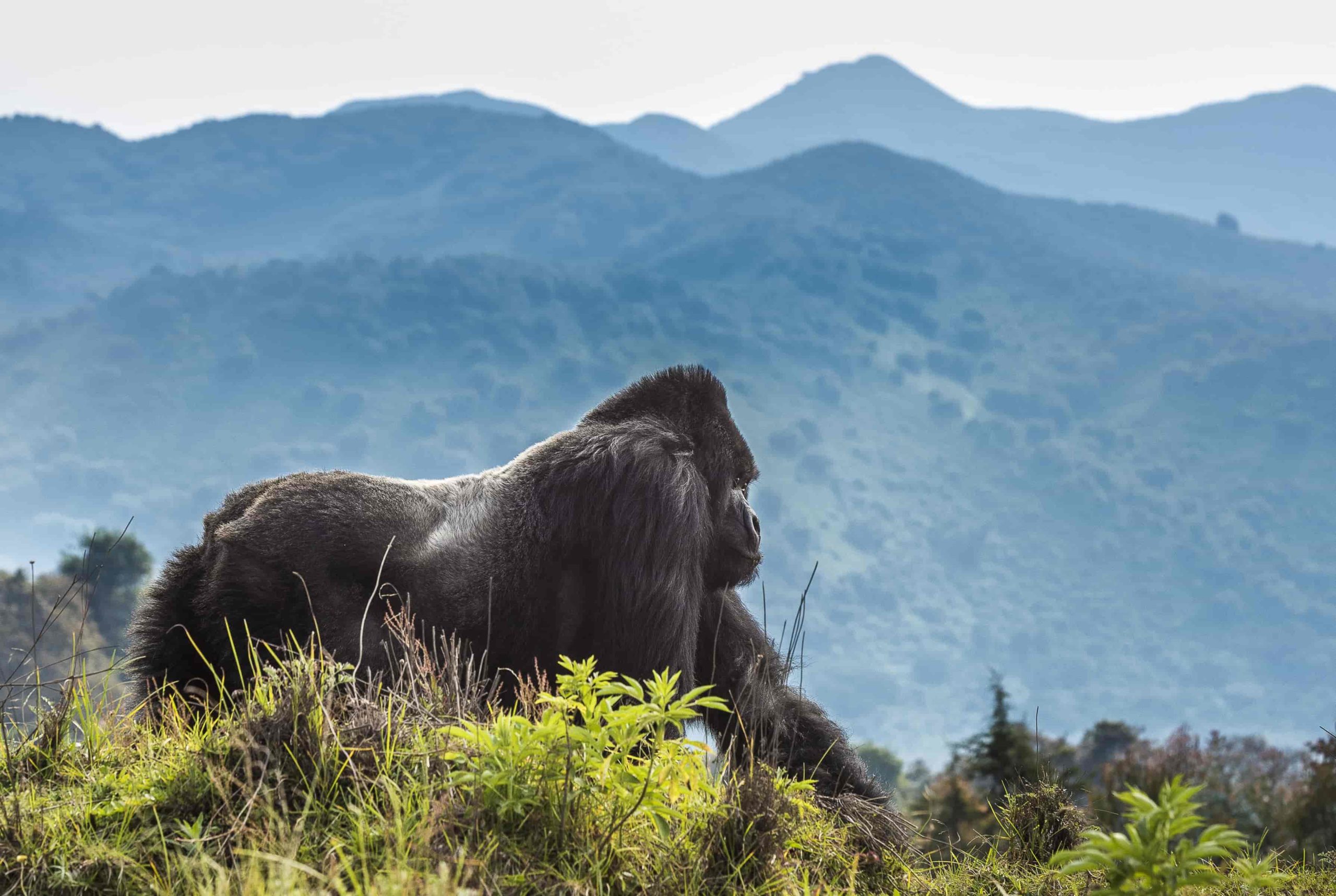
For tourists, mountain gorillas only become aggressive when you behave in a wrong way towards them.
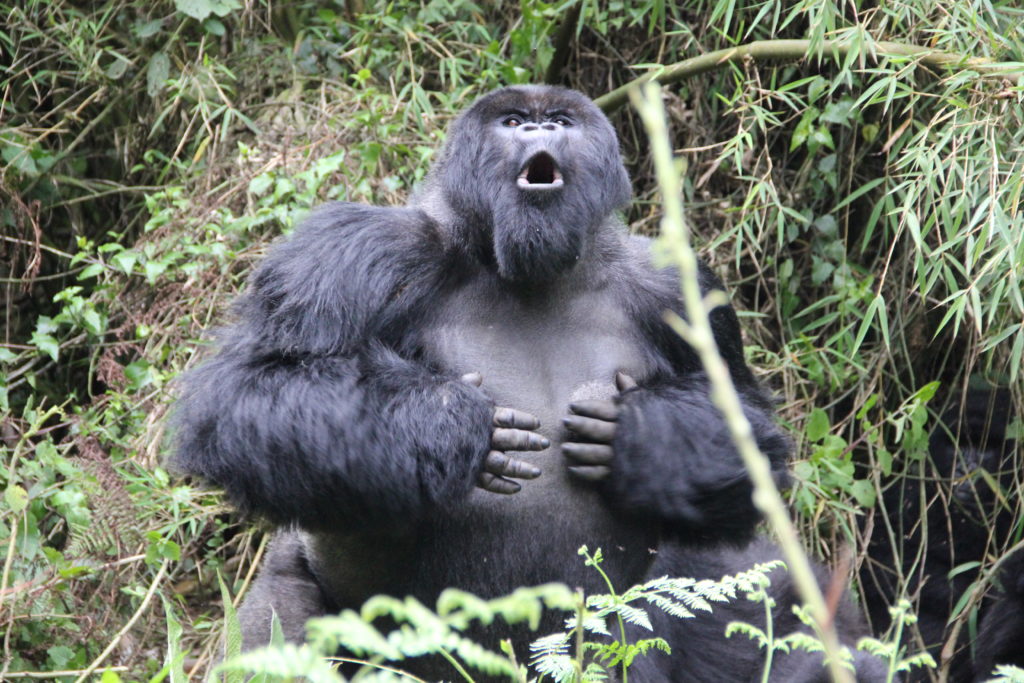
For instance, sudden and swift movements make silverbacks more alert, thus responding by chest beating as well as loud roars, followed by running towards the “perceived enemy” with high speed and then stopping right in front.
However, if you submit by crouching down, he (the silverback) will see you as harmless and thus walk away. If you make the mistake of running away or trying to challenge them, then expect a real fight with bites and scratches to any body part.
At this point, your life is at the mercy of the silverback because they fight dirty to the point of killing but worry not because there have not been any cases of tourists being killed by mountain gorillas but rather poachers.
Are Mountain Gorillas Naturally Aggressive?
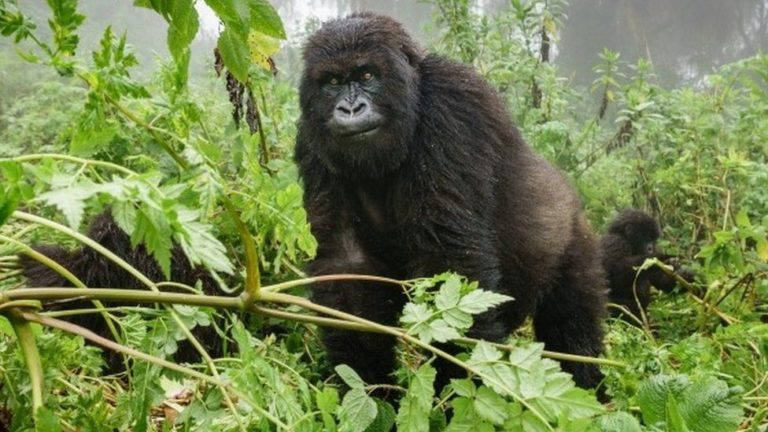
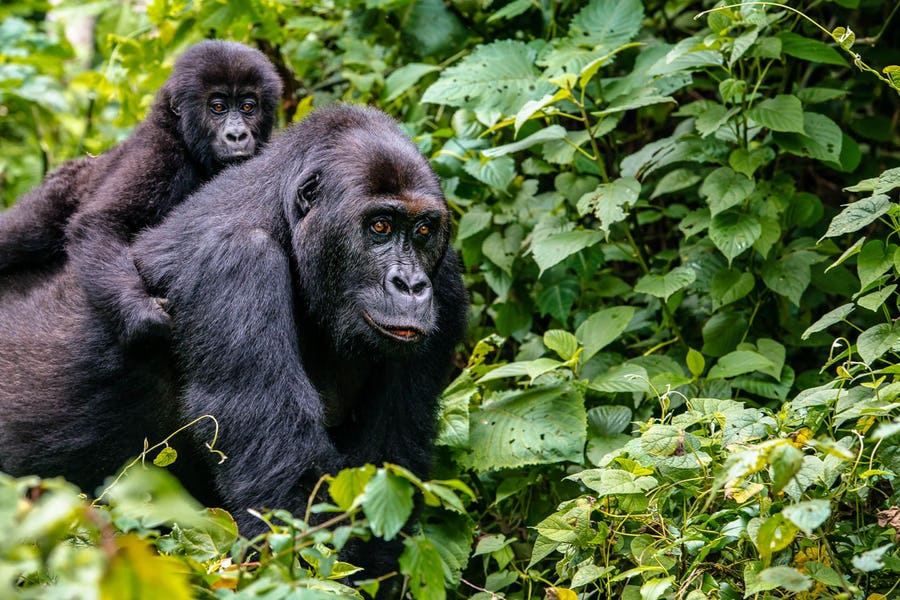
Mountain gorillas are not aggressive toward humans by default. They are among the most peaceful great apes in the wild, spending most of their day foraging, resting, and caring for their young in tight‑knit family groups.
What science and field research show
-
Gorilla behavior studies show that mountain gorillas are more interested in food, safety, and family cohesion than in humans.
-
Habituated groups exposed to gorilla tourism in Volcanoes National Park (Rwanda), Bwindi Impenetrable Forest (Uganda), and Virunga National Park (DRC) rarely show aggression, provided visitors follow park rules.
-
Aggression is usually reserved for other gorilla groups, predators, or situations where they feel the family is under threat.
In short: Mountain gorillas are gentle giants that become aggressive only when scared, threatened, or protecting their group.
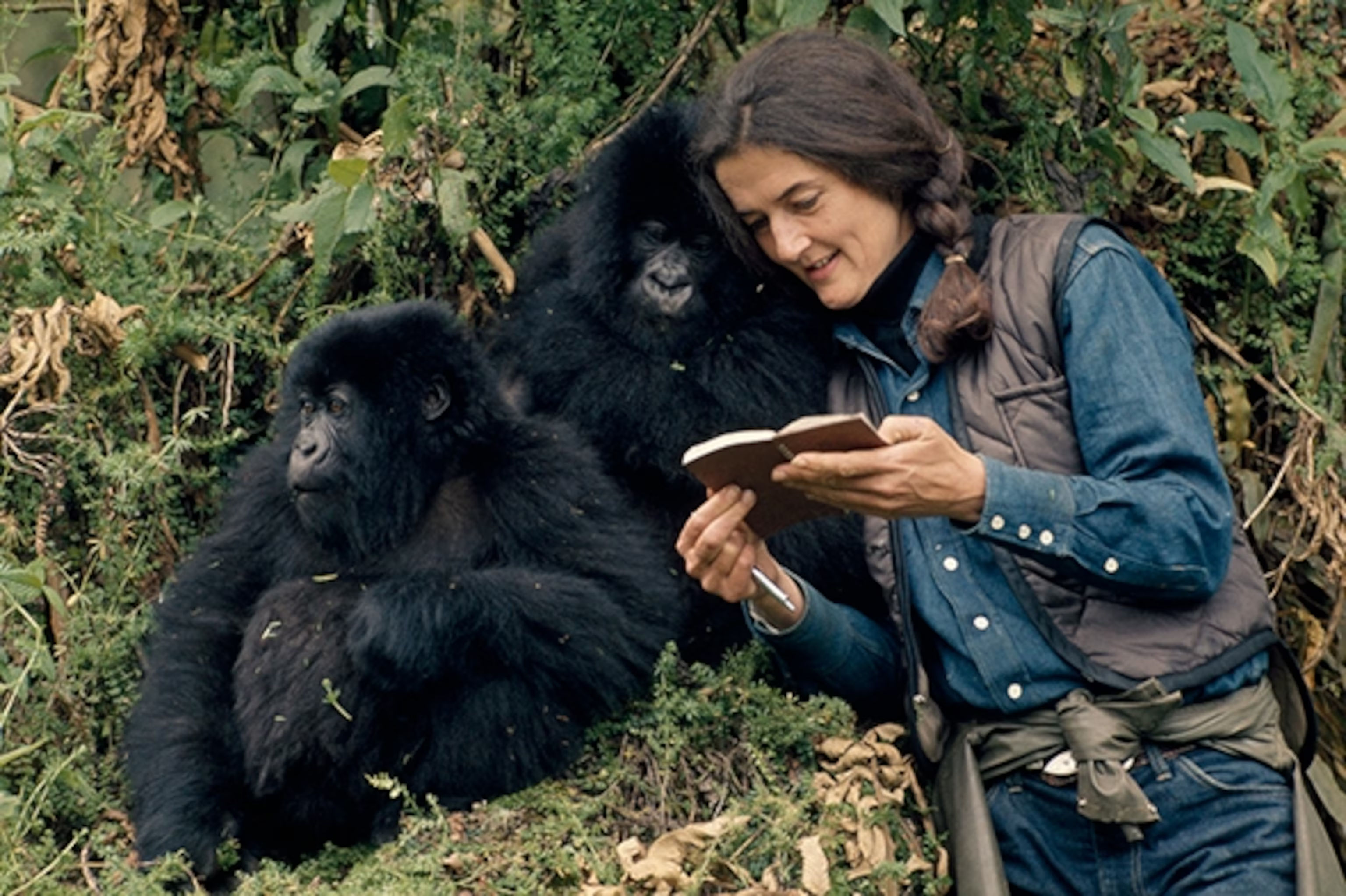
Why People Think Mountain Gorillas Are Aggressive
The myth that mountain gorillas are aggressive comes from several sources:
-
Movies and TV shows portraying gorillas as uncontrollable, violent creatures.
-
Isolated, sensationalized stories about gorilla attacks on humans (often involving poachers or captive situations, not responsible tourism).
-
Misunderstanding of defensive behaviors like chest‑beating, roaring, and mock charges—signals that are communication, not random aggression.
By understanding real gorilla behavior, you can separate Hollywood fiction from biological fact and enjoy a safe, respectful gorilla trekking experience.
When Do Mountain Gorillas Become Aggressive?
Mountain gorillas most often display aggressive or defensive behavior in the following situations:
-
Protecting their family group
-
The dominant silverback (male gorilla) may charge or fight if he senses danger to his family, including tourists who get too close or behave aggressively.
-
-
Inter‑group conflict
-
When two gorilla groups encounter each other, dominant silverbacks often challenge one another to fight for dominance or territory. These fights can be brutal and sometimes result in serious injuries or death.
-
-
High population density and competition
-
In areas with high gorilla density, competition for food, territory, and mates can increase conflict.
-
-
Feeling threatened by humans
-
While habituated gorilla families generally tolerate responsible gorilla tourism, loud noises, sudden movements, encroachment on personal space, or flash photography can trigger defensive reactions.
-
It’s important to remember that aggressive behavior toward humans is rare and almost always provoked.
Gorilla Aggression Toward Humans: The Real Story
Despite dramatic stories you may have heard, mountain gorillas rarely attack humans who follow the rules.
The last documented cases of lethal gorilla attacks on humans involved poachers or individuals who antagonized the animals, not tourists obeying guidelines.
Key facts about gorilla‑human encounters
-
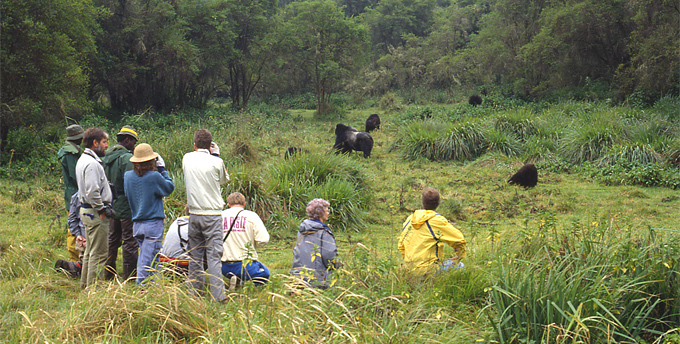
In responsible gorilla trekking programs (Rwanda, Uganda, DRC), strict distance rules (usually 7 meters) and behavior guidelines keep visitors and gorillas safe.
-
Rangers and trackers are trained to read gorilla body language and intervene if a silverback appears agitated.
-
When a silverback charges, it is usually a warning display rather than a real attack. If the “threat” submits (by crouching, turning away, or stopping movement), the silverback will usually walk away.
Your safety is far greater when you respect gorilla behavior and follow park rules.
What Triggers a Mountain Gorilla to Charge?
Understanding gorilla body language is your best defense against aggressive behavior. Mountain gorillas signal their mood before charging.
Common warning signs before a charge
-
Chest‑beating and roaring
-
The silverback beats his chest and makes loud vocalizations to appear larger and more intimidating. This is a warning, not an immediate attack.
-
-
Mock charges
-
The gorilla may run toward you quickly but stop short, to test your reaction.
-
-
Stiff body posture and staring
-
A rigid stance and direct eye contact can signal challenge or stress.
-
-
Baring teeth or yawning widely
-
Not a sign of friendliness; it can be a threat display.
-
How to respond when a silverback charges
If a silverback appears agitated or charges, rangers will guide you, but general advice includes:
-
Stay calm and avoid running. Running can trigger a pursuit response.
-
Crouch down low and turn your head slightly away to appear non‑threatening.
-
Do not stare back aggressively or flash bright lights.
-
Follow the lead of your guide or ranger—they are trained to handle gorilla behavior.
Most charges are bluff displays designed to drive away threats, not to kill.
Why Silverbacks Often Have Deep Wounds
If you watch footage or photos of adult silverback gorillas, you’ll often notice scars, healed wounds, and damaged ears.
These marks are not from human attacks but from battles with other gorillas.
Causes of physical injuries in gorillas
-
Fights with rival silverbacks over dominance or territory.
-
Inter‑group clashes where males try to take over females or control new groups.
-
Injuries from defending the group against predators or intruders.
These scars show the cost of leadership for a gorilla family. Silverbacks fight hard to protect their kin, sometimes sustaining life‑threatening injuries in the process.
Mountain Gorillas vs. Humans: How Habituation Helps
To make gorilla trekking safe and sustainable, gorilla groups undergo a process called habituation.
This involves slowly introducing wild gorillas to human presence over 2–3 years so they become accustomed and no longer see people as threats.
How habituation works
-
Rangers and trackers spend time near gorilla groups, gradually shortening distance.
-
Minimal interaction is enforced at first; no touching, feeding, or loud behavior.
-
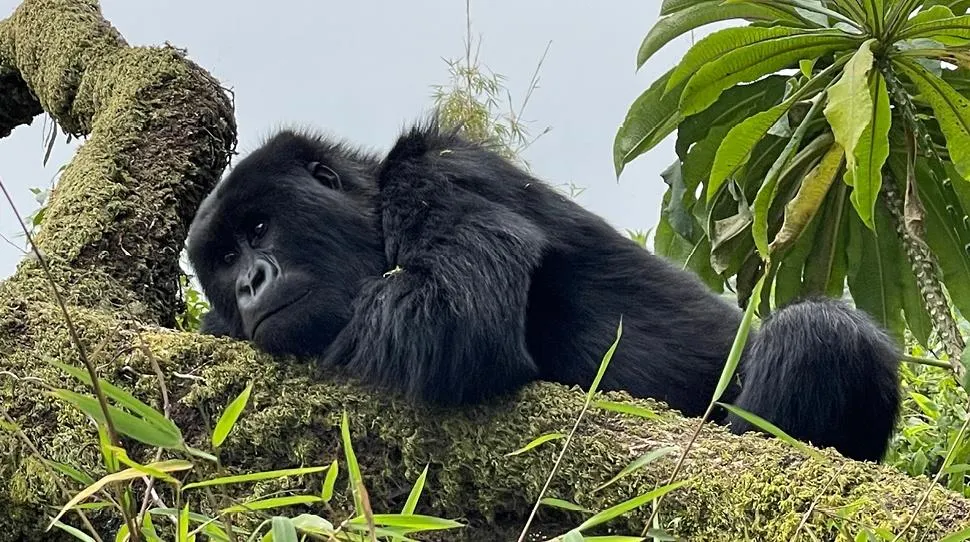
After the group is fully habituated, they can be visited by small groups of tourists under strict rules.
Today, habituated gorilla families in Volcanoes National Park (Rwanda), Bwindi Impenetrable Forest (Uganda), and Virunga National Park (DRC) are much more tolerant of human visitors—provided tourists follow the rules.
How Visitors Can Avoid Mountain Gorilla Attacks
Avoiding mountain gorilla aggression toward humans is mostly about respecting their space, their rules, and their language.
Here are practical steps every gorilla trekker should follow.
1. Understand gorilla body language
Pay attention to mountain gorilla signals before they escalate:
-
Chest‑beating, roaring, or mock charges → Warning; remain calm and submissive.
-
Crouching, tearing vegetation, or turning away → Submission signals humans can mimic.
-
Staring or tense body posture → Disengage gently; avoid direct eye contact.
2. Never use flash photography
Flash cameras can startle gorillas and provoke defensive reactions. Always:
-
Switch off flash before entering gorilla territory.
-
Use natural light or low‑light settings.
-
Follow your guide’s instructions on photography.
3. Avoid direct eye contact and “challenging” gestures
-
Don’t stare boldly into a gorilla’s eyes—they interpret this as a challenge.
-
Don’t show your teeth or make exaggerated facial expressions.
-
If a gorilla charges, crouch down, look away, or turn your head/shoulder to show you are not a threat.
4. Maintain a safe distance
Most parks enforce a minimum distance of 7 meters (about 23 feet) from gorillas. Respect this rule:
-
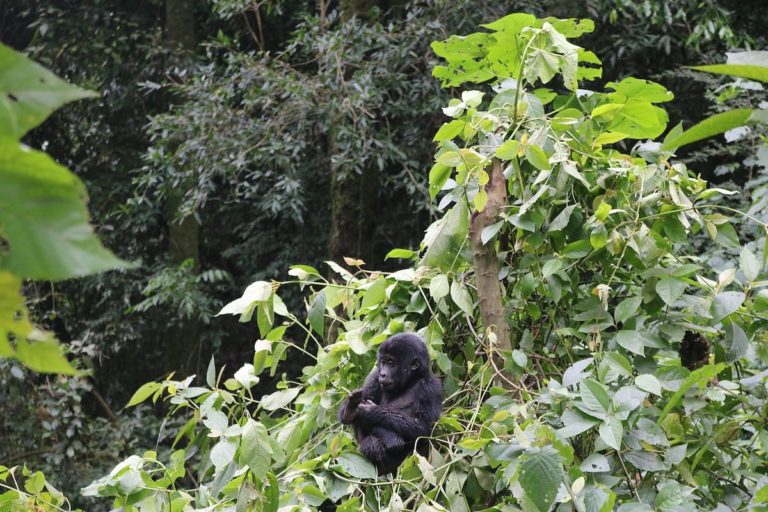
Do not approach infants or juveniles, even if they come close to you.
-
Slowly and quietly move back if a young gorilla approaches.
-
Never touch or attempt to feed gorillas.
5. Avoid sudden movements and loud noises
-
Move slowly and calmly when near gorillas.
-
Speak softly and avoid shouting or laughing loudly.
-
Follow your guide’s lead when the group moves or stops.
6. Stay behind the rangers
-
Rangers and trackers are trained to read gorilla behavior and anticipate danger.
-
Never walk ahead of the group or leave the main path.
By following these simple rules, the risk of a mountain gorilla attack on humans is reduced to almost zero.
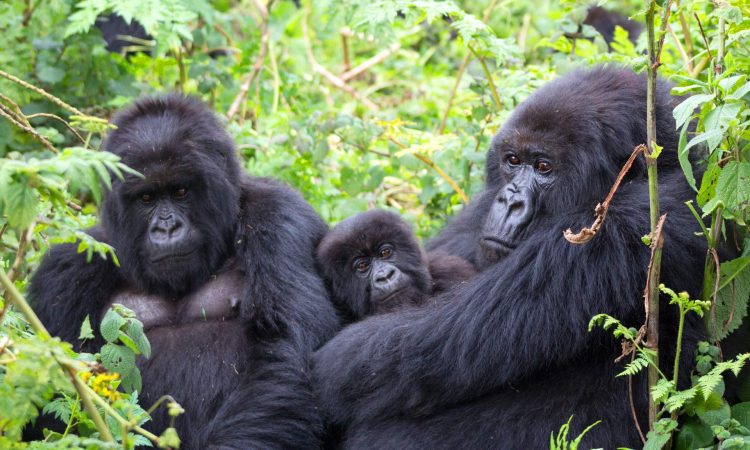
Real‑World Examples: Gorilla Attacks on Poachers vs. Tourists
Most documented cases of lethal gorilla aggression involve poachers or armed intruders, not respectful tourists. Poachers often:
-
Shoot gorillas or try to capture infants.
-
Enter gorilla territory armed and aggressively, provoking defensive responses.
In contrast, gorilla tourism programs have an excellent safety record for visitors, thanks to:
-
Strict rules and ranger supervision.
-
Permit limits (8 tourists per group).
-
Professional guides trained in gorilla behavior.
This shows that responsible tourism keeps humans and gorillas safe, while exploitation and poaching provoke aggression.
Are Mountain Gorillas Aggressive Toward Each Other?
While mountain gorillas are generally peaceful toward humans, inter‑gorilla aggression is common in certain situations:
-
Dominance fights between silverbacks.
-
Territorial disputes when groups encounter each other.
-
Infanticide in rare cases where a new male takes over a group.
These conflicts are part of natural gorilla social dynamics, not random violence. They help maintain balance within gorilla populations and group structures.
How Visitors can avoid Mountain Gorilla attacks
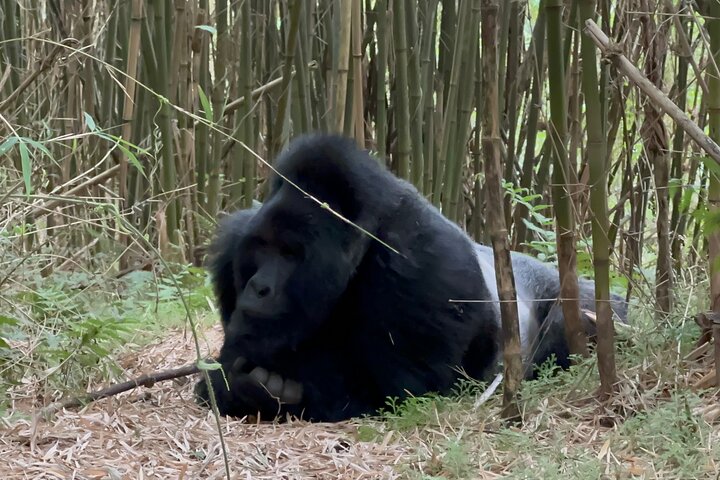
Visitors can avoid Mountain gorilla attacks by doing a number of effortless things that include;
- Read the different mountain gorilla signals, because they display a number of things like chest-beating before charging and from here travelers can respond by crouching down or tearing vegetation as a way of submission.
- Avoid flash cameras for photography because mountain gorillas get startled and this is likely to make them angry, thus charging and sometimes even attacking visitors physically.
- Don’t stare directly into the eyes of Mountain gorillas or even display your teeth as these Giant Apes perceive it as a challenge. Even after charging, simply be submissive by crouching down or looking away to calm the angry silverback.
- Always maintain a minimum distance of 7 meters away from these Giant Apes during observation and photography. Also, avoid any possible attempts of touching them, and even when infant gorillas come close, simply turn away and slowly move back without drawing attention.
Conclusively, mountain gorillas are not aggressive towards humans because they are generally peaceful Giant Apes that only charge when provoked or pushed to the wall.
However, mountain gorillas’ aggressiveness towards each other is inevitable when fighting for dominance as well as trying to protect territories.
Why Gorilla Trekking Is Still Safe for Tourists
Given all the above, gorilla trekking remains one of the safest wildlife experiences in Africa when you:
-
Book with a reputable tour operator.
-
Follow park rules and ranger instructions.
-
Respect minimum distance and gorilla signals.
Millions of visitors have safely observed mountain gorillas in Rwanda, Uganda, and the DRC without any serious attacks on tourists.
Conclusion: Mountain Gorillas Are Not Aggressive—If You Respect Them
To answer the big question directly: No, mountain gorillas are not naturally aggressive toward humans. They are gentle, intelligent, and social animals that only become defensive when threatened, scared, or provoked.
By:
-
Understanding gorilla behavior and signals,
-
Avoiding flash photography, loud noises, and sudden movements,
-
Staying the recommended distance (7 meters),
-
Following your ranger or guide’s instructions,
you can enjoy a safe, unforgettable encounter with these endangered great apes.
If you’re planning mountain gorilla trekking in Rwanda, Uganda, or the DRC, contact us today, read the guidelines carefully, and approach the experience with respect, patience, and humility.
The result will be not just a thrilling wildlife adventure—but a powerful reminder of how peaceful creatures can become icons of conservation when humans choose to treat them with care.