Gorilla trekking in Uganda and Rwanda
Gorilla Trekking in Uganda and Rwanda: The Ultimate Guide to Seeing Mountain Gorillas
Gorilla trekking in Uganda and Rwanda is one of the world’s most extraordinary wildlife experiences.
It gives travelers the rare opportunity to meet endangered mountain gorillas in their natural rainforest habitat, guided by experienced rangers who understand gorilla behavior, conservation, and forest navigation.
In Uganda, gorilla trekking takes place in Bwindi Impenetrable National Park and Mgahinga Gorilla National Park. In Rwanda, it takes place in Volcanoes National Park.
Together, these protected areas form part of the greater Virunga landscape, one of the last strongholds of the mountain gorilla.
This guide explains where to trek, gorilla permit costs, how to book, what to pack, when to travel, and how to prepare for a successful gorilla safari.
If you want a stress-free, professionally organized experience, Adventure Uganda Safaris can arrange permits, transport, accommodation, and tailor-made itineraries across Uganda and Rwanda.
Well, a true exhilarating experience of gorilla trekking in Uganda and Rwanda will allow you to come face-to-face with the largest primates on this planet.
You will take a chance of glimpsing gorillas in the wild. With very knowledgeable guides, you will get first-hand information while in Volcanoes National Park, Bwindi Impenetrable National Park and Mgahinga Gorilla National Park.
Where to Go Gorilla Trekking in Uganda and Rwanda
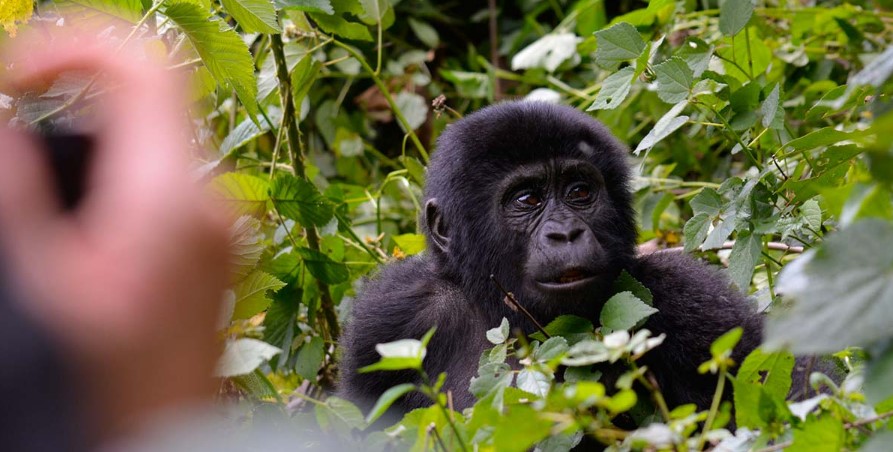
Mountain gorillas survive only in a small region of Central and East Africa, mainly in the Virunga Mountains and Bwindi Impenetrable Forest. Uganda and Rwanda offer the most accessible and well-established trekking options.
1. Bwindi Impenetrable National Park, Uganda
Bwindi Impenetrable National Park is located in southwestern Uganda and is one of Africa’s most important gorilla conservation areas.
It is a UNESCO World Heritage Site, known for its ancient rainforest, exceptional biodiversity, and large population of mountain gorillas.
Key facts about Bwindi:
-
Located in southwestern Uganda
-
Covers approximately 321 square kilometres
-
Home to nearly half of the world’s remaining mountain gorillas
-
Has several trekking sectors: Buhoma, Ruhija, Rushaga, and Nkuringo
-
Offers both standard gorilla trekking and gorilla habituation experiences
-
Also home to chimpanzees, forest elephants, monkeys, birds, butterflies, and rare plants
Bwindi is ideal for travelers who want a more immersive forest experience and a wider choice of trekking sectors and accommodation.
2. Mgahinga Gorilla National Park, Uganda
Mgahinga Gorilla National Park lies in the far southwestern corner of Uganda, on the slopes of the Virunga Mountains. It borders Rwanda and the Democratic Republic of Congo.
Key facts about Mgahinga:
-
Covers approximately 33 square kilometres
-
Protects part of the Virunga Conservation Area
-
Home to the Nyakagezi gorilla family
-
Offers gorilla trekking, golden monkey tracking, volcano hiking, and Batwa cultural experiences
-
Less crowded than Bwindi
Mgahinga is a great option for travelers who want to combine gorilla trekking with volcano hikes, golden monkeys, and cultural experiences.
3. Volcanoes National Park, Rwanda
Volcanoes National Park is Rwanda’s premier gorilla trekking destination. Located in northern Rwanda, it is part of the Virunga Mountains and is closely associated with the work of Dian Fossey, who established her research base in the area.
Key facts about Volcanoes National Park:
-
Located in northern Rwanda
-
Covers approximately 160 square kilometres
-
Home to several habituated gorilla families
-
Known for relatively easier access from Kigali
-
Offers golden monkey tracking, volcano climbing, and cultural experiences
-
Strong conservation infrastructure and high-end tourism services
Rwanda is often chosen by travelers who prefer a shorter transfer from the airport and more premium lodge options.
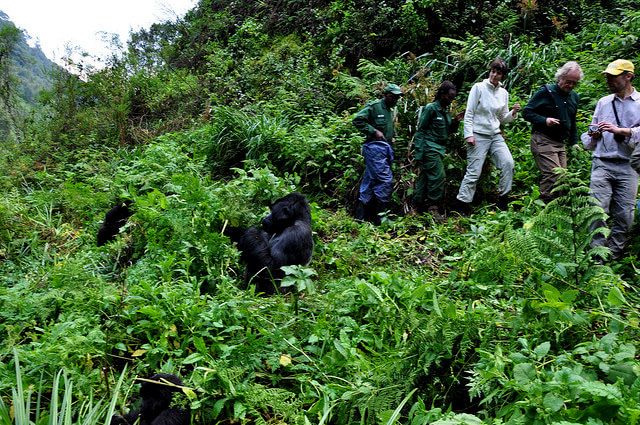
Uganda vs Rwanda: Which Is Better for Gorilla Trekking?
Both countries offer unforgettable gorilla encounters, but the best choice depends on your budget, travel time, fitness, and preferred style of safari.
Choose Uganda if you want:
-
A more affordable gorilla permit
-
More trekking sectors and accommodation choices
-
The chance to combine gorillas with chimpanzee trekking, Queen Elizabeth National Park, Murchison Falls, or Lake Bunyonyi
-
A longer, more varied Uganda safari
Choose Rwanda if you want:
-
A shorter transfer from Kigali International Airport
-
Premium lodges and high-end service
-
A shorter gorilla-focused itinerary
-
Volcanoes National Park and golden monkey trekking
Adventure Uganda Safaris can help you decide between Uganda and Rwanda based on your travel dates, budget, fitness, and overall safari goals.
Gorilla Permit Costs in Uganda and Rwanda
A gorilla permit is mandatory for all visitors. It supports conservation, ranger patrols, research, community projects, and the protection of mountain gorilla habitat.
Uganda gorilla permit cost
As of recent published 2026 information, a standard Uganda gorilla trekking permit costs about USD 800 per person for foreign non-residents.
Some sources also report discounted low-season rates in certain months, so travelers should confirm the exact rate when booking.
Rwanda gorilla permit cost
A Rwanda gorilla trekking permit in Volcanoes National Park costs about USD 1,500 per person. Rwanda may offer seasonal discounts during selected low-season periods, but availability and terms should be confirmed before booking.
What a gorilla permit usually includes
A standard permit typically includes:
-
Entry to the national park for the trekking day
-
Ranger and tracker services
-
Guided trekking
-
One hour with a habituated gorilla family
-
Conservation contribution
It usually does not include:
-
Accommodation
-
Transport
-
Meals
-
Porters
-
Tips
-
Personal travel insurance
-
Additional activities
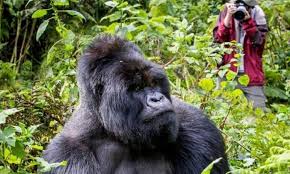
How to Book a Gorilla Trekking Safari
Gorilla permits are limited and sell out quickly, especially during peak seasons.
Booking early is essential.
Step 1: Choose your country and park
Decide whether you want to trek in:
-
Bwindi Impenetrable National Park
-
Mgahinga Gorilla National Park
-
Volcanoes National Park
Your choice will depend on your budget, arrival airport, preferred accommodation, and other safari destinations.
Step 2: Select your travel dates
Have flexible dates if possible. Peak-season permits can sell out months in advance, particularly for June to September and December to February.
Step 3: Contact Adventure Uganda Safaris
Send us your preferred dates, number of trekkers, nationality, and preferred park. We will check permit availability and advise on the best available options.
Step 4: Secure your permit
Once you confirm your dates, you can make payment to secure the permit. We then register the permit using each trekker’s details, including:
-
Full name as shown on passport
-
Passport number
-
Nationality
-
Date of birth, where required
Step 5: Plan the rest of your safari
After securing permits, we can arrange:
-
Airport transfers
-
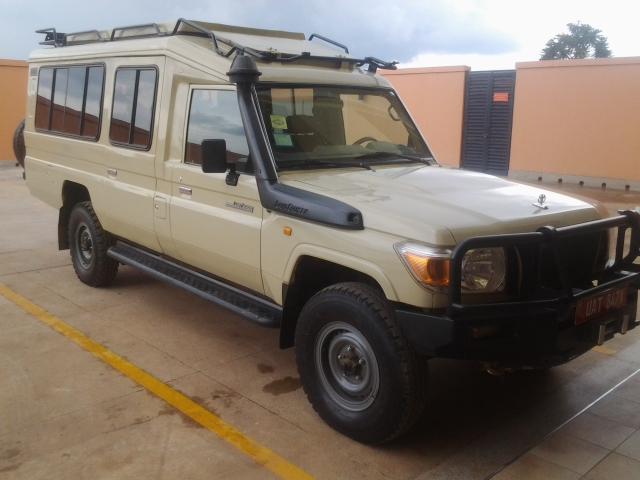
Private 4×4 vehicle and driver-guide
-
Accommodation near the park
-
Meals and itinerary planning
-
Additional activities such as chimpanzee trekking, game drives, boat cruises, or cultural visits
Contact Adventure Uganda Safaris today to check gorilla permit availability and receive a tailor-made Uganda or Rwanda gorilla safari quote.
When Is the Best Time for Gorilla Trekking?
Gorilla trekking is possible all year round in Uganda and Rwanda. However, the dry seasons generally offer more comfortable trekking conditions and better visibility.
Dry seasons
The preferred periods are:
-
June to September
-
December to February
Advantages:
-
Drier trails
-
Less mud
-
Easier hiking
-
Better photography conditions
-
More predictable travel times
These months are also the busiest, so permits and lodges should be booked early.
Wet seasons
The wetter periods are generally:
-
March to May
-
October to November
Advantages:
-
Lush green forests
-
Fewer crowds
-
Better availability of permits and accommodation
-
Potentially lower lodge rates
Challenges:
-
Slippery and muddy trails
-
More difficult hiking
-
Rain can affect photography and comfort
For travelers who want the easiest trek, choose the dry season. For travelers seeking value and quieter forests, the wet season can still provide an excellent experience.
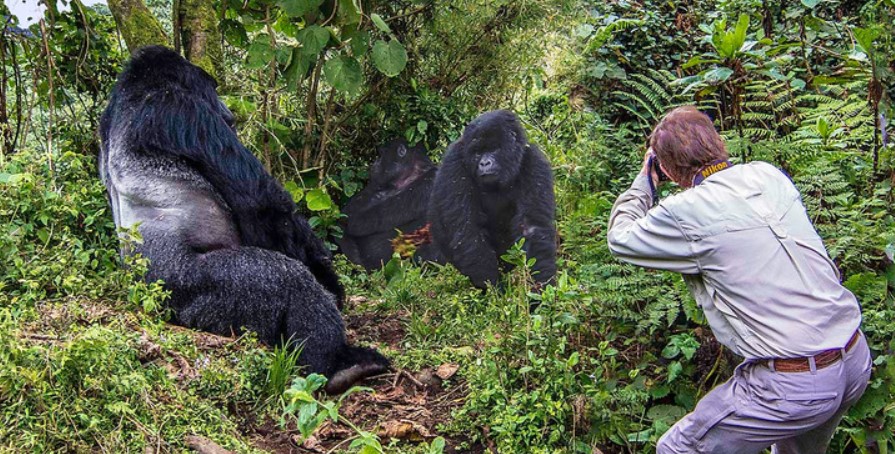
What to Expect During a Gorilla Trek
A gorilla trekking safari is physically rewarding and emotionally unforgettable. Trekkers should be prepared for changing weather, uneven ground, insects, and steep forest trails.
Trek briefing
Your day begins with a briefing at the park headquarters.
Rangers explain:
-
Gorilla trekking rules
-
Expected trek duration
-
Group assignments
-
Safety guidelines
-
Conservation etiquette
Trekkers are usually divided into small groups, often with a maximum of eight visitors per habituated gorilla family.
The trek
The hike may pass through:
-
Montane rainforest
-
Bamboo zones
-
Steep slopes
-
Muddy paths
-
Dense vegetation
-
High-altitude terrain
Trek duration varies from about one hour to several hours. Some treks are short, while others can be physically demanding.
Meeting the gorillas
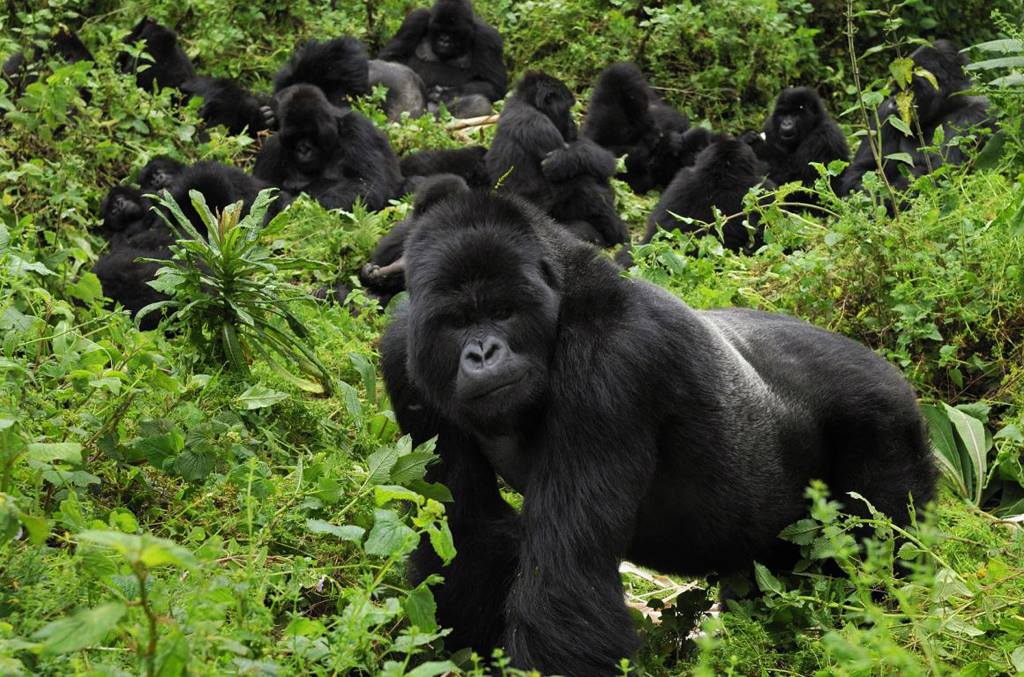
Once trackers locate the gorilla family, your guide will lead you closer. You may see:
-
A dominant silverback
-
Mothers with infants
-
Young gorillas playing
-
Gorillas feeding, resting, or grooming
Visitors must follow all ranger instructions. Keep voices low, avoid sudden movements, and maintain a respectful distance from the gorillas.
Gorilla Trekking Rules and Etiquette
To protect mountain gorillas and support conservation, trekkers must follow strict rules.
-
Keep a minimum distance of about 7 metres from the gorillas.
-
Spend no more than one hour with the gorillas.
-
Do not use flash photography.
-
Do not eat, drink, or smoke near the gorillas.
-
Do not touch the gorillas.
-
Keep your voice low.
-
Do not litter in the forest.
-
Do not trek if you are sick, especially with a cold, flu, or contagious illness.
-
Follow all instructions from rangers and guides.
These rules help minimize disease risk and ensure that future generations can continue to enjoy gorilla trekking.
What to Pack for Gorilla Trekking
The right gear makes your trek safer, more comfortable, and more enjoyable.
Clothing
-
Sturdy, waterproof hiking boots
-
Long-sleeved shirts
-
Long trousers
-
Warm fleece or sweater
-
Waterproof rain jacket
-
Garden gloves
-
Hat and sunglasses
-
Extra socks
Essentials
-
Small daypack
-
Water bottle or hydration pack
-
Energy snacks
-
Insect repellent
-
Sunscreen
-
Personal medication
-
Basic first-aid items
-
Walking stick, if needed
-
Camera with extra batteries
-
Binoculars, if you enjoy birding or wildlife watching
Avoid bright colors, strong perfumes, and heavy cotton clothing. Neutral colors are best for forest hiking.
Fitness Requirements for Gorilla Trekking
You do not need to be an expert climber, but a basic level of fitness is important. Gorilla trekking can involve walking uphill, descending steep slopes, and moving through dense vegetation.
Before your trip:
-
Walk regularly on hills or uneven terrain
-
Build stamina with longer walks
-
Practise carrying a light backpack
-
Include leg-strengthening exercises
-
Get adequate rest before trekking day
If you have health concerns, consult your doctor before booking. Travelers with mobility challenges should inform their operator in advance so the most suitable gorilla family and trekking sector can be considered.
Gorilla Conservation in Uganda and Rwanda
Mountain gorillas are endangered, and their survival depends on continued conservation. Gorilla tourism plays an important role by funding ranger patrols, habitat protection, veterinary care, research, and community development.
Your permit contributes to:
-
Anti-poaching efforts
-
Forest protection
-
Gorilla monitoring
-
Ranger salaries
-
Community projects
-
Conservation education
-
Research and veterinary support
Responsible tourism helps ensure that mountain gorillas remain protected for future generations. When you book with a reputable operator such as Adventure Uganda Safaris, you support ethical travel practices and conservation-focused tourism.
Sample Gorilla Trekking Itineraries
3-Day Uganda Gorilla Trekking Safari
A. Day 1: Kampala or Entebbe to Bwindi
-
Early morning departure
-
Scenic drive to southwestern Uganda
-
Overnight near your chosen Bwindi sector
B. Day 2: Gorilla trekking in Bwindi
-
Early breakfast
-
Park briefing and gorilla trek
-
Up to one hour with the gorillas
-
Optional community or Batwa experience
-
Overnight in Bwindi
C. Day 3: Return to Kampala or Entebbe
-
Optional morning walk or coffee experience
-
Drive back to Kampala or Entebbe
-
Airport drop-off or overnight in Entebbe
4-Day Rwanda Gorilla Trekking Safari
A. Day 1: Kigali to Volcanoes National Park
-
Arrival in Kigali
-
City tour or genocide memorial visit, optional
-
Transfer to Volcanoes National Park
-
Overnight near the park
B. Day 2: Gorilla trekking in Volcanoes National Park
-
Early briefing
-
Gorilla trek
-
One hour with the gorillas
-
Afternoon at leisure
-
Overnight near the park
C. Day 3: Golden monkey trekking or cultural visit
-
Golden monkey tracking
-
Visit to Iby’Iwacu cultural village
-
Optional volcano hike
-
Overnight near the park
D. Day 4: Return to Kigali
-
Transfer back to Kigali
-
Departure or overnight in Kigali
8-Day Uganda and Rwanda Gorilla Safari
This itinerary combines both countries for a complete East African gorilla experience.
-
Days 1–2: Arrival in Entebbe or Kigali, transfer to Bwindi or Volcanoes
-
Days 3–4: Gorilla trekking in Uganda
-
Days 5–6: Cross-border transfer and gorilla trekking in Rwanda
-
Days 7–8: Golden monkeys, cultural visits, and departure
Adventure Uganda Safaris can customize this itinerary to include chimpanzee trekking, wildlife safaris, Lake Bunyonyi, Queen Elizabeth National Park, or Kigali city experiences.
Why Choose Adventure Uganda Safaris?
Planning a gorilla safari requires careful coordination. Adventure Uganda Safaris makes the process simple, transparent, and reliable.
We provide:
-
Gorilla permit booking in Uganda and Rwanda
-
Tailor-made safari itineraries
-
Private 4×4 vehicles with professional driver-guides
-
Accommodation booking near trekking sectors
-
Airport transfers
-
Cross-border travel planning
-
Chimpanzee trekking and wildlife safari add-ons
-
24/7 support during your trip
Our team understands the logistics of gorilla trekking, from permit registration to trailhead transfers and accommodation selection. We help you focus on the experience while we handle the details.
Frequently Asked Questions
How much does gorilla trekking cost in Uganda and Rwanda?
A Uganda gorilla permit costs about USD 800 per person, while a Rwanda permit costs about USD 1,500 per person. Total safari costs also include accommodation, transport, meals, park transfers, and optional activities.afar+3
How long does a gorilla trek take?
The trek can take from about one hour to several hours, depending on the gorilla family’s location and forest conditions. Once you find the gorillas, you usually spend one hour with them.
Is gorilla trekking safe?
Yes, gorilla trekking is generally safe when conducted with trained rangers and licensed guides. Follow all safety instructions and avoid trekking if you are ill.
What is the minimum age for gorilla trekking?
The minimum age is usually 15 years in both Uganda and Rwanda. Age rules should be confirmed when booking.
Can I see gorillas without trekking?
No. Mountain gorillas live in protected wild habitats and cannot be viewed in zoos. You must trek through the forest with authorized guides to see them.
Can I combine Uganda and Rwanda in one safari?
Yes. Many travelers combine Bwindi or Mgahinga with Volcanoes National Park for a two-country gorilla safari. Adventure Uganda Safaris can arrange permits, transport, accommodation, and cross-border logistics.
Book Your Gorilla Trekking Safari Today
A gorilla trekking safari in Uganda and Rwanda is more than a wildlife encounter. It is a rare opportunity to connect with one of the planet’s most remarkable species while supporting conservation and local communities.
Whether you choose the dense forests of Bwindi, the volcanic slopes of Mgahinga, or the scenic trails of Volcanoes National Park, Adventure Uganda Safaris will help you plan a safe, seamless, and unforgettable journey.
Contact Adventure Uganda Safaris today to check gorilla permit availability, request a custom itinerary, and book your Uganda or Rwanda gorilla trekking safari.