Chimpanzee Trekking in Kibale Vs Budongo Forest
Chimpanzee Trekking in Kibale vs Budongo: The Complete 2026 Comparison Guide
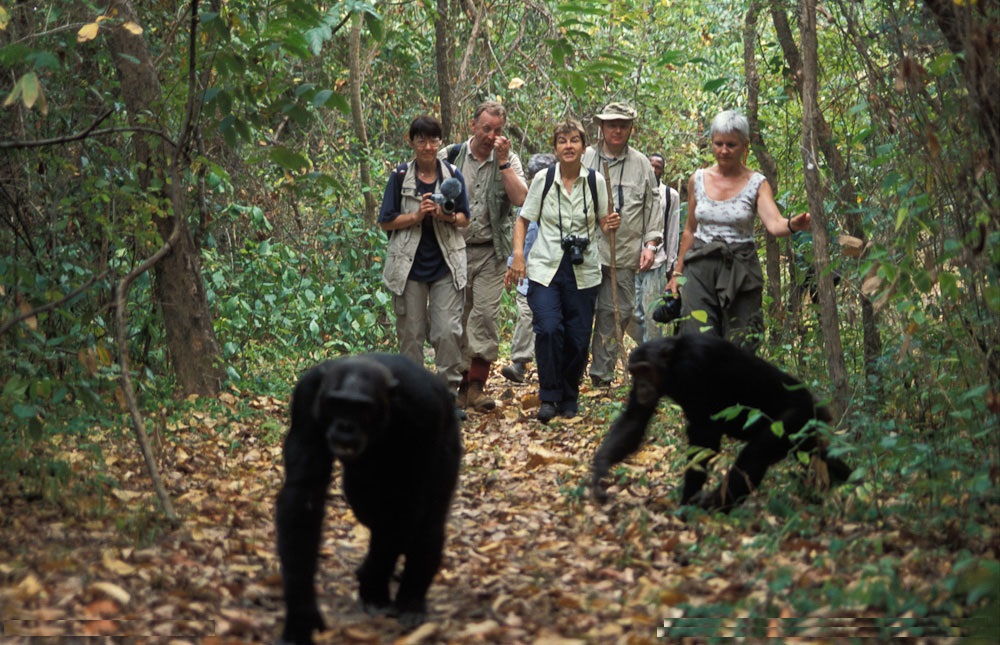
Chimpanzee Trekking in Kibale Vs Budongo Forest offers a lifetime opportunity to observe our closest living relatives in their natural habitat.
Both destinations guarantee an impressive 95% success rate of encountering chimpanzees in the wild—among the highest chances anywhere on Earth.
However, each location delivers a distinctly different experience in terms of chimpanzee behavior, forest ecology, permit costs, accessibility, and combination possibilities with other Ugandan safari highlights.
In this comprehensive 2,000-word guide, Adventure Uganda Safaris provides an in-depth Kibale vs Budongo chimpanzee trekking comparison to help you choose the perfect destination.
We cover chimpanzee populations, habituated communities, trekking difficulty, 2026 permit prices, best time to visit, what to pack, how to book, and expert tips to maximize your primate safari in Uganda.

Why Choose Uganda for Chimpanzee Trekking?
Uganda is widely recognized as East Africa’s premier chimpanzee trekking destination, hosting over 5,000 wild chimpanzees across multiple protected forests.
The country offers:
-
High encounter rates: Both Kibale National Park and Budongo Forest Reserve report 90–95% chimpanzee sighting success.valiantsafaris+1
-
Multiple trekking locations: Beyond Kibale and Budongo, you can track chimps in Kyambura Gorge, Kalinzu Forest, and even combine with Nyungwe Forest (Rwanda).
-
Flexible experiences: Choose between standard 1-hour chimpanzee treks or immersive full-day habituation experiences.
-
Easy combinations: Pair chimpanzee trekking with gorilla trekking in Bwindi, Big Five safaris in Murchison Falls or Queen Elizabeth, and cultural encounters.
For travelers planning a primate-focused Uganda safari, understanding the differences between Kibale and Budongo is essential for crafting the ideal itinerary.
Chimpanzee Trekking in Kibale National Park: The Primate Capital
Chimpanzee Population and Communities
Kibale National Park protects the highest concentration of chimpanzees in Uganda, with an estimated 1,500+ individuals distributed across multiple communities.
This density makes Kibale the most reliable destination for chimpanzee encounters in East Africa.
Key habituated chimpanzee communities in Kibale:
-
Kanyanchu: The most visited community, with 50–60 members. Ideal for first-time trekkers due to well-established trails and predictable chimpanzee behavior.
-
Kanyawara: Another popular group, frequently accessed by tourists on standard chimpanzee tracking tours.
-
Sebitoli: Primarily dedicated to research, but occasionally open for specialized tours.
-
Central Kibale communities: Approximately 200 chimpanzees inhabit the heart of the park, offering opportunities for more remote trekking experiences.
The presence of multiple habituated communities means that even during peak season, visitor groups are (dispersed), reducing crowding and enhancing the quality of encounters.
Chimpanzee Habituation Experience (CHEX)
For travelers seeking a deeper connection, Kibale offers the Chimpanzee Habituation Experience (CHEX)—a full-day immersion where you accompany researchers and trackers from dawn to dusk.
CHEX highlights:
-
Observe chimpanzees waking in their night nests
-
Watch feeding, grooming, patrolling, and social interactions
-
Spend up to 4 hours in close proximity (compared to 1 hour on standard treks)
-
Limited to 4 participants per group for minimal disturbance
2026 CHEX permit prices:
-
Foreign non-residents: USD 300 (some 2027 tariffs show USD 400; confirm at booking)
-
Foreign residents: USD 250
-
Rest of Africa: USD 250
-
East African citizens: UGX 250,000
Infrastructure and Accessibility
Kibale benefits from well-developed tourism infrastructure:
-
Maintained trails: Clear, marked paths through medium-altitude rainforest
-
Variety of lodges: From budget campsites to luxury eco-lodges (e.g., Primate Lodge, Kibale Forest Camp, Ndali Lodge)
-
Additional activities: Bigodi Wetland Sanctuary, crater lakes tours, community walks, night chimpanzee walks, and birding (375+ species recorded)
Standard chimpanzee trekking permit prices 2026:
-
Foreign non-residents: USD 250
-
Foreign residents: USD 200
-
East African citizens: UGX 150,000–180,000 (varies by source; confirm current UWA rate)
Best For
-
First-time chimpanzee trekkers seeking high success rates
-
Travelers wanting multiple chimp communities to choose from
-
Visitors interested in CHEX for extended chimpanzee observation
-
Those combining chimps with gorilla trekking in Bwindi (4–5 hours’ drive)
Chimpanzee Trekking in Budongo Forest Reserve: The Intimate Alternative
Chimpanzee Population and Experience
Budongo Forest Reserve, located within the Murchison Falls Conservation Area, hosts approximately 800 chimpanzees—significantly fewer than Kibale, but still offering excellent sighting opportunities.
What makes Budongo unique:
-
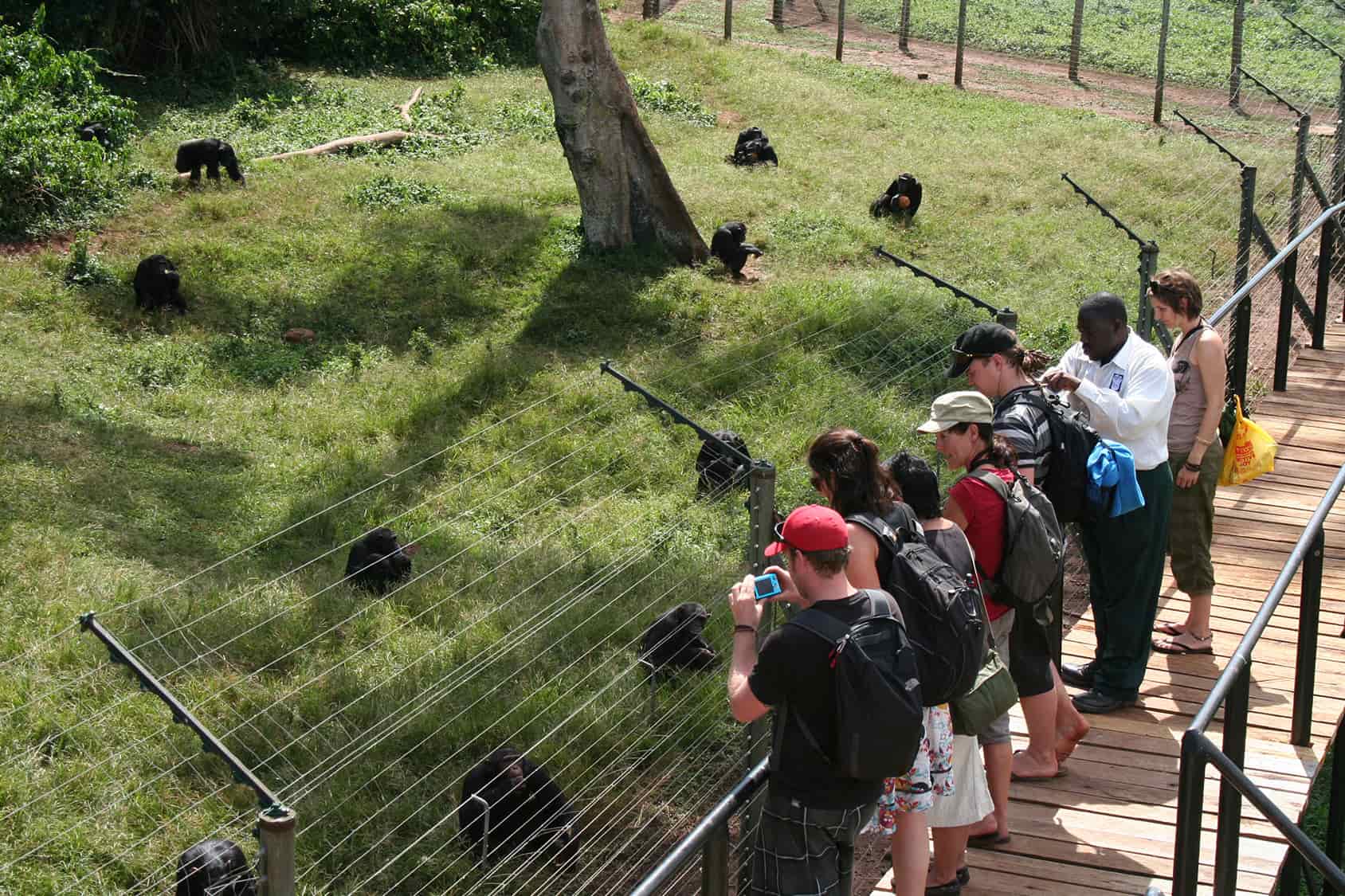
Secluded experience: Fewer visitors compared to Kibale, creating a more intimate atmosphere
-
Forest ecology: Budongo is a medium-altitude moist semi-deciduous forest, different from Kibale’s rainforest, offering distinct flora and birdlife
-
Kaniyo-Pabidi sector: The main tourism zone, with one habituated chimpanzee community open for trekking
Permit Costs and Value
One of Budongo’s strongest advantages is its lower permit cost, making it ideal for budget-conscious travelers or those extending their safari with multiple primate experiences.
2026 Budongo chimpanzee trekking permit prices:
-
Foreign non-residents: USD 130
-
Foreign residents: USD 120
-
East African citizens: USD 85 (or equivalent in UGX)
This is nearly half the price of Kibale, allowing you to allocate funds toward other experiences like gorilla permits or luxury lodges.
Proximity to Murchison Falls and Ziwa Rhino Sanctuary
Budongo’s location within the Murchison Falls Conservation Area makes it perfect for combination safaris:
-
Murchison Falls National Park: Uganda’s largest park, famous for the Nile River exploding through a 43-meter gorge, game drives (lions, elephants, giraffes, buffalo), and boat cruises to the base of the falls.
-
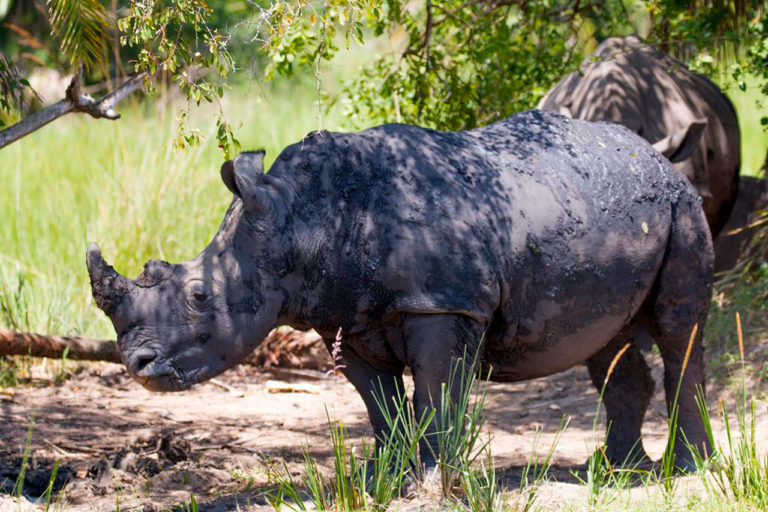
Ziwa Rhino Sanctuary: En route from Kampala to Budongo, stop for rhino tracking on foot—the only place in Uganda to see wild rhinos.
Ideal 3–4 day circuit:
-
Day 1: Kampala → Ziwa (rhino trek) → Budongo (overnight)
-
Day 2: Budongo chimpanzee trek → Murchison Falls (overnight)
-
Day 3: Murchison Falls game drive + boat cruise → Return to Kampala
Infrastructure and Trekking Difficulty
Budongo is less developed than Kibale:
-
Trails: More rugged and less maintained; can be challenging in wet conditions
-
Lodges: Fewer options, though comfortable mid-range lodges exist (e.g., Budongo Eco Lodge, Murchison River Lodge)
-
Accessibility: Better suited for travelers already visiting Murchison Falls rather than as a standalone destination
Best For
-
Travelers seeking a quieter, less crowded chimpanzee experience
-
Budget safari planners wanting to maximize value
-
Visitors combining chimps with Murchison Falls wildlife safaris
-
Those who have already trekked in Kibale and want a different forest ecosystem
Head-to-Head Comparison: Kibale vs Budongo for Chimpanzee Trekking

Best Time for Chimpanzee Trekking in Kibale and Budongo
Both Kibale and Budongo are open for chimpanzee trekking year-round, but seasonal conditions significantly affect your experience.
Dry Seasons (Recommended for Most Travelers)
-
June–September (long dry season)
-
December–February (short dry season)
Advantages:
-
Firmer trails: Less mud and slippery conditions
-
Minimal rain disruption: Short showers possible, but treks usually proceed
-
Better photography: Clearer light, less haze
-
Easier wildlife viewing: Animals congregate around water sources
Disadvantages:
-
Higher demand: Permits and lodges book out 3–6 months in advance
-
Peak pricing: Some lodges charge higher rates
Wet Seasons (Budget-Friendly Alternative)
-
March–May (long rains)
-
October–November (short rains)
Advantages:
-
Lower lodge rates: Many properties offer 20–40% discounts
-
Fewer tourists: More secluded treks
-
Lush scenery: Vibrant green forests, excellent for photography
-
Low-season permit discounts: UWA occasionally offers reduced chimp permits (e.g., USD 200 for Kibale in April, May, November 2026
Disadvantages:
-
Muddy, slippery trails: Trekking can be more physically demanding
-
Rain gear essential: Heavy showers may occur during treks
-
Chimpanzees harder to locate: More dispersed in wet months
Expert tip: For first-time trekkers, target June–August or January–February. Budget travelers can save significantly in April, May, or November with low-season permits and lodge discounts.
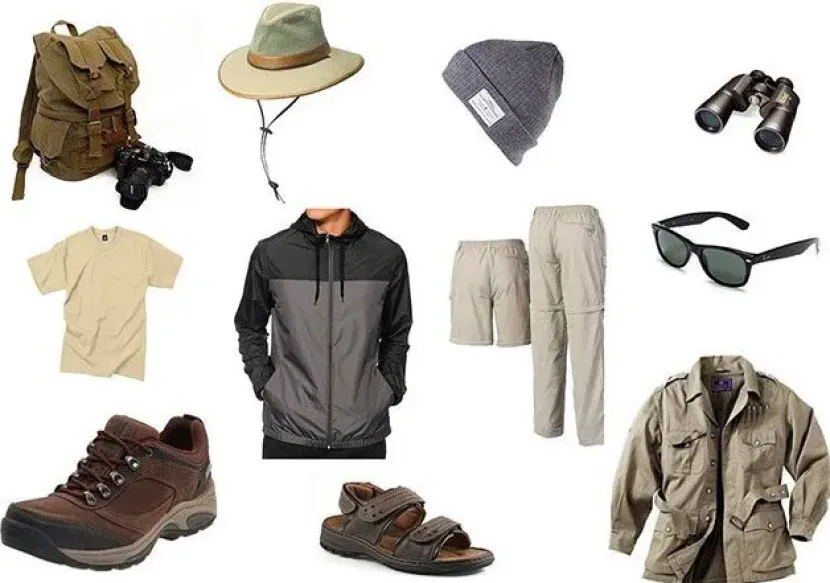
What to Pack for Chimpanzee Trekking in Kibale and Budongo
Proper packing ensures comfort and safety during your chimpanzee trek.
Essentials include:
Clothing and Footwear
-
Waterproof hiking boots: Sturdy, ankle-supporting boots with good grip
-
Long-sleeved shirts and trousers: Protect against thorns, insects, and sun
-
Rain jacket or poncho: Even in dry season, afternoon showers are possible
-
Gardening gloves: Useful for gripping vegetation on steep sections
-
Safari hat: For sun protection
Gear and Accessories
-
Daypack: Lightweight, waterproof, to carry water, snacks, and a camera.
-
Camera with extra batteries: No flash photography near chimpanzees
-
Binoculars: For birding and distant wildlife viewing
-
Insect repellent: DEET-based recommended
-
Sunscreen: SPF 30+ for exposed skin
-
First aid kit: Include blister plasters, pain relievers, and personal medications
-
Water bottle or hydration pack: At least 1–2 liters per person
Packing Tips
-
Pack light: You’ll be hiking for 2–5 hours; every kilogram counts
-
Neutral colors: Avoid bright colors that may disturb wildlife
-
Layering: Forest temperatures vary; dress in layers you can remove
Chimpanzee Trekking Rules and Safety Guidelines
To ensure a safe, ethical, and high-quality experience, all visitors must follow strict regulations set by Uganda Wildlife Authority (UWA):
Before the Trek
-
Age limit: Minimum 15 years for chimpanzee trekking (no exceptions)
-
Health screening: Do not trek if you have a contagious illness (colds, flu, etc.) to protect chimpanzees from human diseases
-
Briefing: Attend the 7:00 am briefing at the park headquarters for rules, group assignment, and safety instructions
During the Trek
-
Distance: Maintain at least 8–10 meters from chimpanzees at all times
-
Group size: Maximum 8 trekkers per chimpanzee community (standard trek); 4 for CHEX
-
Time limit: 1 hour with chimpanzees once located (standard trek); up to 4 hours for CHEX
-
No eating, drinking, or smoking: Near chimpanzees to prevent disease transmission and behavioral disruption
-
Keep voices low: Avoid loud noises that may agitate the chimpanzees
-
Follow guide instructions: Rangers are trained in chimpanzee behavior and safety protocols
After the Trek
-
Sanitize hands: Use hand sanitizer provided at the trailhead
-
Feedback: Share your experience with guides to improve future treks
How to Book a Chimpanzee Trekking Tour in Uganda
Booking your chimpanzee trekking adventure with Adventure Uganda Safaris is simple and secure.
Step 1: Contact Our Experts
Reach out via:
-
Website inquiry form
-
WhatsApp (fastest response)
-
Email or phone call
Step 2: Share Your Preferences
Provide:
-
Travel dates (or flexible window)
-
Group size and ages (children over 15 only)
-
Preferred destination: Kibale, Budongo, or both
-
Budget range: Budget, mid-range, or luxury
-
Combination interests: Gorilla trekking, Murchison Falls, Queen Elizabeth, etc.
Step 3: Receive a Custom Itinerary and Quote
Within 24–48 hours, we send:
-
Day-by-day itinerary
-
Lodge recommendations (3 options per stop)
-
Detailed cost breakdown (permits, accommodation, transport, meals, activities)
-
Inclusions and exclusions
Step 4: Confirm and Secure Permits
-
Pay a 30–50% deposit to lock in your booking
-
We immediately secure your chimpanzee permits (critical in peak season)
-
Receive confirmation with permit details
Step 5: Pre-Departure Preparation
-
Finalize balance payment
-
Receive pre-departure pack with:
-
Detailed itinerary
-
Packing list
-
Guide contact information
-
Emergency support numbers
-
Why book with Adventure Uganda Safaris?
-
Local expertise: Born-and-raised guides with deep primate knowledge
-
Transparent pricing: No hidden fees
-
Flexible itineraries: Customize anytime
-
Secure payments: Licensed operator with trusted payment methods
Extend Your Primate Safari: Other Chimpanzee Destinations in Uganda and Rwanda
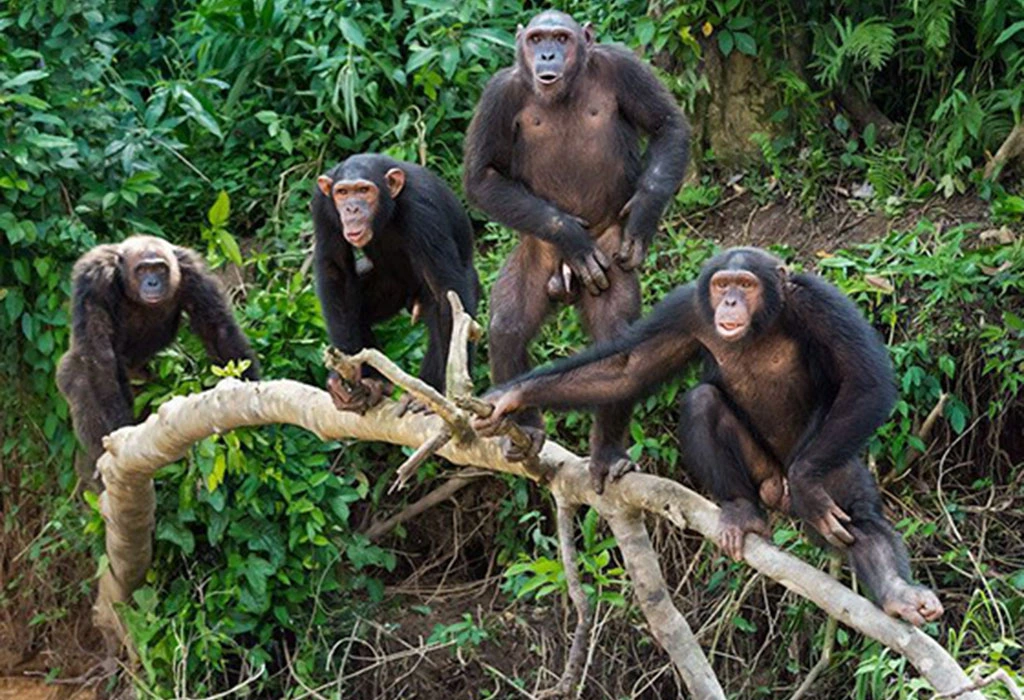
Beyond Kibale and Budongo, Uganda and neighboring Rwanda offer additional chimpanzee trekking opportunities:
Kalinzu Forest Reserve (Uganda)
-
Located near Queen Elizabeth National Park
-
Smaller chimpanzee population, but high success rates
-
Lower permit cost (around USD 100–130)
-
Ideal for combining with Queen Elizabeth game drives and Ishasha tree-climbing lions
Kyambura Gorge (Queen Elizabeth NP, Uganda)
-
Smaller chimpanzee community in a dramatic gorge setting
-
Permit cost: ~USD 100
-
Shorter treks (1–2 hours)
-
Best combined with Kazinga Channel boat cruise and savanna safaris
Nyungwe Forest National Park (Rwanda)
-
Home to habituated chimpanzees in a montane rainforest
-
Permit cost: ~USD 90–100
-
Combine with gorilla trekking in Volcanoes National Park
-
Requires crossing the Gatuna or Cyanika border from Uganda
Adventure Uganda Safaris can design multi-destination primate safaris that include Kibale, Budongo, Kalinzu, Kyambura, and Nyungwe—perfect for serious primate enthusiasts.
Frequently Asked Questions (FAQ)
Q: Which is better for chimpanzee trekking—Kibale or Budongo?
It depends on your priorities. Choose Kibale for the highest chimpanzee density, multiple communities, CHEX experiences, and extensive lodge options. Choose Budongo for a more secluded experience, lower permit costs, and easy combination with Murchison Falls.
Q: What is the success rate for seeing chimpanzees?
Both Kibale and Budongo report 90–95% success rates for chimpanzee sightings. Kibale’s larger population and multiple communities give it a slight edge, but Budongo is equally reliable.
Q: Can I combine chimpanzee trekking with gorilla trekking?
Absolutely. The most popular combination is Kibale + Bwindi (4–5 hours apart). Alternatively, pair Budongo + Murchison Falls + Bwindi for a diverse 7–10 day safari.
Q: Are chimpanzee permits included in safari packages?
It depends on the operator. Some packages include permits; others list them separately. Always confirm in your quote whether chimpanzee permits are included.
Q: Is chimpanzee trekking suitable for children?
Children must be 15 years or older to participate in chimpanzee trekking in Uganda. This rule is strictly enforced for safety and conservation reasons.
Q: How far in advance should I book chimpanzee permits?
For peak season (June–September, December–February), book 3–6 months ahead. For low season, 2–3 months is usually sufficient, but earlier is always safer.
Q: Can I do both Kibale and Budongo on one trip?
Yes! A 10–14 day Uganda safari can include both destinations, plus Murchison Falls, Queen Elizabeth, and Bwindi. This gives you the full spectrum of chimpanzee habitats and behaviors.
Ready to Plan Your Chimpanzee Trekking Adventure?
Whether you choose the primate-rich rainforests of Kibale or the intimate trails of Budongo, chimpanzee trekking in Uganda promises an unforgettable encounter with our closest wild relatives.
Contact Adventure Uganda Safaris today for a free, no-obligation quote on your custom chimpanzee safari.
We offer:
-
Competitive permit prices (Kibale, Budongo, Kalinzu, Kyambura, Nyungwe)
-
Tailor-made itineraries (3-day quick trips to 14-day grand safaris)
-
Expert guides with deep primate knowledge
-
Flexible booking with secure payment options
WhatsApp us now or fill out our online inquiry form to start planning your ultimate chimpanzee trekking adventure in Uganda.