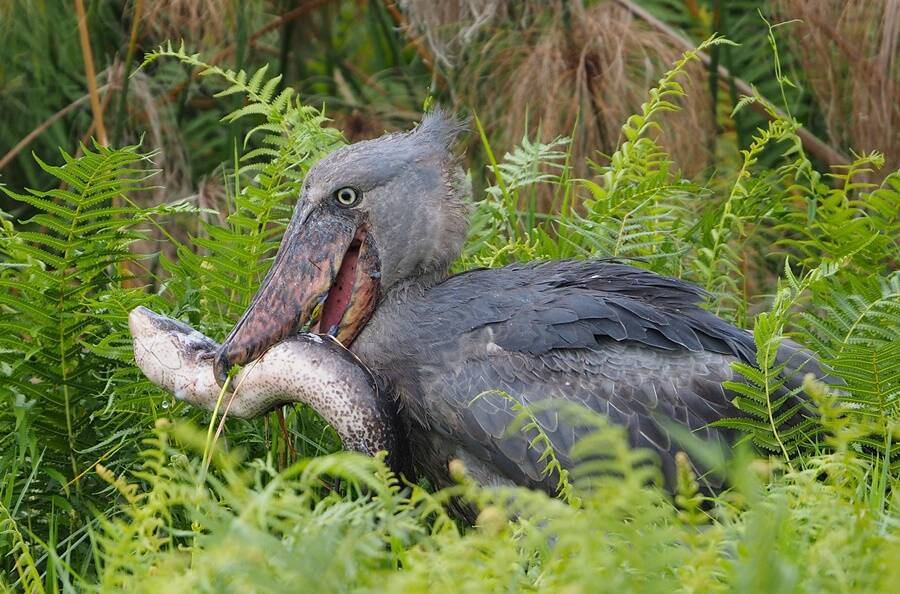
Bird Watching in Mabamba Wetland
Bird Watching in Mabamba Wetland: Uganda’s Premier Shoebill Destination Guide 2026
Bird watching in Mabamba Wetland is one of the most rewarding experiences for serious birders and casual nature lovers visiting Uganda.
This Ramsar site and Important Bird Area (IBA) on the shores of Lake Victoria is internationally famous for reliable shoebill stork sightings, but it holds far more: over 300 recorded bird species, including globally threatened wetland specialists, Lake Victoria biome-restricted species, and large numbers of Palearctic migrants between October and March.
In this comprehensive guide, you’ll discover exactly where Mabamba Bay is located, the best time to visit for shoebill watching and overall bird diversity, what species to expect, how to plan a Mabamba birding tour (including boat/canoe options), what to pack, where to stay, and how to combine Mabamba with other top Uganda birding destinations like Bwindi, Kibale, and Murchison Falls.
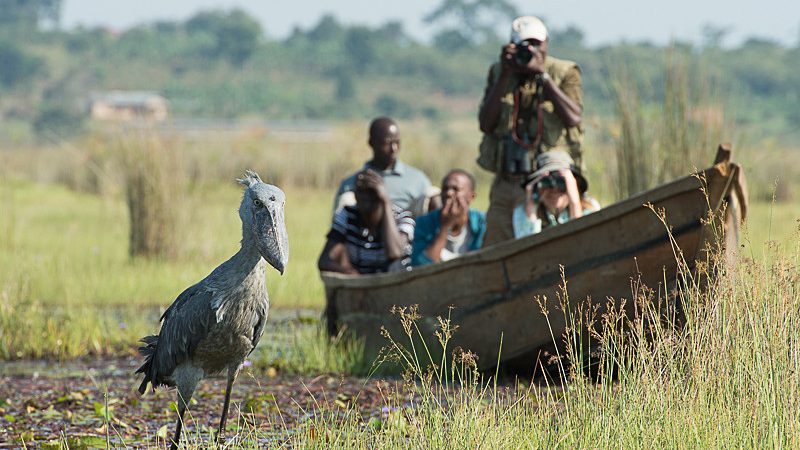
Where is Mabamba Wetland.
Mabamba Wetland lies along the northern shores of Lake Victoria, the world’s 2nd biggest freshwater lake.
The scenic Mabamba swamp is 4.8 km away from Entebbe Golf Club, 12 km away from Entebbe City, and from Bunga Beach, about 600m.
Up to 300 species of birds call the Mabamba wetland a home and include several globally threatened species; 7 of these are of Uganda’s 12 Lake Victoria biome-restricted species.
The wetland also protects many wetland bird species. A huge profusion of Palearctic migrants confine here, especially from October to March.
Mabamba Wetland is a compact wetland measuring about 165 sq. km and is dominated by papyrus reeds, water lilies, marshes, and several water channels connecting to various sections.
Mabamba is accessible and is a favorite birding site for most enthusiastic birders on Uganda tours.
Why Mabamba Wetland Is a Top Birding Destination
Mabamba Bay has earned its reputation as Uganda’s premier wetland birding site for several reasons:
1. Ramsar Site and Important Bird Area (IBA)
-
Designated as a Ramsar wetland of international importance
-
Recognized as an Important Bird Area (IBA) by BirdLife International
-
Protects critical habitat for wetland-dependent species and globally threatened birds.
2. Exceptional Bird Diversity
-
Over 300 bird species recorded in a relatively compact area
-
Home to 7 of Uganda’s 12 Lake Victoria biome-restricted species
-
Supports large numbers of Palearctic migrants (October–March) from Europe and Asia.
3. Reliable Shoebill Stork Sightings
-
One of the most reliable places in East Africa to see the elusive shoebill stork
-
Expert local guides know where to find shoebills in the papyrus channels
-
Success rates exceed 90–95% year-round when visiting at optimal times (early morning).
4. Accessibility and Convenience
-
Easy day trip from Entebbe or Kampala
-
Suitable for all fitness levels (boat/canoe-based birding)
-
Can be combined with other Entebbe attractions (zoo, chimp sanctuary, Ssese Islands)
Best Time for Bird Watching in Mabamba Wetland
Timing your visit affects both bird activity and ease of navigation through the swamp’s channels.
Best seasons for Mabamba birding
Dry seasons (optimal for navigation and photography)
-
June–August
-
December–February
Advantages:
-
Lower water levels concentrate birds in remaining pools and channels
-
Easier canoe/boat navigation through papyrus
-
Clear skies and excellent light for bird photography
-
Comfortable temperatures and minimal rain disruption
Note: Migratory species are mostly absent during June–August, but resident species (including shoebills) remain highly visible.
Wet seasons (rich biodiversity, migratory birds)
-
March–May (long rains)
-
September–November (short rains, with migrants arriving November onward)
Advantages:
-
Higher bird diversity due to Palearctic migrants (November–April)
-
Lush vegetation and active breeding behavior.
-
Fewer tourists in some months
Challenges:
-
Higher water levels can disperse birds over wider areas
-
Canoe rides may be slower; some channels harder to access
-
Occasional heavy showers (usually brief)
Best time of day
All sources agree: early morning is by far the most productive time for Mabamba bird watching.
-
Ideal start: on the water by 6:30–7:00 AM
-
Peak activity window: 6:30–10:00 AM
-
Secondary option: late afternoon (4:00–6:00 PM) for good light, though birds are generally less active than morning.
Avoid midday visits (11:00 AM–3:00 PM): birds rest in dense papyrus, heat reduces activity, and photographic light is harsh.
Month-by-month highlights
-
January–February: Dry, excellent for shoebills and resident species; good light
-
March–May: Wet season; migratory birds present (especially November–April), lush scenery
-
June–August: Dry, easy navigation, reliable shoebill sightings, fewer migrants
-
September: Transition month; can be good, but rains may begin
-
October–November: Short rains; migrants start arriving; good diversity
-
December: Short dry season; festive period; excellent birding conditions
Top Bird Species to See in Mabamba Wetland
Mabamba’s mix of papyrus swamps, open water, marshes, and adjacent forest/bushland supports a remarkable variety of birds.
Star attraction: Shoebill Stork
-
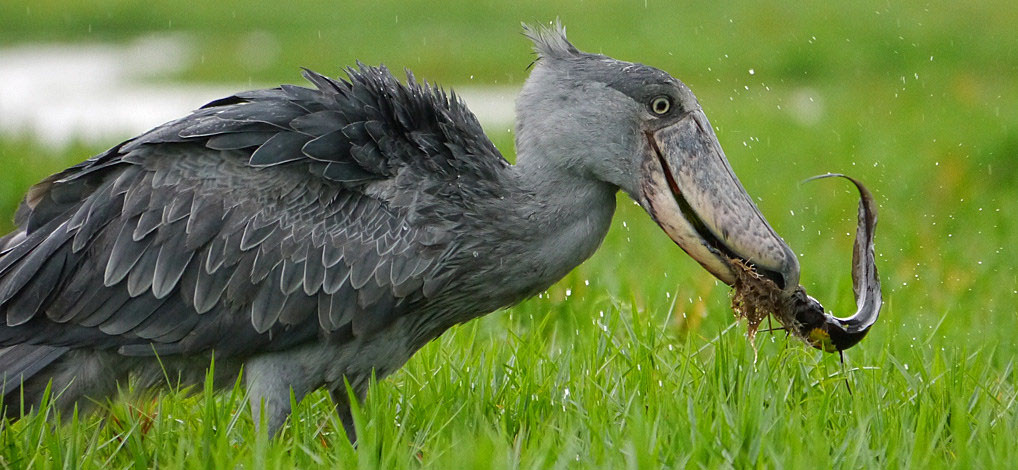
Shoebill (Balaeniceps rex): the iconic, prehistoric-looking shoebill stork is Mabamba’s flagship species
-
Best viewed from canoes gliding quietly through papyrus channels
-
Most active in the early morning while fishing.
Other notable wetland and waterbirds
Common and sought-after species include:
-
Black Crake
-
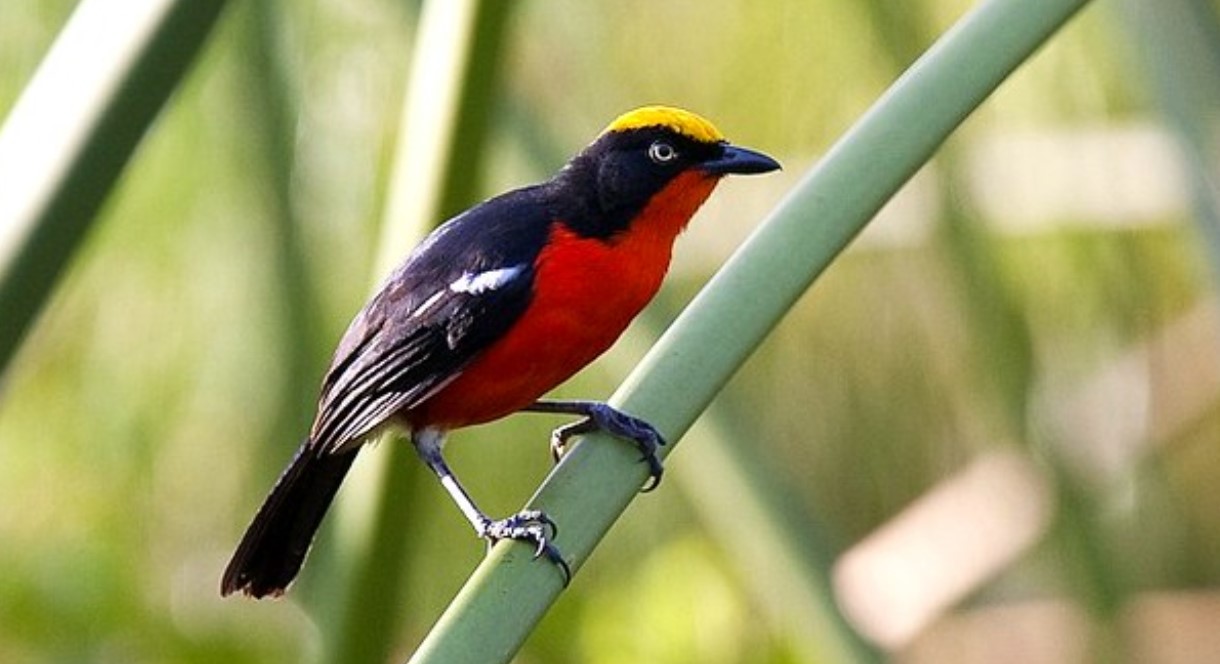
Papyrus Gonolek (Lake Victoria biome specialist)
-
White-faced Whistling Duck
-
Purple Heron, Goliath Heron, Squacco Heron
-
Great Egret, Cattle Egret
-
African Jacana, Lesser Jacana
-
Pied Kingfisher, Malachite Kingfisher, White-bellied Kingfisher, Woodland Kingfisher
-
Grey Crowned Crane (Uganda’s national bird)
-
Western Osprey, Marsh Harrier
-
Great Cormorant, Little Stint, Wood Sandpiper
Forest and bushland species (nearby habitats)
In adjacent areas like Nkima Forest and bushland/cultivations:
-
Tambourine Dove
-
Western Nicator
-
Red-capped Robin-Chat
-
Scaly Francolin
-
White-tailed Blue Flycatcher (Flufftail)
-
Rufous-napped Lark, Grassland Pipit
-
Red-bellied Paradise Flycatcher, Ashy Flycatcher, Swamp Flycatcher
-
Various sunbirds, weavers, starlings, bulbuls, and drongos.
Migratory species (October–March)
Between October and April, Mabamba hosts numerous Palearctic migrants, including:
-
Grey-headed Gull
-
White-winged Tern
-
Common Sandpiper, Wood Sandpiper
-
Blue Swallow (in migration seasons)
-
Various European and Asian warblers, waders, and raptors
When to go for bird-watching in Mabamba Wetland
Mabamba Wetland is open to birders all year round. But the favorite months of the year to experience the best bird-watching tour here are around October, November, March, April, and May.
These are the months of the year when birds get a chance to observe a range of migratory birds and many resident species while they give birth. They mark the wet season of the year in the Mabamba swamp.
The dry season starts from June to September and from December to February. These are the peak travel months when visitors enjoy birding without any disruptions.
When considering a birding excursion in the Mabamba wetland, expect to start early morning.
The morning hours are the best for Mabamba wetland bird-watching excursions because a variety of birds come out to feed along the territories and in the open papyrus areas.
Bird-watching options in Mabamba Wetland
Bird-watching along the Mabamba landing site
This is an area with tall trees, shrubs, and thickets. It holds a diversity of birds and birders are left mesmerized by great sightings.
Using a boat, visitors can navigate through the habitats and explore the site’s diverse birds.
The common sightings here include superb sunbirds, red-chested sunbirds, swamp flycatchers, grey-capped warblers, village weaver birds, yellow-breasted apalis, yellow-throated greenbul, lesser striped swallow, splendid starling, weyn’s weaver birds, and others.
Bird-watching in Nkima Forest:
Located about 2 km off from the Mabamba landing site, Nkima Forest is a compact forest and is a favorite birding site. The Nkima Forest holds a range of forest species of birds.
The common birds to find in the Nkima Forest section include the tambourine dove, western nicator, red-capped robin chat, green sunbirds, weyn’s weavers, grey-headed negrofinch, bee-eaters, scaly francolin, and white-tailed fluff-tail.
Bird-watching along the bushland:
Visitors can also navigate through the cultivations and bushlands with a higher chance of finding a variety of birds.
A guided walk around this area gets you amazing sightings of birds such as grassland pipit, rufous-napped lark, red-bellied paradise flycatchers, sunbirds, lizard buzzards, sooty chat, and scrub-robins, and more.
What to take for a bird-watching tour in the Mabamba Wetland
Essentials to consider for your Mabamba wetland birding tour include a good camera, a pair of binoculars, long-sleeved shirts, a sweater, a guided book, insect repellents, a daypack, a safari hat, and others.
Other Things to Do In and Around Mabamba Wetland
Mabamba is rarely visited in isolation; it fits perfectly into broader Uganda birding and wildlife itineraries.
Entebbe attractions
-
Entebbe Zoo: family-friendly wildlife viewing
-
Ngamba Island: rescued chimpanzees on a Lake Victoria island
-
Reptile Village: snakes, lizards, and other reptiles
-
Botanical Gardens: additional birding and nature walks
Primate and wildlife extensions
Combine your Mabamba birding tour with:
-
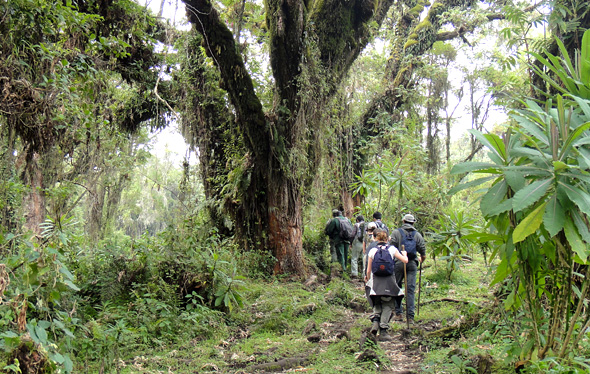
Gorilla trekking in Bwindi Impenetrable National Park or Mgahinga Gorilla National Park
-
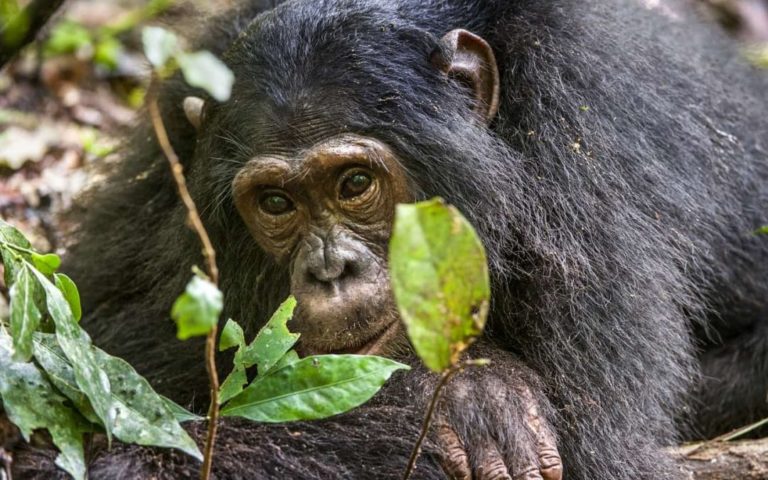
Chimpanzee tracking or chimp habituation experience in Kibale Forest National Park
-
Wildlife safaris in:
-
Murchison Falls National Park (Big Five, birds, waterfalls)
-
Queen Elizabeth National Park (tree-climbing lions, Kazinga Channel)
-
Lake Mburo National Park (zebra, eland, raptors)
-
Kidepo Valley National Park (remote wilderness, cheetahs, lions)
-
This makes Mabamba an ideal start or end point for comprehensive Uganda birding safaris.
Chimpanzee tracking or chimp habituation experience in Kibale National Park.
Visitors can also explore the stunning wildlife safari parks including Murchison Falls National Park, Lake Mburo National Park, Queen Elizabeth National Park, and Kidepo Valley National Park.
Where to Stay Near Mabamba Wetland
While many visitors do Mabamba as a day trip from Entebbe, staying nearby allows for early morning starts and multiple birding sessions.
Lodges and hotels near Mabamba
-
Nkima Forest Lodge: set close to Mabamba, offers cottages in a forested setting
-
Mabamba Eco Lodge: budget to mid-range option near the wetland
-
Victoria View Lodge: lakeside accommodation with views over Lake Victoria
-
Additional options in Entebbe town (5–30 minutes’ drive), ranging from budget guesthouses to upscale.
Staying in Entebbe gives you flexibility to combine Mabamba with:
-
Uganda Wildlife Education Centre (Entebbe Zoo)
-
Ngamba Island Chimpanzee Sanctuary
-
Reptile Village
-
Ssese Islands boat trips
Bird Watching Options and Zones in Mabamba Wetland
Mabamba offers several distinct birding zones, each with unique habitats and target species.
1. Mabamba Landing Site and Main Swamp Channels
This is the core shoebill watching zone, accessed by motorized boat or traditional canoe.
Habitat: tall papyrus reeds, open water channels, water lilies, marsh edges
Target species:
-
Shoebill Stork (main attraction)
-
Papyrus Gonolek, White-faced Whistling Duck
-
Purple Heron, Goliath Heron, Squacco Heron
-
Malachite Kingfisher, Pied Kingfisher
-
African Jacana, Grey Crowned Crane
-
Great Cormorant, Western Osprey
Experience:
-
Glide quietly through narrow papyrus channels
-
Expert local guides track shoebill movements and calls
-
Excellent for bird photography in early morning light
2. Nkima Forest (About 2 km from Mabamba Landing Site)
A compact forest patch offering a different birding experience.
Habitat: tropical forest, forest edges, thickets
Target species:
-
Tambourine Dove
-
Western Nicator
-
Red-capped Robin-Chat
-
Green Sunbirds, Weyns Weaver
-
Grey-headed Negrofinch
-
Scaly Francolin, White-tailed Blue Flycatcher
Experience:
-
Guided forest walks on foot
-
Complements swamp birding with forest specialists
-
Ideal for photographers seeking variety
3. Bushland, Cultivations, and Grassland Edges
Areas around the wetland’s periphery, including farmland and scrub.
Habitat: open bush, grassland, cultivated plots, scattered trees
Target species:
-
Rufous-napped Lark, Grassland Pipit
-
Red-bellied Paradise Flycatcher
-
Various sunbirds, lizard buzzards, sooty chats, scrub-robins
Experience:
-
Guided walks through mixed habitats
-
Good for recording additional species to boost your Uganda bird list
-
Often combined with swamp and forest birding in a half-day itinerary
How to Plan a Bird Watching Tour in Mabamba Wetland
Tour formats
You can experience Mabamba in several ways:
-
Half-day birding trip from Entebbe or Kampala (most popular)
-
Full-day birding excursion combining Mabamba with other Entebbe sites
-
Add-on to longer Uganda birding safaris (e.g., before/after gorilla trekking)
Booking options
-
Through a tour operator: recommended for seamless logistics, experienced guides, and pre-arranged boats/canoes
-
Independent visit: possible, but arranging a reliable boat and knowledgeable guide on arrival can be less predictable
Typical half-day itinerary
-
5:30–6:00 AM: Pickup from Entebbe/Kampala hotel
-
6:30–7:00 AM: Arrive at Mabamba landing site, meet guide, board boat/canoe
-
7:00–10:00 AM: Guided birding through main channels (shoebill focus)
-
10:00–11:00 AM: Optional walk in Nkima Forest or bushland
-
11:00 AM–12:00 PM: Return to lodge/airport or extend to other Entebbe attractions
What to Pack for a Mabamba Birding Tour
Proper gear enhances both comfort and birding success.
Essential birding equipment
-
Binoculars (8×42 or 10×42 recommended)
-
Camera with telephoto lens (300mm+ ideal for shoebills and waterbirds)
-
Field guide to Uganda or East African birds (or birding app)
Clothing and personal items
-
Long-sleeved shirts and light sweater (mornings can be cool on the water)
-
Safari hat or cap for sun protection
-
Insect repellent (wetland areas can have mosquitoes)
-
Sunscreen and sunglasses
-
Daypack for water, snacks, camera gear, and rain jacket
-
Rain jacket or poncho (especially in wet seasons)
Optional but useful
-
Notebook for recording species and sightings
-
Extra camera batteries and memory cards
-
Water bottle (stay hydrated even on short trips)
Getting to Mabamba Wetland from Entebbe and Kampala
Mabamba is one of the most accessible bird watching sites in Uganda.
From Entebbe
-
Distance: approximately 30 km (about 45–60 minutes’ drive depending on exact starting point and road conditions)
-
Route: via Entebbe–Kampala road, then local roads to the landing site
-
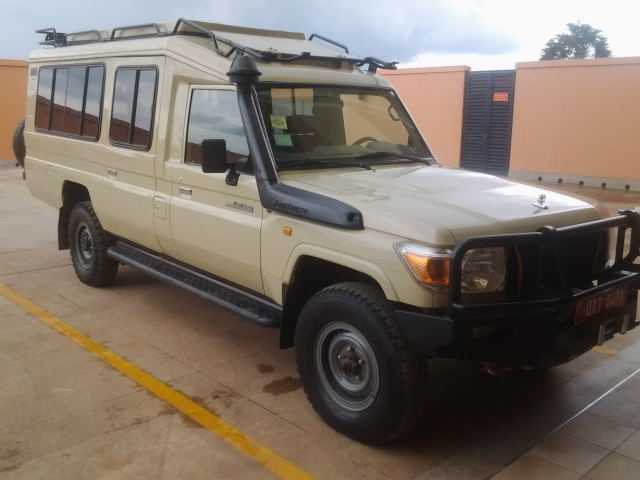
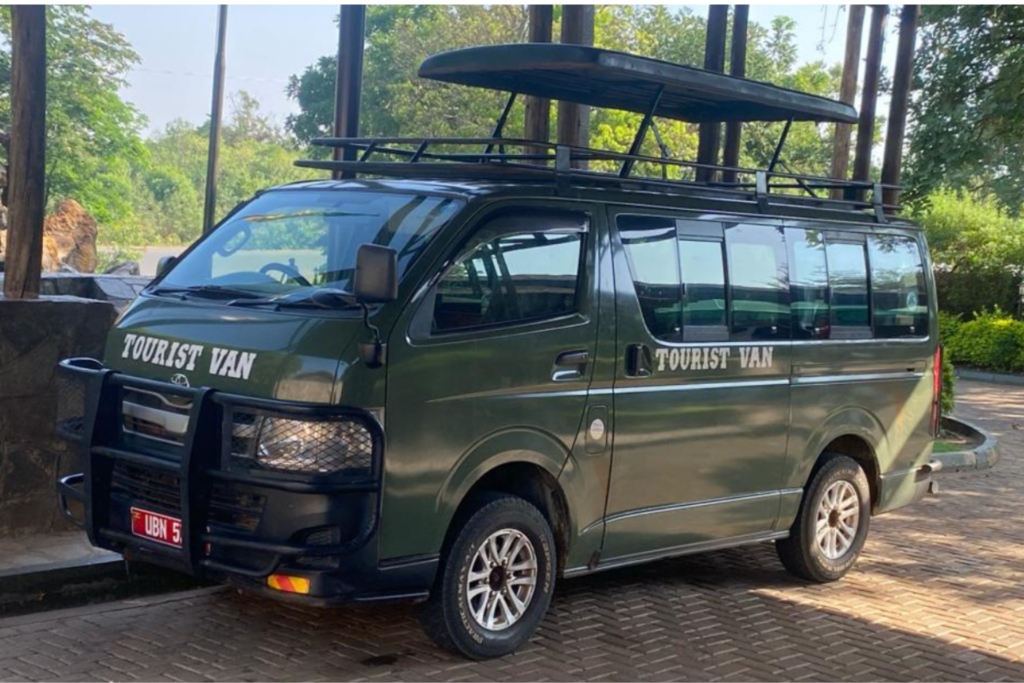
Transport: private car, taxi, or arranged transfer through your tour operator
From Kampala
-
Distance: roughly 70–80 km (about 2–2.5 hours’ drive)
-
Route: Kampala–Entebbe road, then turn off towards Mabamba landing site
-
Best for: early morning departures (leave Kampala by 5:00–5:30 AM to be on the water by 7:00 AM)
Boat/canoe access
-
Birding is conducted from motorized boats or traditional canoes with local guides
-
Boats are arranged at the Mabamba landing site; advance booking through a tour operator is recommended, especially in peak season
Conservation and Responsible Birding in Mabamba Wetland
As a Ramsar site and Important Bird Area, Mabamba plays a critical role in wetland conservation and community livelihoods.
How to bird responsibly
-
Follow your guide’s instructions, especially around shoebill nests and sensitive areas
-
Keep noise levels low to avoid disturbing birds
-
Maintain a respectful distance from wildlife (particularly shoebills)
-
Do not litter; carry out all trash
-
Support local guides and community-run boat services to ensure benefits reach local people
Conservation significance
-
Protects habitat for globally threatened species and Lake Victoria endemics
-
Supports sustainable eco-tourism and community-based conservation
-
Serves as an educational site for visitors to learn about wetland ecosystems and their importance
Frequently Asked Questions (FAQ)
Q: How many days do I need for bird watching in Mabamba?
A half-day (early morning) is sufficient for most visitors to see shoebills and many other species. Serious birders may spend a full day or return on consecutive mornings to maximize species counts.
Q: Is Mabamba suitable for non-birders?
Yes. The boat ride through papyrus channels, scenic Lake Victoria views, and chance to see shoebills and other wildlife make Mabamba enjoyable even for casual nature lovers and photographers.
Q: Can I visit Mabamba independently without a tour operator?
Yes, but arranging a reliable boat and knowledgeable guide is easier through a reputable tour operator. Independent visitors can hire boats on arrival, but quality and birding expertise may vary.
Q: What is the cost of a Mabamba birding tour?
Costs vary by operator, boat type (canoe vs motorized), and group size. Expect to pay for:
-
Boat/canoe hire
-
Guide fees
-
Park/wetland entry fees (if applicable)
Ask your operator for an all-inclusive quote covering transport, boat, guide, and fees.
Q: Can I combine Mabamba with gorilla trekking?
Absolutely. Many travelers start or end their Uganda gorilla safari with a Mabamba birding day trip from Entebbe, adding shoebills and wetland species to their primate adventures.
Q: Is Mabamba safe for solo and family travelers?
Yes. Mabamba is considered safe, especially when visiting with an organized tour. The boat-based birding is suitable for most ages and fitness levels.
Ready to Book Your Mabamba Wetland Birding Adventure?
Bird watching in Mabamba Wetland offers an unforgettable introduction to Uganda’s incredible avian diversity, with the legendary shoebill stork as the highlight.
Whether you’re a dedicated birder chasing a big Uganda bird list or a traveler seeking a unique Lake Victoria wetland experience, Mabamba delivers world-class birding just minutes from Entebbe.
To make the most of your visit:
-
Plan an early morning start (on the water by 6:30–7:00 AM)
-
Visit in the dry seasons (June–August, December–February) for easiest navigation, or in November–April for maximum migratory diversity
-
Book through a reliable tour operator for seamless logistics and expert guiding
Contact a trusted Uganda birding specialist today to include Mabamba Bay in your custom Uganda birding safari, whether as a standalone day trip or part of a larger itinerary featuring gorillas, chimpanzees, and the country’s top wildlife parks.