Uganda Safari Costs Explained
Uganda Safari Costs Explained: 2026 Price Guide
Planning a Uganda safari is easier when you understand exactly what you are paying for. Safari prices can range from affordable camping adventures to exclusive luxury journeys with private guides, premium lodges, domestic flights, and gorilla trekking.
This complete guide explains Uganda safari costs, including daily price ranges, gorilla permits, accommodation, transport, park fees, meals, activities, tipping, seasonal pricing, and sample budgets.
It also explains how Adventure Uganda Safaris creates transparent, tailor-made itineraries for couples, families, solo travelers, photographers, and private groups.
Whether you are comparing budget Uganda safaris, mid-range packages, or luxury wildlife holidays, the information below will help you plan a realistic budget and request the right quotation.
Uganda Safari Cost at a Glance
A Uganda safari generally costs approximately:
-
Budget safari: USD 250–350 per person per day
-
Mid-range safari: USD 450–700 per person per day
-
Luxury safari: USD 1,000–2,500+ per person per day
These are planning ranges rather than fixed prices. The final cost depends on the number of travelers, safari duration, accommodation, vehicle type, activities, season, and whether your itinerary includes a gorilla permit or domestic flights.
Current 2026 market guides place typical Uganda safari rates within similar ranges, although operator inclusions differ considerably. Always compare what is included rather than choosing a package based only on its headline price.
Example total budgets
A gorilla permit may add a significant amount to these totals. It is essential to ask whether the permit is included, excluded, or listed as a separate compulsory cost.
What Determines Uganda Safari Prices?
There is no single fixed price for a Uganda safari because each itinerary contains different cost components.
1. Safari duration
A longer safari usually costs more overall, but the average daily rate may decrease because transport and guide costs are distributed across more days.
For example:
-
A 3-day safari may have a higher daily average.
-
A 7-day safari allows transport and vehicle costs to be shared over a longer itinerary.
-
A 14-day safari may offer better value per day but requires a larger total budget.
2. Number of Travelers
Group size has a major impact on the cost of a Uganda safari.
A private vehicle, guide, fuel, and some park fees are shared among travelers.
Consequently:
-
A solo traveler pays the highest per-person rate.
-
A couple shares many operating costs.
-
A family or group of four may achieve a lower per-person cost.
-
A larger private group may reduce the transport cost per traveler.
However, accommodation and permits are usually priced per person.
3. Accommodation category
Your lodge choice can change the total cost substantially.
-
Budget: campsites, bandas, guesthouses, and simple safari lodges
-
Mid-range: comfortable lodges with private rooms, en-suite bathrooms, and restaurant services
-
Luxury: high-end eco-lodges, boutique properties, private cottages, premium meals, and exceptional locations
Accommodation near Bwindi Impenetrable National Park, Kibale Forest, Queen Elizabeth National Park, Murchison Falls, and Kidepo Valley can vary widely in price.
4. Transport and vehicle type
Most road safaris use a 4×4 safari vehicle, such as:
-
Toyota Land Cruiser with a pop-up roof
-
Extended safari Land Cruiser
-
4×4 safari van
-
Specialized photography vehicle
A private 4×4 Land Cruiser safari generally costs more than a shared van but provides greater comfort, better ground clearance, improved wildlife viewing, and more flexibility.
Domestic flights to Bwindi, Kidepo, Murchison Falls, or other destinations can reduce long driving times but increase the overall budget.
5. Activities and permits
Some activities are included in standard safari packages, while others require separate permits or activity fees.
Common additional costs include:
-
Gorilla trekking permit
-
Gorilla habituation permit
-
Chimpanzee tracking permit
-
Chimpanzee habituation experience
-
Boat cruise
-
Nature walk
-
Fishing permit
-
Cultural experience
-
Rhino tracking
-
Mountain hiking
-
Domestic flights
Gorilla Permit Costs in Uganda
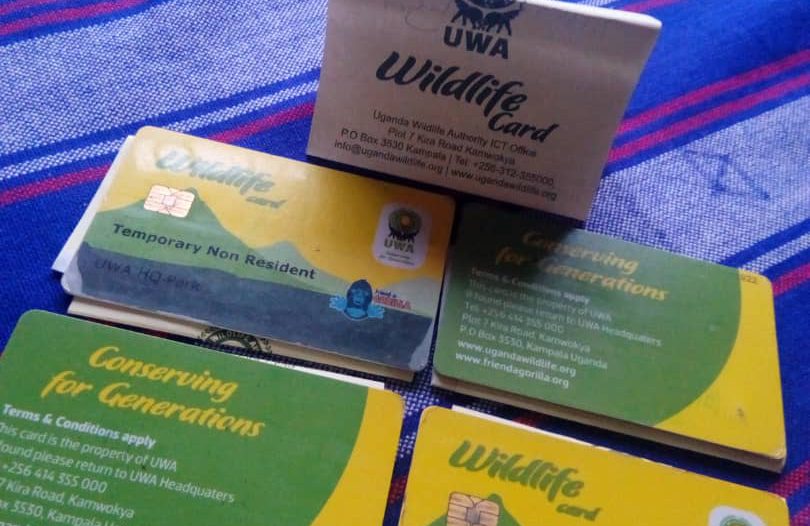
The gorilla permit is one of the largest individual costs on a Uganda gorilla safari. It grants access to a regulated gorilla trekking experience in Bwindi Impenetrable National Park or Mgahinga Gorilla National Park.
Under the Uganda Wildlife Authority tariff covering July 2024 to June 2026, the foreign non-resident gorilla permit was listed at USD 800, while other visitor categories had different rates.
Because tariffs and seasonal promotions may change, confirm the current rate with Uganda Wildlife Authority or a licensed operator before booking.
What a gorilla permit usually covers
A gorilla permit generally contributes to:
-
Park entry
-
Ranger guide services
-
Gorilla conservation
-
Community development
-
Protection and monitoring of gorilla families
It does not normally cover:
-
Accommodation
-
Transport to Bwindi or Mgahinga
-
Meals outside the agreed package
-
Porter fees
-
Flights
-
Tips
-
Personal travel insurance
Gorilla habituation experience
Uganda also offers a more extended gorilla habituation experience in selected areas of Bwindi.
This activity costs more than standard trekking and provides additional time with a gorilla family under controlled research and conservation guidelines.
How early should you book?
Book your permit:
-
Six to twelve months ahead for peak dates, large groups, and preferred sectors.
-
Three to six months ahead for most regular itineraries.
-
Before making non-refundable lodge and flight arrangements whenever possible.
Adventure Uganda Safaris can check availability, advise on suitable sectors, and coordinate your permit with transport and accommodation.

Cost of Accommodation on a Uganda Safari
Accommodation can represent a significant portion of your total safari budget.
Budget accommodation
Budget options may include:
-
Campsites
-
Simple bandas
-
Community lodges
-
Basic guesthouses
-
Budget safari camps
These are suitable for travelers who prioritize activities and wildlife over luxury facilities.
Mid-range accommodation
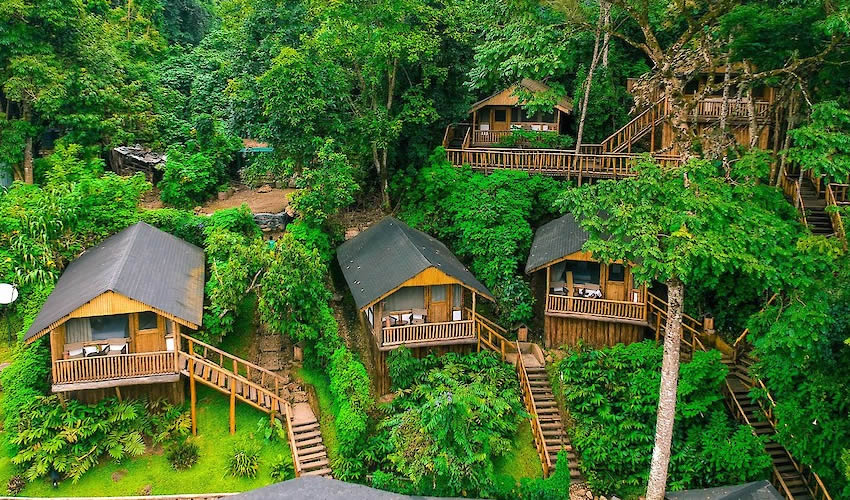
Mid-range lodges commonly offer:
-
Comfortable private rooms
-
En-suite bathrooms
-
Restaurant meals
-
Scenic locations
-
Electricity or charging facilities
-
Helpful lodge staff
This category is popular with couples, families, and first-time safari travelers.
Luxury accommodation
A Luxury properties may provide:
-
Private cottages or tented suites
-
Premium dining
-
Exceptional views
-
Swimming pools
-
Spa services
-
Exclusive activities
-
Personalized hospitality
Luxury lodges near Bwindi, Queen Elizabeth, Murchison Falls, and Kidepo can be expensive, particularly during peak seasons.
Indicative nightly ranges
As a broad planning guide:
-
Budget: USD 50–100 per room or person, depending on the property
-
Mid-range: USD 250–350 per room
-
Luxury: USD 500–1,500+ per room
Rates change according to season, location, meal plan, availability, and lodge demand. Request specific lodge options from your operator rather than relying on general averages.
Transport Costs and Safari Vehicles
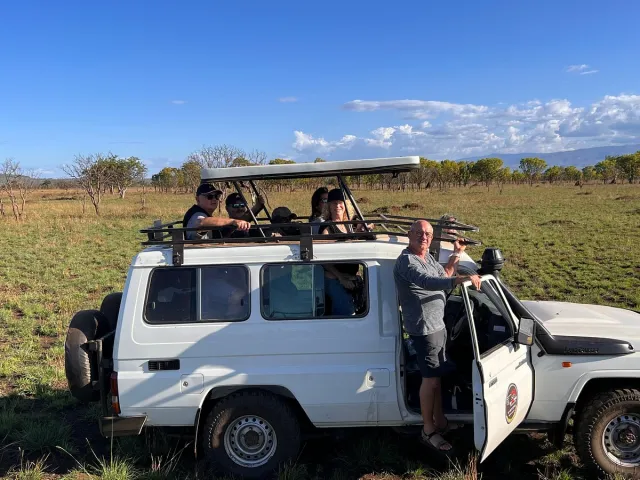
Road transport is usually included in organized safari packages. Your operator may calculate transport as part of the total package rather than showing a separate vehicle fee.
A typical private safari vehicle includes:
-
Private driver-guide
-
Fuel
-
Vehicle maintenance
-
Airport or hotel transfers
-
Pop-up roof
-
Charging points
-
Cooler box or drinking water
-
Basic emergency equipment
Why a 4×4 matters
A 4×4 vehicle is strongly recommended for Uganda because some roads near national parks can be rough, muddy, steep, or uneven.
A good safari vehicle provides:
-
Better ground clearance
-
Greater comfort on remote roads
-
Improved access during rainy weather
-
Better wildlife viewing
-
More luggage space
-
Flexibility to stop for photography
Private versus shared safari
At Adventure Uganda Safaris, we can recommend the most appropriate vehicle based on your route, group size, luggage, photography requirements, and budget.
Park Fees and Activity Costs
National park fees and activity charges should be clearly listed in your safari quotation.
Possible costs include:
-
Daily park entry
-
Game-drive fees
-
Boat cruise fees
-
Chimpanzee tracking permits
-
Gorilla permits
-
Nature walks
-
Launch trips
-
Ranger fees
-
Community tourism fees
-
Conservation contributions
The current UWA conservation tariff should be checked before publication or booking because rates can change between tariff periods.
Uganda Wildlife Authority (UWA) publishes its official tariff information through its rates and publications pages.
Common Safari Activities
Game drives
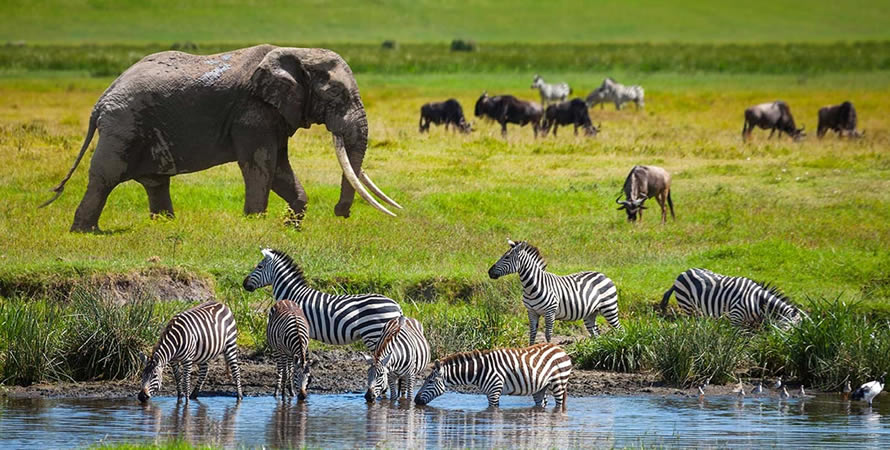
Game drives in Queen Elizabeth National Park, Murchison Falls National Park, Lake Mburo National Park, and Kidepo Valley National Park may be included in the package, although park entry and vehicle fees must be accounted for.
Boat cruises
Boat cruises are popular on:
-
Kazinga Channel
-
Victoria Nile
-
Lake Mburo
-
Murchison Falls area
They offer excellent opportunities to view hippos, crocodiles, elephants, buffaloes, waterbirds, and other wildlife.
Chimpanzee tracking
Kibale Forest National Park is one of Uganda’s leading chimpanzee destinations. The chimpanzee tracking permit is a separate cost from the gorilla permit.
Cultural experiences
Community activities may include:
-
Batwa cultural experiences near Bwindi
-
Coffee tours
-
Village walks
-
Traditional dance
-
Local food demonstrations
-
Community craft visits
A responsible operator should explain how community fees support local residents and conservation.
What Is Included in a Uganda Safari Package?
Every company defines inclusions differently. Ask for a detailed written quotation before paying a deposit.
A standard organized package may include:
-
Private safari vehicle
-
English-speaking driver-guide
-
Fuel
-
Accommodation
-
Meals according to the itinerary
-
Park entry fees
-
Game drives
-
Boat cruises listed in the program
-
Gorilla or chimpanzee permits if clearly stated
-
Airport transfers
-
Bottled drinking water
-
Local taxes
A tailor-made quote from Adventure Uganda Safaris should clearly show the selected lodges, activities, vehicle, number of travelers, and permit status.
What Is Usually Excluded?
Common exclusions include:
-
International flights
-
Uganda visa
-
Travel insurance
-
Personal medical expenses
-
Alcoholic drinks
-
Laundry
-
Souvenirs
-
Tips
-
Porter fees
-
Optional activities
-
Room upgrades
-
Domestic flights unless specified
-
Bank charges and currency conversion fees
Do not assume that “all-inclusive” covers every expense. Ask questions about meals, drinks, activities, transfers, and permits before confirming your safari.

Sample Uganda Safari Budgets
3-day budget gorilla safari
A short budget gorilla safari may include:
-
Transfer from Entebbe or Kampala
-
Two nights near Bwindi
-
Gorilla trekking
-
Budget accommodation
-
Private or shared road transport
Approximate planning range:
-
USD 1,200–1,900 per person, depending mainly on permit pricing, group size, and accommodation
The long journey to Bwindi means that a 3-day itinerary is compact. Travelers may prefer four or five days for a more comfortable schedule.
5-day gorilla and wildlife safari
A 5-day itinerary may combine:
-
Bwindi gorilla trekking
-
Queen Elizabeth National Park
-
Ishasha game drive
-
Kazinga Channel boat cruise
-
Mid-range lodge accommodation
Approximate planning range:
-
Budget: USD 1,800–2,700 per person
-
Mid-range: USD 2,800–4,500 per person
-
Luxury: USD 5,000–8,000+ per person
7-day Uganda wildlife safari
A 7-day safari might include:
-
Lake Mburo
-
Bwindi
-
Queen Elizabeth
-
Kibale
-
Chimpanzee tracking
Approximate planning range:
-
Budget: USD 2,000–3,000 per person
-
Mid-range: USD 3,500–5,500 per person
-
Luxury: USD 7,000–12,000+ per person
These are planning estimates, not fixed package prices. The final price depends on your travel dates, accommodation, permits, and group size.
Budget, Mid-Range or Luxury: Which Is Best?
A. Choose a budget safari if you:
-
Have a limited travel budget
-
Prefer basic accommodation
-
Are comfortable with camping or simple lodges
-
Want to spend more on activities than accommodation
-
Have flexible travel dates
B. Choose a mid-range safari if you:
-
Want comfortable lodges
-
Prefer private transport
-
Value good meals and reliable logistics
-
Are traveling as a couple or family
-
Want a balanced price and comfort level
C. Choose a luxury safari if you:
-
Prefer premium accommodation
-
Want private cottages and exclusive service
-
Prefer domestic flights over long drives
-
Want highly personalized guiding
-
Are celebrating a honeymoon or special occasion
For many travelers, mid-range Uganda safari packages offer the best combination of comfort, quality, and value.
Best Time to Visit Uganda on a Budget
Uganda is a year-round destination, but seasons influence road conditions, lodge demand, and wildlife viewing.
Peak dry seasons
-
June to September
-
December to February
Advantages:
-
Easier game viewing
-
More comfortable trekking
-
Better road conditions
-
Strong demand for permits and lodges
Disadvantages:
-
Higher accommodation demand
-
Fewer available rooms
-
Early booking required
-
Possible peak-season pricing
Wet or green seasons
-
March to May
-
October to November
Advantages:
-
Fewer visitors
-
Lush scenery
-
Potentially lower lodge prices
-
Good birding
-
More flexible availability
Disadvantages:
-
Muddy roads and trails
-
Occasional heavy rainfall
-
Longer travel times
-
More challenging gorilla trekking
Uganda’s dry seasons are commonly recommended for optimal wildlife viewing, while gorilla trekking is also possible throughout the year.
How Adventure Uganda Safaris Keeps Pricing Transparent
A professional safari quotation should be easy to understand. Adventure Uganda Safaris can provide a detailed itinerary showing:
-
Number of travelers
-
Travel dates
-
Vehicle type
-
Driver-guide services
-
Accommodation choices
-
Meal plan
-
Park fees
-
Gorilla or chimpanzee permits
-
Included activities
-
Exclusions and payment terms
We can also provide different accommodation levels so you can compare:
-
Budget
-
Mid-range
-
Luxury
If your budget changes, we can adjust the itinerary by:
-
Changing the lodge category
-
Extending or shortening the trip
-
Using road transport instead of flights
-
Selecting fewer parks
-
Traveling during a quieter season
-
Sharing selected transfers where practical
The goal is not simply to offer the cheapest safari. It is to create a safe, well-organized, memorable Uganda safari package that provides good value for your priorities.
How to Book a Uganda Safari
Booking your trip with Adventure Uganda Safaris is straightforward.
A. Step 1: Send an inquiry
Contact us by:
-
Website inquiry form
-
Email
-
WhatsApp
-
Telephone
B. Step 2: Share your travel preferences
Tell us:
-
Preferred travel dates
-
Number of travelers
-
Ages of children, if applicable
-
Budget level
-
Interests
-
Preferred destinations
-
Accommodation style
-
Fitness or mobility considerations
C. Step 3: Receive a tailor-made itinerary
We prepare a detailed plan with:
-
Day-by-day activities
-
Driving times
-
Lodges
-
Park visits
-
Permit details
-
Inclusions and exclusions
-
Total price
D. Step 4: Confirm your booking
After approving the itinerary, you pay the required deposit according to the agreed booking terms. Gorilla permits should be secured as soon as possible because availability is limited.
E. Step 5: Receive your pre-departure information
You should receive:
-
Final itinerary
-
Packing list
-
Emergency contacts
-
Airport transfer information
-
Permit confirmation
-
Guide and vehicle details
Frequently Asked Questions
How much does a Uganda safari cost per person?
A budget safari may cost approximately USD 250–350 per person per day, a mid-range safari around USD 450–700, and a luxury safari USD 1,000–2,500 or more. Gorilla permits and domestic flights can increase the total.
Is Uganda cheaper than Kenya or Tanzania?
Uganda can offer good value for travelers seeking primates and diverse wildlife. The final comparison depends on accommodation, park fees, permits, vehicle type, and safari duration.
Is a gorilla permit included in the safari price?
Sometimes. Some operators include the permit in the total price, while others list it separately. Always confirm this in writing before booking.
What is the cheapest month for a Uganda safari?
The wet or green seasons may offer lower lodge prices and fewer crowds, but rates vary by property. April, May, and November may provide seasonal opportunities in some years, subject to official permit and operator policies.
Is a private safari worth the extra cost?
A private safari is often worthwhile if you value flexibility, privacy, photography time, and a dedicated guide. It is particularly beneficial for families, couples, honeymooners, and small groups.
How many days do I need in Uganda?
A minimum of 5–7 days allows you to combine gorilla trekking with at least one wildlife or primate destination. A 10–14-day itinerary provides a more comprehensive Uganda experience.
Request Your Uganda Safari Quote
The real cost of a Uganda safari depends on your preferred experience—not just the number of days.
Whether you want a budget gorilla trek, a mid-range wildlife circuit, or a luxury private safari, Adventure Uganda Safaris can create a clear, personalized quotation.
Contact us today with your dates, group size, preferred destinations, and approximate budget. We will help you compare options and design a responsible, comfortable, and memorable Uganda safari.