What Do Gorillas Eat in the Wild
What Do Gorillas Eat in the Wild? Gorilla Diet and Food They Eat: 2026 Ultimate Guide
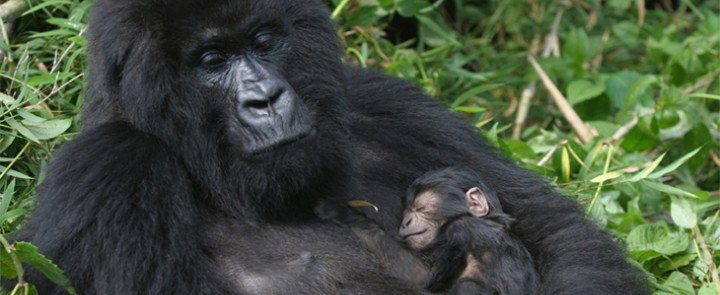
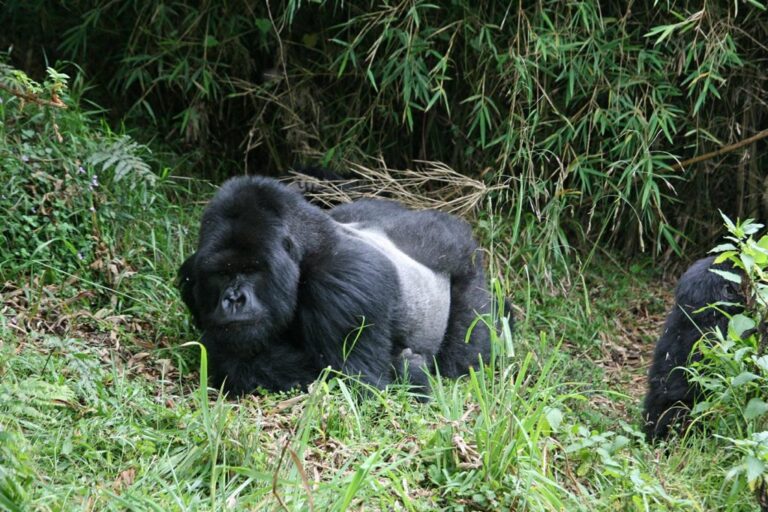
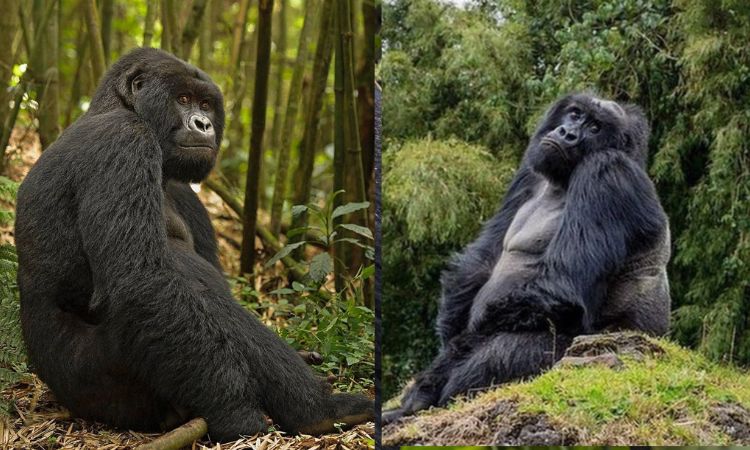
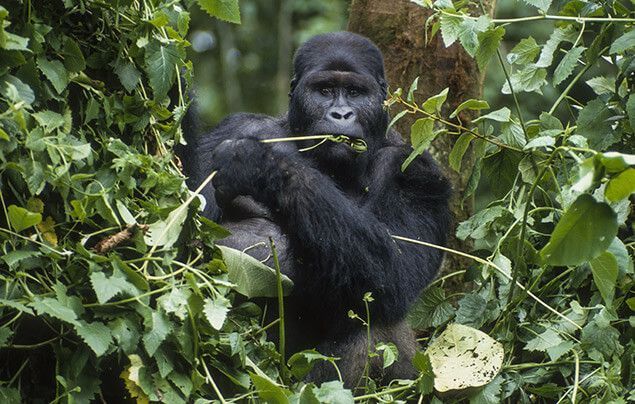
Mountain gorillas mainly eat leafy plant parts, stems, roots, minimal fruit and insects like ants and termites and invertebrates.
However, in the dry season, only a few juicy fruits are available, and so the apes have to eat more seeds and tree bark instead. Fruits grow on trees, and therefore, gorillas of all ages will climb trees to harvest them.
Mountain gorillas are known to consume over 142 plant species; mainly leafy plant parts such as leaves, stems and shoots off plants and this covers about 86% of their diet, 7% is composed of edible roots and 3% flowers.
They consume 2% fruits because they live at high altitudes where there is hardly more fruit they can consume compared to lowland gorillas, whose diet is mostly composed of fruit. Mountain gorillas also occasionally eat ants, snails, and grubs, taking up 2% of their diet.
A silverback (adult male gorilla) can eat up to 34kgs of vegetation per day, while females can eat up to 18kgs per day. Mountain gorillas rarely drink water.
They usually substitute water intake with juice from succulent foliage that they feed on and dew that rests on the foliage.
This diet is one of the reasons gorillas are so powerful. Their food is rich in fiber and plant nutrients, and their daily feeding routine shapes their movement, behavior, and social structure.
Unlike many other large animals, gorillas spend much of the day foraging carefully through the forest, selecting specific plants and shifting locations as food availability changes.
This makes their feeding habits an important topic for conservation, wildlife tourism, and anyone interested in African primates.
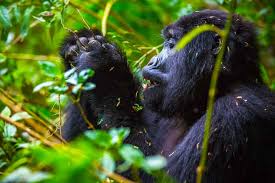
Gorilla Diet in the Wild
The diet of gorillas is highly varied, but it is dominated by vegetation. Mountain gorillas can consume more than 140 plant species, depending on the region and season.
Most of their food comes from leafy plant parts such as leaves, stems, and shoots, which may make up the largest share of their daily intake.
Roots, flowers, bark, and pith also contribute to their nutrition, while fruits play a smaller role for mountain gorillas than for lowland gorillas.
A simple breakdown of mountain gorilla feeding habits often looks like this:
-
Leaves, stems, and shoots: the largest part of the diet.
-
Roots: a smaller but important source of energy.
-
Flowers and bark: eaten when available.
-
Fruit: consumed in limited quantities in high-altitude habitats.
-
Insects and small invertebrates: eaten occasionally for extra protein.
This is why gorillas are often described as careful eaters. They do not simply feed on whatever is available; instead, they choose specific plants, consume them slowly, and move through the forest in a way that allows the vegetation to recover.
What Mountain Gorillas Eat
Mountain gorillas are adapted to a cooler, higher-altitude environment, which means their food choices are different from those of lowland gorillas.
In many areas, fruit is not available in large quantities, so mountain gorillas rely heavily on plant matter such as bamboo shoots, herbaceous vegetation, nettles, celery-like plants, thistles, and other leafy greens.
Their diet is especially rich in:
-
Fresh leaves.
-
Shoots and stems.
-
Roots and tubers.
-
Bamboo in some regions.
-
Tree bark.
-
Succulent herbs.
-
Small amounts of fruit when seasonally available.
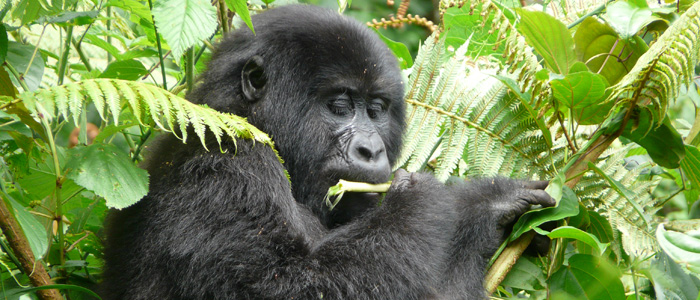
Because they eat so much fiber, mountain gorillas often spend many hours feeding each day.
Their strong jaws and large teeth help them break through tough plant material, while their hands allow them to pull, strip, and gather vegetation efficiently.
This feeding style is one of the reasons they are so closely associated with the forest ecosystems they live in.
Do Gorillas Eat Fruit?
Yes, gorillas do eat fruit, but the amount varies by species and habitat. Lowland gorillas generally eat more fruit than mountain gorillas because fruit is more abundant in lowland forests.
Mountain gorillas eat fruit only when it is available, and even then it usually forms a smaller part of the total diet.
Common fruits that gorillas may eat in the wild include:
-
Figs.
-
Berries.
-
Wild bananas.
-
Papayas.
-
Guavas.
-
Other seasonal forest fruits.
Fruit helps provide energy and hydration, but it is not the main food source for mountain gorillas. In most cases, the bulk of their diet still comes from leaves, shoots, and stems.
How Mountain Gorillas Collect their Food?
Gorillas collect food through a slow and deliberate foraging process. They move through forest areas in search of edible plants, using their hands and mouth to gather, strip, and consume vegetation.
Because they feed on many plant species, gorillas often travel from place to place during the day, which also helps prevent overgrazing in a single area.
Their feeding pattern includes:
-
Searching for suitable vegetation.
-
Pulling leaves, stems, and shoots by hand.
-
Breaking tougher branches or bark with strength.
-
Chewing slowly and continuously.
-
Moving on when food in one area becomes scarce.
This behavior helps explain why gorillas are called careful feeders. It also shows why habitat protection is so important: without healthy forest ecosystems, gorillas lose the plants they depend on for survival.
Why Gorillas Rarely Drink Water
Mountain gorillas rarely drink standing water because much of their moisture comes from the plants they eat.
Succulent foliage, juicy stems, dew on leaves, and fresh vegetation all help meet their hydration needs. This is a fascinating adaptation that makes them especially well suited to their forest environment.
In some cases, gorillas may also get moisture from the plants themselves rather than seeking water sources directly. This is one of the reasons their diet is so specialized and why forest quality is essential to their survival.
What fruits do gorillas eat?
Gorillas eat fruits like bananas, berries, figs, papayas and guavas among others, which help to increase their hydration levels.
However, in most cases, gorillas feed on a large portion of high-quality plant stems and leaves such as pith, a tissue generated from the stems of several flowering plants.
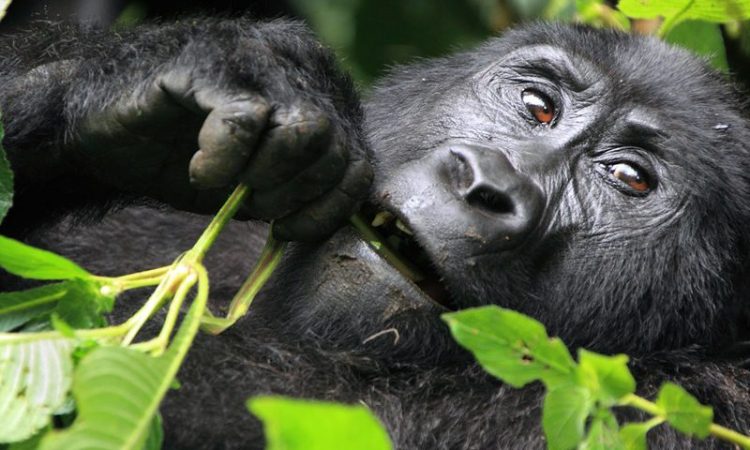
Do Gorillas Eat Meat?
Gorillas are not meat-eating animals in the wild. They are generally classified as herbivores, although their diet can sometimes include tiny amounts of insects or other invertebrates.
This means that while gorillas are not strict meat-eaters, they are also not limited to only leaves and fruit. Their natural diet is still overwhelmingly plant-based.
In the wild, gorillas may occasionally eat:
-
Ants.
-
Termites.
-
Grubs.
-
Snails.
-
Other very small invertebrates.
These animal foods make up only a tiny share of their diet and are usually eaten incidentally or for extra nutrients. This is why it is more accurate to describe gorillas as primarily herbivorous rather than carnivorous.
If your article includes the question do gorillas eat meat, make sure to explain this clearly so search engines and readers understand the nuance.
What Do Gorillas Eat for Protein?
Gorillas get protein mainly from leaves and other plant parts, which can contain enough amino acids to support their needs.
Some insects and invertebrates may also provide small amounts of additional protein, but this is not the main source. Their diet is built around plant nutrition, and their digestive system is well adapted to process tough, fibrous vegetation efficiently.
This matters because many readers assume gorillas need a meat-heavy diet like humans do. In reality, gorillas thrive on plant foods that provide the energy, fiber, minerals, and protein they require.
In other words, gorilla nutrition is a great example of how powerful animals can survive on a mostly vegetarian diet.

Do Gorillas Eat Bananas?
Yes, gorillas can eat bananas, but bananas are not a major part of their natural diet in the wild.
Wild gorillas do not usually rely on bananas because these fruits are not always abundant in their native forest habitat. In zoos or captivity, however, bananas may be offered as part of a managed diet.
Do Gorillas Eat Fish?
No, gorillas do not eat fish in the wild. They are not adapted for hunting fish, and their natural habitat and feeding behavior are focused on forest vegetation.
Any mention of fish in a gorilla diet is usually related to misinformation or captivity myths rather than wild behavior.
What Do Gorillas do?
Gorillas usually spend almost half of the day eating leaves, stems, roots and insects. They also rest for almost a third of the day, and go wondering through the forest jungles while engaging in social behaviour since they are social animals.
How Many Gorillas are Left in the World?
There is an estimated 1,000 gorilla individuals left in the world today, with about 604 individuals from 480 individuals in 2010 in the Virunga Massif (shared by Rwanda, Uganda and the Congo) and the remainder in Bwindi Impenetrable national Park in Uganda.
After the recent decline of gorilla population in this region due to civil unrest, conservation efforts have been encouraged and found success.
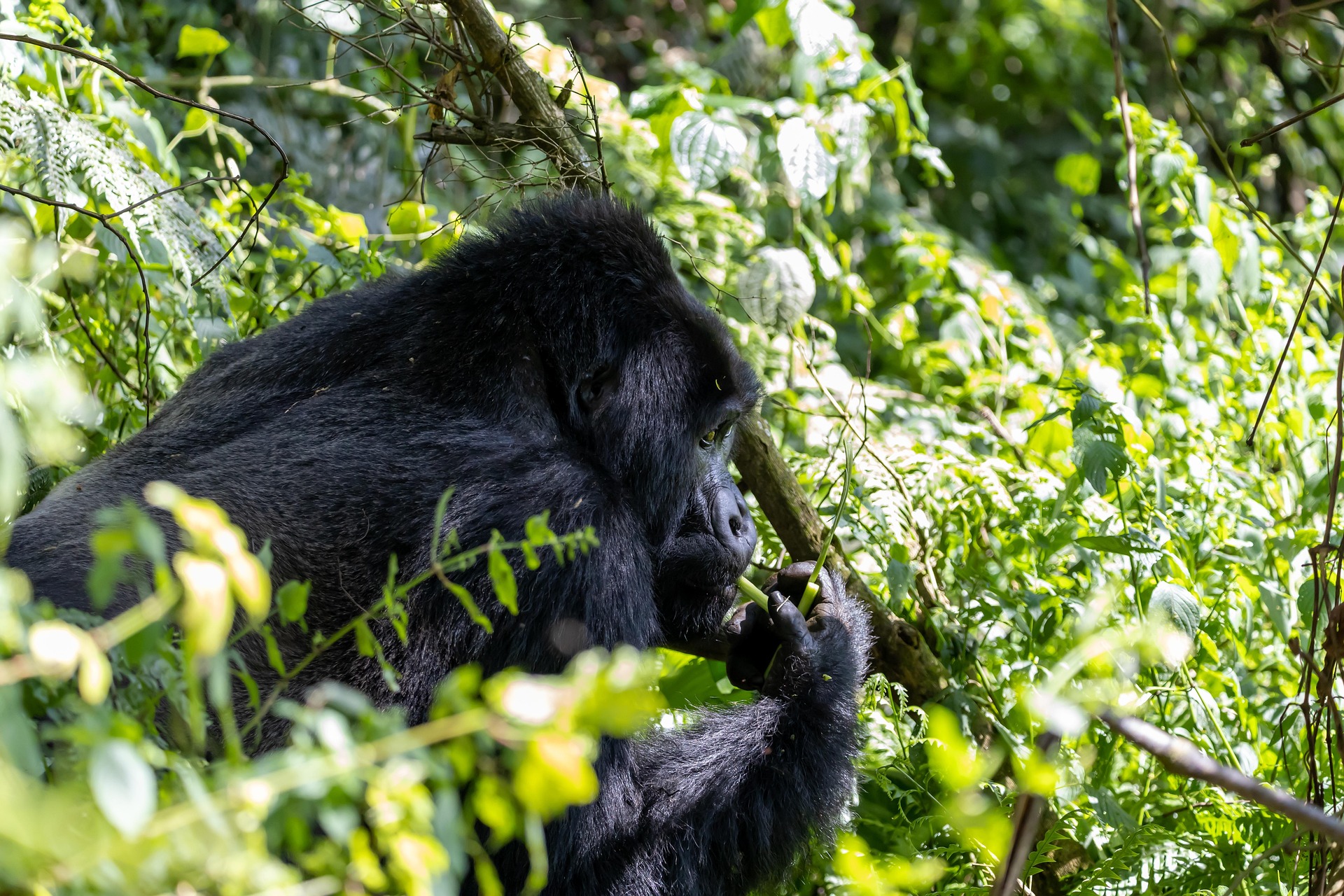
What Do Gorillas Do All Day?
A gorilla’s day is mostly built around feeding, resting, and social interaction. They spend a large portion of the day eating because their food is low in concentrated calories and requires long feeding periods.
After feeding, they rest, groom, travel, and engage in social behavior within their family group.
Typical daily activity includes:
-
Feeding for several hours.
-
Resting and digesting.
-
Traveling short distances.
-
Grooming and social bonding.
-
Protecting family members.
Where Do gorillas live?
Eastern gorillas live in the Virunga mountain ranges, which are made up of Volcanoes National Park in Rwanda, Mgahinga Gorilla National Park in Uganda, Virunga National Park in the Democratic Republic of the Congo and Bwindi Impenetrable National Park in Uganda.
Western gorillas live in Cameroon, Nigeria, Central African Republic, Gabon, Equatorial Guinea, Republic of Congo and Angola. The two species of gorillas live in a wide range of habitats and elevations, from montane forest to swampland.
Conclusion
So, what do gorillas eat in the wild? The answer is mostly leaves, stems, shoots, roots, flowers, bark, and a small amount of fruit, plus occasional insects and invertebrates.
Mountain gorillas are especially dependent on vegetation because they live in high-altitude forests where fruit is limited, while lowland gorillas eat more fruit because their habitat provides more of it.
Ready to witness this incredible food web in action?
Book your unforgettable gorilla trekking safari today with Adventure Uganda Safaris. Experience the majestic silverbacks up close in their natural habitat while contributing directly to their protection.
Secure your gorilla permit now and create memories that matter. Contact Adventure Uganda Safaris and begin your journey into the heart of the African wilderness.
Limited permits available — Book your gorilla adventure today!