Responsible Gorilla Tourism
Responsible gorilla tourism refers to a form of tourism that aims to promote the conservation of gorilla populations and their environment while also benefiting local communities. Unlike other tours, responsible gorilla tourism or gorilla safaris involve observing responsible practices and other measures that promote sustainable tourism. Adhering to the strict guidelines set by the Uganda Wildlife Authority or Rwanda Development Board, minimizing human impact, and promoting sustainable practices all play a crucial role in achieving goals of responsible travel or responsible gorilla tourism.
Gorilla tourism in places like Uganda, Rwanda, and Congo offers nature lovers a chance to explore the unique mountain gorillas in their natural environment. Across the gorilla trekking destinations in Africa, there are specific guidelines or rules/regulations for tourists to observe. The set guidelines mainly promote responsible gorilla tourism or sustainable gorilla trekking.
How to promote responsible gorilla tourism in Uganda, Rwanda & Congo
Observing a strict number of visitors per gorilla group
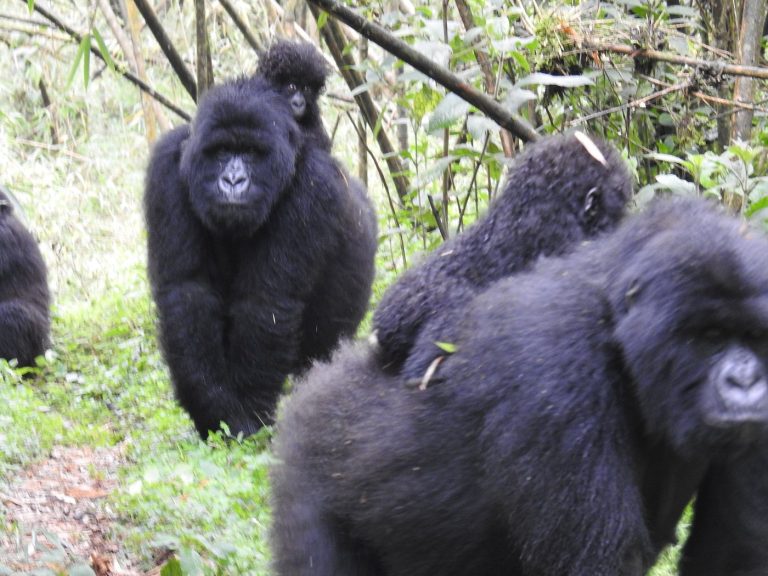
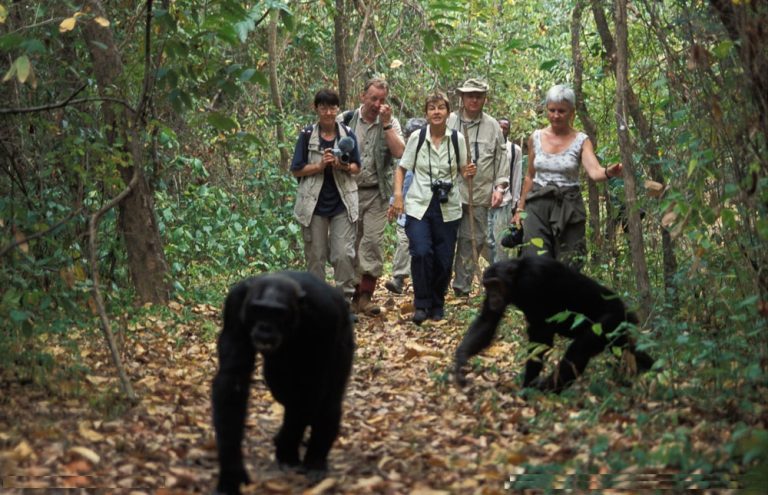
During the actual gorilla trekking, there is a specific number of visitors allowed to trek a family of gorillas. That is strictly 8 visitors per habituated gorilla group. The number of tourists visiting a family of gorillas is restricted as a way to reduce the pressure human presence puts on the normal behaviors of the gorillas and their habitat.
Support conservation efforts through financial contribution
As an individual, you can contribute greatly towards the daily efforts to conserve gorillas and other wildlife in their natural habitat. First, you can book a gorilla permit and embark on a gorilla trekking tour to Uganda or Rwanda with Maranatha Tours and Travel. You can also donate to the relevant organs involved in the gorilla conservation initiatives.
Support the local community initiatives. Gorilla conservation takes a collective effort and locals living adjacent to gorilla destinations shouldn’t be left out. Supporting them in all options available in the long run can make such communities appreciate gorilla tourism and conservation in their community. In return, they can be leaders involved in securing the lives of gorillas and also protect their habitat.
Maintaining a safe distance from the gorillas
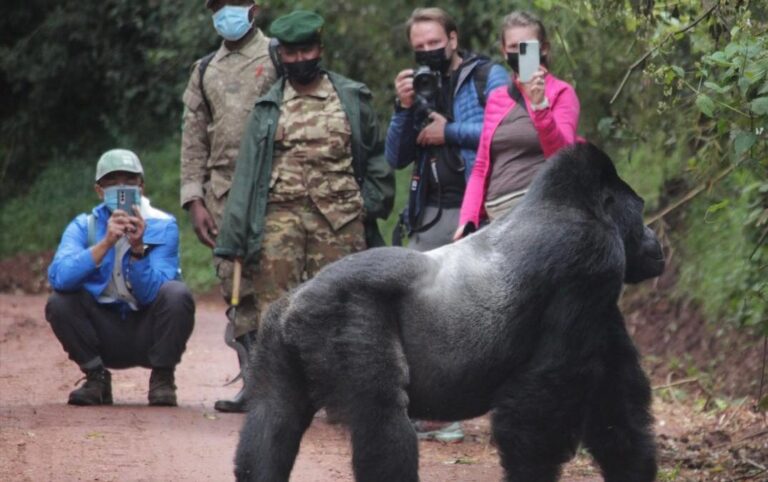
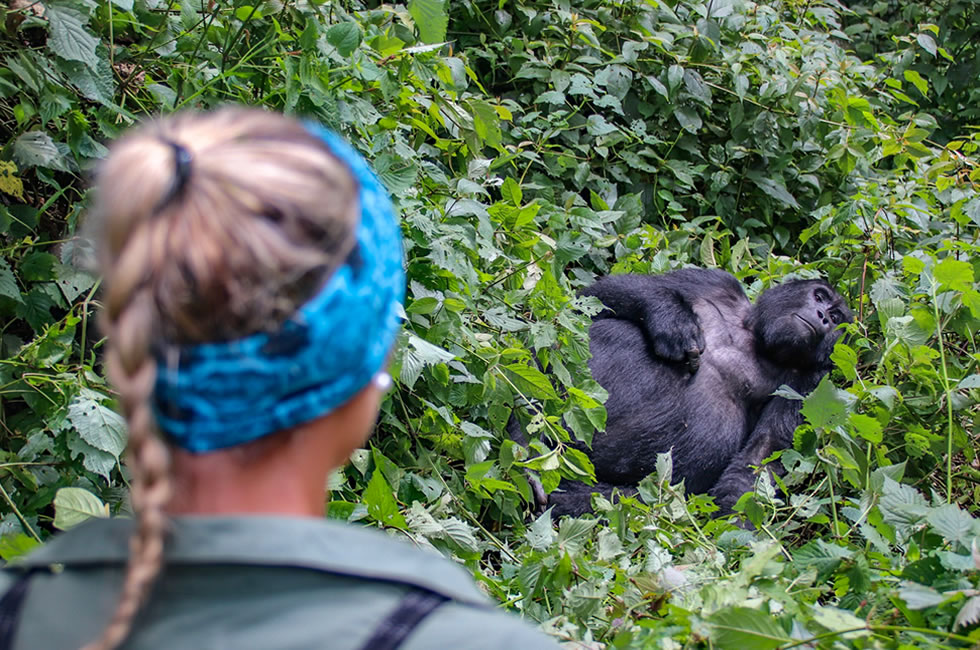
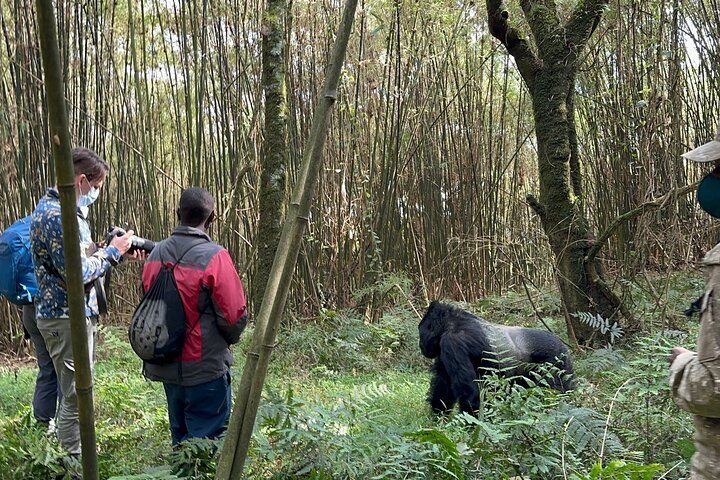 A safe distance of 8-10 meters must be observed when interacting with a family of gorillas in the wild. Avoid any attempts to touch the gorillas in their habitat. The primary goal is to ensure that any chances of these apes contracting infectious diseases from humans are minimized.
No visiting gorillas when sick
By nature, humans share up to 98% of their DNA with mountain gorillas. Visiting these apes when sick or ill poses a high risk of them contracting infectious diseases that can claim their lives. Not to risk these apes’ lives, visitors who are ill/sick won’t be allowed to track gorillas.
Cover the mouth when coughing or nose when sneezing
Ensure that your mouth is covered when in need to cough or nose when you want to sneeze. Coughing or sneezing directly in the presence of gorillas puts their lives at risk of contracting respiratory diseases.
A maximum of one hour with gorillas
When you come across a family of mountain gorillas, expect to enjoy only 1 hour with gorillas. This measure must be respected by all visitors who embark on the trek with mountain gorillas in Uganda or Rwanda.
Do not eat/drink/smoke in the presence of gorillas
Acts such as eating, drinking, or smoking in the presence of mountain gorillas put these apes at risk of contracting infectious diseases. These kinds of practices must be avoided at all times when you embark on a gorilla trekking tour.
Why responsible tourism?
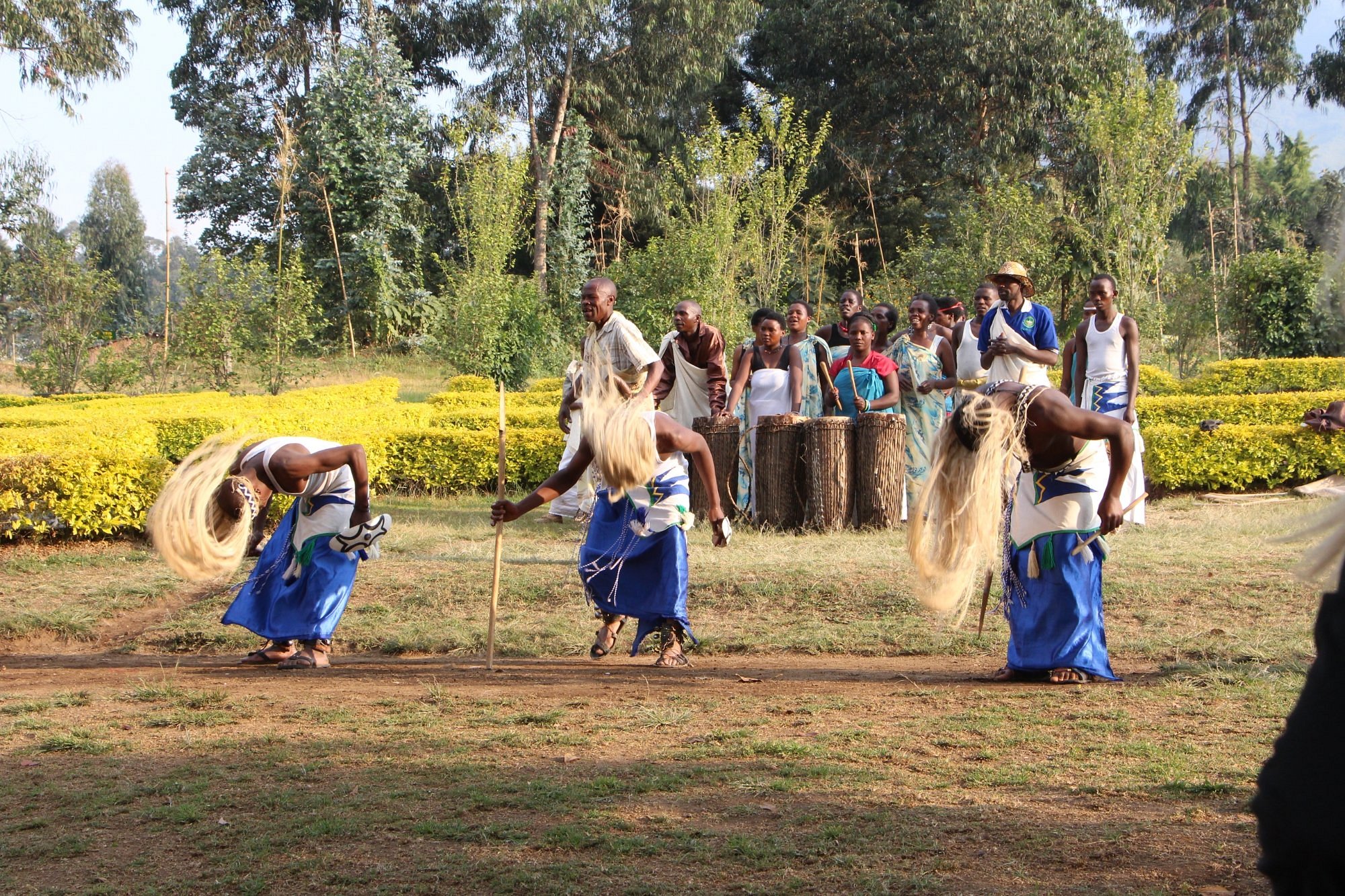
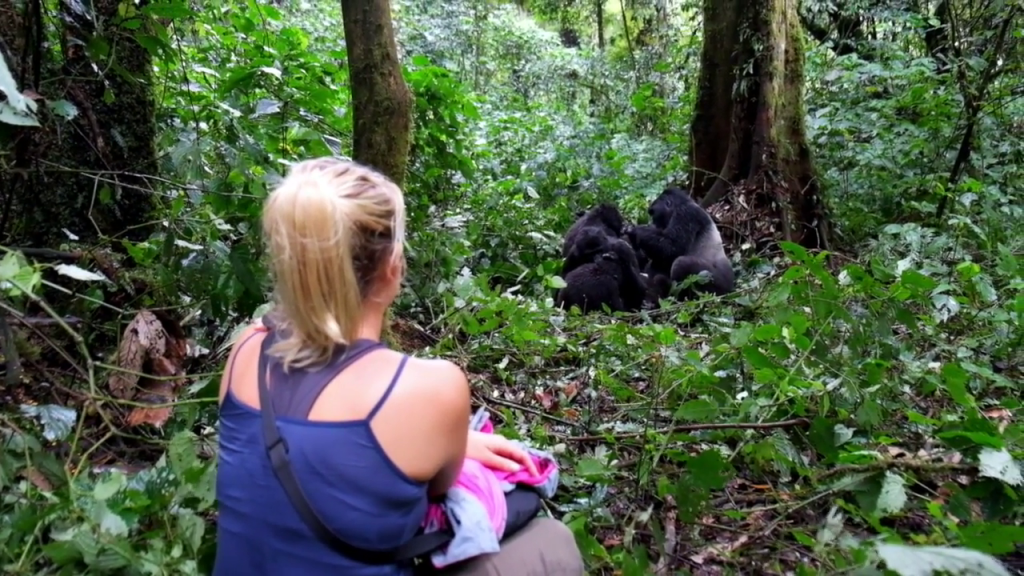 Observing responsible tourism practices is essential for anyone who embarks on gorilla trekking in Uganda or Rwanda. A deep understanding of responsible gorilla tourism is one way of promoting ethical and sustainable practices that benefit locals and habitats where gorillas live. Even cultural heritage is protected thus enriching guests with authentic experiences beyond the wilderness.
Local empowerment- responsible tourism does help empower locals. There are multiple initiatives run by locals living adjacent to gorilla safari destinations. Often, they are visited by tourists in addition to gorilla trekking. From their initiatives, locals earn a living which they can meet their daily needs.
Long-term benefits of responsible gorilla tourism
Promotion of sustainable tourism
Observing responsible tourism practices helps secure the future of today’s and tomorrow’s generations. The practice helps strike a balance between wildlife conservation, environmental preservation, and the economic well-being of residents living adjacent to the protected areas. Gorilla habitat can be preserved from degradation while local communities get alternative sources of income rather than depending on the natural resources where these apes dwell.
Creation of awareness
Responsible gorilla tours or safaris often attract tourists who emphasize more on gorilla conservation. After the gorilla tour, experiences are shared and others get insight into the value of responsible travel. Sharing such relevant information in their available platforms helps create awareness of wildlife conservation.
How many gorillas are left on earth today?
A total of about 1063 mountain gorillas are still residing in the wild today. These are sub-species of the Eastern gorilla which also include the Eastern lowland gorillas in Kahuzi-Biega National Park and Maiko National Park.
Places to visit to see gorillas in Uganda and Rwanda
The only places to consider visiting for gorilla trekking in Uganda include Bwindi Impenetrable National Park and Mgahinga Gorilla National Park. In Rwanda, Volcanoes National Park is the place to visit for you to track mountain gorillas.
Valid gorilla trekking tickets/permits are essential for gorilla tours to be conducted in any of the destinations in Rwanda and Uganda. Uganda gorilla permits cost USD 800 per visitor under the category of foreign non-residents, foreign residents USD 700 per guest, and shs. 300,000 per visitor for all East African Community Citizens.
What to carry for your gorilla tour in Rwanda or Uganda
Packing list for gorilla trekking; valid gorilla permits, passports, long safari pants, trousers, long-sleeved shirts, gardening gloves, a pair of binoculars, a pair of snacks, a camera, a rain jacket or coat, and high energy giving snacks. Other items to pack include insect repellents, a sweater, a safari hat, waterproof hiking boots, and first aid kit, etc.