Best Time For Gorilla Trekking in Mgahinga Gorilla Park
Best Time for Gorilla Trekking in Mgahinga Gorilla Park: Complete 2026 Guide
When is the best time to go for gorilla trekking in Mgahinga National Park? The ideal period of the year to travel for gorilla trekking in Mgahinga National Park is during the peak dry months of the year.
Mgahinga Gorilla National Park records the longest dry months around June, July, August to September.
The shorter dry months of the year to consider for you to have a smooth exploration of Mgahinga extends from December, January to February.
In this in-depth guide by Adventure Uganda Safaris, you’ll discover everything you need to know to plan a successful Mgahinga gorilla safari: detailed seasonal breakdowns, gorilla permit prices for 2026, how Mgahinga compares to Bwindi, what to pack, where to stay, how to get there, and how to book your tailor-made Mgahinga gorilla trekking tour with confidence.
Why Timing Matters for Gorilla Trekking in Mgahinga
Mgahinga Gorilla National Park lies in southwestern Uganda, within the Virunga Conservation Area, bordering Rwanda and the Democratic Republic of Congo.
The park’s altitude (around 2,227–4,127 m) and volcanic terrain mean weather plays a big role in your trekking experience.
Choosing the right season affects:
-
Trail conditions: muddy vs. firm paths through bamboo and montane forest
-
Visibility: clear views for photography and gorilla observation
-
Trek duration: easier navigation can shorten or stabilize trekking time
-
Overall comfort: less rain, better temperatures, and fewer leeches in dry months
While gorilla trekking in Mgahinga is possible year-round, timing your visit wisely can make the difference between a challenging slog and a smooth, memorable adventure.
Best Time to Go Gorilla Trekking in Mgahinga: Dry Seasons Explained
Peak dry months: June to September
June, July, August, and September represent the longest dry spell in Mgahinga and are widely regarded as the best months for gorilla trekking in the park.
Advantages of trekking in June–September:
-
Drier ground: firmer trails with less mud and fewer slippery sections
-
Better visibility: clearer skies improve your chances of good gorilla photos and scenic views of the Virunga volcanoes (Mount Muhavura, Mount Gahinga, and Mount Sabinyo)
-
More predictable trekking: guides can often locate the Nyakagezi group more efficiently when the forest floor is less waterlogged
-
Ideal for photography: less rain means fewer disruptions when taking pictures during your one-hour gorilla encounter
This is also peak tourist season, so:
-
Gorilla permits sell out faster (book 3–6 months in advance)
-
Lodges near Kisoro and Nkuringo fill up quickly
-
Prices for accommodation may be higher than in low season
Short dry season: December to February
The shorter dry window from December through February is another excellent period for a Mgahinga gorilla trek.
Benefits of December–February trekking:
-
Generally dry and cool conditions, especially in January and February
-
Good visibility and manageable trails
-
Festive season travel (late December) can be combined with other Ugandan highlights like Bwindi, Queen Elizabeth, or Kibale
Considerations:
-
Late December is busy; book early if traveling over Christmas/New Year
-
February can start transitioning toward wetter weather in some years, but it is still usually trek-friendly
For most travelers seeking the best overall conditions, June–August and January–February are the top choices for gorilla trekking in Mgahinga.
Low Season Gorilla Trekking in Mgahinga: Wet Months & Hidden Benefits
Wet seasons: March to May and late September to November
Mgahinga experiences two main rainy periods:
-
Long rains: March to May
-
Short rains: Late September to November (often heaviest in October–November)
During these low-season months, you’ll encounter:
-
More rainfall: trails can be muddy, slippery, and more physically demanding
-
Denser vegetation: gorillas may be harder to spot initially, though guides are highly skilled
-
Fewer tourists: quieter trailheads, more intimate experiences with the gorillas
-
Lower accommodation rates: many lodges offer discounts or special packages
Is gorilla trekking in Mgahinga still possible in the wet season?
Yes. Mgahinga Gorilla National Park remains open for gorilla trekking all year round.
With proper gear (waterproof boots, rain jacket, gaiters) and reasonable fitness, you can still enjoy a rewarding gorilla safari in the wet months.
Wet-season advantages:
-
Fewer crowds: more exclusive feel on the trail and at the Ntebeko Visitor Center
-
Cheaper lodging: better deals on mid-range and luxury lodges around Kisoro and Nkuringo
-
Lush scenery: vibrant green forests and dramatic volcanic landscapes
-
Good for birding: many migratory and resident bird species are active
Wet-season challenges:
-
Muddier, steeper trails can make the trek more strenuous
-
Rain can interrupt photography sessions with the gorillas
-
Driving conditions from Kampala/Entebbe or Kigali may be slower
Tip: If you choose the wet season, aim for March or November rather than the peak of the rains in April–May or October, and pack high-quality waterproof gear.
About gorilla trekking in Mgahinga National Park
Mgahinga Gorilla National Park is one of the best places to consider for gorilla trekking in Uganda.
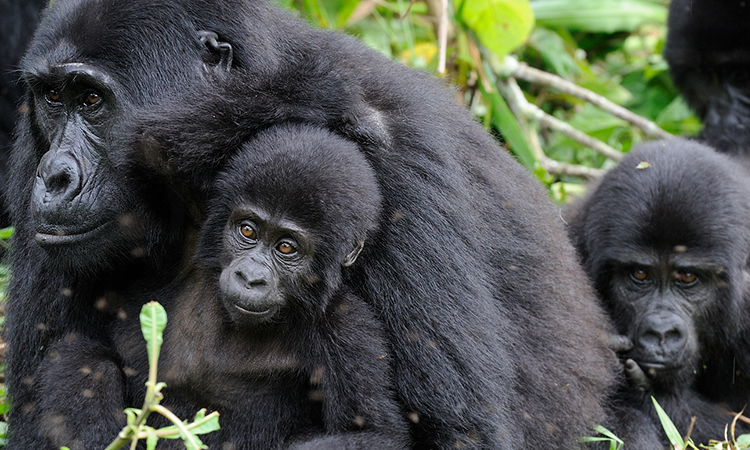
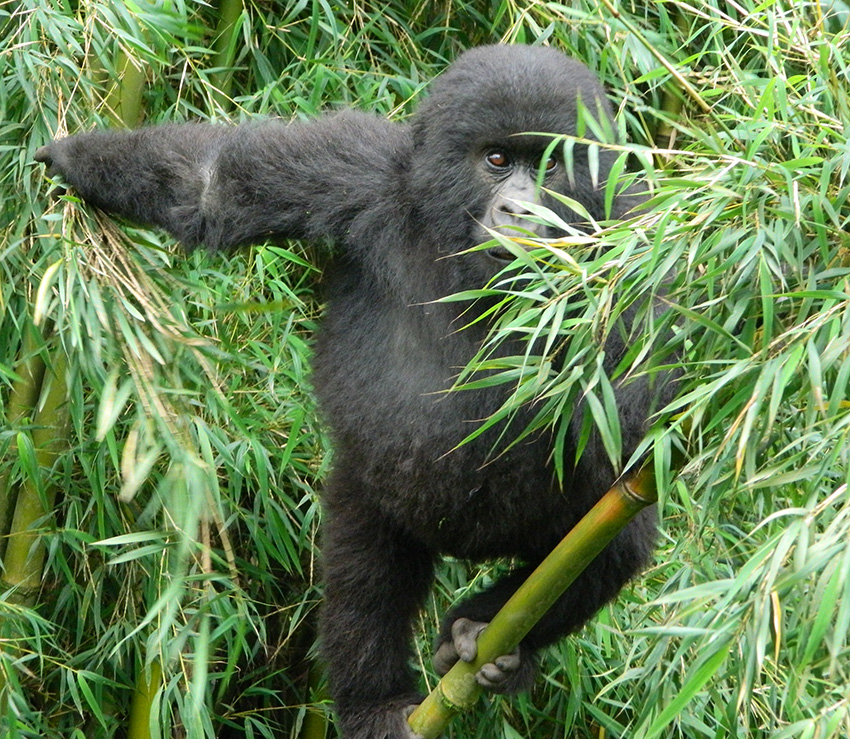
Gorilla trekking in Mgahinga is special in that visitors get a chance to interact with a family of mountain gorillas in their natural habitat.
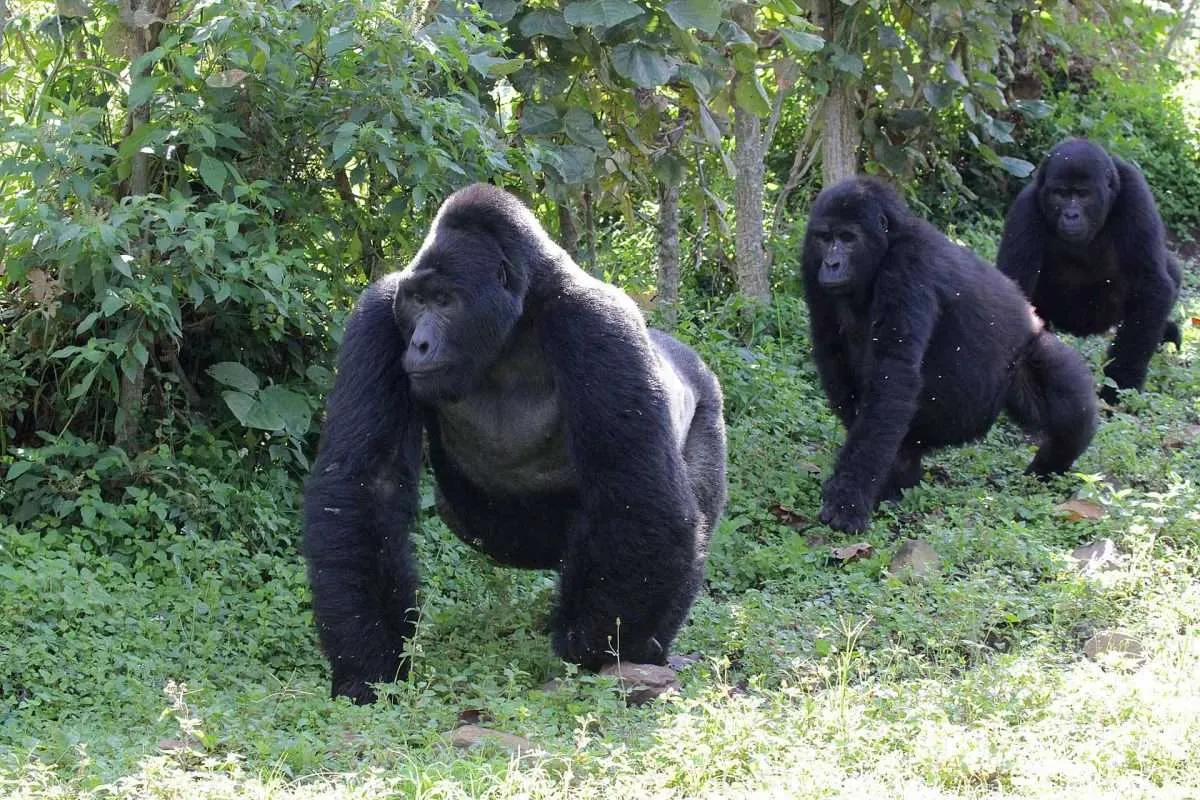
At Mgahinga, Nyakagezi gorilla group is the only family that is open for trekking by tourists on the Uganda gorilla tour.
Gorilla treks to explore Nyakagezi group starts at the Ntebeko Visitor Center with briefing about guidelines or dos and don’ts.
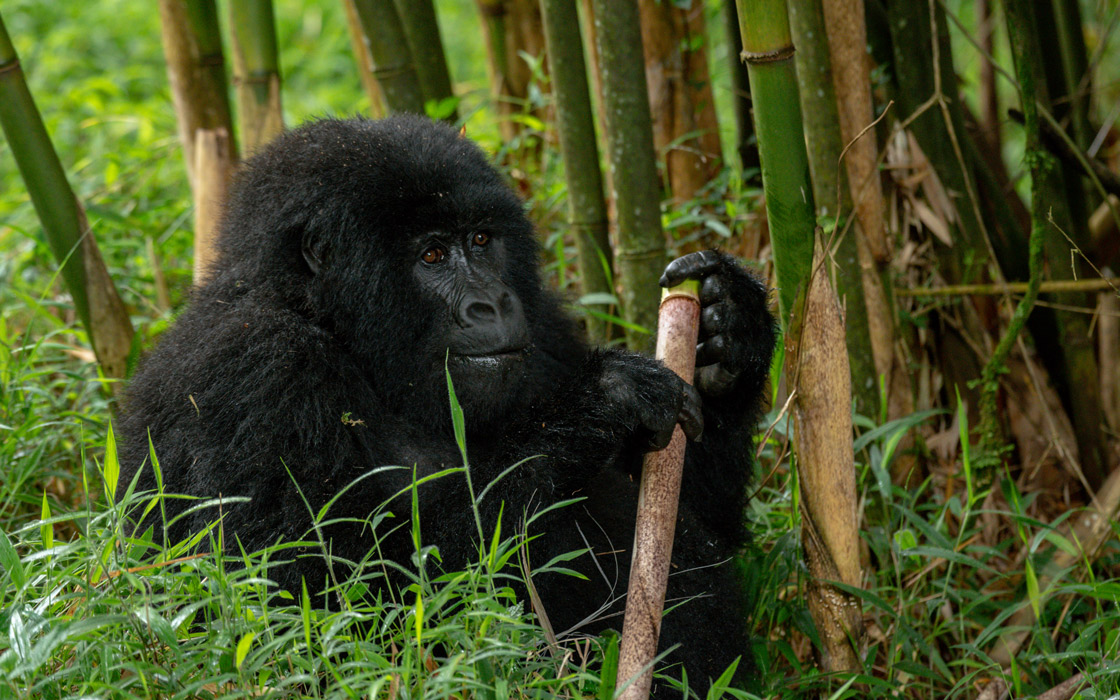 Mgahinga Gorilla National Park, together with Bwindi Impenetrable National Park, was primarily established in 1991 to protect the endangered mountain gorillas.
Mgahinga is Uganda’s smallest park, with the land area coverage of 331 sq. km. This park is lying in the Virunga Conservation Area.
The actual gorilla trekking adventure may run for 2-6 hours which includes one hour for up close and personal encounters.
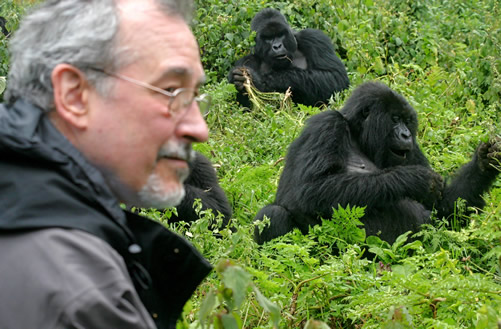
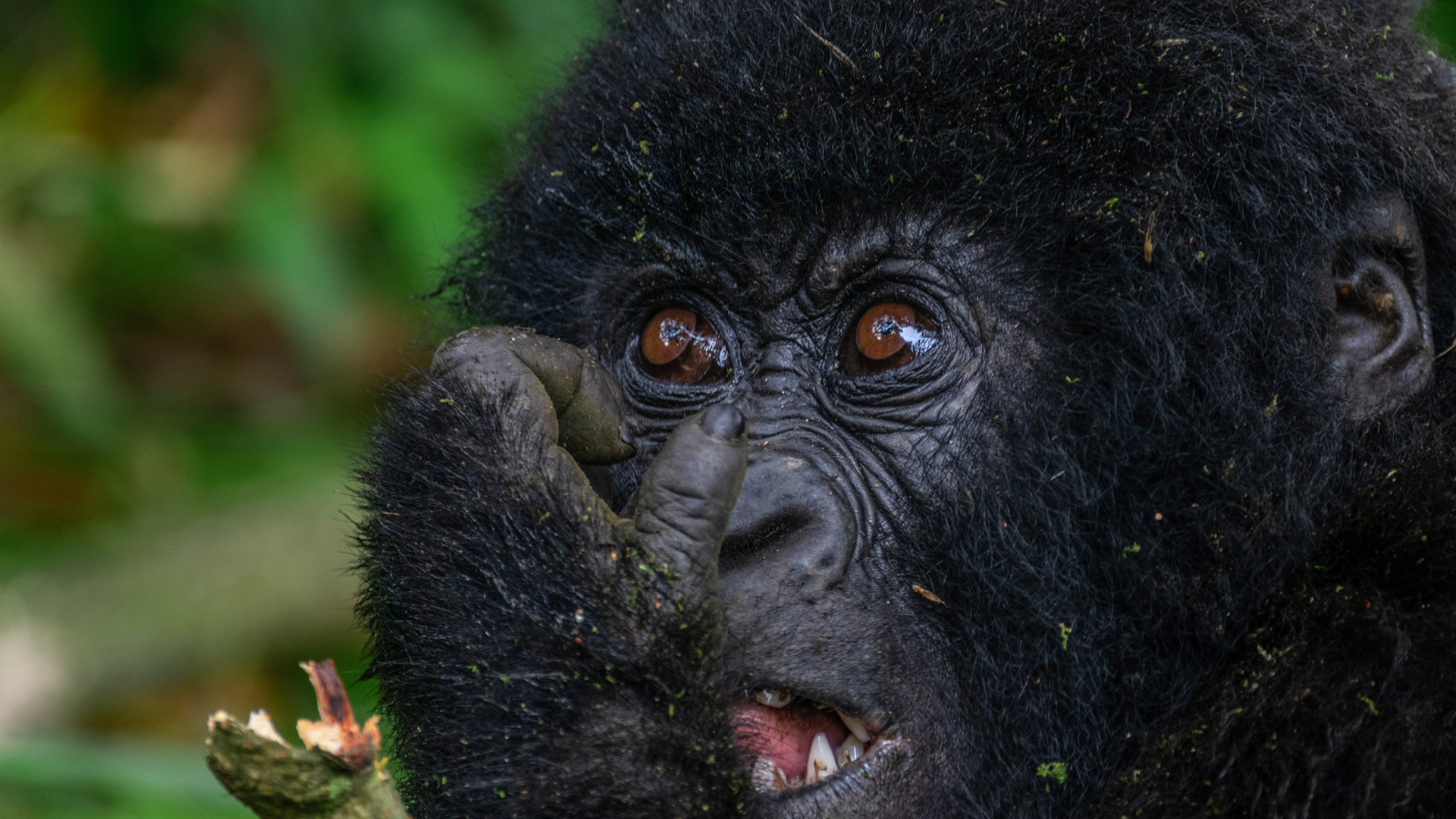
During the encounter, expect to observe how gorillas behave, their unique body gestures, and taking pictures.
Mgahinga Gorilla Permit Prices 2026: Costs, Discounts & How to Book
To visit Mgahinga gorillas, you should have a valid gorilla trekking permit. A gorilla permit can be booked through the trusted tour operator in Uganda.
Each gorilla permit currently costs USD 800 per person for the foreign non-residents.
Foreign residents on a gorilla tour to Mgahinga can secure a permit at USD 700 per visitor, USD 500 per tourist for the Rest of Africa visitors, while Ugandans/East Africans pay UGX 300,000 per visitor.
Standard gorilla permit prices (2026)
Based on UWA tariffs valid through mid-2026:
-
Foreign non-residents (FNR): USD 800 per person
-
Foreign residents (FR): USD 700 per person (valid residency proof required)
-
Rest of Africa (non-EAC Africans): USD 500 per person
-
East African Community (EAC) citizens: UGX 300,000 (~USD 80)
-
Includes citizens of Uganda, Kenya, Tanzania, Rwanda, Burundi, South Sudan, and DRC
-
Low-season gorilla permit discounts (April, May, November)
UWA offers discounted gorilla permits during the wettest months to encourage travel:
-
Foreign non-residents: USD 600 (instead of USD 800)
-
Foreign residents: USD 500 (instead of USD 700)
-
East African and Rest of Africa rates: typically unchanged (confirm when booking)
Important notes:
-
Low-season permits may have stricter rescheduling/refund rules
-
Discounts apply only in specific months (mainly April, May, November)
-
Always confirm current rates and conditions with your tour operator
How to book a Mgahinga gorilla permit
-
Choose your travel dates (ideally 3–6 months ahead for dry season)
-
Contact a licensed operator (e.g., Adventure Uganda Safaris)
-
Provide:
-
Preferred dates and park (Mgahinga)
-
Number of trekkers and visitor categories (FNR, FR, EAC, etc.)
-
-
Pay the permit fee (full payment often required at booking)
-
Receive permit confirmation with trekking date and sector details
At Adventure Uganda Safaris, we handle permit procurement, coordinate with lodges near Ntebeko, and advise on the best trekking sectors and fitness preparation for your group.
Booking a valid gorilla permit for Mgahinga is possible through the local tour operator. Talk to our reservation team at info@adventureugandasafaris.com to book a gorilla trekking tour to Mgahinga and beyond.
We are available 24/7 to assist you realize your travel dream.
Mgahinga vs Bwindi: Which Park Is Best for Gorilla Trekking?
Many travelers ask, “Should I trek gorillas in Mgahinga or Bwindi?” Both parks are part of the Virunga ecosystem and offer unforgettable experiences, but they differ in key ways.
Key differences at a glance
When to choose Mgahinga
-
You prefer fewer people and a more exclusive feel
-
You love volcanic scenery and the idea of trekking in the shadow of the Virunga volcanoes
-
You’re based in or passing through Kisoro, Lake Mutanda, or Rwanda (Kigali is ~4–5 hours’ drive)
-
You’re comfortable with just one gorilla family available for trekking
When to choose Bwindi
-
You want more flexibility in dates and sectors (multiple families increase permit availability)
-
You plan a longer gorilla-focused safari with multiple treks or sectors
-
You’re combining gorillas with Queen Elizabeth, Kibale, or Lake Mburo on a classic southwest circuit
Both parks offer world-class gorilla encounters. If permits are available in your preferred dates, either choice will deliver a life-changing experience.
What to Carry for Gorilla Trekking in Mgahinga
The checklist of essentials worth packing for a gorilla trekking tour in Mgahinga includes: long-sleeved shirts, a sweater, long trousers, bottled drinking water, insect repellents, sunscreen, sturdy and waterproof hiking boots, and a good and waterproof daypack.
The packing list should also comprise of a camera with extra batteries, a safari hat, a pair of binoculars, a rain jacket/poncho, energy giving snacks, gaiters, a pair of socks, a first aid kit, a face mask, and others.
How to Prepare for Gorilla Trekking in Mgahinga
Early preparation is essential for any successful gorilla trekking adventure.
When it comes to gorilla safaris, first things first – the priority is often put on the fitness, packing the right gear, and how best you can have a memorable experience.
Among the initiatives you must take include booking a valid gorilla permit early, and this is possible through the local expert.
The permits must be secured at least 2-6 months before the actual date of trekking gorillas in Mgahinga. Booking a gorilla permit early allows you to secure a slot in Mgahinga Gorilla National Park.
Your fitness levels are essential, as you can be in a position to conquer the muddy terrain.
A gorilla trekking adventure isn’t cany ordinary activity but requires you to navigate through the jungle, and at times, you can bump into the tough terrain.
Understand the Gorilla Trekking Rules
Before setting off for the actual gorilla trekking, it is a good idea to know some of the rules and regulations.
They include observing the distance of about 8-10 meters away from gorillas, not using the flashlight camera for taking photos, avoiding making noise, and visitors above 15 are acceptable to engage in a gorilla trek tour.
Where to Stay in and Around Mgahinga Gorilla National Park
There is a range of accommodation options to suit different budgets near Mgahinga and in the Kisoro/Nkuringo area.
Mid-range to luxury lodges
-
Mount Gahinga Lodge – upscale eco-lodge with volcano views and community focus
-
Nkuringo Gorilla Lodge – comfortable rooms, scenic location near Nkuringo trailheads
-
Rushaga Gorilla Lodge – modern facilities, good base for both Mgahinga and Bwindi (Nkuringo sector)
-
Mutanda Lake Resort – lakeside relaxation on Lake Mutanda, ideal pre- or post-trek rest
Budget and community options
-
Amajambere Iwacu Community Camp – community-run, affordable, culturally immersive
-
Mgahinga Rest Camp – basic but convenient accommodation close to the park
Your chosen lodge will depend on your itinerary, budget, and whether you plan to combine Mgahinga with nearby attractions like Lake Mutanda, Bwindi (Nkuringo), or Rwanda.
Getting to Mgahinga National Park in Uganda
A. By road from Kampala/Entebbe
-
Route: Entebbe/Kampala → Masaka → Mbarara → Ntungamo → Kabale → Kisoro → Mgahinga
-
Distance: approximately 500–540 km
-
Driving time: 9–10 hours, depending on stops and road conditions
-
Road quality: mostly paved; final sections to the park can be rough, especially in wet months
-
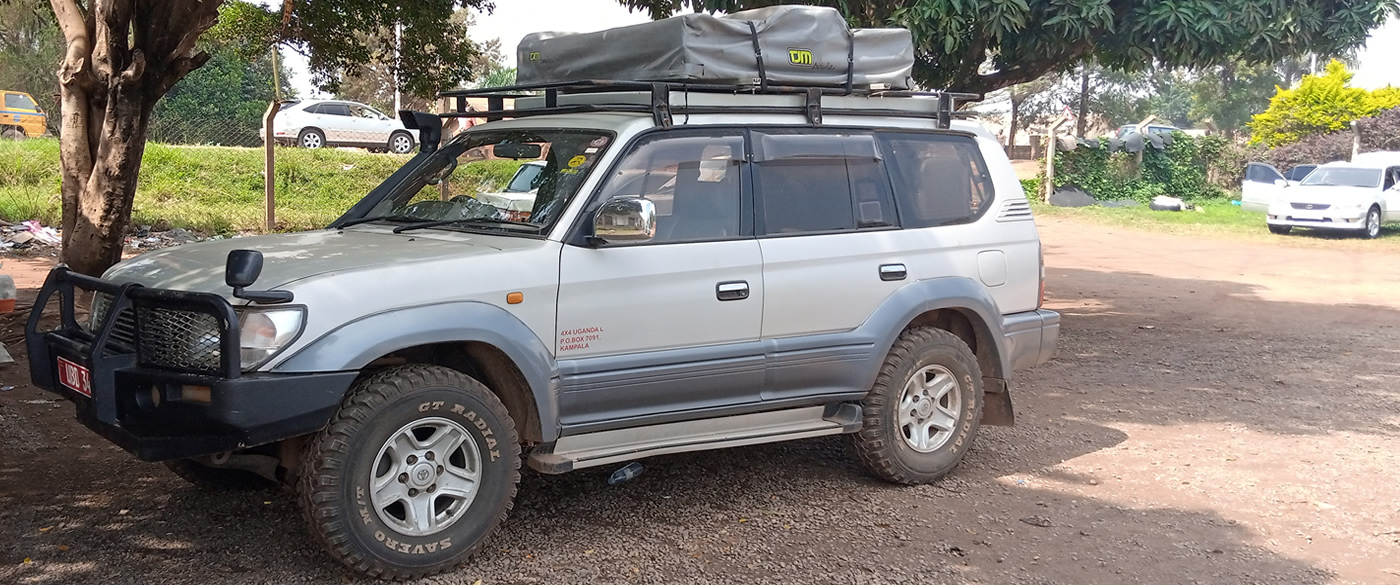
Recommended vehicle: 4×4 with good ground clearance
B. By road from Kigali, Rwanda
-
Route: Kigali → Gatuna/Katuna border → Kisoro → Mgahinga
-
Driving time: around 4–5 hours
-
This is a popular option for travelers combining Rwanda and Uganda gorilla treks
C. By air (fly-in safari option)
-
Domestic flights operate from Entebbe International Airport (EBB) or Kajjansi Airfield to:
-
Kisoro Airstrip, or
-
Kihihi Airstrip (closer to Bwindi, but can be used with road transfer to Mgahinga)
-
-
Flight time: under 2 hours
-
On arrival, you’ll be met by your driver/guide for transfer to your lodge and the park
Fly-in options reduce driving time significantly and are ideal for shorter itineraries or luxury safaris.
Sample Mgahinga Gorilla Trekking Itineraries
3-Day Mgahinga Gorilla Safari (Kampala/Kigali Start)
-
Day 1: Drive from Kampala/Entebbe or Kigali to Mgahinga/Kisoro; overnight near the park
-
Day 2: Gorilla trekking in Mgahinga (Nyakagezi family); afternoon relaxation or community walk; overnight same lodge
-
Day 3: Short nature walk or visit to Lake Mutanda; drive back to Kampala/Entebbe or Kigali
5–7 Day Primate & Wildlife Safari (Mgahinga + Bwindi + Queen Elizabeth)
-
Combine Mgahinga gorilla trek with:
-
Second gorilla trek in Bwindi (different sector)
-
Chimpanzee tracking in Kibale
-
Game drives and boat cruise in Queen Elizabeth NP
-
At Adventure Uganda Safaris, we customize itineraries based on your time, budget, and interests—whether you want a focused Mgahinga-only trek or a broader Uganda primate and wildlife safari.
Frequently Asked Questions About Gorilla Trekking in Mgahinga
Q: What is the best month for gorilla trekking in Mgahinga?
The best months are June to September and December to February, when trails are driest and visibility is best.
Q: How much does a Mgahinga gorilla permit cost in 2026?
Standard permits are USD 800 (foreign non-residents), USD 700 (foreign residents), USD 500 (Rest of Africa), and UGX 300,000 (EAC citizens). Discounted rates apply in April, May, and November.
Q: Is Mgahinga better than Bwindi for gorilla trekking?
“Better” depends on your priorities. Mgahinga offers fewer crowds, volcanic scenery, and a more intimate experience with one gorilla family. Bwindi offers more families, sectors, and flexibility. Both provide world-class encounters.
Q: How difficult is gorilla trekking in Mgahinga?
Trek difficulty varies daily based on gorilla location. Expect 2–6 hours of hiking on steep, sometimes muddy terrain at altitude. Reasonable fitness and proper gear are essential.
Q: Can I combine Mgahinga with Rwanda?
Yes. Many travelers trek gorillas in both Mgahinga (Uganda) and Volcanoes National Park (Rwanda), using Kigali as a regional hub.
Ready to Plan Your Mgahinga Gorilla Adventure?
Mgahinga Gorilla National Park offers one of the most scenic and intimate gorilla trekking experiences in Africa.
With the right timing, preparation, and local support, your Mgahinga gorilla safari can be the highlight of your Ugandan journey.
Contact Adventure Uganda Safaris today to:
-
Check gorilla permit availability in Mgahinga
-
Get a custom itinerary combining Mgahinga with Bwindi, Queen Elizabeth, Kibale, or Rwanda
-
Receive a transparent quote covering permits, transport, lodges, and activities
Email us at info@adventureugandasafaris.com or reach out via WhatsApp to start planning your tailor-made Mgahinga gorilla trekking tour with a trusted local expert.