
Photography Safaris Uganda: Gorillas, Wildlife & Landscapes with Adventure Uganda Safaris Guide 2026
A photography safaris in Uganda offers one of Africa’s most diverse collections of photographic subjects: endangered mountain gorillas in misty rainforest, chimpanzees in tropical forest, tree-climbing lions, elephants along the Nile, hippos on the Kazinga Channel, and more than 1,000 bird species across wetlands, forests, and savanna.
Whether you are a professional wildlife photographer, an amateur traveler with a mirrorless camera, or a content creator building a portfolio, Uganda delivers exceptional variety in a single destination.
From Bwindi Impenetrable National Park and Mgahinga Gorilla National Park to Queen Elizabeth National Park, Murchison Falls National Park, and Kidepo Valley National Park, every region offers a different photographic mood.
Adventure Uganda Safaris designs tailor-made Uganda photography safaris around light, wildlife movement, trekking permits, private vehicles, and the subjects you most want to photograph.
This guide explains the best locations, seasons, itineraries, camera gear, costs, and practical tips for planning an unforgettable photography adventure in Uganda.
Contact Adventure Uganda Safaris today for a custom photography safari itinerary and quote.
Why Choose Uganda for a Photography Safari?
Uganda is one of Africa’s most rewarding destinations for photographers because it combines primates, savanna wildlife, birds, waterways, mountains, and cultural scenes in one compact country.
1. Exceptional primate photography
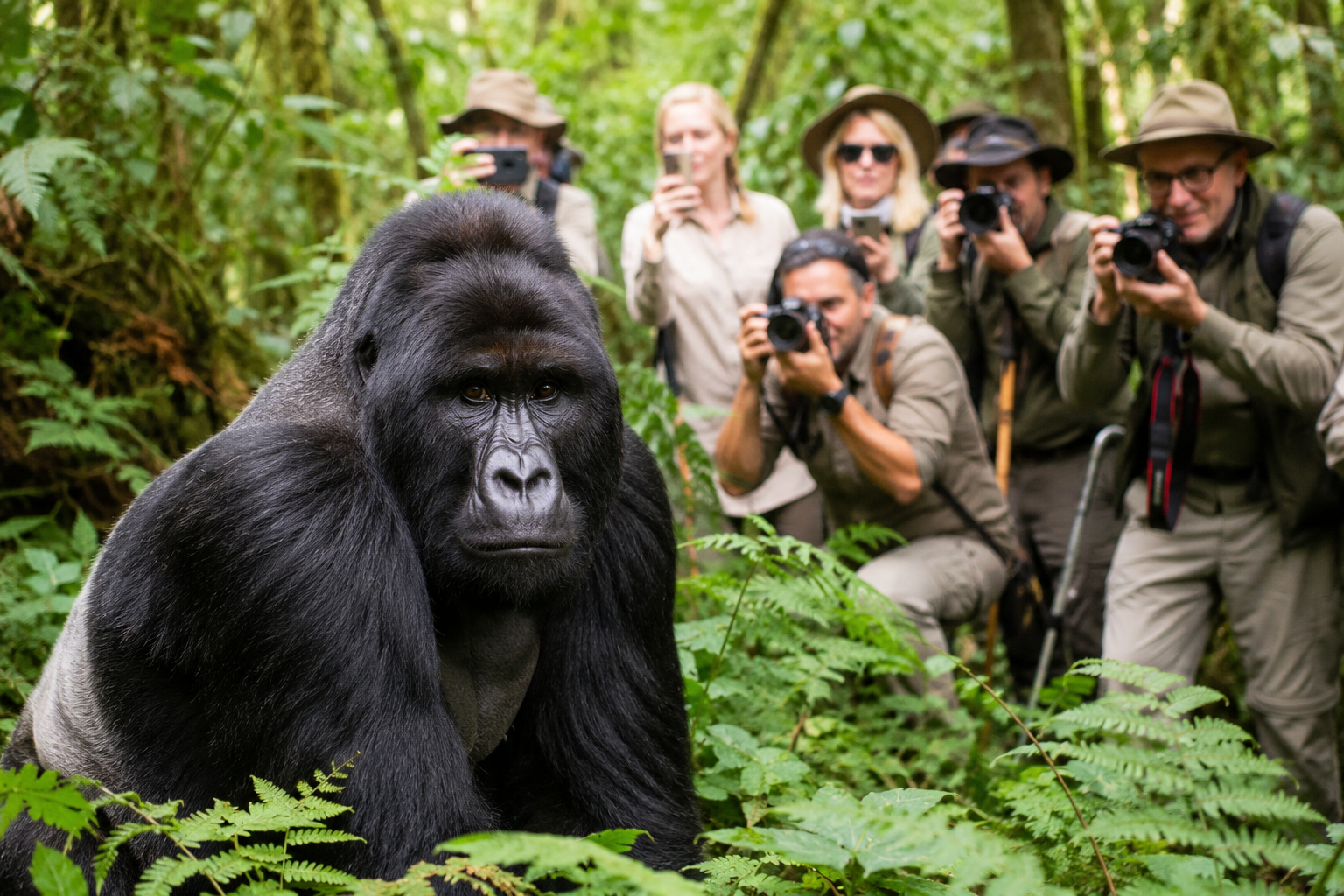
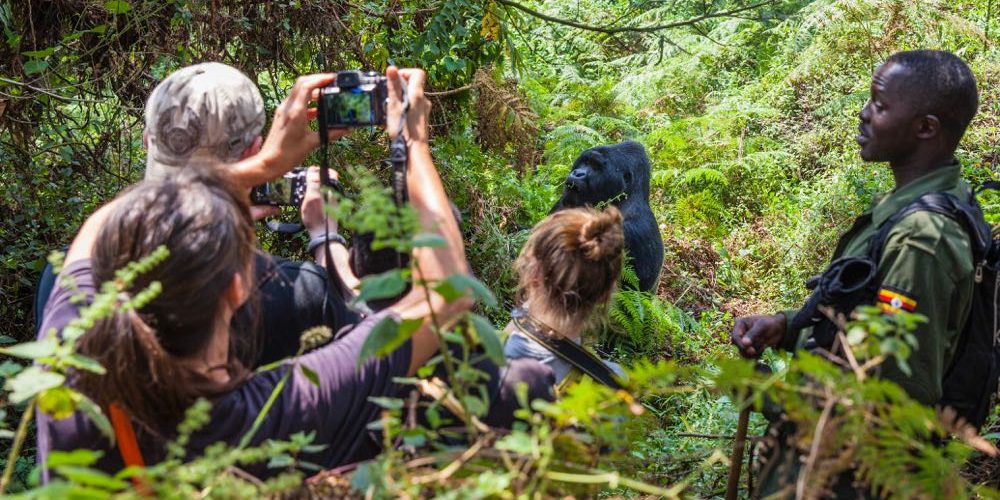
Uganda is world famous for mountain gorilla photography. In Bwindi Impenetrable National Park and Mgahinga Gorilla National Park, photographers can encounter habituated gorilla families in dense, atmospheric rainforest.
The low light, mist, vegetation, and close viewing distance create powerful opportunities for emotional wildlife portraits.
You can also photograph:
-
Chimpanzees in Kibale Forest National Park
-
Golden monkeys in Mgahinga
-
Black-and-white colobus monkeys
-
Red-tailed monkeys
-
L’Hoest’s monkeys
-
Baboons and vervet monkeys
2. Classic African wildlife
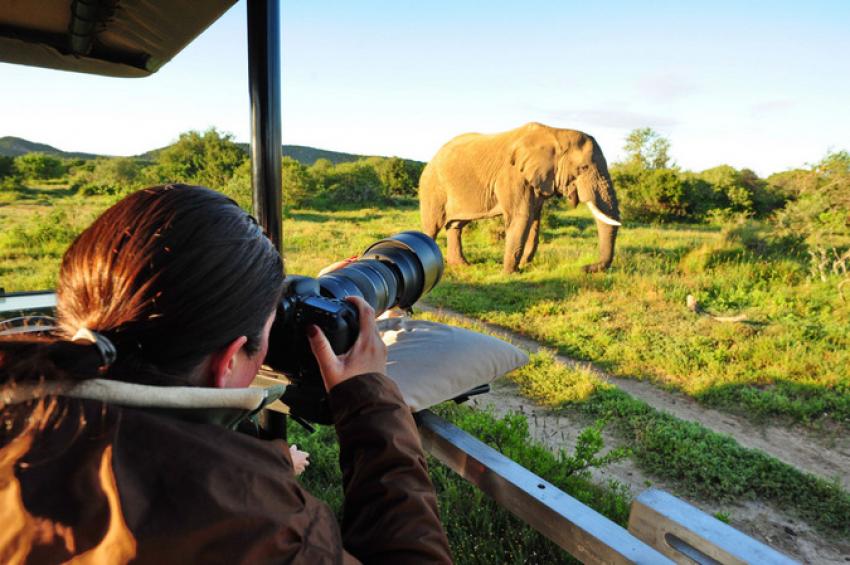
For savanna photography, Uganda offers elephants, buffalo, giraffes, zebras, Uganda kobs, lions, leopards, hippos, crocodiles, and antelope species.
Queen Elizabeth National Park is particularly varied, with open plains, crater lakes, wetlands, woodland, and riverine habitats.
Murchison Falls National Park adds dramatic Nile River scenery, large elephant herds, giraffes, buffalo, and boat-based wildlife photography.
3. Outstanding bird photography
Uganda is a major birding destination, with more than 1,000 recorded bird species. Photographers can target iconic species such as the shoebill stork, African fish eagle, kingfishers, bee-eaters, turacos, hornbills, and numerous wetland birds.
Top bird photography locations include:
-
Mabamba Swamp for shoebills
-
Queen Elizabeth National Park for waterbirds and raptors
-
Murchison Falls National Park for river and savanna species
-
Bwindi for forest birds
-
Lake Bunyonyi for scenic and bird photography
-
Semuliki National Park for rare forest species
4. Diverse landscapes in one trip
Unlike destinations focused mainly on open savanna, Uganda offers:
-
Misty mountain forests
-
Volcanic landscapes
-
Crater lakes
-
The Nile River and Murchison Falls
-
Rolling tea and coffee hills
-
Lake Bunyonyi islands
-
Kidepo’s remote savanna
-
Rwenzori mountain scenery
This variety makes Uganda ideal for photographers who want both wildlife action and environmental storytelling.
Best Photography Destinations in Uganda
1. Bwindi Impenetrable National Park
Bwindi is Uganda’s premier destination for gorilla photography. The forest is dense, humid, and often dark, but that atmosphere is part of what makes gorilla images so compelling.
Photographic opportunities include:
-
Mountain gorillas feeding, resting, grooming, and interacting
-
Silverbacks in low forest light
-
Mother-and-infant gorilla moments
-
Forest textures, vines, moss, and mist
-
Porters, guides, and trekking scenes
-
Local community and coffee-farm photography
Photography tips for Bwindi:
-
Use a fast lens or a camera that performs well in low light.
-
Carry a compact kit because forest terrain can be challenging.
-
Avoid flash photography.
-
Use higher ISO settings when necessary.
-
Focus on eyes and expressions rather than trying to capture every movement.
-
Respect the one-hour viewing rule and maintain the required distance.
Adventure Uganda Safaris can arrange gorilla permits, recommend the best sector for your fitness level, and coordinate accommodation near your trekking trailhead.
2. Mgahinga Gorilla National Park
Mgahinga is excellent for photographers seeking gorillas, golden monkeys, and volcanic scenery. The park sits on the slopes of the Virunga Mountains and borders Rwanda and the Democratic Republic of Congo.
Photographic subjects include:
-
Mountain gorillas
-
Golden monkeys
-
Bamboo forest
-
Volcano landscapes
-
Batwa cultural experiences
-
Terraced hills and rural life
Mgahinga is less crowded than Bwindi, which can be appealing for photographers who prefer a quieter experience.
3. Queen Elizabeth National Park
Queen Elizabeth National Park is one of Uganda’s most versatile photography destinations. It combines savanna, wetlands, crater lakes, forests, and the Kazinga Channel.
Best photographic opportunities:
-
Elephants and buffalo on open plains
-
Tree-climbing lions in the Ishasha sector
-
Hippos, crocodiles, and waterbirds on the Kazinga Channel
-
Uganda kobs, warthogs, and antelope
-
Crater lake landscapes
-
Sunrise and sunset game drives
A boat cruise on the Kazinga Channel is especially productive for wildlife photography because animals gather along the shoreline.
4. Murchison Falls National Park
Murchison Falls is ideal for photographers who want dramatic landscapes and classic safari wildlife. The park is named after the powerful waterfall where the Nile forces through a narrow gorge.
Photographic highlights:
-
Murchison Falls and the Nile River
-
Giraffes, elephants, buffalo, and hartebeests
-
Lions and leopards, though sightings are never guaranteed
-
Hippos and crocodiles during boat cruises
-
Riverbank birdlife
-
Golden-hour savanna landscapes
For the best variety, combine early-morning game drives with an afternoon boat cruise toward the base of the falls.
5. Kidepo Valley National Park
Kidepo Valley National Park is Uganda’s most remote and dramatic savanna park. It is ideal for photographers seeking wide landscapes, golden light, and a sense of wilderness.
Photographic opportunities include:
-
Lions, cheetahs, elephants, buffalo, and giraffes
-
Vast open plains
-
Mountain backdrops
-
Dry riverbeds
-
Karamojong cultural photography
-
Spectacular sunsets
Kidepo is particularly rewarding for wide-angle landscape photography and low-light wildlife scenes.
6. Lake Bunyonyi and southwestern Uganda
Lake Bunyonyi offers a completely different photographic style. Its terraced hills, islands, canoes, and misty mornings are perfect for landscape and cultural photography.
You can photograph:
-
Lake reflections
-
Terraced farmland
-
Traditional canoes
-
Local villages
-
Birdlife
-
Sunrise and sunset scenes
This destination works well as a relaxing addition after gorilla trekking in Bwindi or Mgahinga.
7. Mabamba Swamp
Mabamba Swamp, near Entebbe, is one of the best places in Uganda to photograph the shoebill stork.
A canoe-based excursion allows photographers to approach wetland habitats quietly and capture birds, papyrus scenery, and local fishing life.
It is an excellent first or final activity for travelers arriving through Entebbe International Airport.
Best Time for a Photography Safari in Uganda
Uganda can be photographed throughout the year, but the dry seasons generally provide easier travel and more reliable wildlife sightings.
Dry seasons
The best periods are:
-
June to September
-
December to February
Advantages:
-
Drier roads and easier park access
-
Better game-viewing conditions
-
More predictable sunrise and sunset shoots
-
Easier gorilla and chimpanzee trekking
-
Clearer skies in many areas
Wet seasons
The wetter periods are:
-
March to May
-
October to November
Advantages:
-
Lush green landscapes
-
Fewer visitors
-
More dramatic skies
-
Excellent birding conditions
-
Strong waterfall and forest photography
Challenges:
-
Muddy trails
-
More difficult driving
-
Rain protection needed for camera gear
-
Possible reduced visibility during treks
For photographers combining gorillas with savanna wildlife, June to September and December to February are usually the most practical choices.
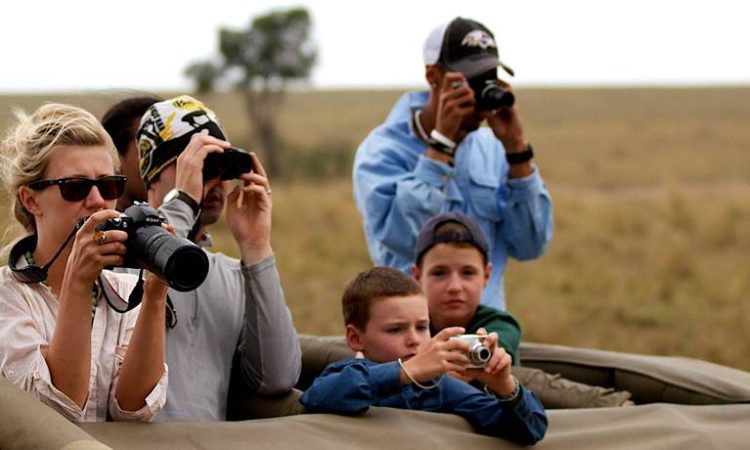
Recommended Photography Safari Itineraries
7-Day Uganda Wildlife Photography Safari
This itinerary is ideal for photographers who want classic savanna wildlife, river scenes, and boat photography.
A. Day 1: Entebbe or Kampala to Murchison Falls
-
Private transfer in a photography-friendly 4×4
-
Scenic stops along the way
-
Overnight near Murchison Falls
B. Day 2: Murchison Falls game drives
-
Early-morning game drive
-
Giraffes, elephants, buffalo, and predators
-
Afternoon at leisure or additional drive
-
Overnight in Murchison Falls
C. Day 3: Nile boat cruise and waterfall photography
-
Morning boat cruise on the Victoria Nile
-
Hippos, crocodiles, elephants, and waterbirds
-
Visit the top of Murchison Falls
-
Overnight in Murchison Falls
D. Day 4: Transfer to Kibale Forest
-
Scenic drive through western Uganda
-
Optional tea plantation or crater lake stop
-
Overnight near Kibale
E. Day 5: Chimpanzee trekking
-
Chimpanzee tracking in Kibale Forest
-
Forest and primate photography
-
Optional Bigodi Wetland walk
-
Overnight near Kibale
F. Day 6: Queen Elizabeth National Park
-
Game drive in Queen Elizabeth
-
Kazinga Channel boat cruise
-
Wildlife and bird photography
-
Overnight in Queen Elizabeth
G. Day 7: Return to Entebbe or Kampala
-
Morning game drive or scenic stop
-
Transfer to Entebbe or Kampala
-
Departure or overnight stay
Best for: Wildlife photographers, first-time safari visitors, and travelers who want a balanced Uganda photo safari.
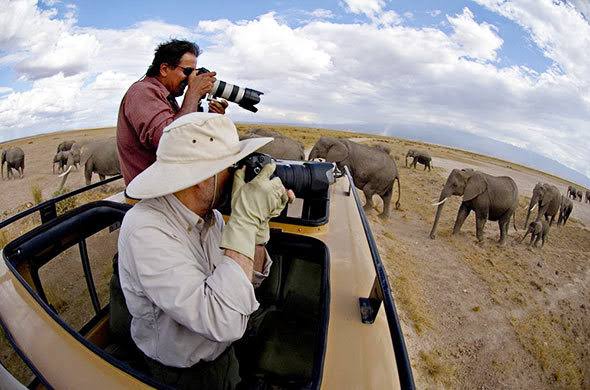
10-Day Gorilla and Wildlife Photography Safari
This is one of the best all-round Uganda photography safaris because it combines primates, savanna wildlife, landscapes, and boat photography.
A. Day 1: Arrival in Entebbe
-
Airport pickup
-
Optional Mabamba Swamp shoebill excursion
-
Overnight in Entebbe
B. Day 2–3: Bwindi Impenetrable National Park
-
Transfer to Bwindi
-
Gorilla trekking and forest photography
-
Optional community or Batwa experience
-
Overnight near Bwindi
C. Day 4–5: Queen Elizabeth National Park
-
Game drives in Kasenyi and Ishasha
-
Kazinga Channel boat cruise
-
Tree-climbing lions and bird photography
-
Overnight in Queen Elizabeth
D. Day 6–7: Kibale Forest National Park
-
Chimpanzee trekking
-
Forest birding and primate photography
-
Bigodi Wetland Sanctuary
-
Overnight near Kibale
E. Day 8–9: Murchison Falls National Park
-
Game drives and Nile boat cruise
-
Murchison Falls landscape photography
-
Giraffes, elephants, hippos, and crocodiles
-
Overnight in Murchison Falls
F. Day 10: Return to Entebbe
-
Scenic drive back to Entebbe
-
Airport drop-off or overnight stay
Best for: Photographers who want Uganda’s complete photographic range, from gorillas to the Nile.
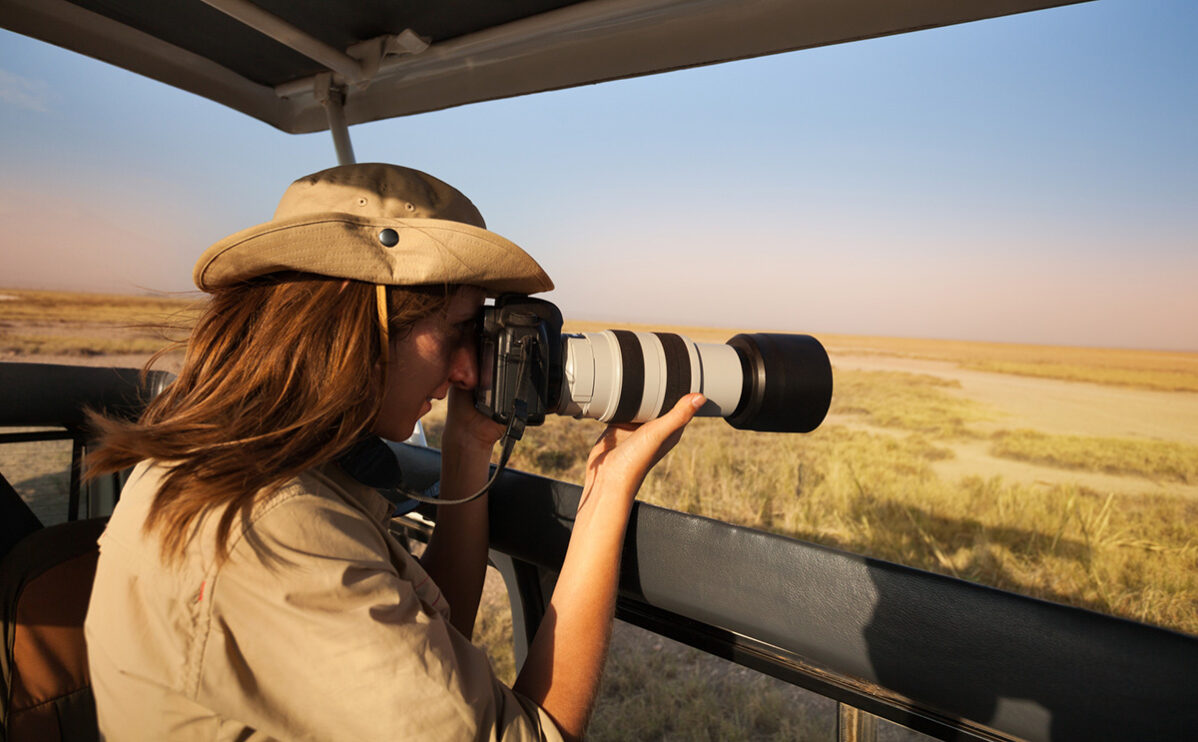
12–14 Day Ultimate Uganda Photography Safari
For serious photographers, a longer itinerary allows more time for light, weather, and repeated game drives.
Possible destinations:
-
Mabamba Swamp
-
Bwindi Impenetrable National Park
-
Mgahinga Gorilla National Park
-
Lake Bunyonyi
-
Queen Elizabeth National Park
-
Kibale Forest National Park
-
Murchison Falls National Park
-
Kidepo Valley National Park
This itinerary can include:
-
Two gorilla treks
-
Chimpanzee trekking or habituation experience
-
Multiple game drives in Queen Elizabeth and Murchison Falls
-
Kazinga Channel and Nile boat cruises
-
Kidepo savanna and cultural photography
-
Landscape shoots at Lake Bunyonyi and Murchison Falls
Best for: Professional photographers, content creators, and travelers seeking a comprehensive Uganda photography portfolio.
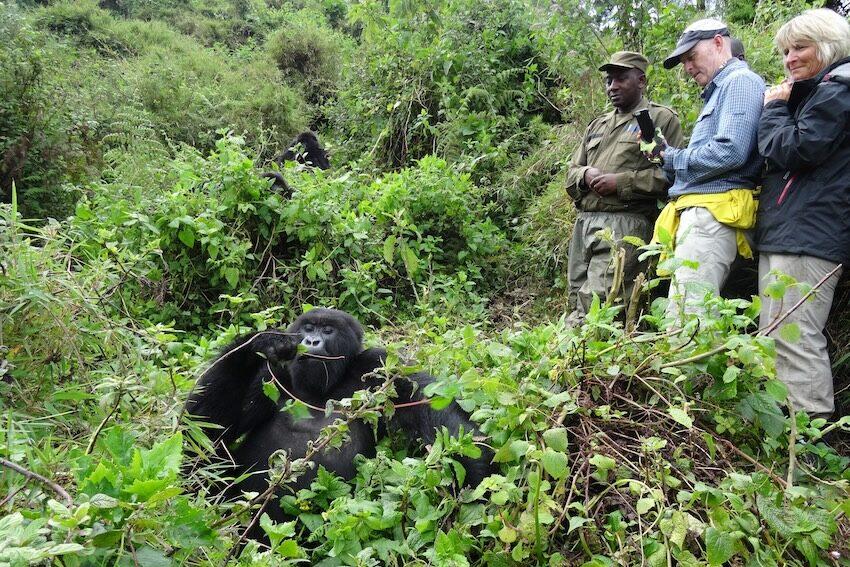
What to Pack for a Uganda Photography Safari
Your packing list should balance image quality, comfort, and practicality.
Camera gear
-
Mirrorless or DSLR camera body
-
Second camera body, if possible
-
Wide-angle lens for landscapes
-
Telephoto lens for wildlife, ideally 100–400mm or 200–500mm
-
Fast prime lens for low-light forest photography
-
Macro lens for insects, plants, and details
-
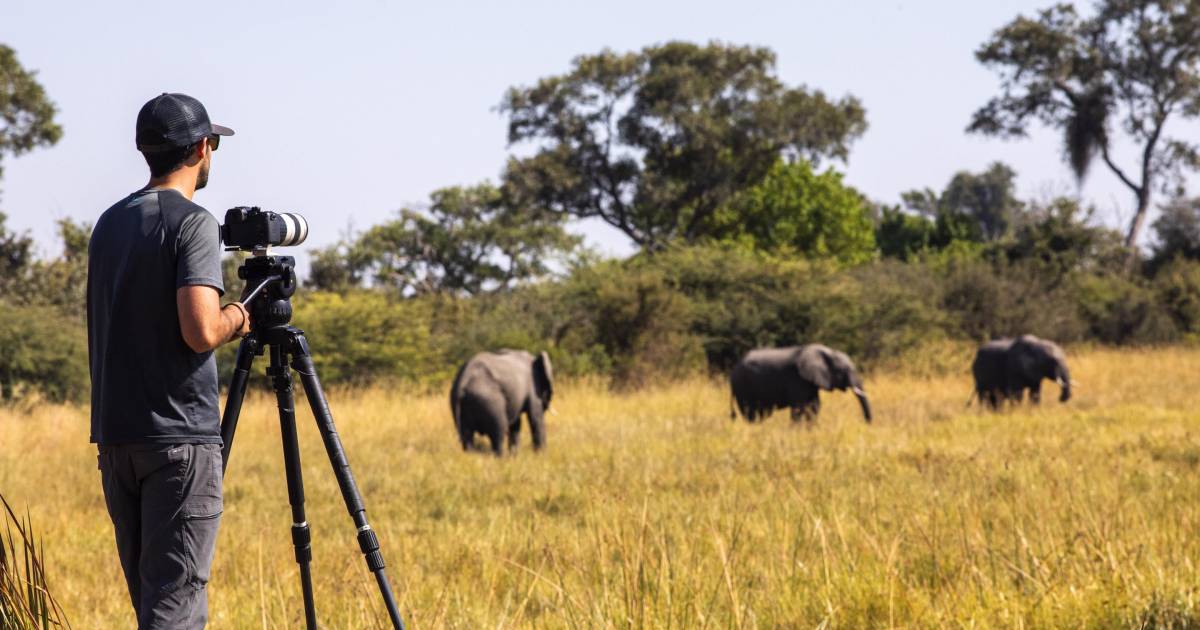
Sturdy tripod or monopod
-
Extra batteries and memory cards
-
Battery charger and travel adapters
-
Lens cloths and cleaning kit
-
Rain covers and dry bags
-
Drone, only where permitted and legally allowed
For gorilla trekking, keep your kit manageable because the terrain can be physically demanding.
Clothing and accessories
-
Neutral, earth-toned clothing
-
Long-sleeved shirts and trousers
-
Warm layers for early mornings
-
Waterproof jacket
-
Sturdy hiking boots
-
Wide-brimmed hat
-
Sunglasses
-
Insect repellent
-
Sunscreen
-
Personal medication
-
Daypack
-
Water bottle
Avoid white clothing and bright patterns, especially on walking safaris or gorilla treks. Earth tones such as khaki, olive, brown, and tan are more suitable for safari environments.
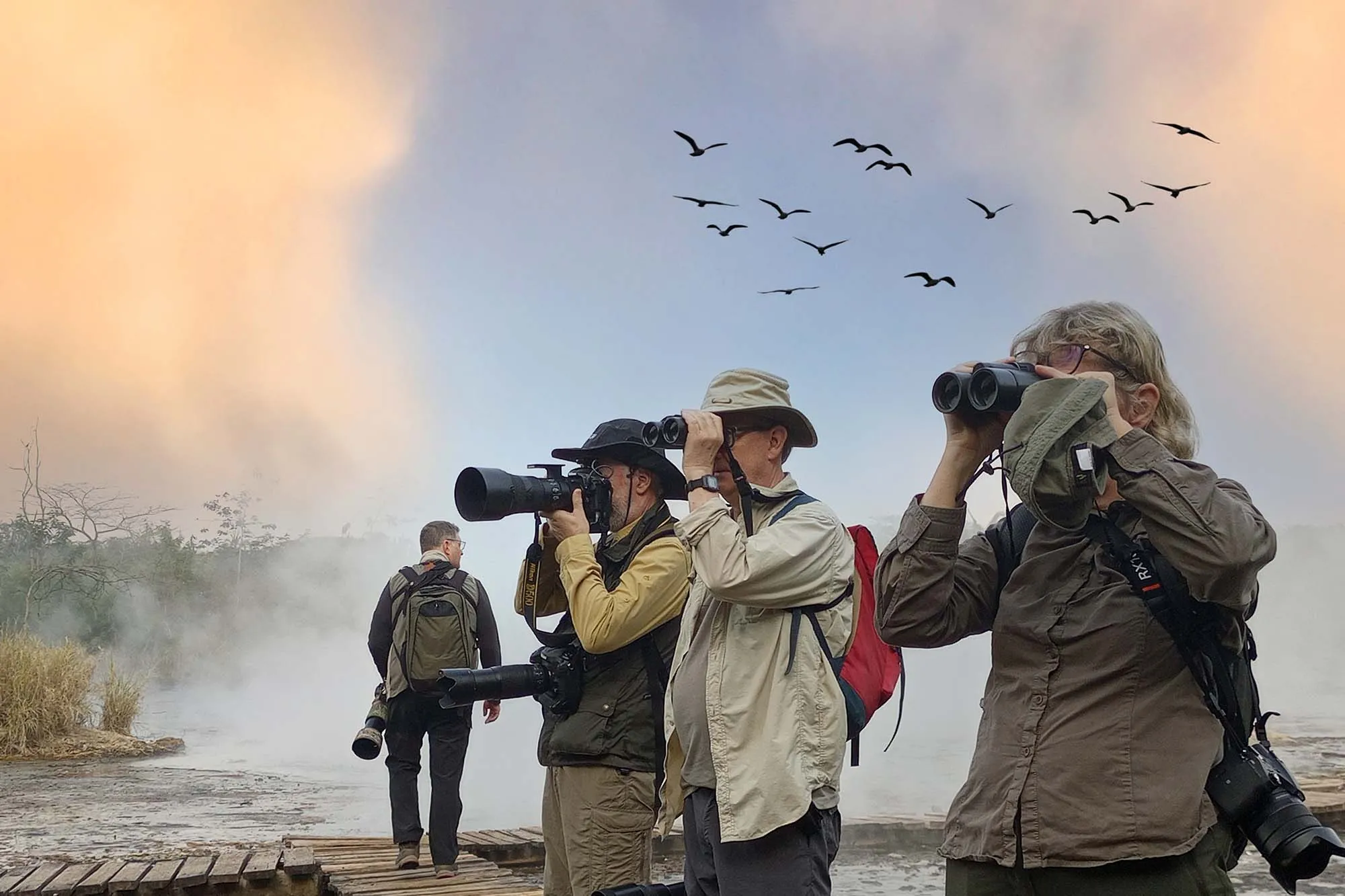
Photography Tips for Uganda Safaris
1. Shoot during golden hours
Early morning and late afternoon provide softer light, warmer tones, and more active wildlife. Plan game drives around sunrise and sunset whenever possible.
2. Use a private vehicle
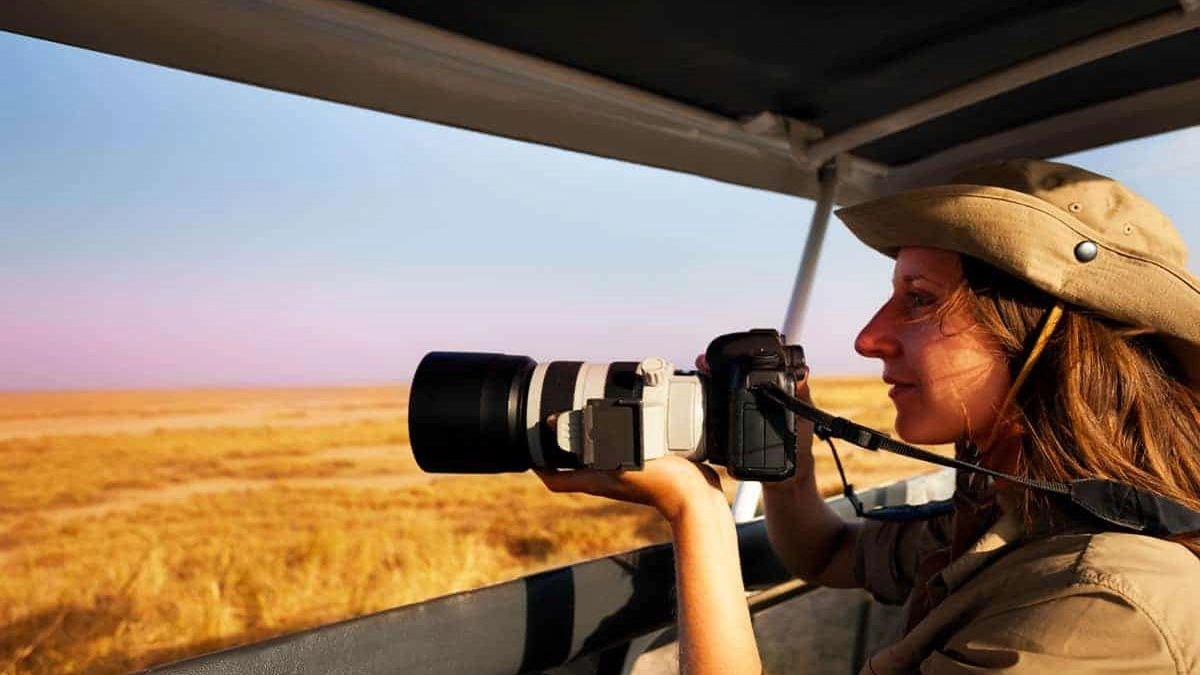
A private 4×4 gives you more control over positioning, timing, and stops. Adventure Uganda Safaris can arrange vehicles with open roofs or pop-up roofs for better sightlines and photography.
3. Prioritize eye-level images
For wildlife, getting as close to eye level as safely possible creates stronger, more intimate images. Use vehicle windows, roof hatches, or low angles where appropriate.
4. Prepare for forest light
Bwindi and Kibale are darker than open savanna. Use higher ISO settings, fast shutter speeds, and lenses with wide apertures when photographing primates.
5. Tell a story
Do not focus only on close-ups. Capture wider environmental images, animal behavior, landscapes, people, and details to create a complete visual narrative.
6. Respect wildlife
Never pressure animals for a better shot. Follow your guide’s instructions, keep a safe distance, and avoid flash photography near gorillas and other primates.
Cost of a Photography Safari in Uganda
The cost depends on the number of days, permits, accommodation level, vehicle type, and whether you travel privately or in a small group.
Typical cost ranges
-
Budget photography safari: approximately USD 250–350 per person per day
-
Mid-range photography safari: approximately USD 450–700 per person per day
-
Luxury photography safari: approximately USD 1,000–2,500+ per person per day
These estimates are broadly consistent with current Uganda safari cost ranges, though exact prices vary by season, lodge category, group size, and inclusions.
Major cost factors
-
Gorilla permits, around USD 800 per person in Uganda
-
Chimpanzee permits
-
Private 4×4 vehicle and driver-guide
-
Park entry fees
-
Accommodation level
-
Boat cruises and additional activities
-
Domestic flights, if included
-
Season and group size
What is usually included
-
Private vehicle and guide
-
Park fees
-
Accommodation
-
Meals, depending on package
-
Gorilla or chimpanzee permits, where specified
-
Boat cruises and listed activities
What is usually excluded
-
International flights
-
Visa fees
-
Travel insurance
-
Tips
-
Personal expenses
-
Optional activities not listed in the itinerary
Contact Adventure Uganda Safaris for a custom photography safari quote based on your preferred destinations, dates, and budget.
Why Book with Adventure Uganda Safaris?
Adventure Uganda Safaris specializes in tailor-made Uganda safaris designed around your photographic goals.
We provide:
-
Custom Uganda photography safari itineraries
-
Gorilla and chimpanzee permit arrangements
-
Private 4×4 vehicles suited for photography
-
Professional driver-guides with wildlife knowledge
-
Accommodation near key photographic locations
-
Boat cruise and cultural activity bookings
-
Flexible schedules for golden-hour photography
-
Support for solo photographers, couples, groups, and media teams
Our team can help you choose the right parks, permits, lodges, and driving routes to maximize your time behind the camera.
Frequently Asked Questions
Is Uganda good for wildlife photography?
Yes. Uganda is excellent for wildlife photography because it offers mountain gorillas, chimpanzees, golden monkeys, elephants, lions, giraffes, hippos, crocodiles, and exceptional birdlife.
Can I photograph gorillas in Uganda?
Yes. You can photograph habituated mountain gorillas in Bwindi Impenetrable National Park and Mgahinga Gorilla National Park with a valid gorilla permit. Flash photography is not allowed.
What lens is best for a Uganda photography safari?
A telephoto zoom such as 100–400mm or 200–500mm is ideal for wildlife. A wide-angle lens is useful for landscapes, while a fast lens helps in dark forests such as Bwindi and Kibale.
When is the best time for a photography safari in Uganda?
The best time is generally during the dry seasons, June to September and December to February, when roads and trails are easier and wildlife viewing is more reliable.
Can I combine gorilla trekking with a photography safari?
Yes. Many photography safaris combine gorilla trekking in Bwindi or Mgahinga with chimpanzee trekking, game drives, boat cruises, and landscape photography.
Do I need a professional camera?
No. Modern mirrorless cameras, DSLRs, and even high-end smartphones can produce excellent images. However, a telephoto lens and weather protection will improve your results significantly.
Ready to Plan Your Uganda Photography Safari?
A photography safari in Uganda gives you the chance to create a powerful portfolio of gorillas, chimpanzees, savanna wildlife, birds, rivers, waterfalls, and unforgettable landscapes.
Whether you want a short gorilla-focused trip or a two-week photographic expedition, Adventure Uganda Safaris can design the perfect itinerary.
Message Adventure Uganda Safaris on WhatsApp or submit an inquiry today for a free, no-obligation custom photography safari quote.