Bird Watching in Mabamba Wetland
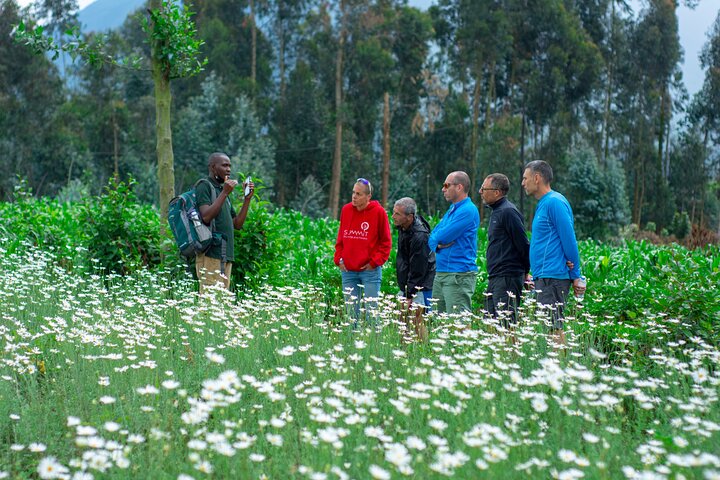
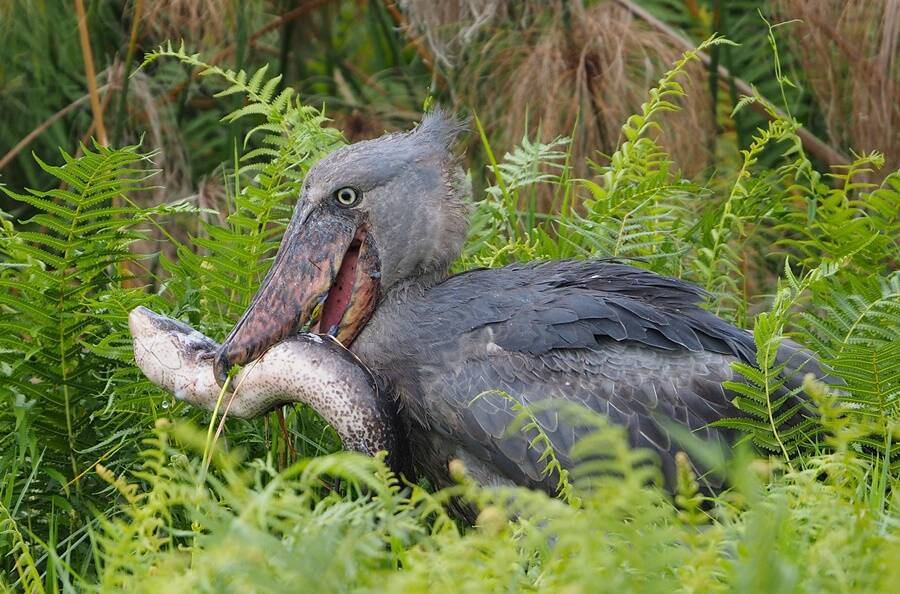
Mabamba wetland/swamp is amazingly one of the premier spots for bird-watching in Uganda. Bird-watching in the Mabamba wetland offers a great opportunity for enthusiastic birders to spot a range of bird species, especially aquatic species. Mabamba is a Ramsar site and an Important Bird Area often explored for shoebill watching. Beyond shoebill bird-watching, Mabamba swamp holds many other species worth spotting on your Uganda birding tour.
Where is Mabamba Wetland
Mabamba wetland lies along the Northern shores of Lake Victoria, the world’s 2nd biggest freshwater lake. The scenic Mabamba swamp is 4.8 km away from Entebbe Golf Club, 12 km away from Entebbe City, and from Bunga Beach, about 600m. Up to 300 species of birds call the Mabamba wetland a home and include several globally threatened species, 7 of these are of Uganda’s 12 Lake Victoria biome-restricted species. The wetland also protects many wetland bird species. A huge profusion of Palearctic migrants confine here, especially from October to March.
Mabamba wetland is a compact wetland measuring about 165 sq. km and is dominated by papyrus reed, water lilies, marshes, plus several water channels connecting to various sections. Mabamba is accessible and is a favorite birding site for most enthusiastic birders on Uganda tours.
The popular birds in Mabamba
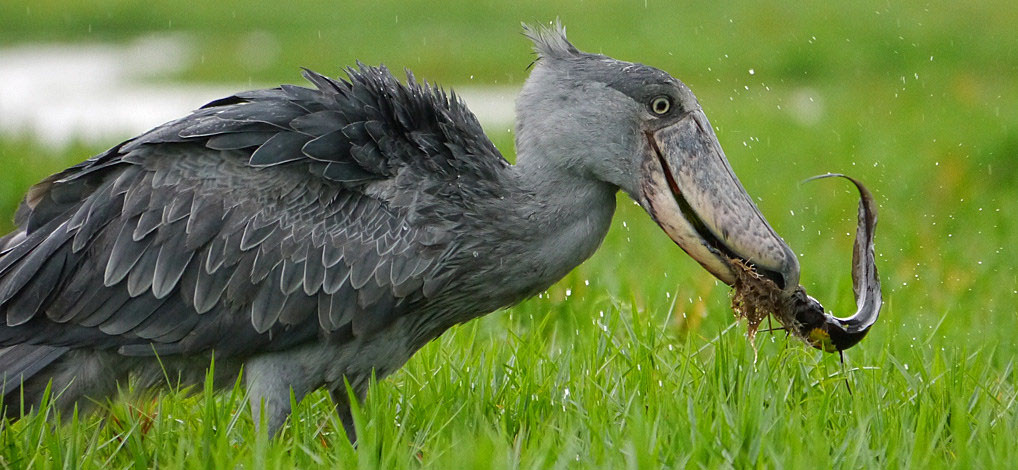
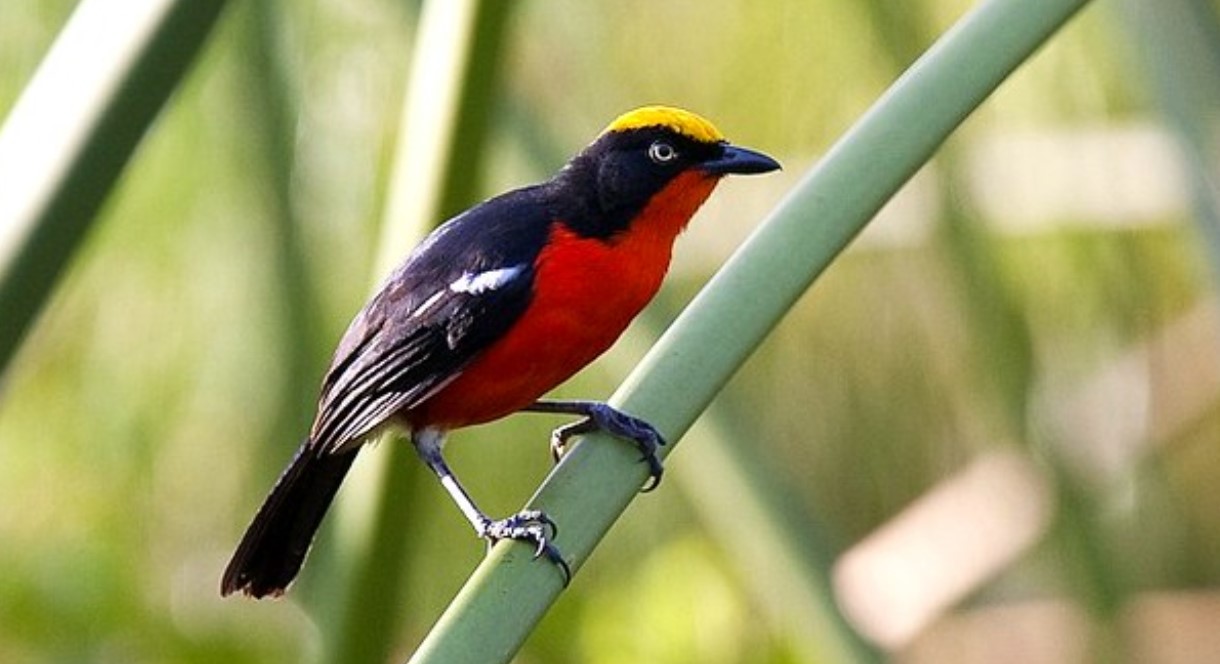 While on bird-watching in Mabamba wetland, expect to find a range of birds. The popular bird species to identify on bird-watching tours in Mabamba include the elusive shoebill storks, black crave, hadada ibis, double-toothed barbets, African jacanas, pied kingfishers, yellow-backed weavers, green cuckoos, red-eyed dove, shining blue kingfishers, cattle egrets, purple heron, malachite kingfishers, great egrets, white-faced whistling ducks, western osprey, black-throated cuckoos, common squacco heron, goliath heron, grey-crowned cranes, white-bellied kingfishers, and papyrus gonoleks.
Additional birds in Mabamba include blue-headed coucals, winding cisticola, marsh harrier, great cormorant, swamp flycatchers, woodland kingfishers, pied wagtail, little stilt, yellow-billed kite, wood sandpipers, lesser jacana, ashy flycatchers, Angola swallow, common bulbul, Fork-tailed drongo, Northern brown-throated weaver, and more.
When to go for bird-watching in Mabamba Wetland
Mabamba wetland is open to birders all year round. But the favorite months of the year to experience the best bird-watching tour here are around October, November, March, April, and May. These are the months of the year when birds get a chance to observe a range of migratory birds and many resident species while they give birth. They mark the wet season of the year in the Mabamba swamp.
The dry season starts from June to September and from December to February. These are the peak travel months when visitors enjoy birding without any disruptions. When considering a birding excursion in the Mabamba wetland, expect to start early morning. The morning hours are the best for Mabamba wetland bird-watching excursions because a variety of birds come out to feed along the territories and in the open papyrus areas.
Bird-watching options in Mabamba Wetland
Bird-watching along Mabamba landing site
 This is an area with tall trees, shrubs, and thickets. It holds a diversity of birds and birders are left mesmerized by great sightings. Using a boat, visitors can navigate through the habitats and explore the site’s diverse birds. The common sightings here include superb sunbirds, red-chested sunbirds, swamp flycatchers, grey-capped warblers, village weaver birds, yellow-breasted apalis, yellow-throated greenbul, lesser striped swallow, splendid starling, weyn’s weaver birds, and others.
Bird-watching in Nkima Forest:
Located about 2 km off from the Mabamba landing site, Nkima Forest is a compact forest and is a favorite birding site. The Nkima Forest holds a range of forest species of birds. The common birds to find in the Nkima Forest section include the tambourine dove, western nicator, red-capped robin chat, green sunbirds, weyn’s weavers, grey-headed negrofinch, bee-eaters, scaly francolin, and white-tailed fluff-tail.
Bird-watching along the bushland:
Visitors can also navigate through the cultivations and bushlands with a higher chance of finding a variety of birds. A guided walk around this area gets you amazing sightings of birds such as grassland pipit, rufous-napped lark, red-bellied paradise flycatchers, sunbirds, lizard buzzards, sooty chat, and scrub-robins, and more.
What to take for a bird-watching tour in the Mabamba Wetland
Essentials to consider for your Mabamba wetland birding tour include a good camera, a pair of binoculars, long-sleeved shirts, a sweater, a guided book, insect repellents, a daypack, a safari hat, and others.
Other things to do in and around Mabamba wetland.
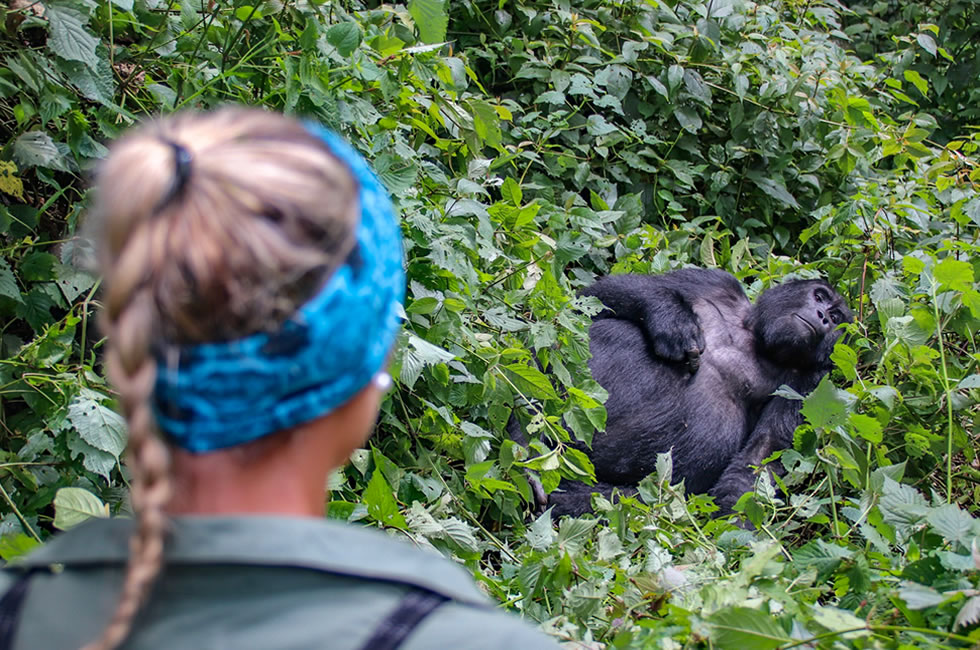
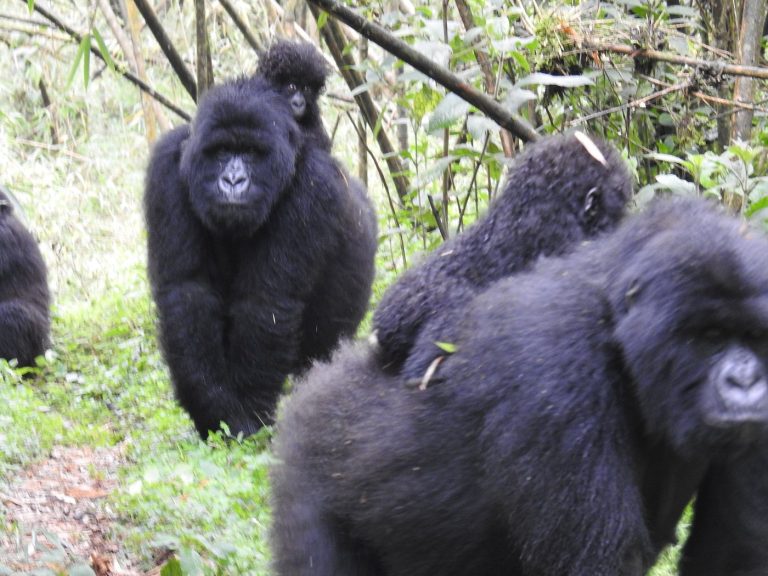
Besides birding in Mabamba, you can also explore Entebbe City. At the Entebbe, key areas of interest include the Entebbe zoo, reptile village, Ssese Islands, and Ngamba Island Chimp Sanctuary. Beyond Entebbe, there is a chance to combine your birding tours with primate adventures like gorilla trekking in Mgahinga National Park and Bwindi Impenetrable National Park.
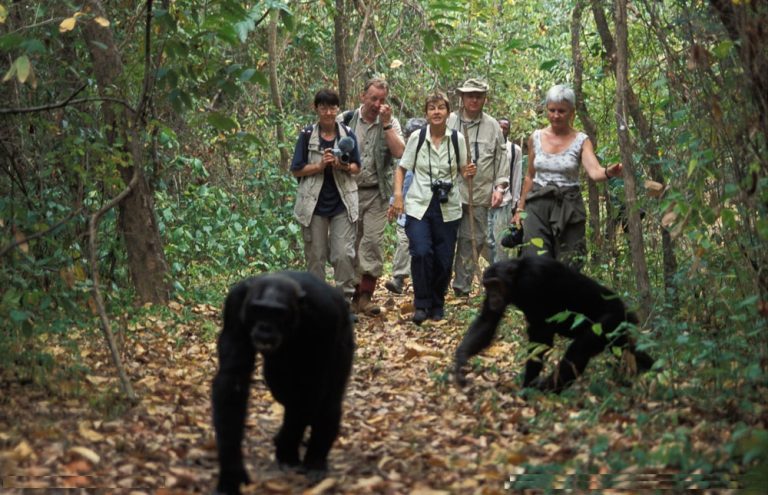
Chimpanzee tracking or chimp habituation experience in Kibale National Park. Visitors can also explore the stunning wildlife safari parks including Murchison Falls National Park, Lake Mburo National Park, Queen Elizabeth National Park, and Kidepo Valley National Park.
Where to stay near Mabamba Swamp
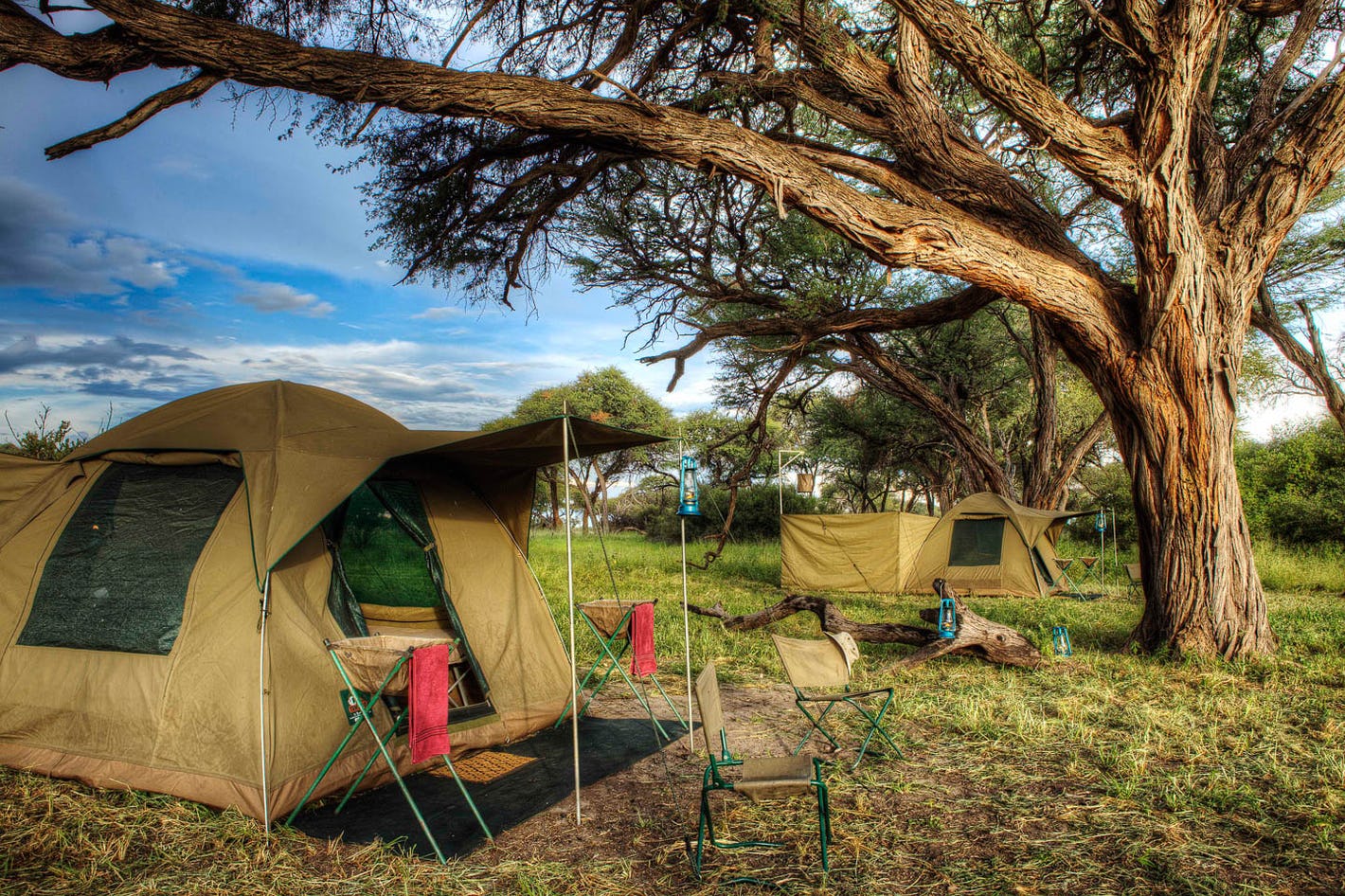
Accommodation options available for visitors overnight stay in Mabamba wetland include Nkima Forest Lodge and several hotels in Entebbe. Nkima Forest Lodge is set near Mabamba and is comprised of 8 cottages. The other hotels around Mabamba include Mabamba Eco Lodge, Victoria View Lodge, and more.
Getting to Mabamba Wetland for bird-watching
Mabamba Wetland is 30 km away from Entebbe and is easier to access from Entebbe International Airport. Visitors can reach Mabamba using a boat and you can plan your excursion through a reliable tour operator.