Walking Safaris in Rwanda
Walking Safaris in Rwanda: Explore the Wilderness on Foot 2026 Guide
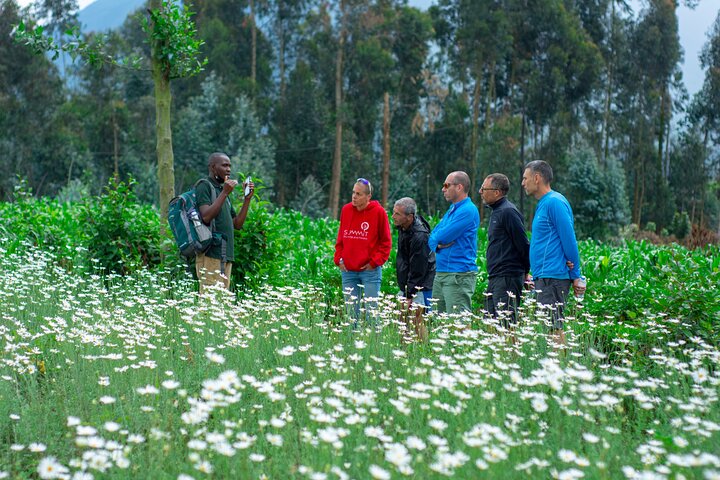
Walking safaris in Rwanda offer nature lovers an unforgettable opportunity to experience the country’s remarkable wilderness up close.
Instead of viewing wildlife only from a 4×4 safari vehicle, travelers explore Rwanda’s savannas, forests, wetlands, and rolling hills on foot with the guidance of an experienced ranger or local guide.
From the open plains of Akagera National Park to the ancient rainforest of Nyungwe National Park, Rwanda walking safaris reveal a more intimate side of the country’s natural landscapes.
Visitors can observe animal tracks, identify bird calls, learn about medicinal plants, and discover areas that are often inaccessible to safari vehicles.
Most guided nature walks last approximately two to three hours or longer, depending on the destination, trail, weather conditions, and the interests of the participants.
Whether you are interested in wildlife, primates, birdwatching, forests, waterfalls, or cultural experiences, a walking safari in Rwanda offers an enriching way to connect with nature.
Why Choose a Walking Safari in Rwanda?
A walking safari provides a slower and more immersive alternative to a traditional game drive.
While vehicles are ideal for covering long distances and searching for large wildlife, walking allows travelers to focus on the smaller details that are easily missed from a vehicle.
During a guided walking safari in Rwanda, you may learn how to:
-
Read animal tracks and identify signs of wildlife activity.
-
Recognize bird calls and identify different bird species.
-
Discover indigenous trees, flowers, and medicinal plants.
-
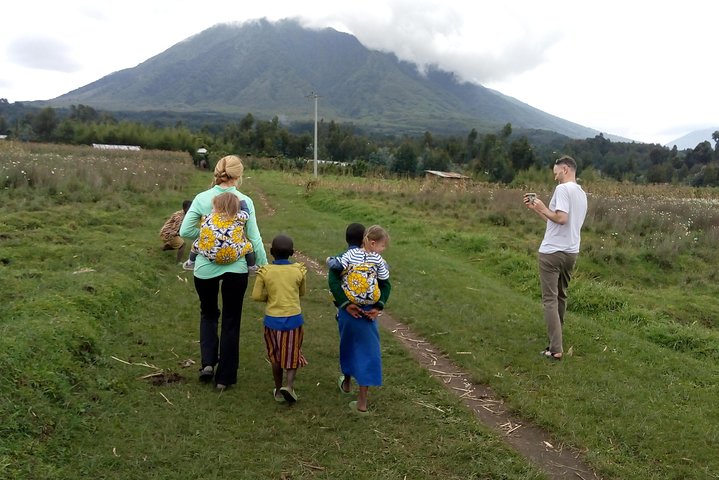
Understand the relationship between local communities and protected areas.
-
Observe insects, butterflies, reptiles, and small mammals.
-
Explore narrow trails and remote corners away from the main game tracks.
-
Appreciate Rwanda’s diverse ecosystems at a relaxed pace.
Walking safaris are usually led by trained guides who understand the terrain, wildlife behavior, local history, and conservation practices.
Their knowledge makes the experience safer, more educational, and more rewarding.
Best Places for Walking Safaris in Rwanda
The leading destinations for walking safaris in Rwanda include:
-
Akagera National Park.
-
Nyungwe National Park.
-
Volcanoes National Park.
-
Gishwati-Mukura National Park.
Each destination offers a different walking experience. Akagera is ideal for savanna walks and wildlife viewing, Nyungwe is known for rainforest trails and primates.
Volcanoes offers forest walks and mountain landscapes, while Gishwati-Mukura provides peaceful exploration of a rich montane forest ecosystem.
Walking Safaris in Akagera National Park
Akagera National Park is one of the best places to experience a guided walking safari in Rwanda. Located in eastern Rwanda, the park is characterized by rolling savanna plains, woodlands, lakes, wetlands, and scenic valleys.
Akagera is widely known for its diverse wildlife and is the only destination in Rwanda where visitors can look for the Big Five.
Although game drives remain one of the most popular ways to explore the park, guided walking experiences provide a closer look at the smaller animals, plants, landscapes, and ecological features that make Akagera special.
Highlights of walking safaris in Akagera
A guided nature walk in Akagera may take you through:
-
Open savanna grasslands.
-
Wooded areas and woodland edges.
-
Wetland habitats.
-
Scenic areas near Lake Ihema.
-
Wildlife-rich sections of the park.
-
Natural trails away from the main vehicle routes.
During the walk, visitors may encounter or observe signs of bushbucks, warthogs, antelopes, birds, butterflies, reptiles, and other small mammals.
Your guide may also explain how wildlife uses the different habitats and how seasonal changes affect the park.
The area around Lake Ihema offers particularly scenic views.
Depending on the location and conditions, visitors may enjoy views of wetlands, water-associated bird species, and freely roaming wildlife.
Walking near the lake provides an excellent opportunity to combine nature observation with landscape photography.
A Walking excursions in Akagera can also be combined with other activities, including:
-
Traditional game drives.
-
Boat cruises on Lake Ihema.
-
Birdwatching.
-
Fishing experiences.
-
Community and cultural visits.
Walking Safaris in Nyungwe National Park
Nyungwe National Park is one of Rwanda’s most important rainforest destinations. The park is dominated by ancient tropical forest and offers a variety of hiking, trekking, birdwatching, and primate experiences.
A Nyungwe Forest walking safari takes visitors along forest trails surrounded by towering trees, dense vegetation, moss-covered landscapes, streams, and remarkable mountain scenery.
The sounds of birds, insects, and monkeys create an atmosphere that is very different from the open savannas of Akagera.
Popular Nyungwe walking trails
Some of the notable trails and routes in Nyungwe include:
-
Isumo Waterfall Trail.
-
Congo Nile Trail.
-
Igishigishigi Trail.
-
Ngabwe Trail.
-
Buhoro Trail.
-
Rukuzi Trail.
-
Bigugu Trail.
-
Irebero Trail.
Each route offers a different combination of forest scenery, wildlife, birdlife, elevation, and physical challenge. Some trails focus on waterfalls and viewpoints, while others provide opportunities to search for primates and forest birds.
Primates found in Nyungwe
Nyungwe is famous for its rich primate diversity. During guided forest walks, visitors may have opportunities to observe several monkey species, including:
-
Red-tailed monkeys.
-
L’Hoest’s monkeys.
-
Olive baboons.
-
Vervet monkeys.
-
Hamlyn’s monkeys.
-
Mona monkeys.
-
Blue monkeys.
Wildlife sightings are never guaranteed because animals move freely through their natural habitat. However, experienced guides understand the forest and can help visitors identify fresh tracks, calls, feeding signs, and movement in the canopy.
Birdwatching in Nyungwe
Nyungwe supports more than 310 bird species, including numerous Albertine Rift endemics.
This makes the destination especially attractive to birdwatchers and nature photographers.
Bird species that visitors may look for during a guided walk include:
-
Albertine owlet.
-
Red-collared babbler.
-
Yellow-eyed black flycatcher.
-
Regal sunbird.
-
Rwenzori turaco.
-
Handsome spurfowl.
-
Red-faced woodland warbler.
-
Other forest and montane bird species.
Because forest birds can be difficult to spot in dense vegetation, binoculars and the assistance of a knowledgeable birding guide are highly recommended.
Walking Experiences in Volcanoes National Park
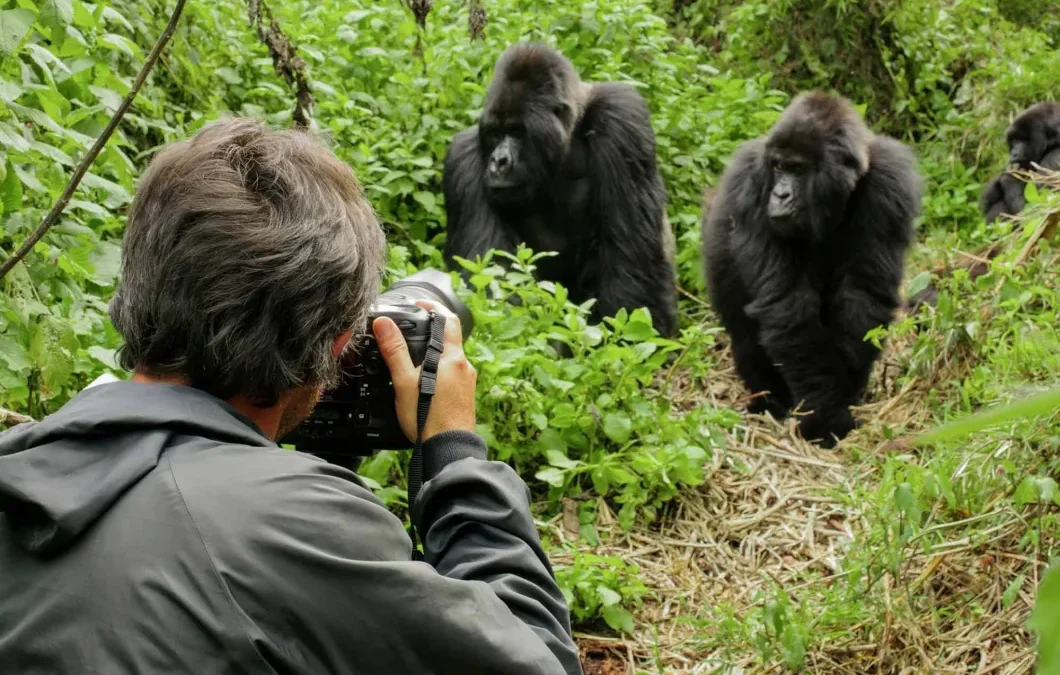
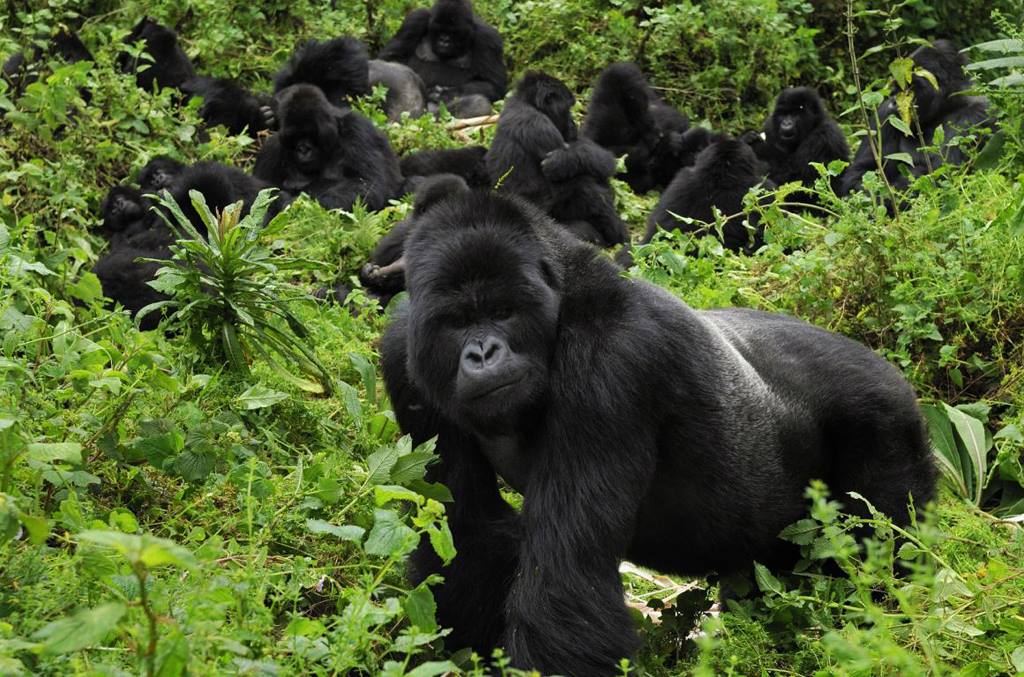
Volcanoes National Park is best known for mountain gorilla trekking, but the destination offers many other walking and hiking experiences.
The park’s volcanic landscapes, bamboo forests, montane vegetation, and dramatic mountain views make it one of Rwanda’s most scenic areas for guided nature walks.
The park covers approximately 160 square kilometers and supports a variety of wildlife and bird species.
Walking opportunities range from shorter forest excursions to more demanding mountain hikes and primate-tracking experiences.
Ngezi Lake Trail
The Ngezi Lake Trail is one of the walking opportunities available in Volcanoes National Park.
The hike generally takes approximately three to four hours, depending on the pace and trail conditions.
The trail provides an opportunity to explore forest habitats and look for birds such as:
-
Grauer’s swamp warbler.
-
Papyrus gonolek.
-
Rwenzori turaco.
-
Other forest and wetland-associated species.
Other walking activities in Volcanoes National Park
Visitors can also consider exploring:
-
Buhanga Sacred Forest.
-
Musanze Caves.
-
Twin Lakes of Burera and Ruhondo.
-
Gorilla trekking routes.
-
Golden monkey tracking trails.
-
Mountain hiking routes.
-
Guided birdwatching excursions.
Wildlife in and around the park may include buffaloes, black-fronted duikers, forest elephants, and a variety of smaller forest animals.
The area also supports more than 200 bird species, making it a rewarding destination for bird lovers.
Some notable birds include Grauer’s rush warbler, Rwenzori turaco, Archer’s ground robin, and collared apalis.
Walking Safaris in Gishwati-Mukura National Park
Gishwati-Mukura National Park is a rewarding destination for travelers who want to explore Rwanda’s forest environment away from the busier tourism routes.
Guided nature walks take visitors through diverse forest habitats filled with primates, butterflies, birds, and a wide range of plant species.
A walking safari in Gishwati-Mukura is generally led by a local expert or trained park guide. The guide can explain the ecological importance of the forest, identify bird and monkey species, and describe the conservation challenges facing the area.
Primates in Gishwati-Mukura
The park and surrounding forest habitats support a variety of primates, including:
-
Olive baboons.
-
Golden monkeys.
-
Chimpanzees.
-
Blue monkeys.
-
L’Hoest’s monkeys.
-
Black-and-white colobus monkeys.
A forest walk may also reveal feeding marks, nests, tracks, vocalizations, and movement in the trees even when animals remain hidden. Patience is essential, especially when searching for chimpanzees and canopy-dwelling monkeys.
Birdwatching in Gishwati-Mukura
Birdwatching is another major attraction. Possible sightings include:
-
Rwenzori batis.
-
Grauer’s swamp warbler.
-
Grey crowned crane.
-
Dusky crimson-wing.
-
Martial eagle.
-
Purple-breasted sunbird.
-
Mountain yellow warbler.
-
Wood hoopoe.
-
Strange weaver.
The combination of forest scenery, birdlife, primates, butterflies, and native plants makes Gishwati-Mukura a suitable destination for travelers seeking a peaceful and educational walking experience.
What to Expect on a Rwanda Walking Safari
A walking safari in Rwanda is a guided, on-foot exploration of a protected area or natural landscape.
Visitors leave the safari vehicle behind and move through the wilderness at a slower pace, allowing them to observe details that are often overlooked during a game drive.
The experience commonly includes:
-
A briefing before the walk begins.
-
Guidance from a trained ranger or local expert.
-
A planned route based on the destination and weather.
-
Wildlife and bird observation.
-
Information about plants, insects, tracks, and ecosystems.
-
Breaks at scenic viewpoints or areas of interest.
-
A return walk to the starting point or designated meeting area.
The goal is not always to find the largest animals. Instead, walking safaris focus on understanding the environment as a whole.
A guide may point out animal footprints, dung, scratches on trees, nests, feeding signs, medicinal plants, or a bird that would otherwise go unnoticed.
Visitors should follow the guide’s instructions at all times, remain together, avoid sudden movements, and keep a respectful distance from wildlife.
Combining Walking Safaris with Other Activities
One of the advantages of traveling in Rwanda is the ability to combine a walking safari with several other activities. The best combination depends on the national park, the length of your trip, and your interests.
Recommended combinations include:
-
Akagera National Park: Combine guided walks with game drives, birdwatching, and a boat cruise on Lake Ihema.
-
Nyungwe National Park: Combine forest hikes with chimpanzee tracking, primate watching, birding, and the canopy walk.
-
Volcanoes National Park: Combine nature walks with gorilla trekking, golden monkey tracking, volcano hiking, and cultural visits.
-
Gishwati-Mukura National Park: Combine forest walks with primate viewing, birdwatching, butterfly observation, and community experiences.
A multi-destination itinerary can provide a complete overview of Rwanda’s landscapes, from savanna and wetlands to rainforest and volcanic mountains.
Best Time for Walking Safaris in Rwanda
The best time for Rwanda walking safaris is generally during the two main dry-season periods:
-
June to September.
-
December to February.
These months often provide drier trails, less mud, and clearer skies, making hiking and walking more comfortable.
The conditions are especially useful for travelers planning to explore Akagera, Nyungwe, Volcanoes, or Gishwati-Mukura on foot.
However, Rwanda remains a year-round destination, and the forest parks can experience rain at any time.
Rainfall may make trails slippery and more challenging, but it can also create lush scenery, flowing waterfalls, active birdlife, and excellent photographic conditions.
Before traveling, check the expected weather and consult your tour operator about trail conditions. A flexible itinerary is helpful when planning outdoor activities in Rwanda.
What to Pack for a Walking Safari
Packing the right equipment can make your walking safari safer and more comfortable.
Choose practical clothing and avoid carrying unnecessary items.
Essential items include:
-
Neutral-colored long trousers.
-
Long-sleeved shirts.
-
Comfortable, waterproof hiking boots.
-
Insect repellent.
-
Sunscreen and other sun-protection items.
-
A wide-brimmed hat.
-
Reusable drinking water.
-
A lightweight rain jacket.
-
Binoculars.
-
A small backpack.
-
Camera and spare batteries.
-
Personal medication.
-
Basic first-aid supplies.
-
Walking poles for more demanding trails.
Neutral-colored clothing helps you blend into the environment and is generally more suitable for wildlife viewing than bright colors.
Long sleeves and trousers also provide protection from insects, thorny vegetation, and changing weather conditions.
Keep your luggage light, particularly if you plan to combine several hikes or move between destinations.
It is also important to wear properly broken-in footwear because some trails may be steep, muddy, uneven, or rocky.
Safety Tips for Walking Safaris
Walking in a natural habitat requires awareness and respect for wildlife. Your guide is responsible for helping you navigate the environment, but every visitor also has a role to play in maintaining safety.
Follow these guidelines:
-
Listen carefully to the pre-walk briefing.
-
Stay close to your guide and group.
-
Do not approach, chase, feed, or provoke animals.
-
Keep your voice low and avoid sudden movements.
-
Remain on designated trails whenever possible.
-
Carry enough drinking water.
-
Inform your guide about medical conditions before the walk.
-
Use insect repellent and suitable sun protection.
-
Avoid wearing strong fragrances.
-
Follow all park rules and conservation guidelines.
The length and difficulty of a walk can vary significantly. Travelers should choose an excursion that matches their physical ability and inform the tour operator about any mobility limitations in advance.
Choosing a Rwanda Safari Operator
Organizing a walking safari with a recognized and registered tour operator can simplify the planning process.
A reliable operator can help arrange park permits, transport, accommodation, guides, activity reservations, and a suitable itinerary.
When choosing a company, consider:
-
Experience operating safaris in Rwanda.
-
Knowledge of the national parks and hiking routes.
-
Availability of qualified guides.
-
Clear information about prices and inclusions.
-
Safety procedures and emergency support.
-
Positive reviews from previous travelers.
-
Responsible tourism and conservation practices.
-
Flexibility when planning combined activities.
You can contact Adventure Uganda Safaris to discuss and book a Rwanda safari itinerary that includes guided walking experiences.
Plan Your Walking Safari in Rwanda
A Rwanda walking safari is an excellent way to discover the country beyond conventional game drives.
Whether you are exploring the savanna plains of Akagera, searching for primates in Nyungwe, hiking through the volcanic landscapes of Volcanoes National Park, or observing birds in Gishwati-Mukura, each destination offers a distinctive experience.
Walking through Rwanda’s wilderness allows you to slow down, observe nature carefully, and develop a deeper understanding of the country’s ecosystems.
With a knowledgeable guide, suitable preparation, and the right itinerary, a guided walking safari can become one of the most memorable highlights of your Rwanda adventure.