
Best Time to Visit Uganda for Safari: 2026 Ultimate Guide
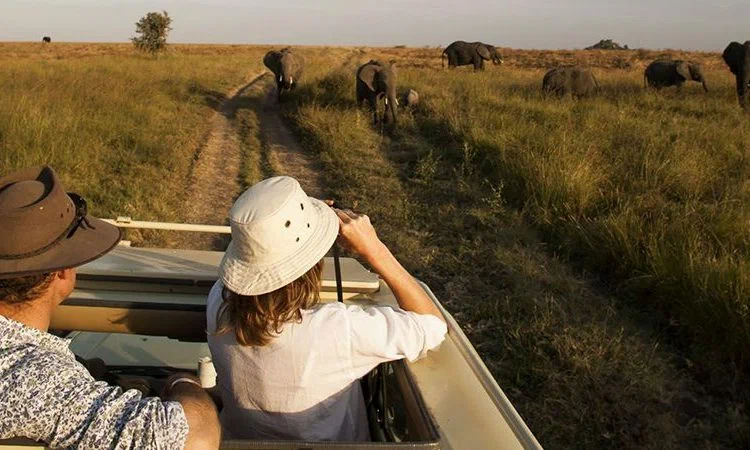
Best Time to Visit Uganda for Safari: Uganda is one of Africa’s most rewarding safari destinations, and the best time to visit depends on what you want to see, how you want to travel, and the kind of experience you want to create.
For most travelers, the dry seasons from December to February and June to September are the best months for a Uganda safari because wildlife viewing is easier, roads are more accessible, and gorilla trekking trails are less slippery.
Adventure Uganda Safaris can help you plan the right dates, whether your focus is gorilla trekking, game drives, chimpanzee tracking, birding, or a full Uganda wildlife safari.
Why timing matters for a Uganda safari
Choosing the right time to visit Uganda can make a big difference in your safari experience.
Uganda is a year-round destination, but different seasons affect road conditions, animal movement, trekking difficulty, photography, and accommodation availability.
During the dry months, wildlife tends to gather around water sources, which makes game drives more rewarding, while gorilla trekking in Bwindi and Mgahinga becomes easier because forest trails are firmer and more manageable.
If you are planning a safari around specific activities, then understanding the seasons will help you save time, avoid disappointment, and get better value for your trip.
Best time to visit Uganda for safari
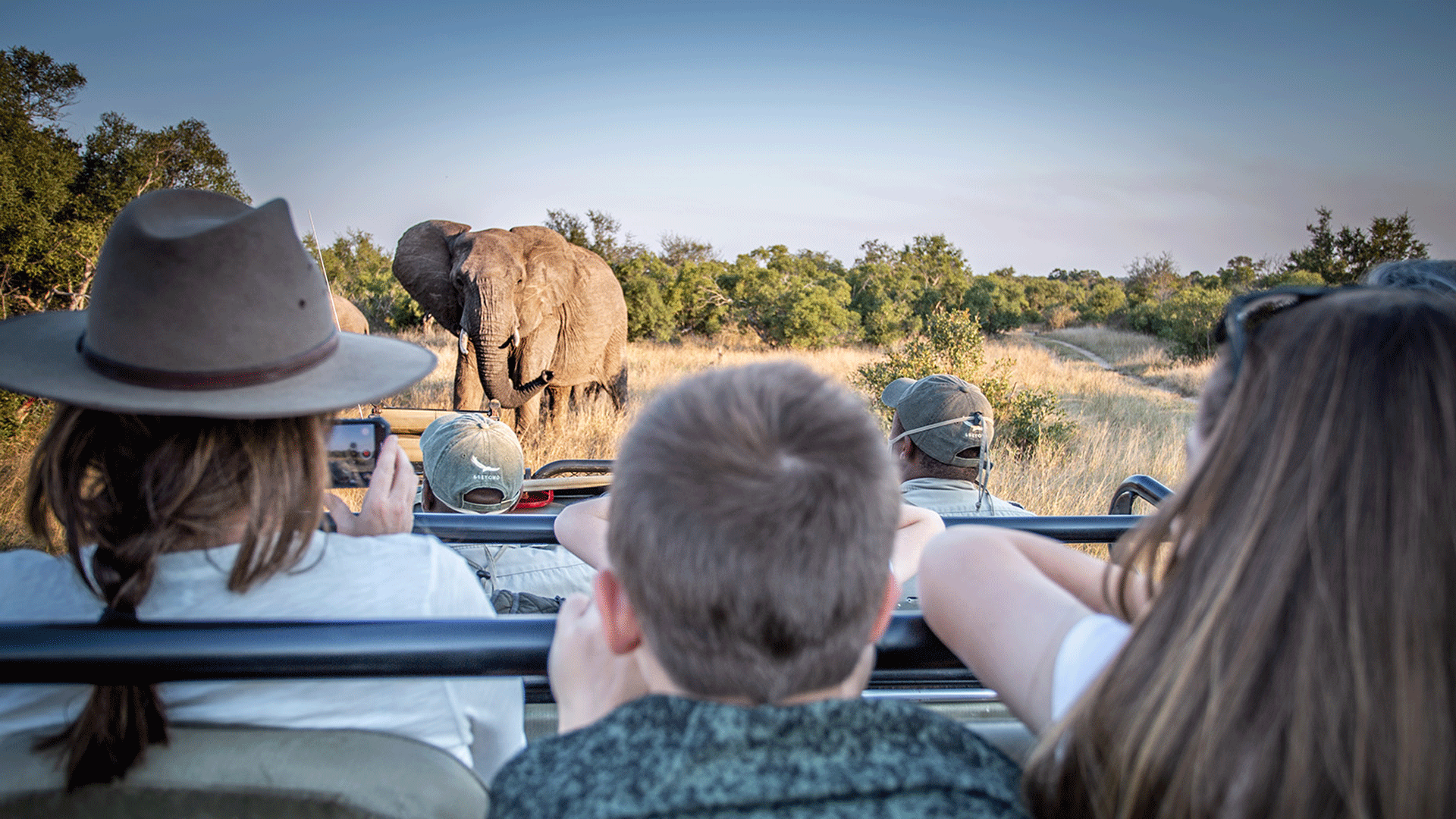
The best overall time to visit Uganda for safari is during the two dry seasons. The first dry season runs from December to February, while the second lasts from June to September.
These months are widely considered the peak safari periods because they offer the best conditions for wildlife viewing, gorilla trekking, road travel, and photography.
Animals are easier to spot in parks such as Queen Elizabeth National Park, Murchison Falls National Park, and Kidepo Valley National Park because vegetation is thinner and animals stay closer to remaining water points.
If your priority is comfort, reliability, and higher chances of smooth safari logistics, these are the strongest months to target.
For many travelers, the dry season is also the best time for a first-time Uganda safari because it reduces uncertainty.
You are less likely to deal with muddy roads, delayed transfers, or overly slippery forest trails.
This matters especially for visitors who are combining several destinations in one itinerary, such as Bwindi for gorillas, Kibale for chimpanzees, and Queen Elizabeth for game drives.
If you want the safest all-round recommendation, plan your trip for one of the dry periods and book early to secure the best accommodation and permits.
Uganda safari seasons explained
Uganda has two main travel seasons: dry season and wet season. The dry season usually offers the best wildlife viewing, easier hiking conditions, and more comfortable travel.
The wet season, on the other hand, brings lush scenery, fewer tourists, lower accommodation rates, and excellent birdwatching.
Because Uganda’s climate varies by region and altitude, not every park behaves exactly the same, but the seasonal pattern remains useful for planning.
During the dry months, national parks feel more accessible and open.
Game drives are easier because dirt roads are less affected by heavy rain, and safari vehicles can move more efficiently between viewing areas.
This is especially useful in parks with long driving circuits and remote tracks.
In contrast, the rainy months can make travel slower, but they also create a beautiful green landscape that appeals to photographers and travelers looking for a quieter safari experience.
So while the dry season is best for most visitors, the wet season still has strong advantages for specific travel goals.
Best time by safari activity
If your safari is focused on gorilla trekking, the dry seasons are the most reliable months.
The trails in Bwindi Impenetrable National Park and Mgahinga Gorilla National Park are generally easier to hike when there is less rainfall, and this improves the overall trekking experience.
Gorilla trekking is possible all year, but dry-season travel gives you better conditions and often feels less physically demanding.
This is one of the reasons many travelers search specifically for the best time for gorilla trekking in Uganda rather than just the best time for safari in general.
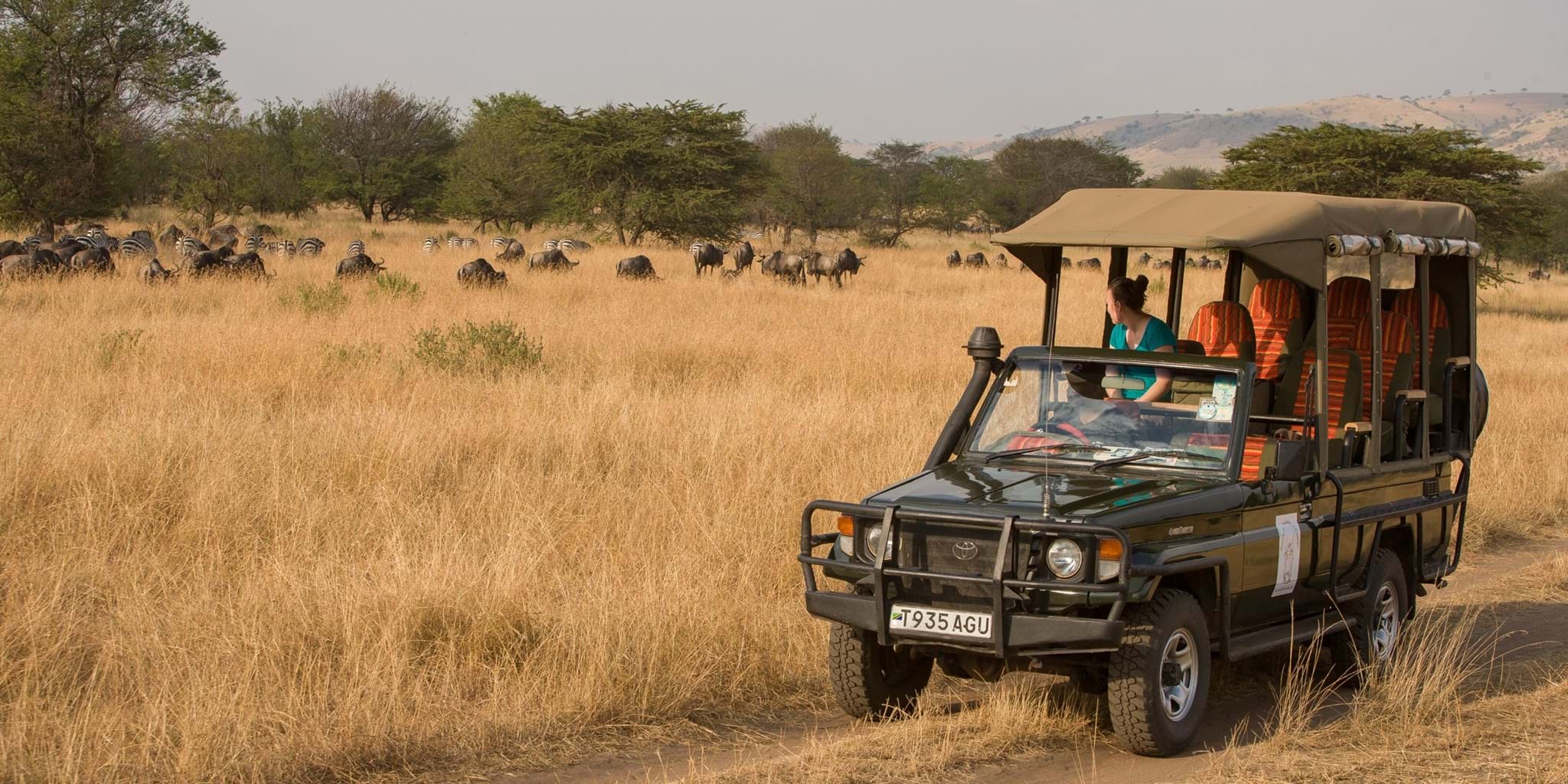
For wildlife viewing, especially in open savannah parks, the dry season is also the most productive.
In Queen Elizabeth National Park, Murchison Falls National Park, and Kidepo Valley National Park, animals are easier to locate when they gather near water sources.
This improves your chance of seeing elephants, lions, buffaloes, giraffes, hippos, and a wide range of antelope species.
Chimpanzee tracking in Kibale Forest is possible year-round, but drier conditions make forest walks more comfortable and less slippery.
Birdwatching, however, can be excellent in both seasons, with the wet season often attracting migratory species and better breeding activity.
Month-by-month Uganda safari guide
A month-by-month guide is useful because many travelers want to know whether a specific travel date is worth it.
In January and February, Uganda is usually warm, relatively dry, and ideal for both gorilla trekking and game drives.
These months are popular for travelers who want good conditions without waiting until mid-year, and they often work well for honeymoon safaris, family holidays, and short wildlife itineraries.
From March to May, Uganda enters a wetter period, and this is when many budget-conscious travelers find good opportunities.
Accommodation prices may be more attractive, parks are greener, and there are often fewer tourists.
This period is especially useful for photographers and bird lovers who enjoy rich landscapes and dramatic skies.
The main drawback is that some roads and trails can become more difficult, so travelers should be prepared for slower movement and occasional rain interruptions.
From June to September, Uganda enters its other major dry season, which is one of the best times for a full safari circuit.
This is a prime period for gorilla trekking, wildlife viewing, and longer safari itineraries across several national parks.
It is also a popular travel window, so bookings for lodges and permits should be made early.
In October and November, short rains begin in many areas, but travel is still possible, and some travelers prefer this quieter period because it combines decent safari conditions with lower crowd levels.
December then begins another excellent safari window, making it a strong month for holiday travel and year-end safari packages.
Best places to visit by season
Different parks shine in different seasons, and this is where smart itinerary planning can improve your overall safari.
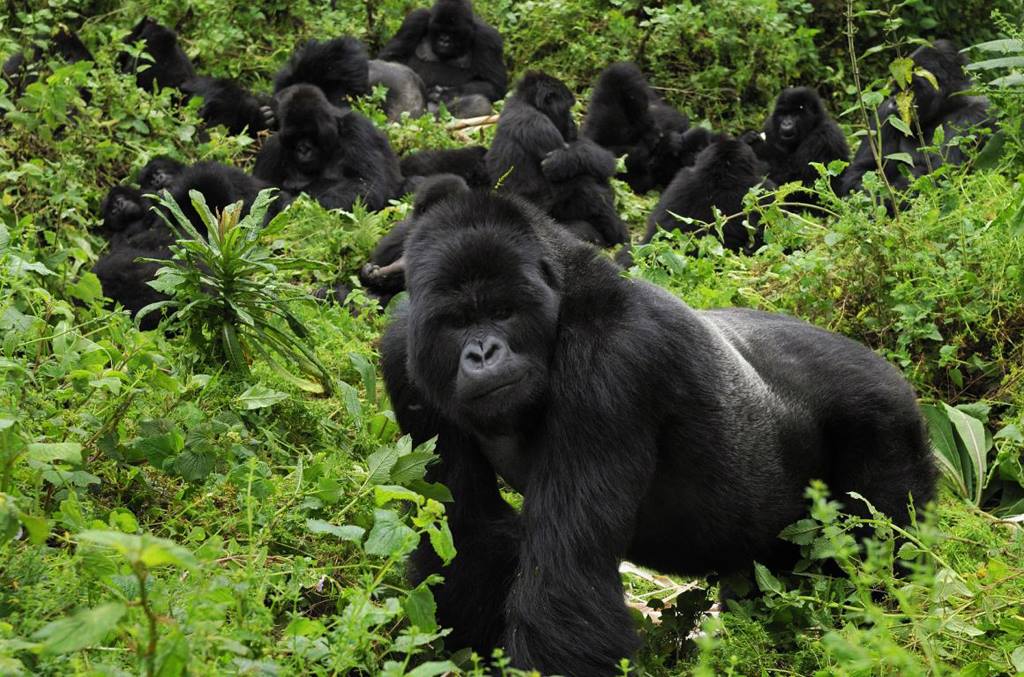
Bwindi Impenetrable National Park is best visited during the dry months if your main goal is gorilla trekking, because the forest trails are easier to navigate.
Mgahinga Gorilla National Park also benefits from dry conditions, especially for travelers who want a less strenuous trekking experience.
For classic wildlife viewing, Queen Elizabeth National Park and Murchison Falls National Park are excellent in the dry season because animals are easier to see around the remaining water sources.
These parks also work well for boat cruises, where you can spot hippos, crocodiles, and birds in a more relaxed setting.
Kidepo Valley National Park is another outstanding dry-season destination because its remote savannah landscapes become more accessible and the wildlife encounters can be especially rewarding.
Kibale Forest is a strong chimpanzee tracking destination in both seasons, though dry months are still more comfortable for walking.
Packing and travel tips
Packing correctly can improve your safari comfort significantly. For dry-season travel, bring light breathable clothing, a hat, sunglasses, sunscreen, sturdy walking shoes, binoculars, and a camera with a zoom lens.
For gorilla trekking or chimp tracking, you should also pack long trousers, long-sleeved shirts, gardening gloves, and a rain jacket because forest conditions can change quickly even in dry months.
In wet months, waterproof boots and rain protection become even more important, especially if you are visiting forested parks or taking long road transfers.
It is also smart to keep your safari flexible. Uganda’s weather can shift unexpectedly, so build in some buffer time if you are combining multiple destinations.
Book permits early, especially for gorilla trekking, because availability can be limited in peak seasons.
Adventure Uganda Safaris can help structure your itinerary so that your chosen dates match the activities you care about most, whether that is wildlife photography, primate tracking, or a luxury Uganda safari.
Why book with Adventure Uganda Safaris
Adventure Uganda Safaris should be presented as a trusted local expert that helps visitors turn timing into a successful trip.
Travelers are not only searching for information; they are also looking for a company they can trust with planning, permits, transfers, accommodations, and on-the-ground support.
By positioning your brand as the guide that understands seasons, destinations, and safari logistics, you increase credibility and improve conversion potential.
You can strengthen this section by highlighting custom safari planning, gorilla trekking support, private guided tours, family safaris, and tailor-made Uganda itineraries.
A good closing line for this section is that Adventure Uganda Safaris helps travelers choose the best travel months based on their budget, interests, and preferred safari style.
That makes the article more commercial without sounding overly sales-driven.
Frequently Asked Question
Is Uganda good to visit year-round?
Yes, Uganda is a year-round safari destination, but the dry seasons usually offer the easiest and most comfortable travel conditions for most visitors.
What is the cheapest time to visit Uganda?
The wetter months, especially from March to May and sometimes October to November, can offer better deals on accommodation and tours.
When is the best time for gorilla trekking in Uganda?
The best time for gorilla trekking is during the dry seasons from December to February and June to September because trails are less muddy and hiking is easier.
What is the best month for wildlife viewing?
The best months are generally January, February, June, July, August, and September because animals are easier to spot and travel conditions are favorable.
Can I combine gorilla trekking and game drives in one trip?
Yes, and this is one of the best ways to experience Uganda. A combined itinerary works especially well during the dry seasons when road travel and trekking are more manageable.
Final travel note
If you want the most reliable Uganda safari experience, plan your trip for the dry seasons and build your itinerary around the activities that matter most to you.
Whether you want gorilla trekking in Bwindi, a wildlife safari in Queen Elizabeth, chimpanzee tracking in Kibale, or a full multi-park adventure, the right timing improves your comfort, your chances of great sightings, and your overall satisfaction.
Adventure Uganda Safaris can help you choose the best dates and craft a safari that feels memorable, practical, and worth every click.