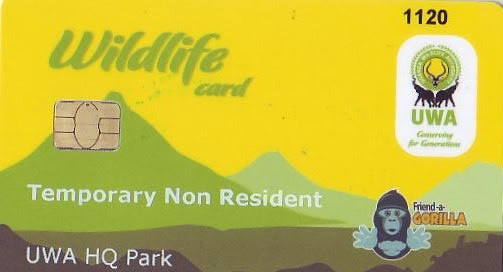
How to Check For Gorilla Permit Availability in Uganda
How to Check Gorilla Permit Availability in Uganda (2026 Complete Guide)
Are you planning a gorilla trekking tour in Uganda but not sure how to check gorilla permit availability? A gorilla permit is the single most important document for your trip—without it, you cannot trek the mountain gorillas in Bwindi Impenetrable National Park or Mgahinga Gorilla National Park.
Checking gorilla permit availability in Uganda early makes it far easier to secure your preferred trekking dates, park sector, and lodges.
This step is the foundation of a successful gorilla safari and applies to both first-time visitors and seasoned travelers.
In this detailed guide, Adventure Uganda Safaris explains exactly how to check for gorilla permit availability, the official booking process, current permit prices, best times to trek, and expert tips to avoid common mistakes.
What Is a Gorilla Permit and Why Is It Mandatory?
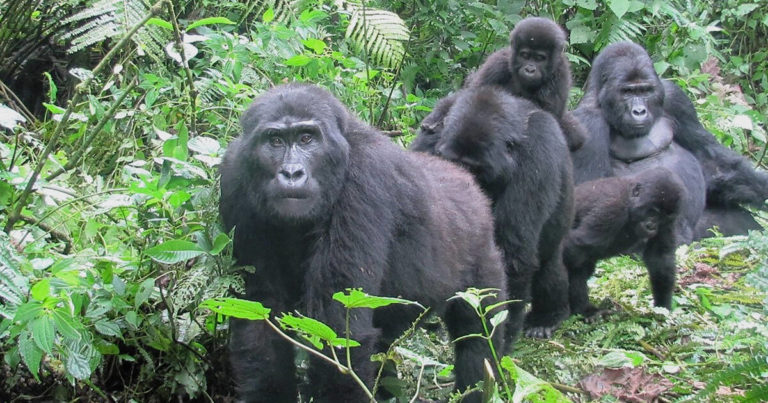
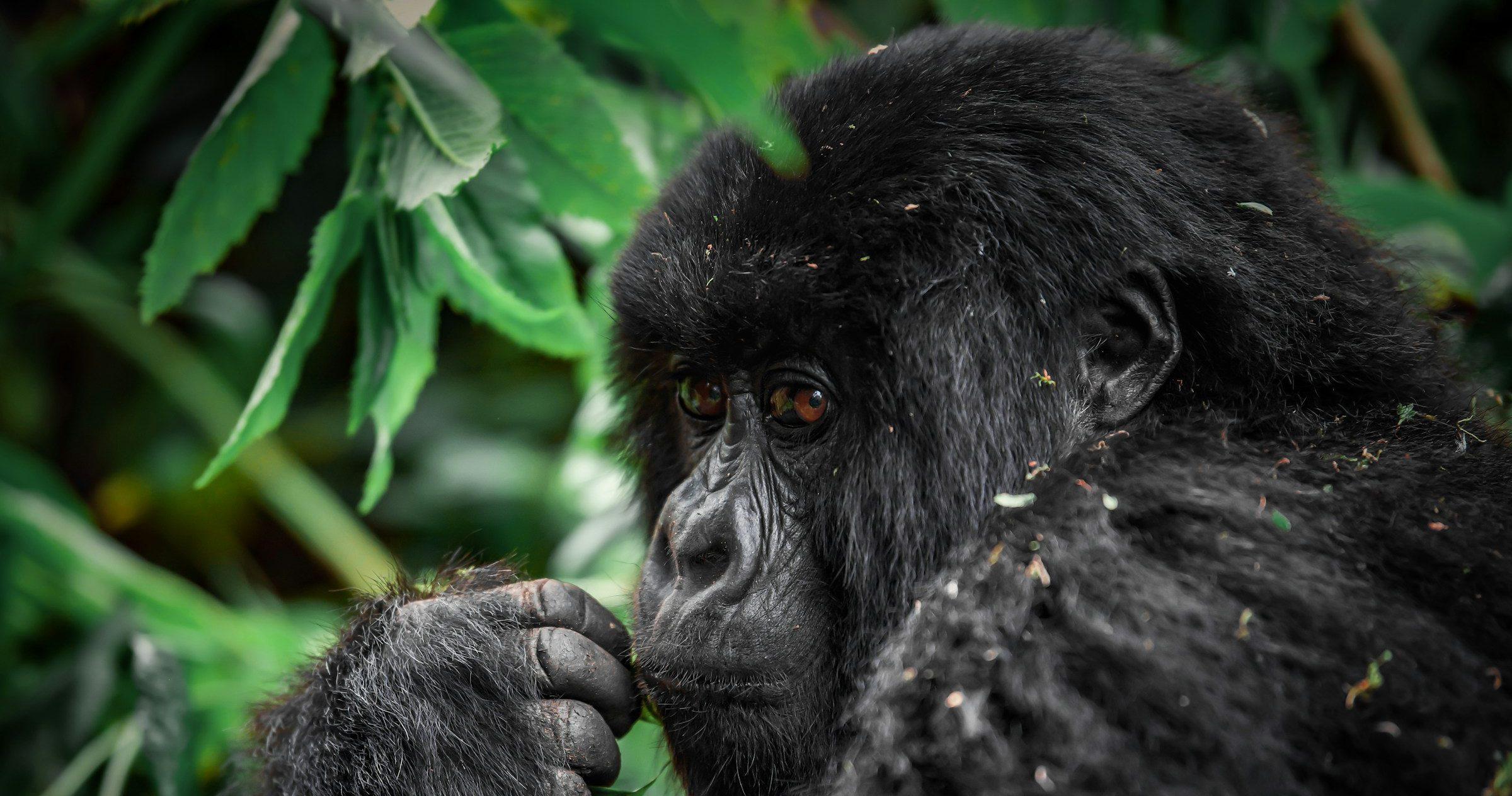
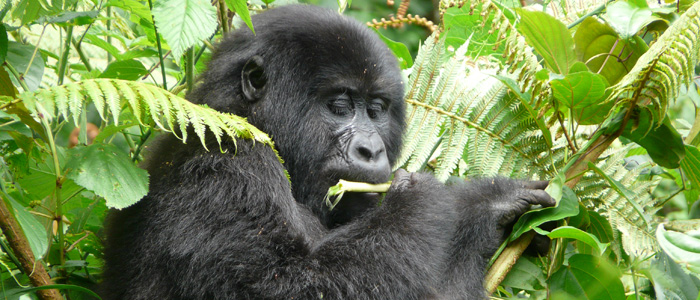
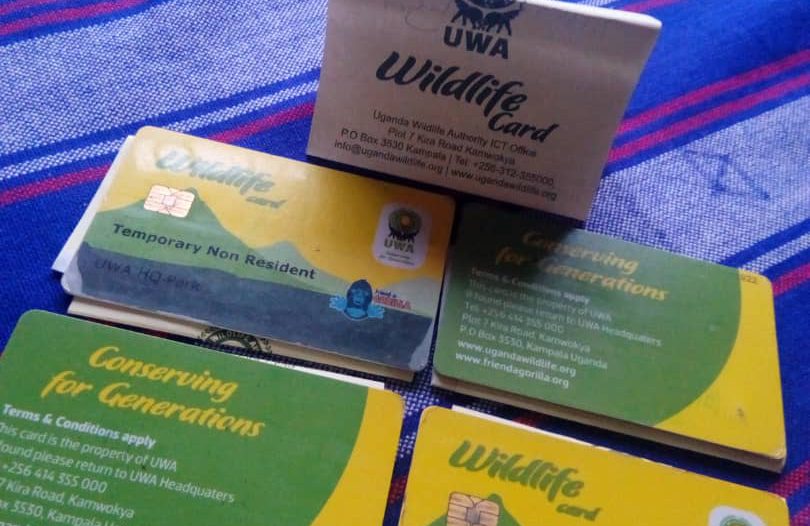
A gorilla trekking permit is an official authorization issued by the Uganda Wildlife Authority (UWA) that allows you to spend one hour with a habituated mountain gorilla family in the wild.
Key facts:
-
Mandatory for all trekkers: No permit = no gorilla trekking.
-
Funds conservation: Permit revenue supports anti-poaching, habitat protection, veterinary care, and community projects around the parks.
-
Limits daily visitors: Only 8 trekkers are allowed per gorilla family per day to minimize stress on the animals.
-
Tied to a specific sector and date: Your permit specifies the park, sector, and trekking date.
In Uganda, gorilla permits are required for:
-
Bwindi Impenetrable National Park (multiple sectors: Buhoma, Ruhija, Rushaga, Nkuringo, etc.)
-
Mgahinga Gorilla National Park (Ntebeko sector, Nyakagezi family)
Gorilla Permit Prices in Uganda (2026)
As of 2026, UWA has set the following gorilla permit rates:
-
Foreign Non-Residents:
-
Peak season: USD 800 per person
-
Low season (April, May, November): USD 600 per person (discounted rate)
-
-
Foreign Residents (with valid residence permit):
-
Peak: USD 700
-
Low season: USD 500
-
-
East African Community (EAC) Citizens:
-
UGX 300,000 (approx. USD 80)
-
-
Rest of Africa:
-
Around USD 500 (confirm with UWA or your operator)
-
These rates apply to both Bwindi and Mgahinga.
Why Checking Gorilla Permit Availability Matters
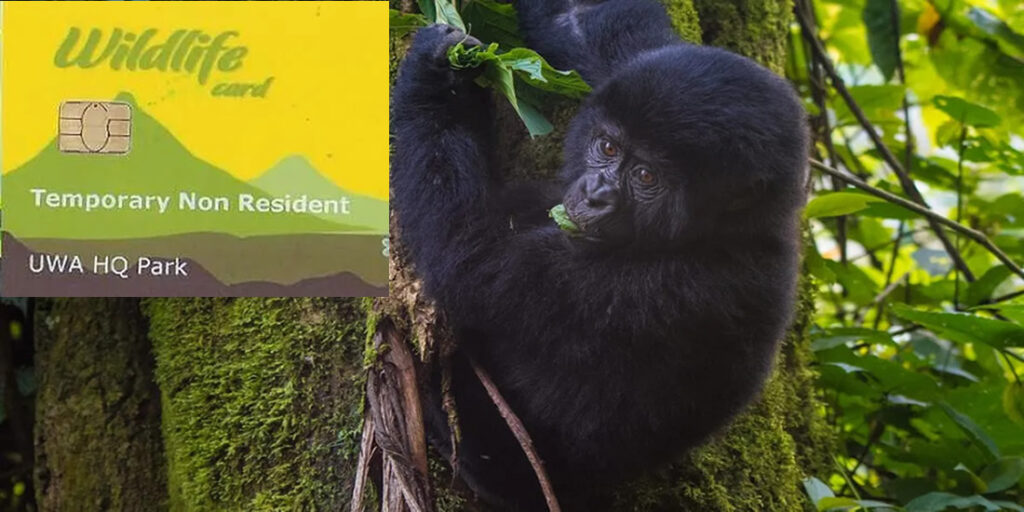
Before you book flights or lodges, you must confirm gorilla permit availability for your desired dates.
Reasons to check early:
-
Limited daily slots: Each habituated gorilla family accepts only 8 trekkers per day.
-
High demand in peak season: June–September and December–February often sell out 6–12 months in advance.
-
Sector preference: Some sectors (e.g., Nkuringo, Rushaga) are more popular and fill faster.
-
Trip planning: Your entire itinerary (transport, lodges, other activities) revolves around your confirmed permit date.
Failing to check availability can lead to:
-
Arriving in Uganda with no permit for your preferred dates
-
Being forced to change dates or sectors last-minute
-
Missing out on gorilla trekking entirely during busy periods
How to Check Gorilla Permit Availability in Uganda
There are two main ways to check gorilla permit availability: through a licensed tour operator or directly via UWA.
Since March 2026, foreign non-residents are generally required to book through a Uganda Tourism Board–licensed operator, making the operator route the most practical for most travelers.
Option 1: Check Through a Licensed Tour Operator Adventure Uganda Safaris
Working with a reputable operator like Adventure Uganda Safaris is the easiest and most reliable method.
A. Step 1: Contact a licensed Ugandan tour operator.
-
Email, WhatsApp, or call with:
-
Preferred trekking dates (give 2–3 options if flexible)
-
Desired park and sector (e.g., Bwindi – Rushaga, Mgahinga)
-
Number of trekkers and visitor category (foreign non-resident, resident, EAC)
-
B. Step 2: Operator checks real-time availability in the UWA system.
-
The operator queries the UWA central booking database for your dates and sectors.
-
If your first choice is unavailable, they can suggest:
-
Alternative dates
-
Alternative sectors with open slots
-
C. Step 3: Receive availability feedback and options.
-
The operator informs you which dates/sectors have gorilla permits available.
-
You can then decide whether to:
-
Lock in a specific date and sector
-
Adjust your itinerary to match available permits
-
D. Step 4: Proceed to booking and payment.
-
Once you confirm your preferred option, the operator moves to secure the permit (see booking section below).
Benefits of using an operator:
-
Saves you time and back-and-forth with UWA
-
Helps you choose the best sector for your fitness level and itinerary
-
Coordinates permits with lodges, transport, and other activities
-
Provides support if dates need to be changed (subject to UWA rules)
You can reach our team at info@adventureugandasafaris.com to start checking gorilla permit availability for your preferred dates.
Option 2: Check Directly with Uganda Wildlife Authority (UWA)
If you prefer to inquire directly, you can contact UWA:
-
Email: reservations@ugandawildlife.org
-
Phone: UWA headquarters in Kampala (numbers available on their website)
-
In person: UWA tourism offices in Kampala, or park offices in Bwindi/Mgahinga
When contacting UWA:
-
Provide:
-
Desired trekking dates (with alternatives)
-
Preferred park and sector
-
Number of permits and visitor category
-
-
UWA will check their system and inform you if permits are available.
-
If your dates are fully booked, they may suggest alternative dates or sectors.
Note: Even if you check directly, foreign non-residents typically still need a licensed operator to complete the booking and payment under the 2026 rules.
Step-by-Step: Booking a Gorilla Permit After Checking Availability
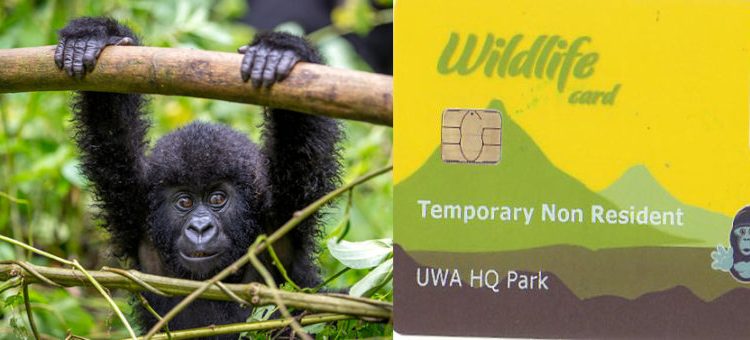
Once you’ve confirmed gorilla permit availability, the next step is to book and secure your permit.
Step 1: Choose Your Trekking Dates and Sector
Based on availability feedback:
-
Confirm your final trekking date(s)
-
Choose your sector in Bwindi (Buhoma, Ruhija, Rushaga, Nkuringo, etc.) or Mgahinga
-
Be flexible if your first choice is unavailable, especially in peak months
Step 2: Provide Required Personal Details
To book a gorilla permit, you must supply:
-
Full legal name (exactly as on your passport)
-
Passport number, issuing country, and date of birth
-
Visitor category (foreign non-resident, foreign resident, EAC citizen, etc.)
-
Accommodation details (lodge name or area, as required by UWA)
-
Contact information (email, phone)
These details are used for verification at the park briefing and must match your ID.
Step 3: Make Full Payment (No More 7-Day Holds)
Under the March 2026 UWA rules:
-
Full payment for the gorilla permit is required at the time of booking.
-
The old system of 7-day reservation holds without payment is no longer available for most foreign visitors.
-
Payment is made via designated UWA bank accounts or through your operator’s payment channels, depending on the arrangement.
Important:
-
Bank charges may apply; confirm who covers these (you or the operator).
-
Keep proof of payment (receipt, transaction reference).
If payment is not made as required, the reservation is canceled and the permit returns to the general pool.
Step 4: Receive Gorilla Permit Confirmation
After payment:
-
Your operator (or UWA) issues a booking confirmation with:
-
Permit reference number
-
Trekking date and sector
-
Visitor names and details
-
-
Later, you receive the physical or digital gorilla permit used at the park briefing.
Keep this document safe—you will need it on trek day.
Step 5: Plan the Rest of Your Safari Around the Permit
With a confirmed gorilla permit:
-
Book lodges near your trekking sector
-
Arrange transport (private 4×4, domestic flights, or self-drive)
-
Add other activities (chimpanzee tracking, game drives, boat cruises)
-
Ensure your arrival in Uganda is timed to reach the park at least one day before your trek
How Far in Advance Should You Book Gorilla Permits?
Timing is critical for securing gorilla permits in Uganda.
General guidelines:
-
Peak season (June–September, December–February):
-
Book 9–12 months in advance if possible.
-
Christmas, New Year, July, and August dates often sell out a year ahead.
-
-
Shoulder and low season (March–May, October–November):
-
3–6 months in advance is often sufficient.
-
Better chance of last-minute availability, but still not guaranteed.
-
Tip: Always check gorilla permit availability before booking international flights, especially if your travel dates are fixed.
Where to See Gorillas in Uganda: Bwindi vs Mgahinga
Uganda has two parks where you can trek mountain gorillas:
Bwindi Impenetrable National Park
-
Home to multiple habituated gorilla families across several sectors:
-
Buhoma
-
Ruhija
-
Rushaga
-
Nkuringo
-
(and others, depending on current allocations)
-
-
Offers the widest choice of trekking experiences, lodges, and difficulty levels.
-
Some sectors are more demanding (steep terrain) while others are more moderate.
Mgahinga Gorilla National Park
-
Smaller park in the Virunga Conservation Area, bordering Rwanda and DRC.
-
Typically has one main habituated family (Nyakagezi) accessed from the Ntebeko trailhead.
-
Often less crowded, with stunning volcanic landscapes.
-
Good option if you want to combine gorilla trekking with volcano hiking and a quieter experience.
Your tour operator can help you choose the best sector based on:
-
Your fitness level
-
Preferred landscape and lodge style
-
Overall itinerary (e.g., combining with Queen Elizabeth NP or Kibale)
Best Time to Track Gorillas in Uganda
Gorilla trekking is possible year-round, but seasons affect trail conditions and permit availability.
Dry Seasons (Best for Most Travelers)
-
June–September
-
December–February
Advantages:
-
Drier trails and less mud in the forest
-
Easier hiking and better footing
-
More predictable weather for photography
-
Higher demand → permits sell out faster
Wet Seasons (Low Season, Fewer Crowds)
-
March–May
-
October–November
Pros:
-
Lower permit rates in April, May, and November (e.g., USD 600 vs 800 for foreign non-residents).
-
Fewer tourists on the trails and at lodges
-
Lush, green scenery and excellent birding
Cons:
-
Muddy, slippery trails
-
Higher chance of rain during trekking
-
Some roads to sectors can be more challenging
For first-time trekkers, the dry seasons generally offer a more comfortable experience. Budget-conscious or repeat visitors may enjoy the low-season discounts and quieter parks.
Common Mistakes to Avoid When Checking and Booking Permits
Avoid these pitfalls to protect your gorilla trekking plans:
-
Waiting too long: Assuming permits will be available close to your travel date, especially in peak season.
-
Not checking multiple dates: Insisting on one exact date without alternatives reduces your chances.
-
Ignoring sector differences: Some sectors are harder to reach or more physically demanding; choose wisely.
-
Incorrect personal details: Names or passport numbers that don’t match your ID can cause issues at briefing.
-
Delaying payment: Under the 2026 rules, delays can mean losing the permit entirely.
-
Booking flights before confirming permits: Always secure your gorilla permit first, then book flights around those dates.
Working with an experienced operator like Adventure Uganda Safaris helps you avoid these mistakes.
Frequently Asked Questions (FAQ)
Q: Can I check gorilla permit availability online myself?
There is no public, real-time online portal for travelers to directly check gorilla permit availability. You must go through a licensed tour operator or contact UWA by email/phone/in person.
Q: Do I need a tour operator to book a gorilla permit in Uganda?
As of March 2026, foreign non-residents are generally required to book through a Uganda Tourism Board–licensed tour operator. Foreign residents and East Africans may have different options; confirm with UWA or your operator.
Q: How many gorilla permits are available per day?
Each habituated gorilla family allows 8 trekkers per day. With multiple families across Bwindi and Mgahinga, total daily slots are limited and fill quickly in peak season.
Q: Can I change my gorilla trekking date after booking?
Changes depend on UWA policy, availability, and whether your permit is low-season or peak. Low-season discounted permits often have stricter no-reschedule rules. Always confirm cancellation and rescheduling terms before paying.
Q: What is the minimum age for gorilla trekking in Uganda?
The minimum age is 15 years. All trekkers must be at least 15 and reasonably fit for hikes that can last 2–6 hours.
Q: Is it safe to book gorilla permits through online operators?
Yes, if you use a licensed, reputable operator with verifiable credentials, reviews, and physical offices. Check memberships (e.g., AUTO, UTA), online reviews, and ask for references.
Ready to Check Your Gorilla Permit Availability?
If you’re serious about a gorilla trekking tour in Uganda, the first practical step is to check gorilla permit availability for your preferred dates and sectors.
This determines everything else: your flights, lodges, transport, and overall itinerary.
At Adventure Uganda Safaris, we:
-
Check real-time gorilla permit availability in the UWA system
-
Advise on the best sectors and dates for your group
-
Handle the full booking and payment process
-
Coordinate your gorilla safari with lodges, transport, and other activities
Contact us today via info@adventureugandasafaris.com or WhatsApp to start checking gorilla permit availability in Uganda and secure your spot for an unforgettable mountain gorilla experience.