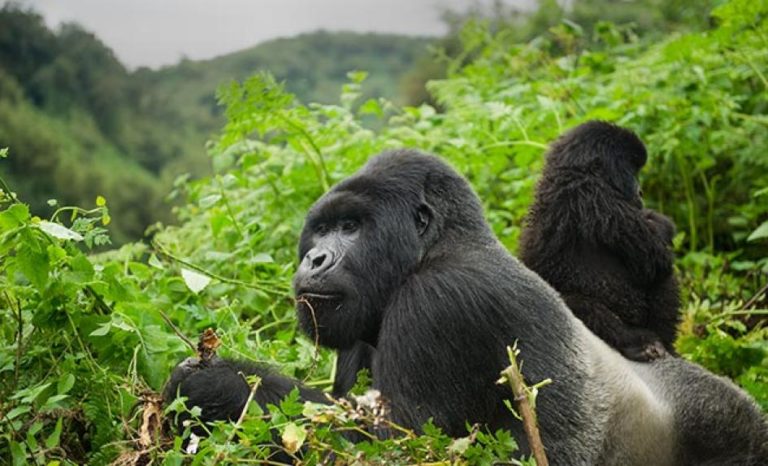
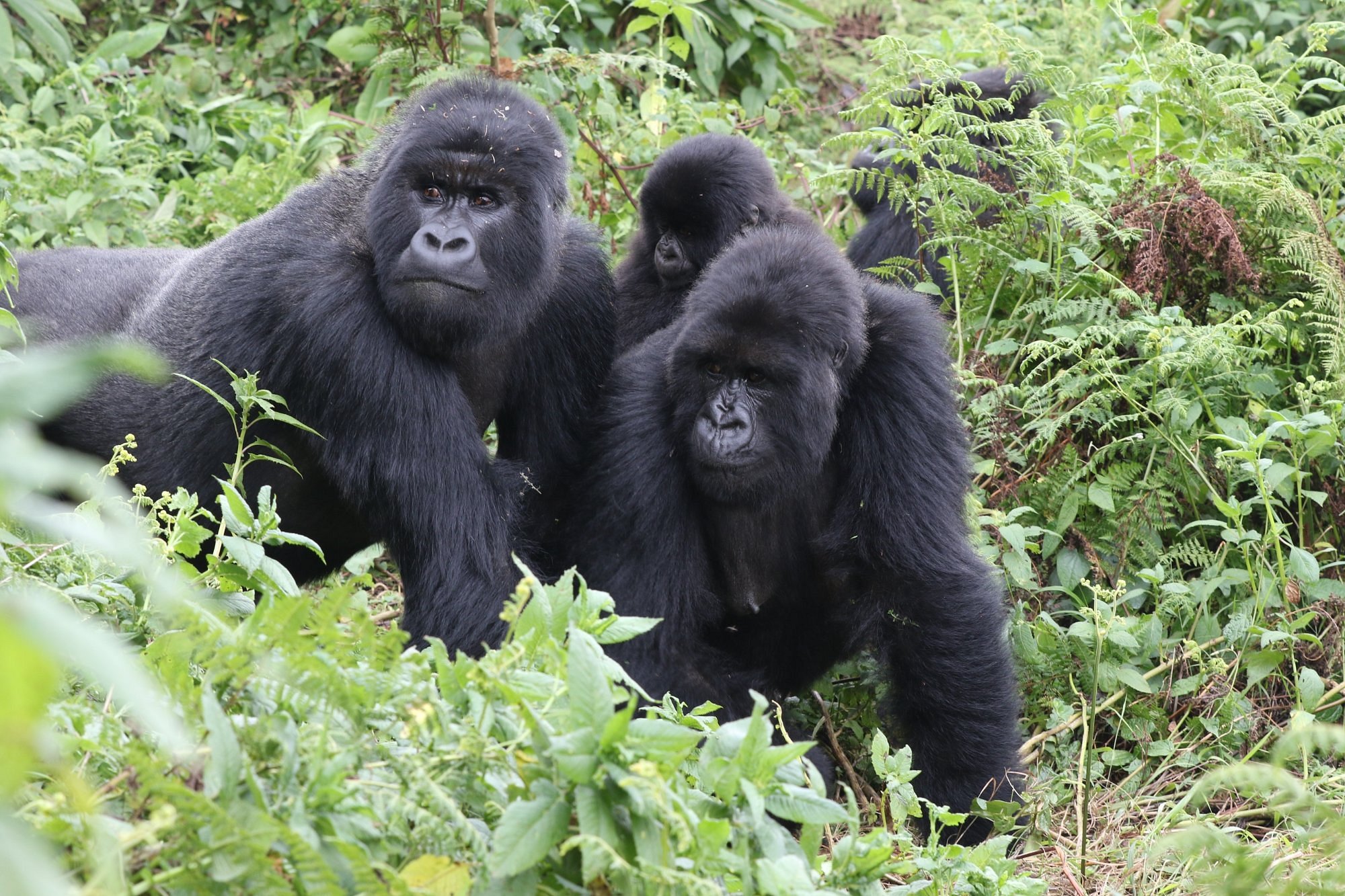
Why is Gorilla Trekking Expensive
Why Is Gorilla Trekking Expensive? The Real Cost Breakdown (2026 Guide)
If you’ve ever looked at a gorilla trekking safari and wondered, “Why is gorilla trekking so expensive?”, you’re not alone.
The short answer: gorilla trekking is expensive because it funds one of the world’s most intensive wildlife conservation programs—protecting critically endangered mountain gorillas, maintaining remote rainforest parks, employing trained rangers, and supporting local communities in Uganda, Rwanda, and DR Congo.
In this in-depth guide, we explain exactly why gorilla permits cost so much, how your money is used, and what else drives up the total price of a gorilla safari.
You’ll also see a clear Uganda vs Rwanda vs Congo gorilla permit cost comparison, tips to reduce expenses, and answers to help you plan a responsible, well-budgeted gorilla trekking tour in 2026/2027.
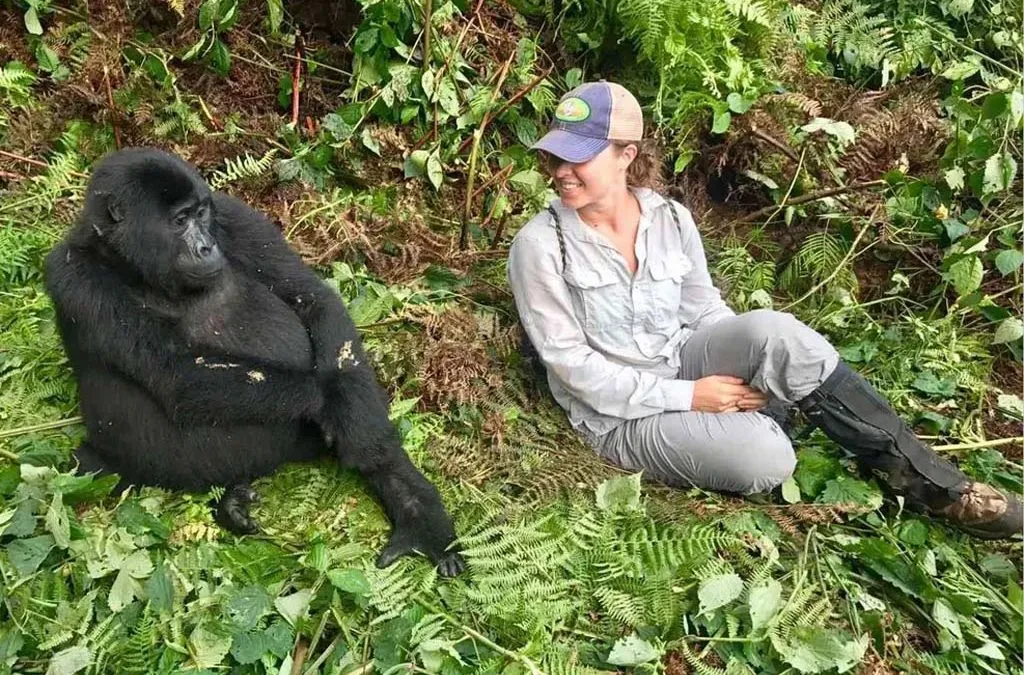
Why is Gorilla Trekking Expensive.
1. Protection of gorillas & visitors
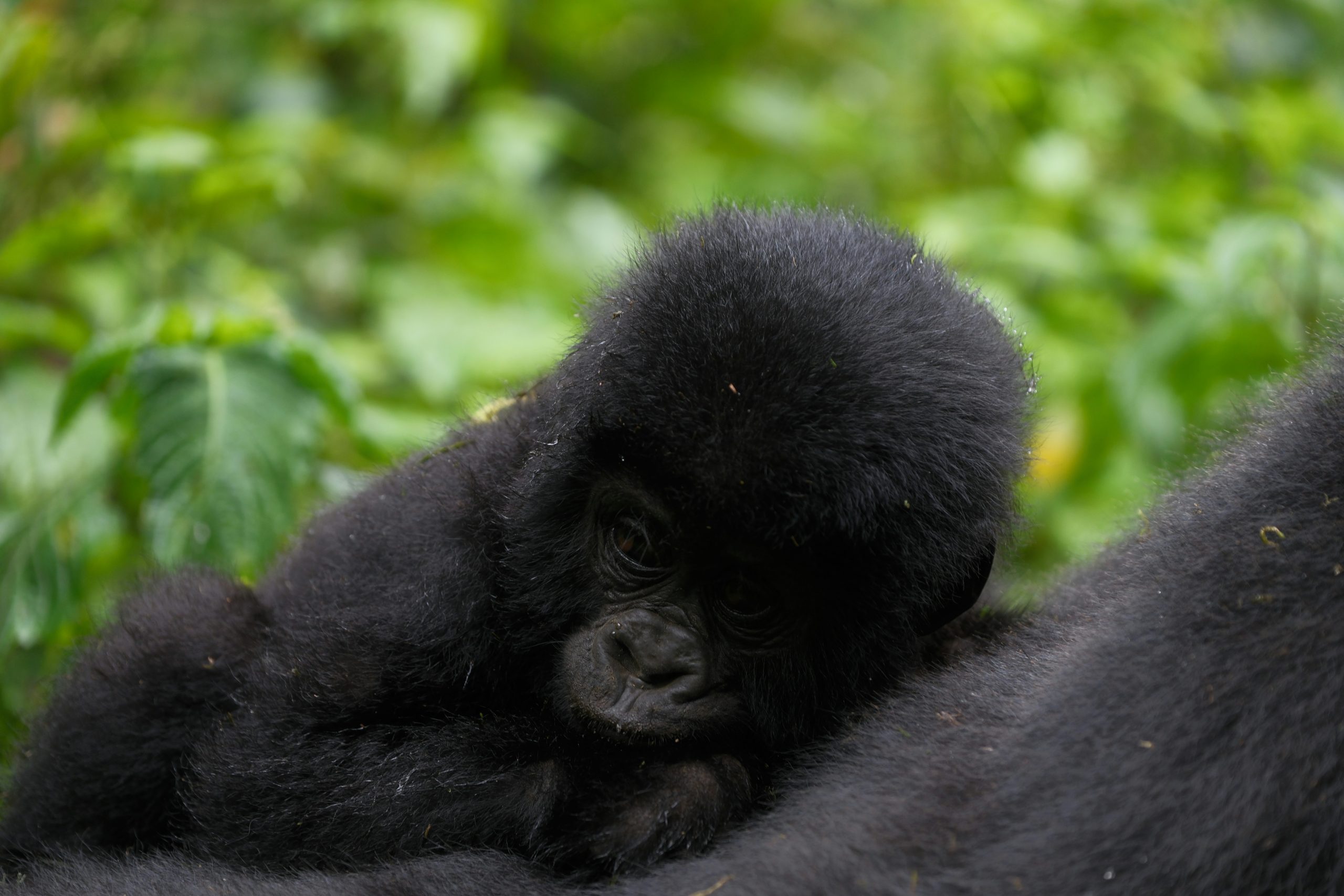
Gorilla trekking is expensive because the cost covers most of the conservation efforts, including the protection of mountain gorillas from poaching and diseases.
The main source of funding for most of the conservation efforts like gorilla protection, is derived from the gorilla permit fees paid by visitors.
The cost also covers for visitor safety while they embark on the gorilla trekking adventure in their dream destinations.
2. Habitat protection
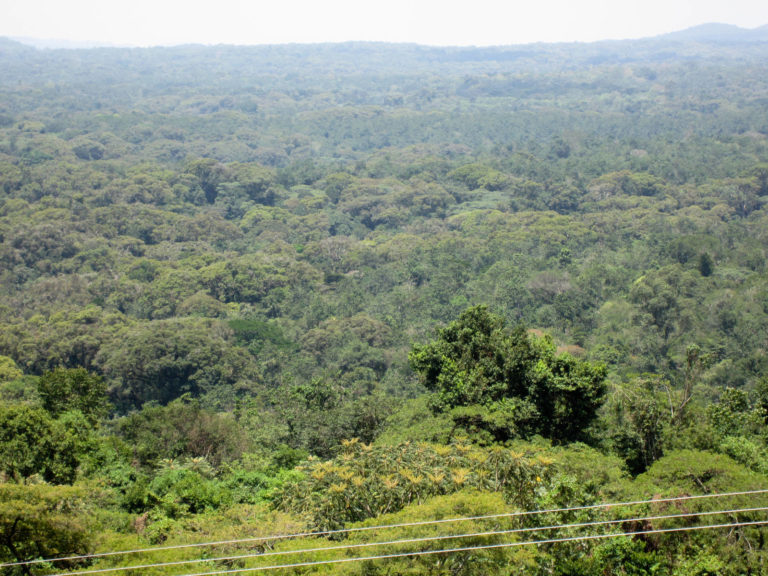
Gorilla habitats are fragile and require maintenance hence need to be protected to prevent any likelihood of gorilla extinction.
Gorillas live better in their natural environment, and to ensure that their home range is secure, personnel must be employed to conduct continuous monitoring.
Habitat protection is vital for gorilla survival. Mountain gorillas, for instance, are restricted to specific places and they cannot be found anywhere else except in Uganda, Rwanda, and Congo.
More resources are required to ensure gorilla habitats remain safe, and this can only be financed through gorilla trekking fees paid by gorilla trekkers on the Rwanda/Uganda gorilla tour.
Protecting habitats and visitors long-term helps achieve sustainable gorilla tourism practices.
3. Need for trained ranger guides
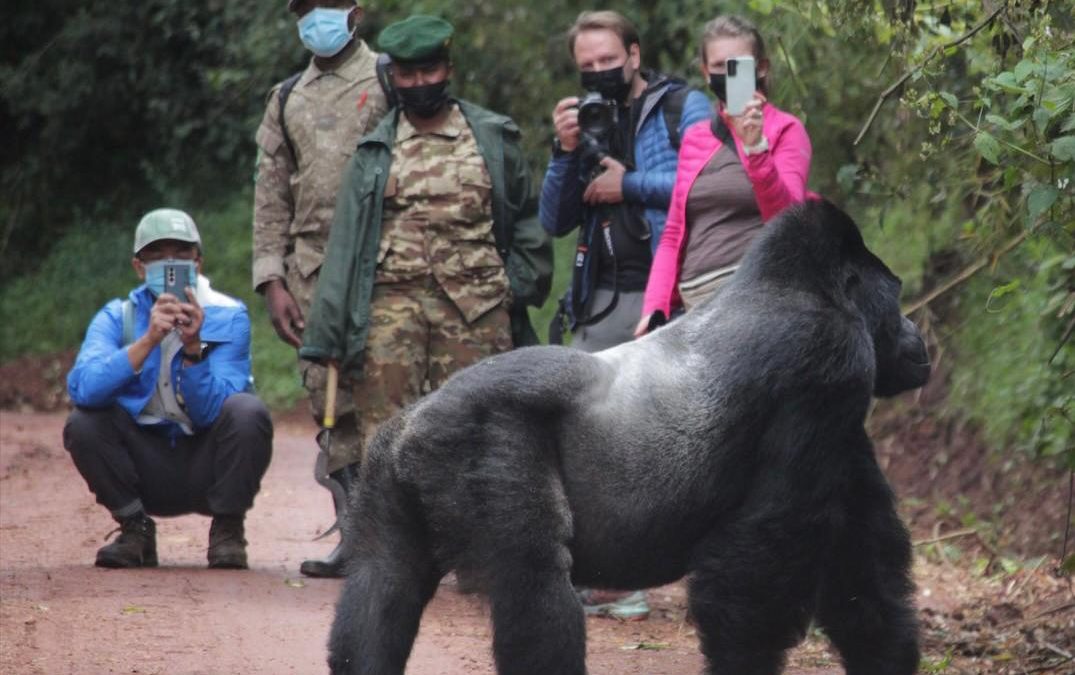
During gorilla trekking, an experienced guide is assigned to visitors. These park rangers ensure both visitor safety and gorilla protection.
Rangers must receive training to gain the skills necessary for conservation and safety. The expense of training contributes to the higher cost of gorilla trekking.
4. Maintaining the parks and training guides
The park authorities tirelessly work to ensure that gorilla safari parks and guides are well-maintained.
The park boundaries are always monitored by the park rangers to ensure the habitats are not encroached and these apes are not poached.
To ensure the personnel is up-to-date, refresher training is offered, and these efforts are all funded by the fees paid on gorilla permits or gorilla trekking safaris.
Embarking on a gorilla safari is ideal as you contribute towards gorilla conservation.
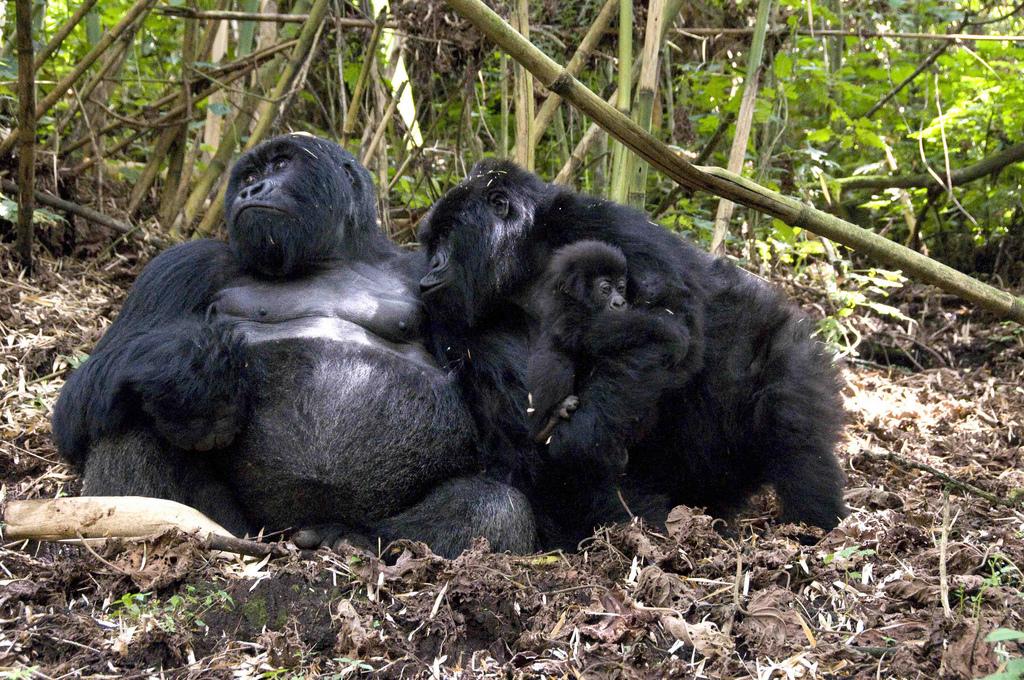
5. Enhance the livelihoods of the locals
Gorilla conservation isn’t only centered on park authorities. To achieve successful gorilla conservation efforts, the communities living adjacent to gorilla trekking parks must be considered.
The involvement of local communities adjacent to gorilla safari parks aids gorilla conservation. About 20% of all the park entrance fees are employed back to support the various community projects.
The local revenue sharing by the park authorities to communities adjacent to gorilla parks help finance a number of infrastructure ranging from road construction to schools, hospitals, and many more.
It also enables the provision of clean drinking water and empowers locals economically. Some communities also have been advised to start their projects rather than depending on the park resources for a living, and you can come across goat projects.
To pass the message to communities on gorilla conservation and habitat protection, there is a need to have continuous community sensitization and education.
This must be funded, and the main source is from gorilla trekking fees. The general ideal is to ensure that communities get involved and aware of the significance of gorilla conservation and tourism.
6. Restricted numbers
Gorilla trekking is expensive mainly because park authorities intend to limit the number visiting the mountain gorillas.
The cost for gorilla tracking is high, mainly to discourage mass tourism and ensure only a limited number of tourists embark on a journey to interact with these endangered apes.
The carrying capacity of gorilla habitats is strictly 8 per gorilla group per day. This is to limit any likelihood of causing stress on the gorilla’s behaviors.
7. Monitoring and research
Park authorities do continuous/daily tracking and monitoring of gorilla habitats and groups. The monitoring and research activities involve a number of experts who need to be funded.
The cost of financing researchers and gorilla doctors to ensure the good health of gorillas and habitats is high. By booking a gorilla trekking tour, you contribute towards some of these efforts.
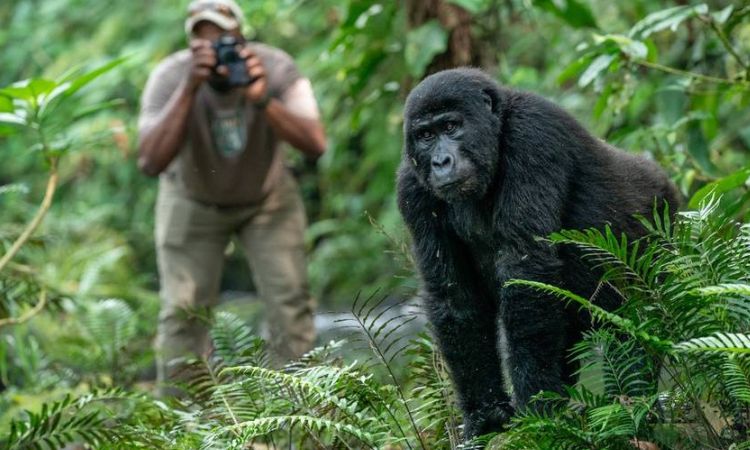
What Makes Gorilla Trekking So Expensive?
Gorilla trekking is not a typical wildlife activity.
It involves:
-
Access to remote, high-altitude rainforests
-
Strictly limited visitor numbers per gorilla family
-
Intensive anti-poaching patrols, veterinary care, and research
-
Highly trained ranger guides and trackers
-
Infrastructure in fragile ecosystems with minimal environmental impact
All of this requires significant, ongoing funding. The primary source? Gorilla permit fees paid by visitors.
Gorilla Permit Prices in 2026: Uganda, Rwanda, and Congo
The biggest single cost in any gorilla trekking tour is the gorilla permit.
As of 2026, standard permit prices for foreign non-residents are approximately:
-
Uganda (Bwindi & Mgahinga): USD 800 per person
-
Low-season discount (April, May, November): around USD 600 in some periods
-
Gorilla habituation experience (4 hours): about USD 1,800
-
-
Rwanda (Volcanoes National Park): USD 1,500 per person, year-round
-
No seasonal discount; positioned as a high-value, low-volume destination
-
-
DR Congo (Virunga National Park): around USD 400–500 per person
-
Cheapest permit in Africa, but security and operational conditions varygorilla-permits
-
These fees are set by the respective park authorities—Uganda Wildlife Authority (UWA), Rwanda Development Board (RDB), and Virunga/ICCN—and apply regardless of which licensed operator you book with.
When you add the permit to accommodation, transport, park fees, and guide services, the total cost of a gorilla safari can range from roughly USD 1,500 for a budget 3-day trip to USD 10,000+ for a luxury multi-country primate safari.
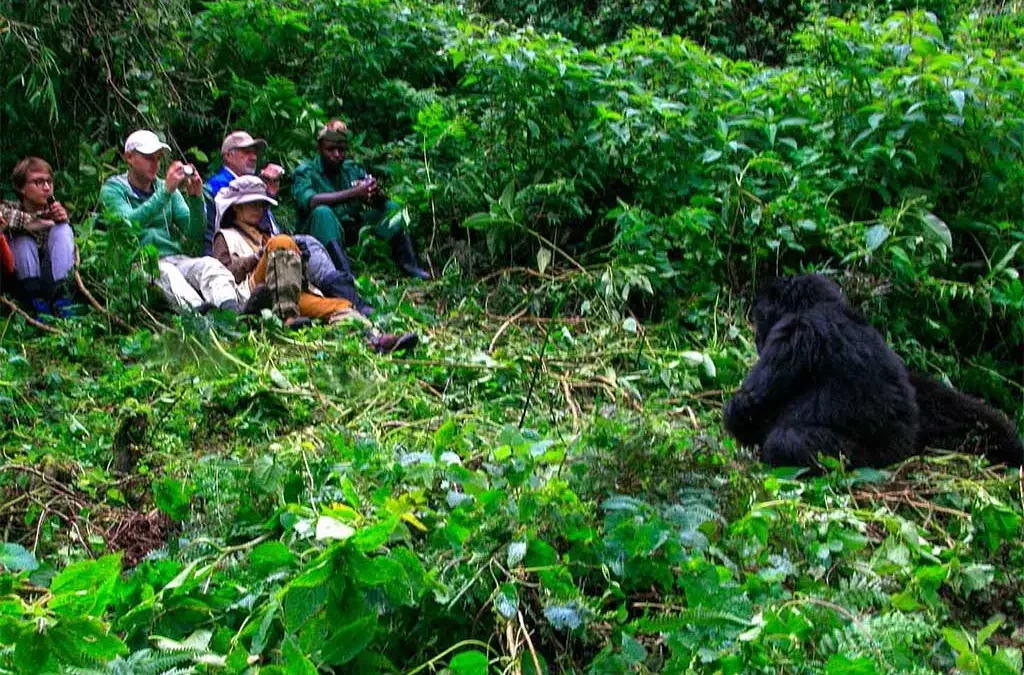
How Your Gorilla Permit Fee Is Used
Understanding where your money goes helps explain why gorilla trekking is expensive—and why it’s worth it.
1. Protection of Gorillas and Visitors
A large share of permit revenue funds:
-
Anti-poaching patrols: ranger salaries, equipment, snare removal, and intelligence work
-
Veterinary programs: gorilla doctors, health monitoring, and emergency interventions
-
Visitor safety: trained rangers who accompany every trekking group, enforce rules, and manage emergencies
Mountain gorillas are vulnerable to poaching, disease transmission from humans, and habitat loss.
Without consistent funding from tourism, these protection efforts would be impossible to sustain at the required level.
2. Habitat Protection and Park Management
Gorillas live in fragile, high-altitude forests that require careful management:
-
Patrols along park boundaries to prevent encroachment and illegal logging
-
Trail maintenance in steep, muddy rainforest to reduce erosion and impact
-
Monitoring of gorilla groups by trackers who locate families each morning before trekkers arrive
In Bwindi Impenetrable National Park, Mgahinga Gorilla National Park, Volcanoes National Park, and Virunga National Park, the terrain is challenging and the ecosystems are sensitive.
Maintaining access while minimizing disturbance is costly but essential for long-term gorilla conservation.
3. Training and Employing Ranger Guides
Every gorilla trekking group is accompanied by experienced ranger guides and often additional trackers.
These personnel must:
-
Complete rigorous training in wildlife behavior, first aid, and guest management
-
Participate in regular refresher courses on conservation protocols and safety
-
Learn multiple languages to communicate effectively with international visitors
The cost of recruiting, training, and retaining skilled rangers is built into the gorilla permit fee.
This ensures that each group is led by professionals who prioritize both visitor safety and gorilla welfare.
4. Monitoring, Research, and Veterinary Care
Gorilla populations are closely monitored through:
-
Daily tracking of family groups and individual identification
-
Health checks and disease surveillance by specialist veterinarians
-
Long-term research on behavior, reproduction, and ecology
These activities involve biologists, researchers, and veterinary teams whose work is largely funded by tourism revenue.
Your gorilla permit directly supports this science-based approach to conservation, which has been key to the recovery of mountain gorillas from the brink of extinction.
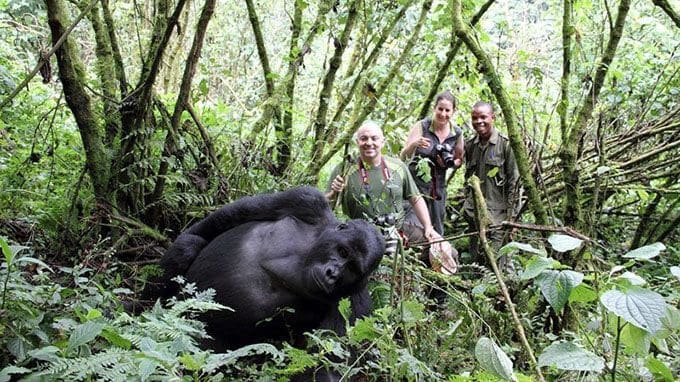
Community Benefits: Why Locals Support Gorilla Conservation
Successful gorilla conservation depends on the support of communities living around the parks.
If local people see no benefit from gorillas, they may turn to activities like poaching, logging, or farming inside park boundaries.
To prevent this, park authorities implement revenue-sharing programs:
-
In Uganda, approximately 20% of park entrance fees are reinvested in neighboring communities.
-
Funds support:
-
Schools, clinics, and water projects
-
Road improvements and market access
-
Livelihood projects such as goat-rearing, beekeeping, and crafts
-
Environmental education and conservation awareness programs.
-
By booking a gorilla trekking tour, you help finance these initiatives. This gives communities a tangible reason to protect gorillas and their habitat instead of exploiting them.
Over time, this has transformed local attitudes—from seeing gorillas as a threat to crops to viewing them as a valuable asset for sustainable tourism.
Strict Visitor Limits: Quality Over Quantity
Another reason gorilla trekking is expensive is the deliberate policy of low-volume, high-value tourism.
-
Only 8 visitors per gorilla family per day are allowed in Uganda and Rwanda (some sources note slight variations, but the principle is the same).
-
In Rwanda, around 96 permits per day are issued across all habituated families in Volcanoes National Park.
-
Similar limits apply in Bwindi, Mgahinga, and Virunga.
These restrictions:
-
Reduce stress on gorilla families
-
Minimize disease transmission risk
-
Preserve the quality of the experience for visitors
High permit prices help discourage mass tourism and ensure that only a limited number of people trek each day.
This model prioritizes conservation and experience quality over visitor numbers.
Additional Costs That Make Gorilla Safaris Expensive
While the gorilla permit is the headline cost, several other factors contribute to the overall expense of a gorilla trekking safari.
1. Cost of Accommodation Near Gorilla Parks
Gorilla trekking requires at least one overnight stay near the park:
-
Bwindi and Mgahinga in Uganda are 8–10 hours’ drive from Kampala/Entebbe
-
Volcanoes National Park is about 2–3 hours from Kigali
-
Virunga access depends on current security and logistics
Lodges in these remote areas face high operating costs:
-
Importing food, fuel, and building materials
-
Maintaining generators, water systems, and waste management in sensitive environments
-
Employing local staff and providing training
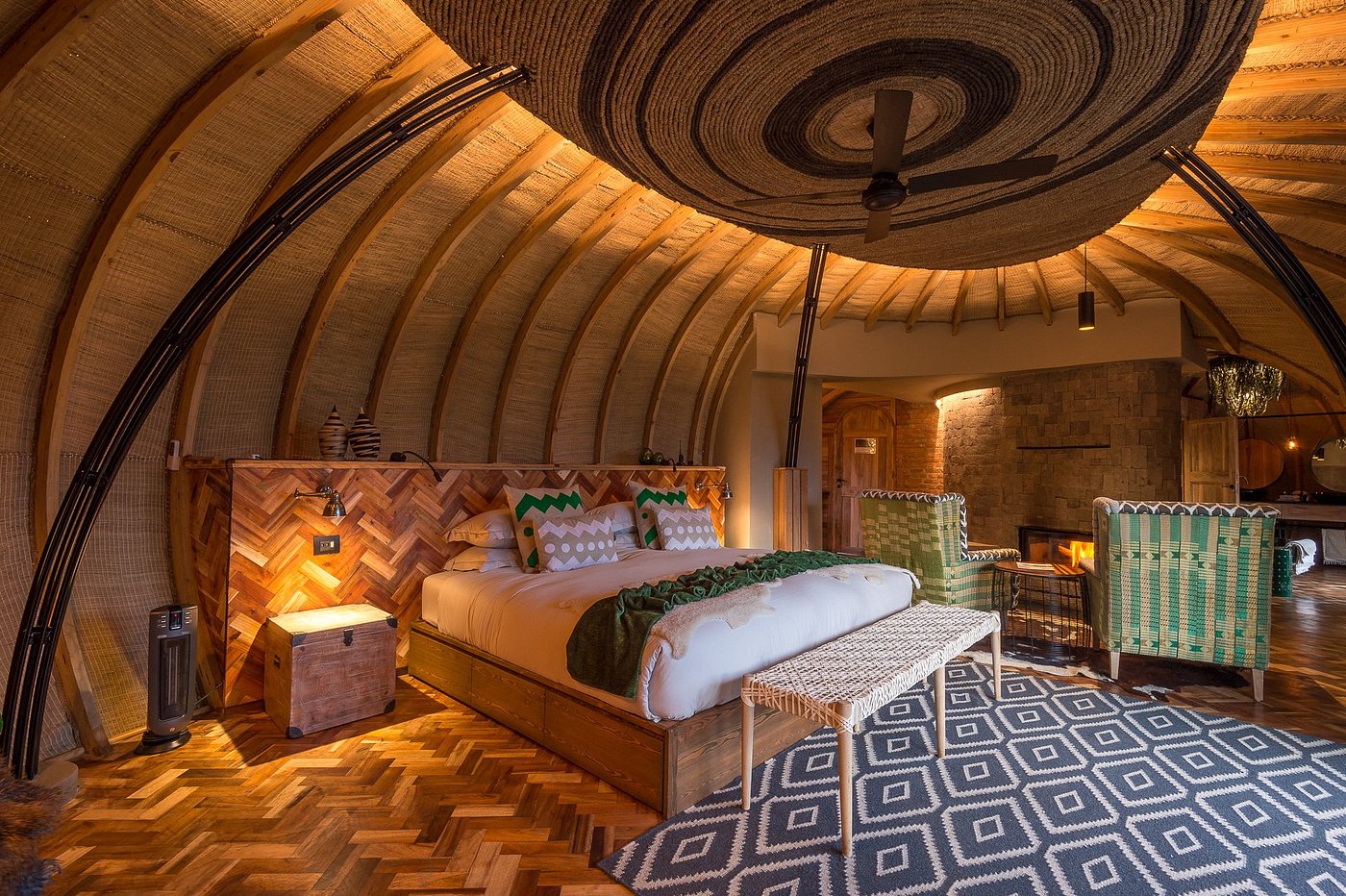
As a result, gorilla safari lodges range from budget campsites to ultra-luxury eco-lodges, with nightly rates that significantly affect your total trip cost.
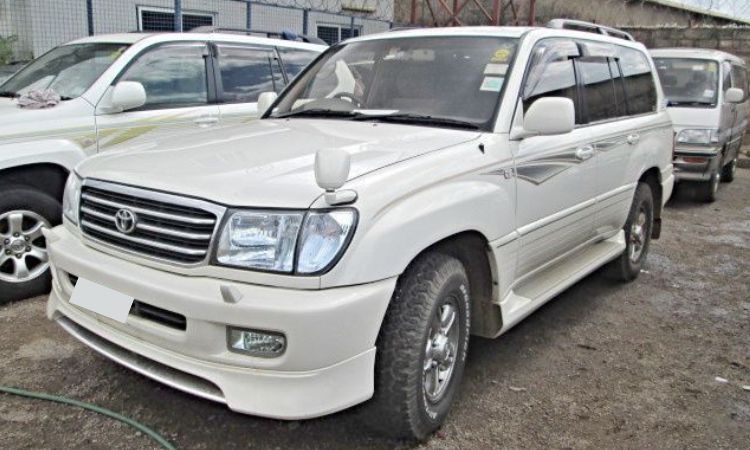
2. Transport: 4×4 Vehicles or Domestic Flights
Reaching gorilla parks often involves:
-
Long drives on rough, mountainous roads
-
Hiring a private 4×4 vehicle with an experienced driver-guide
-
Or booking domestic flights to airstrips near Bwindi or Volcanoes NP
Transport costs vary by:
-
Distance from your arrival city (Kampala, Entebbe, Kigali, Goma)
-
Vehicle type (safari van vs. Land Cruiser)
-
Whether you choose a private transfer or join a group
These transport costs are added to your gorilla safari package, increasing the overall price.
3. Park Fees, Guide Services, and Activities
Beyond the gorilla permit, you may also pay for:
-
Park entry fees (per person, per day)
-
Ranger guide tips (customary but optional)
-
Porter fees to carry your daypack during the trek
-
Additional activities like Batwa/Bushmen cultural walks, birding, or nature walks
When combined with accommodation and transport, these elements make a gorilla trekking tour more expensive than a standard wildlife safari.
Gorilla Trekking Cost Comparison: Uganda vs Rwanda vs Congo
Here’s a quick side-by-side look at what your money buys in each destination.
For many travelers, Uganda offers the best balance of cost, experience, and safety, while Rwanda appeals to those seeking a shorter, more luxurious trip at a higher price.
Congo is the most affordable but requires careful risk assessment and up-to-date security checks.
Is Gorilla Trekking Worth the Cost?
Considering the intensity of conservation efforts, the rarity of mountain gorillas, and the transformative nature of the experience, most travelers find gorilla trekking worth the price.
Your gorilla permit:
-
Directly funds anti-poaching patrols, veterinary care, and habitat protection
-
Supports local communities through revenue sharing and livelihood projects
-
Helps maintain a sustainable tourism model that has contributed to increasing gorilla populations
From a purely experiential perspective, spending one hour with a wild gorilla family—watching silverbacks, playful juveniles, and nurturing mothers in their natural habitat—is often described as a once-in-a-lifetime, life-changing encounter that justifies the expense.
Tips to Reduce the Cost of Gorilla Trekking
If you’re concerned about why gorilla trekking is so expensive, there are ways to lower your overall costs without compromising the experience.
1. Choose Uganda Over Rwanda
-
Uganda gorilla permits at USD 800 (or USD 600 in low season) are significantly cheaper than Rwanda’s USD 1,500.
-
You can design a budget-friendly Uganda gorilla safari by combining mid-range lodges and shared transport.
2. Travel in Low Season
-
In Uganda, low-season months (April, May, November) sometimes offer discounted permits and lower lodge rates.
-
Fewer tourists mean more availability and potential bargains, though trails may be muddier.
3. Join a Group Safari
-
Group gorilla trekking tours spread vehicle and guide costs across multiple travelers.
-
This can reduce your per-person transport cost compared to a private safari.
4. Focus on a Short, Targeted Itinerary
-
A 3-day gorilla safari (e.g., Entebbe–Bwindi–Entebbe) minimizes accommodation and transport costs.
-
Avoid adding multiple extra parks if your main goal is gorillas and the budget is tight.
5. Book Early for Permit Availability
-
Securing permits early allows you to choose more affordable lodges and travel dates.
-
Last-minute bookings often force you into higher-priced options due to limited availability.
Top Places for Gorilla Trekking in Africa
When planning your gorilla trekking tour, these are the main destinations:
-
Bwindi Impenetrable National Park, Uganda
-
Multiple sectors (Buhoma, Ruhija, Rushaga, Nkuringo)
-
Rich biodiversity, many habituated families
-
Ideal for combining with Queen Elizabeth NP and Kibale
-
-
Mgahinga Gorilla National Park, Uganda
-
Smaller park, fewer families
-
Often less crowded; beautiful volcanic scenery
-
-
Volcanoes National Park, Rwanda
-
Close to Kigali, easy access
-
Well-developed luxury tourism infrastructure
-
-
Virunga National Park, DR Congo
-
Home to several habituated mountain gorilla families
-
Cheapest permits but requires careful security planning
-
-
Kahuzi-Biega National Park, DR Congo
-
Known for Eastern Lowland (Grauer’s) gorillas
-
Different species, larger body size, different forest type [source text]
-
Each destination offers a unique experience, but all share the same core principle: permit fees fund conservation and community benefits.
Frequently Asked Questions (FAQ)
Q: Why is gorilla trekking so expensive compared to other safaris?
Because it funds intensive conservation programs, limits visitor numbers to protect gorillas, and operates in remote, difficult terrain with high logistical costs. The gorilla permit alone is USD 800–1,500 in Uganda and Rwanda.
Q: How much does a gorilla permit cost in 2026?
Approximately USD 800 in Uganda, USD 1,500 in Rwanda, and USD 400–500 in DR Congo for foreign non-residents, with some seasonal discounts in Uganda.
Q: Where does the money from gorilla permits go?
Primarily to anti-poaching patrols, ranger salaries, veterinary care, habitat protection, research, and community projects around the parks.
Q: Can I do gorilla trekking on a budget?
Yes, by choosing Uganda, traveling in the low season, staying in mid-range lodges, and booking a short 3–4 day itinerary. Group tours can also lower per-person costs.
Q: Is gorilla trekking safe?
Generally yes, when booked through reputable operators and in stable regions. Uganda and Rwanda are considered very safe for gorilla tourism; Congo requires up-to-date security checks.
Q: How many people can visit a gorilla family per day?
Typically 8 visitors per gorilla family per day in Uganda and Rwanda, strictly enforced to minimize stress and disease risk.
Final Thought: Your Trek Helps Save Mountain Gorillas
Gorilla trekking is expensive because it is designed to be sustainable, conservation-led, and community-focused.
The high cost of gorilla permits and associated safari expenses ensures that:
-
Mountain gorillas remain protected from poaching and disease
-
Their fragile forest habitats are preserved and monitored
-
Local communities benefit from tourism and support conservation
-
Only a limited number of visitors interact with each gorilla family
When you book a gorilla trekking tour with a responsible operator like Adventure Uganda Safaris, you’re not just paying for an unforgettable wildlife encounter—you’re actively contributing to the survival of one of the world’s most endangered great apes.