A 2026 Ultimate Guide to Ngamba Island Chimpanzee Sanctuary
Ngamba Island Chimpanzee Sanctuary stands as one of Uganda’s most heartwarming and educational wildlife experiences. Often described as Uganda’s best chimpanzee sanctuary, it offers a safe refuge for orphaned and rescued chimpanzees while giving visitors an intimate, ethical encounter with our closest living relatives.
Located on the serene waters of Lake Victoria, just a short boat ride from Entebbe, Ngamba Island combines conservation success with unforgettable tourism.
Whether you are searching for Ngamba Island chimpanzee sanctuary tours, day trips to Ngamba Island Uganda, chimpanzee sanctuary near Entebbe, or planning to include it in your Uganda safari packages, this island delivers a profoundly moving experience that complements gorilla trekking in Bwindi or chimpanzee tracking in Kibale National Park.
This comprehensive 3000-word guide covers the history, location, visiting practicalities, what to expect, activities, conservation impact, how it compares to wild chimpanzee experiences, best time to visit, costs, and tips for an enriching trip.
Why Visit Ngamba Island Chimpanzee Sanctuary?
Ngamba Island provides a unique opportunity to observe rescued eastern chimpanzees (Pan troglodytes schweinfurthii) in a near-natural forest setting without the physical demands of forest trekking.
Many of these intelligent primates were orphaned by poaching, illegal pet trade, habitat loss, or human-wildlife conflict. The sanctuary gives them a second chance at life in a protected 100-acre (approximately 40-hectare) tropical rainforest island.
Visitors leave with a deeper understanding of chimpanzee behavior, the threats facing great apes, and the importance of conservation.
The experience is especially valuable for families, first-time Africa visitors, photographers, and those with limited time or mobility who still want a meaningful primate encounter.
Unlike wild chimpanzee tracking in Kibale or Budongo Forest, Ngamba offers predictable, close-range viewing from secure platforms during scheduled feeding sessions, making it highly accessible and reliable year-round.
History and Establishment of Ngamba Island
The story of Ngamba Island began in the mid-1990s when the Chimpanzee Sanctuary and Wildlife Conservation Trust (CSWCT) was formed to address the growing crisis of orphaned chimpanzees in Uganda. The actual sanctuary was established in 1997–1998 on Ngamba Island, a previously uninhabited forested island in Lake Victoria.
Founding partners included:
- Born Free Foundation (UK)
- Jane Goodall Institute (Uganda and Germany)
- International Fund for Animal Welfare (USA)
- Zoological Board of New South Wales (Australia)
- Uganda Wildlife Education Centre Trust (UWECT)
These organizations collaborated with the Uganda Wildlife Authority (UWA) to create a secure, long-term home for chimpanzees that could not be released back into the wild due to their history or health conditions.
The first chimpanzees arrived shortly after establishment. Over the years, the population has grown through ongoing rescues. As of 2026, Ngamba Island is home to approximately 49–50 orphaned chimpanzees.
The sanctuary continues to operate as a non-profit project under CSWCT, relying on visitor fees, donations, adoptions, and international grants to fund daily care, veterinary services, and habitat maintenance.
Location and Accessibility – Ngamba Island on Lake Victoria
Ngamba Island lies about 23–27 km southeast of Entebbe on the vast waters of Lake Victoria, Africa’s largest lake. The island spans roughly 100 acres, with 98 acres of dense tropical rainforest providing natural foraging opportunities for the chimpanzees.
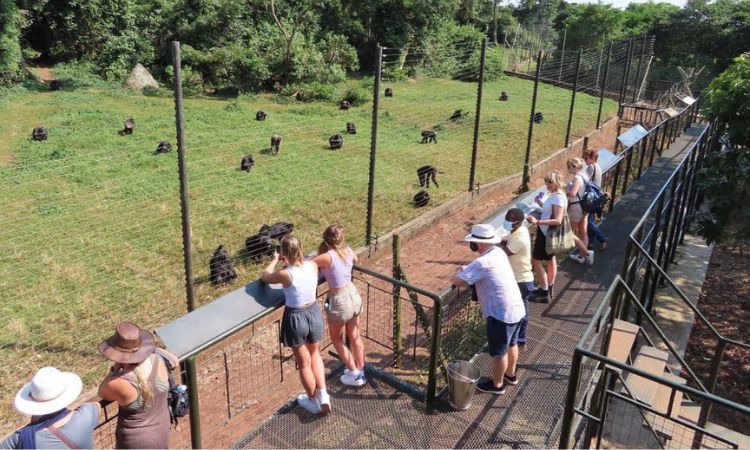
The remaining area is dedicated to visitor facilities, staff quarters, and a secure electric-fenced zone that separates the human area from the main chimpanzee habitat. This design ensures the chimps can roam freely in a semi-wild environment while visitors enjoy safe, close encounters.
How to Get to Ngamba Island Chimpanzee Sanctuary:
- Departure Point: Usually from the waterfront near Entebbe (Banga Beach, Pelican Lodge Marina, or Uganda Wildlife Education Centre area).
- Travel Time:
- Speedboat: 45–60 minutes (most popular and comfortable option)
- Motorized canoe/traditional boat: 90–120 minutes
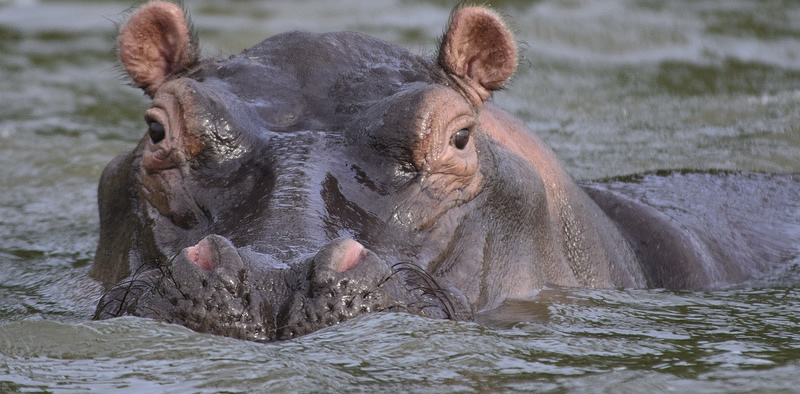
- The boat ride itself is scenic, offering views of Lake Victoria, fishing villages, and possibly aquatic birds or hippos.
Most day tours and overnight packages include round-trip boat transfers arranged by the sanctuary or through reputable tour operators.
Daily Life and Care of Chimpanzees at Ngamba Island
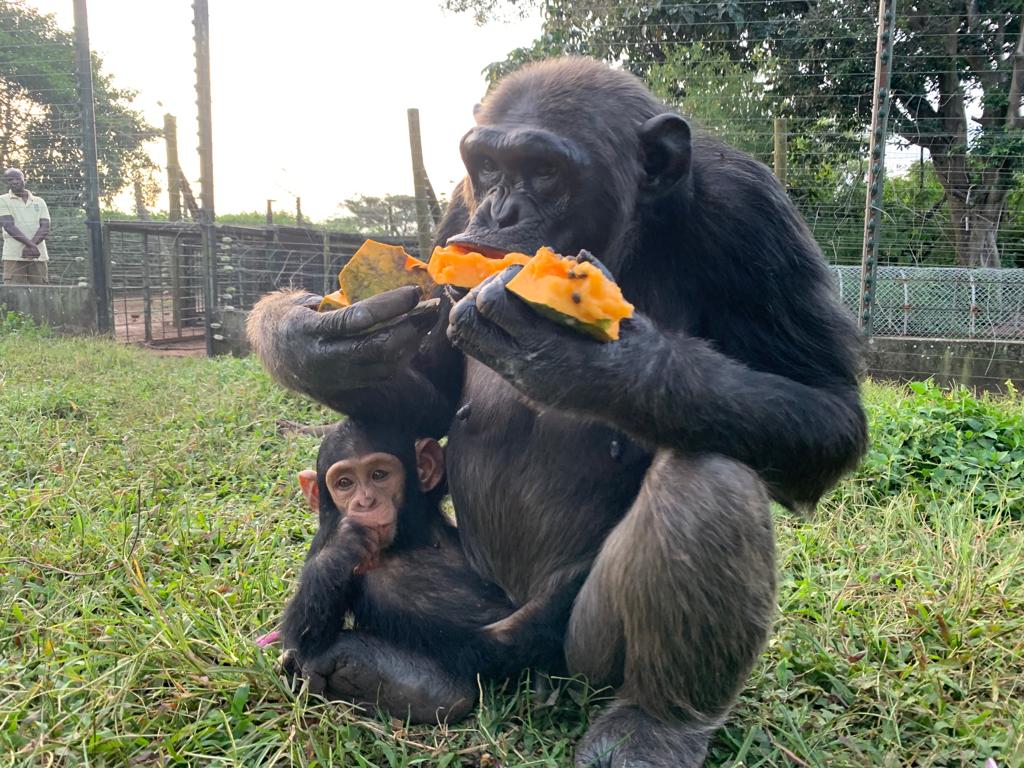
The chimpanzees at Ngamba live in social groups that mimic wild troops as closely as possible. Caregivers provide a balanced diet of fruits, vegetables, and supplements while encouraging natural foraging behaviors in the forest.
Key Management Practices:
- New or young rescued chimpanzees are introduced gradually to existing groups to minimize conflict. Resident chimps are familiarized with newcomers through separated but visible introductions over time.
- The sanctuary uses positive reinforcement and expert behavioral management.
- Veterinary care is a priority, with on-site facilities for health monitoring, treatment of injuries from past trauma, and disease prevention.
- Enrichment activities (tools, puzzles, climbing structures) keep the chimps mentally stimulated.
Visitors often hear individual rescue stories during guided talks — tales of survival that highlight both the cruelty of the illegal wildlife trade and the dedication of conservation teams.
What to Expect During Your Visit to Ngamba Island Chimpanzee Sanctuary
A typical visit revolves around the chimpanzee feeding sessions, held twice daily (morning and afternoon). From a raised viewing platform or walkway along the electric fence, you watch caregivers toss food (bananas, avocados, eggplant, cassava, etc.) to the excited chimps.
You will witness complex social interactions: mothers caring for infants, playful juveniles, dominant males asserting authority, and tool-use behaviors such as using sticks to reach food. The experience is educational, entertaining, and emotionally powerful.
Additional highlights include:
- Informative orientation and conservation talks by sanctuary staff or researchers
- Guided nature walks around the visitor area
- Opportunities to spot other wildlife: over 150 bird species, monitor lizards, crocodiles, and hippos in the surrounding waters
- Relaxed downtime on the island — reading, sunbathing, or simply absorbing the peaceful lakeside atmosphere
Important Safety Note: Chimpanzees are strong, intelligent, and can be unpredictable. Visitors receive a thorough briefing and must follow strict rules — no touching, no running, no sudden movements, and no irritating behaviors.
Direct interaction is limited for safety and ethical reasons, though some past programs allowed closer supervised encounters.
Activities and Experiences at Ngamba Island
Beyond chimpanzee viewing, Ngamba Island offers a relaxing island escape:
- Morning or Afternoon Feeding Sessions — The core experience
- Guided Island Walks — Learn about the ecosystem and conservation efforts
- Birdwatching — Excellent for spotting forest and lakeshore species
- Relaxation Activities — Hammocks, reading nooks, swimming (in designated safe areas near the equator), beach time
- Recreational Games — Badminton, volleyball, darts (available in visitor areas)
- Cultural & Lakeside Insights — Views of local fishing communities
- Overnight Stays — Eco-lodge or dormitory-style accommodation for a deeper immersion (highly recommended by many visitors for experiencing both feeding sessions and the island’s nocturnal atmosphere)
Caregiver for a Day / Volunteer Programs: For those wanting to contribute more, longer stays (1–4 weeks) allow participation in daily care routines, though availability and costs vary.
Best Time to Visit Ngamba Island Chimpanzee Sanctuary
Ngamba Island is accessible year-round, making it an excellent add-on to any Uganda itinerary. However, conditions vary:
- Dry Seasons (June–September and December–February): Preferred for smoother boat rides on Lake Victoria, clearer skies, and more comfortable temperatures. These periods align well with peak gorilla trekking seasons.
- Wet/Green Seasons (March–May and October–November): Lusher vegetation, potentially more bird activity, and fewer crowds. Boat rides may be bumpier, but the sanctuary experience remains excellent.
Morning feeding sessions are often recommended for more active chimpanzee behavior and better photography light.
Visiting Costs and Practical Information 2026
Prices are approximate and often structured per person depending on group size. Most tours include round-trip boat transfers, sanctuary entry, and guided experiences:
- Half-Day Tour (Speedboat): From $110–$365 per person (lower rates for larger groups; solo travelers pay more)
- Full-Day Tour: $200–$400+ depending on inclusions (lunch, extra activities)
- Overnight Stays: Significantly higher; eco-lodge or basic dormitory options available for multi-day immersive experiences
Additional costs may include lunch on the island, photography fees (if applicable), or donations. Booking directly with the sanctuary (reservations@ngambaisland.org) or through a trusted Uganda tour operator is advised for the best rates and seamless logistics.
What to Bring:
- Binoculars and camera with zoom lens
- Sunscreen, hat, insect repellent
- Light rain jacket (Lake Victoria weather can change quickly)
- Comfortable closed shoes for walks
- Reusable water bottle
Conservation Impact and How You Can Help
Every visit to Ngamba Island directly supports chimpanzee care, habitat protection, community education, and anti-poaching efforts across Uganda. The sanctuary collaborates with UWA and international partners to rescue more primates and raise awareness.
Ways to Contribute:
- Symbolic chimpanzee adoption programs
- Donations for veterinary care or infrastructure
- Spreading awareness after your visit
- Choosing ethical tour operators committed to responsible wildlife tourism
Ngamba Island vs Wild Chimpanzee Tracking in Uganda
Many travelers combine Ngamba with wild experiences:
- Ngamba Island: Predictable, accessible, less strenuous, excellent for education and photography. Ideal for families or short visits.
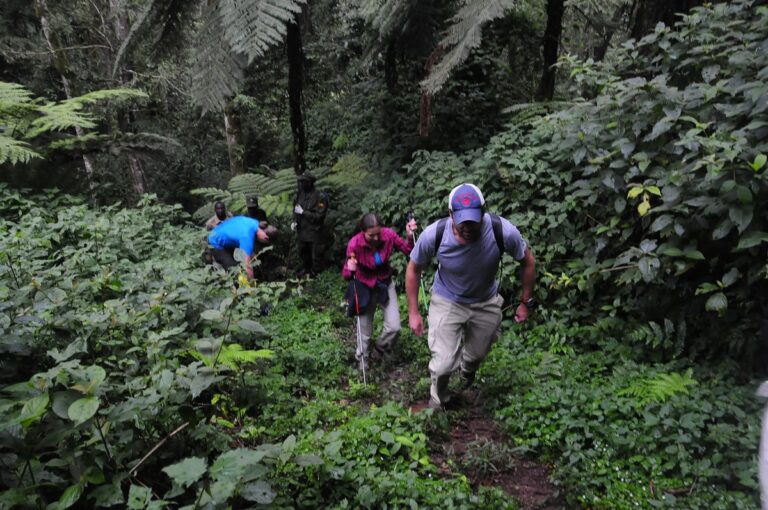
- Kibale National Park / Budongo / Kalinzu: True wilderness trekking with habituated groups. More physically demanding but offers the thrill of searching in the forest.
Ngamba serves as a gentle introduction or compassionate alternative for those unable to trek long distances.
Sample Itineraries Including Ngamba Island
- 1-Day Ngamba Island Chimpanzee Tour from Entebbe or Kampala
- 3-Day Ngamba Island Escape with overnight stays
- Combined Uganda Safari: Entebbe arrival → Ngamba day trip → Kibale chimpanzee tracking → Bwindi gorilla trekking
These flexible add-ons fit easily into broader Uganda safari packages 2026.
Tips for an Unforgettable Visit to Ngamba Island Chimpanzee Sanctuary
- Book in advance, especially if traveling during peak dry seasons.
- Choose morning sessions for livelier chimpanzee activity.
- Respect all rules and listen carefully to the briefing.
- Consider an overnight stay for a more immersive, less rushed experience.
- Support the sanctuary through additional donations or adoptions.
- Combine with a visit to the Uganda Wildlife Education Centre (UWEC) in Entebbe for a full primate-themed day.
FAQ – Ngamba Island Chimpanzee Sanctuary
How many chimpanzees live on Ngamba Island?
Approximately 49–50 rescued chimpanzees as of 2026.
Is there direct interaction with the chimps?
Viewing is from secure platforms/fences. Direct physical contact is strictly limited for safety and welfare reasons.
Can children visit Ngamba Island?
Yes, it is family-friendly, though parents should prepare children for the rules and emotional stories.
Is Ngamba Island worth visiting if I plan to do wild chimp tracking?
Absolutely. It provides valuable educational context and a different perspective on chimpanzee conservation.
What other wildlife can I see?
Over 150 bird species, monitor lizards, crocodiles, and occasional hippos in the lake.
Ready to Experience Ngamba Island?
Ngamba Island Chimpanzee Sanctuary represents hope, resilience, and the power of conservation in action. A visit here not only creates lasting memories but also contributes to protecting one of humanity’s closest relatives.
Contact us today to include Ngamba Island chimpanzee sanctuary in your 2026 Uganda itinerary. Whether as a relaxing day trip from Entebbe or part of a longer primate safari, this unique island experience on Lake Victoria will enrich your understanding of Uganda’s incredible biodiversity.
Explore related guides: