

Conservation History in Uganda: From Colonial Roots to Modern Wildlife Protection and Sustainable Tourism
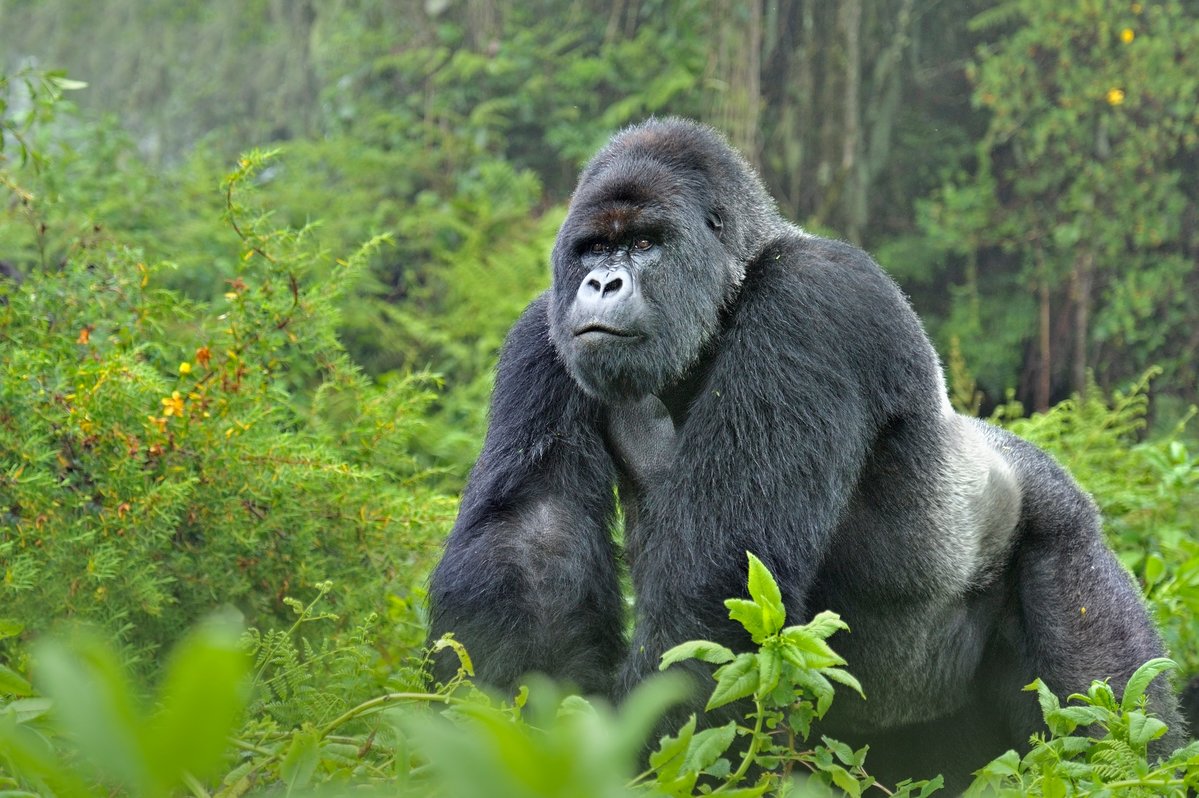
Uganda, often called the Pearl of Africa, boasts exceptional biodiversity with over 350 mammal species (including mountain gorillas).
More than 1,041 bird species (about 10% of the world’s total), diverse butterflies, reptiles, and endemic plants.
Conservation history in Uganda reflects a journey from early colonial efforts focused on controlling wildlife for agriculture to today’s comprehensive strategies emphasizing sustainable use, community involvement, and ecotourism.
This rich natural heritage underpins Uganda’s tourism sector, which contributes significantly to exports and the national economy.
With over 60 protected areas—including 10 national parks—Uganda protects endangered, critically endangered, and endemic species while addressing challenges like poaching, habitat encroachment, and human-wildlife conflict.

Early Conservation History in Uganda: British Colonial Era (1894–1962)
Conservation in Uganda gained momentum during the British Protectorate period in the early 20th century.
Active management of wildlife began in 1923 with the establishment of the Elephant Control Department.
Its primary goal was to minimize damage to peasant agriculture by controlling elephant populations through culling programs, which averaged over 1,000 elephants killed annually to limit their range and numbers.
This era also saw the creation of early game reserves, such as the one north of Lake George in 1906, to regulate hunting and support agricultural expansion like wheat and cotton.
Sleeping sickness outbreaks in the early 1900s led to evacuations that inadvertently expanded protected areas.
By the 1920s, much of Uganda hosted abundant game, but growing human populations intensified conflicts.
Colonial policies laid the foundation for the protected area system but often prioritized resource extraction and settler interests over local communities, creating long-term tensions that persist in discussions of conservation equity today.
Post-Independence Developments and the Establishment of Uganda Wildlife Authority (UWA)
After independence in 1962, Uganda maintained many colonial-era protected areas but faced severe disruptions during the Idi Amin era (1970s) and subsequent civil wars.
Which decimated wildlife populations—elephants dropped dramatically from around 30,000 at independence to about 2,000 by the mid-1980s.
A pivotal moment came in 1996 with the creation of the Uganda Wildlife Authority (UWA) through the merger of the Uganda National Parks Department and the Game and Fisheries Department.
Formalized by the Uganda Wildlife Statute (later the Uganda Wildlife Act 2000, amended in 2019).
UWA serves as the primary government agency responsible for conserving and sustainably managing Uganda’s wildlife both inside and outside protected areas.
UWA’s core mandates include:
- Managing 10 national parks, 12 wildlife reserves, community wildlife areas, and sanctuaries.
- Promoting community participation through revenue sharing (20% of gate fees to local governments), collaborative resource management, and wildlife use rights.
- Conducting anti-poaching patrols, problem animal control, and conservation education.
- Enhancing tourism while addressing human-wildlife conflicts and supporting poverty eradication.
UWA’s approach emphasizes partnerships with local communities, offering solutions to conflicts and benefit-sharing schemes that improve livelihoods.

National Parks in Uganda: Biodiversity Hotspots and Tourist Attractions
Uganda’s 10 national parks form the cornerstone of its conservation network, each with unique ecosystems and attractions that draw international visitors.
- Bwindi Impenetrable National Park (331 km², UNESCO World Heritage Site): Home to nearly half the world’s mountain gorillas (~459 individuals). Famous for gorilla trekking.
- Queen Elizabeth National Park (1,978 km²): Diverse savannas, wetlands, and crater lakes; known for tree-climbing lions, boat safaris on the Kazinga Channel, and over 600 bird species.
- Murchison Falls National Park (largest, ~3,893 km²): Dramatic Nile River falls, Big Five wildlife, boat safaris.
- Kibale Forest National Park: “Primate Capital of the World” with 13 primate species, including chimpanzees.
- Kidepo Valley National Park: Remote wilderness with unique species and stunning landscapes.
- Others include Mgahinga Gorilla, Lake Mburo, Mount Elgon, Rwenzori Mountains, and Semliki.
Wildlife reserves like Ziwa Rhino Sanctuary (key for rhino reintroduction), Aswa-Lolim, Bokora Corridor, and others complement these parks.
Recent developments include proposals or designations of additional parks from former reserves, expanding the network.
Key International Partners: Wildlife Conservation Society (WCS) and Beyond
UWA collaborates with international organizations. The Wildlife Conservation Society (WCS) has supported Uganda since 1957, conducting biological surveys and providing consistent funding even during turbulent times.
WCS aided Kibale Forest conservation in the 1970s–80s, contributed to its national park status in 1993, funded research, and helped establish the Institute of Tropical Forest Conservation (ITFC).
It continues work in landscapes like Greater Virunga, Murchison-Semliki, and Kidepo.
Other partners include WWF, USAID, the EU, and local NGOs, supporting anti-poaching, habitat restoration, and community programs.
Conservation Strategies and Community Involvement
UWA employs multifaceted approaches:
- Conservation education and awareness.
- Problem animal management and electric fencing to reduce conflicts.
- Revenue sharing and collaborative management.
- Patrols and law enforcement using modern tools like SMART patrolling, camera traps, and EarthRanger.
- Habitat restoration, including clearing invasive species (over 3,000 hectares in recent efforts).
Community scouts, benefit-sharing, and alternative livelihoods (e.g., beekeeping, tourism enterprises) foster local buy-in.
Wildlife Diversity and Conservation Successes
Uganda hosts remarkable species: mountain gorillas, chimpanzees, elephants, lions, shoebill storks, and more.
Recent surveys show recoveries—buffaloes are up 29%, zebras 18%, white rhinos are increasing post-reintroduction, and chimpanzees are up 20%.
Gorilla numbers remain stable at ~459 in Bwindi.
The Great Elephant Census (2015, with WCS/UWA) documented significant elephant increases in key parks.
Current Challenges in Uganda Wildlife Conservation
Despite progress, threats persist:
- Habitat loss from agriculture, settlements, and infrastructure.
- Poaching (snare-based bushmeat) and illegal wildlife trade.
- Human-wildlife conflict and invasive species.
- Climate change impacts.
- Funding constraints for full management.
Militarized elements in some areas and historical dispossessions fuel ongoing debates about equity.
Future of Conservation in Uganda: Sustainable Models and Opportunities
Uganda is pioneering public-private partnerships, such as collaborations with operators for flexible funding in under-visited areas, supporting infrastructure and patrols.
Innovative models like conservancies, carbon projects, and ecotourism aim to balance development with protection. Strengthening community involvement, modern monitoring, and policy integration (e.g., biodiversity offsets) will be key.
Conclusion: Uganda’s conservation history demonstrates resilience—from colonial culling to community-centered, science-driven protection.
By leveraging its “Pearl of Africa” status, investing in people and partnerships, and addressing threats head-on, Uganda can serve as a global model for balancing biodiversity conservation with sustainable development and tourism.
This comprehensive approach not only safeguards endangered species and ecosystems but also drives economic growth for future generations.
For planning a visit or learning more, explore official UWA resources and responsible tour operator Adventure Uganda Safaris.