Gorilla Trekking in the Virunga Conservation Area
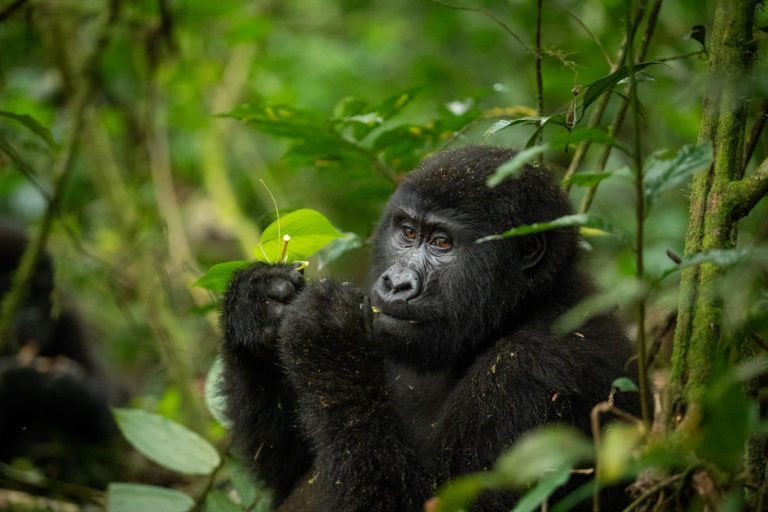
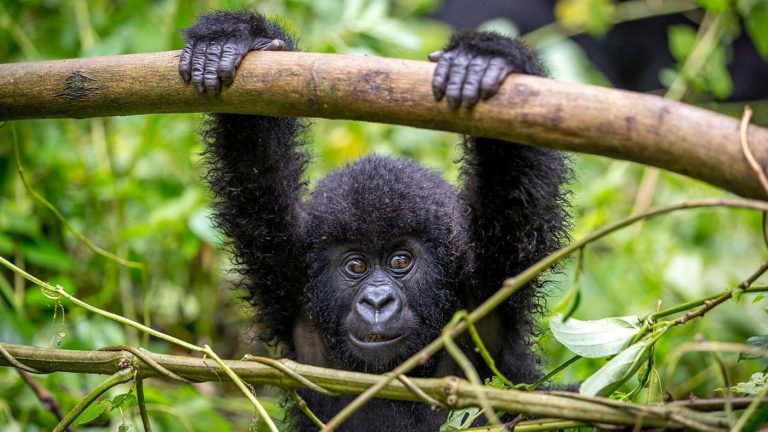
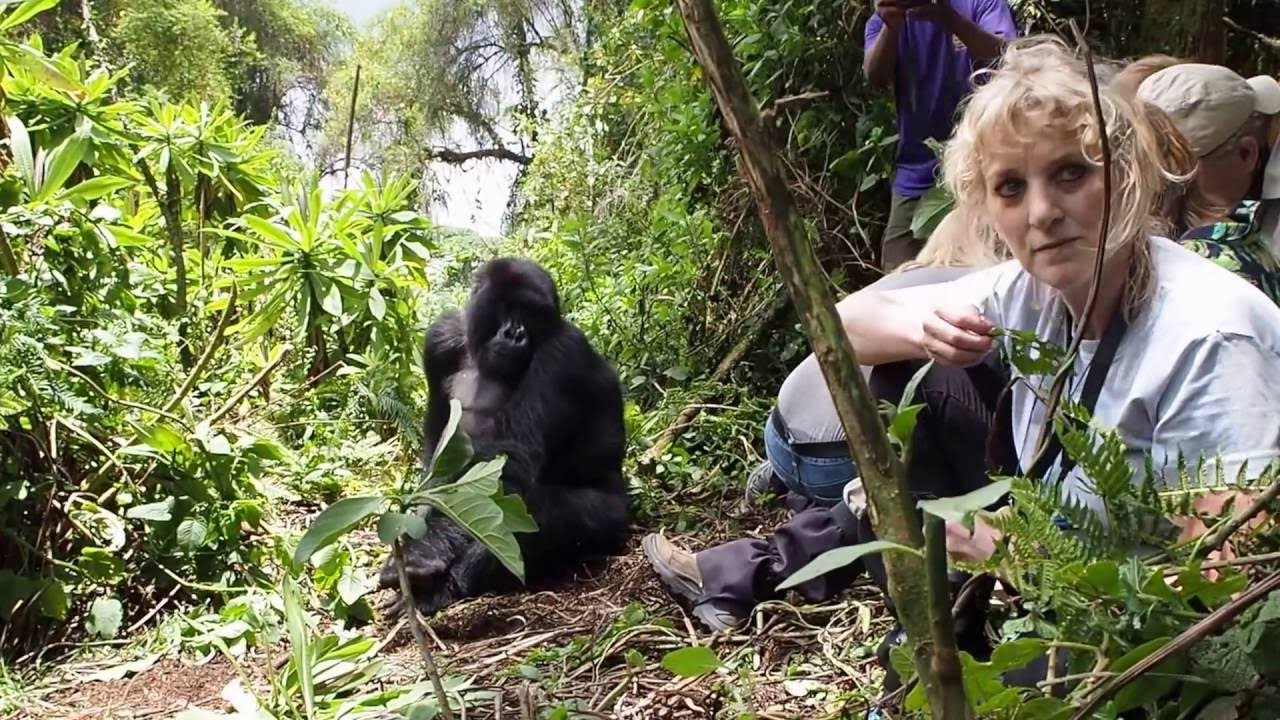
The Virunga Conservation Area, comprising Mgahinga Gorilla National Park in Uganda, Volcanoes National Park in Rwanda, and Virunga National Park in the Democratic Republic of the Congo, is home to the world’s most iconic wildlife experience: gorilla trekking. This Area is home to at least 55% of the remaining mountain gorillas on this Planet, so this is one of the best places to come for a gorilla safari Holiday. For travelers with a passion for mountain gorilla photography, gorilla trekking, or simply the thrill of getting up close and personal with these majestic creatures in their natural habitat, a gorilla safari in the Virunga Conservation Area is an unforgettable experience.
Our expert guide explores the three locations to see mountain gorillas in the Virunga Conservation Area, complete with gorilla trekking packing tips and the best time to go, to help you plan your ultimate gorilla safari experience.
Gorilla Trekking in Volcanoes National Park- Rwanda
Located in the Northern Province of Rwanda, the 16000-hectare Volcanoes National Park is known for one of the highest mountain gorilla densities in the Virunga Conservation Area. Its Bamboo forest, Hagenia-Hypericum woodlands, and dramatic Valleys make it ideal for high-quality sightings and photography.
With its 12 habituated gorilla families, a total of 96 gorilla permits are issued each day by the Rwanda Development Board for tracking in Volcanoes National Park. All you need is a valid gorilla permit (which costs $1500 per person) and being of ideal age (15 years and above) to enjoy the face-to-face encounter with these Giant Apes.
Gorilla trekking in Volcanoes National Park starts at 7:00am, from Kinigi Park Headquarters, with a 30-minute entertainment followed by a 30-minute briefing on the guidelines to be followed while tracking these Giant Apes. At 8:00am, visitors then drive to the trailhead, and then start the search for Giant Apes in their natural habitat, which lasts anywhere between 30 minutes and 6 hours. When sighted, you will have 60 minutes of photography and watching them go about their day-to-day activities.
Accommodation options for visitors planning to go gorilla trekking in Volcanoes National Park include One & Only Gorilla’s Nest, Bisate Lodge, Bisate Reserve Lodge, Singita Kwitonda Lodge, Bishop’s House, Kinigi Guesthouse, Five Volcanoes Boutique Hotel, Da Vinci Gorilla Lodge, Muhabura Hotel, Mountain Gorilla View Lodge, Amakoro Songa Lodge, Sambora Kinigi Lodge, Le Bambou Gorilla Lodge, Sabyinyo Silverback Lodge, Virunga Lodge, Le Palme Hotel, and many others.
Gorilla Trekking in Virunga National Park
With its lowland rainforests, montane forests, bamboo, and Virunga Volcanoes’ slopes, Virunga National Park is another incredible place to get up close and personal with the Giant Apes in the Virunga Conservation Area. This 780000-hectare Protected Area is easily accessible from Kigali City, and the border crossing at Gisenyi (Rwanda)- Goma (DRC).
Here, a third of the World’s mountain gorillas are sheltered, and about 10 gorilla families have been habituated for tracking. This means that 80 gorilla permits are issued each day by ICCN.
Gorilla trekking adventures in Virunga National Park are led by Virunga Park Rangers and local trackers who are responsible for the daily monitoring of its habituated families. Lasting between one and three hours (depending on the location of the gorilla family), gorilla treks are climaxed with one hour of watching and photographing gorillas. The age limit for tracking these Giant Apes is 15 years and older.
Accommodation options for visitors tracking mountain gorillas in Virunga National Park include Mikeno Lodge, Lulimbi Tented Camp, Kibumba Tented Camp, Bukima Tented Camp, Tchegera Tented Camp, and others.
Gorilla Trekking in Mgahinga Gorilla National Park
Known as Uganda’s smallest Protected Area, Mgahinga Gorilla National Park is also the smallest safari destination in the Virunga Conservation Area with 34 square kilometers. It has only one habituated gorilla family, hence only 8 permits are issued by Uganda Wildlife Authority each day.
Gorilla trekking permits for this Park cost $800 per person for foreign non-residents, $700 per person for foreign residents, and Shs. 300,000 for East African Community Citizens.
Best time to visit the Virunga Conservation Area for gorilla trekking
The perfect time for your gorilla safari in the Virunga Conservation Area depends on whether you value comfort, landscapes, or maximum gorilla sighting experience.
March to May, November: The wet/green season
The jungles are fresh and green following heavy downpours, with pleasant temperatures as well as soft light. This season is perfect for scenic and landscape photography, great for birding, and ideal for those looking to save some money (as some lodges provide low-season rates).
However, foliage is thicker and forest trails muddier/slippery, hence making it challenging to search for the endangered mountain gorillas.
June to September, December to February: Dry season
These months are hot and dry, as forests start becoming sparser. The dry season provides a balanced combination of comfort and incredible experiences as forest trails are drier and vegetation sparser. This makes gorilla trekking less challenging during the dry season.
However, this is the high season with demand for permits and accommodation being higher. This affects prices for accommodation as lodges charge peak season rates, and also, availability for permits becomes harder. The challenge of availability can be solved by booking your gorilla safari at least 12 months in advance.
What to pack for Gorilla Trekking in Virunga Conservation Area
During gorilla trekking adventures, forest temperatures average 24 degrees Celsius, but we trekkers are advised to come in trousers and long-sleeved shirts for protection from stings and thorns.
You will also need a pair of long cotton socks for tucking trousers into them in case of army ants.
Additionally, sturdy hiking boots are necessary for maneuvering through the jungles while searching for the Giant Apes.
Also, trekkers are advised to pack a waterproof rain jacket, reusable water bottle, energy-giving snacks, a pair of binoculars, a hat, sunglasses, and sunscreen for sun protection, and a camera with a telephoto lens and extra batteries.
A backpack is handy for storing everything (from drinking water, snacks, a camera, binoculars, a passport, and a gorilla permit) you will need for the gorilla trekking adventure.