Facts About Zebras
Facts About Zebras
Facts about zebras in Africa (Uganda and Rwanda). Zebras are among the unusual mammal species you should expect to encounter on a Uganda safari or Rwanda safari in the savanna parks. Get to know the fun facts about zebras in Uganda and Rwanda (Africa), their habitat, sizes, diet/what they eat, species, conservation status, lifespan, weight, and more.
 8 Fun Facts About Zebras Uganda
Zebra species
Zebra species are classified into 3; Mountain zebra, Grevy’s zebras, and plain/common zebras. The Grevy’s zebras are bigger and weigh about 450 kg. The Grevy’s zebras are common in Kenya and Ethiopia. They are also endangered species. Mountain zebras exist in South Africa while the plain zebras exist in Uganda.
The plain zebras in Uganda have a height of about 1.5 meters and a weight of 250-300 kg. Males are a bit heavier and generally, the plain zebras prefer flat areas with grasslands. Uganda is home to only the plain/common/Burchell’s zebras.
Zebra Habitat/where they live
Zebras can be spotted in their natural habitat in Africa. In Uganda, zebras can be encountered during a guided game drive in the iconic Lake Mburo National Park in the western part of the country. A good section of zebras also thrives in the Kidepo Valley National Park in the extreme Northeastern end of Uganda.
While on Rwanda wildlife safaris, zebras can be explored in their natural habitat in Akagera National Park. Akagera is the only savanna-protected area where the Big 5 game can be encountered.
Zebra Offspring
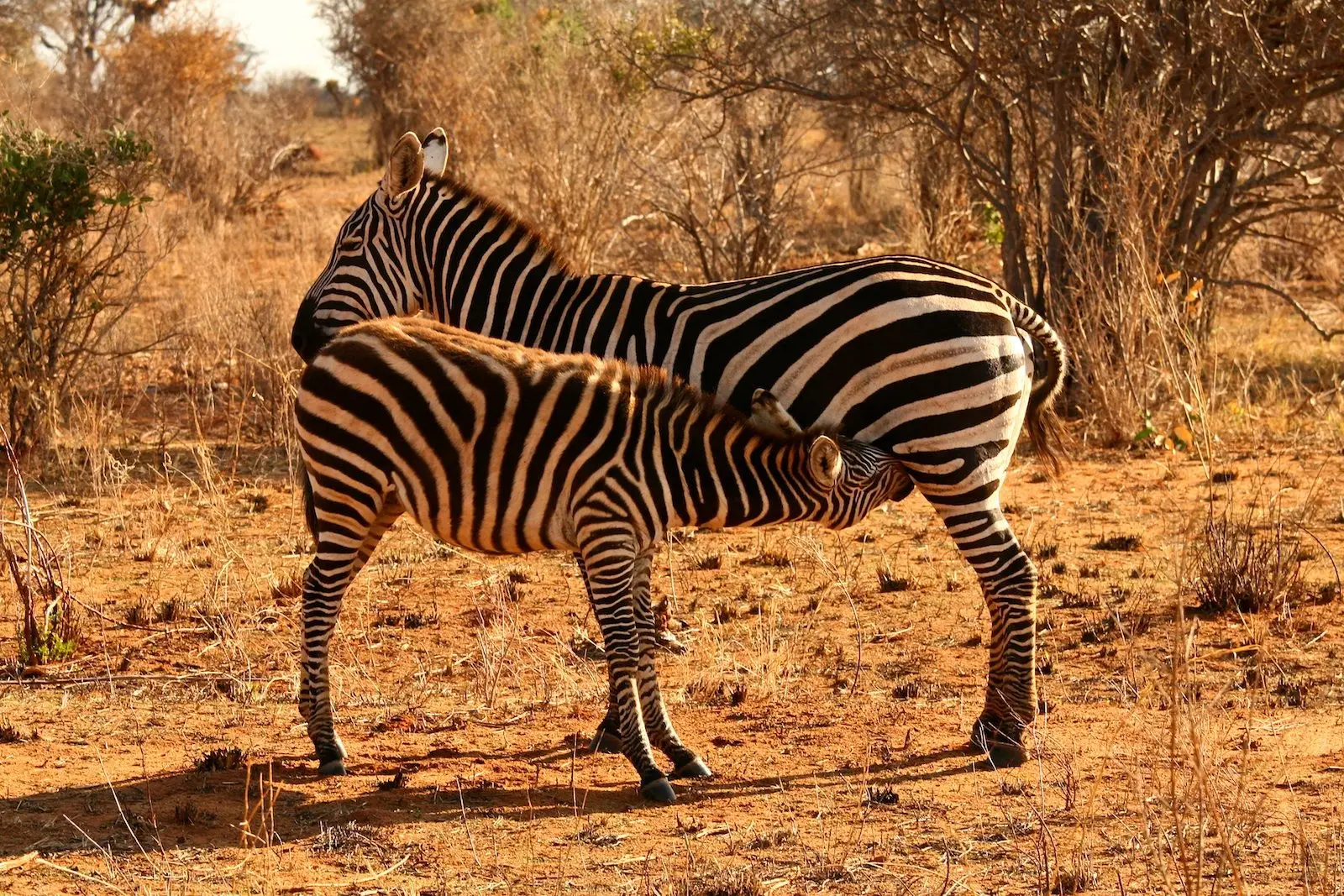
Like other mammals in the wild, zebras also reproduce when they reach their age. They mate and a baby zebra is called a foal. A baby zebra when born can weigh up to 35 kg. They identify their mothers by sight, sound, and smell. Mother zebra can give birth after 12-14 months and the newborn can stand and walk for an hour. When born, the mother keeps it around till the baby is old and is able to run long distances on its own. The infant zebras are often preyed on by predators like leopards and hyenas.
Lifespan of zebras
In the wild, zebras have a lifespan of up to 25 years. Their survival is often hindered by predators because most of them are hunted for around 6-10 years.
Diet –what do zebras eat?
Generally, zebras are herbivore species. They depend on the grasses, shrubs, leaves, and herbs. They are capable of traveling for more than 1000 km while searching for what to eat and drink. During plenty of seasons, zebras feed on fresh and green grass and on rare occasions herbs and shrubs.
Facts About Zebras stripes
Zebras are easily identified by their stripes. They are black and white making them a bit fashionable by nature, unlike other wildlife with only one color. The stripes are distinct to each zebra just like fingerprints are unique to every mountain gorilla/human.
Zebras use their stripes to help them camouflage and confuse the predators. A herd of zebras can create a kind of illusion of a giant mass hence reducing chances of predators attacking a member. The stripes also help in heat regulation as they spend most of their time grazing on the open plains.
Facts About Zebras Habits
Zebras are social mammals. A group of zebras can comprise 5 to 20 members headed by a stallion. A stallion is the leader of the zebra family and protects its members from intruders. He has mating rights with the mares and when male foals are produced, then that is more protection for the herd. The stallion is usually the one that takes the lead of the herd.
Like the rest of other wild animals, zebras have their own communication means, They use sounds and facial expressions to communicate with each other. They bark and pull their ears back against their heads when in danger. They use it to signal others and get into hiding or make a circle around any injured individual as a way to protect their member from predators.
Zebras can run for 64 km per hour and use zigzag form. They use the zigzag form of running to save themselves from predators. Often, zebras can be witnessed when grazing with other mammals like Uganda Kobs.
Protection from predators
Zebras have defensive mechanisms just like other mammals. They are good at back kicking and when they do, they can injure a lion or a predator.
When to visit Uganda to see zebras
Zebras in Uganda and Rwanda can be encountered at any time of the year. However, the dry season is the best time for you to embark on a game drive to explore not only the zebras but also other wildlife in the savanna-protected area. The dry months start from June to September then December to February.
Conclusively, zebras are among the interesting mammals you should expect to explore on a safari in Uganda and Rwanda. The best way to encounter zebras in Uganda/Rwanda is by embarking on the game drive in Lake Mburo National Park or Kidepo Valley National Park while in Rwanda, you can consider visiting Akagera National Park.