
Everything to Know about Renting & Driving a Car in Uganda 2026 Guide
Renting a car and self-driving in Uganda is one of the most rewarding ways to explore the Pearl of Africa, offering flexibility to visit gorilla trekking destinations like Bwindi Impenetrable National Park, wildlife-rich Queen Elizabeth and Murchison Falls, and scenic highlands such as the Rwenzori Mountains.
This comprehensive guide covers safety, licensing, road conditions, costs, insurance, and essential tips to help you plan a smooth and memorable self-drive safari in Uganda.
Is It Safe to Drive in Uganda?
Uganda is generally considered one of the safer countries in Africa for self-drive tourism, with a stable security environment and friendly locals.
However, like any destination, it requires common-sense precautions to avoid unpleasant incidents.
Key safety tips for driving in Uganda include:
-
Avoid night driving, especially in urban areas like Kampala, where carjackings and petty crime can occur at traffic lights or in poorly lit zones.
-
Keep doors locked and windows closed when driving through towns, and never leave valuables visible inside the car. Store bags in the trunk if necessary.
-
Do not pick up strangers or offer free lifts, as some individuals may have malicious intentions.
-
Drive defensively: Expect unpredictable overtaking by minibuses (matatus) and large coaches, and always maintain a safe following distance.
-
Watch for unmarked speed bumps, especially near town entrances, and avoid potholes that can damage tires.
-
Park in secure, guarded lots at lodges or hotels with fenced parking.
Most rental companies recommend driving between 6:00 am and 7:00 pm, as this is considered the safest window for travel.

Do You Need an International Driving Permit (IDP) in Uganda?
Uganda allows foreign visitors to drive using their home country’s driver’s license for up to three months, provided it is in English.
Licenses from the US, UK, Canada, Australia, and other English-speaking countries are widely accepted if you are at least 18 years old and have held the license for over a year.
However, an International Driving Permit (IDP) is highly recommended, especially if your license is not in English.
Some rental companies and police checkpoints may request it, and it serves as an additional form of identification. IDPs can be obtained in your home country before travel or online for around $49.
Most car rental companies in Uganda require drivers to be at least 23–25 years old with a minimum of two years of driving experience.
Uganda’s Road Conditions: What to Expect
Uganda’s road network has improved significantly in recent years, with most major highways paved and well-maintained, making it possible to travel between cities and towns in a standard 2WD vehicle.
The Kampala–Entebbe Expressway, for example, is a modern toll road that offers a smooth, fast connection between the capital and the international airport.
However, roads within national parks and remote destinations are often unpaved, rough, and muddy, especially during the rainy seasons (April–May and October–November).
For these areas, a high-clearance 4WD vehicle (such as a Toyota Land Cruiser, Prado, or RAV4) is strongly recommended and, in some cases, mandatory.
Key road condition considerations:
-
National park tracks: Most internal roads in parks like Bwindi, Kidepo Valley, and Queen Elizabeth are gravel or dirt and can become impassable for 2WD vehicles during wet weather.
-
Rural roads: Expect occasional potholes, stray animals (cattle, goats, and dogs), and pedestrians walking along the roadside, particularly in rural areas.
-
Mountainous regions: Areas like the Rwenzori Mountains and Kigezi highlands have steep, winding roads that require careful driving and a capable 4WD.

Important Driving Rules and Regulations in Uganda
Driving in Uganda follows left-hand traffic, similar to the UK, Australia, and South Africa.
Familiarize yourself with the following key rules:
-
Speed limits:
-
Highways: 80–100 km/h (sources vary; 80 km/h is commonly enforced).
-
Rural roads: 80 km/h.
-
Urban centers: 50 km/h.
-
National parks: 40 km/h (strictly enforced to protect wildlife).
-
-
Seatbelts: Mandatory for all drivers and passengers at all times.
-
Mobile phones: Using a cellphone while driving is prohibited.
-
Headlights: Must be functional and used when driving at night.
-
Alcohol: Drinking and driving is strictly forbidden and heavily penalized.
-
Traffic signs: Always obey road signs and signals; police checkpoints are common.
Toll Roads in Uganda
Uganda currently has one major toll road: the Kampala–Entebbe Expressway, operated by Egis Road Operation (a French company).
The expressway features three main toll plazas with 16 toll gates.
Toll fees (as of 2026) for passenger cars (Class 2) are:
-
UGX 5,000 per plaza (approximately $1.35 USD)
-
A full one-way trip from Kampala to Entebbe Airport (two plazas) costs UGX 10,000 (~$2.70 USD).
Payment is made via an Easy Pass card, which can be purchased at toll plazas for UGX 20,000 plus a minimum loadable amount.
Weekly and monthly passes offer discounts of up to 50–70%.
Fuel Prices and Petrol Stations in Uganda
Fuel stations are widespread along major highways and in urban centers, with many operating 24/7.
Major brands include TotalEnergies, Shell, Gapco, and Mogas.
As of August 2026, fuel prices in Uganda are:
-
Petrol (gasoline): UGX 6,250–6,500 per liter (~$1.67–$1.73 USD)
-
Diesel: UGX 6,100–6,600 per liter (~$1.63–$1.76 USD)
Fuel prices have risen significantly in 2026 due to global oil market fluctuations and a weakening Ugandan shilling.
At fuel stations, attendants typically pump gas, check tire pressure, and top up oil levels for free or a small tip (tipping is appreciated but not mandatory).
Car Rental Companies in Uganda: Costs and Options
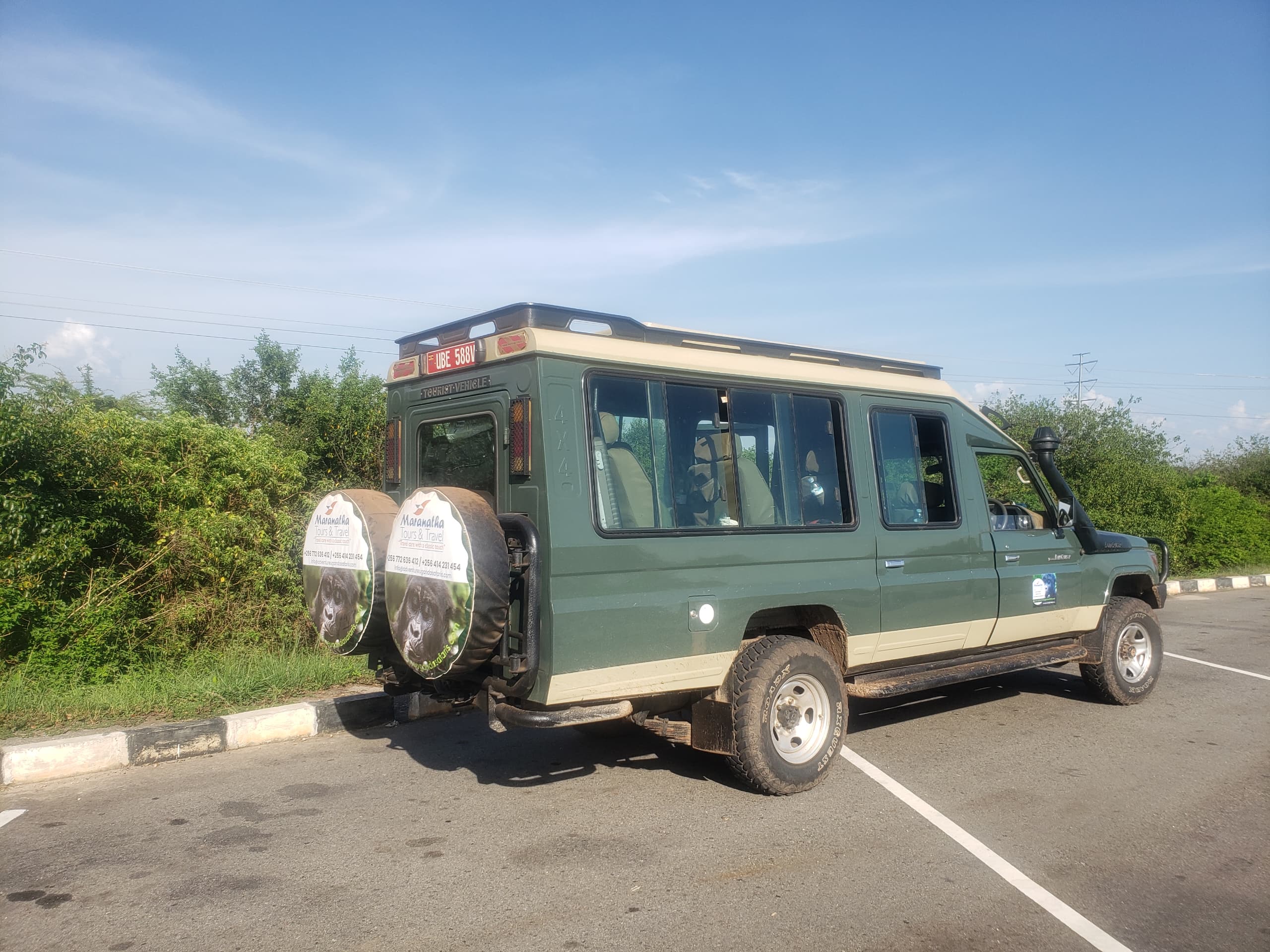
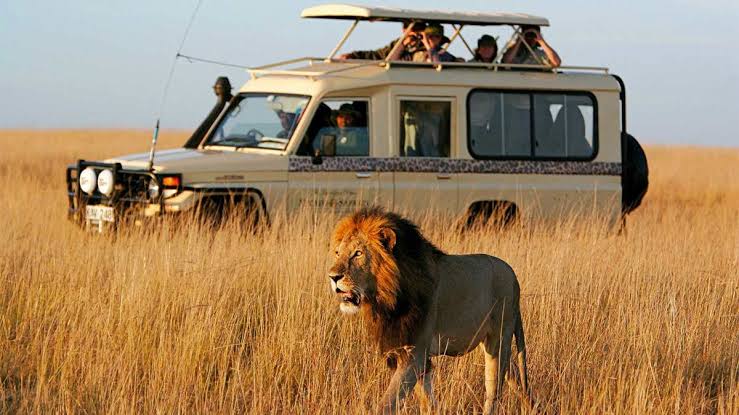
Uganda has numerous car rental companies offering a wide range of vehicles, from basic sedans to safari-ready 4WDs with rooftop tents.
Prices vary based on vehicle type, rental duration, season, and whether a driver is included.
Self-Drive 4×4 Rental Rates (2026 Estimates)
With Driver/Guide Rates
Note: Rates are exclusive of fuel, park fees, and accommodation.
Reputable rental companies include Maranatha Tours and Travel, Adventure Uganda Safaris, Self Drive Uganda, 4×4 Uganda, and Supreme Car Rental Uganda.
Many offer airport pickup, GPS navigation, and 24/7 roadside assistance.
Car Rental Insurance: What’s Included?
All rental vehicles in Uganda come with mandatory third-party liability insurance, which covers damage to other people or property but not your own vehicle.
Optional extras often include:
-
Collision Damage Waiver (CDW): Reduces your financial liability in case of an accident.
-
Theft Protection: Covers vehicle theft or break-ins.
-
Personal Accident Insurance: Covers medical expenses for the driver and passengers.
-
Fire Insurance: Covers damage from fire.
It’s advisable to opt for comprehensive coverage, especially for self-drive safaris in remote areas. Some companies require a refundable security deposit of $100–$500, depending on the vehicle.

Crossing Borders with a Rental Car
Taking a rental car across borders to Rwanda or the Democratic Republic of Congo (DRC) is possible with proper documentation.
Requirements typically include.
-
COMESA Yellow Card Insurance: Mandatory cross-border insurance.
-
Authorization letter from the rental company.
-
Border clearance documents and additional fees.
Always confirm with your rental company in advance, as not all vehicles are permitted for cross-border travel.
Self-Drive Safari Itineraries: Gorilla Trekking and Wildlife
Uganda’s diverse landscapes make it ideal for multi-day self-drive safaris.
Popular routes include:
7–10 Day Gorilla & Wildlife Itinerary
-
Day 1: Arrive in Entebbe/Kampala, pick up 4×4, drive to Lake Mburo or Queen Elizabeth NP (4–6 hours).
-
Day 2–3: Game drives and boat cruise in Queen Elizabeth NP; explore Ishasha sector for tree-climbing lions.
-
Day 4: Drive to Bwindi Impenetrable National Park (6–8 hours); overnight near your trekking sector (e.g., Buhoma, Ruhija, Rushaga).
-
Day 5: Gorilla trekking (2–6 hours total, including 1 hour with gorillas); optional Batwa cultural experience.
-
Day 6: Short nature walk or birding; drive back toward Kampala/Entebbe.
-
Day 7: Return vehicle and depart.
14–21 Day Grand Uganda Road Trip
Extend your journey to include Kibale Forest (chimpanzee tracking), Mgahinga (golden monkeys), Murchison Falls (waterfall and Nile cruise), Kidepo Valley (remote wilderness), and the Ssese Islands on Lake Victoria.
Best Time to Visit Uganda for a Self-Drive Safari
The dry seasons (June–August and December–February) are ideal for self-drive safaris, as roads are more passable and wildlife viewing is excellent.
The wet seasons (April–May and October–November) can make unpaved roads muddy and challenging, especially in national parks.
Gorilla trekking permits are available year-round, but booking 3–6 months in advance is recommended, especially for peak seasons.
Essential Packing and Preparation Tips
Before hitting the road, ensure you have:
-
Valid driver’s license and IDP
-
Cash (UGX/USD) for tolls, fuel, tips, and emergencies
-
Charged phone with local SIM (MTN or Airtel) and emergency
-
Drinking water, snacks, and basic first aid kit
-
Spare tire, jack, and tool kit (confirm with rental company)
-
GPS or offline maps (Google Maps works well in most areas)
-
Rain gear and warm clothing for highland areas like Bwindi and Rwenzori
Final Thoughts: Is Self-Driving in Uganda Worth It?
Absolutely. Self-driving in Uganda offers unparalleled freedom to explore at your own pace, stop for photos, and immerse yourself in the country’s stunning landscapes and wildlife.
With proper preparation, a reliable 4×4, and adherence to safety guidelines, your Ugandan road trip can be one of the most memorable adventures of your life.
For a seamless experience, consider booking through a reputable rental company that offers well-maintained vehicles, comprehensive insurance, and 24/7 support.
Whether you’re chasing gorillas in Bwindi, lions in Queen Elizabeth, or sunsets over Lake Bunyonyi, Uganda‘s roads are waiting to take you there.