
Do Mountain Gorillas Eat Humans?
Do Mountain Gorillas Eat Humans?
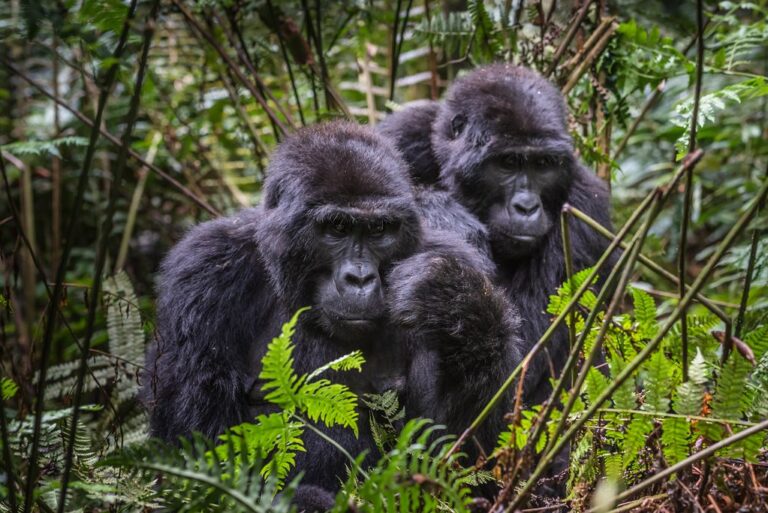
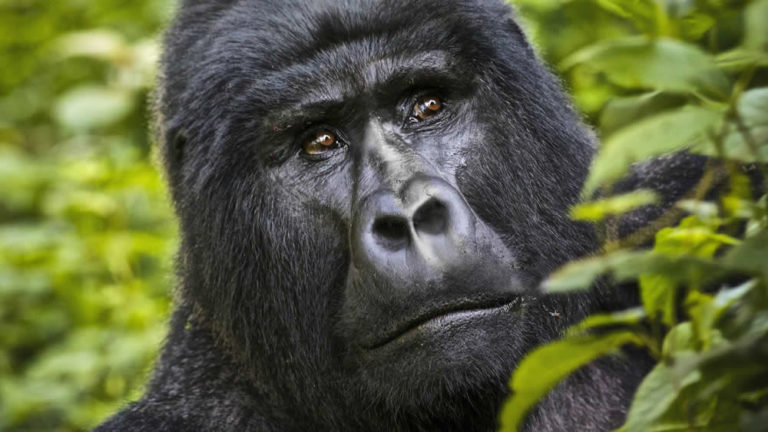
The question of whether mountain gorillas eat humans still puzzles some travelers, especially the ones that have never or are trekking mountain gorillas for the first time. These Giant Apes are known for their huge sizes and massive body weight, measuring to the tune of over 200 kilograms and because of gorilla films like King Kong, one would imagine that they actually eat humans. Therefore, do mountain gorillas eat humans? the answer is “NO”.
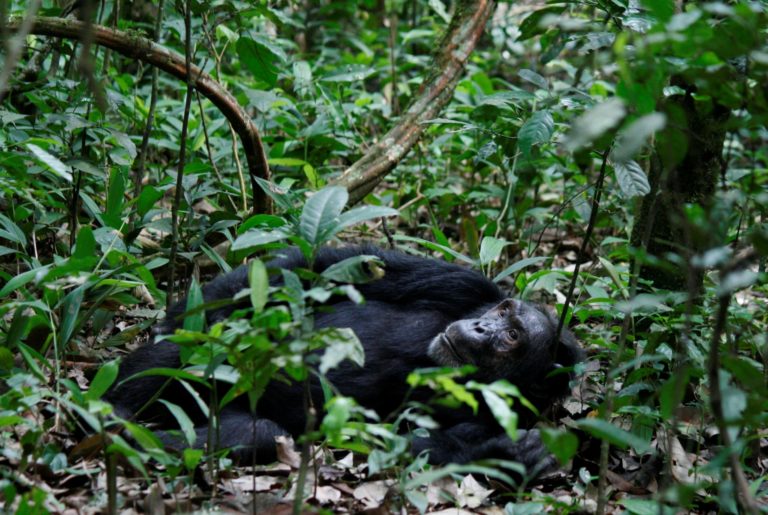
Also referred to as Gorilla beriengei beringei, Mountain gorillas don’t eat humans because they are primarily herbivorous and therefore their diet comprises vegetation and not flesh. These Giant Apes consume different parts of over 142 species of flora as well as about 3 varieties of fruits, mainly attributed to the scarcity of fruits in their natural habitat. Therefore, succulent leaves, pith, tree barks, pulp, wild celery, stems and young bamboo shoots comprise 86% of their diet, while plant roots are 7% of their diet, 3% of their diet is made up of flowers and fruit comprise about 2% of their menu. Their diet is at times supplemented with ants, grubs, insects, termites, and snails that take up about 2% of their menu.
How much food do mountain gorillas consume?
A full-grown male mountain gorilla (silverback) can consume up to 30 kilograms of vegetation in a single day. Given the high water content in their diet (vegetation) and the morning dew, these Giant Apes seldom drink water. Being one of the strongest Great Apes on Earth, these endangered creatures are capable of breaking apart vegetation in the blink of an eye. Interestingly, a silverback can tear apart an entire banana plant to just remove the interior soft pith. Feeding usually begins very early in the morning up to afternoon when short naps have to be taken while others play or groom each other, then resume late afternoon until evening (between 6 and 7 pm) when nests have to be constructed.
Mountain Gorilla unique feeding habits
Another interesting thing about mountain gorilla feeding habits is that they are very selective foragers that consume only parts of vegetation. You will notice that they may only consume the roots, leaves, stems, and pith of a certain plant. With the use of their nimble lips as well as hand proficiency, they will properly manipulate the vegetation of the part they wish to eat. Interestingly, they never over-exploit a particular home range for food but instead take in vegetation in a way that allows quick replenishment to happen. It is for this reason that their habitats retrain their lushness until humans begin destroying them through activities like agriculture, settlement, and timber harvesting.
What threats do mountain gorillas face?
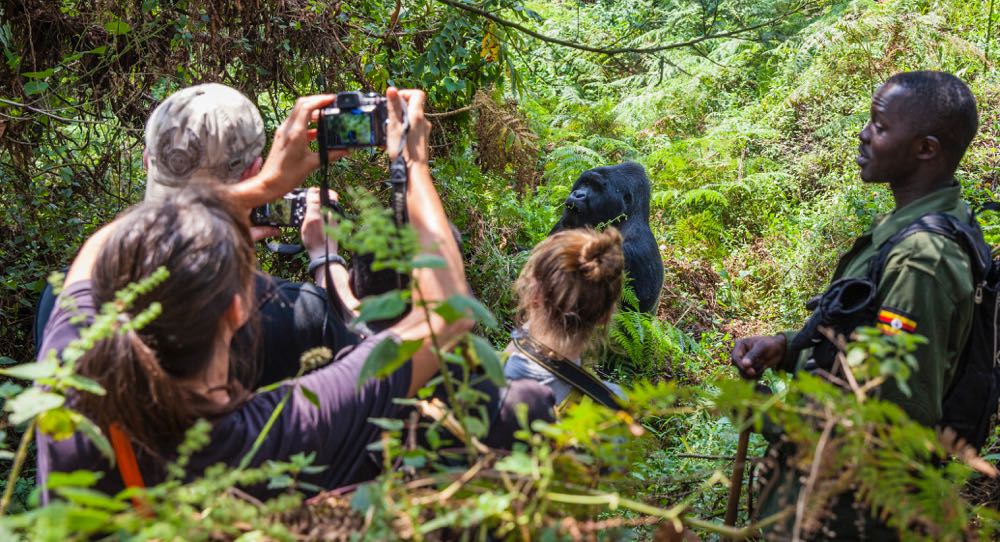
While humans tend to fear mountain gorillas because of the perceived danger they can cause, humans are more of enemies to these Giant Apes and face threats such as poaching and illegal bush meat sale, diseases especially Ebola, and habitat encroachment resulting from the ever-increasing human population around Gorilla National Parks.
Where are the mountain gorillas found and trekked?
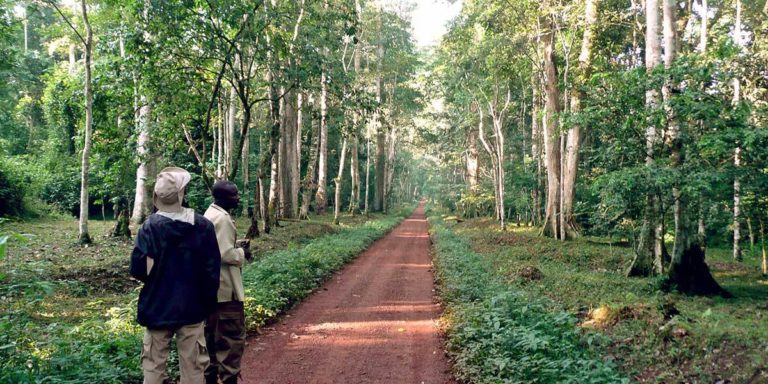
The endangered mountain gorillas are found in only three African countries-the Democratic Republic of Congo, Rwanda as well as Uganda, and trekking them is normally done in four Parks. The Virunga Conservation Area (comprising of Mgahinga Gorilla National Park, Volcanoes National Park, and Virunga National Park) has at least 60% of the population of these gentle beasts while the remaining 40% is found in Bwindi National Park and adjacent Sarambwe Reserve in the Democratic Republic of Congo. Limited gorilla permits are issued each day, yet they are required for visiting these creatures in their natural environment and have to be booked some months in advance to avoid disappointment