
Best Time to Visit Volcanoes National Park for Gorilla Trekking 2026: Complete Guide for Mountain Gorilla Encounters
Planning your gorilla trekking adventure in Volcanoes National Park? Knowing the best time to visit Volcanoes National Park is crucial for ensuring optimal conditions when encountering mountain gorillas in their natural habitat.
This comprehensive guide covers everything you need to know about timing your visit, weather patterns, trail conditions, and activity options to maximize your chances of a successful gorilla trek while minimizing costs and challenges.
Why Timing Your Volcanoes National Park Visit Matters
The best time to visit Volcanoes National Park significantly impacts your gorilla trekking experience, trail accessibility, weather conditions, and overall budget.
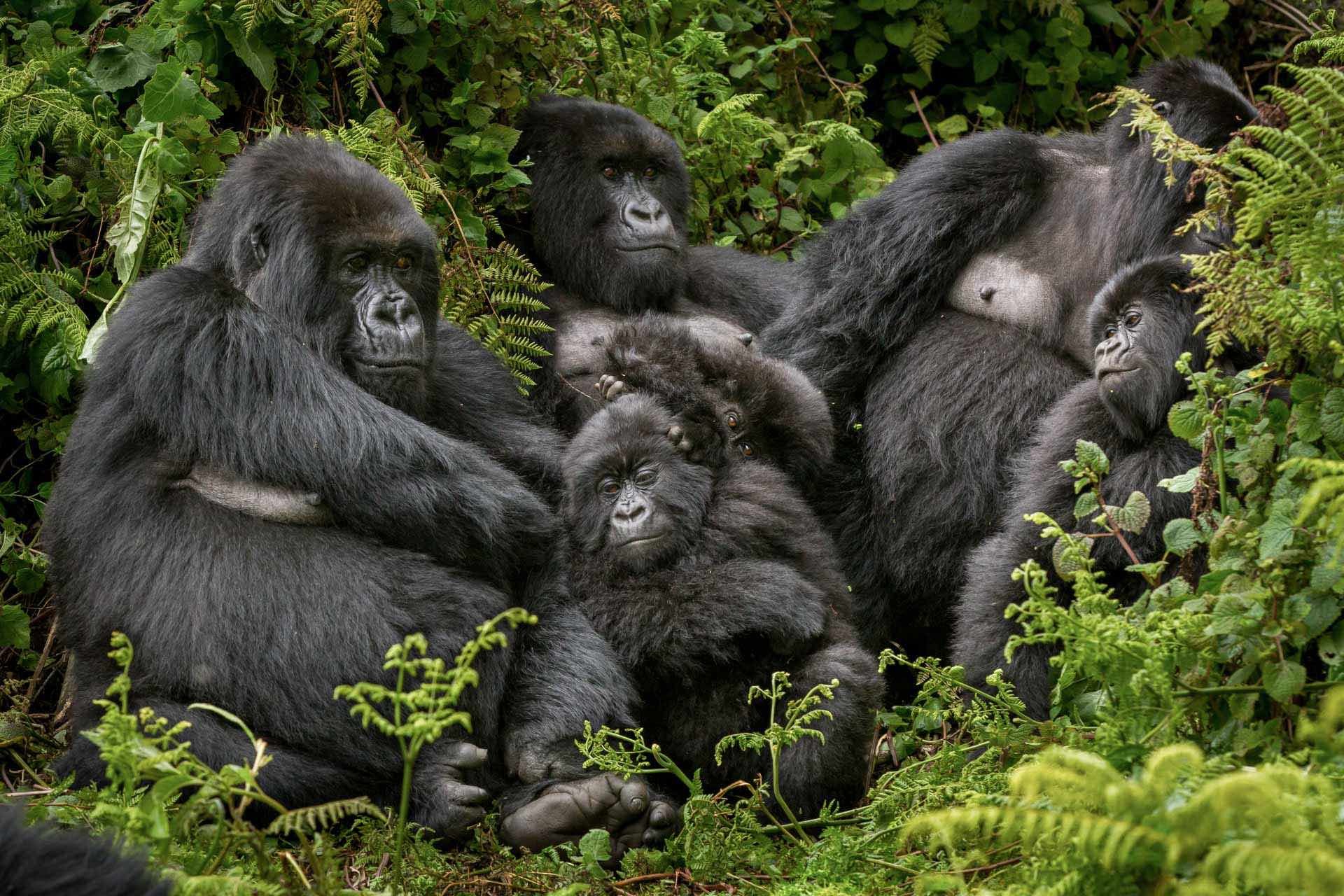
Volcanoes National Park, located in the Virunga mountain range of Rwanda, is home to approximately one-third of the world’s remaining mountain gorilla population.
With over 100 mountain gorillas living in family groups across the park’s 160 square kilometers, timing your visit correctly ensures you’ll encounter these majestic creatures under the most favorable conditions.
Understanding when to visit Volcanoes National Park helps you prepare appropriately for tropical rainforest conditions, select the right gear, and choose activities that align with seasonal advantages.
Whether you’re prioritizing dry trail conditions, budget-friendly permits, or photography opportunities, the timing of your visit makes all the difference in creating an unforgettable Africa safari experience.

Dry Months: The Ultimate Best Time to Visit Volcanoes National Park
June to Mid-September and December to February: Peak Gorilla Trekking Season
The best time to visit Volcanoes National Park for an ultimate gorilla trekking experience falls during the dry months of June to mid-September and December to February.
During these optimal periods, you’ll experience maximum temperatures ranging between 25°C and 27°C (77°F to 81°F) during the day, with nighttime temperatures dropping to 13.5°C to 15°C (56°F to 59°F).
These dry season months represent the best time for gorilla trekking and canopy walks because the trails remain dry, firm, and easily passable.
The reduced rainfall means less mud, fewer slippery sections, and more comfortable hiking conditions throughout your mountain gorilla trek.
Many travelers specifically choose these dry months to experience gorilla trekking, golden monkey tracking, mountain hiking, and nature walks because the trails are significantly less muddy and slippery, with a much lower likelihood of getting completely drenched by unexpected rainfall.
Advantages of Visiting During Dry Months
Trail Accessibility: The most significant advantage of visiting during June to September and December to February is the superior trail conditions.
Dry trails mean easier navigation, faster trekking times, and reduced physical strain during your gorilla trek.
You’ll spend less time battling slippery mud and more time focusing on the incredible experience of encountering mountain gorillas in their natural habitat.
Weather Predictability: During dry season, weather patterns are more predictable, allowing you to plan your activities with greater confidence.
While Volcanoes National Park remains a tropical rainforest where rain can occur at any time of year, the dry months offer significantly fewer rainy hours and more sunshine throughout the day.
Peak Season coincides with Northern Hemisphere summer: The long dry season in Volcanoes National Park aligns perfectly with summertime in the northern hemisphere.
This is when most travelers plan their Africa adventures because schools in Europe and North America close for summer holidays, making it the most popular time for family gorilla trekking trips.
Winter Travel to Southern Countries: Travelers also strategically plan their trips during the winter months of December and January to visit southern countries like Rwanda, which remain warmer during this time when northern hemisphere temperatures drop significantly.
What to Pack for Dry Season Volcanoes National Park Visits
Even during the best dry months, remember that Volcanoes National Park is a tropical rainforest where you should expect rain at any time of year.
The weather can be quite cool in the evenings and early mornings, so we strongly recommend packing warm clothing for this adventure, including:
-
Insulated jacket or fleece for morning and evening temperatures
-
Waterproof hiking boots with excellent grip for potentially wet sections
-
Gore-Tex or waterproof hiking pants for unexpected rainfall
-
Warm layers including thermal shirts and sweaters
-
Gloves and beanie for early morning starts
-
Rain cover for your backpack

Wet Months: The Best Time to Visit Volcanoes National Park for Budget Travelers
March to Mid-May and July to September: Affordable Gorilla Trekking Opportunities
The wet months in Volcanoes National Park run from March to mid-May and July to September.
While March to May represents a long wet season that may not be favorable for travelers intending to visit Volcanoes National Park, the wet season still offers unique advantages that make it the best time to visit for budget travelers.
Although these months are associated with heavy rainfalls, there are still excellent opportunities to enjoy the wide range of activities available in Volcanoes National Park, including gorilla trekking, golden monkey tracking, mountain hiking, and nature walks.
The key difference is that rain typically occurs for a few hours and the sun shines for the rest of the day, making activities still very accessible.
Unique Advantages of Wet Season Gorilla Trekking
Easier Gorilla Encounters: The wet season provides your best opportunity to see specific mountain gorilla families that are often harder to locate during dry months.
During rainy seasons, temperatures at higher elevations drop significantly, causing the mountain gorillas to prefer remaining on the lower slopes of the mountain.
This behavior makes them much easier to trek and see, often within a short period of just one to two hours after starting your trek.
Food Availability and Gorilla Behavior: Food is more plentiful during these wet months, meaning the mountain gorillas don’t have to wander far away from their typical habitats to find food.
They normally consume fleshy leaves, tender bamboo shoots, roots, insects, wild fruits, and wild celery among others.
This concentrated feeding behavior makes gorilla families more predictable and easier to locate.
Photography Advantages: The cool weather during wet months offers a much better contrast for photographers.
It’s usually cloudy during parts of the day, providing clear coverage since the vegetation appears all green and vibrant in your shots.
The misty conditions and dramatic lighting create unique photographic opportunities that dry season simply cannot provide.
Birding Excellence: This is also the best time for avid birders to visit Volcanoes National Park since there’s abundant food for birds.
During wet months, it’s their nesting period, so you can expect to see an abundance of both migratory bird species and resident bird species throughout the park.
Comprehensive Activity Guide: What to Do in Volcanoes National Park
Gorilla Trekking: The Primary Volcanoes National Park Experience
Gorilla trekking remains the main attraction drawing visitors to Volcanoes National Park.
During your trek, you’ll hike through dense tropical rainforest with experienced guides and trackers to locate your assigned mountain gorilla family.
Once found, you’ll spend one hour observing these incredible creatures in their natural habitat, learning about their behaviors, social structures, and conservation efforts.
Gorilla trek permits in Rwanda cost $1,500 per person during peak season, making timing crucial for budget considerations. During wet seasons, some operators offer discounted rates or package deals that can significantly reduce overall costs.
Golden Monkey Tracking: An Alternative Primate Experience
Golden monkey tracking offers an exciting alternative to gorilla trekking for visitors interested in primate encounters.
These playful, golden-colored monkeys inhabit the lower elevations of Volcanoes National Park and can be encountered more easily than mountain gorillas.
The tracking experience typically takes 2-3 hours and provides excellent opportunities for photography and wildlife observation.
Mountain Hiking and Nature Walks
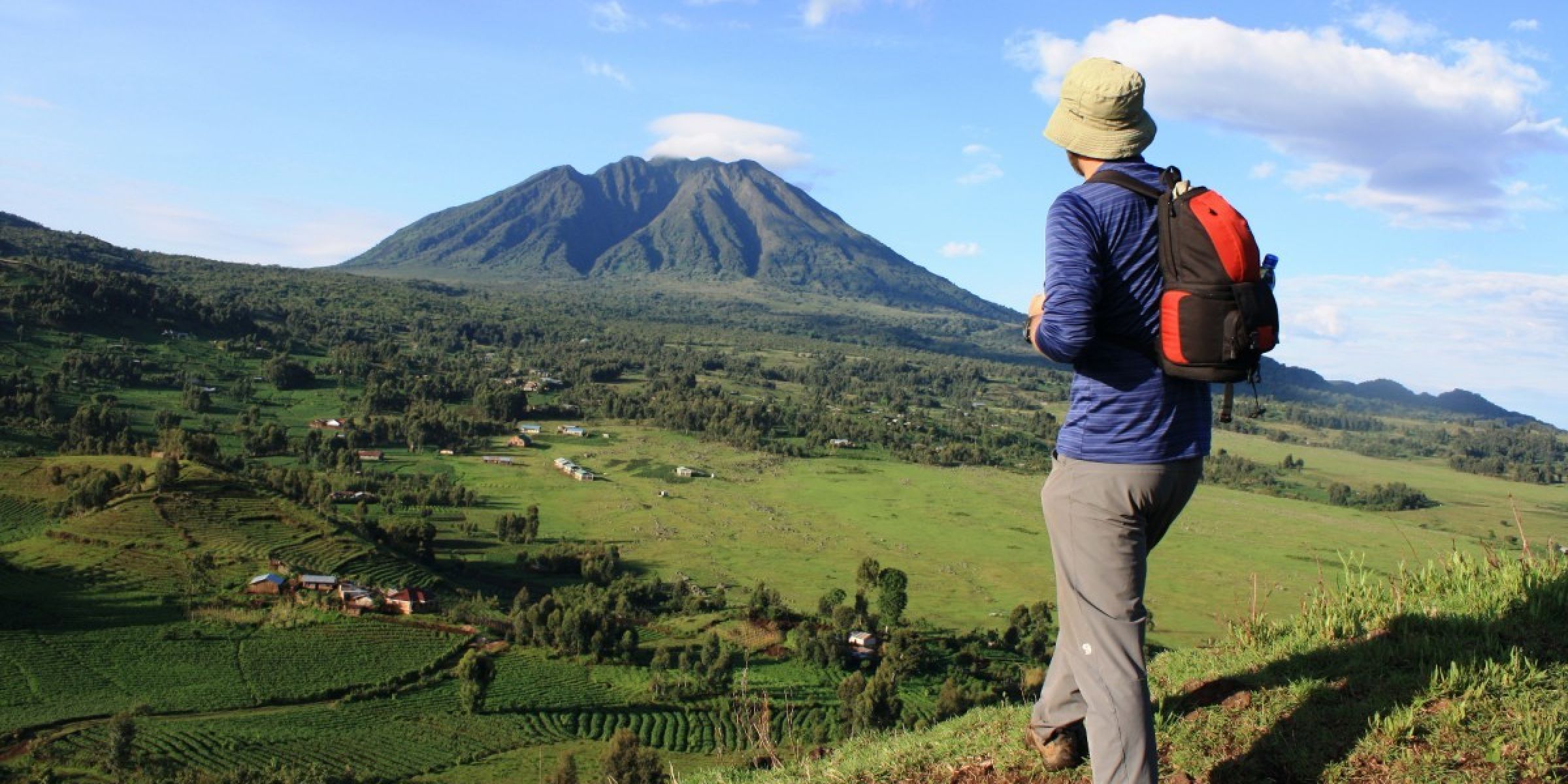
Volcanoes National Park offers numerous mountain hiking opportunities, including trails to the summit of Mount Karisimbi (4,507 meters) and Mount Bisoke (3,711 meters).
These hikes provide breathtaking views of the Virunga mountain range, opportunities to see unique flora and fauna, and chances to encounter other wildlife species, including elephants, buffalos, and various bird species.
Nature walks throughout the park’s different zones allow visitors to explore diverse ecosystems, from dense rainforest to open meadows, while learning about the park’s conservation efforts and biodiversity.
Seasonal Comparison: Dry vs. Wet Season Volcanoes National Park
Dry Season Advantages (June-September, December-February)
Wet Season Advantages (March-May, July-September)
General Volcanoes National Park Visit Recommendations
Year-Round Accessibility
Generally, Volcanoes National Park can be visited at any time of year, offering magnificent scenery, incredible wildlife, and numerous activities regardless of when you choose to visit.
The park’s infrastructure remains operational throughout all seasons, and mountain gorilla families are available for viewing year-round.
However, most travelers prefer visiting during dry months because the trails are dry and can be easily navigated compared to wet months.
This preference doesn’t mean wet season visits are inferior—it simply means different preparation and expectations are required.
Whatever Time You Choose, Expect Excellence
Whatever time of year you visit Volcanoes National Park, you’re guaranteed to experience its magnificent scenery, incredible wildlife, and lots of activities to embark on.
The mountain gorillas remain the park’s crown jewel, and encountering them in their natural tropical rainforest habitat is an experience that changes lives.
Final Recommendations for Your Volcanoes National Park Visit
For First-Time Visitors: Choose Dry Season
If you’re visiting Volcanoes National Park for the first time, we recommend choosing the dry months of June to mid-September or December to February.
The better trail conditions, predictable weather, and easier navigation make the experience more enjoyable and less physically demanding.
For Budget-Conscious Travelers: Consider Wet Season
If budget is your primary concern, the wet season offers excellent value with potentially discounted permits, fewer crowds, and unique photographic opportunities.
The shorter trekking times due to gorilla behavior on lower slopes also mean less physical exertion.
For Photographers and Birders: Wet Season Excellence
Photographers and bird enthusiasts should seriously consider visiting during wet months for the dramatic lighting, vibrant vegetation, and exceptional birding opportunities during the nesting period.
For All Visitors: Prepare Appropriately
Regardless of when you visit, remember that Volcanoes National Park is a tropical rainforest where weather can change rapidly.
Always pack warm clothing, waterproof gear, and sturdy hiking boots to ensure comfort and safety during your gorilla trekking adventure.
By understanding the best time to visit Volcanoes National Park for your specific priorities—whether dry trail conditions, budget savings, photographic opportunities, or birding excellence.
You’ll maximize your chances of an unforgettable mountain gorilla encounter in one of Africa’s most incredible conservation destinations.