Kigezi Wildlife Reserve
Kigezi Wildlife Reserve: Wildlife, Activities, Birds, Accommodation and Travel Guide 2026
Kigezi Wildlife Reserve is a scenic wildlife destination in southwestern Uganda, known for its open savannah plains, woodland, grasslands, forests, and diverse wildlife.
Established in 1952, the reserve covers approximately 265 square kilometres in Rukungiri District and forms part of an important conservation landscape connected to Queen Elizabeth National Park, Maramagambo Forest, and the Rwenzori Mountains region.
Although Kigezi Wildlife Reserve is less visited than Uganda’s larger national parks, it offers excellent opportunities for game viewing, bird watching, guided nature walks, and exploring Uganda’s western tourism circuit.
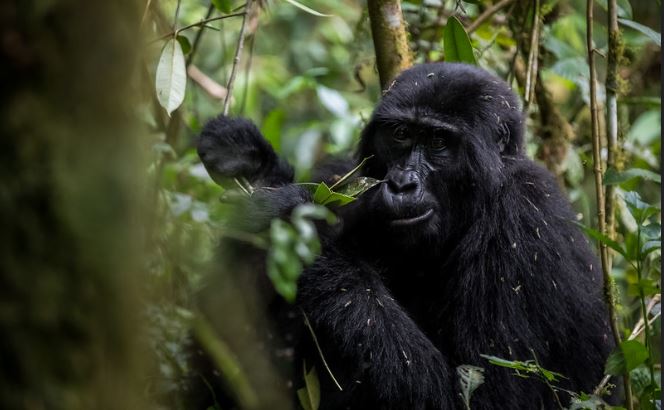
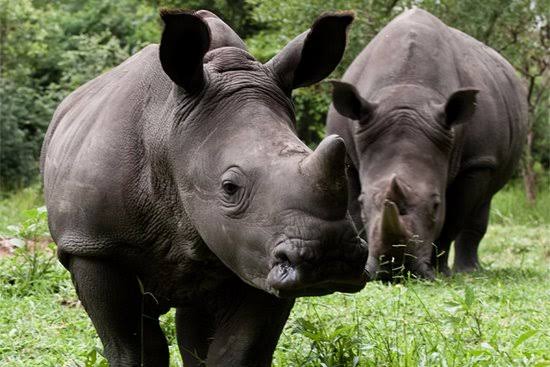
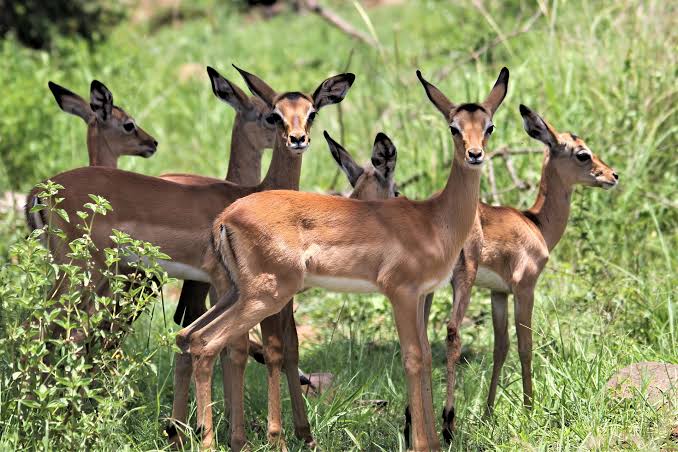
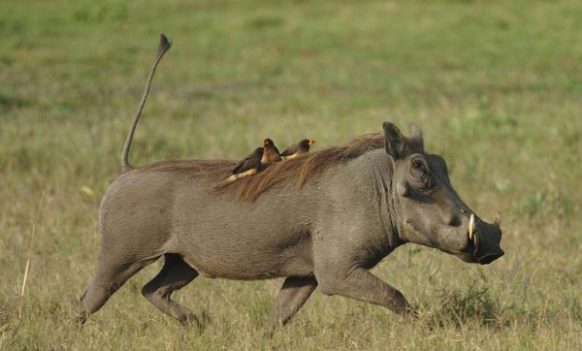
Visitors may encounter elephants, buffaloes, Uganda kobs, topis, warthogs, waterbucks, bushbucks, hippos, leopards, lions, giant forest hogs, and several primate species.
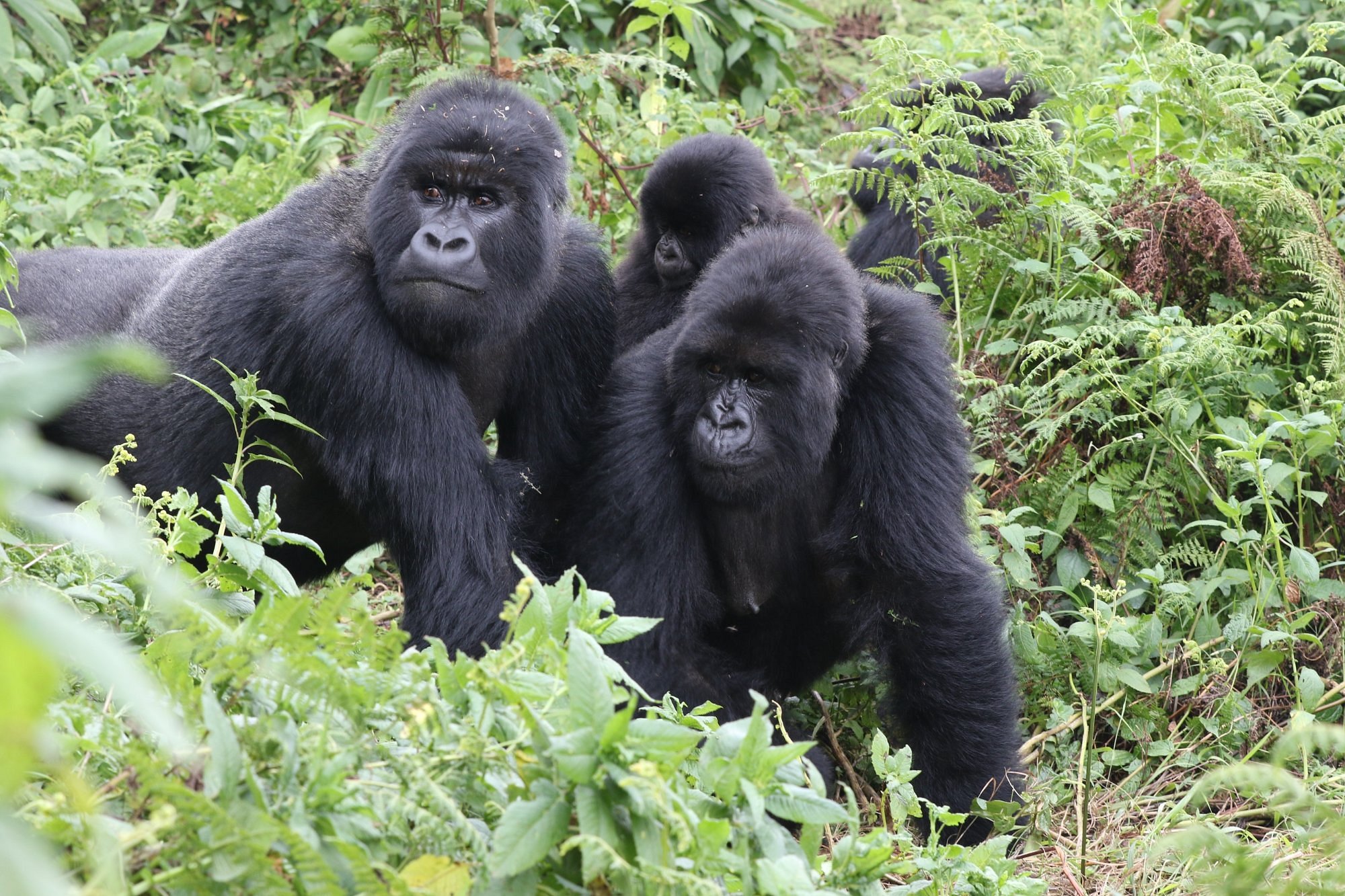
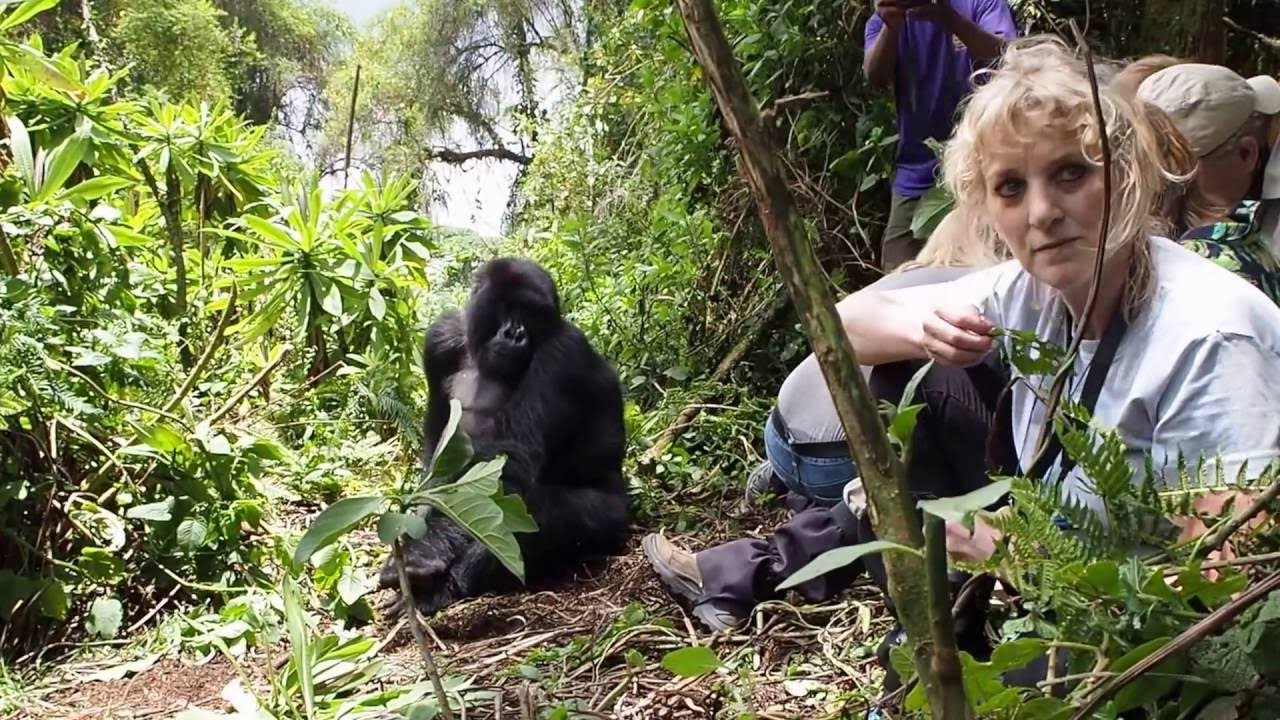
Its location also makes it possible to combine a Kigezi wildlife safari with gorilla trekking in Bwindi Impenetrable National Park, golden monkey tracking in Mgahinga Gorilla National Park, cultural experiences, and volcano hiking.
Location and Importance of Kigezi Wildlife Reserve
Kigezi Wildlife Reserve is located in Rukungiri District in southwestern Uganda, near the southern section of Queen Elizabeth National Park.
The reserve occupies a strategic position within the wider Albertine Rift conservation region, one of Africa’s most important areas for biodiversity.
Kigezi acts as a natural barrier and wildlife corridor near the Ishasha sector of Queen Elizabeth National Park and Maramagambo Forest.
Queen Elizabeth National Park also serves as an important buffer zone for the Rwenzori Mountains National Park. These connected habitats support the movement of wildlife and help protect several ecosystems across western Uganda.
The reserve’s landscape includes:
-
Open savannah plains.
-
Woodland and scattered tree-covered areas.
-
Extensive grasslands.
-
Forest patches.
-
Wetland and riverine habitats.
-
Wildlife corridors connected to neighbouring protected areas.
This combination of habitats supports a wide variety of animals and birds, making the reserve suitable for travellers interested in Uganda wildlife safaris, nature photography, birding, and less crowded game-viewing experiences.
Wildlife in Kigezi Wildlife Reserve
Kigezi Wildlife Reserve is home to a wide range of mammals, including large herbivores, antelopes, predators, primates, and aquatic species.
The open plains are particularly suitable for game drives, while the woodland and forest areas provide habitats for smaller animals and primates.
The wildlife you may see during a safari in Kigezi includes:
-
Elephants.
-
African buffaloes.
-
Uganda kobs.
-
Topis.
-
Bushbucks.
-
Waterbucks.
-
Warthogs.
-
Hippos.
-
Leopards.
-
Lions.
-
Giant forest hogs.
-
Various antelope species.
-
Red colobus monkeys.
-
Eastern black-and-white colobus monkeys.
-
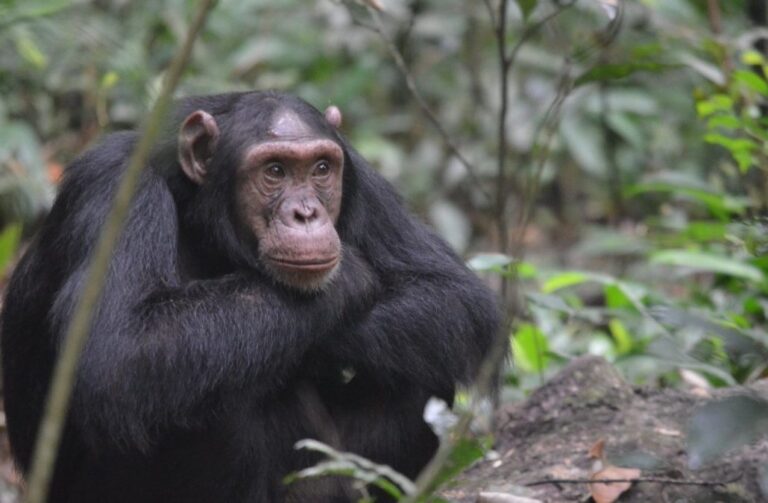
Chimpanzees.
One of the reserve’s notable attractions is its elephant population. Elephants may move through the wider conservation landscape from the Rwindi plains in the Democratic Republic of the Congo and the Ishasha sector of Queen Elizabeth National Park.
These seasonal movements make wildlife encounters in the area particularly interesting, although sightings can never be guaranteed.
Predators such as lions and leopards may also be encountered, especially in areas where antelopes, Uganda kobs, warthogs, and other prey species are common.
A professional guide can help visitors identify animal tracks, feeding signs, calls, and other evidence of wildlife that may not be immediately visible.
Bird Watching in Kigezi Wildlife Reserve
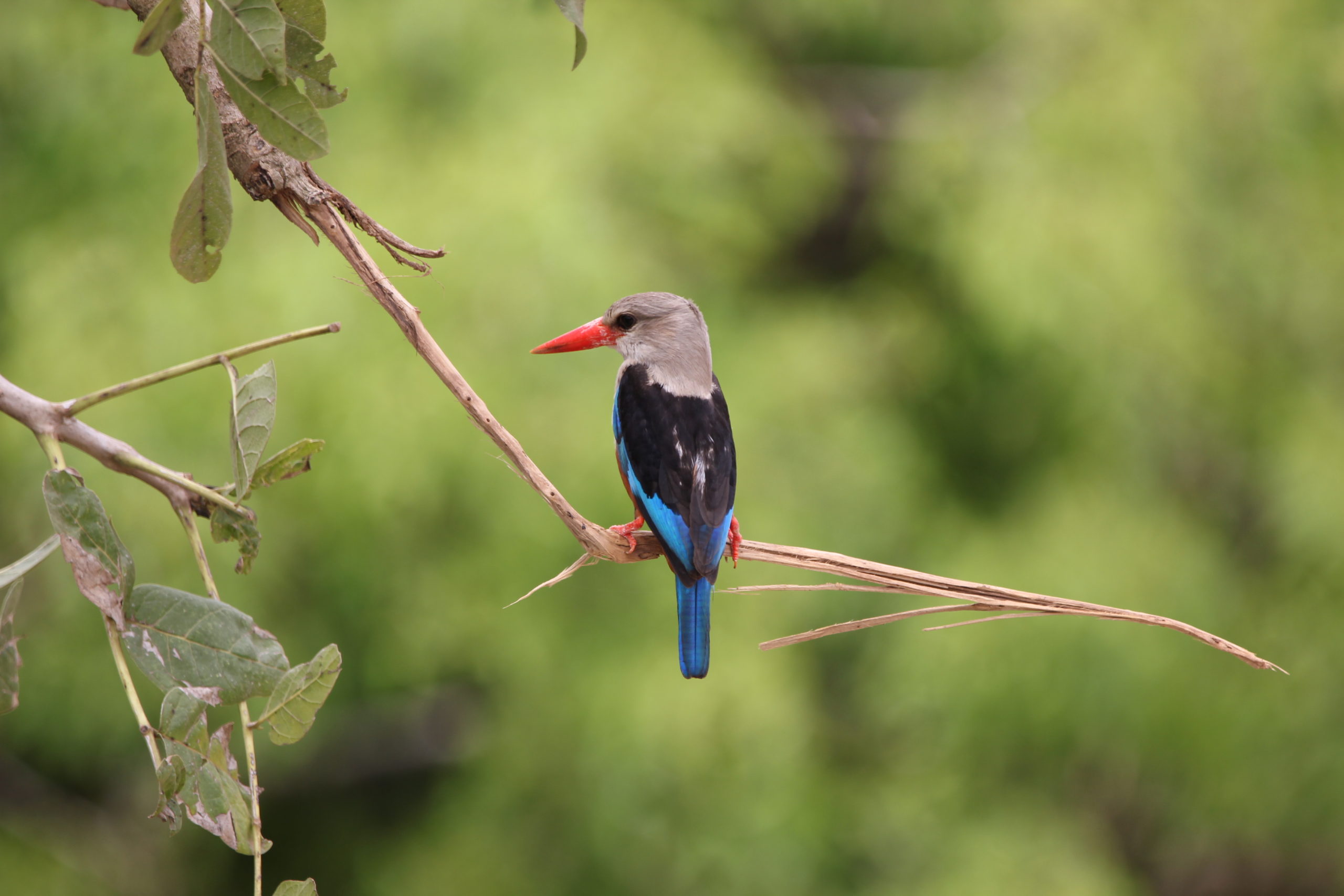
With approximately 300 bird species, Kigezi Wildlife Reserve is an attractive destination for bird lovers and photographers.
The reserve’s savannahs, forests, woodlands, wetlands, and grasslands create suitable habitats for many resident and migratory birds.
Birding excursions may provide opportunities to spot:
-
Saddle-billed storks.
-
Red-faced barbets.
-
Verreaux’s eagle owls.
-
Grey-crowned cranes.
-
Marabou storks.
-
Peregrine falcons.
-
African fish eagles.
-
Hamerkops.
-
Rwenzori turacos.
-
Grauer’s swamp-warblers.
-
Black-rumped buttonquails.
-
Martial eagles.
-
Papyrus canaries.
-
Black-and-white-casqued hornbills.
-
Other savannah, forest, and wetland bird species.
Bird watching is possible during game drives, guided nature walks, and excursions around wetlands and woodland habitats.
Early mornings and late afternoons are usually productive periods for birding because many species are active during the cooler hours of the day.
Visitors planning a Kigezi birding safari should carry binoculars, a field guide, a camera with extra batteries, a notebook, comfortable walking shoes, drinking water, sun protection, and a light daypack.
Safari Activities in Kigezi Wildlife Reserve
Kigezi Wildlife Reserve offers several activities for visitors seeking wildlife encounters and outdoor experiences.
The main activities include game drives, bird watching, guided nature walks, and combined tours to nearby national parks.
1. Game Drives
Game drives in Kigezi Wildlife Reserve are the main way to explore the open savannah plains and woodland habitats.
Visitors travel in a safari vehicle with an experienced guide who helps locate animals, explains their behaviour, and identifies different plant and bird species.
During a guided game drive, you may encounter elephants, buffaloes, Uganda kobs, topis, waterbucks, warthogs, bushbucks, hippos, and other wildlife. With patience and good timing, visitors may also spot predators such as lions and leopards.
Game drives are particularly rewarding during the early morning and late afternoon when temperatures are cooler and many animals are more active.
A typical game drive may last several hours, depending on the route, wildlife activity, and the interests of the visitors.
2. Birding Safaris
Birding is one of the most rewarding activities in Kigezi because of the reserve’s varied habitats and large bird list.
A trained birding guide can help visitors identify birds by their calls, plumage, feeding behaviour, and preferred habitat.
Birding can be combined with a game drive or undertaken as a dedicated walking excursion.
Visitors may search for savannah species in the open plains, forest birds in woodland areas, and wetland species around marshes and water sources.
3. Guided Nature Walks
Guided nature walks in Kigezi Wildlife Reserve provide a closer look at the reserve’s vegetation, insects, birds, animal tracks, and smaller wildlife.
Walking allows visitors to experience the reserve at a slower pace and learn more about its ecosystems.
Nature walks should be conducted with a professional reserve guide. The guide helps visitors follow safe routes, interpret animal signs, identify plants, and understand the relationship between the different habitats.
Depending on the area and conditions, visitors may see birds, antelopes, monkeys, insects, reptiles, and other wildlife. Walking shoes, long trousers, a hat, drinking water, insect repellent, and a light rain jacket are recommended.
4. Combined Wildlife and Gorilla Tours
Kigezi Wildlife Reserve can be included in a wider western Uganda safari itinerary.
Because of its location near Bwindi Impenetrable National Park and Mgahinga Gorilla National Park, travellers can combine a wildlife safari with mountain gorilla trekking, golden monkey tracking, cultural tours, and volcano hiking.
A combined itinerary may include:
-
Game viewing in Kigezi Wildlife Reserve.
-
Gorilla trekking in Bwindi Impenetrable National Park.
-
Golden monkey tracking in Mgahinga Gorilla National Park.
-
A visit to the Batwa communities.
-
Cultural interaction with the Bakiga people.
-
Hiking Mount Sabyinyo, Mount Gahinga, or Mount Muhabura.
-
Bird watching in the Albertine Rift region.
Travellers interested in gorilla trekking should arrange permits in advance through a licensed tour operator or the relevant tourism authorities.
Permit costs and regulations can change, so visitors should confirm the current requirements before booking.
Best Time to Visit Kigezi Wildlife Reserve
Kigezi Wildlife Reserve is open to visitors throughout the year, but the best time to visit depends on the activities you want to enjoy.
The dry seasons, from June to September and from December to February, are generally considered the most convenient periods for game drives and nature walks.
During these months, roads and trails are often easier to use, and wildlife may gather around remaining water sources.
The wet seasons, which commonly occur from March to May and from October to November, bring greener landscapes and seasonal wildlife movements.
The rainy months can also be rewarding for bird watching because vegetation is lush and many birds are active.
Dry season
The dry season is suitable for:
-
Game drives on accessible tracks.
-
Easier travel between attractions.
-
Wildlife viewing around water sources.
-
Nature walks on less muddy trails.
-
Combining Kigezi with gorilla trekking and other western Uganda activities.
Wet season
The rainy season is suitable for:
-
Bird watching.
-
Photography of green landscapes.
-
Fewer visitor crowds.
-
Observing seasonal wildlife movements.
-
Exploring the reserve when the vegetation is at its most vibrant.
Rainfall can affect road conditions, so visitors travelling during the wet season should use a suitable safari vehicle and allow extra time for transportation.
Accommodation Near Kigezi Wildlife Reserve
Kigezi Wildlife Reserve does not have major lodges within the reserve itself, but visitors can find accommodation in surrounding areas, particularly around Rukungiri District and along routes connecting to Queen Elizabeth National Park and the Ishasha sector.
Possible accommodation options include:
-
Rukungiri Inn.
-
Savanna Resort Hotel.
-
Rondavels Hotel.
-
Ishasha River Lodge.
The most suitable accommodation depends on your itinerary, budget, preferred comfort level, and whether you plan to continue to Queen Elizabeth National Park, Bwindi, or Mgahinga.
Travellers should confirm accommodation availability before travelling, especially during peak safari seasons.
It is also important to ask about transport arrangements, meals, road access, guided activities, and the distance between the accommodation and the reserve entrance.
How to Get to Kigezi Wildlife Reserve
By road
Kigezi Wildlife Reserve can be accessed from Kampala through the Rukungiri route. The journey is approximately 318 kilometres, although the exact distance and travel time may vary depending on the route and destination within the reserve.
The drive generally follows the Masaka–Mbarara–Ntungamo–Rukungiri route and may take approximately eight to nine hours by road.
Travellers should plan for stops along the way and allow additional time for traffic, road conditions, photography, and sightseeing.
A 4×4 safari vehicle is recommended, particularly for visitors travelling during the rainy season or combining the reserve with remote destinations such as Ishasha, Bwindi, or Mgahinga.
By air
Visitors can also fly to Kisoro Airstrip and continue by road to Kigezi Wildlife Reserve. The drive from Kisoro Airstrip to the reserve may take approximately one to two hours, depending on the route, road conditions, and driving speed.
Flying can be a convenient option for travellers with limited time. It also makes it easier to combine Kigezi with gorilla trekking in Bwindi or activities in Mgahinga Gorilla National Park.
Flight schedules, luggage restrictions, transfer arrangements, and availability should be confirmed before booking.
What to Pack for a Kigezi Safari
Visitors should pack practical clothing and equipment suitable for warm days, cool mornings, outdoor walks, and possible rainfall.
Recommended items include:
-
Binoculars for bird watching and wildlife viewing.
-
A camera with spare batteries and memory cards.
-
Lightweight, neutral-coloured safari clothing.
-
Comfortable walking shoes or hiking boots.
-
A wide-brimmed safari hat.
-
Sunscreen and sunglasses.
-
Insect repellent.
-
A reusable water bottle.
-
A small daypack.
-
A light rain jacket.
-
Personal medication and basic toiletries.
-
A bird guidebook or wildlife field guide.
Bright colours should generally be avoided during nature walks because neutral colours are more suitable for observing wildlife. Visitors should also follow the instructions of their guide at all times.
Why Visit Kigezi Wildlife Reserve?
Kigezi Wildlife Reserve is an appealing destination for travellers who want to experience Uganda’s wildlife away from the busiest safari routes.
Its savannah plains, woodlands, forests, and wetlands support a rich variety of mammals and birds.
The reserve is especially suitable for visitors who want to:
-
Enjoy uncrowded game drives.
-
Search for elephants, buffaloes, antelopes, and predators.
-
Explore a lesser-known wildlife destination in Uganda.
-
Take part in birding and guided nature walks.
-
Combine a wildlife safari with gorilla trekking.
-
Visit Bwindi or Mgahinga Gorilla National Park.
-
Hike the Virunga volcanoes.
-
Experience Bakiga and Batwa cultural heritage.
-
Explore the wider Albertine Rift landscape.
Conclusion
Kigezi Wildlife Reserve is a scenic and diverse wildlife destination in southwestern Uganda.
Established in 1952 and covering approximately 265 square kilometres, the reserve features savannahs, plains, woodlands, forests, and grasslands that support elephants, buffaloes, Uganda kobs, topis, warthogs, waterbucks, hippos, lions, leopards, primates, and numerous bird species.
The reserve is ideal for game drives, bird watching, guided nature walks, and combined Uganda safari tours.
Its location near Queen Elizabeth National Park, Bwindi Impenetrable National Park, and Mgahinga Gorilla National Park also makes it possible to create a varied itinerary combining wildlife, gorilla trekking, cultural experiences, and mountain hiking.
Whether you are planning a dedicated Kigezi Game Reserve safari or adding it to a broader western Uganda tour, the reserve offers an opportunity to explore a beautiful and less crowded part of the country’s wildlife landscape.