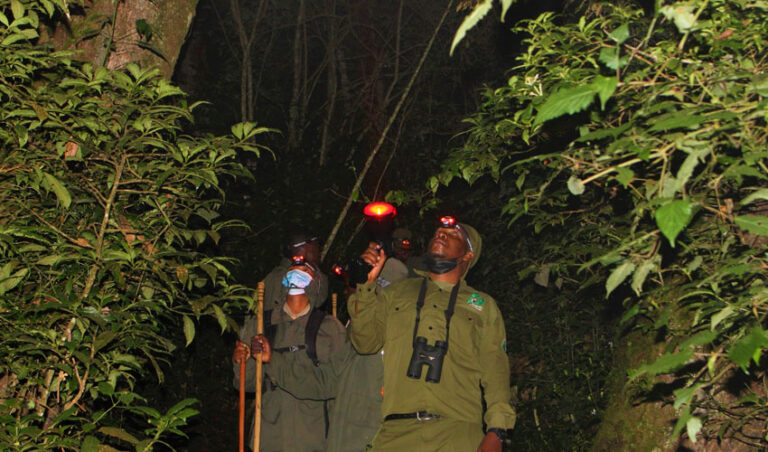
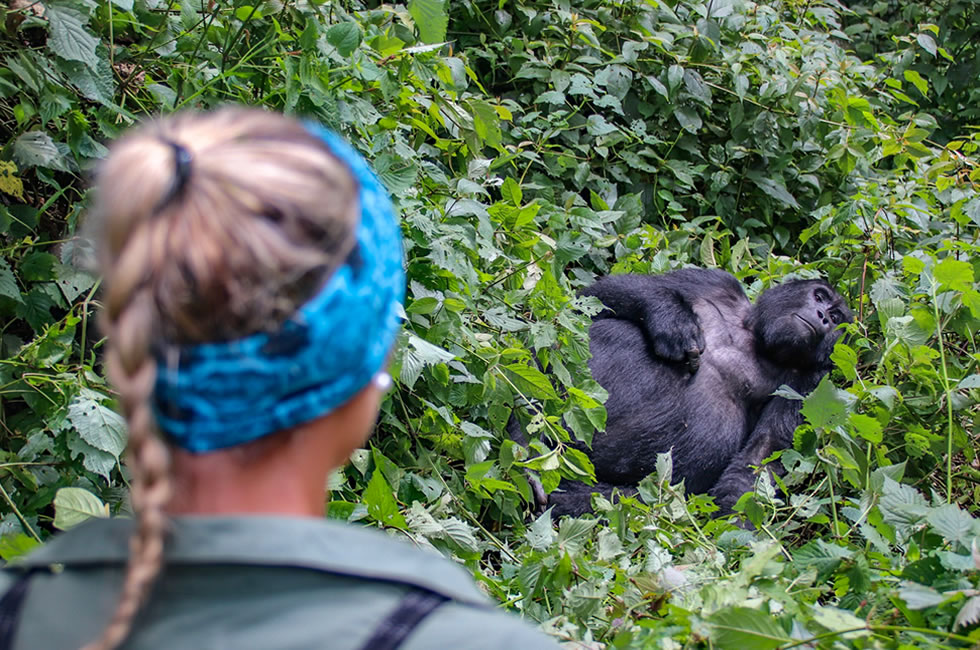
Responsible Gorilla Tourism
Responsible Gorilla Tourism: The Complete Guide to Ethical & Sustainable Gorilla Trekking in Uganda, Rwanda & Congo
Responsible gorilla tourism refers to a form of tourism that aims to promote the conservation of gorilla populations and their environment while also benefiting local communities.
Unlike other tours, responsible gorilla tourism or gorilla safaris involve observing responsible practices and other measures that promote sustainable tourism.
Adhering to the strict guidelines set by the Uganda Wildlife Authority or Rwanda Development Board, minimizing human impact, and promoting sustainable practices all play a crucial role in achieving goals of responsible travel or responsible gorilla tourism.
Gorilla tourism in places like Uganda, Rwanda, and Congo offers nature lovers a chance to explore the unique mountain gorillas in their natural environment.
Across the gorilla trekking destinations in Africa, there are specific guidelines or rules/regulations for tourists to observe. The set guidelines mainly promote responsible gorilla tourism or sustainable gorilla trekking.
What Is Responsible Gorilla Tourism?
Responsible gorilla tourism refers to travel that:
-
Protects mountain gorillas and their rainforest habitat
-
Supports local communities living around gorilla parks
-
Follows strict trekking rules to reduce disease transmission and stress on gorillas
-
Contributes financially to conservation programs through permits, fees, and donations
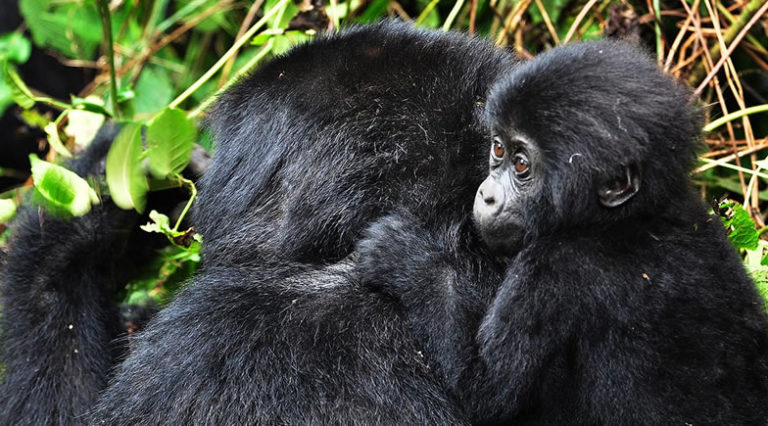
Mountain gorillas are one of the world’s most endangered great apes.
Thanks to responsible tourism, their numbers have slowly increased over the past two decades, making them the only great ape population currently growing in the wild.
However, they remain highly vulnerable to human diseases, habitat loss, and climate change.
By choosing responsible gorilla trekking, you become part of the solution—helping to secure the future of these incredible apes while enjoying a life-changing wildlife experience.
Why Responsible Gorilla Tourism Matters
1. Conservation of an Endangered Species
Mountain gorillas share about 98% of their DNA with humans, making them extremely susceptible to human-borne illnesses. A simple cold or flu can be fatal to a gorilla.
Responsible tourism practices—such as keeping distance, not trekking when sick, and limiting group sizes—directly reduce disease transmission risks.
2. Protection of Critical Habitat
Gorilla habitats in Bwindi, Volcanoes, and Virunga are under pressure from agriculture, logging, and population growth.
Revenue from gorilla permits funds:
-
Anti-poaching patrols
-
Habitat restoration
-
Research and monitoring
-
Boundary enforcement and conflict mitigation
3. Empowerment of Local Communities
When local people benefit from gorilla tourism, they become active partners in conservation.
Responsible gorilla tours support:
-
Community-owned lodges and campsites
-
Cultural experiences (Batwa pygmy walks, village tours, craft markets)
-
Employment as guides, porters, rangers, and lodge staff
-
Revenue-sharing schemes from park fees
This reduces reliance on forest resources (firewood, bushmeat, illegal farming) and creates a strong incentive to protect gorillas.
4. Long-Term Sustainability
Responsible gorilla tourism balances three pillars:
-
Environmental protection (healthy forests, stable gorilla populations)
-
Economic benefits (jobs, income, infrastructure)
-
Social equity (fair wages, community involvement, cultural respect)
This ensures that gorilla trekking remains viable for future generations of both wildlife and people.

Gorilla Trekking Rules & Regulations: Uganda, Rwanda & Congo (2026 Update)
All three gorilla trekking destinations enforce strict rules to protect gorillas.
Below are the key regulations you must follow.
1. Maximum 8 Visitors Per Gorilla Family Per Day.
-
Uganda (Bwindi & Mgahinga): Maximum 8 trekkers per habituated gorilla group per day.
-
Rwanda (Volcanoes NP): Maximum 8 visitors per family.
-
Congo (Virunga NP): Same 8-person limit.
Why this rule exists:
Limiting group size reduces stress on gorillas, minimizes habitat disturbance, and lowers the risk of disease transmission.
For the Gorilla Habituation Experience (GHE) in Uganda, only 4 visitors are allowed to further reduce impact.
2. Maintain a Safe Distance: 7–10 Meters.
-
Uganda: Minimum 10 meters (32 feet) from gorillas at all times
-
Rwanda: Minimum 7 meters (23 feet).
-
Congo: Generally 7 meters, but rangers may enforce stricter distances depending on conditions.
Important: If a gorilla approaches you, slowly back away without sudden movements. Never attempt to touch or feed them.
3. No Trekking If You Are Sick
Gorillas are highly vulnerable to human respiratory and gastrointestinal diseases. You will not be allowed to trek if you have:
-
Fever, cough, or cold symptoms
-
Diarrhea or stomach illness
-
Any contagious infection.
In Uganda, if a park warden certifies you are too ill, you may be eligible for a 50% permit refund or the option to reschedule.
In Rwanda, permits are generally non-refundable for illness, so travel insurance is essential.
4. Cover Your Mouth and Nose
-
Always cover your mouth when coughing and nose when sneezing.
-
Turn away from gorillas if you must cough or sneeze.
-
In 2026, both Uganda and Rwanda enforce mandatory surgical mask-wearing during gorilla viewing to further reduce disease risk.
5. Maximum 1 Hour With Gorillas
Once a gorilla family is located, you are allowed exactly 1 hour of observation time.
This limit:
-
Reduces stress on the gorillas
-
Minimizes habitat disturbance
-
Ensures multiple groups can be visited sustainably
6. No Eating, Drinking, or Smoking Near Gorillas
Consuming food, beverages, or smoking in the presence of gorillas increases the risk of disease transmission and habituation to human behaviors.
These activities are strictly prohibited during the trek and especially when with the gorillas.
7. Age Restrictions
-
Minimum age for gorilla trekking: 15 years in Uganda, Rwanda, and Congo.
-
This rule ensures that trekkers have the physical stamina and maturity to follow safety protocols.
8. Flash Photography Prohibited
-
Use cameras without flash.
-
Keep noise levels low to avoid disturbing the gorillas.
-
Follow ranger instructions on positioning and movement.
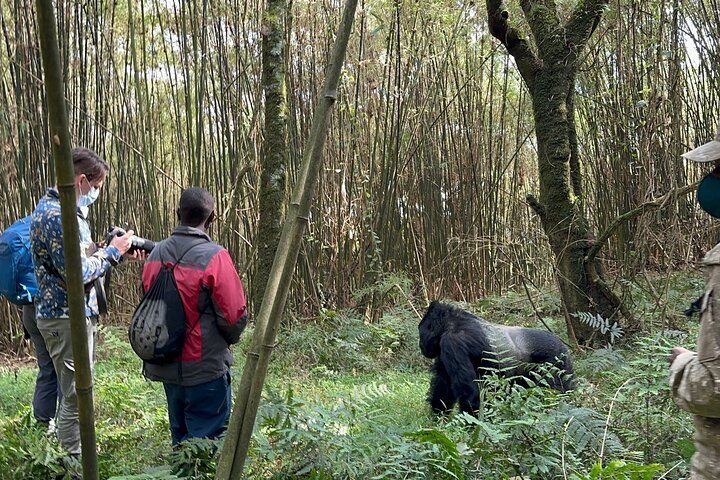
How to promote responsible gorilla tourism in Uganda, Rwanda & Congo
1. Observing a strict number of visitors per gorilla group
During the actual gorilla trekking, there is a specific number of visitors allowed to trek a family of gorillas. That is strictly 8 visitors per habituated gorilla group.
The number of tourists visiting a family of gorillas is restricted as a way to reduce the pressure human presence puts on the normal behaviors of the gorillas and their habitat.
2. Support conservation efforts through financial contribution
As an individual, you can contribute greatly towards the daily efforts to conserve gorillas and other wildlife in their natural habitat.
First, you can book a gorilla permit and embark on a gorilla trekking tour to Uganda or Rwanda with Adventure Uganda Safaris. You can also donate to the relevant organs involved in the gorilla conservation initiatives.
Support the local community initiatives. Gorilla conservation takes a collective effort, and locals living adjacent to gorilla destinations shouldn’t be left out.
Supporting them in all options available in the long run can make such communities appreciate gorilla tourism and conservation in their community.
In return, they can be leaders involved in securing the lives of gorillas and also protect their habitat.
3. Maintaining a safe distance from the gorillas
A safe distance of 8-10 meters must be observed when interacting with a family of gorillas in the wild. Avoid any attempts to touch the gorillas in their habitat.
The primary goal is to ensure that any chances of these apes contracting infectious diseases from humans are minimized.
4. No visiting gorillas when sick
By nature, humans share up to 98% of their DNA with mountain gorillas. Visiting these apes when sick or ill poses a high risk of them contracting infectious diseases that can claim their lives.
Not to risk these apes’ lives, visitors who are ill/sick won’t be allowed to track gorillas.
5. Cover the mouth when coughing or nose when sneezing
Ensure that your mouth is covered when in need to cough or nose when you want to sneeze.
Coughing or sneezing directly in the presence of gorillas puts their lives at risk of contracting respiratory diseases.
6. A maximum of one hour with gorillas
When you come across a family of mountain gorillas, expect to enjoy only 1 hour with gorillas. This measure must be respected by all visitors who embark on the trek with mountain gorillas in Uganda or Rwanda.
7. Do not eat/drink/smoke in the presence of gorillas
Acts such as eating, drinking, or smoking in the presence of mountain gorillas put these apes at risk of contracting infectious diseases.
These kinds of practices must be avoided at all times when you embark on a gorilla trekking tour.
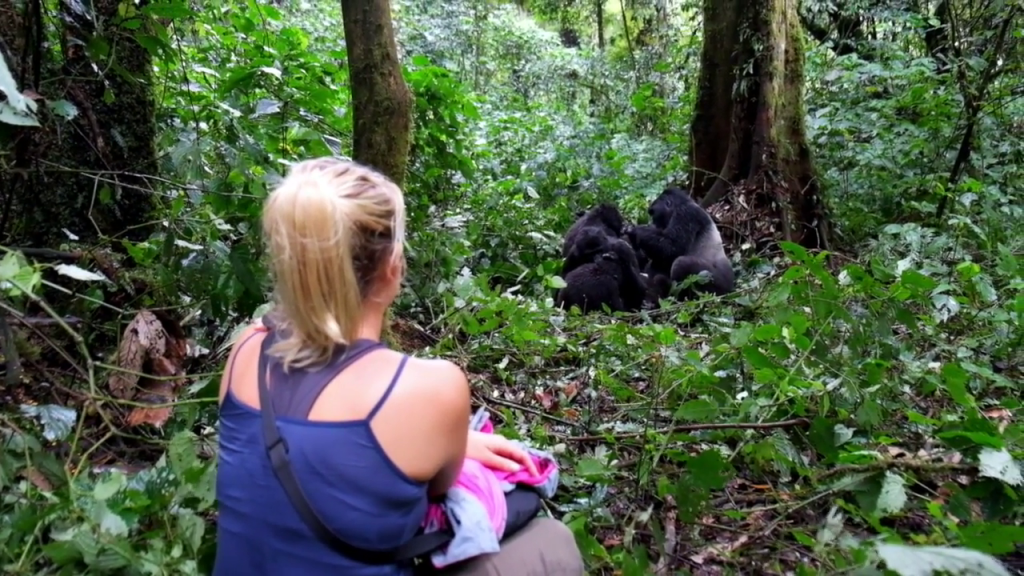
Long-term benefits of responsible gorilla tourism
1. Promotion of sustainable tourism
Observing responsible tourism practices helps secure the future of today’s and tomorrow’s generations.
The practice helps strike a balance between wildlife conservation, environmental preservation, and the economic well-being of residents living adjacent to the protected areas.
Gorilla habitat can be preserved from degradation while local communities get alternative sources of income rather than depending on the natural resources where these apes dwell.
2. Creation of awareness
Responsible gorilla tours or safaris often attract tourists who emphasize more on gorilla conservation. After the gorilla tour, experiences are shared and others get insight into the value of responsible travel.
Sharing such relevant information in their available platforms helps create awareness of wildlife conservation.
3. How many gorillas are left on earth today?
A total of about 1063 mountain gorillas are still residing in the wild today. These are sub-species of the Eastern gorilla which also include the Eastern lowland gorillas in Kahuzi-Biega National Park and Maiko National Park.
How Many Mountain Gorillas Are Left in the Wild? (2026 Update)
As of the latest census data (2025–2026):
-
Approximately 1,063 mountain gorillas remain in the wild.
-
This is the highest number ever recorded for this subspecies, thanks to decades of conservation efforts.
Breakdown by region:
-
Bwindi-Sarambwe (Uganda): ~459 gorillas (2018–2020 census; new census results expected 2026/2027).
-
Virunga Massif (Rwanda, Uganda, DRC): ~600+ gorillas shared across Volcanoes National Park (Rwanda), Mgahinga (Uganda), and Virunga National Park (DRC).
While this is a conservation success story, mountain gorillas remain Critically Endangered on the IUCN Red List. Continued responsible tourism and anti-poaching efforts are essential to maintain this progress.
Places to visit to see gorillas in Uganda and Rwanda
The only places to consider visiting for gorilla trekking in Uganda include Bwindi Impenetrable National Park and Mgahinga Gorilla National Park.
In Rwanda, Volcanoes National Park is the place to visit for you to track mountain gorillas.
Valid gorilla trekking tickets/permits are essential for gorilla tours to be conducted in any of the destinations in Rwanda and Uganda.
Uganda gorilla permits cost USD 800 per visitor under the category of foreign non-residents, foreign residents USD 700 per guest, and shs. 300,000 per visitor for all East African Community citizens.
Gorilla Permit Costs (2026)
Permit fees vary by country and residency status:
Uganda Gorilla Permits (UWA)
-
Foreign non-residents: USD 800 per person
-
Foreign residents: USD 700 per person
-
East African Community citizens: UGX 300,000 per person
Rwanda Gorilla Permits (RDB)
-
All foreign visitors: USD 1,500 per person (increased in 2025 to support conservation and community projects).
Congo (DRC) Gorilla Permits (ICCN)
-
Approximately USD 400–450 per person (subject to change; verify with your operator).
Tip: Book permits 3–6 months in advance for peak seasons (June–September, December–February) as they sell out quickly.
What to Pack for Your Gorilla Trek
A well-prepared packing list ensures comfort, safety, and compliance with park rules.
Essential Items
-
Valid gorilla permit and passport (required at briefing)
-
Long-sleeved shirts and long trousers (protect against stinging nettles and insects)
-
Waterproof hiking boots with good ankle support
-
Gardening gloves (for gripping vegetation)
-
Rain jacket or poncho (weather can change quickly)
-
High-energy snacks (nuts, energy bars) and water bottle
-
Camera (no flash) with extra batteries and memory cards
-
Binoculars for birding and wildlife viewing
-
Insect repellent and sunscreen
-
Safari hat and sunglasses
-
Small daypack to carry essentials
-
First aid kit (bandages, pain relievers, blister plasters)
-
Surgical face mask (mandatory in Uganda and Rwanda during gorilla viewing)
Optional but Recommended
-
Trekking poles (available for rent at some lodges)
-
Gaiters to protect against mud and ants
-
Light sweater for cool mornings at high altitude
Frequently Asked Questions (FAQ)
Q: Is gorilla trekking safe?
Yes, when conducted with licensed operators and following park rules. Rangers accompany every group, and strict health protocols minimize risks to both trekkers and gorillas.
Q: Can I trek gorillas if I have a mild cold?
No. Even mild symptoms can transmit deadly diseases to gorillas. You will be turned away at the briefing if you show signs of illness.
Q: How physically demanding is gorilla trekking?
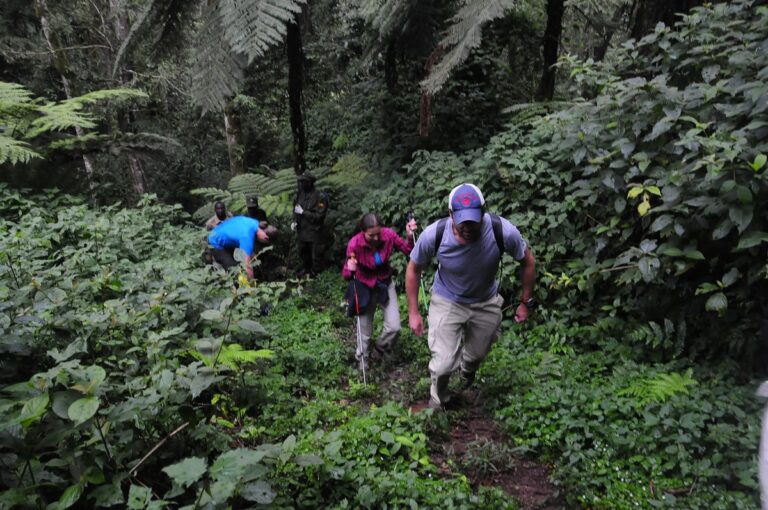
Treks can last 2–8 hours, involving steep, muddy terrain at high altitude (2,000–2,500m). A moderate fitness level is recommended. Porters are available to assist with your pack.
Q: Are children allowed on gorilla treks?
No. The minimum age is 15 years in all gorilla trekking destinations to ensure safety and compliance with rules.
Q: Can I combine Uganda and Rwanda in one trip?
Absolutely. Many travelers do a multi-country primate safari, trekking gorillas in both Bwindi and Volcanoes. This requires two permits and careful itinerary planning.
Q: What happens if it rains on my trek day?
Gorilla trekking operates in all weather conditions. Bring rain gear and waterproof your camera. Rangers will adjust routes for safety if needed.
Ready to Plan Your Responsible Gorilla Safari?
Responsible gorilla tourism is more than just a trip—it’s a commitment to protecting one of the world’s most endangered species while empowering the communities that share their habitat.
By following trekking rules, choosing ethical operators, and supporting conservation, you ensure that future generations can also experience the magic of standing face-to-face with mountain gorillas.
Contact Adventure Uganda Safaris today to book your responsible gorilla trek in Uganda, Rwanda, or Congo. We offer:
-
Fully licensed, customizable gorilla safaris
-
Expert local guides trained in conservation and guest care
-
Transparent pricing with no hidden fees
-
Support for community projects and wildlife conservation
Start planning your ethical gorilla adventure now—and become part of the solution for mountain gorillas.