Saving Wildlife in Uganda
Saving Wildlife in Uganda, What is Being Done
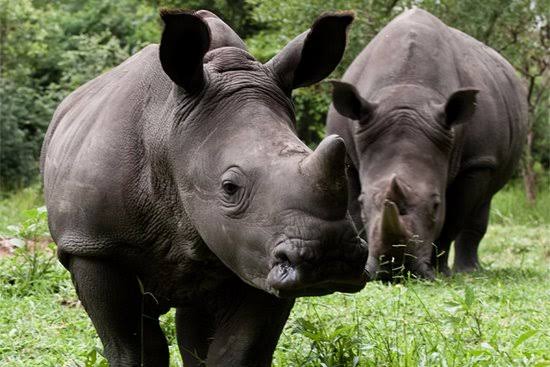
Saving wildlife in Uganda, what is being done? Wildlife conservation and protection is not a one-man’s effort but rather a collective role. Uganda is home to a variety of species of wildlife that are of interest to travelers on an African safari holiday. But what still remains a major challenge is conserving these natural treasures. There are numerous challenges conservationists still face in ensuring wildlife species are properly protected and including poaching, habitat loss, and the spread of infectious diseases.
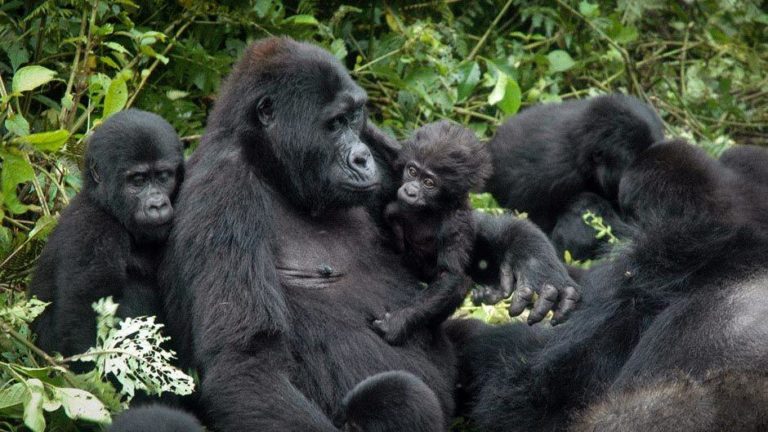
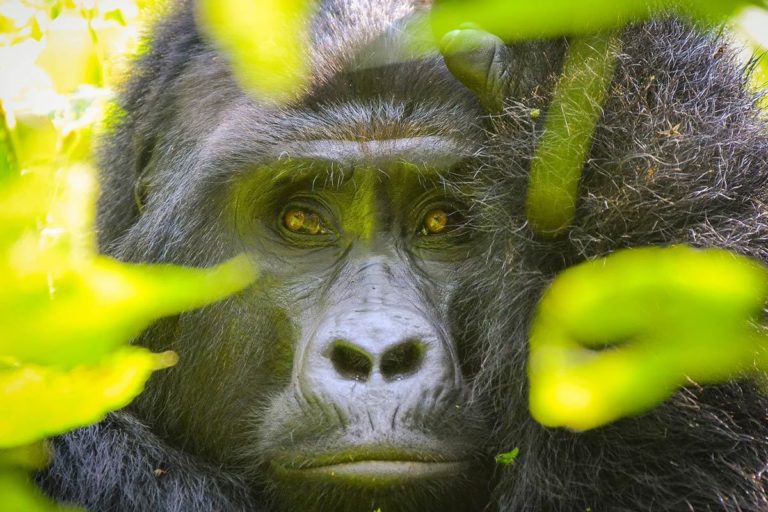
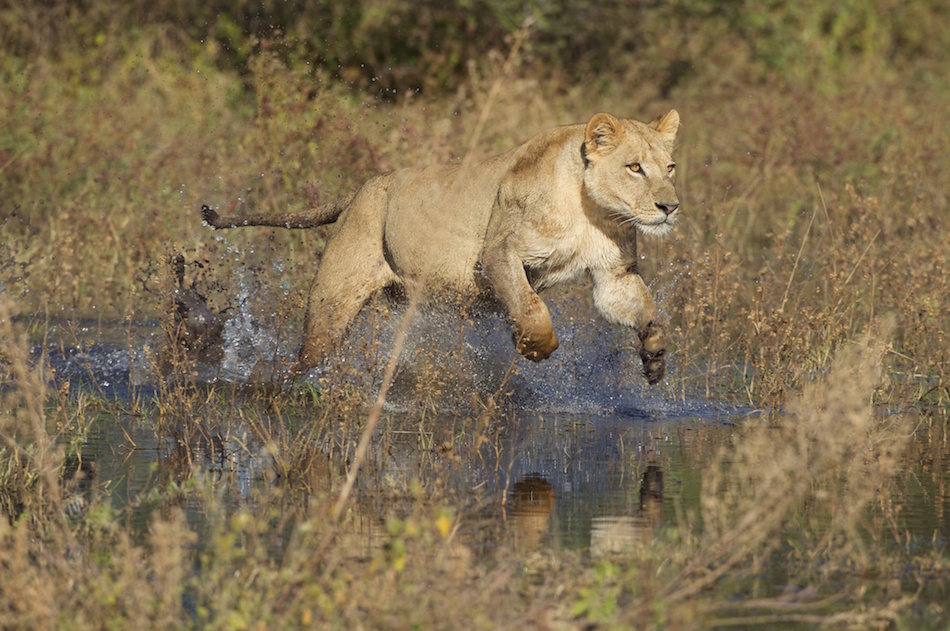
The most affected animal species in Uganda include mountain gorillas, lions, elephants, leopards, and others. These are the main areas that have been hard hit by poaching practices. Recent reports show a sudden increase in animals being slaughtered for their body parts, especially the need to make traditional medicine. This challenge is even worse with the endangered mountain gorillas that are being poached for their hands and heads.
There is even a belief among hunters/poachers that eating gorilla meat does cure HIV/AIDS. The rate of illegal animal trade is alarming and leaves a huge impact on the communities which largely depend on wildlife for their livelihood. Most residents depend on eco-tourism for a living and poaching wildlife means a reduction in attractions/animals that visitors come to see. As a result, communities are left in a severe state of poverty while at the same time; the poachers continue to benefit from the illegal acts.
To secure the future of all wildlife, the focus shouldn’t be put on mountain gorillas because poaching and other illegal wildlife trade acts affect both.
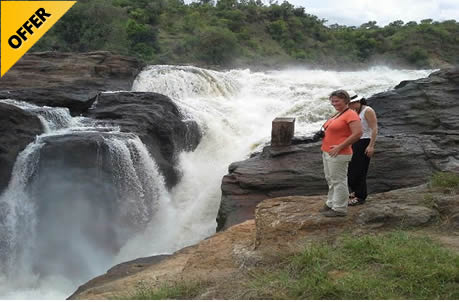
Murchison Falls National Park is one of the most affected Uganda safaris parks by poaching. Murchison Falls National Park is lying in Northwestern Uganda and it is the biggest park in the country, thus supporting a diversity of wildlife. The park’s most sought wildlife includes lions, elephants, antelopes, and reptiles. These natural treasures have been affected by poaching activities in the area.
The elephant population had begun shooting up but recently, statistics have changed due to rampant poaching. The situation at hand calls for urgent action to secure the lives of these endangered species.
What Uganda Wildlife Authority is doing to curb the poaching practice?
Uganda Wildlife Authority (UWA) has put forward a number of projects aimed at combating poaching and wildlife trade practices. Among the many initiatives put in place is using well-trained park rangers to ensure that wildlife is well-protected. Many community-based conservation initiatives have also been set up and they are aimed at offering local residents with alternative sources of income which in a long run discourages the practice of poaching and illegal trade.
What is the solution to wildlife conservation?
Preserving the environment is the simplest and most effective way to save wildlife. This should not be a one-man’s effort or organization, but a collective effort. You can volunteer with some of the wildlife organizations to assist restore the habitats of wildlife. Adjacent to National Parks in Uganda, there are established community-based conservation projects or initiatives that you can actively get involved in some of their activities.
How many national parks are in Uganda?
Currently, Uganda is comprised of 10 National Parks and each of them features unique attractions and exciting activities. The country’s beautiful parks offer exhilarating primate trekking adventures, mountaineering, big game drive, launch cruise, and birding tours, etc.
The National Parks in Uganda: Mount Elgon National Park, Rwenzori Mountains National Park, Mgahinga Gorilla National Park, Kidepo Valley National Park, Queen Elizabeth National Park, Semuliki NP, Kibale National Park, Lake Mburo National Park, and Bwindi Impenetrable National Park.