What is the best time to trek Gorillas in Uganda and Rwanda
What is the Best Time to Trek Gorillas in Uganda and Rwanda
Booking a gorilla trekking permit is only the first step in planning a successful gorilla safari in Uganda or Rwanda.
Choosing the right time to visit can influence trail conditions, weather, visibility, accommodation prices, crowd levels, and the overall comfort of your trek.
The good news is that gorilla trekking in Uganda and Rwanda takes place throughout the year. Mountain gorillas do not migrate seasonally, and sightings are possible in both the dry and rainy seasons.
However, each season offers different advantages. The dry months generally provide easier hiking conditions, while the wetter months may offer lower prices, fewer visitors, greener scenery, and shorter treks in some cases.
This guide explains the best time to trek gorillas in Uganda and Rwanda, compares dry and wet seasons, outlines month-by-month conditions, explains what weather to expect in Bwindi Impenetrable National Park, Mgahinga Gorilla National Park, and Volcanoes National Park, and provides practical advice on permits, packing, safety, and booking your trip with Adventure Uganda Safaris.
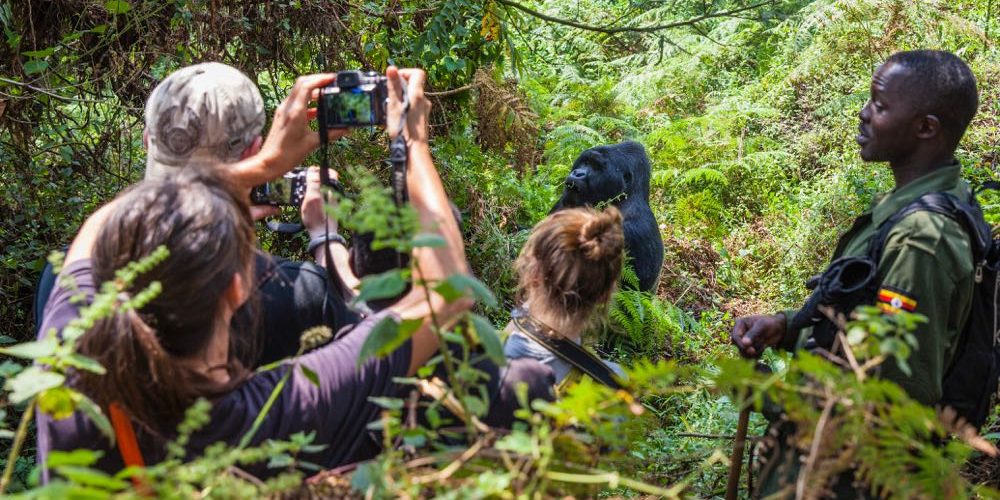
What Is the Best Time?
For most travelers, the best time for gorilla trekking in Uganda and Rwanda is during the drier months:
-
June to September
-
December to February
These months usually offer firmer trails, lower rainfall, better visibility, and more comfortable hiking conditions. June to September is generally the longest and most popular dry period, while December to February provides a shorter dry season.
The wetter months—March to May and October to November—are also suitable for gorilla trekking.
They can be attractive for travelers seeking:
-
Fewer crowds
-
Greener forest scenery
-
Potentially lower lodge rates
-
Greater permit availability
-
More favorable conditions for budget travel
However, trails may be muddy and slippery, and rainfall can make the trek more physically demanding.
Where Can You Trek Gorillas?
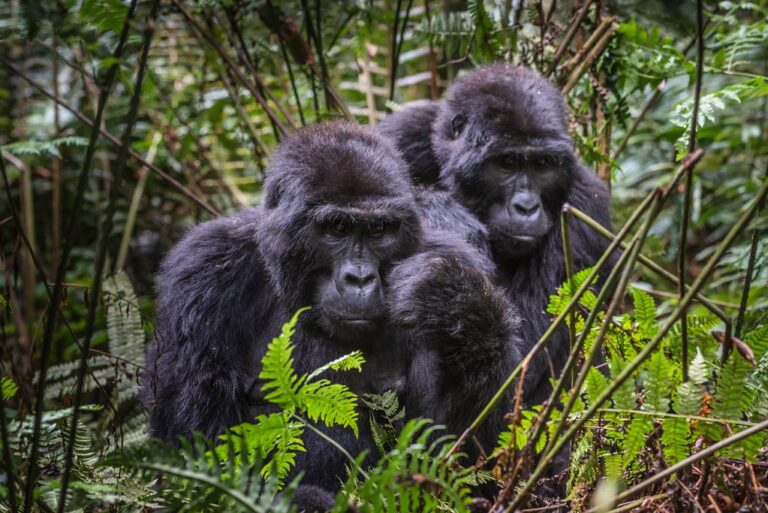
Mountain gorillas live in the high-altitude forests of the Virunga Massif and the Bwindi ecosystem. Uganda and Rwanda offer three principal destinations for gorilla trekking.
1. Bwindi Impenetrable National Park, Uganda
Bwindi Impenetrable National Park is one of the world’s most important mountain gorilla habitats. It is located in southwestern Uganda and is divided into several trekking sectors:
-
Buhoma
-
Ruhija
-
Rushaga
-
Nkuringo
Bwindi is known for its dense rainforest, steep hills, rich biodiversity, and numerous habituated gorilla families. Because the park’s terrain varies from sector to sector, your permit location is important. You must trek in the sector named on your permit.
2. Mgahinga Gorilla National Park, Uganda
Mgahinga Gorilla National Park forms part of the wider Virunga conservation landscape. It protects the Ugandan slopes of the Virunga volcanoes:
-
Mount Muhabura
-
Mount Gahinga
-
Mount Sabyinyo
The park is smaller than Bwindi but offers spectacular volcanic scenery and a unique forest environment. It is also home to habituated mountain gorillas and golden monkeys.
3. Volcanoes National Park, Rwanda
Rwanda’s Volcanoes National Park protects the country’s section of the Virunga Mountains. It is one of Africa’s most accessible gorilla trekking destinations, located approximately two to three hours by road from Kigali, depending on traffic and route conditions.
The park offers:
-
Mountain gorilla trekking
-
Golden monkey trekking
-
Volcano hiking
-
Dian Fossey-related experiences
-
Beautiful views of the Virunga volcanoes
The extended dry season from June to September is generally considered the best period for trekking in Volcanoes National Park.
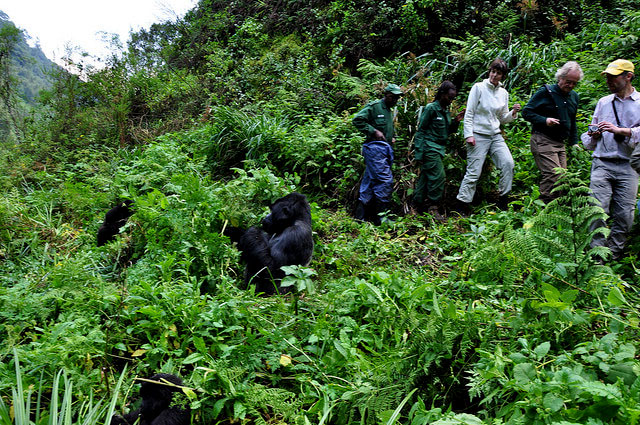
Gorilla Trekking During the Dry Season
The main dry seasons in Uganda and Rwanda are:
-
June to September
-
December to February
These periods are widely preferred for Uganda gorilla trekking and Rwanda gorilla trekking because the forest trails are often easier to navigate.
Advantages of trekking in the dry season
1. Easier trail conditions
Rainfall can make steep forest trails slippery. During the drier months, paths are more likely to be firm, although muddy sections are still possible because Bwindi and the Virunga forests receive rainfall throughout the year.
This can make the trek more comfortable for:
-
First-time hikers
-
Older travelers
-
Families with eligible teenagers
-
Visitors with limited trekking experience
2. Better conditions for photography
Drier weather may provide:
-
Longer periods of visibility
-
Better opportunities for landscape photography
-
Brighter forest conditions
-
Fewer interruptions from heavy rain
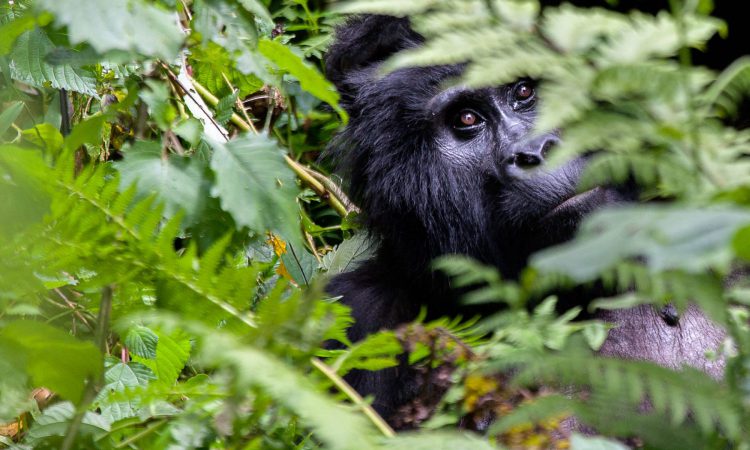
Gorilla photography remains challenging because the forest canopy is dense and light levels can change quickly. Carry a camera that performs well in low light, and remember that flash photography is not permitted.
3. Easier logistics
Road travel to Bwindi, Mgahinga, and Volcanoes National Park may be more predictable during drier months. This is especially important if your itinerary includes long transfers, domestic flights, border crossings, or several safari destinations.
Disadvantages of the dry season
The dry season is also the most popular travel period. This can result in:
-
Higher demand for permits
-
Higher lodge rates
-
Fewer available rooms
-
More demand for vehicles and guides
-
Earlier booking deadlines
A dry-season gorilla safari should ideally be planned several months in advance. Travelers seeking specific dates, sectors, lodges, or special accommodation should book even earlier.
Gorilla Trekking During the Wet Season
The wetter periods are generally:
-
March to May
-
October to November
These months are sometimes called the low or green season. However, the phrase “rainy season” does not mean that it rains continuously every day. Conditions can change quickly, and many treks take place successfully between showers.
Advantages of the wet season
1. Fewer visitors
Some travelers avoid the wetter months because they are concerned about muddy trails. As a result, the parks and lodges may be less busy than during June to September.
This can be attractive if you prefer:
-
A quieter travel experience
-
Fewer visitors at accommodation facilities
-
Greater flexibility with travel dates
-
A more peaceful forest atmosphere
2. Lush vegetation
Rainfall refreshes the forests and creates vibrant green scenery. The vegetation may appear especially rich, and waterfalls, streams, and mountain landscapes can be highly photogenic.
3. Potentially lower travel costs
Some lodges and safari providers offer lower rates during periods of reduced demand. However, prices vary by property and year, so you should request a current quotation rather than assume that every service is discounted.
Uganda may also offer seasonal permit promotions in specific years.
For example, current 2026 sources report a reduced Uganda foreign non-resident permit rate for selected low-season months, but travelers should verify the applicable tariff directly with Uganda Wildlife Authority (UWA) or a licensed operator before payment.
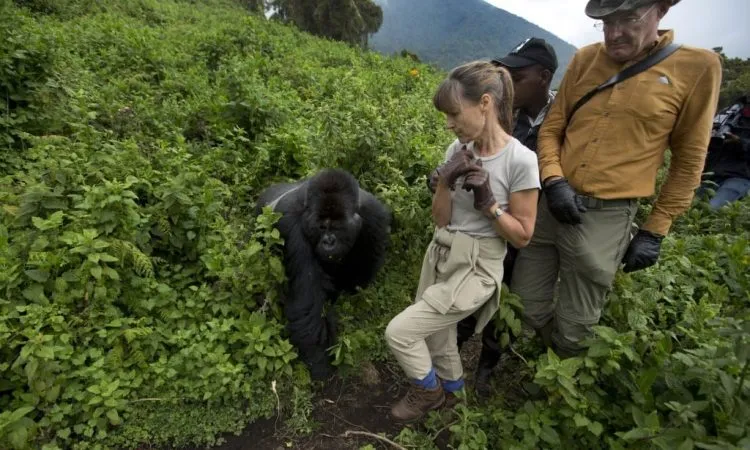
Disadvantages of the wet season
-
Trails can become muddy and slippery.
-
Heavy showers may interrupt parts of the trek.
-
Driving times can increase on rural roads.
-
Dense vegetation may make hiking more difficult.
-
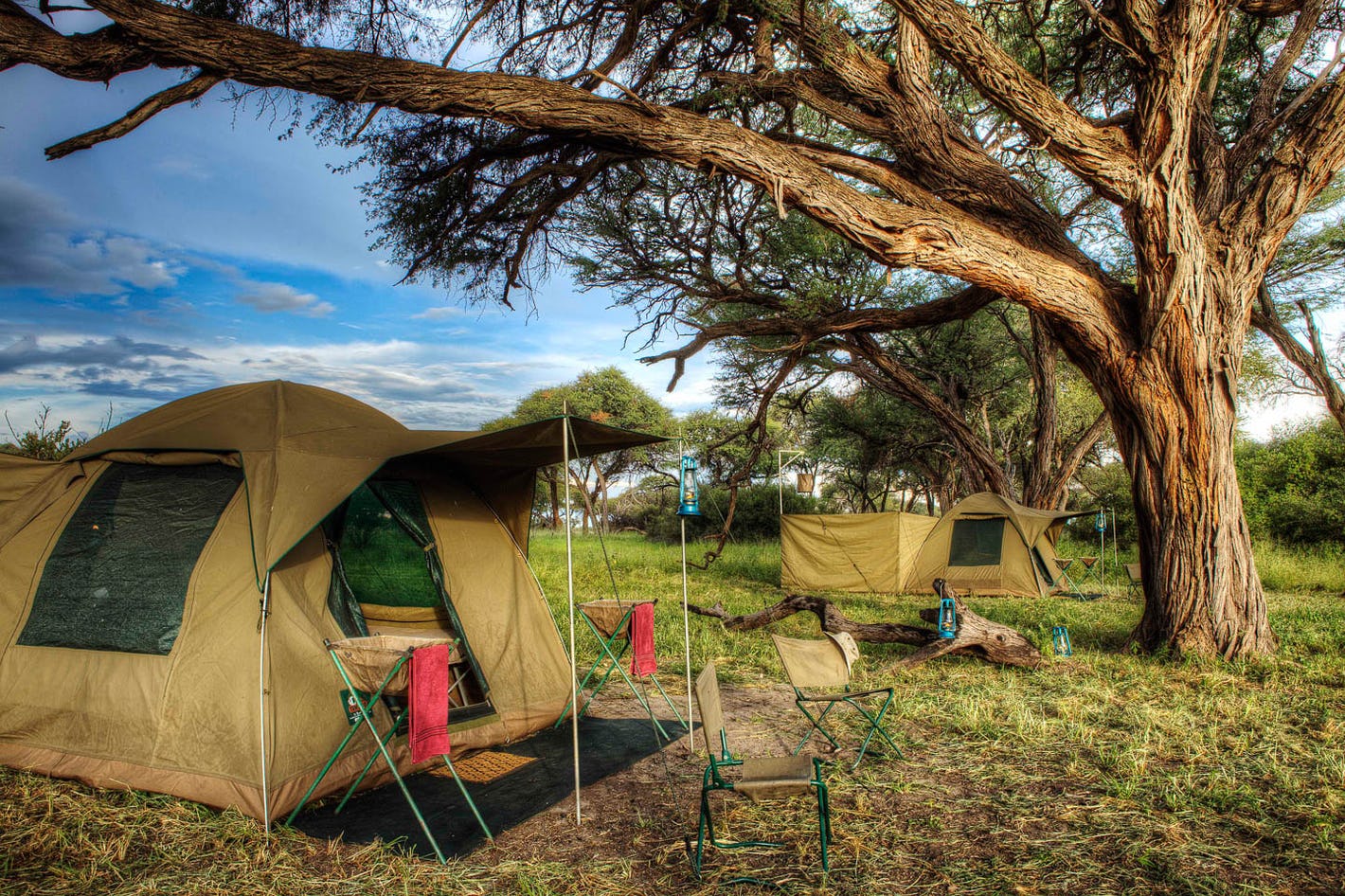
Campsites and outdoor equipment may become wet.
-
Mountain views may be obscured by mist or cloud.
Even during the dry season, you should expect some rainfall. Bwindi, Mgahinga, and Volcanoes National Park are rainforest and montane environments, so weather is never completely predictable.
Month-by-Month Gorilla Trekking Guide
January
January is part of the shorter dry season in Uganda and Rwanda. It is generally a good month for gorilla trekking, wildlife viewing, and combining primate activities with national park safaris.
Expect:
-
Relatively comfortable trekking conditions
-
Good demand for permits and lodges
-
Warm conditions at lower elevations
-
Cooler temperatures in the mountains
February
February often remains dry and is suitable for travelers who want to combine:
-
Gorilla trekking
-
Chimpanzee tracking
-
Queen Elizabeth National Park
-
Lake Mburo National Park
-
Volcanoes National Park
Book early if traveling around school holidays or popular travel dates.
March
March marks the beginning of the longer rainy season. Rain can increase as the month progresses, but gorilla treks continue throughout the period.
Advantages include:
-
Greener landscapes
-
Fewer visitors
-
Potentially better accommodation availability
Pack waterproof clothing and allow flexibility in your itinerary.
April
April is often one of the wetter months. Trails may be slippery, especially in steep areas of Bwindi and the Virunga forests.
It may appeal to:
-
Budget-conscious visitors
-
Travelers who prefer fewer crowds
-
Photographers seeking lush forest scenery
A good waterproof daypack and sturdy boots are essential.
May
May can remain wet, although weather varies by location and year. Trekking is still possible, but travelers should expect challenging trail conditions.
This is a good period for visitors who:
-
Have flexible schedules
-
Do not mind rain
-
Want possible low-season value
-
Prefer a quieter forest experience
June
June marks the beginning of the main dry season and is one of the most popular months for gorilla trekking in Uganda and Rwanda.
Benefits include:
-
Improving trail conditions
-
Lower rainfall in many areas
-
Strong demand for permits
-
Excellent conditions for combining gorillas with savanna safaris
July
July is a peak travel month. Conditions are often favorable, but permits and accommodation can sell out early.
Reserve in advance if you want:
-
A particular gorilla sector
-
A preferred lodge
-
Specific trekking dates
-
A private safari vehicle
August
August is also popular, particularly for international holidays. Gorilla trekking conditions are usually good, but you should still pack rain gear because mountain rain can occur at any time.
September
September often provides a good balance between dry-season conditions and slightly lower demand than July or August. It remains a strong month for both Uganda and Rwanda gorilla safaris.
October
October brings the shorter rainy season. Some days may remain dry, while sudden showers can affect trails and roads.
The month may provide:
-
Fewer visitors
-
Green scenery
-
Potentially better accommodation availability
-
Good birding opportunities
November
November is generally associated with short rains. It may be a suitable month for travelers seeking lower-season value and fewer crowds, but waterproof equipment is important.
December
December begins another relatively dry period. Demand may increase because of festive-season travel, so book permits and accommodation early.
Uganda or Rwanda: Which Is Better for Gorilla Trekking?
Both countries offer exceptional gorilla experiences, but they differ in accessibility, pricing, terrain, and itinerary style.
Choose Uganda if you want to combine gorilla trekking with:
-
Chimpanzee tracking in Kibale
-
Game drives in Queen Elizabeth National Park
-
Boat cruises on the Kazinga Channel
-
Lake Mburo National Park
-
Murchison Falls National Park
-
A longer, varied wildlife itinerary
Choose Rwanda if you prefer:
-
Easier access from Kigali
-
A shorter transfer to the gorilla park
-
A compact primate-focused trip
-
Volcano scenery and a polished travel itinerary
The best destination depends on your budget, available time, preferred accommodation, and wider travel plans.
Gorilla Trekking Rules and Health Advice
Gorilla tourism is carefully regulated because mountain gorillas are vulnerable to human diseases and disturbance.
Before your trek, follow the instructions of park authorities and your ranger guide.
Common rules include:
-
Minimum trekking age is generally 15 years.
-
Group size is limited, commonly to eight visitors per gorilla family.
-
The viewing period is generally limited to one hour once the group is located.
-
Do not use flash photography.
-
Do not eat, smoke, or drink near the gorillas.
-
Do not trek if you have flu-like symptoms, fever, diarrhea, or another infectious illness.
-
Avoid loud talking and sudden movements.
-
Do not touch the gorillas, even if one approaches you.
-
Follow the distance requirements given by the ranger.
Distance rules can be updated by park authorities. Some sources cite seven metres, while current conservation guidance may require a greater distance in particular circumstances. Always follow the instructions issued during your briefing.
These rules protect both visitors and gorillas. A respiratory illness that is mild in humans can be dangerous to an endangered gorilla population.
What to Pack for Gorilla Trekking
The right equipment can significantly improve your comfort.
Essential clothing
-
Waterproof hiking boots with good grip
-
Long trousers
-
Long-sleeved shirts
-
Fleece or warm layer
-
Waterproof jacket or poncho
-
Warm hat and gloves
-
Extra socks
-
Lightweight, breathable clothing
Useful trekking equipment
-
Waterproof daypack
-
Reusable water bottle
-
Energy-giving snacks
-
Insect repellent
-
Sunscreen
-
Sunglasses
-
Hat
-
Camera without flash
-
Spare batteries or power bank
-
Walking poles
-
Personal medication
-
Small first-aid kit
Gardening gloves are especially useful in Bwindi because trekkers may need to hold vegetation while moving along steep or muddy trails.
Walking sticks are often available from lodges or park headquarters, so you may not need to bring one from home.
If you have heavy luggage, consider hiring a local porter. Porters can help carry your daypack and provide assistance on steep trails. Fees vary by destination and current local arrangements, so confirm the rate before beginning the trek.
How Long Does Gorilla Trekking Take?
There is no fixed trekking duration because gorilla families move through natural forest habitats.
Your trek may last:
-
Two to three hours
-
Four to six hours
-
Longer on difficult days
The duration includes the hike to locate the gorilla family and the return journey. Once the gorillas are found, the standard viewing period is generally limited to one hour.
Several factors influence the length of your trek:
-
Location of the gorilla family
-
Terrain and elevation
-
Weather
-
Fitness level
-
Gorilla movements
-
Starting point and sector
-
Ranger decisions
Gorilla sightings are highly reliable because ranger teams monitor habituated families, but the exact location changes daily.

How Far in Advance Should You Book?
You should book as early as possible, especially if traveling during June to September or December to February.
A practical planning guide is:
-
Book six to twelve months ahead for peak dates, large groups, or specific lodges.
-
Book three to six months ahead for most standard itineraries.
-
Ask about availability before purchasing international flights.
-
Provide passport details exactly as they appear on your travel documents.
-
Confirm the park and sector before finalizing the permit.
-
Use a reputable, licensed tour operator or an official wildlife authority channel.
Permit availability is limited because only a restricted number of visitors can visit habituated gorilla families each day.
A permit is not generally transferable to another person, so your personal information must be correct.
How Adventure Uganda Safaris Can Help
Planning a gorilla safari in Uganda or Rwanda involves more than selecting a date.
You need to coordinate permits, accommodation, transport, park sectors, border requirements, and other activities.
Adventure Uganda Safaris can help arrange:
-
Uganda and Rwanda gorilla permits
-
Bwindi sector selection
-
Mgahinga and Volcanoes National Park itineraries
-
Private 4×4 safari vehicles
-
Experienced driver-guides
-
Accommodation near the park
-
Porter arrangements
-
Gorilla and chimpanzee combinations
-
Uganda–Rwanda cross-border trips
-
Airport transfers
-
Custom family, honeymoon, and photography safaris
We can also help you choose between the dry and wet seasons based on your priorities.
For example:
-
Choose the dry season for easier hiking and first-time trekking.
-
Choose the wet season for fewer crowds and potentially better value.
-
Choose Uganda for a longer wildlife circuit.
-
Choose Rwanda for a shorter, more accessible gorilla experience.
Frequently Asked Questions
Can I trek gorillas in Uganda or Rwanda during the rainy season?
Yes. Gorilla trekking operates throughout the year in both countries. Rain may make trails muddy, but it does not automatically prevent a trek.
What is the absolute best month for gorilla trekking?
June, July, August, September, January, and February are commonly preferred because they fall within the drier seasons. Your final choice should also consider permit availability, accommodation prices, and personal flexibility.
Are gorillas easier to find during the dry season?
Not necessarily. Gorilla families move naturally throughout the year. Dry-season trails may be more comfortable, while wet-season vegetation and forage can influence gorilla movements.
Is Uganda cheaper than Rwanda for gorilla trekking?
Uganda’s standard permit is generally lower than Rwanda’s, although current prices and seasonal promotions can change. Always confirm the official tariff before booking.
How difficult is gorilla trekking?
Difficulty varies by sector and gorilla family location. Bwindi and the Virunga landscapes include steep, uneven, and sometimes muddy terrain. A porter and walking stick can make the hike easier.
Can I combine gorilla trekking with a wildlife safari?
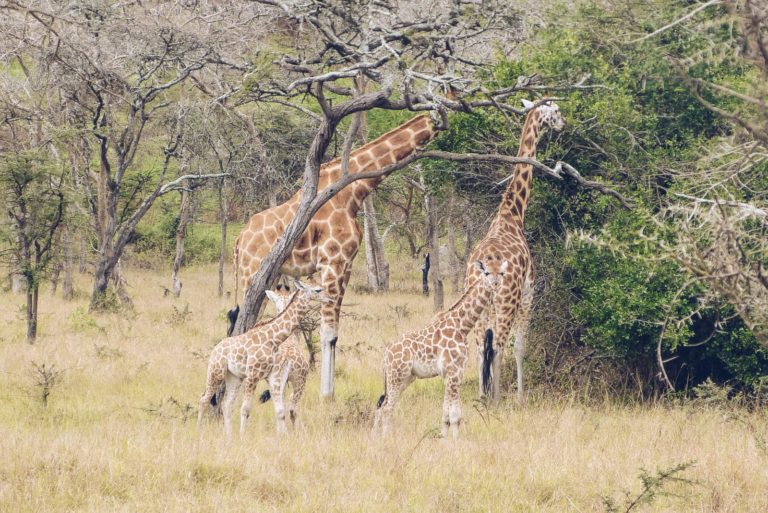
Yes. Uganda is especially suitable for combining gorillas with Queen Elizabeth National Park, Kibale Forest, Lake Mburo, or Murchison Falls. Rwanda can be combined with Akagera National Park and other cultural or scenic attractions.
Plan Your Gorilla Trekking Safari
The best time to trek gorillas in Uganda and Rwanda depends on what you value most. If you want the easiest trail conditions and generally drier weather, choose June to September or December to February.
If you prefer fewer visitors, greener scenery, and potential low-season savings, consider March to May or October to November.
Regardless of when you travel, prepare for rain, wear proper hiking equipment, follow the ranger’s instructions, and book your permit early.
The mountain gorillas live in a naturally unpredictable rainforest environment, and that is part of what makes the experience so special.
Contact Adventure Uganda Safaris to plan a tailor-made Uganda or Rwanda gorilla trekking safari. We can arrange your permits, accommodation, transport, guides, porter support, and extended wildlife itinerary.