Ways You Can Make a Gorilla Trekking Trip a Success
How to Make Your Gorilla Trekking Trip a Success: The Ultimate 2026 Guide
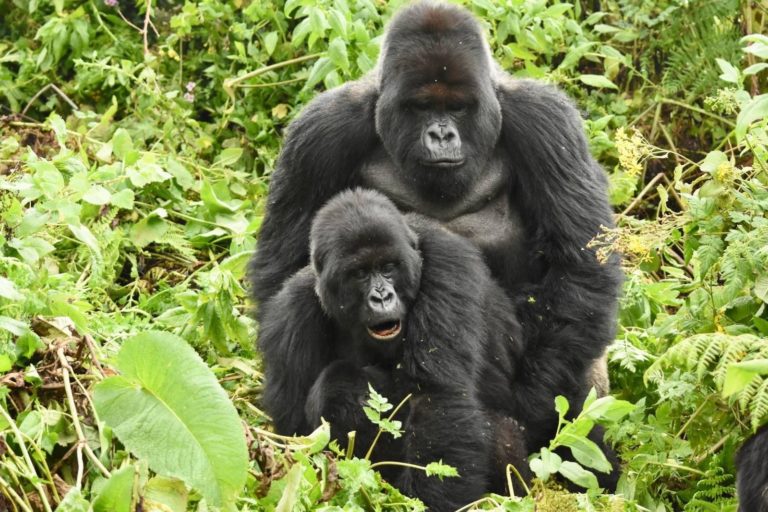
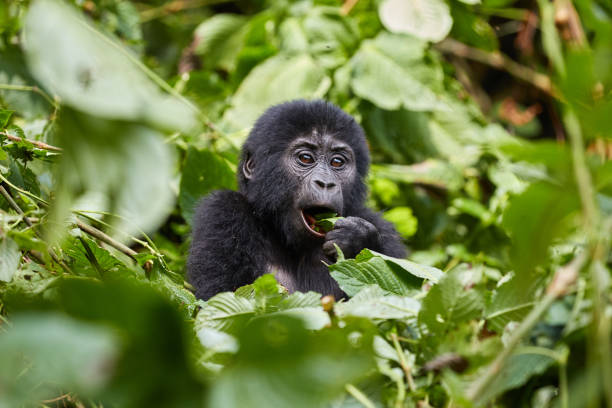
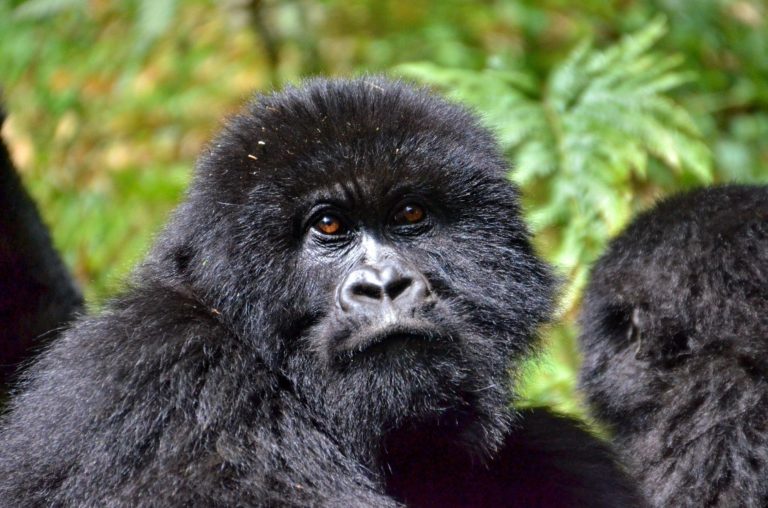
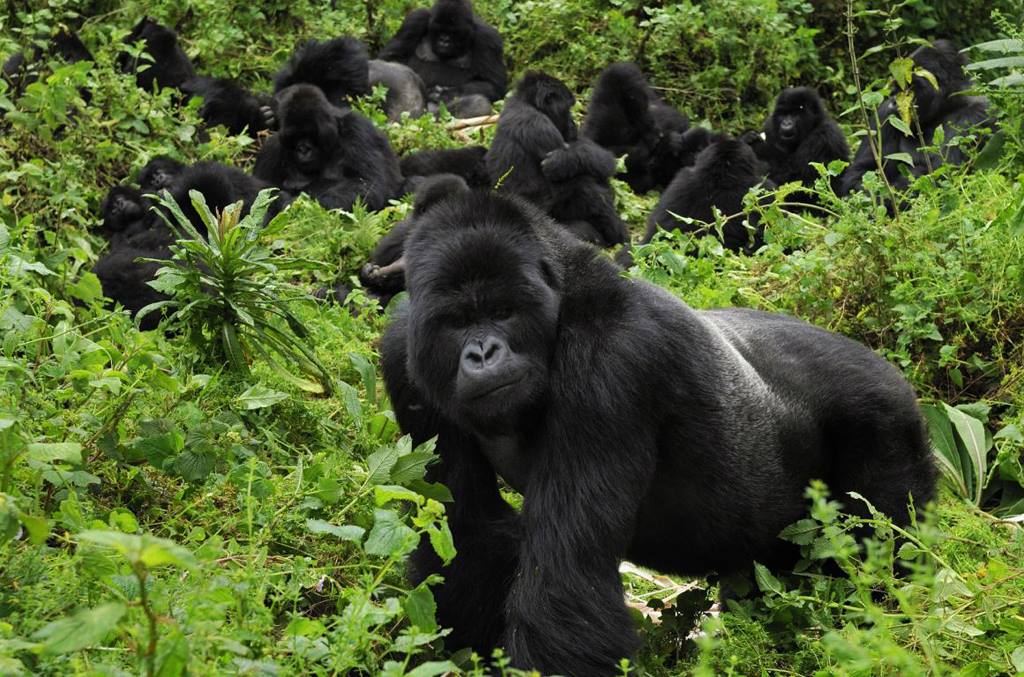
Ways you can make a gorilla trekking trip a success: With fewer than 1,100 mountain gorillas remaining in the wild, securing a face-to-face encounter with these magnificent primates has become one of the world’s most sought-after wildlife experiences.
Unlike their lowland cousins found in zoos, mountain gorillas cannot be kept in captivity, making a trek through their natural habitat in East Africa the only way to witness them.
Success on this adventure requires more than just booking a permit; it demands strategic planning, physical preparation.
And an understanding of the unique environments in Uganda’s Bwindi Impenetrable Forest and Rwanda’s Volcanoes National Park.
Choosing the Right Destination: Uganda vs. Rwanda
Selecting your trekking location is the first critical decision that will define your entire experience.
While both countries offer life-changing encounters, they cater to different types of travelers based on budget, fitness levels, and time constraints.
Uganda is often cited as offering the best overall value and variety, hosting over half of the world’s mountain gorilla population in the Bwindi Impenetrable Forest alone.
The terrain here is rugged and “impenetrable” in the truest sense, offering a raw, adventurous trek through thick vegetation where you might need guides to cut paths with machetes.
Conversely, Rwanda positions itself as a premium, exclusive destination.
The treks in Volcanoes National Park are generally shorter and take place in more open bamboo forests, making them physically easier, though the high altitude (2,500–3,000m) can still be challenging.
Understanding the Sectors of Bwindi Impenetrable Forest
If you choose Uganda, understanding the four distinct sectors of Bwindi is vital for tailoring the trek to your fitness level.
-
Buhoma (North): The most accessible sector with the widest range of accommodation. It offers varied terrain suitable for first-time trekkers and families.
-
Ruhija (East): The highest and coolest sector, known for stunning views and fewer crowds. Treks here can be longer due to the ridge walks, appealing to birders and return visitors.
-
Rushaga (South): Home to the largest number of habituated families, increasing permit availability. This is the only sector offering the Gorilla Habituation Experience, allowing four hours with semi-habituated groups.
-
Nkuringo (Southwest): Widely considered the most physically demanding sector. Trails often involve steep descents into valleys followed by grueling climbs back up, best suited for fit, experienced hikers.
Physical Preparation and Fitness Requirements
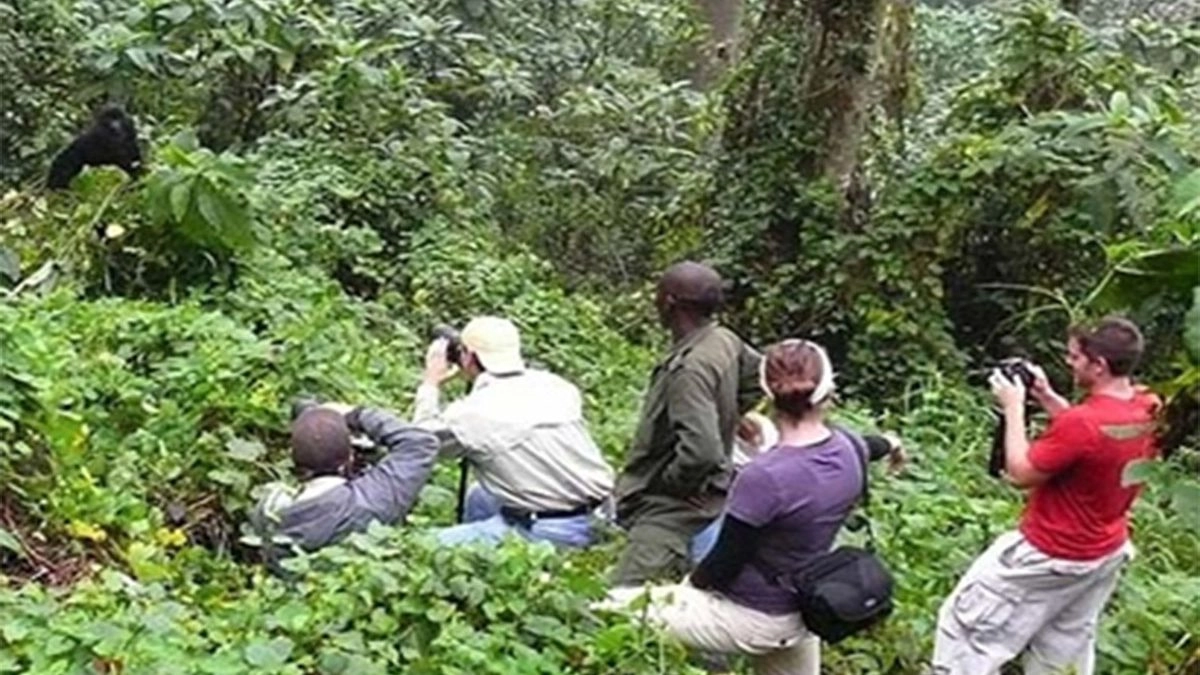
Gorilla trekking is not a casual walk; it is a moderate-to-strenuous hike that can last anywhere from 30 minutes to 8 hours depending on the location of the gorilla family.
The terrain in Bwindi involves steep, muddy slopes and dense vegetation at altitudes between 1,160 and 2,607 meters.
To ensure success:
-
Cardio Training: Engage in regular hiking, jogging, or stair climbing in the months leading up to your trip to build stamina.
-
Acclimatization: If possible, arrive a day early to adjust to the altitude, especially in Rwanda or the higher sectors of Bwindi like Ruhija.
-
Hire a Porter: This is highly recommended regardless of fitness level. For $15–$20, a porter carries your daypack and physically assists you up slippery slopes, significantly reducing fatigue and injury risk.
-
Listen to Your Body: Never force a trek if you are feeling unwell. Rangers can assign you to a closer, easier group if you communicate your fitness level honestly during the morning briefing.
Essential Packing List for Gorilla Trekking
Proper gear is non-negotiable for comfort and safety in the rainforest. The environment is wet, muddy, and filled with stinging nettles.
-
Footwear: Waterproof hiking boots with strong ankle support and good grip are essential. Avoid sneakers or open shoes.
-
Clothing: Wear long-sleeved shirts and long thick trousers to protect against scratches, insects, and stinging nettles. Gaiters are also highly recommended to keep mud and debris out of your boots.
-
Gloves: Gardening or work gloves are crucial for gripping vegetation and protecting hands from thorns during steep climbs.
-
Rain Gear: A high-quality rain jacket is mandatory, as mountain forests create their own weather and rain can occur even in the dry season.
-
Daypack: Carry a small backpack with at least 2 liters of water, high-energy snacks, insect repellent, and sunscreen.
-
Camera: Bring a camera with a fast lens (f/2.8 or wider) and high ISO capability, as the forest canopy creates low-light conditions. Flash photography is strictly prohibited.
Best Time to Visit for Optimal Conditions
While gorilla trekking is possible year-round, timing your visit can drastically improve the physical ease of the trek.
Both Uganda and Rwanda experience two dry seasons which are ideal for visiting.
-
June to September (Long Dry Season): The most popular time to visit. Trails are drier and more accessible, making the hike easier. However, permits sell out months in advance, and prices for accommodation are at their peak.
-
December to February (Short Dry Season): Excellent trekking conditions with slightly fewer crowds than the mid-year peak. This is a great alternative for securing permits.
-
Wet Seasons (March–May & October–November): Trails become muddy, slippery, and more challenging. However, the forest is lush and green, there are fewer tourists, and some lodges offer discounted rates.
Securing Permits and Budgeting
The gorilla permit is the single most important and expensive component of your trip, and it must be secured months in advance.
Each habituated family is visited by only eight people per day to minimize stress on the animals and disease transmission.
-
Uganda: Permits cost $800 for foreign non-residents. The Gorilla Habituation Experience costs $1,500
-
Rwanda: Permits cost $1,500 for international visitors, though a discount to $1,050 is available if you spend at least two nights in another Rwandan national park.
Booking Strategy: Permits for peak seasons often sell out 6–12 months in advance.
It is crucial to book your permit before finalizing flights and accommodation, as dates are non-transferable.
Working with a reputable tour operator can help secure permits and align them with lodge availability in the correct sector.
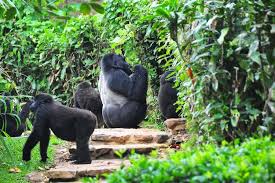
Health and Safety Protocols
Mountain gorillas share approximately 98% of human DNA, making them highly susceptible to human diseases. Strict health protocols are enforced to protect the population.
-
Illness: If you have a cold, flu, or any contagious illness, you are prohibited from trekking. You must inform your guide immediately.
-
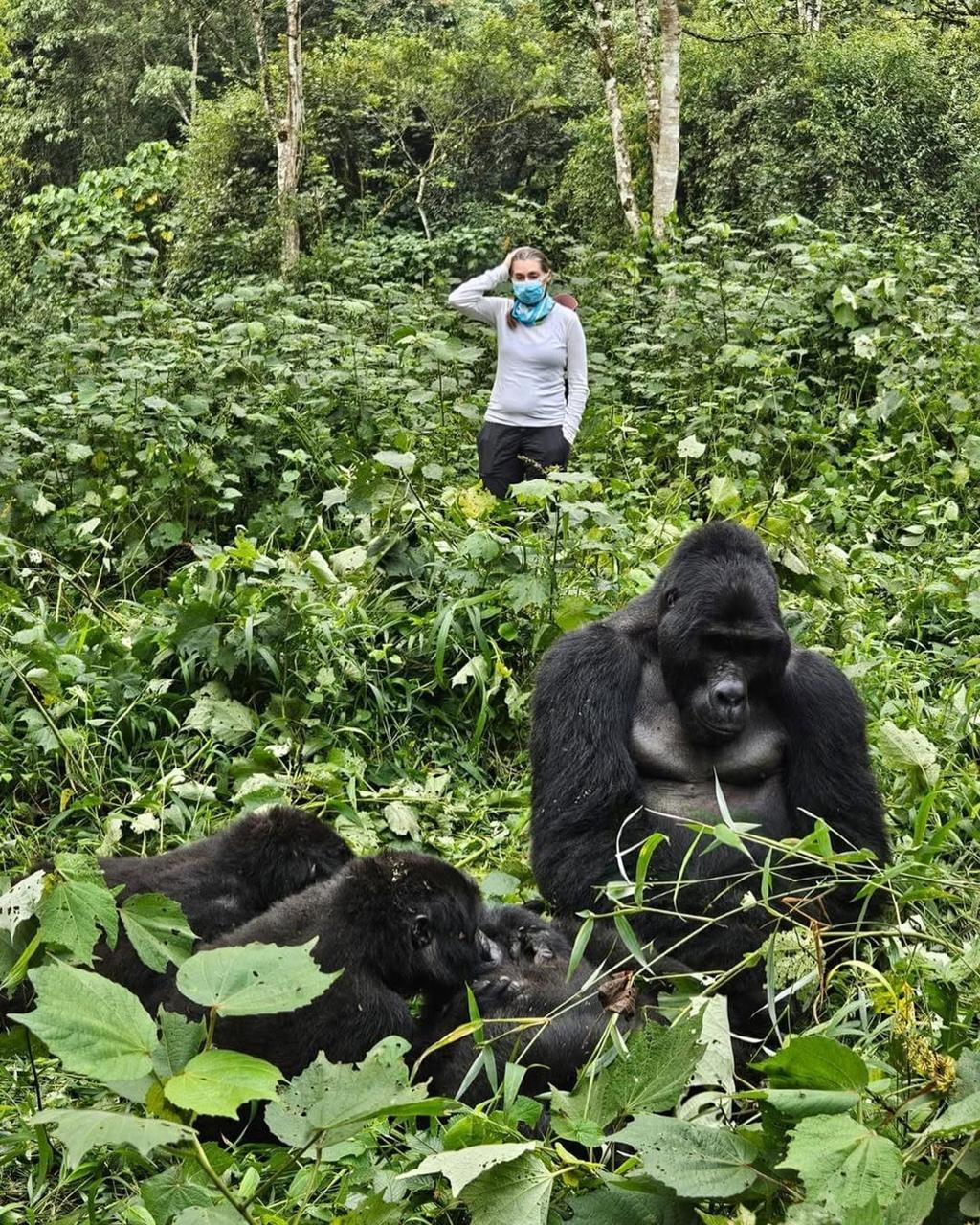
Distance: Maintain a minimum distance of 7–10 meters from the gorillas at all times. If a gorilla approaches you, back away slowly and quietly.
-
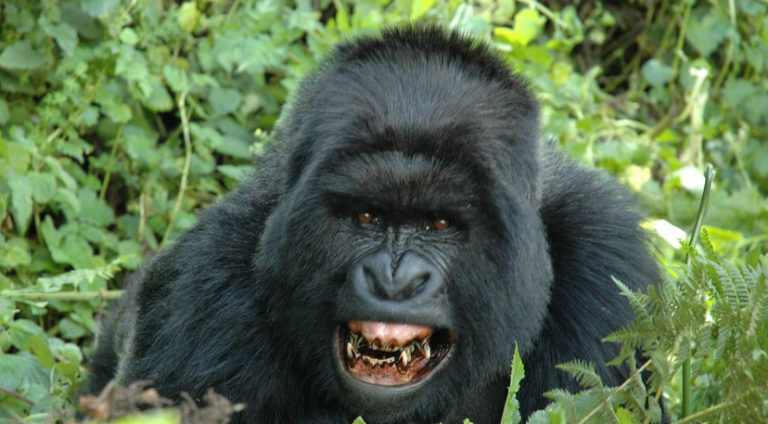
Behavior: Keep your voice low, avoid direct eye contact with silverbacks, and do not eat, drink, or smoke near the gorillas.
-
Masks: Rangers may require you to wear a face mask during the encounter to further reduce disease risk.
Maximizing the Experience: Photography and Etiquette
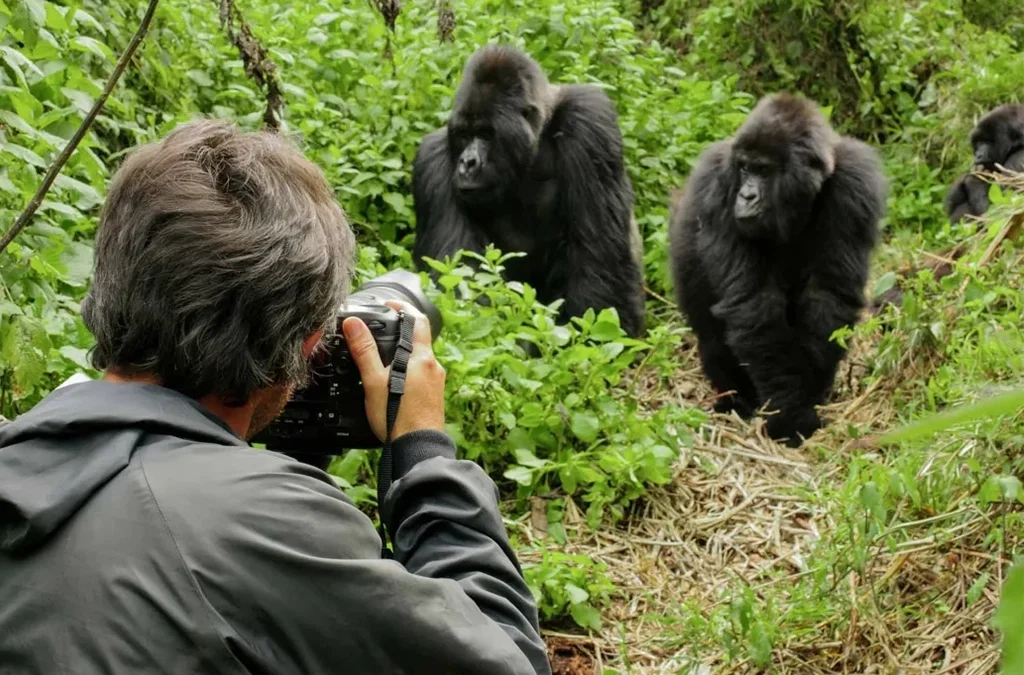
The one hour you spend with the gorillas is fleeting, so preparation is key to capturing the moment without disrupting the experience.
-
Camera Settings: Use a fast shutter speed (1/250s or faster) to capture moving juveniles. Set your ISO high (800–3200) to compensate for the dark forest, accepting some grain over a blurry image.
-
Stability: Tripods are generally not allowed, as they are cumbersome in dense brush. Use a monopod or brace yourself against trees for stability.
-
Be Present: While photos are important, many travelers regret spending the entire hour behind the lens. Take time to put the camera down and absorb the profound connection of being in the presence of these wild giants.
Conclusion
A successful gorilla trekking trip is the result of meticulous planning, realistic fitness preparation, and respect for the natural environment.
By choosing the right sector, packing appropriate gear, and booking permits well in advance, you ensure that your journey into the misty forests of East Africa is not just a glimpse, but a transformative encounter with one of nature’s most endangered species.
Whether you choose the rugged adventure of Uganda or the polished efficiency of Rwanda, the experience of locking eyes with a silverback in the wild remains an unparalleled triumph of conservation and travel.