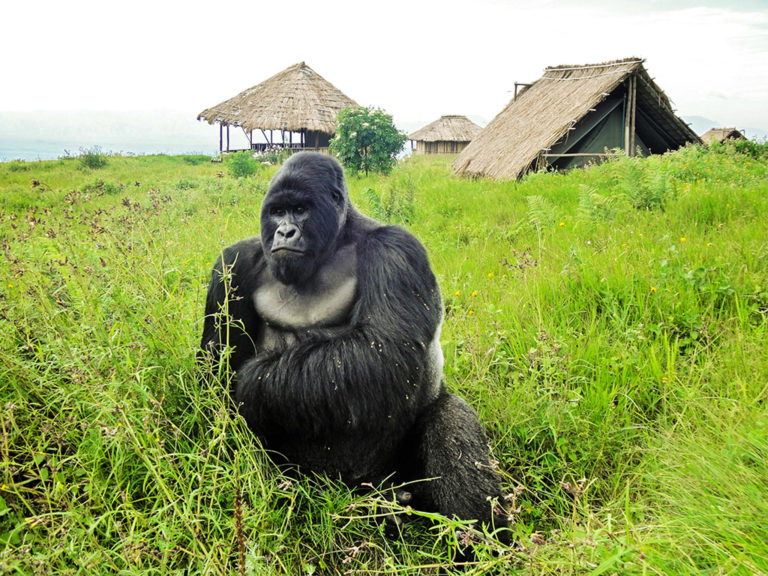
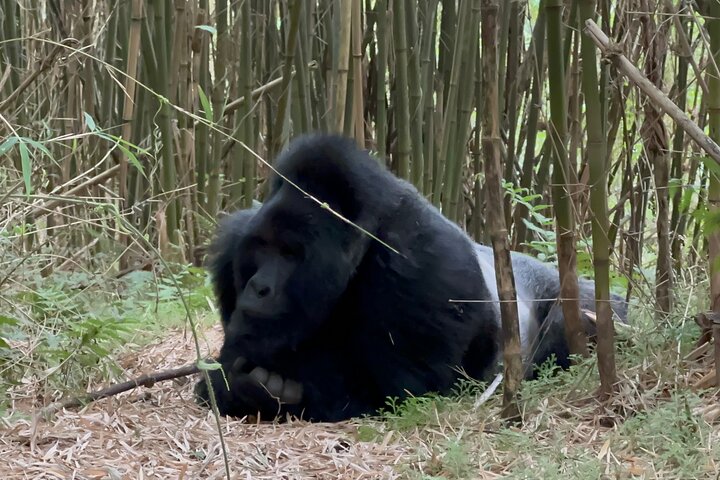
Which Months are Best for Gorilla Trekking?
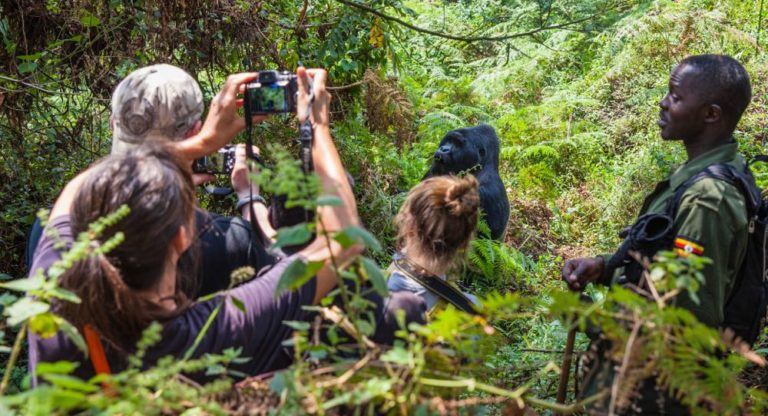
Wondering which months are best for gorilla trekking? No worries, Maranatha Tours and Travel has the best detailed answers for you. Gorilla trekking offers a once-in-a-lifetime opportunity to witness the majestic mountain gorillas (Gorilla Beringei Beringei) in their natural habitat. As hard work, patience, and the tracking skills of Park Rangers (known as trackers) play their part when it comes to searching and finding one of the World’s largest primates, choosing the best time for your gorilla safari is crucial to ensure enjoying a rewarding and unforgettable experience.
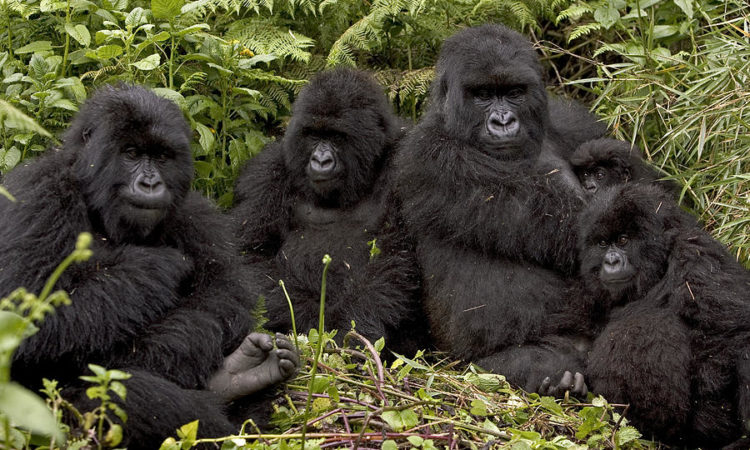
From the dense jungles of Bwindi Impenetrable National Park in Uganda to the bamboo-dominated slopes of Volcanoes National Park in Rwanda, the changing seasons can influence the prospect of mountain gorilla sightings. Seasons also influence the views of the landscapes, as well as the overall safari experience. Mountain gorillas are not found in any other countries except Uganda, Rwanda, and the Democratic Republic of Congo, hence making these three countries premium safari destinations for primate enthusiasts as well as safari aficionados alike. But what does it take to spot the iconic Giant Apes in their natural habitats? Here is a season-by-season guide to gorilla trekking to help you plan your unforgettable gorilla safari.
June to September, December to February: Why the dry season is the best time for gorilla trekking
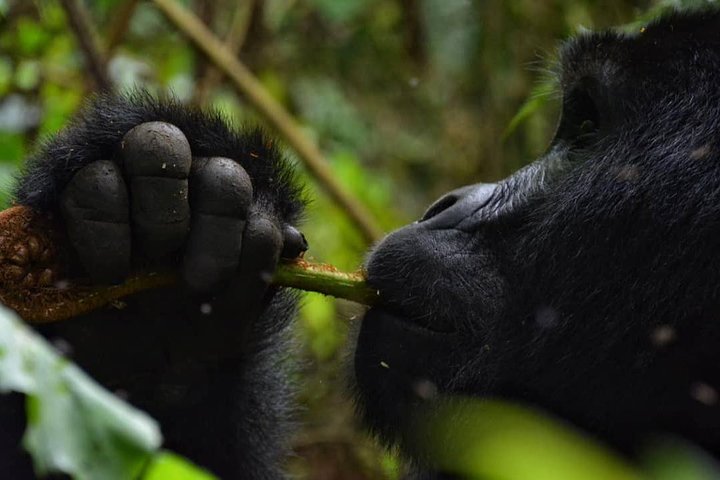
- Weather: The hottest months of the year are June to September and December to February. Temperatures rise significantly, often exceeding 30°C. Despite this, the dry season months are widely regarded as the best time of year to go for gorilla trekking.
- Trekking experiences: The vegetation of Bwindi, Volcanoes, Mgahinga, and Virunga National Parks thins out and becomes sparser, creating open spaces. Gorilla treks are less challenging, and they are at their peaks, since the verdant green foliage that often obstructs movement post the rains is replaced by sparser undergrowth. Most travelers prefer this season for the less muddy and slippery forest trails encountered while searching for the Giant Apes in their natural habitat.
- Mountain gorilla sightings: Regardless of season, it is an almost 98% guarantee that you will see the Giant Apes in their natural habitat. However, with temperatures soaring, mountain gorillas are forced to move deeper and further into the forests to search for food. This makes gorilla treks longer during the dry months.
- Gorilla permit and accommodation availability: As many travelers regard the dry months as the best time to go for gorilla trekking, it affects gorilla permit and accommodation availability. First, it is important to remember that gorilla trekking is limited, with only 8 travelers allowed to visit a habituated gorilla family. This means that for the 8 habituated gorilla families in Congo’s Virunga National Park, only 64 gorilla permits are issued each day. For Volcanoes National Park’s 12 habituated gorilla families, only 96 gorilla permits are issued each day, and for Uganda (Bwindi and Mgahinga), only 200 gorilla permits are issued each day for the 25 habituated gorilla families. The high demand for gorilla permits and accommodation during the dry season affects availability; hence, advance bookings (of at least 12 months) are recommended.
- Gorilla safari budget: The favorable gorilla trekking conditions during the dry months come at a cost. Accommodation rates are at their peak, hence you will spend more on your gorilla safari than you would otherwise do during the wet/green season.
March to May, and October/November: Is the wet/green season still a good time for gorilla trekking?
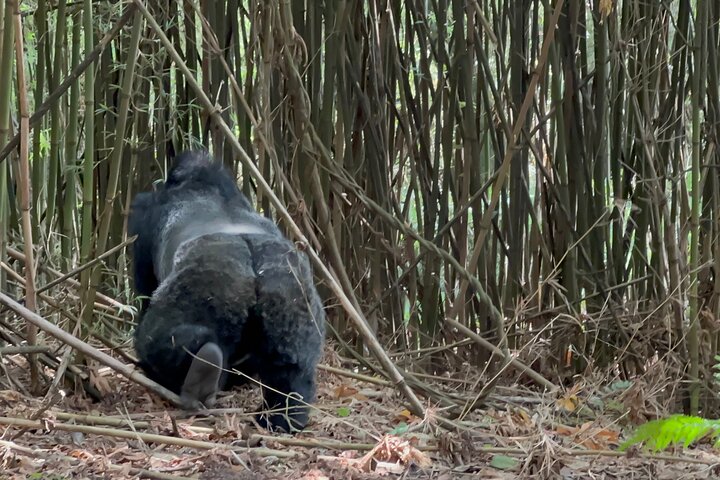
- Weather: The wet/green season from gorilla natural habitats lasts from March to May, and then in November. With the sultry dry season days behind, heavy downpours rejuvenate the forests, turning them from sparse, dusty landscapes into verdant green Paradises and reducing temperatures.
- Trekking experiences: With the dense undergrowth, muddy and slippery forest trails resulting from heavy rains, gorilla treks are comparatively difficult during the wet season. Also, when it comes to accessing the Gorilla Parks, roads are sometimes muddy and literally impassable due to rain.
- Mountain Gorilla sightings: While gorilla treks are usually considered relatively more difficult (due to muddy/slippery trails and dense vegetation), it surprisingly takes a shorter time to find the Giant Apes closer to the forest boundaries, as there is plenty to feed on.
- Scenery: With increased rainfall, forests come alive with flowing streams, dense and vibrant greenery, and blooming flora, hence creating an enchanting environment. The green landscapes and clear skies offer dramatic backdrops for nature and wildlife photography.
- Gorilla permit and accommodation availability: The wet season is the low season for gorilla trekking, hence availability isn’t as challenging as it is in the dry season, which is also the peak season. It is even possible to book last-minute gorilla treks, especially for Bwindi Impenetrable National Park, and when you need one or two permits a day.
- Gorilla safari budget: As the low season sets in, some accommodations around the Mountain gorilla Parks provide discounted room rates. This makes it possible to save some money for more gorilla treks or other safari logistics.
Tips for a successful Gorilla safari, anytime of the year
- Book early: Gorilla trekking is generally a limited activity, and permits are usually in high demand (sometimes even in the traditional low seasons). Therefore, booking early (at least 3-6 months for gorilla trekking in the low season and 12 months for gorilla trekking in the high season) is recommended to avoid last-minute disappointments.
- Always opt for expert guidance and exclusive gorilla trekking packages: Booking a private gorilla tour (instead of joining a group) and through a credible Tour Operator will guarantee an unforgettable gorilla safari, anytime of the year. We provide expert safari guides who are knowledgeable about routes, accommodation options, and trailheads of most gorilla families in different National Parks.
- Exercise patience: Mountain gorilla treks and sightings generally require patience as well as respect for Mother Nature’s pace. Take time to enjoy the breathtaking sights, sounds, and smells of the forests during gorilla treks, in addition to developing an appreciation for being in the presence of other wildlife species and birds.
In the forest, anything can happen at any time. A playful baby gorilla, a nursing mother gorilla, or a protective silverback can transform your gorilla trekking experience into a memorable encounter. However, luck can also change in a flash when it comes to gorilla treks, and every gorilla safari holds the thrill and possibility of getting up close and personal with these revered Giant Apes. Yet, by understanding which months are best for gorilla trekking, you can tailor your gorilla safari to suit your preferences, ensuring memories that will last a lifetime.
Ready to plan your gorilla trekking safari? Book your next trip with Maranatha Tours and Travel today!