
What Makes Uganda the Pearl of Africa
What Makes Uganda the Pearl of Africa? Ultimate Guide 2026
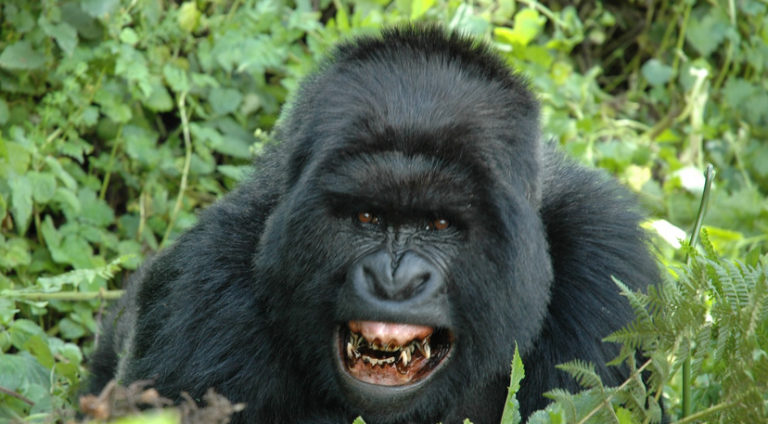
Uganda is known as the Pearl of Africa because it combines spectacular landscapes, abundant wildlife, tropical forests, snow-capped mountains, powerful rivers, diverse cultures, and exceptionally welcoming people within one compact East African destination.
From the misty forests of Bwindi Impenetrable National Park to the source of the Nile in Jinja, a Uganda safari offers remarkable variety without requiring travelers to cross the entire continent.
The country is home to mountain gorillas, chimpanzees, lions, elephants, hippos, giraffes, rare birds, dramatic waterfalls, ancient volcanic mountains, and some of Africa’s most beautiful national parks.
Uganda also offers memorable cultural and culinary experiences, making it much more than a wildlife destination.
If you are planning a Uganda safari, this guide explains why the country deserves its famous name and highlights the best attractions, activities, national parks, wildlife experiences, and travel opportunities that make Uganda truly exceptional.

Why Is Uganda Called the Pearl of Africa?
The phrase “Pearl of Africa” is widely associated with Winston Churchill, who visited Uganda in 1907 and later described the country in his book My African Journey, published in 1908.
Churchill admired Uganda’s exceptional scenery, pleasant climate, rich wildlife, fertile landscapes, and cultural diversity.
His description remains relevant today because Uganda offers an unusually broad range of experiences:
-
Tropical rainforests and savanna plains.
-
The source of the Nile and large freshwater lakes.
-
Snow-covered mountain peaks and volcanic ranges.
-
Mountain gorillas and chimpanzees.
-
Lions, leopards, elephants, buffaloes, giraffes, and rhinos.
-
More than 1,000 recorded bird species.
-
Traditional food, music, dance, and community experiences.
-
Warm hospitality and a welcoming travel atmosphere.
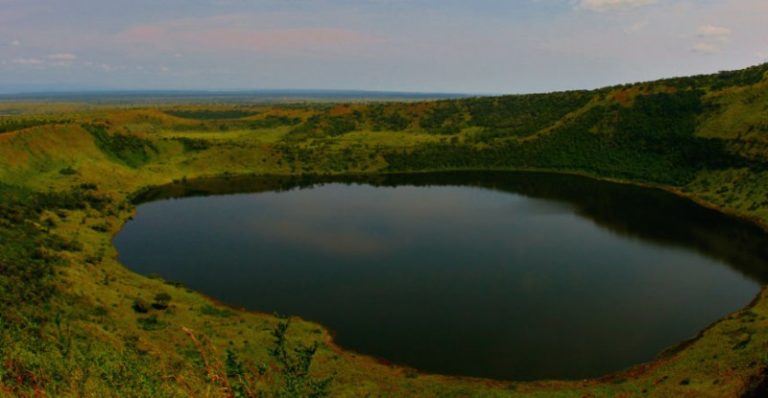
Uganda’s appeal is its diversity. A visitor can track gorillas in the morning, enjoy a crater-lake view in the afternoon, and relax beside the Nile or a savanna waterhole the following day.
The Uganda Tourism Board promotes the country for safari experiences across savanna, forest, and wetland habitats, including encounters with the Big Five and a remarkable range of birdlife.
Uganda’s Natural Beauty and Landscapes
Uganda’s landscapes change dramatically from one region to another.
This variety is one of the main reasons the country attracts photographers, hikers, birders, wildlife enthusiasts, and adventure travelers.
1. Tropical rainforests
The forests of southwestern and western Uganda protect some of the country’s most important primate habitats.
Bwindi Impenetrable National Park and Kibale Forest National Park are especially famous for gorilla and chimpanzee experiences.
These forests contain:
-
Mountain gorillas.
-
Chimpanzees.
-
Black-and-white colobus monkeys.
-
L’Hoest’s monkeys.
-
Red-tailed monkeys.
-
Forest elephants.
-
Numerous butterflies and forest birds.
-
Ancient trees, vines, and dense undergrowth.
A guided forest walk offers much more than an animal sighting. Visitors experience the sounds, smells, humidity, vegetation, and atmosphere of an ancient tropical ecosystem.
2. Savanna plains
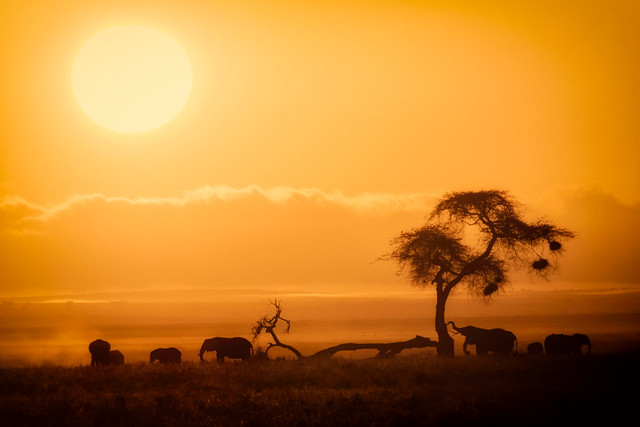
Uganda’s savanna parks offer classic East African wildlife experiences, including game drives and boat safaris. Open grasslands and woodland habitats support:
-
Lions.
-
Leopards.
-
Elephants.
-
Buffaloes.
-
Giraffes.
-
Zebras.
-
Hippos.
-
Uganda kobs.
-
Antelopes and numerous smaller species.
The savanna landscapes of Murchison Falls National Park, Queen Elizabeth National Park, Kidepo Valley National Park, and Lake Mburo National Park each have their own character.
3. Lakes, wetlands, and rivers
Uganda is rich in freshwater habitats. Lake Victoria, Africa’s largest lake, influences the country’s climate, culture, fishing communities, and landscapes.
Other important lakes include:
-
Lake Albert.
-
Lake Edward.
-
Lake George.
-
Lake Bunyonyi.
-
Lake Mburo.
-
Lake Kyoga.
These lakes and surrounding wetlands support hippos, crocodiles, waterbirds, fish, papyrus plants, and local communities. Boat cruises are among the best ways to experience Uganda’s waterways.
Mountain Gorillas in Uganda
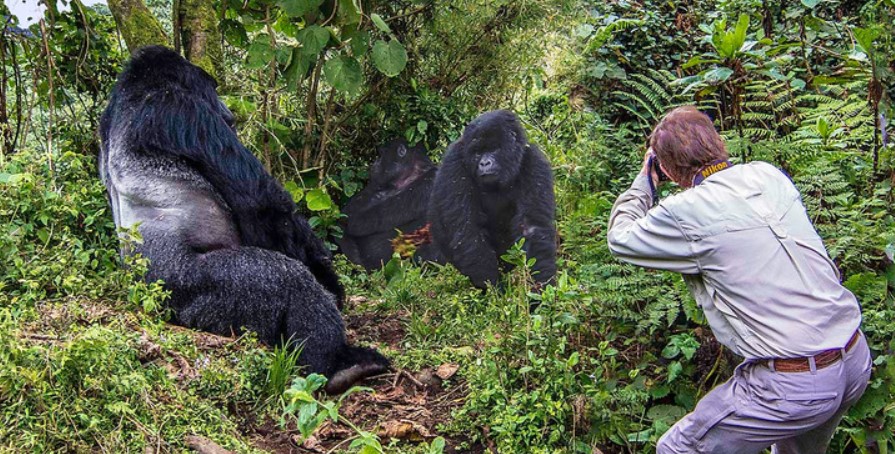
One of the strongest reasons to visit Uganda is the opportunity to see mountain gorillas in the wild.
Gorilla trekking takes place in:
Both parks are in southwestern Uganda and form part of the wider Virunga-Bwindi mountain gorilla ecosystem. Bwindi is known for its dense ancient forest, while Mgahinga protects the Ugandan slopes of the Virunga volcanoes.
What makes gorilla trekking special?
A gorilla trek is an intimate wildlife experience. After hiking through the forest with trained rangers, visitors may spend up to the permitted viewing period observing a habituated gorilla family.
You may see:
-
Silverbacks.
-
Mothers with infants.
-
Juveniles playing.
-
Gorillas feeding on leaves.
-
Family members grooming one another.
-
Powerful animals resting quietly in the vegetation.
Gorilla trekking also supports conservation. Permit revenue helps fund park management, ranger teams, habitat protection, and community initiatives.
Gorilla permit information
Permit prices and regulations can change, so visitors should confirm current rates with the Uganda Wildlife Authority or a licensed tour operator.
The UWA tariff covering July 2024 to June 2026 listed standard permits at USD 800 for foreign non-residents, USD 700 for foreign residents, USD 500 for other African citizens, and UGX 300,000 for East African citizens.
Visitors should book permits early, particularly for:
-
June to September.
-
December to February.
-
Specific sectors or preferred trekking dates.
-
Groups traveling together.
A typical gorilla trekking day includes a briefing, ranger-guided hiking, forest exploration, and a regulated encounter with a habituated gorilla family.
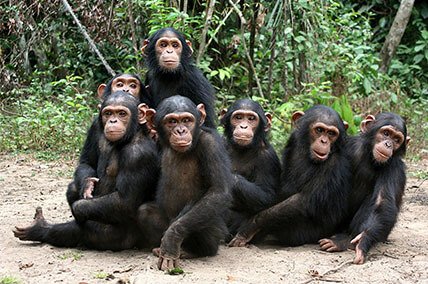
Chimpanzee Tracking in Uganda
Uganda is also one of Africa’s leading destinations for chimpanzee trekking. The country protects thousands of chimpanzees across forests, reserves, and national parks.
Kibale Forest National Park
Kibale Forest National Park is widely known for its high concentration of primates and is often called the primate capital of the world.
Chimpanzee tracking is the park’s signature activity, but visitors may also see:
-
Red colobus monkeys.
-
Black-and-white colobus monkeys.
-
L’Hoest’s monkeys.
-
Red-tailed monkeys.
-
Blue monkeys.
-
Olive baboons.
-
Forest elephants.
-
More than 300 bird species.
Chimpanzee tracking usually involves a guided walk through the forest in search of a habituated community. The experience combines wildlife viewing with interpretation of forest ecology and chimpanzee behavior.
Budongo Forest
Budongo Forest, near Murchison Falls National Park, is another important chimpanzee habitat. Its large trees, forest trails, and birdlife make it a valuable destination for primate and nature enthusiasts.
Depending on the destination and current regulations, visitors may participate in:
-
Standard chimpanzee tracking.
-
Chimpanzee habituation experiences.
-
Forest walks.
-
Bird watching.
-
Conservation education.
Chimpanzee permits and activity fees vary by location and season. Always confirm the latest cost before booking.
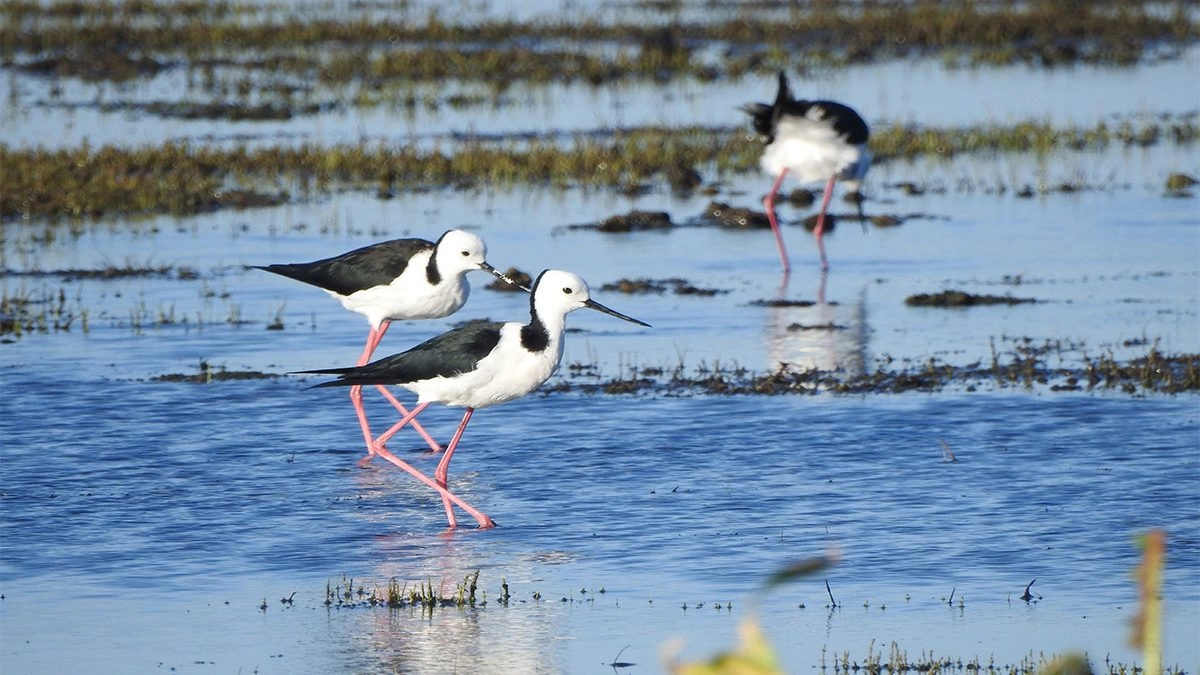
The Source of the Nile in Jinja
The Source of the Nile is one of Uganda’s most famous attractions. It is located near Jinja, a historic town on the northern shores of Lake Victoria.
The Nile begins its long journey northward from the Lake Victoria basin, flowing through Uganda before continuing through South Sudan, Sudan, and Egypt toward the Mediterranean.
A visit to Jinja may include:
-
Boat trips near the source.
-
Nile kayaking.
-
White-water rafting.
-
Jet boating.
-
Quad biking.
-
Bungee jumping.
-
Horse riding.
-
Village and cultural tours.
-
Relaxation at riverside lodges.
Jinja is particularly popular with adventure travelers because it combines natural scenery with adrenaline-filled activities.
White-water rafting on the Nile is one of the region’s signature experiences, while slower boat trips provide an opportunity to observe birds, islands, and riverside life.
For travelers building a longer itinerary, Jinja is an excellent addition before or after a Uganda wildlife safari.
Uganda’s National Parks and Wildlife
Uganda has a remarkable concentration of protected landscapes. The Uganda Tourism Board highlights safari opportunities across 10 national parks, including savanna, forest, and wetland habitats.
1. Murchison Falls National Park
Murchison Falls is Uganda’s largest national park and is named after the dramatic waterfall where the Nile is forced through a narrow gorge.
Top activities include:
-
Game drives.
-
Nile launch cruises.
-
Hikes to the top of the falls.
-
Bird watching.
-
Fishing.
-
Chimpanzee tracking in nearby Budongo Forest.
Wildlife may include:
-
Elephants.
-
Lions.
-
Leopards.
-
Buffaloes.
-
Rothschild’s giraffes.
-
Uganda kobs.
-
Jackson’s hartebeests.
-
Hippos and crocodiles.
A boat cruise toward the base of the falls is especially rewarding because it provides close views of hippos, crocodiles, elephants, buffaloes, and waterbirds.
2. Queen Elizabeth National Park
Queen Elizabeth National Park is one of Uganda’s most versatile safari destinations. It contains savanna plains, crater lakes, wetlands, woodland, and the famous Kazinga Channel.
Visitors can enjoy:
-
Game drives.
-
Kazinga Channel boat cruises.
-
Chimpanzee tracking in Kyambura Gorge.
-
Bird watching.
-
Nature walks.
-
Community tourism.
-
Tree-climbing lion sightings in the Ishasha sector.
Wildlife includes lions, elephants, buffaloes, hippos, leopards, Uganda kobs, warthogs, and several antelope species.
3. Kidepo Valley National Park
For a more remote and wilderness-focused experience, Kidepo Valley National Park is difficult to surpass.
Located in northeastern Uganda, the park is known for wide open valleys, rugged mountains, dry riverbeds, and relatively low visitor numbers.
Animals include:
-
Lions.
-
Leopards.
-
Cheetahs.
-
Elephants.
-
Giraffes.
-
Buffaloes.
-
Zebras.
-
Ostriches.
-
Jackson’s hartebeests.
-
Greater and lesser kudus.
Kidepo is also culturally significant, with opportunities to meet communities such as the Karamojong through responsible cultural programs.
4. Lake Mburo National Park
Lake Mburo is a convenient stop between Kampala and southwestern Uganda.
It is known for:
-
Zebras.
-
Impalas.
-
Elands.
-
Giraffes.
-
Buffaloes.
-
Hippos.
-
Warthogs.
-
Boat trips.
-
Walking safaris.
-
Cycling safaris.
Its proximity to Kampala makes it useful for shorter Uganda safaris and longer journeys toward Bwindi or Queen Elizabeth National Park.
5. Rwenzori Mountains National Park
The Rwenzori Mountains, often called the Mountains of the Moon, offer some of Africa’s most dramatic high-altitude scenery. The range includes glaciers, deep valleys, giant lobelias, waterfalls, and rugged peaks.
Mount Stanley contains Margherita Peak, which rises to approximately 5,109 metres. Rwenzori trekking is demanding and requires careful planning, suitable equipment, experienced guides, and enough time for acclimatization.
6. Semliki National Park
Semliki protects lowland tropical forest in the Albertine Rift. It is known for:
-
Hot springs.
-
Forest birds.
-
Primates.
-
Butterflies.
-
Unique Central African species.
-
Cultural experiences.
The park is particularly attractive to birders and travelers interested in less-visited ecosystems.
7. Mgahinga Gorilla National Park
Mgahinga protects three Virunga volcanoes:
-
Mount Gahinga.
-
Mount Muhabura.
-
Mount Sabyinyo.
In addition to gorilla trekking, visitors may enjoy:
-
Golden monkey tracking.
-
Volcano hiking.
-
Forest walks.
-
Cultural experiences with Batwa communities.
-
Panoramic views across Uganda, Rwanda, and the Democratic Republic of Congo.

Uganda as a Bird-Watching Destination
Uganda is one of Africa’s best destinations for bird watching. Its location at the meeting point of several ecological zones helps explain its exceptional bird diversity.
The country has more than 1,000 recorded bird species, offering opportunities for beginners and serious birders alike.
Important birding destinations include:
-
Bwindi Impenetrable National Park.
-
Kibale Forest.
-
Mabamba Swamp.
-
Murchison Falls.
-
Queen Elizabeth National Park.
-
Semliki National Park.
-
Lake Mburo.
-
Rwenzori Mountains.
-
Mount Elgon.
-
Kidepo Valley.
Birding highlights may include:
-
Shoebills.
-
Great blue turacos.
-
African green broadbills.
-
Shelley’s crimsonwings.
-
Grauer’s swamp warblers.
-
Rwenzori turacos.
-
African fish eagles.
-
Grey crowned cranes.
-
African finfoots.
A specialist birding guide can identify calls, locate shy species, and design a route around your target list.
Uganda’s Mountains and Hiking Adventures
Uganda is an outstanding destination for mountain hiking in Africa. Travelers can choose from volcanic peaks, forested mountains, high-altitude wetlands, waterfalls, and technical summit routes.
1. Rwenzori Mountains
The Rwenzoris offer multi-day alpine trekking, glaciers, giant vegetation, and Margherita Peak.
2. Virunga volcanoes
Mgahinga provides access to:
-
Mount Muhabura.
-
Mount Gahinga.
-
Mount Sabyinyo.
These hikes range from challenging day climbs to more demanding volcanic adventures.
3. Mount Elgon
Mount Elgon in eastern Uganda is ideal for:
-
Multi-day trekking.
-
Waterfall hikes.
-
Bird watching.
-
Coffee tours.
-
Forest walks.
-
Cultural experiences.
-
Wagagai Peak expeditions.
4. Sipi Falls
The Sipi area combines gentle hiking with dramatic waterfalls, coffee plantations, abseiling, and community walks.
It is suitable for travelers who want mountain scenery without committing to a long summit expedition.
Ugandan People, Cultures, and Hospitality
Uganda’s people are one of the country’s greatest attractions.
More than 50 communities contribute to the country’s cultural diversity, each with distinct languages, histories, foods, traditions, dances, and ceremonies.
Cultural experiences may include:
-
Buganda royal and cultural heritage.
-
Bakisimba traditional dance.
-
Bagisu coffee and community tours.
-
Batwa forest-history experiences.
-
Karamojong village visits.
-
Acholi music and storytelling.
-
Traditional craft markets.
-
Local cooking demonstrations.
Ugandan hospitality is often expressed through friendliness, conversation, generosity, and a willingness to help visitors.
Travelers can deepen their experience by spending time with local guides, staying at community lodges, eating regional food, and purchasing locally made products.
Responsible cultural tourism should be based on respect and informed consent. Ask before taking photographs, follow community guidance, and choose operators that provide clear benefits to local residents.
Uganda’s Food and Culinary Traditions
Food is another reason Uganda deserves its reputation as a remarkable travel destination.
Regional dishes reflect local crops, histories, and traditions.
Popular Ugandan foods include:
-
Matoke: steamed green bananas, often served with meat, fish, or groundnut sauce.
-
Luwombo: meat, chicken, fish, or groundnut stew steamed in banana leaves.
-
Rolex: a chapati filled with eggs and vegetables.
-
Malewa: a traditional Bagisu dish made from smoked bamboo shoots.
-
Malakwang: a sour-sweet leafy vegetable dish associated with northern Uganda.
-
Kwon: millet bread commonly served in northern Uganda.
-
Groundnut sauce: a rich peanut-based sauce served with matoke, rice, sweet potatoes, or posho.
-
Posho: maize meal commonly served with beans, meat, or vegetables.
-
Fresh tropical fruit: including pineapples, passion fruit, jackfruit, papaya, and mangoes.
A food-focused trip can include local markets, cooking lessons, coffee experiences, and meals prepared by community hosts.
Best Time to Visit Uganda
Uganda is a year-round destination, but the best time depends on your activities.
Dry seasons
The main dry periods are generally:
-
June to September
-
December to February
These months are popular for:
-
Gorilla trekking.
-
Chimpanzee tracking.
-
Game drives.
-
Mountain hiking.
-
Photography.
-
Easier travel on rural roads.
Wet seasons
The wetter months are generally:
-
March to May
-
October to November
They can offer:
-
Fewer tourists.
-
Lower lodge rates.
-
Lush scenery.
-
Excellent birding.
-
Beautiful waterfalls.
However, forest trails may become muddy, and some roads can take longer to travel. Gorilla trekking continues throughout the year, but visitors should pack proper rain gear and hiking footwear.
Responsible and Sustainable Tourism in Uganda
Uganda’s wildlife and natural attractions depend on responsible tourism. Visitors contribute to conservation through park entry fees, permits, accommodation, guiding services, and community tourism.
You can support sustainable travel by:
-
Booking with a licensed operator.
-
Following park rules.
-
Keeping a safe distance from wildlife.
-
Avoiding plastic waste.
-
Using refillable water bottles.
-
Hiring local guides and porters.
-
Supporting community-owned accommodation.
-
Asking before photographing people.
-
Never buying products made from protected wildlife.
-
Respecting cultural traditions and sacred places.
Gorilla trekking is a clear example of tourism supporting conservation. Visitor revenue contributes to protecting habitat and maintaining ranger operations, while community benefits help create incentives for protecting wildlife.
How to Plan a Uganda Safari
A successful Uganda safari itinerary should reflect your interests, available time, budget, and comfort preferences.
Short safari: 3–5 days
Possible highlights:
-
Murchison Falls.
-
Lake Mburo.
-
Jinja and the source of the Nile.
-
Kibale chimpanzee tracking.
Classic safari: 7–10 days
A popular itinerary may combine:
-
Kibale Forest.
-
Queen Elizabeth National Park.
-
Bwindi Impenetrable National Park.
-
Lake Bunyonyi.
-
Entebbe or Kampala.
Extended safari: 12–16 days
A longer trip may add:
-
Murchison Falls.
-
Ziwa Rhino Sanctuary.
-
Kidepo Valley.
-
Rwenzori Mountains.
-
Mount Elgon.
-
Jinja.
-
Additional gorilla or chimpanzee activities.
At Adventure Uganda Safaris, travelers can choose budget, mid-range, luxury, private, self-drive, family, honeymoon, photography, birding, and adventure itineraries.
Why Choose Adventure Uganda Safaris?
A local operator can make your Uganda trip more practical, personal, and flexible.
Adventure Uganda Safaris can help arrange:
-
Gorilla and chimpanzee permits.
-
Private 4×4 vehicles.
-
Experienced driver-guides.
-
National park entries.
-
Lodge and hotel bookings.
-
Mountain hiking guides.
-
Boat cruises.
-
Cultural experiences.
-
Airport transfers.
-
Domestic flights.
-
Multi-country itineraries with Rwanda or Kenya.
Our team can tailor your safari according to:
-
Your travel dates.
-
Group size.
-
Budget.
-
Fitness level.
-
Wildlife interests.
-
Photography goals.
-
Accommodation preferences.
-
Preferred pace of travel.
Whether you want to see gorillas, climb the Rwenzoris, raft the Nile, watch lions in Queen Elizabeth, or taste coffee on Mount Elgon, we can help create a balanced and memorable itinerary.
Frequently Asked Questions
What makes Uganda the Pearl of Africa?
Uganda combines exceptional wildlife, diverse landscapes, tropical forests, mountains, rivers, lakes, cultures, and welcoming people. Visitors can enjoy gorilla trekking, classic game drives, birding, hiking, cultural tourism, and adventure activities in one country.
Is Uganda good for a safari?
Yes. Uganda offers both classic savanna safaris and specialist primate experiences. It is particularly strong for gorilla trekking, chimpanzee tracking, bird watching, forest walks, and combining wildlife with culture and adventure.
How many days do I need in Uganda?
A minimum of 5–7 days allows you to experience one major attraction and a national park. A 10–14-day itinerary is better for combining gorillas, chimpanzees, savanna wildlife, hiking, and cultural activities.
How much does a Uganda safari cost?
The cost depends on your lodge category, group size, activities, season, vehicle, and permits. Gorilla permits are a major expense, while accommodation and transport determine much of the remaining budget.
Can I combine Uganda with Rwanda or Kenya?
Yes. Uganda can be combined with Rwanda for gorilla trekking or with Kenya and Tanzania for broader East African wildlife experiences. Border-crossing rules, vehicle permits, and visa requirements should be arranged in advance.
Is Uganda safe for tourists?
Many visitors travel through Uganda safely with reputable operators and experienced guides. Follow local advice, use registered accommodation, protect your belongings, and check current travel guidance before departure.
Experience the Pearl of Africa
Uganda truly deserves its reputation as the Pearl of Africa. Its appeal lies not in one attraction but in the extraordinary combination of experiences available across the country.
You can:
-
Trek through Bwindi’s misty forest to see mountain gorillas.
-
Follow chimpanzee calls in Kibale.
-
Watch elephants beside the Nile.
-
Cruise the Kazinga Channel.
-
Stand near the Source of the Nile in Jinja.
-
Hike through the Rwenzori Mountains.
-
Visit Sipi Falls and Mount Elgon.
-
Search for a shoebill in a papyrus wetland.
-
Taste regional Ugandan dishes.
-
Meet welcoming communities and learn about their traditions.
For travelers seeking a destination with wildlife, adventure, scenery, culture, and genuine variety, Uganda safari tours offer an unforgettable experience.
Contact Adventure Uganda Safaris to plan your tailor-made journey through the Pearl of Africa.