Travel information about Uganda
Ultimate Uganda Safari Travel Guide 2026: Gorilla Trekking, Wildlife, Visas, Packing List & Essential Tips
Uganda Safari Travel Guide: Uganda, the Pearl of Africa, stands as one of East Africa’s premier safari destinations. Famous for mountain gorilla trekking in Bwindi Impenetrable National Park and Mgahinga Gorilla National Park, it also offers chimpanzee trekking, game viewing in Queen Elizabeth National Park, birdwatching, cultural tours, hiking, and nature walks.
Whether planning a Uganda safari holiday, gorilla trekking adventure, or multi-destination wildlife experience, proper preparation ensures a safe, comfortable, and unforgettable trip.
This comprehensive 2026 guide covers everything: best time to visit, visa requirements, what to pack, health tips, money handling, trekking advice, top destinations, and sustainable travel practices.
Why Visit Uganda? Top Reasons for a Uganda Safari
Uganda boasts incredible biodiversity, with over half the world’s remaining mountain gorillas, diverse primates, big game, and more than 1,000 bird species. Highlights include:
- Gorilla and chimpanzee trekking in lush rainforests.
- Classic savanna safaris with tree-climbing lions in Queen Elizabeth National Park.
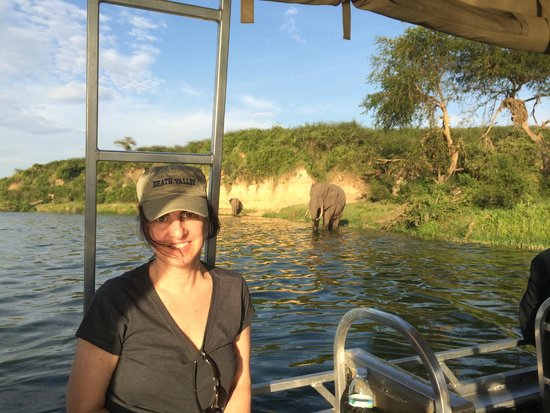
- Scenic boat trips on the Kazinga Channel.
- Hiking volcanoes in Mgahinga or exploring Murchison Falls.
- Rich cultural encounters with Batwa pygmies and local communities.
Uganda combines adventure, wildlife, and authentic African culture, making it ideal for families, couples, photographers, and solo travelers seeking an off-the-beaten-path experience.
Best Time to Visit Uganda for Gorilla Trekking and Safaris
Uganda sits on the equator with two dry and two wet seasons. The best time for gorilla trekking and game viewing is during the dry seasons: June to September (long dry) and December to February (short dry). Trails are firmer, less slippery, and wildlife gathers around water sources.
- Peak dry season (June–September, Dec–Feb): Optimal for trekking, photography, and comfort. Book gorilla permits 6–12 months ahead as demand is high.
- Wet seasons (March–May, Oct–Nov): Lush greenery, fewer crowds, and sometimes discounted lodge rates or easier permit availability. Gorilla permits remain $800 USD for foreign non-residents (as of 2026), but trails can be muddy.
Rainy seasons bring vibrant landscapes and great birdwatching, but pack waterproof gear. Year-round travel is possible, but align with your priorities—comfort, budget, or wildlife concentrations.
Uganda Visa and Entry Requirements 2026
Most visitors need a visa. Uganda offers an efficient online e-Visa system or visas on arrival at Entebbe International Airport. Apply in advance via the official portal to avoid delays.
- Single-entry tourist visa: Around $50 USD.
- Multiple-entry options: Available for longer stays or regional travel (East Africa visas cover Uganda, Kenya, Rwanda in some cases).
- Yellow Fever vaccination certificate: Required for entry from most countries.
Passports must be valid for at least six months. Check current requirements with Uganda’s missions or official immigration sites, as rules can update. Children and special needs travelers have tailored guidelines.
Pro tip: Print or save digital copies of your visa and vaccination proof.
What to Pack for Your Uganda Safari: Complete Packing List
Packing smartly is crucial for Uganda’s varied terrain—from humid forests to open savannas. Focus on comfortable, practical items.
Essential Clothing:
- Lightweight, quick-dry long-sleeved shirts and trousers (neutral colors: khaki, beige, green to blend in and reduce insect attraction).
- Waterproof rain jacket and pants (essential year-round, especially for trekking).
- Sturdy hiking boots or shoes with good grip for steep, muddy trails.
- Fleece or light jacket for cool evenings and early mornings.
- Wide-brimmed hat, sunglasses, and scarf/neck gaiter.
- Comfortable evening wear and swimwear for lodges with pools.
Gear and Accessories:
- Binoculars and camera with zoom (no flash for primates).
- Walking sticks (often provided, but bring your own if preferred).
- Daypack, reusable water bottle, and headlamp/torch.
- Sunscreen (high SPF), insect repellent (DEET-based), and lip balm.
Health and Hygiene:
- Malaria prophylaxis (consult your doctor), personal medications, and first-aid kit.
- Hand sanitizer, wet wipes, toilet paper (rural areas may lack supplies).
- Copies of passports, visas, insurance, and prescriptions.
Pack in a soft duffel bag (many transfers use small planes). Leave bright/white clothes at home—they can spook animals or attract tsetse flies.
How to Dress for Uganda Travel
Uganda’s dress code is informal and relaxed. Prioritize comfort and modesty, especially in rural or cultural areas. Long sleeves and trousers protect against sun, insects, and thorny vegetation during treks. Evenings can cool down, so layer with sweaters or fleeces. Avoid revealing clothing in communities.
Handling Money in Uganda: Currency, ATMs, and Tips
Uganda’s currency is the Ugandan Shilling (UGX). US Dollars, Euros, and Pounds are widely accepted in tourist areas, but carry smaller denominations.
- ATMs: Available in Kampala, Entebbe, and major towns. Visa cards work best. Withdraw larger amounts to minimize fees. Notify your bank of travel.
- Forex bureaus: Offer good rates in cities; avoid airport exchanges.
- Cards: Increasingly accepted in lodges and restaurants, but cash is king for tips, markets, and remote areas.
- Budgeting: Gorilla permits ($800), park fees, and lodges add up. Factor in tips for guides and porters.
Banking hours are typically 8:30 AM–4:00 PM weekdays. Use reputable services and avoid flashing large amounts of cash.
Health and Safety Tips for Uganda Safari
Consult a travel clinic 4–6 weeks before departure for vaccinations (Yellow Fever mandatory; consider Hepatitis A/B, Typhoid, Rabies). Malaria is present—take prophylaxis and use repellents. Drink bottled or purified water.
Safety is generally good in tourist areas, but follow guide instructions, avoid walking alone at night, and use reputable operators. Travel insurance covering medical evacuation and adventure activities is essential. Altitude in some areas and physical demands of trekking require fitness preparation.
Gorilla and Chimpanzee Trekking Tips in Uganda
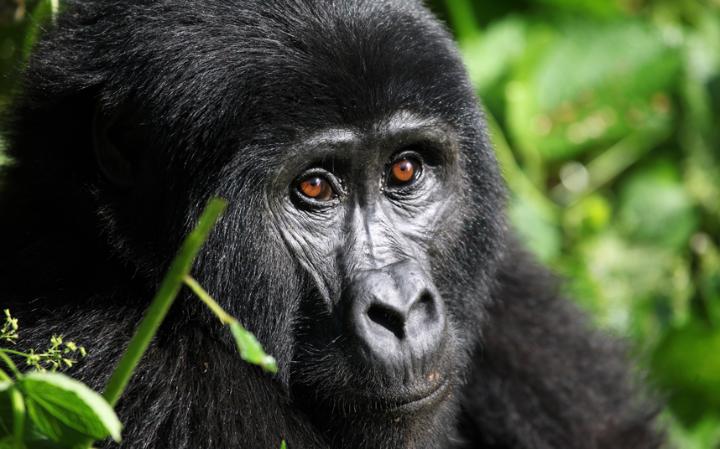
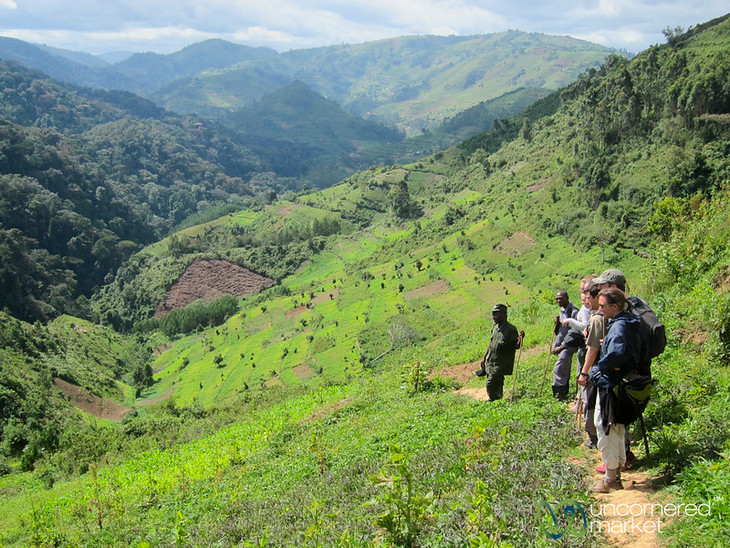
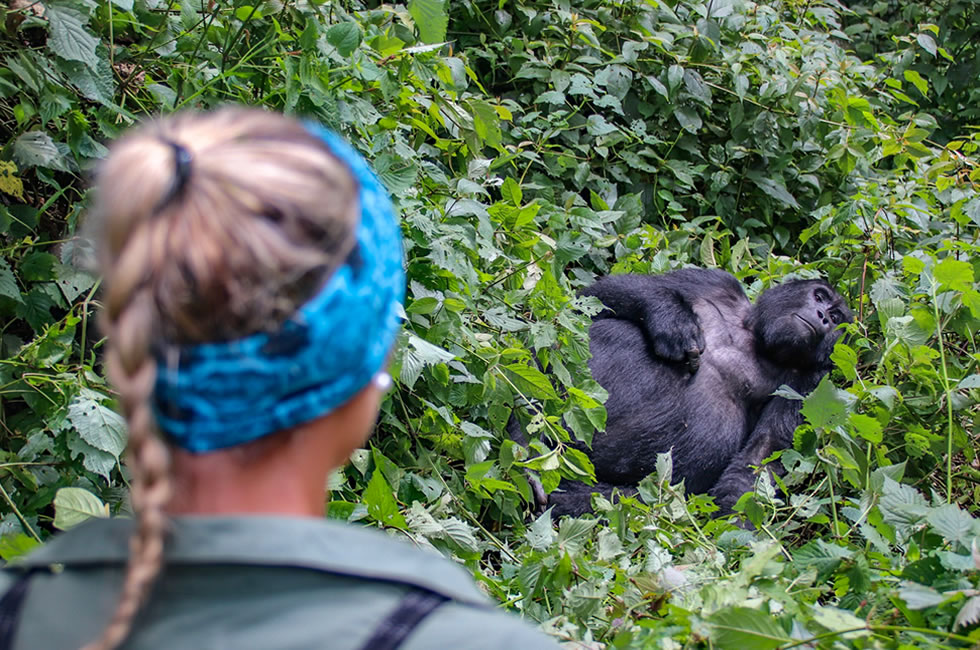
Gorilla trekking in Bwindi or Mgahinga is a bucket-list experience. Permits are limited—book early. Hikes last 2–8 hours through steep terrain. You get one hour with the gorillas.
Tips:
- Wear good hiking boots, long sleeves/trousers, gloves, and rain gear.
- Carry binoculars, camera (no flash), snacks, and water.
- Follow rules: Stay 7 meters away, no eating/smoking, speak quietly.
- Porters are available for a fee—support local communities.
- Chimpanzee trekking in Kibale or Budongo is more active and vocal.
Best in dry seasons, but possible year-round with proper gear. Habituation experiences offer longer time with gorillas for a premium.
Top Destinations for Uganda Wildlife Safaris
- Bwindi Impenetrable National Park: Gorilla capital.
- Queen Elizabeth National Park: Lions, elephants, boat safaris, tree-climbing lions in Ishasha.
- Kibale National Park: Chimpanzees and primates.
- Murchison Falls: Dramatic falls, Nile cruises, giraffes.
- Mgahinga and Lake Bunyonyi: Volcanoes and scenic relaxation.
Combine parks for a 7–14 day itinerary.
Cultural Tours, Birdwatching, and Other Activities
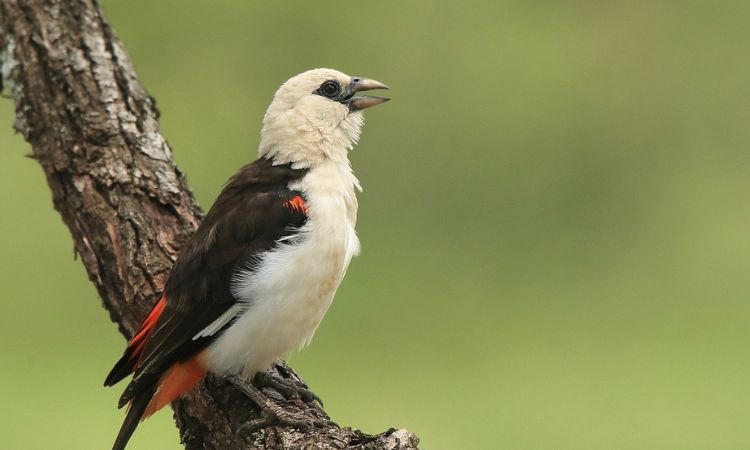
Engage with Batwa communities for traditional knowledge. Uganda has over 1,000 bird species—great for birders. Add hiking, fishing, or community visits for a well-rounded trip.
Transportation and Accommodation in Uganda
Fly into Entebbe. Use 4×4 vehicles with experienced drivers/guides for transfers. Domestic flights save time for multi-park trips.
Accommodation ranges from luxury lodges (e.g., Clouds Mountain Gorilla Lodge) to mid-range and budget camps. Book eco-friendly options supporting conservation.
Sustainable Tourism and Responsible Travel in Uganda
Choose operators supporting conservation and local communities. Follow leave-no-trace principles, respect wildlife, and avoid single-use plastics. Your visit helps fund gorilla protection.
Conclusion: Plan Your Dream Uganda Safari Today
Uganda delivers unparalleled wildlife encounters, stunning landscapes, and warm hospitality. With proper planning—visas, packing, timing, and health prep—your safari will be seamless and life-changing.
Contact us for customized itineraries. Start planning your 2026 Uganda adventure now—permits book fast!