
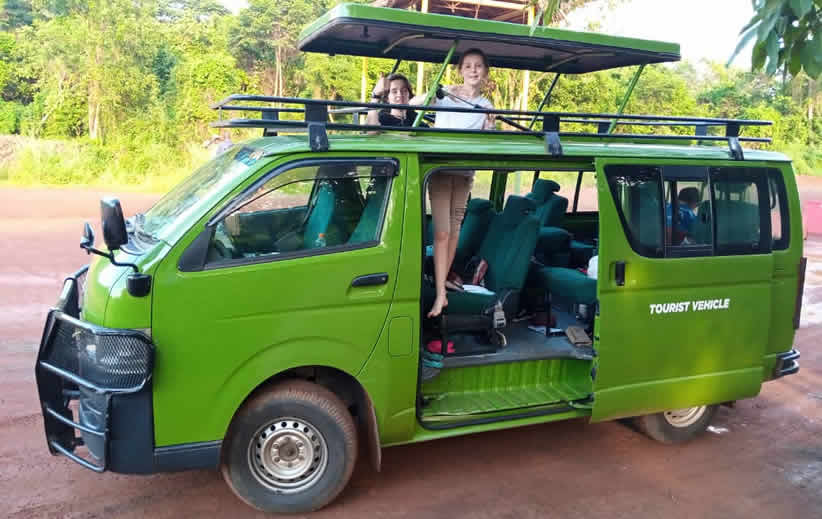
7 Tips for a Stress-Free Road Trip in Uganda: Your Ultimate Guide to Smooth Safari Drives and Family Adventures
Tips for a Stress-Free Road Trip: Road trips in Uganda offer incredible opportunities to explore the Pearl of Africa.
From the bustling streets of Kampala to the dramatic landscapes of Murchison Falls National Park, Queen Elizabeth National Park, and the misty mountains around Bwindi Impenetrable Forest.
Whether you’re planning a self-drive safari, a family vacation, or a weekend getaway to Jinja or Fort Portal, long drives across varying terrains can quickly turn stressful without proper preparation.
Uganda’s road trips are unique: distances that look short on a map often take longer due to winding routes, occasional potholes, police checkpoints, and stunning but unpredictable scenery.
With advanced planning, the right vehicle (ideally a 4×4 for park access), and smart strategies, you can minimize stress and maximize enjoyment.
This comprehensive guide expands on the top 7 tips for a stress-free road trip in Uganda, incorporating practical advice tailored to local conditions, family travel, safety, and more.
By the end, you’ll have actionable insights to make your journey memorable for all the right reasons.
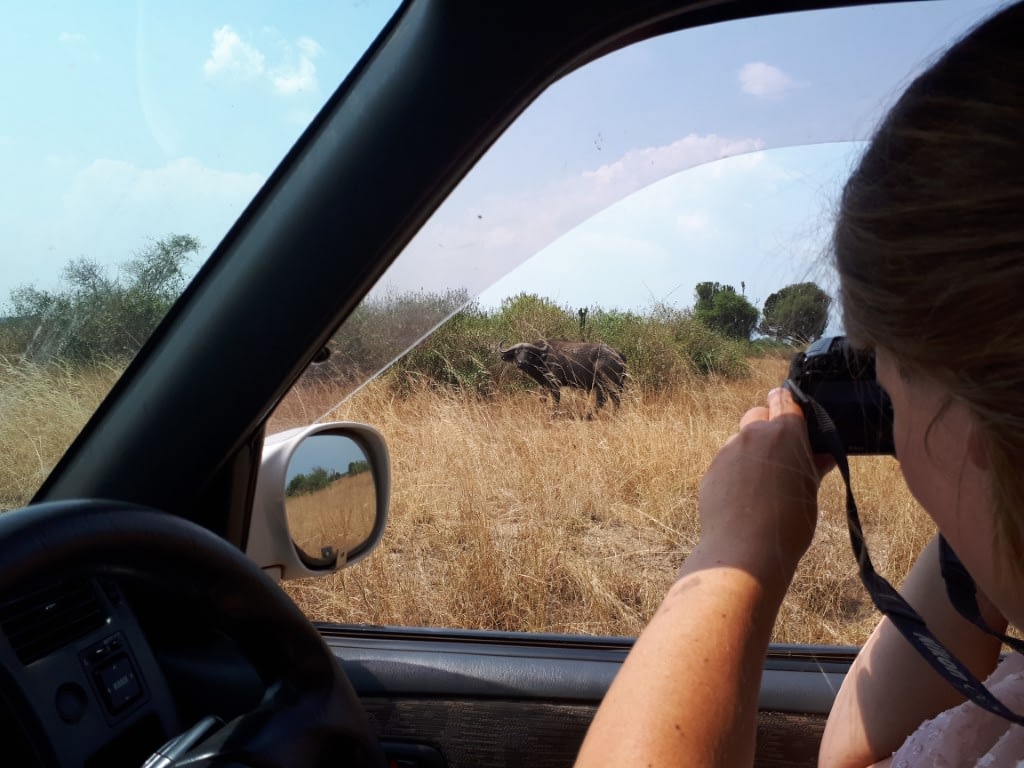
Why Road Trips in Uganda Are Worth the Effort — And How to Prepare
Uganda’s diverse attractions make it a road trip paradise. Popular routes include Kampala to Murchison Falls (about 300-305 km, 5-6 hours).
Kampala to Queen Elizabeth National Park (around 400 km, 6-8 hours), and longer hauls to Kidepo Valley or Bwindi (8-12 hours).
These drives pass through tea plantations, crater lakes, savannah plains, and vibrant towns.
Before any trip, conduct thorough vehicle preparation: check oil, brakes, tires (including spare), coolant, and lights.
Download offline maps like Google Maps or Maps.me, as network coverage drops in remote areas.
Carry essential documents — driver’s license, International Driving Permit (recommended), vehicle registration, insurance, and park permits.
Fuel up in major towns, as stations are sparse near parks. Aim to drive only during daylight hours to avoid hazards like poor lighting, animals, or pedestrians.
Now, let’s dive into the 7 essential tips optimized for Uganda’s roads, with expanded details, sub-strategies, and Uganda-specific examples to help you rank your own experiences or plan flawlessly.
1. Keep Children Occupied and Entertained Throughout the Journey
Long road trips in Uganda can feel exhausting for kids, especially on routes exceeding 6 hours from Kampala to safari destinations.
Unmanaged boredom leads to restlessness, crying, and demands that heighten adult stress. Proactive entertainment turns the drive into an adventure.
For younger children, classic games like “I Spy” (spotting animals, colorful matatus, or roadside banana plantations) or “Spot the Car” work wonders.
Pack travel journals, coloring books featuring Ugandan wildlife (gorillas, elephants, zebras), or tablets pre-loaded with nature documentaries and audiobooks.
Sing-alongs to local or favorite songs keep energy high. For older kids and teens, create playlists or podcasts about Uganda’s history and conservation.
Pro tips for family road trips in Uganda: Schedule short “discovery stops” where kids can stretch and observe birds or monkeys safely.
Bring comfort items like pillows and blankets for naps. Child car seats or boosters are essential for safety on bumpy sections.
If traveling with infants, rear-facing seats provide better protection.
Planning entertainment around their routines (snacks, naps) prevents meltdowns and makes the entire family road trip Uganda experience smoother.
This approach not only reduces stress but creates lasting memories, turning the journey into part of the safari excitement.
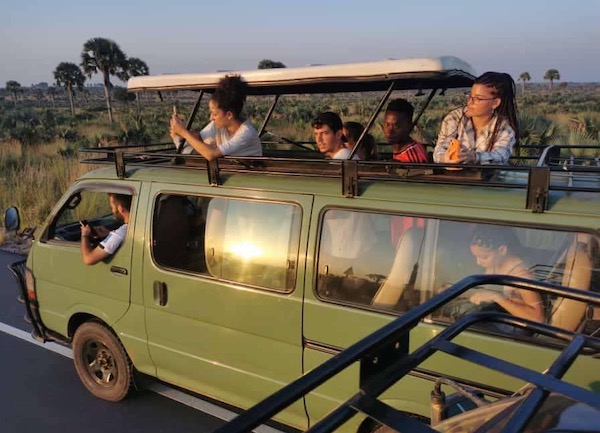
2. Plan for En-Route Stops and Bathroom Breaks in Advance
Unplanned stops can extend an already lengthy Uganda road trip significantly.
Strategic planning for breaks keeps everyone comfortable and maintains momentum.
Identify rest points based on your group’s needs — every 2-3 hours for bathroom breaks, leg stretches, or meals.
Popular routes offer natural stops: the Equator crossing near Kayabwe on the way to western parks for photos and souvenirs; Ziwa Rhino Sanctuary en route to Murchison Falls; or lakeside viewpoints near Jinja.
Factor in “birdy bladders” or motion-sensitive travelers by mapping fuel stations, restaurants, and safe pull-over spots in major towns like Mubende, Masindi, or Mbarara.
During rainy seasons (March-May, September-November), roads can become slippery, so extra breaks help drivers stay alert.
Additional advice: Pack a portable potty or wipes for emergencies. Use these stops for picnics with local fruits or quick shopping.
This foresight prevents fatigue and turns potential frustrations into enjoyable pauses, enhancing your stress-free road trip Uganda itinerary.
3. Plan for the Special Needs of Every Individual Traveler
Every traveler has unique requirements — elderly family members may need more frequent rests, while those with disabilities benefit from accessible vehicles or routes.
Customizing your plan ensures inclusivity and comfort.
Discuss needs beforehand: mobility aids, dietary restrictions, or medical conditions.
For families, choose spacious 4x4s like Toyota Land Cruiser or Prado with good suspension for rough murram roads.
Rent vehicles with air conditioning, ample legroom, and features like pop-up roofs for game viewing.
Include items like sunscreen, insect repellent, and power banks. For those prone to allergies, pack antihistamines.
Share itineraries with lodges or contacts for peace of mind.
This personalized approach minimizes surprises and maximizes enjoyment across Uganda’s varied landscapes.
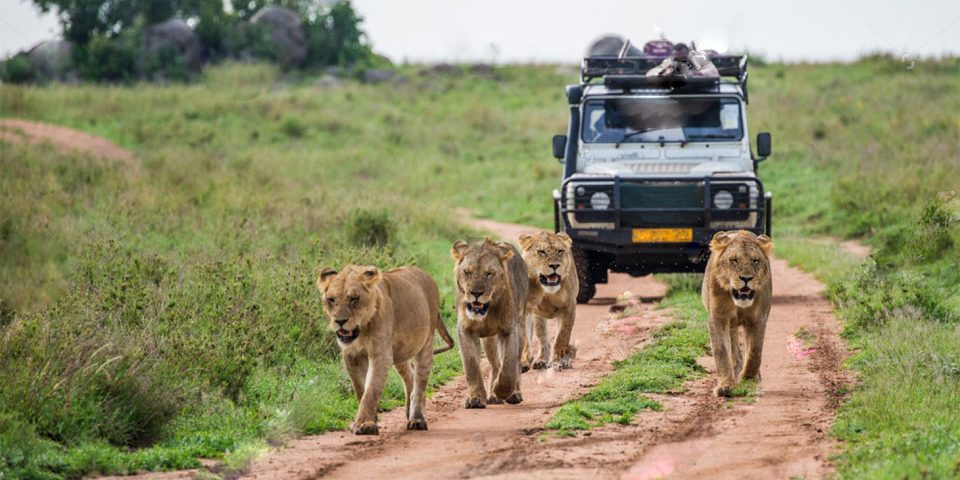
4. Clean the Car Before Embarking and Pack Garbage Bags for a Tidy Ride
A clean starting point sets a positive tone. Uganda’s dusty or muddy roads (especially in parks) can quickly make interiors messy, but simple habits maintain hygiene.
Thoroughly clean and vacuum your vehicle.
Pack small garbage bags or reusable bins for snack wrappers, bottles, and tissues — empty them at planned stops. Wet wipes, hand sanitizer, and a small dustpan help manage spills or dust.
Why it matters: A tidy car reduces distractions and odors, particularly important on multi-day trips. It also respects the environment when visiting conservation areas.
Combine with seat covers for extra protection on long drives.
5. Pack Non-Perishable Snacks, Drinks, and Hydration Essentials
Road trips in Uganda drain energy due to long distances and heat. Hunger or dehydration amplifies stress, especially for children.
Stock bottled water, juices, and non-perishables like nuts, energy bars, biscuits, bananas, or groundnuts (common locally).
Avoid messy items; portion snacks in advance. A cooler bag preserves freshness.
Uganda-specific tips: Buy fresh produce at roadside markets but prioritize sealed items for safety. Hydrate regularly — equatorial sun intensifies thirst.
These provisions sustain you between meals at stops or lodges, keeping moods stable.
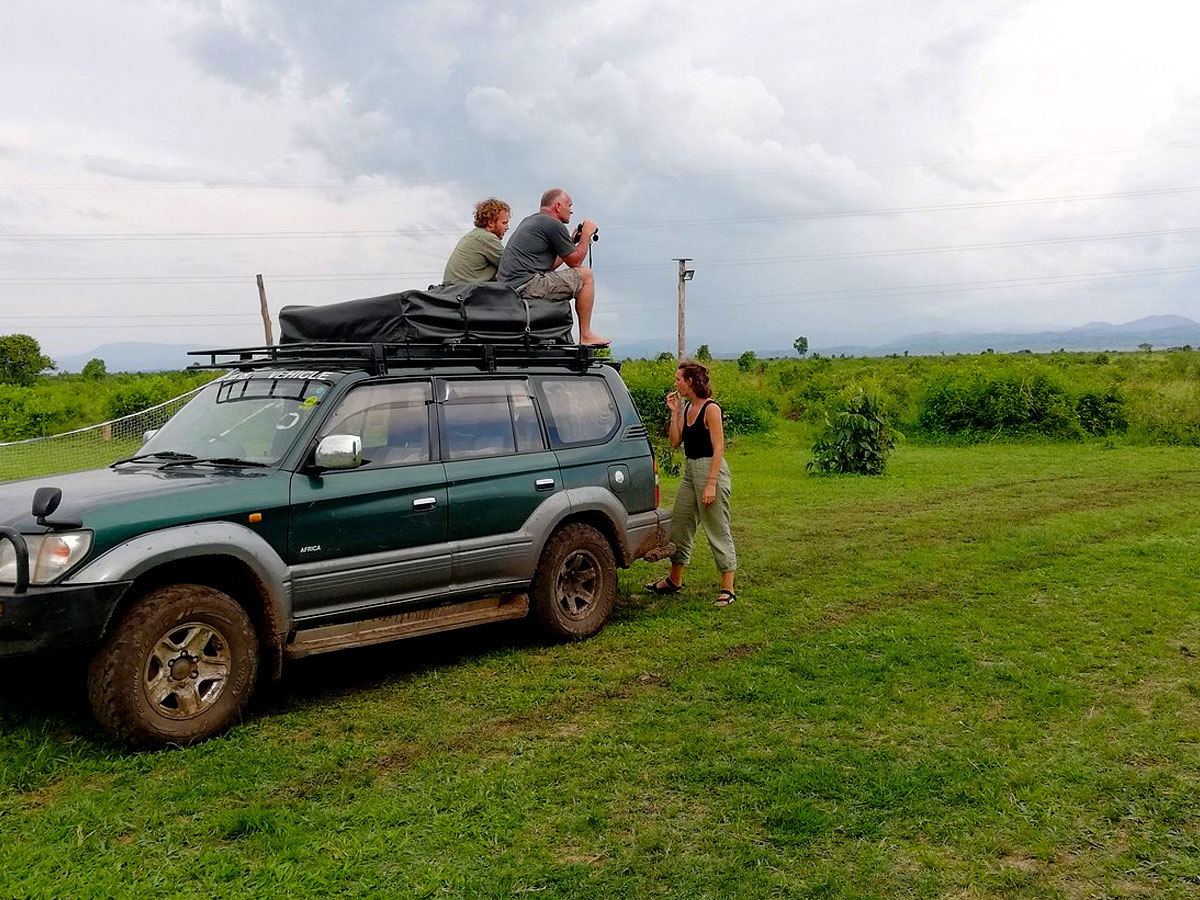
6. Don’t Rush — Give Yourself Enough Time and Use Reliable Navigation
Rushing leads to fatigue and risky driving. Early departures and realistic timelines ensure safer, more enjoyable trips.
Leave Kampala early to beat traffic and reach destinations before dark.
Add 50% or more to Google Maps estimates for real conditions. Drive defensively on the left side, observing speed limits (50 km/h urban, 80-100 km/h highways).
Install and use Google Maps with offline downloads, supplemented by Maps.me. Avoid night driving due to hazards.
This buffer time allows for spontaneous stops at scenic spots like Sipi Falls or crater lakes, reducing pressure.
7. Carry Cash or Loose Change for Tolls and Pack Motion Sickness Meds
Practical logistics smooth the journey. The Kampala-Entebbe Expressway has tolls — carry Ugandan shillings (loose change speeds passage).
Many rural areas are cash-preferred.
For health, pack motion sickness remedies like Gravol (dimenhydrinate) for adults and children.
It combats nausea from winding roads or bumpy tracks. Include a basic first-aid kit with bandages, antiseptics, pain relievers, and any personal prescriptions.
Bonus essentials: Jumper cables, reflective triangles, flashlight, tow rope, and a multipurpose tool.
These prepare you for common issues.
Additional Tips for the Ultimate Stress-Free Uganda Road Trip
- Vehicle choice: Opt for reliable 4x4s for parks. Check rentals thoroughly.
- Safety first: Share itineraries, stay connected with a local SIM, and know emergency numbers (Police: 999/112).
- Best time: Dry seasons (June-August, December-February) for better roads.
- Sustainability: Minimize plastic waste and support local communities.
Conclusion: Embrace the Adventure with Confidence
Implementing these 7 tips for a stress-free road trip in Uganda transforms potential challenges into highlights.
With preparation, entertainment for kids, smart packing, and a relaxed pace, your drives to national parks, lakes, and waterfalls become highlights of your Uganda safari.
Start planning today — whether a short Jinja escape or epic cross-country journey.
Safe travels, and enjoy the breathtaking beauty of Uganda’s roads!