
Rubanga Forest
Rubanga Forest Nature Walk and Birding Guide 2026
Rubanga Forest is one of the most rewarding places to visit in Lake Mburo National Park, western Uganda.
This small forest patch offers a peaceful escape for birdwatchers, hikers, nature lovers, photographers, and travelers seeking a slower safari experience away from busy city life.
Unlike a traditional game drive, a Rubanga Forest nature walk allows you to explore the forest on foot with a trained Uganda Wildlife Authority ranger.
You can listen to birdsong, identify native trees, observe primates, and experience the changing habitats of Lake Mburo at ground level.
Located within one of Uganda’s most accessible national parks, Rubanga Forest is also easy to combine with game drives, boat cruises, horseback safaris, cycling, and a journey to Bwindi or southwestern Uganda.
This guide explains what to see and do, the best time to visit, how to arrange a forest walk, where to stay, and how Adventure Uganda Safaris can include Rubanga Forest in your Uganda safari itinerary.
What Is Rubanga Forest?
Rubanga Forest is a compact forest habitat within Lake Mburo National Park. Although Lake Mburo is best known for rolling savanna, wetlands, lakes, and herds of zebra and impala, Rubanga adds a distinct forest ecosystem to the park’s landscape.
The forest contains sections of closed canopy, woodland edges, and areas influenced by nearby wetlands. This variety creates shelter and feeding grounds for forest birds, monkeys, butterflies, and other small wildlife.
According to Uganda Wildlife Authority information, Rubanga is a small tract of forest that can be explored with a ranger guide.
It is particularly valuable because it provides opportunities to see forest bird species that may not be easily found in the surrounding open savanna.

Why visit Rubanga Forest?
A visit is worthwhile if you want to:
-
Enjoy a guided forest walk in Uganda
-
Explore one of the lesser-known attractions in Lake Mburo National Park
-
Photograph forest birds and native trees
-
See monkeys and other small wildlife on foot
-
Combine birding with a broader Lake Mburo safari
-
Experience a quiet, restorative nature environment
-
Add a short walking activity to a gorilla or western Uganda safari
Rubanga Forest is not a large rainforest like Bwindi. Its appeal comes from its intimate scale, peaceful atmosphere, and concentration of forest and woodland species within an accessible national park.
Where Is Rubanga Forest?
Rubanga Forest is located inside Lake Mburo National Park in western Uganda.
The park lies between Kampala and Mbarara along the main road to southwestern Uganda, making it a convenient stopover on safaris to Bwindi Impenetrable National Park, Mgahinga Gorilla National Park, or Queen Elizabeth National Park.
The forest is accessed from the park area around Rwonyo, where visitors can arrange activities and meet their ranger guide.
Some travel sources describe Rubanga as being reached from the western side of Lake Mburo or along the Rwizi track, so the exact access route should be confirmed with the park office when booking.
Approximate access times
-
Kampala to Lake Mburo: approximately 4–5 hours by road
-
Mbarara to Lake Mburo: approximately 1–2 hours
-
Sanga Gate to the park headquarters: approximately 30–45 minutes, depending on road and traffic conditions
-
Rwonyo area to Rubanga Forest: arranged with the park guide according to current access conditions
Travel times can vary because of traffic, roadworks, weather, stopovers, and the specific park gate or lodge you use.
Park gates
Lake Mburo National Park can be accessed through several entry points, including Sanga Gate and Nshara Gate.
Uganda Wildlife Authority notes that travelers from Kampala can use a turn-off leading toward Nshara Gate, located a short distance from the main highway.
For the most convenient route, ask your safari operator to confirm:
-
Your lodge location
-
The best park gate
-
The current road condition
-
The meeting point for the ranger
-
The time required to reach Rubanga Forest
Rubanga Forest Birding
Birdwatching is the leading activity in Rubanga Forest. The forest is reported to support more than 40 bird species, including forest specialists and woodland birds.
Lake Mburo National Park itself contains a much wider range of habitats and supports hundreds of bird species, including savanna, wetland, and forest birds.
A guided walk is especially useful because many forest birds remain high in the canopy or move quietly through dense vegetation.
An experienced ranger or birding guide can help you identify calls, locate movement, and understand the relationship between the birds and their habitat.
Birds to look for
Depending on the season, weather, and time of day, birds associated with Rubanga and the surrounding habitats may include:
-
Narina trogon
-
Green pigeon
-
Grey-backed camaroptera
-
Double-toothed barbet
-
Harrier hawk
-
Emerald-spotted wood dove
-
Coqui francolin
-
Ross’s turaco
-
Nubian woodpecker
-
Green wood hoopoe
-
Bare-faced go-away bird
-
Red-faced barbet
-
Papyrus gonolek
-
Blue-headed coucal
-
White-winged warbler
Some species are more closely associated with nearby wetlands and open woodland than with the forest interior.
This is one reason to combine a Rubanga walk with birding around Rwonyo, Miriti Swamp, Warukiri Swamp, and the park’s lakeshores.
Birding tips
For a successful Rubanga Forest birding tour:
-
Start early when birds are most active.
-
Carry binoculars with good low-light performance.
-
Use a quiet approach and avoid sudden movements.
-
Wear neutral-colored clothing.
-
Listen for calls before searching the canopy.
-
Carry a field guide or bird identification app.
-
Bring a camera with a telephoto lens if possible.
-
Allow extra time rather than rushing between sightings.
Birding conditions vary daily. A quiet morning after light rain may produce excellent activity, while strong wind or heavy rain can make birds harder to locate.
Wildlife and Plants in Rubanga Forest
Rubanga Forest supports more than birds. During a guided nature walk, visitors may see primates, butterflies, reptiles, insects, and signs of larger animals moving between forest and savanna habitats.
Possible wildlife sightings include:
-
Vervet monkeys
-
Olive baboons
-
Red-tailed monkeys
-
Black-and-white colobus monkeys
-
Impala
-
Zebra
-
Warthogs
-
Waterbuck
-
Occasionally, signs of hyena or other nocturnal animals
Sightings are never guaranteed. A walking safari is about reading the environment: tracks, calls, feeding marks, droppings, nests, and movement in the vegetation can be as interesting as a direct animal encounter.
Plants and trees
The forest contains a mixture of woodland and forest vegetation. Plant species associated with Rubanga and the surrounding Lake Mburo ecosystem include:
-
Fig trees
-
Acacia
-
Markhamia
-
Erythrina abyssinica
-
Sapium
-
Palms and other wetland-edge vegetation
Some plant species provide fruit, shade, nesting sites, or feeding grounds for birds and primates.
A knowledgeable guide can also explain traditional uses of plants, seasonal flowering, and the role of forest patches in supporting biodiversity.
The vegetation changes between the forest interior, open edge, swampy areas, and savanna. This transition zone is one of the reasons Rubanga is valuable for both birding and nature interpretation.
Main Activities in Rubanga Forest
1. Guided nature walks
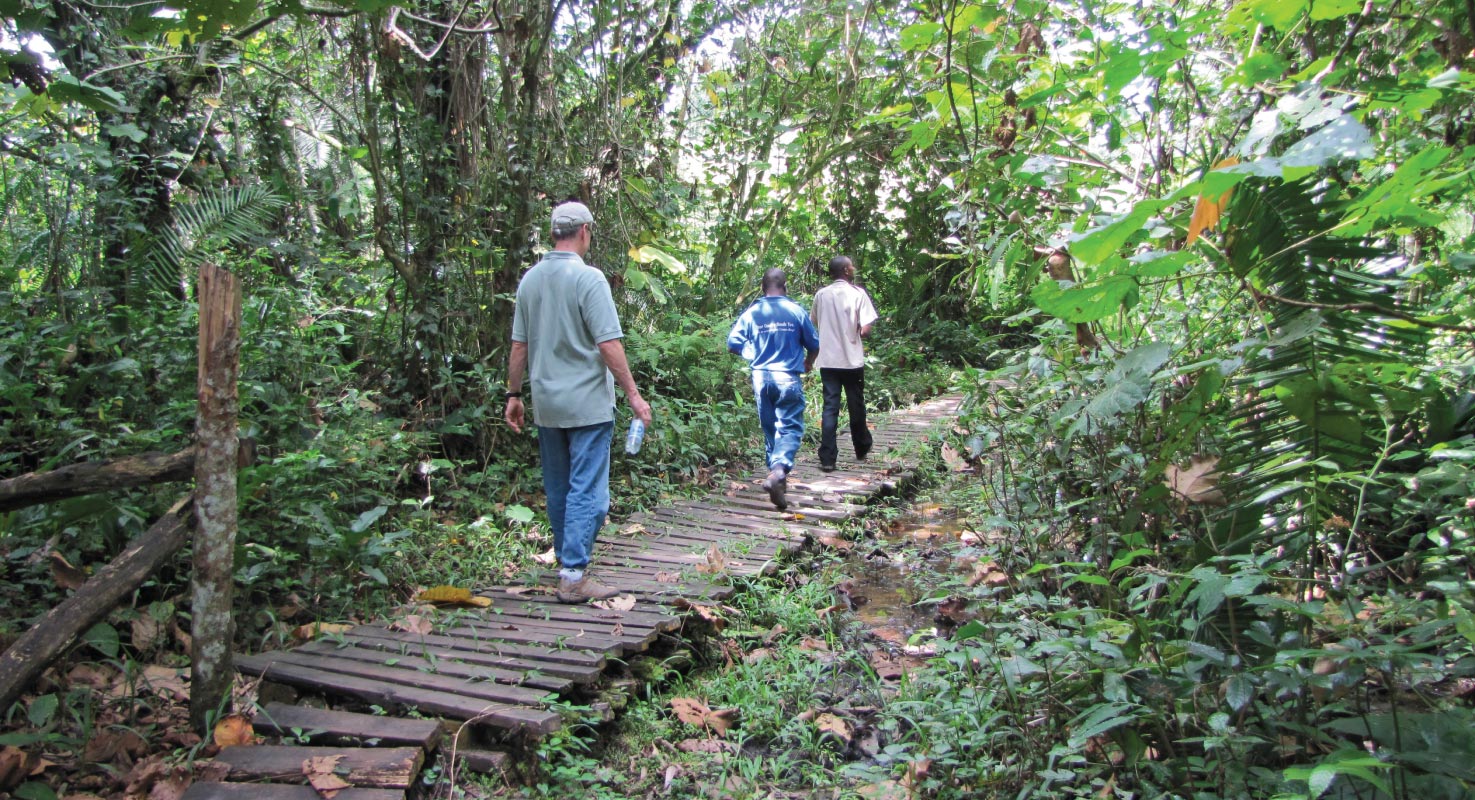
A Rubanga Forest nature walk is conducted on foot with an authorized guide or ranger. The walk is slower than a game drive and allows you to observe small details that are easily missed from a vehicle.
You may learn about:
-
Forest ecology
-
Bird calls and feeding behavior
-
Indigenous trees and medicinal plants
-
Animal tracks and signs
-
The connection between forest, wetlands, and savanna
-
Conservation challenges around Lake Mburo
The duration depends on your interests, fitness, weather, and the route approved by park authorities.
2. Birdwatching
Birding walks are ideal for both experienced birders and beginners. Your guide can help you focus on target species such as the Narina trogon, green pigeon, double-toothed barbet, and grey-backed camaroptera.
If you are a serious birder, request a specialist birding guide and combine Rubanga with nearby wetland sites.
3. Forest photography
Rubanga offers opportunities to photograph:
-
Birds in the canopy
-
Monkeys and butterflies
-
Forest textures and tree trunks
-
Sunlight through the canopy
-
Woodland landscapes
-
Small insects and flowers
Use a quiet camera mode where possible, avoid flash near wildlife, and follow your guide’s instructions.
4. Wildlife interpretation
The forest walk helps visitors understand how animals use different habitats. You may begin in a forested area, move toward woodland, and observe how bird species change as vegetation becomes more open.
This makes Rubanga a useful activity for students, researchers, families, and travelers interested in Uganda’s ecosystems.
Other Activities Near Rubanga Forest
Rubanga Forest is best included as part of a broader Lake Mburo National Park safari.
Game drives
Game drives may provide sightings of:
-
Zebra
-
Impala
-
Eland
-
Buffalo
-
Waterbuck
-
Warthog
-
Topi
-
Giraffe
-
Leopard
-
Hyena
-
Lion
Lake Mburo is especially known for its concentrations of zebra and impala. Game viewing is often best in the early morning or late afternoon when temperatures are cooler.
Boat cruise on Lake Mburo
A Lake Mburo boat safari offers a different perspective of the park. On the water, you may see:
-
Hippopotamuses
-
Nile crocodiles
-
African fish eagles
-
Kingfishers
-
Herons
-
Egrets
-
Cormorants
-
Other aquatic birds
Boat trips are usually arranged from the lake’s established jetty and should be booked through the park or your safari operator.
Horseback safari
Horseback riding is one of Lake Mburo’s distinctive activities. It allows visitors to move quietly through selected habitats and can provide close views of zebra, impala, and other plains animals.
Cycling safari
A guided cycling safari may be suitable for travelers who want an active way to explore the park. Routes and access depend on park regulations, wildlife conditions, and the guidance of your ranger.
Sport fishing
Lake Mburo supports sport fishing, subject to park rules and permits. Visitors should confirm current regulations, equipment requirements, and approved fishing locations before planning this activity.
Cultural encounters
A community visit near Lake Mburo can introduce travelers to local traditions, pastoralist culture, food, music, and crafts.
Choose community experiences that provide clear benefits to local residents and respect privacy and cultural practices.
Best Time to Visit Rubanga Forest
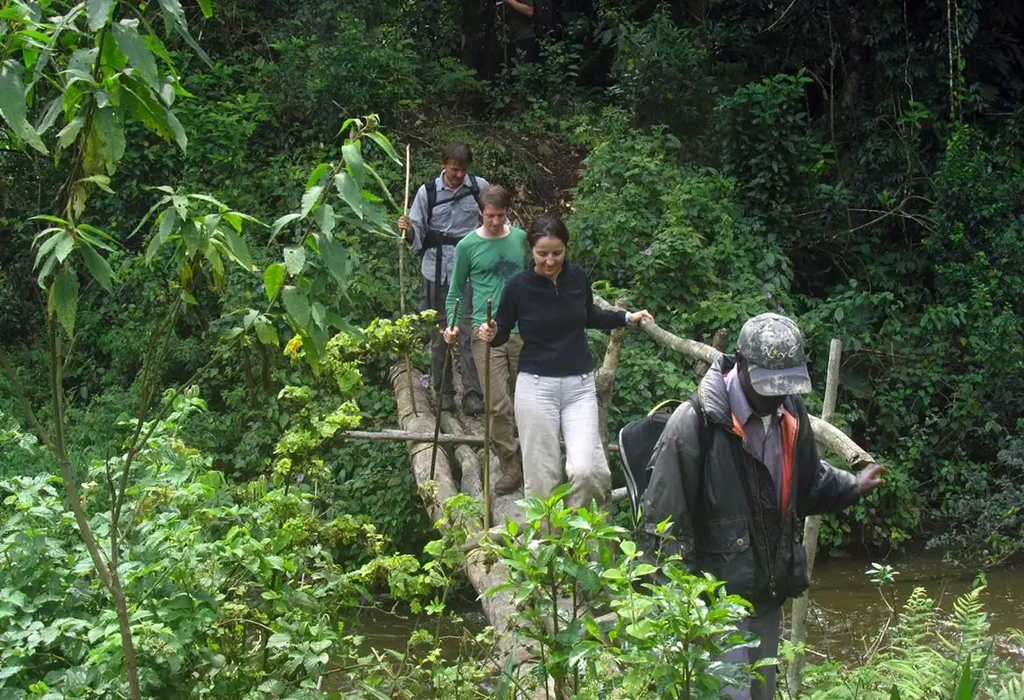
Rubanga Forest is open for visits throughout the year, but the best time depends on your priorities.
Best months for walking
The drier periods are generally:
-
June to September
-
December to February
During these months:
-
Trails are usually easier to walk
-
Roads may be more accessible
-
Wildlife can be easier to spot in open areas
-
Rain interruptions may be less frequent
The rainy seasons are:
-
March to May
-
October to November
Rainy months can still be rewarding because:
-
The forest is lush and green
-
Bird activity may be excellent
-
There are fewer visitors
-
Some accommodation rates may be lower
-
Migratory birds may add interest in broader Lake Mburo habitats
Best time of day
For Rubanga Forest birding, choose:
-
Early morning for active birds and cooler conditions
-
Late afternoon for softer light and renewed bird activity
Avoid planning the walk too late in the evening unless the park has specifically approved a suitable activity and ranger arrangement.
What to Pack for a Rubanga Forest Walk
Prepare for changing weather, insects, uneven ground, and a slow walking pace.
Recommended packing list
-
Long trousers
-
Long-sleeved shirt
-
Comfortable walking shoes or hiking boots
-
Light rain jacket or poncho
-
Wide-brimmed hat or cap
-
Insect repellent
-
Sunscreen
-
Refillable drinking water
-
Small daypack
-
Binoculars
-
Camera and spare batteries
-
Phone or GPS device
-
Personal medication
-
Small first-aid kit
-
Lightweight snacks
-
Field guide or birding app
Wear neutral colors such as brown, green, grey, or khaki. Avoid bright clothing that may distract wildlife or make birds more cautious.
Do not leave plastic, food wrappers, or other waste in the forest. Responsible behavior helps protect Rubanga’s wildlife and keeps the area attractive for future visitors.
Safety Guidelines for the Forest Walk
A guided nature walk in Lake Mburo National Park is safer and more informative than exploring independently.
Follow these guidelines:
-
Walk with an authorized ranger or approved guide.
-
Stay with your group and follow the designated route.
-
Do not approach, feed, or provoke animals.
-
Keep a respectful distance from monkeys and larger wildlife.
-
Avoid loud conversations and sudden movements.
-
Do not run if you encounter wildlife.
-
Follow instructions immediately when the ranger identifies an animal.
-
Wear closed shoes and use insect repellent.
-
Tell your guide about medical conditions before starting.
-
Carry enough water, especially in warm weather.
Park rules and access arrangements can change. Confirm the current requirements with Uganda Wildlife Authority or your tour operator before arrival.
Where to Stay Near Rubanga Forest
Lake Mburo offers accommodation for different budgets and travel styles.
Budget accommodation
-
Rwonyo Rest Camp
-
Leopard Rest Camp
-
Selected campsites and community accommodation
Mid-range accommodation
-
Rwakobo Rock
-
Arcadia Cottages
-
Other comfortable lodges around the park
Luxury accommodation
-
Mihingo Safari Lodge
-
Mantana Luxury Tented Camp
-
Mburo Safari Lodge
When choosing accommodation, consider:
-
Distance from the park gate
-
Distance from Rwonyo and activity meeting points
-
Whether meals are included
-
Availability of guided walks
-
Vehicle access during rainy weather
-
Whether the lodge can arrange early breakfast
Adventure Uganda Safaris can recommend accommodation based on your budget, preferred comfort level, and planned activities.
How to Include Rubanga in a Uganda Safari
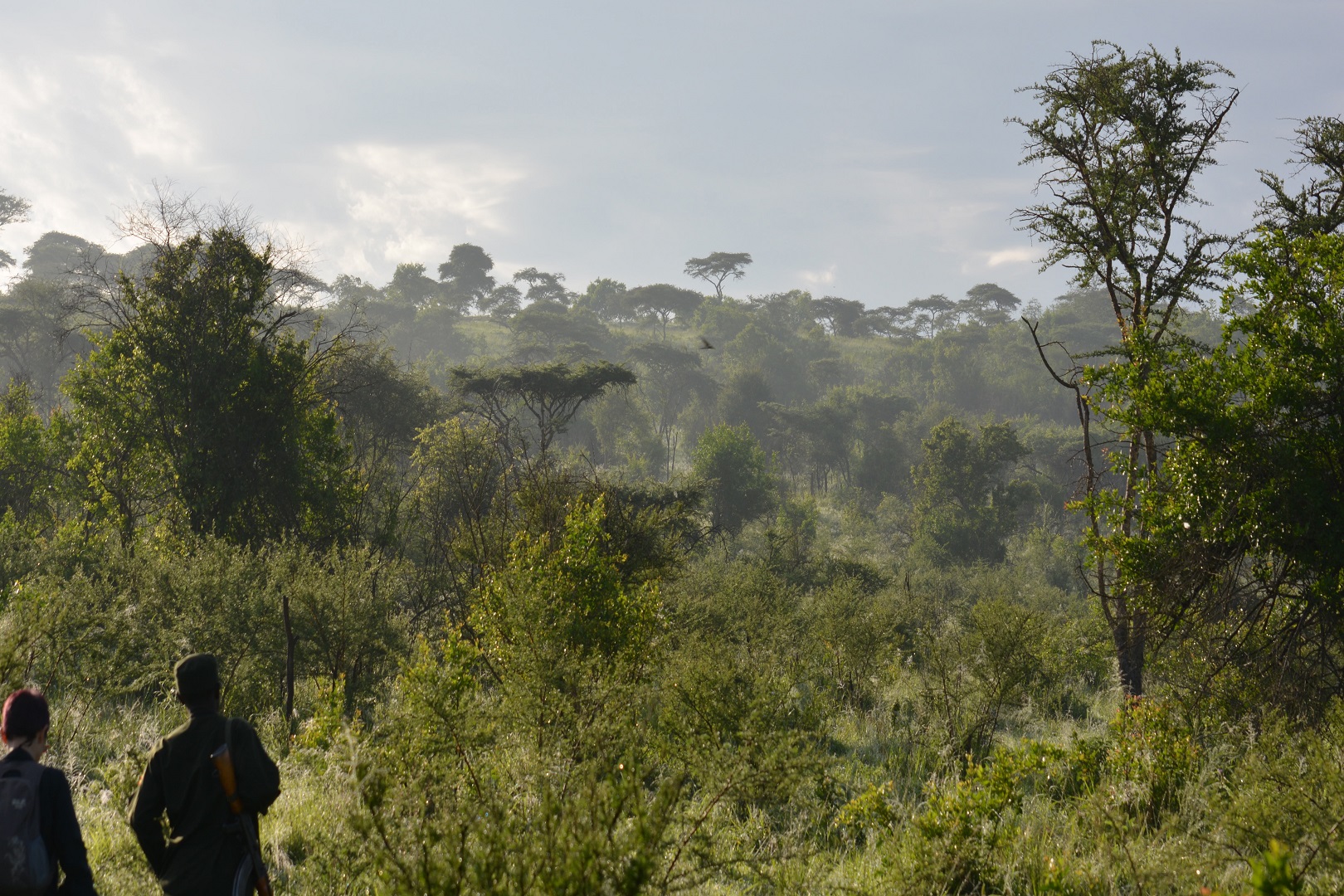
Rubanga Forest works particularly well as a one- or two-night stop on a western Uganda itinerary.
A. Option 1: Kampala–Lake Mburo safari
-
Day 1: Drive from Kampala to Lake Mburo
-
Afternoon game drive or boat cruise
-
Day 2: Rubanga Forest nature walk and birding
-
Return to Kampala or continue toward Bwindi
B. Option 2: Lake Mburo and gorilla trekking
-
Day 1: Kampala to Lake Mburo
-
Day 2: Game drive, Rubanga walk, or boat cruise
-
Day 3: Drive toward Bwindi
-
Day 4: Gorilla trekking
-
Continue to Queen Elizabeth or return to Kampala
Option 3: Birding-focused Uganda safari
-
Lake Mburo and Rubanga Forest
-
Wetlands around Miriti and Warukiri
-
Queen Elizabeth National Park
-
Kibale Forest
-
Bwindi Impenetrable National Park
This route combines forest, wetland, savanna, and montane habitats, creating a varied Uganda birding safari.
Why Visit Rubanga with Adventure Uganda Safaris?
Planning a forest walk requires more than simply driving to the park. Activity availability, ranger arrangements, park entry, accommodation, and timing should be coordinated in advance.
Adventure Uganda Safaris can help you:
-
Add Rubanga Forest to a tailor-made Uganda safari
-
Arrange a suitable Lake Mburo itinerary
-
Coordinate park activities and ranger guidance
-
Recommend birding-focused guides
-
Book accommodation near the park
-
Combine Rubanga with game drives, boat trips, cycling, or horseback riding
-
Connect Lake Mburo with Bwindi, Queen Elizabeth, Kibale, or Murchison Falls
Our local team can also help you choose between a short forest walk and a longer itinerary that includes several habitats around Lake Mburo.
For birders, photographers, families, and nature lovers, we design the experience around your priorities rather than placing you on a fixed schedule.
Frequently Asked Questions
What is Rubanga Forest known for?
Rubanga Forest is known for guided nature walks and birdwatching within Lake Mburo National Park. It supports forest and woodland birds, primates, native trees, and other small wildlife.
How many bird species are found in Rubanga Forest?
Travel and conservation sources commonly report more than 40 bird species in Rubanga Forest, including forest-associated species such as the Narina trogon, green pigeon, grey-backed camaroptera, and double-toothed barbet.
Do I need a guide to visit Rubanga Forest?
Yes. Visitors should arrange the walk with park authorities and explore with an authorized ranger or guide. Uganda Wildlife Authority identifies Rubanga as a forest that can be explored with a ranger guide.
Can I see monkeys in Rubanga Forest?
You may see vervet monkeys, olive baboons, red-tailed monkeys, or black-and-white colobus monkeys, although wildlife sightings are not guaranteed.
What is the best time for Rubanga Forest birding?
Early morning and late afternoon are usually the most productive periods. The dry months are comfortable for walking, while rainy periods create lush vegetation and can offer good birding conditions.
How far is Rubanga Forest from Kampala?
Lake Mburo is approximately 4–5 hours by road from Kampala, depending on traffic, road conditions, and your exact destination. The final journey to Rubanga depends on the park gate and activity meeting point.
Can I combine Rubanga Forest with gorilla trekking?
Yes. Lake Mburo is a popular stop on the route to southwestern Uganda. You can combine Rubanga Forest with Bwindi gorilla trekking, Queen Elizabeth National Park, or Kibale Forest.
Plan Your Rubanga Forest Visit
Rubanga Forest is a peaceful and rewarding addition to any Lake Mburo National Park safari.
Its guided walks provide a close look at Uganda’s forest ecology, birdlife, plants, and smaller wildlife, while nearby activities add game viewing, boating, cycling, horseback riding, and cultural experiences.
Whether you are planning a dedicated Uganda birding safari, a family holiday, a nature walk, or a western Uganda adventure, Adventure Uganda Safaris can include Rubanga Forest in a carefully planned itinerary.
Contact Adventure Uganda Safaris for a tailor-made Rubanga Forest and Lake Mburo safari, including accommodation, park activities, transport, and an experienced local guide