
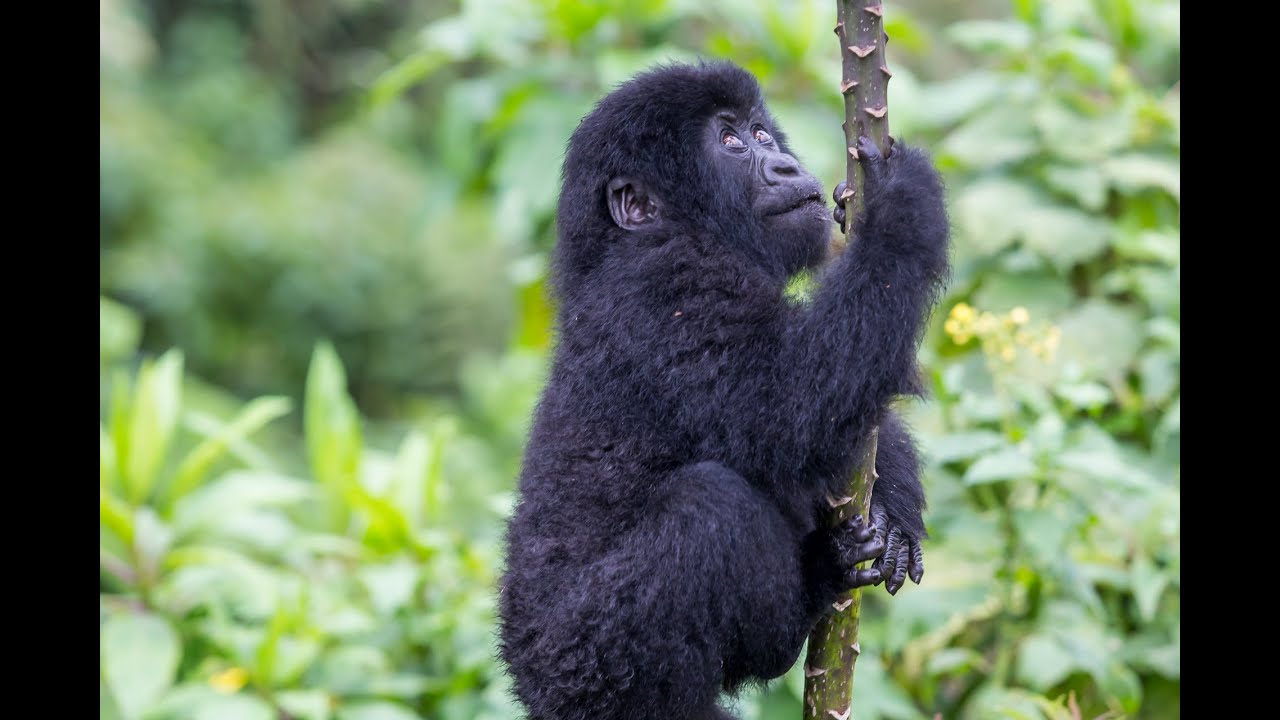
When Preparing for Gorilla Trekking: Recommended Training and Fitness Exercises Guide 2026
Recommended Training and Fitness Exercises When Preparing for Gorilla Trekking: Gorilla trekking is one of Africa’s most rewarding wildlife experiences—but it’s also physically demanding.
To maximize enjoyment and minimize fatigue or injury, targeted fitness preparation in the weeks before your trek is essential.
This comprehensive guide covers everything you need to know about preparing physically and mentally for mountain gorilla trekking in Uganda, Rwanda, and the DRC.
Including an 8-week training plan, specific exercises, packing essentials, permit information, and expert tips to help you rank your content and convert more safari bookings.
Why Physical Preparation Matters for Gorilla Trekking
Mountain gorilla trekking is not a casual walk—it’s a strenuous hike through steep, muddy, and uneven rainforest terrain at altitudes between 1,100–2,600 meters.
Treks can last anywhere from 1 to 6+ hours depending on gorilla movements, with the average being 2–4 hours of continuous hiking.
Without proper preparation, trekkers risk:
-
Excessive fatigue that reduces enjoyment
-
Muscle strains, knee pain, or ankle sprains
-
Difficulty keeping up with the group
-
Missing photographic opportunities due to physical discomfort
The good news? Most people who prepare adequately complete the trek successfully—even seniors and moderately fit individuals.

Understanding the Physical Demands of Gorilla Trekking
Before designing your training program, it’s important to understand what the trek actually requires:
Terrain Challenges
-
Steep ascents and descents on slippery, root-covered trails
-
Uneven ground requiring constant balance adjustments
-
Dense vegetation necessitating crouching, ducking, and lateral movement
-
High altitude (1,500–2,600m) reducing aerobic capacity slightly
Key Fitness Components Needed
-
Cardiovascular endurance for sustained uphill walking
-
Leg strength (quadriceps, glutes, calves) for climbing and controlled descents
-
Core stability for balance on uneven terrain
-
Hip flexibility for crouching and low-position photography
-
Ankle mobility to prevent sprains on roots and rocks
8-Week Gorilla Trekking Fitness Training Plan
Follow this progressive training schedule to build the specific fitness needed for gorilla trekking. Adjust intensity based on your current fitness level.
Weeks 1–2: Base Building
Goal: Establish cardiovascular base and mobility
Weeks 3–4: Hill Conditioning
Goal: Adapt muscles to incline walking and add load
Weeks 5–6: Endurance Building
Goal: Increase stamina and trail-specific strength
Weeks 7–8: Trek Simulation & Taper
Goal: Replicate trek day conditions and optimize recovery
Pro Tip: At least once during Weeks 5–8, complete a full “simulation hike” of 2–4 hours on uneven trails wearing your actual trekking gear.
This builds confidence and helps identify any gear issues (like blisters from new boots) before your actual trek.
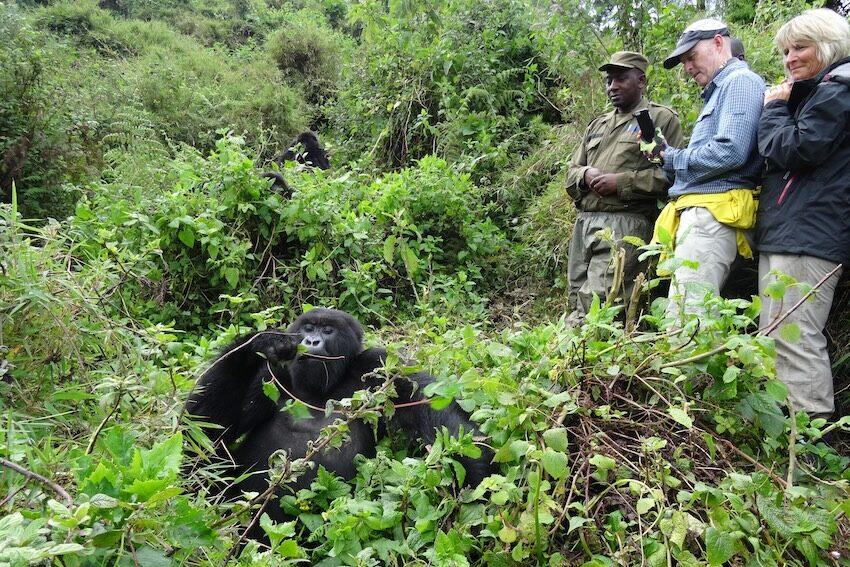
Specific Exercises for Gorilla Trekking Preparation
Cardiovascular Training
-
Brisk walking on hilly terrain (best simulation)
-
Stair climbing (use stadium stairs or stair machine)
-
Hill repeats (walk or jog up a hill, walk down, repeat 5–10 times)
-
Cycling (builds leg endurance with lower impact)
Leg Strength Exercises
-
Squats: 3 sets of 12 reps (builds quadriceps and glutes for uphill climbing)
-
Walking lunges: 3 sets of 10 reps per leg (improves single-leg stability)
-
Step-ups: 3 sets of 12 reps per leg (mimics stepping over roots and logs)
-
Calf raises: 3 sets of 15–20 reps (strengthens calves for uphill push-off)
Core & Balance Work
-
Planks: Build to 60-second holds (forearm or full-arm variations)
-
Side planks: 20–30 seconds per side (lateral core stability)
-
Single-leg stands: 30–60 seconds per leg (improves balance on uneven ground)
-
Bird-dog: 10 reps per side (cross-body stability)
Flexibility & Mobility (Yoga-Based)
-
Low lunge (Anjaneyasana): 60–90 seconds per side (opens hip flexors)
-
Pigeon pose: 90–120 seconds per side (deep hip opener)
-
Chair pose (Utkatasana): 30–60 seconds, 5 reps (eccentric quad training for descents)
-
Downward-facing dog: 60 seconds with alternating heel presses (ankle and calf mobility)
-
Malasana (deep squat): 60 seconds (ankle dorsiflexion and hip mobility)
Breathwork for Altitude Adaptation
Practice these breathing techniques daily in the weeks before your trek:
-
Box breathing: 4 counts in, 4 hold, 4 out, 4 hold (10 minutes daily)
-
Alternate nostril breathing (Nadi Shodhana): Calms the nervous system and improves breath efficiency
Mental Preparation for Long Treks
Gorilla trekking is as much a mental challenge as a physical one. Prepare your mindset with these strategies:
-
Practice long hikes during training to build mental resilience and confidence
-
Use mindfulness breathing during steep climbs to maintain a steady heart rate
-
Set micro-goals (e.g., “reach the next tree” or “make it to that rock”) rather than focusing on total hours
-
Visualize success—imagine encountering a silverback and staying calm and present
Essential Packing List for Gorilla Trekking
Proper gear can make or break your trekking experience.
Here’s what to pack:
Clothing & Footwear
-
Sturdy waterproof hiking boots (broken in at least 2 weeks before trek)
-
Long-sleeved shirts (quick-dry, moisture-wicking fabric; neutral colors like khaki or green)
-
Full-length trekking trousers (reinforced knees; avoid shorts due to nettles and insects)
-
Waterproof rain jacket (lightweight with taped seams)
-
Gaiters or long socks (tuck trousers into socks to keep mud and insects out)
-
Gardening or trekking gloves (essential for gripping vegetation on steep slopes)
-
Wide-brimmed hat (sun and light rain protection)
-
Fleece or light sweater (for cool mornings at altitude)
Trekking Equipment
-
Daypack (20–30L) with waist strap (distributes weight evenly)
-
Trekking poles (strongly recommended; reduces knee strain and improves balance)
-
Reusable water bottle or hydration bladder (2–3L capacity; aim for 500–750ml per hour)
-
High-energy snacks (nuts, energy bars, dried fruit for frequent small boosts)
Personal & Medical Items
-
Blister kit (bandages, moleskin—blister prevention is critical)
-
Insect repellent (with DEET for maximum effectiveness)
-
High-SPF sunscreen (rainforest sun is intense once mist clears)
-
Personal medications (plus doctor’s note for customs/insurance)
-
Face masks and hand sanitizer (required during gorilla viewing to protect them from respiratory illness)
Photography & Documentation
-
Non-flash camera (70–200mm lens recommended for wildlife photography)
-
Binoculars (8×42 or 10×42 for spotting gorillas and other wildlife)
-
Gorilla trekking permit (must be booked 6–12 months in advance; bring physical copy and passport)
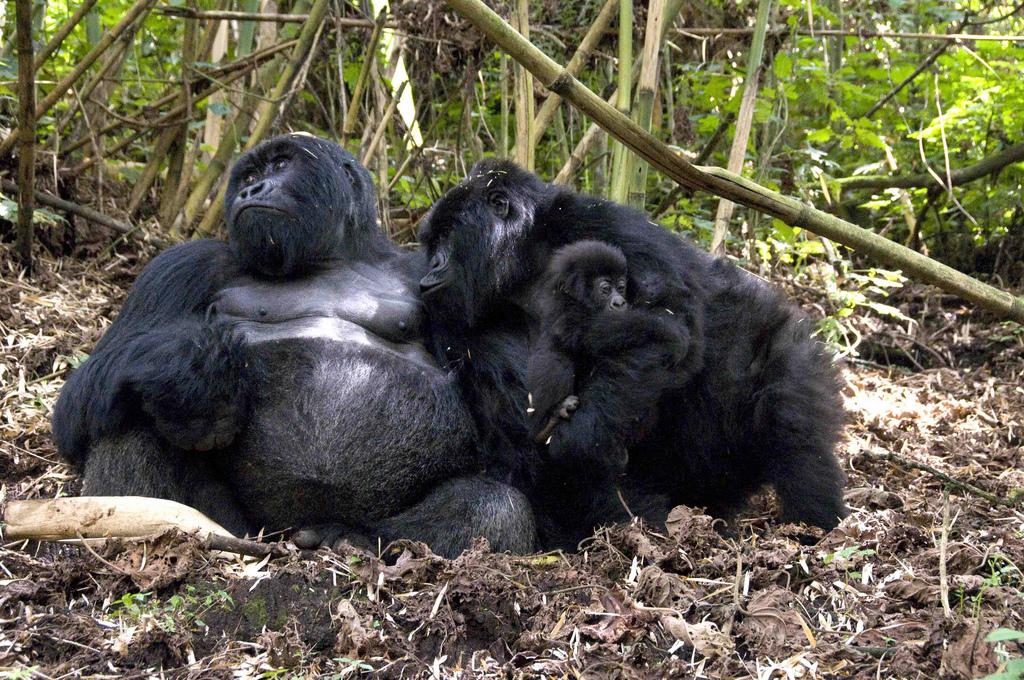
Gorilla Trekking Permit Information (2025–2026)
Securing your permit is the most critical step in planning your trek. Permits are limited and sell out months in advance.
Permit Costs by Destination
-
Uganda (Bwindi & Mgahinga): $800 per person (foreign non-residents)
-
Rwanda (Volcanoes National Park): $1,500 per person
-
DRC (Virunga National Park): $450 per person (check current security advisories)
Booking Timeline
-
Book 6–12 months in advance for peak seasons (June–September, December–February)
-
Last-minute permits occasionally available but not guaranteed
Health & Safety Considerations
Medical Clearance
Consult your physician before trekking if you have:
-
Cardiovascular or respiratory conditions
-
Significant joint or mobility issues
-
History of asthma or heart disease
Travel Insurance
Ensure your policy covers:
-
Emergency medical evacuation
-
High-altitude trekking activities
-
Trip cancellation due to permit issues
Porter Services
Hiring a local porter is highly recommended:
-
They carry your daypack (reducing your load by 6–8 kg)
-
Assist on steep sections with physical support
-
Provide income that supports conservation and local communities
What to Expect on Trek Day
Morning Briefing (7:00–8:00 AM)
-
Group assignment (maximum 8 trekkers per gorilla family)
-
Safety briefing from armed rangers and trackers
-
Permit verification and health screening
The Trek
-
Duration: 1–6+ hours (average 2–4 hours)
-
Terrain: Steep, muddy, root-covered trails with elevation changes of 200–600 meters.
-
Pace: Set by slowest member; porters available for assistance
Gorilla Viewing
-
Time limit: 1 hour with the gorillas (strictly enforced)
-
Distance: Maintain 7–10 meters from gorillas at all times
-
Behavior: Stay calm, speak in whispers, no flash photography
Frequently Asked Questions (FAQs)
How fit do I need to be for gorilla trekking?
Moderate fitness is sufficient. You should be comfortable walking 2–4 hours on hilly, uneven terrain. Training improves success rates and reduces injury risk.
Can seniors or less-fit individuals do gorilla trekking?
Yes. Many seniors trek successfully with porter support, a slower group pace, and medical clearance. Some parks offer “easier” gorilla families closer to trailheads.
What is the best time of year for gorilla trekking?
Dry seasons (June–September and December–February) offer easier trekking conditions. However, gorillas can be trekked year-round; wet seasons mean muddier trails but fewer crowds.
Should I use trekking poles?
Strongly recommended. Poles reduce knee strain on descents, improve balance on slippery terrain, and provide extra support on steep sections.
How long should I train before my trek?
Minimum 6–8 weeks of consistent training. Start with base cardio and gradually add hill work, strength training, and simulation hikes.
Final Tips for a Successful Gorilla Trekking Experience
-
Break in your boots at least 2 weeks before your trek to prevent blisters
-
Arrive 1–2 days early in Bwindi or Volcanoes for partial altitude acclimatization.
-
Stay hydrated before, during, and after the trek
-
Listen to your body—take breaks when needed; the goal is enjoyment, not speed
-
Hire a porter—it enhances your experience and supports local conservation
With the right preparation, gorilla trekking becomes not just achievable but truly transformative. The moment you lock eyes with a silverback in the misty mountains of Africa is worth every step of the journey.
Recommended Training and Fitness Exercises When Preparing for Gorilla Trekking