
Health Advice and Tips for Visitors to Uganda: Complete 2026 Travel Health Guide
Health Advice and Tips for Visitors to Uganda: Are you visiting Uganda for the first time and wondering how to ensure a healthy trip?
Planning an African safari to a new destination like Uganda comes with unique challenges, as many factors must be coordinated to experience the best of this magical landlocked country.
Whether you’re embarking on a gorilla trekking safari, hiking Mount Rwenzori, exploring Murchison Falls, or enjoying a wildlife safari in Queen Elizabeth Park, prioritizing your health is essential.
If it’s your first time visiting Uganda, the following comprehensive health tips are critically important for a safe, enjoyable, and memorable experience.
Get the Proper Travel Vaccines Before Your Uganda Safari
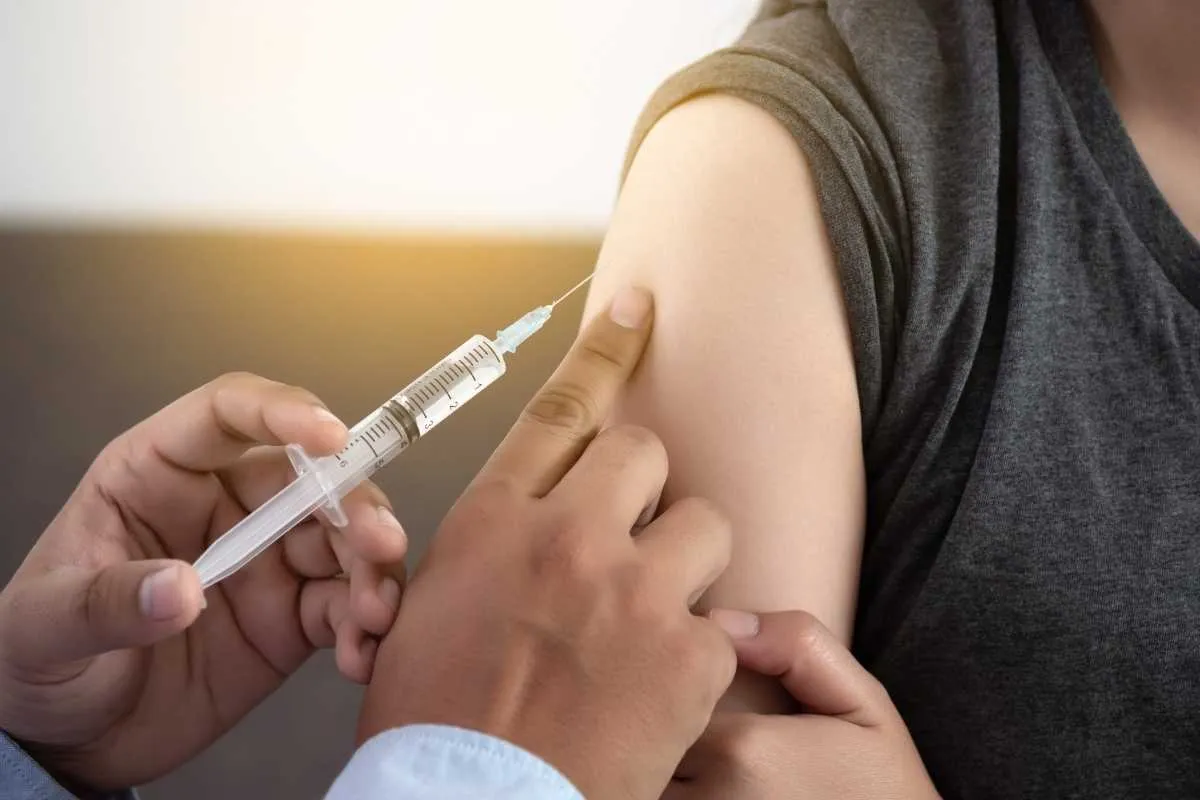
Before you embark on your trip to Uganda, it’s crucial to understand which travel immunizations are expected and recommended for visitors.
Most travelers to Uganda should consult their health specialist or travel medicine doctor 4–8 weeks before departure to ensure vaccines are administered properly.
Essential travel vaccines for Uganda visitors include:
-
Yellow Fever Vaccine: Required for all travelers over 9 months old; you must present a Yellow Fever vaccination certificate upon entry to Uganda
-
Hepatitis A: Recommended for all travelers; protects against liver infection from contaminated food or water
-
Hepatitis B: Recommended for travelers who might have sexual contact, get medical treatment, or receive tattooing/piercing
-
Typhoid Vaccine: Essential for all travelers, especially those visiting smaller cities, rural areas, or eating outside major hotels
-
Cholera Vaccine: Recommended for travelers visiting areas with active cholera outbreaks or those helping with relief efforts
-
Meningitis Vaccine: Important for travelers during dry season (December–June) when meningitis risk increases
-
Polio Vaccine: One-time adult booster if you’ve never received it; Uganda requires polio vaccination for exit if visiting certain regions
-
Measles (MMR) Vaccine: Ensure you’re up-to-date, especially if traveling with children
-
Chickenpox (Varicella) Vaccine: Recommended for adults who never had chickenpox or the vaccine
-
Rabies Vaccine: Consider for travelers involved in outdoor activities, working with animals, or spending extended time in rural areas
Adventure Uganda Safaris recommends booking a travel medicine consultation 6–8 weeks before your Uganda safari to ensure all vaccines are administered with proper timing.
Some vaccines require multiple doses over several weeks, so early planning is essential.
Come with Prescription and Over-the-Counter Medications for Your Uganda Trip
Carrying personal medications to Uganda is not only a good idea but often necessary for a healthy African safari.
However, you must be aware that some medications have psychoactive properties and may be subject to abuse regulations in Uganda.
Critical medication guidelines for Uganda travelers:
-
Pack adequate medication: Bring enough prescription medication to last until the last day of your holiday, plus 3–5 extra days as contingency
-
Written medication list: Create a detailed list including medication names (generic and brand), dosages, and frequency
-
Physician contact details: Include your doctor’s name, phone number, and email address
-
Home pharmacy contact: Provide your pharmacy’s name, phone number, and address for verification
-
Original packaging: Keep medications in their original bottles with prescription labels visible
-
Prescription copies: Carry printed copies of all prescriptions, especially for controlled substances
-
Psychoactive medication warning: Medications containing codeine, diazepam, or other controlled substances may require special permits; consult Uganda’s Ministry of Health before travel
Essential over-the-counter medications to bring:
-
Anti-diarrheal medication (loperamide)
-
Oral rehydration packets
-
Pain relievers (aspirin, ibuprofen, acetaminophen)
-
Antihistamines for allergies
-
Antacids for stomach issues
-
Antibiotic ointment
-
Hydrocortisone cream for skin irritation
-
Lip balm with sunscreen
-
Electrolyte supplements
-
Motion sickness medication
-
Sleep aids (if needed)
Adventure Uganda Safaris suggests carrying a medical information card in your wallet with your medications, conditions, and emergency contacts.
This ensures quick access to medical information if you need treatment during your gorilla trekking safari or wildlife adventure.
Malaria Awareness: Essential Protection for Uganda Safari Visitors
Malaria is one of the most significant health risks for travelers to Uganda, as the country is located in a high-risk malaria zone.
Before you set off for your trip to Uganda, ensure your health specialist prescribes anti-malarial medication tailored to your specific needs.
Malaria prevention strategies for Uganda travelers:
-
Anti-malarial medication: Common options include the following:
-
Doxycycline: Take daily, starting 1–2 days before travel
-
Atovaquone-proguanil (Malarone): Take daily, starting 1–2 days before travel
-
Clindamycin: Take daily, starting 1–2 weeks before travel
-
Diazepam: Weekly dosing, starting 1–2 weeks before travel
-
-
Take medication as recommended: Follow your doctor’s instructions precisely; do not skip doses or stop early
-
Mosquito nets: If you’ll spend nights in open-air lodges, camping, or rural accommodations, bring a high-quality mosquito net with cable clasp for secure attachment
-
Insect repellent: Use repellents containing the following:
-
DEET (20–50%): Most effective, lasts 6–8 hours
-
Pikarid (20%): Alternative for those sensitive to DEET
-
Oil of lemon eucalyptus: Natural option, lasts 4–6 hours
-
-
Protective clothing: Wear long-sleeved shirts, long pants, and closed shoes especially during dawn and dusk when mosquitoes are most active
-
Sleeping arrangements: Choose accommodations with air conditioning, window screens, or bed nets; avoid sleeping in open-air rooms without protection
-
Permethrin-treated clothing: Consider clothing pre-treated with permethrin for added protection
Malaria symptoms to monitor: Fever, chills, headache, muscle pain, fatigue, nausea, vomiting. If you experience these symptoms during or after your Uganda safari, seek medical care immediately and request a malaria test.
Adventure Uganda Safaris partners with lodges that provide mosquito nets, insect repellent, and air conditioning in all rooms.
We also recommend anti-malarial medication for all clients and provide pre-trip health guidance specific to your safari destinations.
Waterborne Diseases: Stay Hydrated Safely During Your Uganda Trip
Staying hydrated is crucial during Uganda’s hot sunshine, especially when engaging in outdoor activities like gorilla trekking, hiking Mount Rwenzori, or exploring national parks.
However, water safety in Uganda may differ significantly from your home country, and intestinal infections are commonly experienced due to contaminated water or food exposed to contaminated water.
Water safety guidelines for Uganda travelers:
-
Drink bottled or distilled water: Always choose sealed bottled water from reputable brands (e.g., Nile, Aqua).
-
Avoid tap water: Do not drink tap water, even in hotels; use it only for washing
-
Check bottle seals: Ensure bottled water seals are intact and not tampered with
-
Avoid ice: Request drinks without ice, as ice may be made from tap water
-
Boil water if necessary: If bottled water is unavailable, boil water for at least 1 minute
-
Use water purification tablets: Carry iodine or chlorine tablets as backup for emergency water purification
-
Avoid fountain drinks: Do not consume drinks from fountain machines that may use tap water
Essential medications for waterborne illnesses:
-
Anti-diarrheal medication: Loperamide for managing diarrhea
-
Oral rehydration packets: Restore electrolytes and prevent dehydration
-
Antibiotics: Ciprofloxacin or azithromycin for severe bacterial infections (consult doctor before travel)
-
Probiotics: Help restore gut bacteria after intestinal illness
Food safety tips:
-
Eat well-cooked food that’s served hot
-
Avoid raw salads, unwashed fruits, and street food
-
Choose established restaurants and hotels with good hygiene standards
-
Peel fruits yourself after washing with bottled water
-
Avoid food from open markets or vendors without proper storage
Adventure Uganda Safaris ensures all meals on our gorilla trekking safari and wildlife packages are prepared in hygienic kitchens with bottled water.
We provide water bottles for all clients during activities and recommend carrying oral rehydration packets for unexpected intestinal issues.
Sunscreen and Sun Protection: Guard Against Uganda’s Scorching Heat
Uganda’s sun heat can be intense, especially during dry seasons (June–September, January–February), and may not be favorable to everyone.
The equatorial sun can cause sunburn, heat exhaustion, and dehydration if you’re not properly protected.
Essential sun protection for Uganda travelers:
-
Wear a hat: Choose a wide-brimmed hat (at least 3 inches) to cover your face, neck, and ears
-
Use sunscreen: Apply SPF 30+ sunscreen with broad-spectrum protection (UVA/UVB); reapply every 2 hours
-
Wear sunglasses: Choose UV-blocking sunglasses to protect against bacterial conjunctivitis (pink eye) and dust
-
Seek shade: Stay under umbrellas, trees, or shaded areas during peak sun hours (10 AM–4 PM)
-
Avoid over-staying outdoors: Limit outdoor exposure during hottest periods; take breaks in shaded areas
-
Wear protective clothing: Long-sleeved shirts and long pants in light colors to reflect sunlight
-
Stay hydrated: Drink water frequently to prevent heat exhaustion and dehydration
-
Use lip balm with sunscreen: Protect your lips from sunburn with SPF 15+ lip balm
Sun-related health risks in Uganda:
-
Sunburn: Red, painful skin that may blister; prevent with sunscreen and protective clothing
-
Heat exhaustion: Weakness, dizziness, nausea; prevent with hydration and shade
-
Heat stroke: Severe condition with high body temperature, confusion, unconsciousness; seek immediate medical care
-
Dehydration: Fatigue, dry mouth, reduced urine; prevent with frequent water intake
-
Bacterial conjunctivitis (pink eye): Red, itchy eyes; prevent with sunglasses and avoiding eye contact with contaminated water
Adventure Uganda Safaris provides sun hats, sunscreen, and sunglasses for clients on gorilla trekking safaris and outdoor activities.
We schedule activities to avoid peak sun hours and ensure regular breaks in shaded areas.
Carry Out Research Before Your Trip to Uganda: Stay Informed on Health Risks
Before setting off for a trip to any new destination, conducting thorough research on health risks is essential.
Stay updated on the latest health warnings through multiple platforms to ensure you’re prepared for potential challenges.
Key research areas for Uganda travelers:
-
Contagious diseases: Identify which diseases are transmitted through:
-
Mosquitoes: Malaria, yellow fever, dengue, Zika
-
Water: Cholera, typhoid, hepatitis A, diarrhea
-
Unsanitary conditions: Typhoid, cholera, hepatitis A
-
Animals: Rabies, avian influenza
-
-
Climatic conditions: Understand Uganda’s weather patterns:
-
Equatorial climate: Temperatures 15–25°C year-round
-
Dry seasons: June–September, January–February (best for trekking)
-
Rainy seasons: March–May, October–November (challenging for outdoor activities)
-
Altitude effects: Higher elevations (Mount Rwenzori) have cooler temperatures and altitude sickness risk
-
-
Current health alerts: Check resources like:
-
World Health Organization (WHO): www.who.int
-
Centers for Disease Control (CDC): www.cdc.gov/travel
-
Uganda Ministry of Health: www.moh.gov.ug
-
Travel health websites: TravelHealthPro, NomadTravel
-
-
Vaccination requirements: Confirm entry requirements for Uganda:
-
Yellow Fever certificate: Mandatory for all travelers over 9 months
-
Polio vaccination: Required for exit if visiting certain regions
-
Other vaccines: Hepatitis A/B, typhoid, meningitis recommended
-
-
Medical facilities: Research healthcare options in your destinations:
-
Private hospitals: Case Hospital Kampala, Nakasero Hospital, Kampala Hospital
-
Public hospitals: Mulago National Referral Hospital
-
International hospitals: International Hospital of Kampala (IHK)
-
Adventure Uganda Safaris provides pre-trip health packages including updated health warnings, vaccination checklists, and medical facility maps for all safari destinations.
We recommend reviewing our health guide 6–8 weeks before your Uganda gorilla trekking safari.
Protect Your Feet: Essential Foot Care for Uganda Safari and Gorilla Trekking
Foot protection is critical for travelers to Uganda, especially those planning gorilla trekking, hiking Mount Rwenzori, or engaging in outdoor activities.
Proper footwear prevents fungal infections, parasitic infections, and track injuries.
Foot care guidelines for Uganda travelers:
-
Wear sandals in showers: Use disposable or waterproof sandals in hotel showers to prevent fungal infections (athlete’s foot) and parasitic infections
-
Choose waterproof hiking shoes: For gorilla trekking safaris and hiking, select waterproof walking/hiking shoes with
-
Ankle support: Prevents sprains on uneven terrain
-
Breathable material: Reduces moisture and fungal growth
-
Sturdy sole: Provides grip on muddy trails
-
Quick-drying: Essential for wet conditions in Bwindi Forest
-
-
Bring multiple shoe pairs: Pack at least 2–3 footwear options:
-
Waterproof hiking shoes: For trekking and hiking
-
Comfortable sandals: For rest days and shower use
-
Light sneakers: For casual walking and city visits
-
-
Use foot powder: Apply antifungal foot powder daily to prevent moisture buildup and fungal infections
-
Keep feet dry: Change socks frequently; use moisture-wicking socks
-
Treat blisters immediately: Use blister pads, moleskin, or antibiotic ointment to prevent infection
-
Inspect feet daily: Check for cuts, blisters, or signs of infection; treat promptly
Foot-related health risks in Uganda:
-
Fungal infections: Athlete’s foot, ringworm from damp conditions
-
Parasitic infections: Hookworm and sand flea from contaminated soil
-
Tinea infections: Ringworm from contact with contaminated surfaces
-
Blisters: From improper footwear on long treks
-
Track injuries: Stubbing, scraping on uneven terrain
Adventure Uganda Safaris recommends waterproof hiking shoes with ankle support for all gorilla trekking clients.
We provide foot care kits including antifungal powder, blister pads, and moisture-wicking socks for clients on multi-day treks.
Have a Well-Stocked First Aid Kit for Uganda Safari Emergencies
A well-stocked first aid kit is essential for general emergencies during your Uganda safari.
This collection of supplies and equipment provides immediate medical treatment for minor injuries and illnesses.
Essential first aid kit items for Uganda travelers:
-
Protective supplies:
-
Latex gloves: 10–20 pairs for wound care
-
Face mask: For CPR or emergency breathing
-
Safety pins: For securing bandages
-
-
Wound care supplies:
-
Bandages: Assorted sizes (small, medium, large)
-
Gauze pads: 4×4 inch for covering wounds
-
Adhesive tape: For securing bandages
-
Antibiotic ointment: For preventing infection
-
Iodine wipes: For cleaning wounds
-
Alcohol swabs: For disinfecting skin
-
Hydrocortisone cream: For skin irritation and insect bites
-
-
Medications:
-
Aspirin: For pain and fever
-
Ibuprofen: For pain, inflammation, fever
-
Acetaminophen: For pain and fever
-
Antihistamine: For allergies and insect bites
-
Anti-diarrheal: Loperamide for diarrhea
-
Antacid: For stomach upset
-
Lip balm: With sunscreen for lip protection
-
-
Tools:
-
Tweezers: For removing splinters or insect parts
-
Digital thermometer: For checking body temperature
-
Scissors: For cutting bandages or tape
-
Safety pins: For securing dressings
-
Cotton balls: For applying medications
-
-
Additional items:
-
Sunscreen: SPF 30+ for sun protection
-
Lip balm: With SPF 15+ for lip protection
-
Eye drops: For dry or irritated eyes
-
Oral rehydration packets: For dehydration
-
Moleskin: For blister prevention
-
First aid kit storage tips:
-
Keep in a waterproof container with zip closure
-
Store in a cool, dry place away from direct sunlight
-
Label all medications clearly with names and dosages
-
Check expiration dates regularly; replace expired items
-
Include a first aid manual with basic treatment instructions
Adventure Uganda Safaris provides comprehensive first aid kits for all safari vehicles and lodges.
Our guides are trained in basic first aid and emergency response, ensuring quick treatment for minor injuries during gorilla trekking and wildlife activities.
Where to Seek Medical Care in Uganda: Top Hospitals and Clinics
Uganda has a good record for quality health care services, particularly in the private sector.
Major hospitals and clinics are located in Kampala and key tourist destinations, providing reliable medical care for travelers.
Top medical facilities in Uganda for travelers:
-
Mulago Hospital (National Referral Hospital):
-
Location: Kampala
-
Services: Emergency care, surgery, specialized treatments
-
Best for: Complex medical cases, national referrals
-
-
Case Hospital Kampala:
-
Location: Kampala (Nakasero)
-
Services: Emergency care, general medicine, surgery
-
Best for: Travelers’ medical needs, urgent care
-
-
Nakasero Hospital Kampala:
-
Location: Kampala (Nakasero Hill)
-
Services: Emergency care, internal medicine, surgery
-
Best for: International patients, quality care
-
-
Kampala Hospital:
-
Location: Kampala (Kololo)
-
Services: Emergency care, specialized medicine
-
Best for: Travelers, expatriates
-
-
SAS Clinic Kampala:
-
Location: Kampala (Eastlands)
-
Services: General medicine, dental care
-
Best for: Minor illnesses, routine check-ups
-
-
The International Hospital of Kampala (IHK):
-
Location: Kampala (Willingdon)
-
Services: Emergency care, specialized medicine, surgery
-
Best for: International patients, comprehensive care
-
Medical care in tourist destinations:
-
Bwindi Forest: Basic clinics in Kayonza and Bwindi; refer to Kampala for serious cases
-
Queen Elizabeth Park: Clinics in Ishasha and Katwe; refer to Kampala for complex treatments
-
Murchison Falls: Basic health centers in Parak; refer to Kampala for serious conditions
-
Mount Rwenzori: Clinics in Kenyatta and Kilembe; refer to Kampala for altitude sickness
Emergency contact numbers:
-
National emergency: 999 or 112
-
Medical emergency: 999
-
Police: 999
-
Tourist police: 0414 352 000
Adventure Uganda Safaris maintains emergency contact lists for all safari destinations and coordinates with top hospitals in Kampala.
Our guides are trained in emergency response and can arrange medical transport to nearest facilities during gorilla trekking and wildlife adventures.
Altitude Sickness Prevention: Essential for Mount Rwenzori Hiking Safari
If your dream includes embarking on a breathtaking hike at higher altitude, such as Mount Rwenzori, it’s crucial to prepare for altitude sickness.
Mount Rwenzori reaches 5,109 meters, and altitude sickness can affect hikers above 2,500 meters.
Altitude sickness prevention strategies:
-
Ask your doctor for altitude sickness medication:
-
Diamox (acetazolamide): Most common; start 1 day before ascent, continue 2 days after
-
Dosage: 125 mg twice daily for most travelers
-
Side effects: Tingling fingers, increased urination, mild headache
-
-
Gradual ascent:
-
Ascend slowly; limit daily elevation gain to 300–500 meters above 3,000 meters
-
Spend 2–3 nights at intermediate altitude (2,500–3,000 meters) before higher ascent
-
-
Hydration:
-
Drink 3–4 liters of water daily
-
Avoid alcohol and caffeine, which increase dehydration
-
-
Recognise symptoms:
-
Mild: Headache, nausea, fatigue, dizziness
-
Moderate: Severe headache, vomiting, confusion, shortness of breath
-
Severe: Hallucinations, unconsciousness, inability to walk
-
-
Descend if symptoms worsen:
-
Immediate descent is the best treatment for severe altitude sickness
-
Seek medical care at nearest facility
-
Altitude-related health risks on Mount Rwenzori:
-
Acute Mountain Sickness (AMS): Headache, nausea, fatigue
-
High Altitude Pulmonary Edema (HAPE): Shortness of breath, coughing, chest tightness
-
High Altitude cerebral Edema (HACE): Confusion, hallucinations, inability to walk
Adventure Uganda Safaris provides altitude sickness preparation packages including Diamox, hydration guides, and gradual ascent itineraries for Mount Rwenzori hiking safaris.
Our guides monitor clients for altitude symptoms and adjust trek pace accordingly.
Arrange for Travel Health Insurance:
For any plans to visit Uganda, obtaining travel or medical insurance is critically important.
This coverage protects you from medical expenses, trip cancellation, lost luggage, accidents, and other unexpected events.
Essential travel insurance coverage for Uganda travelers:
-
Medical expenses:
-
Hospitalization and surgery
-
Emergency medical treatment
-
Prescription medications
-
Medical evacuation to nearest suitable facility
-
-
Trip cancellation:
-
Cancellation due to illness, injury, or family emergencies
-
Reimbursement for prepaid expenses (flights, hotels, tours)
-
-
Lost luggage:
-
Compensation for lost, stolen, or damaged personal belongings
-
Coverage for essential items if luggage delayed
-
-
Accidents:
-
Emergency accident coverage
-
Disability benefits
-
Death benefits
-
-
Emergency evacuation:
-
Medical evacuation to nearest suitable hospital
-
Repatriation to home country if necessary
-
-
Additional coverage:
-
Gorilla trekking: Some policies exclude high-risk activities; ensure coverage includes trekking
-
Hiking: Coverage for Mount Rwenzori and other high-altitude hikes
-
Wildlife safari: Coverage for vehicle accidents and wildlife-related injuries
-
How to arrange travel insurance:
-
Book when planning trip: Arrange insurance when booking your trip to ensure coverage for the exact tour period
-
Choose comprehensive plan: Select policies with full medical, cancellation, and evacuation coverage
-
Read policy terms: Understand exclusions, especially for high-risk activities like gorilla trekking and hiking
-
Keep insurance documents: Carry printed copy and digital backup of insurance policy and contact numbers
-
Emergency contact: Save insurance company’s emergency hotline in your phone
Recommended travel insurance providers for Uganda:
-
World Nomad: Comprehensive coverage for African safaris
-
TravelGuard: Medical and evacuation coverage
-
Allianz Travel: Trip cancellation and medical expenses
-
IMG Global: International medical coverage
-
GeoBlue: Expat and traveler medical insurance
Adventure Uganda Safaris recommends comprehensive travel insurance for all clients and provides insurance comparison guides when booking.
We ensure all our packages include emergency evacuation coverage and medical expense protection for gorilla trekking safaris and wildlife adventures.
Conclusion: Ensure a Healthy and Memorable Uganda Safari Experience
A trip to a new destination like Uganda offers a memorable safari experience filled with gorilla trekking, wildlife adventures, hiking opportunities, and cultural discoveries.
To get the best and a healthy holiday in this magical country, the above health tips must be carefully considered and implemented.
Key health planning checklist for Uganda travelers:
-
✅ Get essential vaccines (yellow fever, hepatitis A/B, typhoid) 6–8 weeks before travel
-
✅ Pack prescription and over-the-counter medications with physician contact details
-
✅ Take anti-malarial medication and use mosquito protection (nets, repellent, long sleeves)
-
✅ Drink bottled or distilled water only; carry anti-diarrheal medication
-
✅ Use sunscreen, hat, and sunglasses for sun protection
-
✅ Conduct research on health risks and check latest health warnings
-
✅ Protect your feet with sandals in showers and waterproof hiking shoes for trekking
-
✅ Carry a well-stocked first aid kit with essential supplies and medications
-
✅ Know where to seek medical care (top hospitals in Kampala and tourist destinations)
-
✅ Prepare for altitude sickness with Diamox if hiking Mount Rwenzori
-
✅ Arrange comprehensive travel health insurance covering medical, cancellation, and evacuation
Book Your Gorilla Trekking Safari with Adventure Uganda Safaris today and ensure a healthy, safe, and unforgettable Uganda experience.
Our team provides pre-trip health guidance, essential medications, emergency support, and comprehensive insurance recommendations for all gorilla trekking safaris and wildlife adventures.
Contact Us for a Free Quote and let us customize your perfect Uganda safari with all health protections in place.
Don’t miss out on limited gorilla permits—secure your booking now with Adventure Uganda Safaris, your trusted partner for healthy African safaris.