
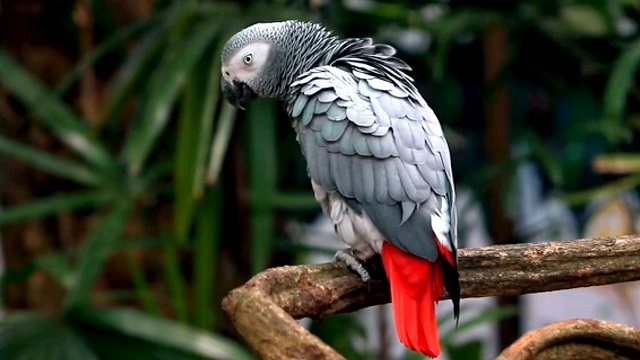
Best 9 Birding Destinations in Uganda to Explore in 2026
Birding Destinations in Uganda: Uganda is, by every meaningful measure, one of the finest bird watching countries in Africa. With over 1,066 documented bird species — approximately 50 percent of Africa’s total avian diversity and 11 percent of the entire global species count — this landlocked nation packs more ornithological richness per square kilometre than virtually any other country on the continent.
The reason is geography: Uganda sits at the convergence of East, West, and Central African ecological zones, where the Albertine Rift meets the Congo Basin meets the Nile watershed, creating a mosaic of montane forest, tropical lowland rainforest, savannah, wetland, and papyrus swamp habitats that each support entirely different bird communities — and all within a few hours’ drive of each other.
In 2026, Uganda’s birding infrastructure — specialist guides who identify hundreds of species by call alone, well-maintained trail networks, and improved road connections between the country’s major birding parks — has never been more accessible.
These are the nine finest birding destinations in Uganda for 2026, covering the full range of the country’s extraordinary avian landscape from the Albertine Rift endemics of the southwestern forests to the Congo Basin lowland specialists of Semuliki and the savannah raptors of the northwest.
Below are the top Birding Destinations in Uganda;
1. Bwindi Impenetrable National Park — Uganda’s Premier Birding Site
Bwindi Impenetrable National Park is best known internationally for harbouring roughly half of the world’s remaining mountain gorilla population — but among serious birders, it holds an equally distinguished reputation as one of Africa’s finest forest birding destinations.
The park shelters over 350 bird species, including 23 to 24 Albertine Rift endemic species not found outside this biologically extraordinary geological zone, and is particularly remarkable for harbouring 76 of the 144 bird species belonging to the Guinea-Congo woodland biome present in Uganda.
The best birding routes within the park include the Mubwindi Swamp Trail in Ruhija sector — one of East Africa’s most celebrated birding trails for rare montane species — the Buhoma Waterfall Trail, and the Bamboo Zone in the higher altitude sections where specialist Afromontane species are concentrated.
Early morning walks on any of these trails, guided by rangers who know the forest by sound as much as sight, deliver sighting rates for target species that few other African forests can match.
Key species at Bwindi include the African Green Broadbill — one of Africa’s most sought-after forest birds, an IUCN Vulnerable species whose iridescent green plumage makes every sighting memorable — Shelley’s Crimsonwing, Handsome Francolin, African Wood Owl, Rwenzori Nightjar, Bar-tailed Trogon, Black Bee-eater, Western Green Tinkerbird, Dwarf Honeyguide, Fine-banded Woodpecker, Grey Cuckoo-Shrike, Shelley’s Greenbul, Yellow-streaked Greenbul, Red-throated Alethe, Archer’s Robin-Chat, White-bellied Robin-Chat, Rwenzori Turaco, and the Abyssinian Ground Thrush.
Combining gorilla trekking and birding at Bwindi in a three to four day visit is one of Uganda’s finest multi-activity safari combinations — a morning gorilla encounter followed by an afternoon on the Mubwindi Swamp Trail delivers both the most iconic wildlife experience and the finest birding in a single day’s itinerary.
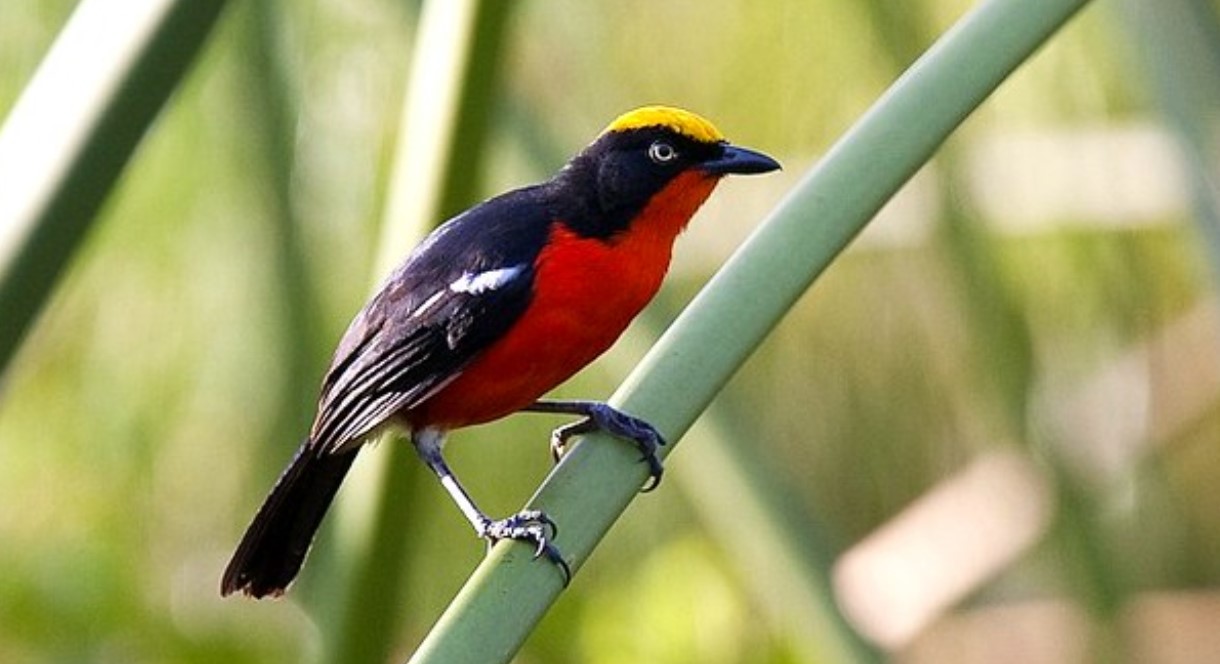
2. Echuya Forest Reserve — Uganda’s Most Important Forest Habitat
Echuya Forest Reserve, situated in the southwestern part of Uganda near the Rwandan border, is one of the country’s most rewarding and least-visited birding destinations.
Home to approximately 150 bird species, with eighteen endemic to the reserve, Echuya punches well above its size in ornithological significance. The elusive Grauer’s Swamp Warbler — one of the most sought-after rarities in the Albertine Rift Endemic Bird Area — is found here, alongside a remarkable concentration of other montane forest specialists.
Echuya is ranked as Uganda’s most important forest habitat for the rarity of its flora and fauna. The reserve is most productively birded with local community guides who have intimate knowledge of species locations and behavioural patterns that visiting birders simply cannot replicate without their assistance.
Key species at Echuya include the Dwarf Honeyguide, Red-throated Alethe, Archer’s Robin-Chat, Kivu Ground Thrush, Grauer’s Rush Warbler, Red-faced Woodland Warbler, Grauer’s Warbler, Collared Apalis, Mountain Masked Apalis, White-eyed Slaty Flycatcher, Yellow-eyed Black Flycatcher, Rwenzori Batis, Stripe-breasted Tit, Regal Sunbird, Doherty’s Bush-Shrike, Montane Oriole, Brown-capped Weaver, and the Strange Weaver.
3. Queen Elizabeth National Park — Uganda’s Highest Bird Species Count
With over 600 bird species recorded, Queen Elizabeth National Park holds the largest documented bird species count of any protected area in Uganda — and ranks among the finest birding destinations in all of East Africa.
The park’s extraordinary habitat diversity — from open savannah on the Kasenyi Plains to the papyrus wetlands of the Kazinga Channel to the lowland rainforest of Kyambura Gorge and Maramagambo Forest — supports bird communities from every ecological guild simultaneously, creating the concentration of species diversity that makes Queen Elizabeth Uganda’s supreme multi-habitat birding experience.
The Kazinga Channel is the park’s most productive single birding location — a 40-kilometre natural waterway connecting Lakes Edward and George where afternoon boat cruises deliver close-range sightings of pink-backed pelicans, African skimmers, malachite kingfishers, pied kingfishers, African fish eagles, yellow-billed storks, sacred ibis, goliath herons, and dozens of additional waterbird species congregating along the channel banks. The Mweya Peninsula, Lake Katwe, and Kyambura Gorge are additional high-value birding zones within the park.
Key species in the Kasenyi open savannah include Palm-nut Vulture, Hooded Vulture, African White-backed Vulture, Brown Snake Eagle, Bateleur, Long-crested Eagle, Martial Eagle, African Crake, Black-bellied Bustard, Grey Kestrel, Crowned Plover, White-tailed Lark, Rufous-naped Lark, Grey-backed Fiscal, Black-headed Gonolek, and Fork-tailed Drongo. For Uganda birding safaris that target both diversity and iconic species in a single park, Queen Elizabeth is unrivalled.
4. Kibale National Park and Bigodi Wetland Sanctuary — Primate Forest Birding at Its Finest
Kibale National Park is best known as Uganda’s premier chimpanzee tracking destination, but its 350 to 375 documented bird species — with six Guinea-Congo biome endemics — make it one of the finest forest birding parks in Uganda.
The park’s intact tropical rainforest provides the dense canopy and understory structure that forest birding demands, and the experienced guides who lead chimpanzee tracking groups are equally expert at locating forest birds by call and movement.
The Green-breasted Pitta — one of Uganda’s most spectacular forest species, drawing specialist birders from across the world specifically to Kibale — is one of the park’s signature sightings.
Birding alongside chimpanzee tracking in Kibale creates one of Uganda’s finest combined wildlife experiences: encountering both great apes and rare forest birds in the same ancient rainforest on the same morning.
Bigodi Wetland Sanctuary — located in the Magombe Swamp on Kibale’s fringe — is a superb community-managed birding site with 138 documented species along its boardwalk trail and viewing platforms. The wetland is particularly productive for papyrus specialists including the Papyrus Gonolek, and the forest margins deliver excellent forest edge species.
Key species across Kibale and Bigodi include the African Pitta, Green-breasted Pitta, Abyssinian Ground Thrush, Crowned Eagle, Dusky Crimsonwing, Black-capped Apalis, Collared Apalis, Purple-breasted Sunbird, Black Bee-eater, Yellow-spotted Nicator, Little Greenbul, Blue-breasted Kingfisher, Yellow-rumped Tinkerbird, Black-eared Ground Thrush, Brown-chested Alethe, and Papyrus Gonolek.
5. Murchison Falls National Park — Savannah, Nile, and the Shoebill
Uganda’s largest national park at approximately 4,000 square kilometres is home to over 450 bird species distributed across its diverse habitats — open savannah, riverine forest, the Victoria Nile floodplain, and the spectacular gorge at Murchison Falls itself.
The park’s birding richness reflects its unique position spanning both the savannah bird community of northern Uganda and the Nile riverine specialist community that makes the Royal Mile and the Nile banks among the finest riverside birding in East Africa.
The Shoebill (Balaeniceps rex) — one of Africa’s most prehistoric-looking and most sought-after birds — is found in the Nile delta swamps at the park’s northern boundary.
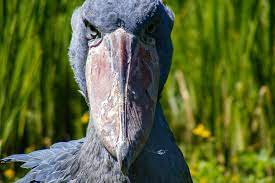
The Nile River boat cruise from the launch site below the falls to the base of Murchison Falls delivers spectacular birding alongside the hippos and crocodiles that line the river’s edges.
The Budongo Forest within the park boundary adds a forest birding dimension with additional species not found on the open savannah.
Key species at Murchison Falls include the Shoebill, African Darter, Goliath Heron, Yellow-billed Stork, Abdim’s Stork, Secretary Bird, Osprey, Dark Chanting Goshawk, Martial Eagle, Rock Pratincole, Standard-winged Nightjar, Pennant-winged Nightjar, Giant Kingfisher, Swallow-tailed Bee-eater, Northern Carmine Bee-eater, Abyssinian Ground Hornbill, Black Scimitarbill, Saddle-billed Stork, Grey-crowned Crane, and Red-throated Bee-eater.
6. Ziwa Rhino Sanctuary — Wetland Birding and the Shoebill
Ziwa Rhino Sanctuary — Uganda’s only wild rhino sanctuary and home to 48 southern white rhinos — is also one of the finest intermediate birding stops on the Kampala-to-Murchison Falls route.
With over 350 documented bird species across its savannah, wetland, and acacia woodland habitats, Ziwa delivers a birding experience that consistently surprises visitors who come primarily for the rhino trekking.
The Lugogo Swamp within the sanctuary is one of East Africa’s most reliable sites for Shoebill stork viewing — accessible by canoe through dense papyrus stands in guided morning excursions that typically produce close-range Shoebill encounters. This canoe-based Shoebill experience is among the finest in Uganda, combining the sanctuary’s managed access with the intimate viewing distance that open lake sites rarely achieve.
Key species at Ziwa include the Shoebill, African Fish Eagle, African Crowned Eagle, Saddle-billed Stork, Grey-crowned Crane, African Darter, African Jacana, African Finfoot, Papyrus Gonolek, Giant Kingfisher, Great Blue Turaco, Ross’s Turaco, African Green Pigeon, Fox’s Weaver, Goliath Heron, African Open-billed Stork, Abyssinian Ground Hornbill, and Cardinal Woodpecker.
7. Semuliki National Park — Uganda’s Congo Basin Birding Treasure
Semuliki National Park is Uganda’s most extraordinary birding destination for species that no other East African park can offer. Described by expert birders as “Uganda’s birding treasure chest,” Semuliki is the only true lowland tropical forest in East Africa — an extension of the Ituri Forest of the Congo Basin whose species composition reflects Central rather than East African biogeography, delivering a bird list that no other Ugandan park can replicate.
With over 400 to 440 bird species including approximately 23 Albertine Rift endemics, 35 Central African woodland species, and a remarkable concentration of hornbill diversity — nine different hornbill species in a single park — Semuliki is a pilgrimage site for serious birders targeting Congo Basin endemics in an accessible East African context. The park is the only place in East Africa where species such as the White-crested Hornbill, Congo Serpent Eagle, and Nkulengu Rail can be reliably found.
The Kirumia River Trail and the Ntandi and Sempaya sections of the park are the most productive birding routes, best walked in the early morning with specialist guides whose knowledge of the forest’s acoustic landscape locates elusive species by call before they are visible.
Key species include the Nkulengu Rail, Long-tailed Hawk, Congo Serpent Eagle, Western Bronze-naped Pigeon, Yellow-throated Cuckoo, Black-throated Coucal, White-bellied Kingfisher, Piping Hornbill, Red-billed Dwarf Hornbill, Black Dwarf Hornbill, White-crested Hornbill, White-thighed Hornbill, Black-casqued Wattled Hornbill, Lyre-tailed Honeyguide, African Piculet, Gabon Woodpecker, Rufous-sided Broadbill, Spot-breasted Ibis, Yellow-throated Nicator, Icterine Greenbul, Swamp Palm Bulbul, Fire-crested Alethe, Blue-headed Crested Flycatcher, Crested Malimbe, Maxwell’s Black Weaver, and Orange-cheeked Waxbill.
8. Jinja and the Nile — River Birding on the Source of the Nile
The area around Jinja — Uganda’s adventure capital on the shores of Lake Victoria at the source of the Nile — provides a distinctive birding experience that combines the bird species of Africa’s longest river with one of East Africa’s most scenically spectacular riverine environments.
Over 60 species have been recorded on the boat cruise route along this section of the Nile, with the calm waters providing excellent close-range viewing conditions for waterbirds and riverine forest species.
The Nile around Jinja is particularly productive for Rock Pratincoles — one of Uganda’s most characterful waterbird species — alongside African Open-billed Storks, Great Blue Turacos, Giant Kingfishers, Green-backed Herons, African Fish Eagles, and Pied Kingfishers. Jinja’s broader birding circuit includes Mabira Forest to the west — a productive forest birding destination with African Paradise Flycatcher, Black-and-white Casqued Hornbill, and Narina Trogon — and the lakeshore environments of Lake Victoria itself.
Beyond birding, Jinja offers kayaking, whitewater rafting, bungee jumping, horseback riding, and boutique lodges along the river — making it Uganda’s finest multi-activity base for visitors who want adventure alongside their birding.
9. Mgahinga Gorilla National Park — Virunga Montane Birding at Uganda’s Border
Mgahinga Gorilla National Park, Uganda’s smallest national park at 33 square kilometres, sits in the extreme southwestern corner of the country along the borders with Rwanda and the DRC — and packs over 180 documented bird species into its dramatic volcanic landscape of bamboo forest, montane woodland, and Hagenia-Hypericum forest on the slopes of three Virunga volcanoes. In addition to its famous gorilla and golden monkey populations, Mgahinga is one of the finest sites in Uganda for Albertine Rift endemic montane species.
The Gorge Trail — winding halfway up Mount Sabyinyo through successively different montane habitat zones — is Mgahinga’s finest birding route, exposing visitors to the full range of montane bird communities within a single 3 to 4 hour walk.
The Bamboo Trail through the bamboo zone delivers specialist bamboo-habitat species not easily found elsewhere. The park’s position in the Virunga ecosystem — shared with Rwanda’s Volcanoes National Park and the DRC’s Virunga National Park — means its bird community reflects the full Virunga Massif montane endemic assemblage.
Key species at Mgahinga include Handsome Francolin, Rwenzori Turaco, Barred Long-tailed Cuckoo, White-starred Robin, Equatorial Akalat, Red-throated Alethe, Archer’s Robin-Chat, Kivu Ground Thrush, Banded Prinia, Grauer’s Warbler, Chestnut-throated Apalis, Collared Apalis, Mountain Masked Apalis, White-eyed Slaty Flycatcher, Yellow-eyed Black Flycatcher, Rwenzori Batis, Stripe-breasted Tit, Blue-headed Sunbird, Regal Sunbird, MacKinnon’s Fiscal, Lagden’s Bush-Shrike, Doherty’s Bush-Shrike, Montane Oriole, Strange Weaver, Dusky Crimsonwing, and Shelley’s Crimsonwing.
Best Time for Birding in Uganda in 2026
Uganda is a year-round birding destination — no month delivers poor birding across all sites simultaneously. However, the two distinct seasonal patterns shape the birding experience meaningfully.
The dry seasons — June through September and December through February — offer firmer trail conditions, easier movement through dense forest, and the best conditions for photography. Many resident species are breeding during these months, making males particularly active and visible.
The wet seasons — March through May and October through November — bring the arrival of Palearctic migrants from Europe and Asia, dramatically expanding Uganda’s species tally during these months and making them particularly productive for listers.
Breeding plumage displays peak, forest activity increases with fruiting, and rainfall produces the lush green landscape that makes Uganda’s forest birding visually spectacular.
For dedicated birders targeting maximum species in minimum time, the wet season months — when resident species breed, migrants arrive, and forest activity peaks — often deliver the highest species counts despite the additional physical challenge of wet trails.
Why Uganda Is Africa’s Best Birding Value in 2026
Uganda’s “cost-per-species” ratio is significantly lower than any comparable African country. Instead of spending budgets on long-haul internal flights or multi-day transits between birding sites, Uganda’s compact geography and improved 2026 road infrastructure allows birders to move between the five flagship parks — Murchison Falls, Kibale, Bwindi, Queen Elizabeth, and Semuliki — efficiently and economically.
Specialist Uganda birding guides who can identify hundreds of species by call alone are available through established operators, and Uganda’s reputation as a gorilla trekking destination means the accommodation and guiding infrastructure surrounding its birding parks is world-class.
For any birder asking where to find the finest combination of Albertine Rift endemics, Congo Basin lowland specialists, Nile riverine species, and East African savannah birds in a single country at the most competitive price — Uganda in 2026 is the only answer.