
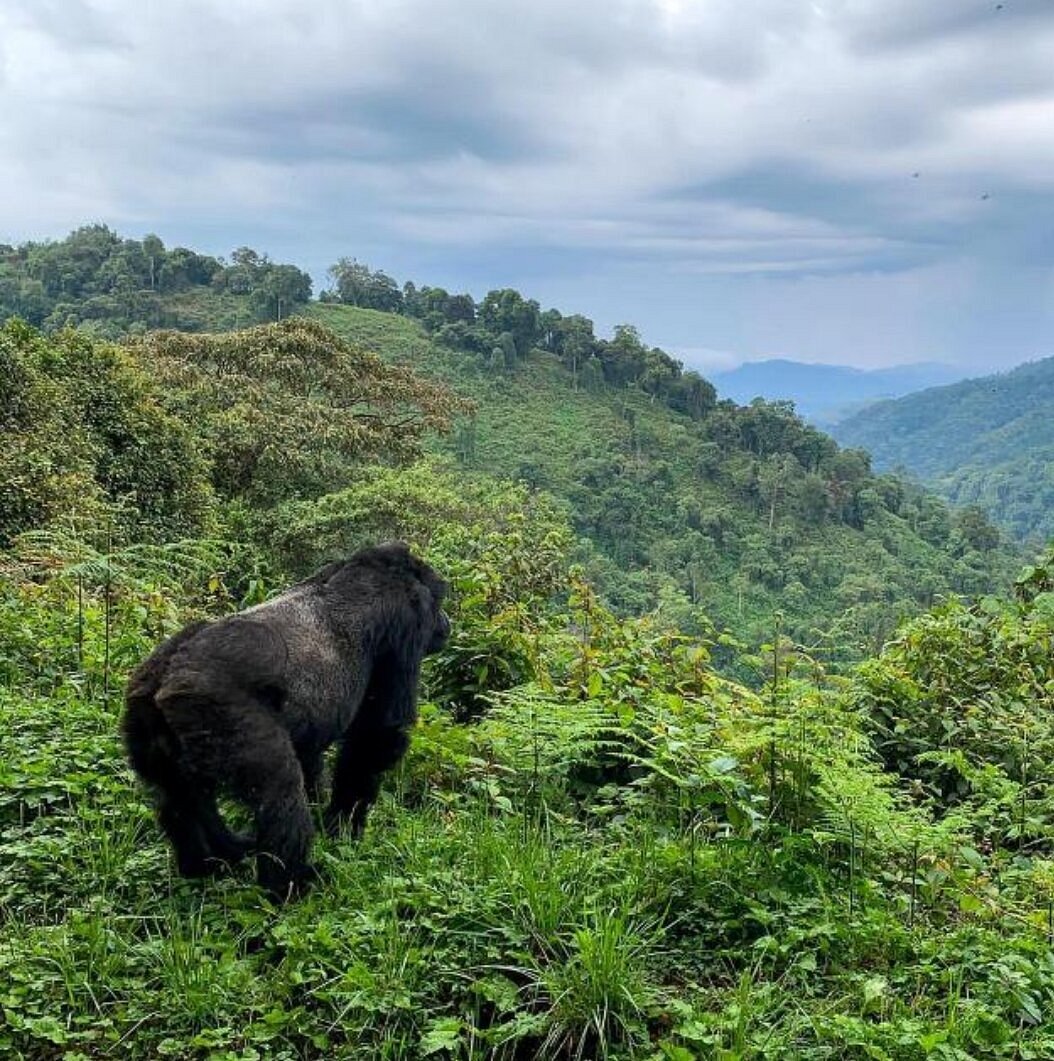
Silverback Gorillas: Complete Overview, Primate Species, Habitat, Predators, Diet & Trekking Guide 2026
Silverback gorillas captivate first-time travelers and wildlife enthusiasts planning gorilla trekking safaris across Africa, often mistaken for separate species amid the excitement of tracking these majestic great apes.
If you’re new to mountain gorilla adventures in Bwindi Impenetrable Forest or Volcanoes National Park, this comprehensive guide clarifies everything: from silverback gorilla biology and social structure to their natural habitat, rare predators, daily diet, and insider tips for Uganda gorilla tours or Rwanda gorilla trekking.
Discover why silverbacks—mature male leaders of gorilla troops—stand as icons of primate strength, and learn how ethical gorilla safaris support conservation.
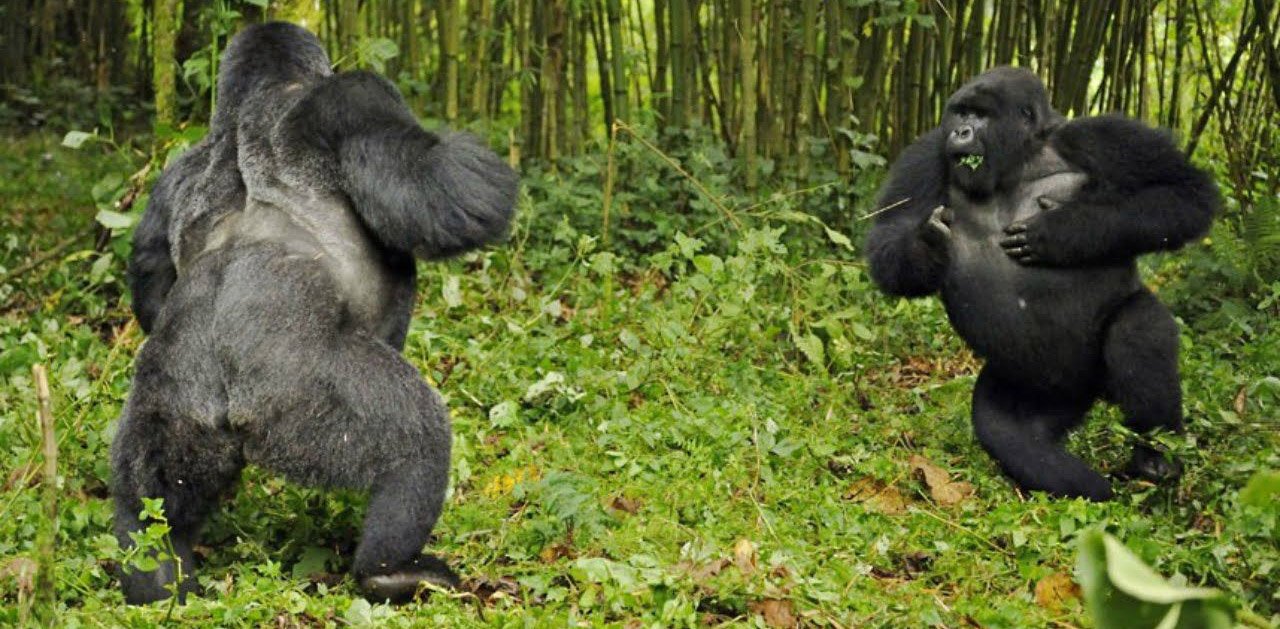 silverback gorilla
What Is a Silverback Gorilla? Primate Classification Explained
Silverback gorillas aren’t a distinct species but mature adult males from two primary gorilla species: western gorillas (split into western lowland gorillas and rarer Cross River gorillas) and eastern gorillas (divided into eastern lowland gorillas and mountain gorillas).
These largest living primates thrive in Africa’s equatorial rainforests, with mountain silverbacks dominating gorilla trekking hotspots like Uganda’s Bwindi and Rwanda’s Virunga volcanoes.
The “silverback” name derives from the distinctive silver-grey saddle of hair developing on their backs, shoulders, and hips around age 12–15, signalling sexual maturity and leadership readiness.
This silvery patch contrasts their dark bodies, visible during chest-beating displays on safaris. Silverback males grow 1.65–1.75 meters (5.4–5.7 feet) tall standing, weigh 135–220 kg (300–485 lbs)—up to three times female size—and span 2.3–2.6 meters arm-to-arm, with prominent canine teeth up to 5 cm for defense and foraging.
This classification debunks myths, helping first-time gorilla trackers identify silverbacks on Bwindi safaris.
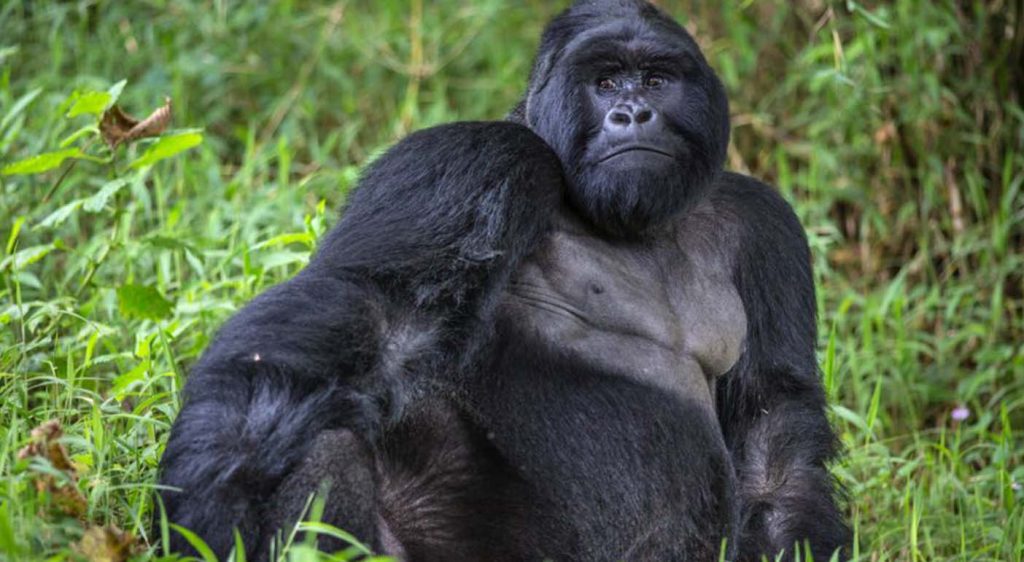 Uganda gorilla trekking
Silverback Gorilla Social Structure and Family Dynamics
Silverback gorillas anchor troop structures of 5–30 members: one dominant silverback, 3–8 females, juveniles, infants, and subordinate males (blackbacks under 12).
In multi-male groups, subordinates back the leader but can’t mate, enforcing hierarchy through aggressive displays like charges or bites.
Upon maturity, young males leave natal troops, either solo-wandering, forming bachelor groups or challenging for dominance by attracting females or raiding rivals.
The dominant silverback monopolises breeding, protects against infanticide (killing infants sired by predecessors), decides daily foraging routes and nesting sites, and mediates squabbles. Females transfer troops for better genes/protection, bonding via grooming.
If the leader dies, chaos ensues: females with infants flee to established troops to shield the young from new silverback infanticide, resuming fertility sooner.
Subordinates vie for takeover, with strongest prevailing. Studies show stable silverback-led troops survive 20+ years, key for endangered mountain gorilla recovery from <300 (1980s) to 1,063+ today.
-
Dominant duties: Forage leadership, predator defense, mating rights.
-
Subordinate role: Backup muscle, no breeding until promotion.
-
Family size: Averages 15; largest recorded: 65 members.
This dynamic fascinates me on gorilla trekking Uganda permits, where habituated troops reveal silverback authority.
Silverback Gorilla Habitat: Rainforest Realms Across Africa
Silverback gorillas inhabit dense, montane rainforests at 1,000–4,500 meters elevation, favoring bamboo zones, h Bamboo thickets, and herbaceous vegetation.
Mountain silverback habitat spans Virunga Volcanoes (Rwanda, Uganda, DRC) and Bwindi Impenetrable National Park (Uganda)—UNESCO sites covering ~500 sq km for ~1,000 individuals.
Western lowland silverbacks roam vast Congo Basin swamps (~300,000 sq km), while eastern lowlands stick to DRC highlands. Habitats feature 90% humidity, 15–25°C temps, epiphyte-laden trees, and steep slopes challenging treks but shielding from humans.
Threats like deforestation shrink ranges 50% since 1990s, but parks generate $30M+ yearly from gorilla tours, funding patrols. Best silverback viewing: Uganda’s 24 habituated Bwindi families, Rwanda’s 12 Volcanoes troops.
Predators of Silverback Gorillas: Rare but Real Threats
Adult silverbacks have no natural predators due to size/strength—leopards avoid them, targeting infants instead.
Humans pose biggest risk: poaching for bushmeat/medicine (snaring kills 5–10% yearly), habitat loss, and disease transmission (e.g., Ebola wiped 1/3 Virunga population 2000s).
Rarely, rival silverbacks inflict fatal wounds during takeovers.
Cubs face infanticide from newcomers. Conservation via anti-poaching rangers (funded by Uganda gorilla trekking) dropped losses 50% since 2000.
-
Leopards: Ambush young; silverbacks counterattack.
-
Humans: Primary threat via snares, farms.
-
Diseases: Scours like flu from tourists.
Ethical Rwanda safaris enforce 7m distancing, vaccinations.
Silverback Gorilla Diet: Herbivore Powerhouse
Silverback gorillas are folivores/frugivores, consuming 18–30 kg daily (40–60 lbs)—equal to 1.5 wheelbarrows! Diet emphasizes leaves (50%), stems, pith, bark, roots, insects (ants/termites via “knuckle-walking” tool-use), and fruit when seasonal.
Mountain silverbacks favor wild celery, thistles, bamboo; lowlands add more fruit. They forage 6–8 hours, using opposable thumbs and dentition (large molars for grinding). Silverbacks eat most, prioritizing energy for protection.
This high-fiber intake fuels strength, observed on Mgahinga Gorilla Park treks.
Silverback Gorilla Size, Strength, and Physical Traits
Silverbacks dwarf females: 1.7m standing height, 200kg average, 2.6m arm span, with sagittal crests anchoring jaw muscles and robust skeletons. Strength: 5–10x human, lifting 800kg+, bite force 1,300 PSI.
Wild > captive size due to activity/diet. Chest-beating signals via resonant sacs.
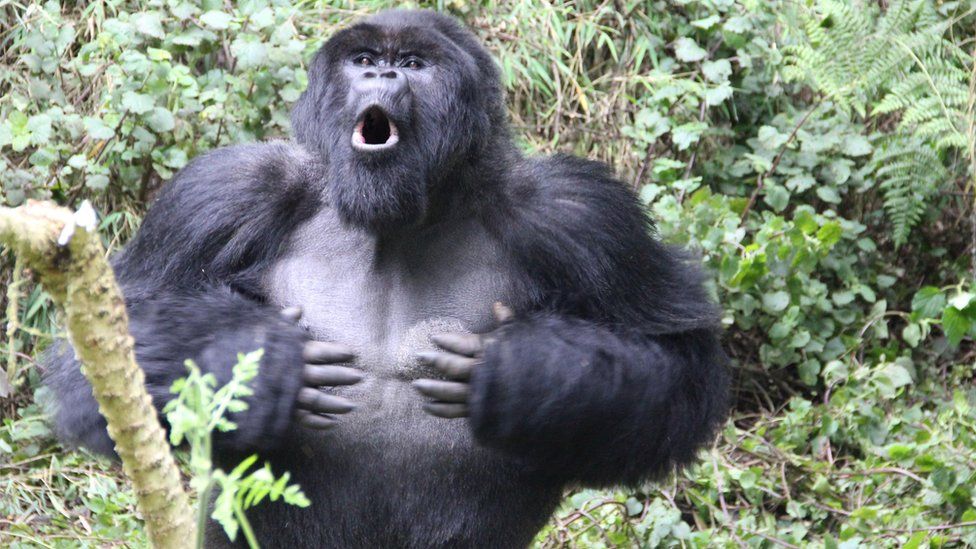 silverback gorilla size
Conservation Status and Silverback Recovery
Mountain silverbacks: Endangered (IUCN), up from Critically via ecotourism/patrolling. Bwindi: 500+; Virungas: 500+. Lowlands: More numerous but fragmented.
Gorilla tours channel 100% permit fees to locals/rangers.
Best Time and Where to Track Silverback Gorillas on Safari
Peak dry seasons: Jan–Feb, Jun–Sep, Dec—firmer trails.
Wet months (Mar–May, Oct–Nov) greener but slippery.
Prime spots:
-
Bwindi Impenetrable (Uganda): 1,000+ hikers/month.
-
Mgahinga (Uganda): Smaller, intimate.
-
Volcanoes NP (Rwanda): Steeper, scenic.
Permits $800–$1,500; 1-hour encounters. Book Uganda gorilla tours via Maranatha—custom itineraries!
CTA: Reserve your silverback gorilla trekking slot now—slots fill fast!
Frequently Asked Questions: Silverback Gorillas Quick Facts
Are silverback gorillas a separate species?
No—mature males from four subspecies.
What do silverback gorillas eat?
>Mostly leaves, up to 30kg/day.
Do silverbacks have predators?
Adults no; humans main threat.
Where to see silverback gorillas?
Bwindi, Volcanoes NP—book safaris!
Conclusion: Witness Silverback Majesty Responsibly
Silverback gorillas embody primate power in Africa’s forests, from troop leadership to vegetarian might. By trekking ethically, you aid survival. Contact Maranatha Tours for Bwindi gorilla safaris—adventure and impact await!