Gorilla Trekking
What Is Gorilla Trekking? – Everything About Gorilla Tracking in Africa 2026 Guide
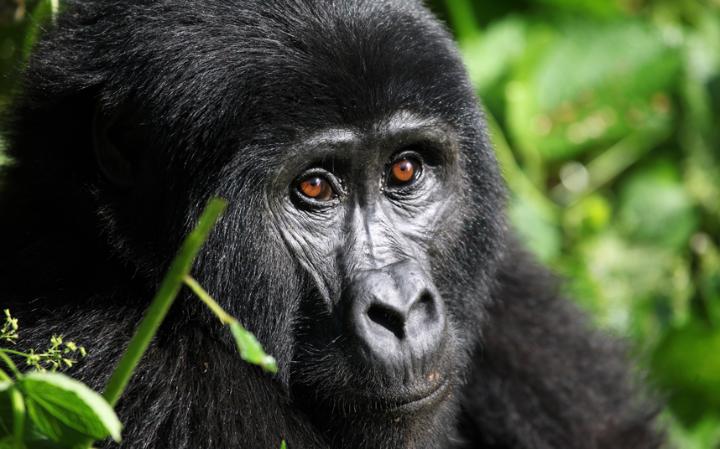
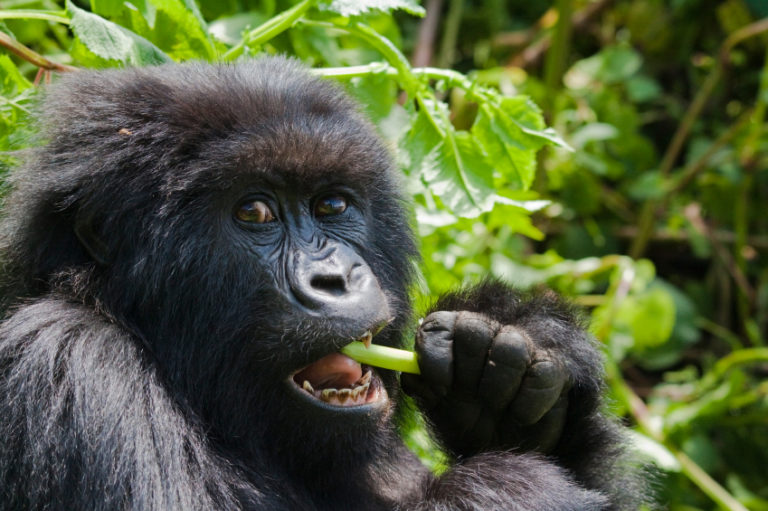
Gorilla trekking is one of the most thrilling and emotionally rewarding wildlife experiences in Africa, offering travelers a rare chance to see great apes in their natural habitats.
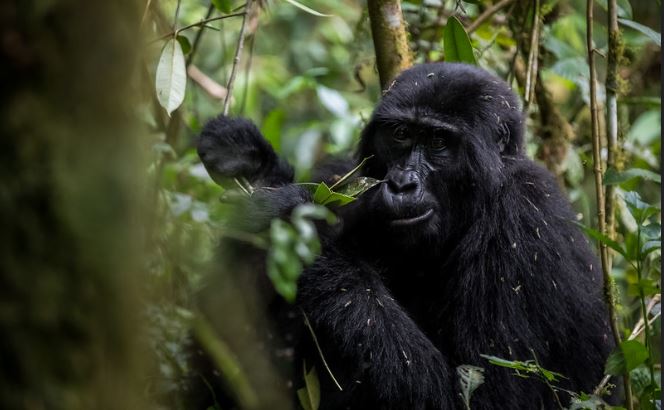
Often referred to as gorilla tracking or mountain gorilla trekking, the activity involves guided hiking through dense tropical rainforests in search of habituated gorilla families.
The journey typically takes place in protected national parks across Uganda, Rwanda, and the Democratic Republic of the Congo, where mountain gorillas and, in some countries, other gorilla species reside.
This article explores what gorilla trekking is, where it happens, why it matters, and how to plan your own unforgettable gorilla tracking safari.
What Is Gorilla Trekking?
Gorilla trekking is the process of searching for gorillas on foot through the verdant and mountainous tropical rainforest.
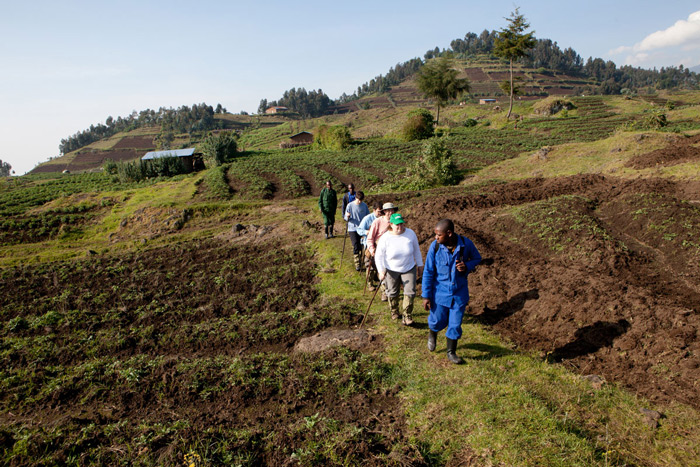
The trek usually involves hours of hiking across rugged terrain, steep slopes, and narrow footpaths, often cutting through thick jungle undergrowth.
Experienced guides lead the way, creating paths through the vegetation with machetes, navigating the challenging environment safely.
Gorilla trekking is often described as exhausting, but with proper preparation, travellers successfully encounter these magnificent great apes in their natural habitats.
Physical fitness plays a crucial role in completing a gorilla trek successfully. The terrain can be demanding, requiring hikers to navigate slippery slopes, steep inclines, and uneven footpaths.
Guides ensure that participants take short breaks to rest and recover, helping maintain stamina throughout the trek. Equipping yourself with the right gear is essential for comfort and safety.
Recommended items include hiking boots with good ankle support, gardening gloves for gripping vegetation, double-layered socks, khaki trousers, long-sleeved shirts, and a backpack to carry essentials like water and snacks.
Gorilla trekking is widely regarded as one of Africa’s most life-changing wildlife encounters, drawing visitors from around the world to witness the powerful and gentle presence of these great apes against the lush backdrop of tropical rainforests.
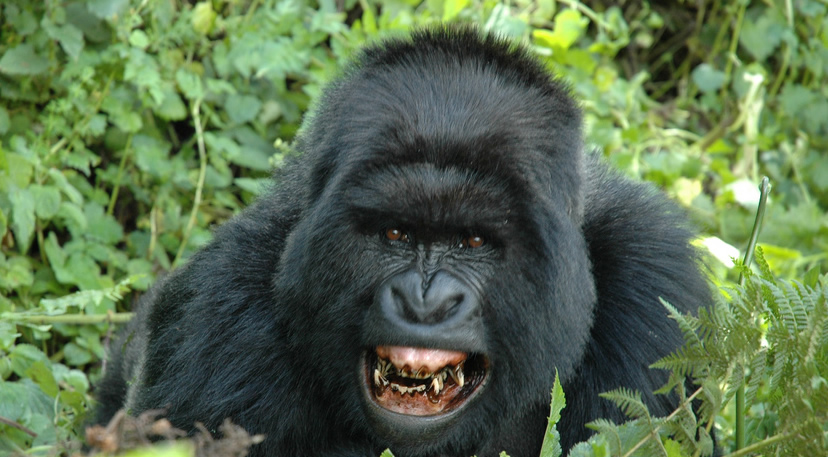
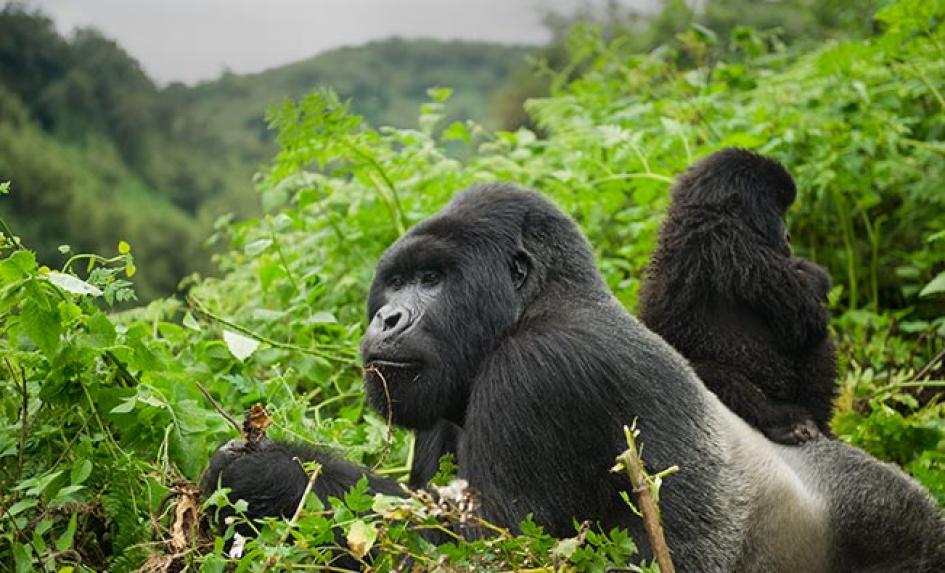
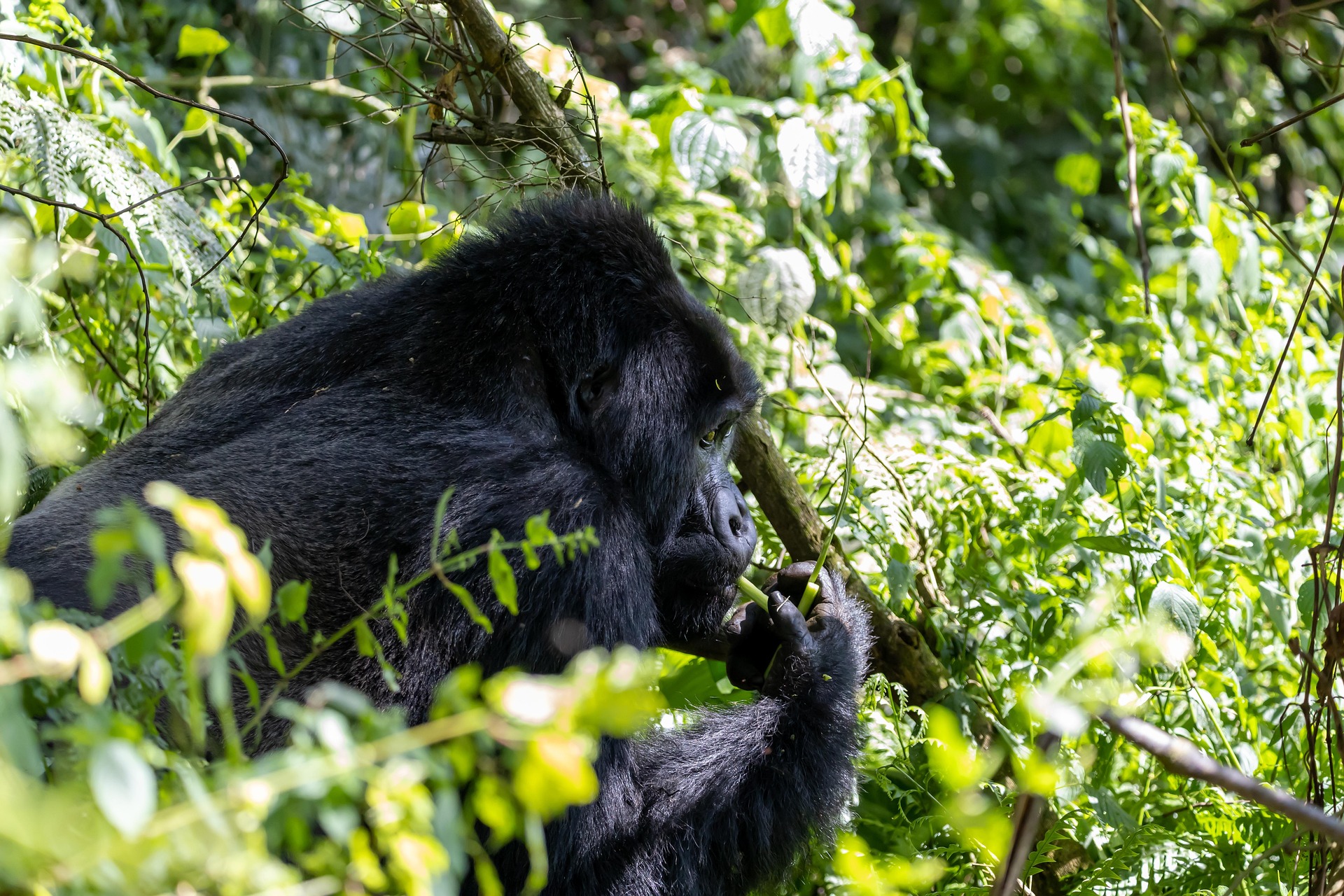
A typical gorilla family is led by a dominant silverback male, known for his protective and nurturing nature.
The time and energy invested in trekking gorillas demand patience and perseverance, but these efforts are rewarded when travelers finally lay eyes on the family and spend an unforgettable hour observing their behavior up close.
 gorilla trekking Africa tours
Where Does Gorilla Trekking Take Place?
Gorilla trekking occurs in several countries across Africa, each offering unique habitats and experiences with different gorilla species.
The activity primarily takes place in protected national parks and conservation areas that safeguard the remaining stretches of Africa’s central rainforests.
These regions provide the ideal environment for gorillas to thrive, offering dense vegetation, abundant food sources, and limited human interference.
The two main gorilla species are the Eastern gorilla and the Western gorilla. The Eastern gorilla is further divided into the Eastern lowland gorilla and the mountain gorilla.
Eastern lowland gorillas inhabit the lowland rainforests of the eastern Democratic Republic of the Congo and can be encountered in Kahuzi-Biega National Park.
Mountain gorillas, on the other hand, live in the upper slopes of the Virunga volcanoes, which span Mgahinga Gorilla National Park in Uganda, Virunga National Park in the Democratic Republic of the Congo, and Volcanoes National Park in Rwanda.
An additional population of mountain gorillas can be found in Bwindi Impenetrable National Park in Uganda, making it one of the most popular destinations for gorilla trekking.
Western gorillas are also sub-divided into two subspecies: the Cross River gorilla and the western lowland gorilla.
Western lowland gorillas are the most populous, with over 100,000 individuals distributed across Gabon, Cameroon, Equatorial Guinea, the Central African Republic, and the Republic of Congo.
Cross River gorillas, in contrast, are the rarest and least populous, with only about 250-300 individuals living in small sub-populations in Nigeria and Cameroon.
Encounters with these subspecies are rare, making gorilla trekking an even more exclusive experience.
Why Take Part in Gorilla Trekking?
Participating in gorilla trekking offers a unique opportunity to observe these great apes in their natural habitats, far from the confines of zoos.
Most gorillas live in the wild, with only a few western lowland gorillas residing in captivity. This makes sightings in their natural environments a once-in-a-lifetime experience.
The emotional impact of standing face to face with a mountain gorilla family is profound, leaving lasting memories for travelers.
Gorilla trekking also plays a vital role in conservation efforts. Revenue generated from tourism supports park authorities, anti-poaching patrols, and community development programs.
These initiatives help protect gorilla populations from threats such as poaching, habitat loss, and illegal logging. By participating in gorilla trekking, visitors contribute to the preservation of these endangered species and their ecosystems.
When to Participate in Gorilla Trekking
Gorilla trekking is an all-year-round activity, but the best time to go is during the dry season. The dry months, typically December to February and early June to September, offer more comfortable trekking conditions.
During these periods, rainfall is less frequent, trails are less muddy, and visibility is better, making it easier to spot gorillas in the dense forest.
However, rain can occur at any time in these rainforest regions, so visitors should be prepared for varying weather conditions.
Despite the challenges posed by rainy seasons, gorilla trekking remains possible throughout the year. The lush vegetation and vibrant greenery during the wet months create a dramatic and picturesque backdrop for encounters with these great apes.
Travelers should consider their preferences for weather and trail conditions when planning their gorilla trekking adventure.
Planning Your Gorilla Trekking Adventure
Planning a gorilla trekking trip requires careful consideration of several factors, including destination, permits, fitness level, and packing.
Visitors should research the parks they plan to visit and choose the one that best suits their interests and abilities. Permits for gorilla trekking are mandatory and must be obtained in advance, often through authorized tour operators or park authorities.
These permits guarantee access to a specific gorilla family and help regulate the number of visitors, ensuring the well-being of the animals.
Fitness preparation is essential for a successful gorilla trek. Travelers should engage in light physical training before their trip to build endurance and strength.
Proper gear, including sturdy hiking boots, comfortable clothing, and rain protection, is crucial for navigating the challenging terrain and weather conditions.
Packing essentials such as water, snacks, and a camera will enhance the experience and allow visitors to capture memorable moments with the gorillas.
By understanding the intricacies of gorilla trekking and planning accordingly, travelers can embark on an unforgettable adventure that combines wildlife observation with conservation efforts.
This experience not only offers a glimpse into the lives of these magnificent creatures but also contributes to their protection and preservation for future generations.
FAQs About Gorilla Trekking
1. What exactly is gorilla trekking?
Gorilla trekking (also called gorilla tracking) is a guided hike through tropical rainforest in search of habituated gorilla families.
You walk for several hours on rugged trails, often uphill, to spend about one hour observing gorillas in their natural habitat.
The experience usually takes place in protected parks such as Bwindi Impenetrable National Park, Mgahinga Gorilla National Park (Uganda), Volcanoes National Park (Rwanda), or Virunga National Park (DRC) and is considered one of the most intimate wildlife encounters in Africa.
2. How much does gorilla trekking cost?
Costs vary by country and package, but the biggest single expense is the gorilla trekking permit. In Uganda, permits are currently around $800 per person for foreign non‑residents, while Rwanda charges about $1,500.
Additional costs include park/conservation fees, transport from major cities (like Kampala or Kigali), accommodation, meals, guide tips, and optional add‑ons (e.g., chimp tracking, community walks).
Many tour operators offer budget, mid‑range, and luxury gorilla trekking packages that bundle these services.
3. Where can you go gorilla trekking in Africa?
Gorilla trekking mainly happens in mountain gorilla habitats in Uganda, Rwanda, and the Democratic Republic of the Congo.
Key parks include:
-
Bwindi Impenetrable National Park and Mgahinga Gorilla National Park – Uganda
-
Volcanoes National Park – Rwanda
-
Virunga National Park – Democratic Republic of the Congo
In Central Africa, western lowland gorillas can be tracked in countries like Gabon, Cameroon, and the Republic of Congo, while the rare Cross River gorilla is found in Nigeria and Cameroon.
4. How fit do you need to be for gorilla trekking?
While gorilla trekking can be physically demanding, you don’t need to be an elite athlete. Treks range from moderate (e.g., certain Bwindi routes) to strenuous (steep, high‑altitude trails in Mgahinga or Rushaga).
Good walking stamina, steady knees, and comfortable hiking boots are essential. Operators often customize gorilla family assignments based on your fitness level and can arrange porters to carry your backpack. Light training (walking, stair climbing) a few weeks before your trip helps a lot.
5. What should you pack for gorilla trekking?
Key packing items for a comfortable and safe trek include:
-
Waterproof hiking boots with ankle support
-
Long‑sleeve shirts and long pants (khaki or neutral colors)
-
Rain jacket or poncho (rainforest is often wet)
-
Gardening or work gloves to grip vegetation
-
Double‑layered socks to reduce blisters
-
Small backpack with water, snacks, and camera
-
Filled survey/health form (required by some parks)
Many tour operators send a detailed packing list after you book your gorilla trekking safari.
6. Are there age or health restrictions for gorilla trekking?
Yes. In Uganda, the minimum age for mountain gorilla trekking is 15 years; younger children are not allowed on treks. This rule helps protect gorillas from disease and ensures children can handle the physical demands.
Travelers with serious health issues (e.g., heart conditions, severe respiratory problems, or mobility limitations) should consult a doctor and inform their operator.
Some routes can be adjusted for moderate fitness, but very strenuous trails may not be suitable.
Conclusion
Gorilla trekking is much more than just a wildlife safari—it’s a powerful, emotional encounter that connects you deeply with one of our closest relatives in the animal kingdom.
Whether you track mountain gorillas in Uganda’s Bwindi or Mgahinga, Rwanda’s Volcanoes, or the Virunga region of the DRC, the experience fosters a greater appreciation for conservation, local communities, and the fragile balance of nature.
By choosing responsible operators, respecting park rules, and understanding the physical and logistical aspects of the trek, you maximize your chances of a safe, comfortable, and unforgettable adventure.
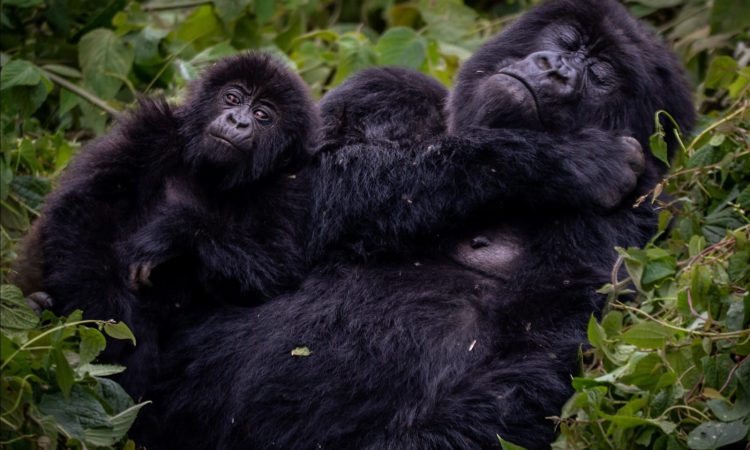
The memories of seeing a silverback watch over his family, infants playing, and mothers nursing their young will stay with you long after you leave the rainforest.
If you’re ready to turn “one day” into “this year,” book your gorilla trekking safari with Adventure Uganda Safaris. Choose your preferred destination (Bwindi, Mgahinga, Volcanoes, or Virunga), and secure your gorilla trekking permit before dates sell out.
Whether you’re planning a quick weekend escape from Kampala or Kigali or a multi‑park African safari, discussing your options today brings you closer to that magical hour in the rainforest.
Don’t wait—start your gorilla trekking journey now and experience Africa’s most powerful wildlife encounter.