
Rhino Tracking in Uganda – The Positive side of this Adventure
Rhino Tracking in Uganda: The Positive Side of This Adventure Guide 2026
Rhino Tracking in Uganda – The Positive Side of This Adventure: Rhino tracking in Uganda is one of the country’s most memorable wildlife experiences.
At Ziwa Rhino and Wildlife Ranch, visitors can walk through natural bushland with a trained ranger and observe southern white rhinos in a protected environment.
The experience combines close wildlife viewing with an important conservation story: Uganda is rebuilding rhino populations after the species disappeared from the country’s wild landscapes.
Located approximately 176 kilometres north of Kampala along the Gulu Highway, Ziwa is an ideal stopover for travelers heading to Murchison Falls National Park.
A visit can be added to a Uganda wildlife safari, a bird-watching trip, a Big Five itinerary, or a longer journey through northern Uganda.
This guide explains what to expect from a Ziwa Rhino Sanctuary safari, how rhino trekking supports conservation, the best time to visit, what to pack, where to stay, and how Adventure Uganda Safaris can help arrange your experience.

Why Rhino Tracking Matters in Uganda
Rhino tracking is not only about taking photographs of a large animal. It is also an opportunity to see the results of long-term conservation, community involvement, wildlife monitoring, and responsible tourism.
Both the black rhinoceros and northern white rhinoceros were historically native to Uganda.
However, prolonged conflict, habitat loss, poor wildlife management, and poaching caused both species to disappear from the country by the early 1980s, according to the Uganda Wildlife Authority.
Ziwa Rhino Sanctuary was established in 2005 to reintroduce the southern white rhinoceros to Uganda.
Its long-term conservation goal is to build a sustainable rhino population and eventually return rhinos to suitable protected areas within their former range.
This recovery programme has achieved important progress:
-
Rhinos have been successfully bred at Ziwa.
-
Rangers monitor the animals and protect them from poaching.
-
Visitors contribute to conservation through entrance and activity fees.
-
Communities benefit from employment and tourism-related opportunities.
-
Uganda has begun reintroducing rhinos into other protected areas.
In March 2026, Uganda Wildlife Authority announced the translocation of southern white rhinos from Ziwa to Kidepo Valley National Park and reported that the country’s rhino population had reached 61.
This development shows how Ziwa has become an important foundation for Uganda’s wider rhino restoration programme.
Where Is Ziwa Rhino Sanctuary?
Ziwa Rhino and Wildlife Ranch is located in Nakasongola District, approximately 176 kilometres from Kampala on the Gulu Highway.
By road, the journey usually takes around two and a half to three hours, depending on traffic, road conditions, and stops.
The sanctuary lies along the route to Murchison Falls National Park, making it an excellent addition to a northern Uganda safari.
Location advantages
A visit to Ziwa can be combined with:
-
Murchison Falls National Park
-
Ziwa Shoebill Trek
-
Mabamba Swamp, depending on your wider route
-
Kampala city tours
-
Kibale Forest National Park
-
Budongo Forest
-
Lake Kyoga
-
Cultural and community experiences in central Uganda
The ranch covers a large area of woodland, grassland, thickets, wetlands, ponds, and open bush. This varied habitat allows rhinos and other wildlife to live in a more natural environment while receiving daily protection and monitoring.
The History of Rhinos in Uganda
Rhinos once moved across several Ugandan ecosystems, including areas that are now national parks and wildlife reserves.
Their disappearance was linked to several connected problems:
-
Commercial poaching for rhino horn
-
Armed conflict
-
Insecurity in wildlife areas
-
Habitat destruction
-
Weak protection systems
-
Illegal wildlife trade
By the early 1980s, rhinos had disappeared from Uganda’s wild landscapes. The reintroduction programme at Ziwa began in 2005 with a small number of southern white rhinos brought from Kenya and the United States.
The breeding programme was designed to create a secure population that could grow naturally before some animals were moved to suitable habitats elsewhere in Uganda.
This strategy is now contributing to the return of rhinos to protected landscapes such as Kidepo Valley and Ajai Wildlife Reserve.
The story makes a visit to Ziwa especially meaningful. You are not simply viewing animals in a fenced enclosure. You are visiting a conservation landscape that has helped restore a species to Uganda.
What Rhino Species Can You See?
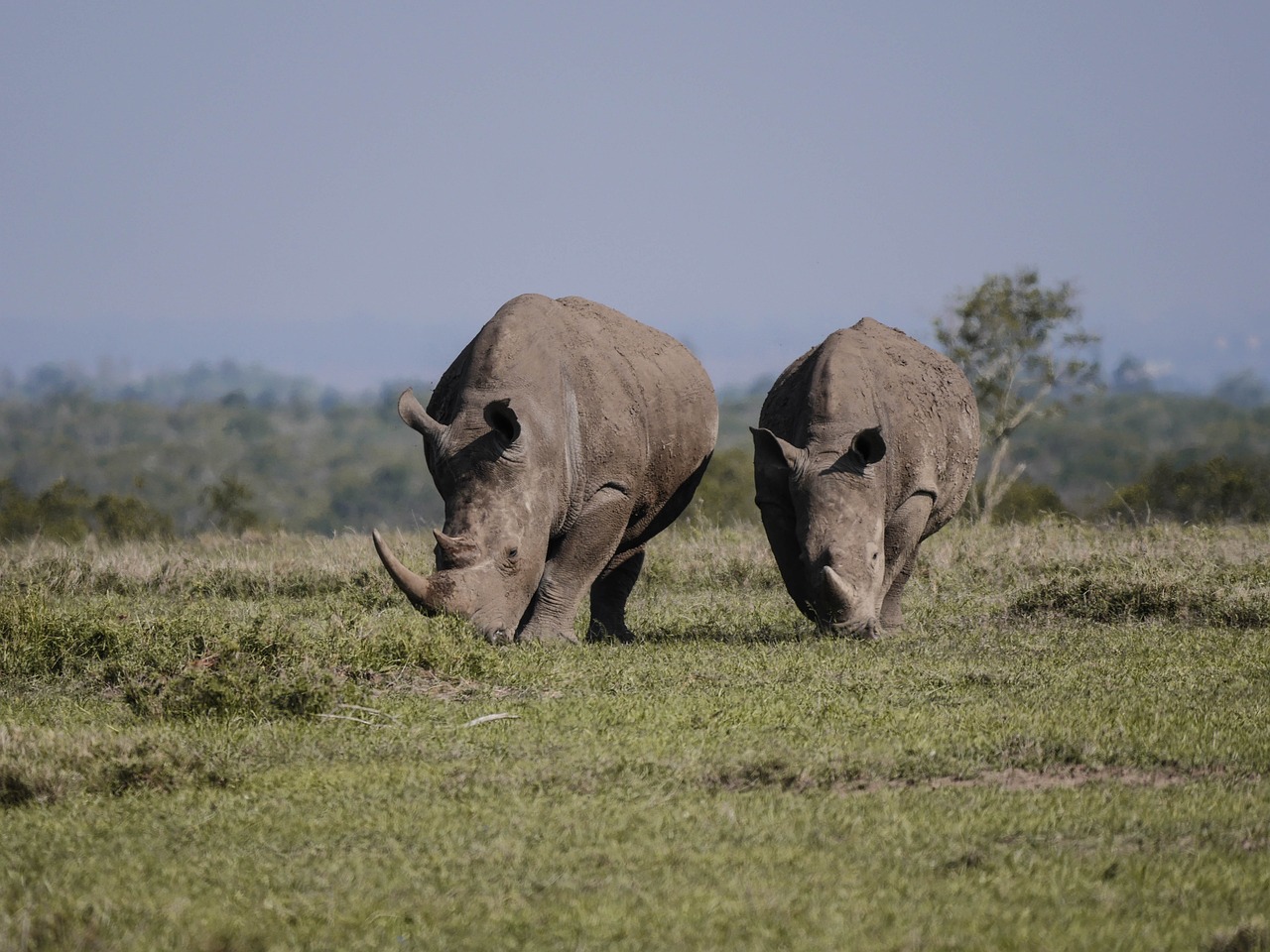
Ziwa is home to southern white rhinos, scientifically known as Ceratotherium simum simum.
They are among the largest land mammals on Earth.
White rhinoceros
White rhinos are generally:
-
Large-bodied grazers
-
Social compared with many other rhino species
-
Broad-mouthed animals adapted to feeding on grass
-
Usually seen in open grassland and bush areas
-
Equipped with two horns
Despite their name, white rhinos are not actually white. The name is commonly linked to a historical misunderstanding of the Afrikaans word “wyd”, referring to the animal’s wide mouth.
White rhinos and black rhinos
Africa has two living rhino species:
White rhinos can be powerful and should never be approached without a trained ranger. They may appear calm, but they are still wild animals capable of running quickly when startled.
What Happens During Rhino Tracking?
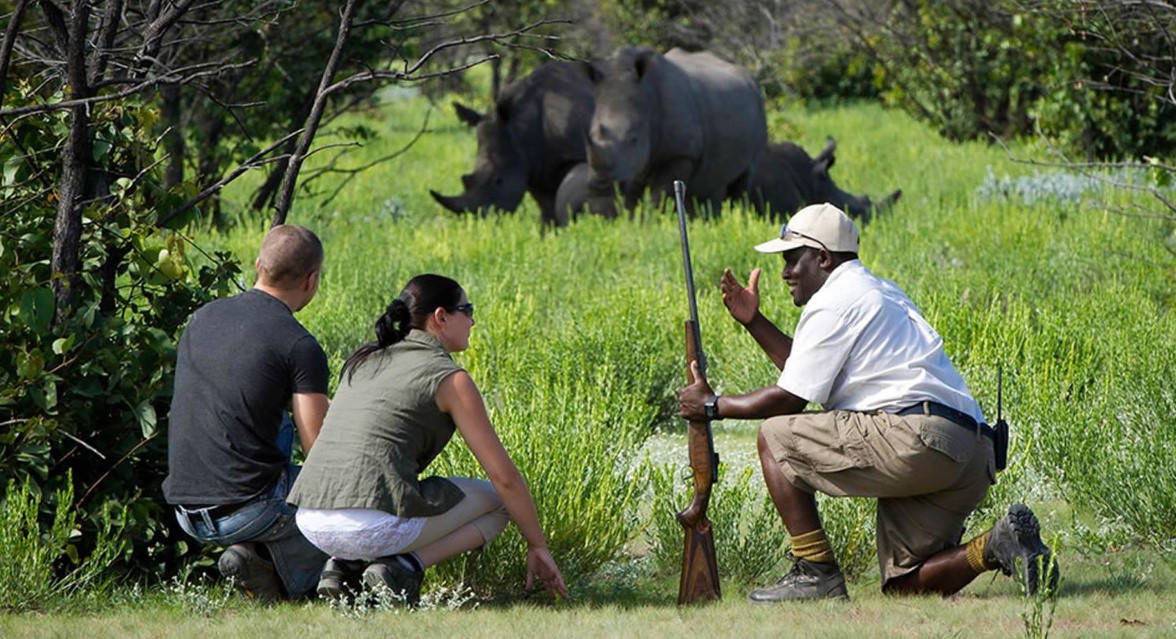
The main activity at Ziwa is a guided rhino tracking walk. Visitors meet at the sanctuary headquarters, receive a briefing, and proceed with a trained ranger.
The experience commonly takes around two to three hours, although the duration depends on the location of the rhinos, weather, walking speed, and the conditions of the bush.
Typical tracking experience
-
Arrive at the sanctuary headquarters.
-
Complete registration and payment.
-
Meet your ranger guide.
-
Receive safety instructions.
-
Travel or walk toward the rhino area.
-
Follow tracks, dung, feeding signs, and ranger information.
-
Observe the rhinos from a safe distance.
-
Learn about their behavior, family groups, diet, and conservation.
-
Return to the headquarters or continue with another activity.
The rangers know the individual rhinos and often understand their movements, personalities, family relationships, and preferred grazing areas. This makes the experience educational as well as exciting.
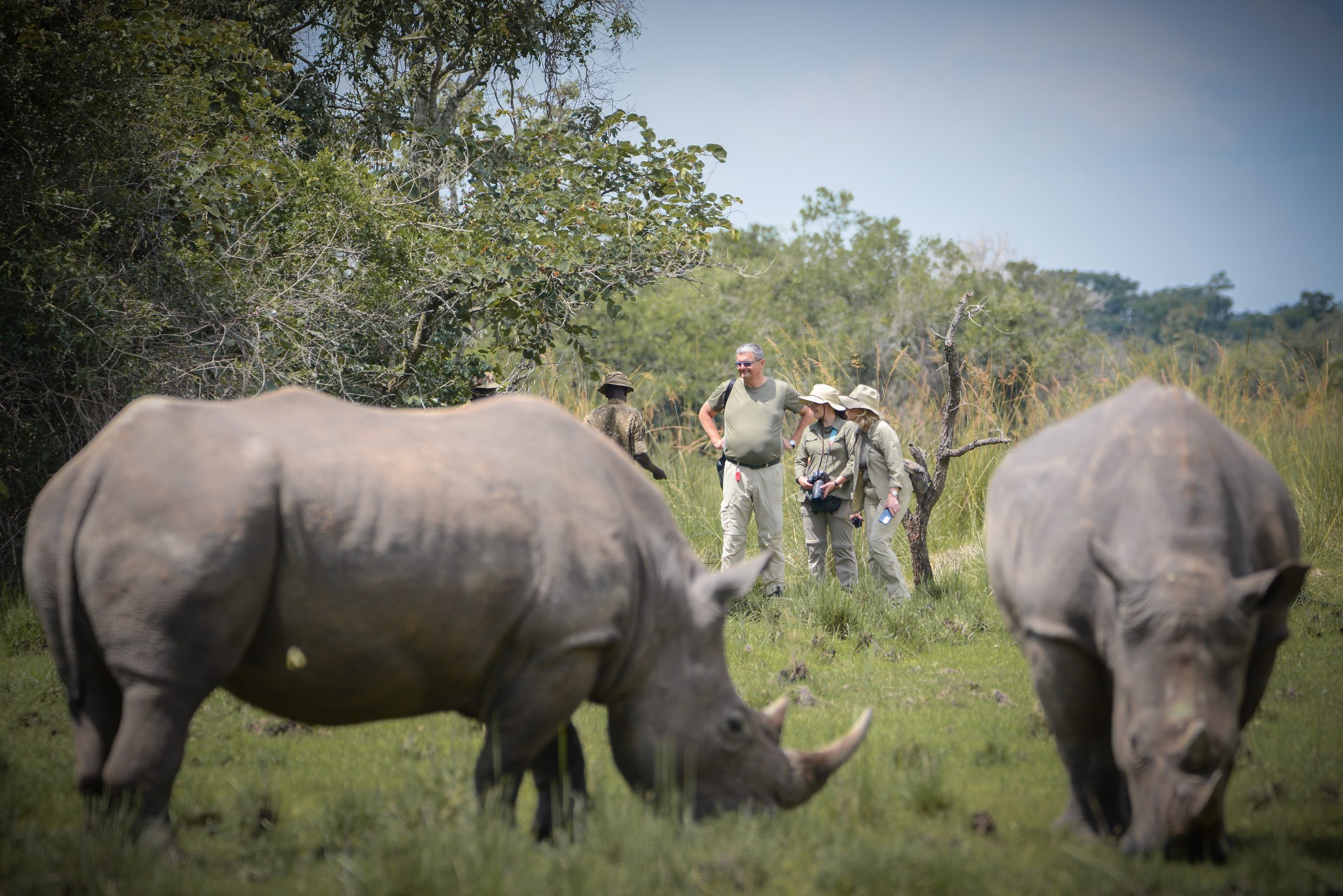
Depending on current ranch procedures, visitors may track rhinos on foot or travel by vehicle to reach animals farther away. Confirm arrangements before arrival, particularly if you are travelling independently.
Rhino Tracking Safety Rules
Rhino tracking is safe when visitors follow the ranger’s instructions. The most important rule is to listen carefully during the pre-trek briefing.
Follow these guidelines
-
Remain with your ranger and group.
-
Never walk toward a rhino without permission.
-
Keep the recommended distance from the animals.
-
Do not shout, run, or make sudden movements.
-
Avoid flash photography unless the guide confirms it is acceptable.
-
Do not attempt to touch, feed, or distract a rhino.
-
Stay downwind where possible.
-
Never stand between a mother and calf.
-
Tell the ranger if you feel uncomfortable or cannot keep up.
-
Do not leave the designated trail or group.
White rhinos are often described as less aggressive than black rhinos, but this does not mean they are harmless.
Their size, speed, and strength demand respect. A trained ranger is present to interpret their behavior and keep visitors at a safe distance.
Wildlife Beyond the Rhinos
Although rhino tracking is the main reason to visit Ziwa, the ranch supports a range of other wildlife.
Depending on the habitat and season, visitors may see:
-
Uganda kob
-
Bushbuck
-
Waterbuck
-
Reedbuck
-
Warthogs
-
Hippopotamuses
-
Crocodiles
-
Monkeys
-
Baboons
-
Mongoose
-
Duikers
-
Pangolins
-
Bush pigs
-
Numerous smaller mammals
The sanctuary’s wetlands, ponds, woodlands, and grasslands provide different viewing opportunities.
Hippos and crocodiles are more closely associated with water habitats, while antelopes and other grazers are often seen in open grassland or woodland margins.
Wildlife sightings are never guaranteed. Ziwa is a natural environment, and animals move freely.
The guidance of a ranger increases your chances of seeing wildlife while ensuring that the animals are not disturbed.
Bird Watching at Ziwa Rhino Sanctuary
Ziwa is also a rewarding destination for bird watching in Uganda. Its combination of woodland, thickets, grassland, wetlands, and valley dams attracts a wide range of bird species.
The ranch records hundreds of bird species, including resident and water-associated birds.
Potential sightings may include:
-
Shoebill
-
African grey hornbill
-
Fork-tailed drongo
-
Gabar goshawk
-
Purple-banded sunbird
-
Black-headed gonolek
-
Common bulbul
-
African thrush
-
Double-toothed barbet
-
Meyer’s parrot
-
African fish eagle
-
Kingfishers
-
Egrets and herons
The shoebill trek is a separate activity and usually begins early in the morning, when wetland conditions are cooler and birds are more active.
Ziwa’s current published activity schedule lists shoebill treks from 6:00 am to 9:00 am, while rhino tracking, birding tours, and nature walks are generally available during daytime hours.
Birders should carry:
-
Binoculars
-
A field guide
-
Long trousers
-
Neutral-colored clothing
-
A camera with extra batteries
-
Insect repellent
-
Drinking water
-
A notebook or birding app
Early morning visits are especially valuable for photographers and birders because light is softer and bird activity is usually higher.
Shoebill Trekking at Ziwa
The shoebill is one of Africa’s most fascinating wetland birds. With its enormous bill, tall body, and prehistoric appearance, it is a major attraction for birding enthusiasts.
At Ziwa, visitors may arrange a guided canoe or wetland excursion to search for shoebills around the ranch’s swamps and water channels.
What to expect
-
Early departure before the heat of the day
-
Quiet movement through wetland habitat
-
A trained birding guide
-
Possibility of seeing other waterbirds
-
Photography opportunities in natural surroundings
The shoebill is a wild bird, so sightings depend on weather, water conditions, vegetation, and its movements.
Booking an early activity improves your chances, but no responsible operator should guarantee a sighting.
Best Time to Visit Ziwa
Ziwa Rhino Sanctuary can be visited throughout the year. The best time depends on whether your priority is rhino tracking, birding, photography, or combining the sanctuary with other destinations.
Dry seasons
The drier periods are commonly:
-
June to September
-
December to February
These months may offer:
-
Easier walking conditions
-
Less muddy ground
-
Better road access
-
More comfortable wildlife viewing
-
Good conditions for combining Ziwa with Murchison Falls
Wet seasons
The wetter periods are generally:
-
March to May
-
October to November
Benefits include:
-
Green landscapes
-
Active birdlife
-
Fewer visitors
-
Excellent photography conditions
-
More attractive wetlands and vegetation
Possible challenges include:
-
Muddy tracks
-
Wet footwear
-
Slippery paths
-
Longer driving times
-
Sudden heavy rainfall
Because rhinos remain at Ziwa throughout the year, a wet-season visit can still be highly rewarding. Carry waterproof clothing regardless of when you travel.
Ziwa Rhino Sanctuary Fees and Opening Hours
Fees can change, so confirm the latest prices directly with the sanctuary or your tour operator before travelling.
The sanctuary’s published visitor information currently lists the following rates for visitors to Uganda:
-
Park entry including rhino tracking: USD 60 for adults
-
Children up to 12 years: USD 30
-
Shoebill trek: USD 30 for adults and USD 15 for children
-
Birding tour: USD 30 for adults and USD 15 for children
-
Night nature walk: USD 25 for adults and USD 10 for children
East African residents may pay different rates, with valid proof of residency required.
The sanctuary states that the entrance fee includes rhino tracking, whether visitors walk from the ranch or drive to view rhinos in the bush.
Published activity hours include:
-
Rhino tracking: 7:00 am–5:00 pm
-
Birding tours: 7:00 am–5:00 pm
-
Shoebill trek: 6:00 am–9:00 am
-
Nature walks: 7:00 am–5:00 pm
-
Night nature walks: 8:00 pm–10:00 pm
The ranch also states that it operates as a cashless business, accepting card payments and bank transfers.
Check the official booking page before departure because prices, payment conditions, and activity arrangements may change.
Where to Stay at Ziwa Rhino Sanctuary
Visitors can make Ziwa a day trip from Kampala or spend a night near the sanctuary.
Ziwa Rhino Lodge and guest rooms
These options may suit visitors looking for convenient accommodation close to the activities.
Room types can include:
-
Single rooms
-
Twin rooms
-
Double rooms
-
Family rooms
-
Dormitory accommodation
Camping
Camping is suitable for travelers seeking a lower-cost or more adventurous experience. You may bring your own tent or arrange tent hire in advance.
Luxury chalets and tents
For more comfort, the ranch offers luxury accommodation options, including chalets and luxury tents. Current rates vary by room type and season, so request a quotation before booking.
Amuka Safari Lodge
Amuka Safari Lodge is another popular accommodation option in the wider Ziwa area. It is suitable for travelers who want a more comfortable lodge experience before or after visiting the rhino sanctuary.
Accommodation availability can be limited during busy safari periods. Book ahead if you plan to combine Ziwa with Murchison Falls or another major Ugandan destination.
How to Get to Ziwa from Kampala
Ziwa is located on the Kampala–Gulu Highway.
By private safari vehicle
The most convenient option is a private safari vehicle with a driver-guide.
This allows you to:
-
Leave Kampala early
-
Stop for photographs and refreshments
-
Add local attractions
-
Continue to Murchison Falls
-
Travel with your luggage securely
-
Combine the visit with other activities
By self-drive
Independent travelers can drive north from Kampala toward Nakasongola. Use a reliable vehicle, check road conditions, and confirm the exact entrance before departure.
From Murchison Falls
Ziwa is a natural stopover when travelling between Kampala and Murchison Falls National Park.
A common itinerary is:
-
Day 1: Kampala to Ziwa Rhino Sanctuary
-
Rhino tracking and overnight stay
-
Day 2: Continue to Murchison Falls
-
Game drive and Nile boat cruise
-
Return to Kampala or continue to another destination
This route allows visitors to experience both rhino tracking and Uganda’s classic savanna wildlife.
What to Pack for Rhino Tracking
Rhino tracking is not as strenuous as mountain hiking, but you will walk through bush, grass, and uneven ground.
Pack:
-
Closed walking shoes or lightweight hiking boots
-
Long trousers
-
Long-sleeved shirt
-
Wide-brimmed hat
-
Sunscreen
-
Insect repellent
-
Drinking water
-
Binoculars
-
Camera and spare batteries
-
Lightweight rain jacket
-
Small backpack
-
Personal medication
-
Cash or a payment card, depending on the latest sanctuary policy
Choose neutral colors such as brown, green, khaki, or grey. Avoid very bright clothing if you want to reduce visual disturbance to wildlife.
Conservation Benefits of Rhino Tracking
Responsible tourism can support rhino conservation in several ways.
Tourism revenue
Entrance and activity fees help support:
-
Ranger operations
-
Wildlife monitoring
-
Habitat management
-
Veterinary care
-
Community programmes
-
Conservation education
Employment
The sanctuary provides opportunities for:
-
Rangers
-
Guides
-
Hospitality workers
-
Drivers
-
Local suppliers
-
Community tourism providers
Education
Visitors learn about:
-
Rhino ecology
-
Poaching and wildlife crime
-
Habitat protection
-
Breeding programmes
-
The importance of community involvement
Support for future reintroduction
Ziwa’s breeding and conservation work has helped make the movement of rhinos to other protected areas possible.
The Uganda Wildlife Authority reported that rhinos were moved to Ajai Wildlife Reserve in January 2026 and that further reintroduction work was underway.
By visiting responsibly, following guidelines, and supporting legitimate conservation programmes, tourists contribute to Uganda’s long-term wildlife recovery efforts.
How Adventure Uganda Safaris Can Help
A visit to Ziwa is easy to arrange, but combining it with a wider Uganda safari requires careful planning.
Adventure Uganda Safaris can organize a complete itinerary based on your schedule, interests, and budget.
Our services can include:
-
Private transport from Kampala or Entebbe
-
Rhino tracking arrangements
-
Ziwa accommodation
-
Shoebill and birding excursions
-
Murchison Falls safari packages
-
Park permits and activity bookings
-
Professional English-speaking driver-guides
-
Photography-focused itineraries
-
Family-friendly safari planning
-
Budget, mid-range, and luxury options
Example itinerary
3-Day Ziwa and Murchison Falls Safari
-
Day 1: Kampala to Ziwa, rhino tracking, overnight at the sanctuary
-
Day 2: Transfer to Murchison Falls, afternoon game drive
-
Day 3: Nile boat cruise, game drive, return toward Kampala
Longer Uganda safari combination
For a more complete experience, add:
-
Ziwa Rhino Sanctuary
-
Murchison Falls National Park
-
Kibale Forest for chimpanzee tracking
-
Queen Elizabeth National Park
-
Bwindi Impenetrable National Park for gorilla trekking
This itinerary allows visitors to experience rhinos, elephants, lions, chimpanzees, gorillas, hippos, birds, and Uganda’s varied landscapes in one trip.
Frequently Asked Questions
Where can I track rhinos in Uganda?
Ziwa Rhino and Wildlife Ranch in Nakasongola is the country’s principal destination for guided rhino tracking. Uganda has also begun reintroducing southern white rhinos into other protected areas, but visitor access and tracking arrangements may differ.
How long does rhino tracking take?
A typical experience takes approximately two to three hours, depending on the location of the rhinos, walking conditions, and the ranger’s route.
Can children go rhino tracking?
Children may be allowed to participate, but the activity should be assessed according to their age, walking ability, and ability to follow safety instructions. Confirm current requirements when booking.
Is rhino tracking safe?
Yes, when conducted with a trained ranger and according to the sanctuary’s rules. Rhinos are wild animals, so visitors must remain quiet, maintain a safe distance, and follow all instructions.
Can I see rhinos and shoebills on the same day?
Yes, it may be possible to combine rhino tracking with a morning shoebill trek, depending on activity times and availability. Early planning is recommended.
How much does Ziwa Rhino Sanctuary cost?
Published rates may change, but the sanctuary currently lists visitor entry with rhino tracking at USD 60 for adults and USD 30 for children up to 12 years. Always confirm current fees before travel.
Is Ziwa close to Murchison Falls?
Yes. Ziwa lies along the route from Kampala toward Murchison Falls National Park, making it a convenient addition to a northern Uganda safari.
Plan Your Rhino Tracking Safari in Uganda
Rhino tracking in Uganda offers a rare opportunity to observe southern white rhinos in a protected natural environment while supporting one of the country’s most important conservation stories.
At Ziwa Rhino Sanctuary, your visit can include guided rhino tracking, bird watching, shoebill excursions, nature walks, and comfortable overnight accommodation.
The sanctuary is also an excellent stopover on the way to Murchison Falls National Park, allowing you to combine rhinos with elephants, lions, hippos, giraffes, birds, and Nile boat cruises.
Contact Adventure Uganda Safaris to plan a tailor-made Uganda rhino safari. We can arrange your transport, tracking activity, accommodation, professional guide, and wider wildlife itinerary.
Support rhino conservation, discover Uganda’s wildlife heritage, and experience one of the country’s most rewarding walking safaris.