
Trekking Gorillas in Uganda on a Budget Plan
Gorilla Trekking in Uganda on a Budget: Complete Planning Guide 2026
Gorilla trekking in Uganda on a budget is possible with careful planning.
Although a trek through the misty forests of southwestern Uganda is often described as a luxury adventure, you do not need to book the most expensive lodges or travel in a large private vehicle to experience the mountain gorillas.
By choosing the right travel season, staying in affordable accommodation, sharing transport, booking permits early, and combining gorilla trekking with low-cost activities, backpackers, families, couples, and small groups can plan a rewarding budget gorilla safari in Uganda.
Uganda’s gorillas live in Bwindi Impenetrable National Park and Mgahinga Gorilla National Park.
A permit is still the largest single expense, but other costs—including accommodation, transport, meals, and activities—can be managed according to your budget.
Important price update: UWA’s published tariff for July 2024–June 2026 lists gorilla tracking at USD 800 for foreign non-residents, USD 700 for foreign residents, USD 500 for visitors from the rest of Africa, and UGX 300,000 for East African citizens. Older articles that advertise USD 450 permits should not be treated as current prices without written confirmation from UWA or an authorized operator.
Is Budget Gorilla Trekking in Uganda Possible?
Yes. The key is to distinguish between the gorilla permit cost and the rest of your safari budget.
A gorilla permit is fixed by visitor category, but you can reduce other expenses by:
-
Traveling during the low or shoulder season.
-
Sharing a 4×4 vehicle with other travelers.
-
Choosing budget lodges, campsites, or community accommodation.
-
Eating included meals at your lodge instead of expensive restaurant meals.
-
Booking a shorter itinerary focused on one gorilla trek.
-
Using a local Ugandan safari operator.
-
Combining the trek with affordable activities such as community walks, nature walks, or Lake Bunyonyi visits.
A budget trip does not mean sacrificing the quality of the gorilla experience. The trek itself takes place in the same protected forest and follows the same conservation rules regardless of whether you stay in a budget camp or luxury lodge.
Why Trek Gorillas in Uganda?
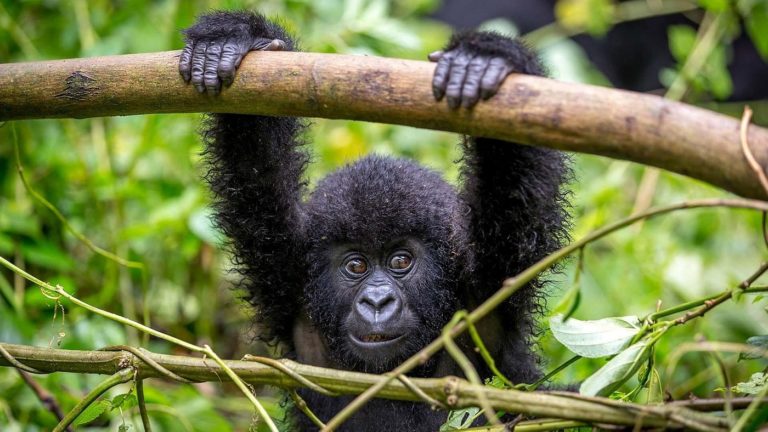
Uganda is one of the world’s leading destinations for mountain gorilla trekking. Bwindi and Mgahinga form part of the wider Virunga–Bwindi conservation landscape, home to the critically endangered mountain gorilla.
A Uganda gorilla trek offers:
-
A close encounter with a habituated gorilla family.
-
A guided hike through ancient tropical rainforest.
-
Opportunities to see forest birds, monkeys, butterflies, and rare plants.
-
Support for conservation and surrounding communities.
-
The possibility of combining gorillas with chimpanzees, golden monkeys, savanna wildlife, and cultural experiences.
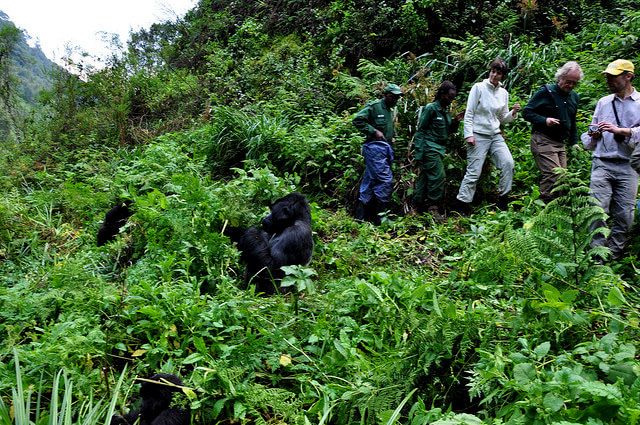
Gorilla trekking is limited and carefully regulated. Visitors are assigned to a habituated gorilla family, accompanied by trained park staff, and required to follow strict wildlife-viewing rules.
The gorilla permit normally includes the guided trek, park entry for the trekking day, ranger services, and a limited viewing period once the gorillas are located.
Always confirm the current inclusions directly with Uganda Wildlife Authority (UWA) or your authorized tour operator.
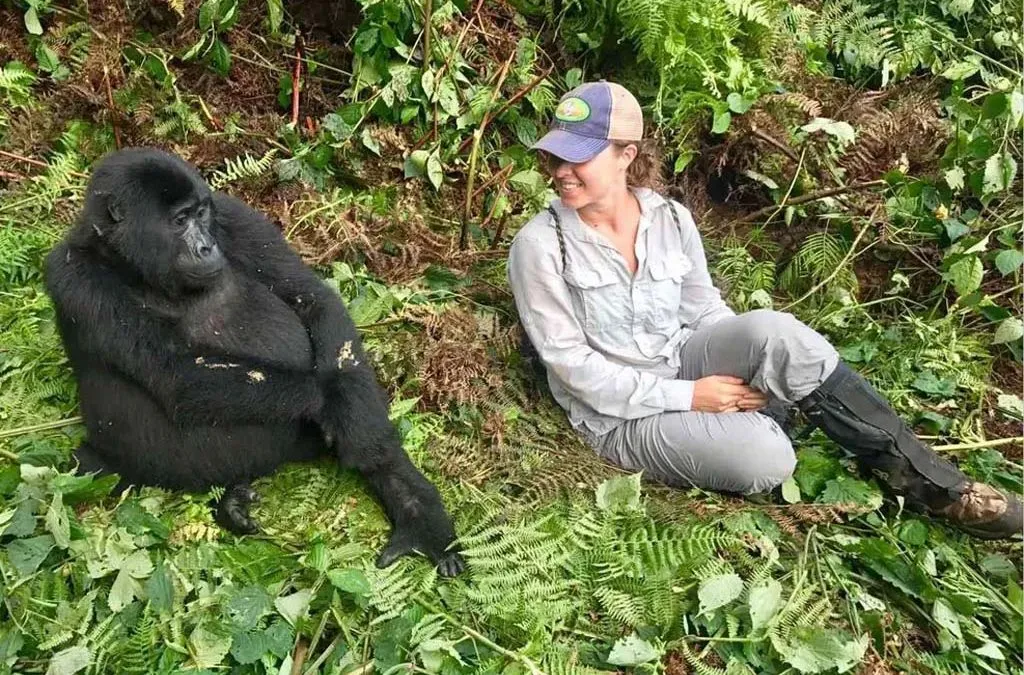
Bwindi or Mgahinga: Which Is Better for Budget Travelers?
Both national parks offer excellent gorilla trekking, but they differ in size, setting, access, and accommodation.
1. Bwindi Impenetrable National Park
Bwindi is a vast rainforest divided into four main trekking sectors:
-
Buhoma
-
Ruhija
-
Rushaga
-
Nkuringo
Each sector has its own trailhead, gorilla families, lodges, and road connections. Your permit is tied to a specific sector, so your accommodation should be near the trailhead where your trek begins.
Bwindi may be best for travelers who want:
-
More choice of trekking sectors
-
A wide range of budget and mid-range lodges
-
Community walks and Batwa cultural experiences
-
Birding and forest nature walks
-
Flexible itinerary options
2. Mgahinga Gorilla National Park
Mgahinga is Uganda’s smaller gorilla park and forms part of the Virunga Volcanoes landscape.
It is known for:
-
Mountain gorillas
-
Golden monkey trekking
-
The Virunga volcanoes
-
Bamboo forests
-
Scenic hiking
-
A quieter atmosphere
Mgahinga can be a good choice for travelers who want to combine gorilla trekking and golden monkey trekking. Affordable accommodation may be available around Kisoro and near the park entrance, including community-oriented camps.
Which Park is Cheaper?
There is no universal answer. Your total cost depends on:
-
Permit availability
-
Road distance
-
Accommodation prices
-
Vehicle-sharing arrangements
-
Your chosen sector
-
Whether you include extra activities
The best way to save money is to compare the complete package cost, not just the accommodation price.
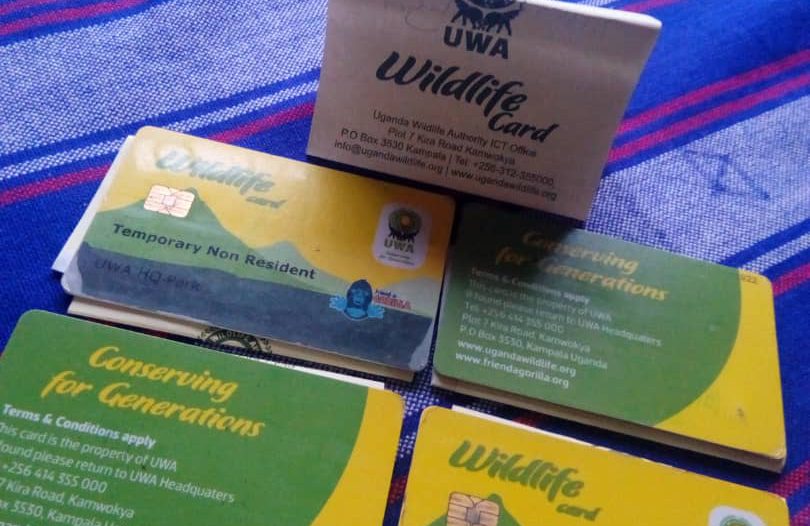
Gorilla Permit Costs in Uganda
The gorilla permit is the most important cost to plan for.
Current Permit Categories
According to the UWA conservation tariff covering July 2024 to June 2026, the listed rates are:
These rates may change when a new UWA tariff takes effect. Confirm the current price, payment terms, cancellation conditions, and permit availability before making travel arrangements.
Gorilla Habituation Experience
Uganda also offers a longer gorilla habituation experience in selected areas of Bwindi. It provides substantially more time with a semi-habituated gorilla group but costs considerably more than standard trekking.
For budget travelers, standard gorilla tracking is usually the better option.
Can You Get a Discounted Gorilla Permit?
Some older travel articles mention discounted permits of USD 450 during April, May, or November.
Such promotions are not guaranteed and should not be assumed as current prices. Ask UWA or an authorized operator for written confirmation before planning your budget around a discount.
Avoid anyone who promises an unusually cheap permit without explaining:
-
The visitor category
-
The official receipt
-
The trekking date
-
The gorilla sector
-
The cancellation policy
A valid permit should be issued through the authorized booking system and clearly show the traveler’s details and trekking date.
Best Time for a Budget Gorilla Safari
Gorilla trekking takes place throughout the year, including rainy months. However, Uganda has generally drier and wetter seasons that affect road conditions, accommodation prices, and trekking comfort.
1. Low and shoulder seasons
The wetter periods are commonly:
-
March to May
-
October to November
These months may offer:
-
Lower lodge rates
-
Fewer visitors
-
Greater accommodation availability
-
Greener landscapes
-
Excellent birding
-
More flexibility for last-minute planning
The trade-off is that forest trails can become muddy, slippery, and slower. Rain can also affect rural roads, particularly on the final approach to some Bwindi sectors.
2. Dry seasons
The commonly preferred drier months are:
-
June to September
-
December to February
Advantages include:
-
Firmer trails
-
Easier driving
-
Better conditions for photography
-
More predictable trekking logistics
Disadvantages include:
-
Higher demand
-
Higher lodge prices
-
Earlier permit sell-outs
-
More visitors at popular trailheads
3. Best budget strategy
If your dates are flexible, consider:
-
Traveling during a wetter month.
-
Booking accommodation with flexible cancellation terms.
-
Packing proper rain gear.
-
Hiring a vehicle with good ground clearance.
-
Allowing extra travel time between destinations.
Rainforest weather is unpredictable, so even a dry-season traveler should carry waterproof clothing and prepare for rain.
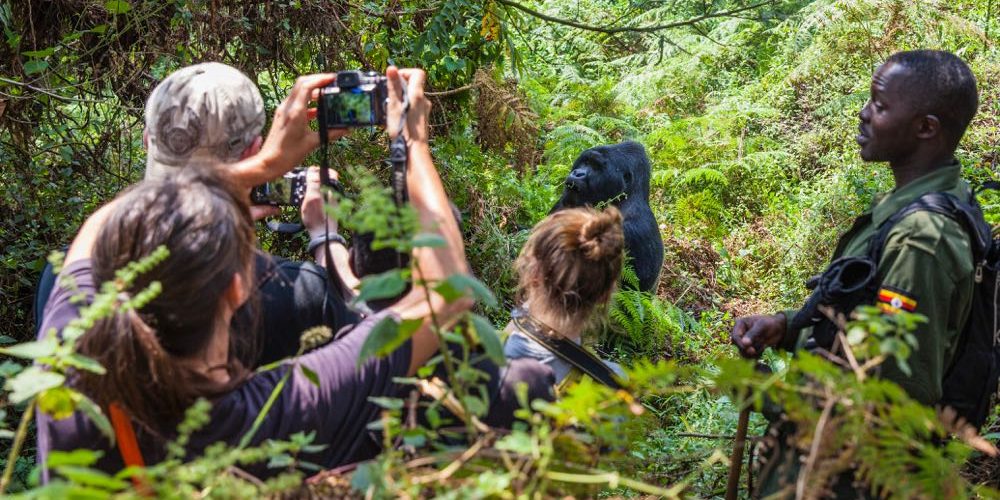
How to Reduce Transport Costs
Transport is often the second-largest cost after the gorilla permit. Driving from Kampala or Entebbe to southwestern Uganda takes most of a day, and the journey requires fuel, a suitable vehicle, and an experienced driver.
Share a private 4×4.
Traveling with four to six people can reduce the per-person cost of:
-
Vehicle hire
-
Fuel
-
Driver-guide services
-
Airport transfers
-
Road logistics
A shared private safari is usually more comfortable and flexible than relying on public transport for the entire journey.
Join a small-group departure.
Some operators organize scheduled group departures during specific dates. These can reduce transport costs, although you may have less control over:
-
Departure times
-
Accommodation
-
Route changes
-
Activity selection
Confirm whether the vehicle is shared only for transport or whether you will also share the entire itinerary.
Consider Domestic Flights Carefully.
A flight toward Kisoro or another nearby airstrip can save driving time, but it may increase the total cost. For a strict budget, road travel is usually more economical unless you are combining a flight with several destinations.
Avoid unsafe transport shortcuts.
Do not choose a vehicle solely because it is the cheapest. A suitable gorilla safari vehicle should have:
-
Good ground clearance
-
Reliable tires
-
Seat belts
-
Working communication equipment
-
A valid rental or tour agreement
-
A trained driver familiar with the region
Saving a small amount on transport is not worthwhile if a breakdown causes you to miss your permit date.
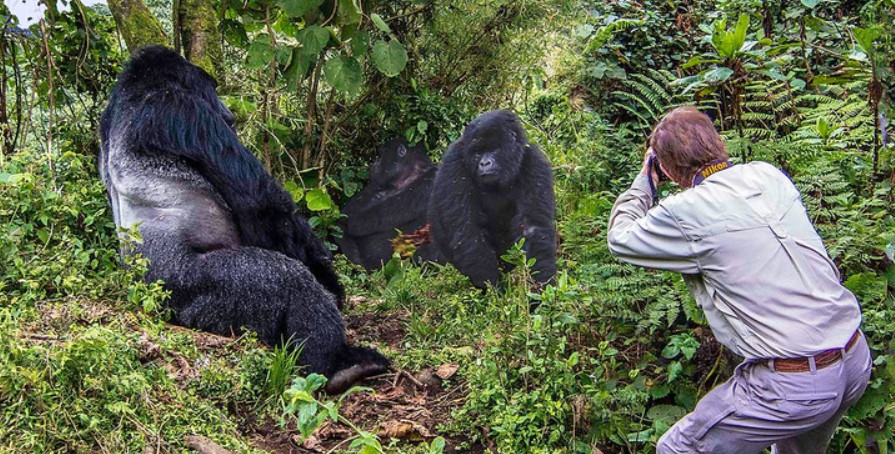
Budget Accommodation Near Gorilla Parks
Accommodation prices vary by season, sector, room type, meal plan, and booking date. Budget properties may include campsites, guesthouses, bandas, hostels, and community-run lodges.
Some budget accommodation examples mentioned in current travel listings include:
Buhoma sector
-
Buhoma Community Rest Camp
-
Buhoma View Bandas
-
Community guesthouses
-
Basic safari camps
Ruhija sector
-
Broadbill Forest Camp
-
Community guesthouses
-
Budget lodges near the trailhead
Rushaga and Nkuringo
-
Budget campsites
-
Gorilla community lodges
-
Guesthouses in the surrounding villages
Mgahinga and Kisoro
-
Amajambere Iwacu Camp
-
Budget guesthouses in Kisoro
-
Community-based accommodation
Budget accommodation in the Bwindi and Mgahinga area may range broadly, with some basic options listed from roughly USD 20–80 per night, depending on the property and room arrangement.
Confirm current rates directly because prices change by season and availability.
How to save on accommodation
-
Stay near your permit sector to avoid expensive early transfers.
-
Choose a room with shared bathroom facilities if acceptable.
-
Ask for full-board pricing before booking.
-
Compare camping and basic room options.
-
Book early during the dry season.
-
Travel in a group and request family or multiple-room rates.
-
Confirm whether drinking water and transfers are included.
The cheapest lodge is not always the least expensive option if it is far from the briefing point.
Affordable Budget Gorilla Trekking Itinerary
A short itinerary can reduce accommodation, transport, and meal costs.
3-day budget gorilla safari from Kampala
A. Day 1: Kampala or Entebbe to Bwindi
-
Depart early in the morning.
-
Drive through Uganda’s southwestern countryside.
-
Stop for lunch along the route.
-
Arrive at your selected Bwindi sector in the late afternoon.
-
Check into a budget lodge or community camp.
B. Day 2: Gorilla trekking
-
Have an early breakfast.
-
Attend the park briefing.
-
Trek through Bwindi forest with rangers and trackers.
-
Spend the permitted viewing time with your assigned gorilla family.
-
Return to your lodge for rest.
-
Optional evening community walk if time and energy allow.
C. Day 3: Bwindi to Kampala or Entebbe
-
Begin the return journey after breakfast.
-
Stop at a viewpoint or local market if time allows.
-
Arrive in Kampala or Entebbe later in the day.
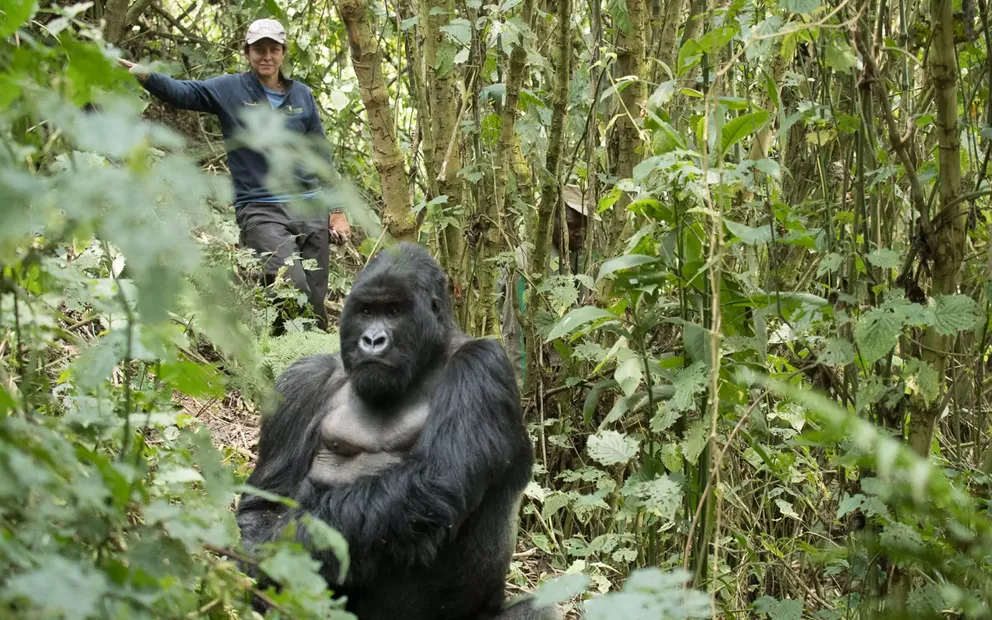
This itinerary is affordable but demanding because the driving days are long. A four-day version is more comfortable and allows an overnight stop near Lake Mburo, Lake Bunyonyi, or another destination.
A Better 4–5-Day Budget Itinerary
For travelers who can add extra days, the following option provides a more relaxed experience.
A. Day 1: Kampala to Lake Mburo
-
Drive from Kampala or Entebbe.
-
Enjoy an evening nature walk or short game drive.
-
Stay in a budget lodge or campsite.
B. Day 2: Lake Mburo to Bwindi
-
Enjoy a morning activity if time permits.
-
Continue toward Bwindi.
-
Overnight near the correct gorilla trekking sector.
C. Day 3: Gorilla trekking
-
Attend the early briefing.
-
Trek to your assigned gorilla family.
-
Relax after the trek.
-
Optional Batwa or community experience.
D. Day 4: Bwindi to Lake Bunyonyi or Kisoro
-
Enjoy a slow morning.
-
Transfer to Lake Bunyonyi or Kisoro.
-
Take a canoe ride or visit a local community.
E. Day 5: Return toward Kampala or Entebbe
-
Begin the return drive.
-
Alternatively, continue to Queen Elizabeth National Park for wildlife viewing.
This longer option costs more than a three-day safari but offers better pacing and a more enjoyable overall experience.
What to Pack for a Budget Gorilla Trek
The right equipment helps you stay comfortable and avoid unnecessary purchases during the trip.
Essential items include:
-
Waterproof hiking boots with strong grip
-
Lightweight long trousers
-
Long-sleeved shirts
-
Waterproof jacket or poncho
-
Gardening gloves
-
Warm fleece or sweater
-
Hat and sunglasses
-
Insect repellent
-
Reusable water bottle
-
Energy snacks
-
Small waterproof backpack
-
Camera and spare batteries
-
Personal medication
-
Walking poles if needed
During the wet season, waterproof boots and a reliable rain jacket are especially important. Pack clothing in waterproof bags inside your main luggage because rain can occur during transfers and hikes.
You may also hire a porter at the park headquarters. A porter can carry your daypack and help on steep or muddy trails. Hiring one supports local livelihoods and is often worthwhile, even on a budget.
Gorilla Trekking Rules and Expectations
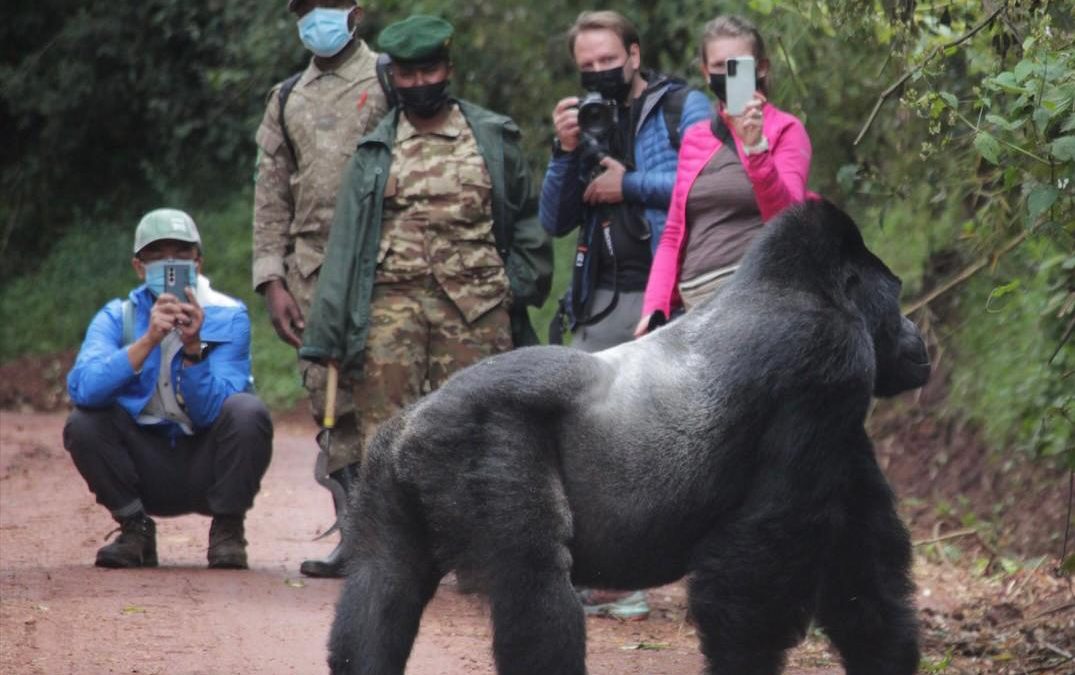
A budget trek follows the same conservation rules as a luxury trek.
During your gorilla experience:
-
Keep the required distance from the gorillas.
-
Follow the ranger’s instructions at all times.
-
Do not use flash photography.
-
Avoid loud voices and sudden movements.
-
Do not eat or drink near the gorillas.
-
Do not trek if you are sick.
-
Do not touch the gorillas.
-
Remain with your assigned group.
-
Respect the permitted viewing time.
The trek may last anywhere from a few hours to most of the day. Terrain can include steep slopes, thick vegetation, mud, roots, and slippery paths.
Fitness requirements are moderate to demanding, depending on the location of the gorilla family.
Other Affordable Activities in Southwestern Uganda
A budget gorilla safari can include other memorable activities without the cost of another major permit.
1. Lake Bunyonyi
Lake Bunyonyi is ideal for:
-
Canoe rides
-
Walking trails
-
Bird watching
-
Lakeside relaxation
-
Community visits
It is often a practical overnight stop between Bwindi and other destinations.
2. Golden monkey trekking
Mgahinga offers the opportunity to see golden monkeys, an endangered primate associated with the Virunga region. This requires a separate permit, so include it in your budget before booking.
3. Queen Elizabeth National Park
You may add:
-
Affordable game drives
-
The Kazinga Channel boat cruise
-
Ishasha sector
-
Tree-climbing lions
-
Hippos, elephants, buffaloes, and antelopes
A full safari extension costs more, but sharing transport can lower the per-person rate.
4. Kibale Forest
Kibale is famous for chimpanzee tracking and supports many other primate species. Chimpanzee permits are cheaper than gorilla permits but should still be included in your budget.
Batwa and community experiences
Community walks and cultural visits provide insight into the people living around the forest. Choose ethical, community-led experiences and confirm what portion of the payment supports local residents.
Sample Budget Breakdown
The following is a planning framework rather than a fixed quotation.
Major costs
-
Gorilla permit
-
The largest fixed expense for most international visitors.
-
-
Transport
-
Private 4×4, shared vehicle, fuel, and driver-guide.
-
-
Accommodation
-
Budget lodge, campsite, hostel, or community guesthouse.
-
-
Meals
-
Often included in lodge packages, but confirm before booking.
-
-
Park and activity fees
-
Additional fees may apply for game drives, boat cruises, golden monkey trekking, or chimpanzee tracking.
-
-
Porter and guide tips
-
Optional but useful and beneficial to local workers.
-
-
Travel insurance and personal expenses
-
Usually excluded from safari quotes.
-
Ways to stay within budget
-
Compare quotations with identical inclusions.
-
Travel with three to five companions.
-
Avoid changing sectors after your permit is booked.
-
Book a lodge close to the briefing point.
-
Ask for a full-board package.
-
Avoid unnecessary domestic flights.
-
Use a local operator familiar with budget suppliers.
-
Keep a contingency fund for road delays and weather changes.
A reputable operator should give you a written quotation showing what is included and excluded.
Why Book with Adventure Uganda Safaris?
Planning a budget gorilla safari independently can be confusing because permits, sectors, accommodation, transport, and trekking dates must match.
Adventure Uganda Safaris can help you arrange:
-
Gorilla permit availability and booking
-
Shared or private 4×4 transport
-
Budget and mid-range accommodation
-
Airport pick-up and drop-off
-
Experienced local driver-guides
-
Community and cultural activities
-
Lake Bunyonyi and Queen Elizabeth extensions
-
Gorilla trekking packing advice
-
Porter arrangements
-
Tailor-made group itineraries
Our team can adapt the trip around your preferred budget, dates, group size, and interests. We can also explain the difference between each Bwindi sector so you select accommodation that is convenient for your permit location.
Frequently Asked Questions
How much does budget gorilla trekking in Uganda cost?
The total depends on your nationality, permit category, number of travelers, accommodation, transport, and season. The gorilla permit is a major fixed cost, while accommodation and vehicle costs can be reduced by traveling in a group.
Are Uganda gorilla permits discounted during the rainy season?
Do not assume that they are. Older articles may advertise discounted permits, but current promotions are subject to official UWA announcements. Confirm the price directly with UWA or an authorized operator.
Can I trek gorillas in Uganda during the rainy season?
Yes. Gorilla trekking continues throughout the year. Rain can make trails slippery and slow, but the forest is lush, accommodation may be cheaper, and there are often fewer visitors.
Is Bwindi or Mgahinga cheaper?
Either park can be affordable depending on permit availability, accommodation, and transport. Compare the full package cost, not only the lodge price.
Can I do gorilla trekking without a tour operator?
You may arrange some components independently, but permits, sector logistics, transport, and accommodation require careful coordination. A local operator can reduce the risk of missed connections and incorrect sector bookings.
Is gorilla trekking suitable for older travelers?
Many older travelers complete the trek successfully, but terrain can be steep and physically demanding. Discuss your fitness level in advance, request appropriate planning, and consider hiring a porter.
What is the cheapest time to trek gorillas?
The wetter months—especially parts of March to May and October to November—may offer lower accommodation rates and fewer visitors. However, confirm permit prices because seasonal discounts are not automatic.
Start Planning Your Budget Gorilla Safari
A budget gorilla trekking safari in Uganda can turn a dream wildlife experience into a realistic travel plan.
By choosing affordable accommodation, sharing transport, traveling during a lower-demand season, and booking the correct permit and sector, you can explore Bwindi or Mgahinga without paying for a luxury itinerary.
The experience remains extraordinary: walking through ancient rainforest, listening to birds and monkeys, and meeting a family of mountain gorillas in their natural habitat.
Contact Adventure Uganda Safaris for a tailor-made budget gorilla trekking package in Uganda.
Tell us your travel dates, group size, preferred park, accommodation level, and estimated budget, and we will prepare a transparent itinerary with clear inclusions and exclusions.