
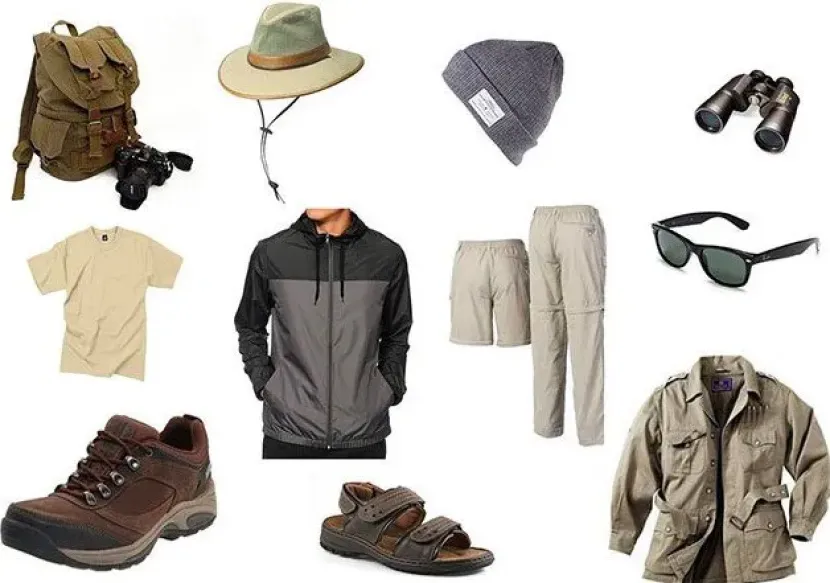
What to Pack for Gorilla Trekking: Complete 2026/7 Packing List
For gorilla trekking, pack waterproof hiking boots, long-sleeved quick-dry tops, long trekking trousers, a lightweight rain jacket, gardening gloves, a 20 to 30 litre daypack, at least two litres of water, snacks, insect repellent, and your passport and permit.
Add warm layers and a camera with a rain cover, and avoid bright colours and plastic bags.
Gorilla trekking lets you spend an hour with mountain gorillas in their natural habitat. You may trek in Bwindi Impenetrable National Park or Mgahinga Gorilla National Park in Uganda, or on the volcanic slopes of Volcanoes National Park in Rwanda.
A trek can last anywhere from one hour to eight hours, depending on where the gorilla family moved that day, so good gear makes a big difference.
This guide covers clothing, footwear, equipment, health items, documents, seasonal changes and what not to bring, for both Uganda and Rwanda.
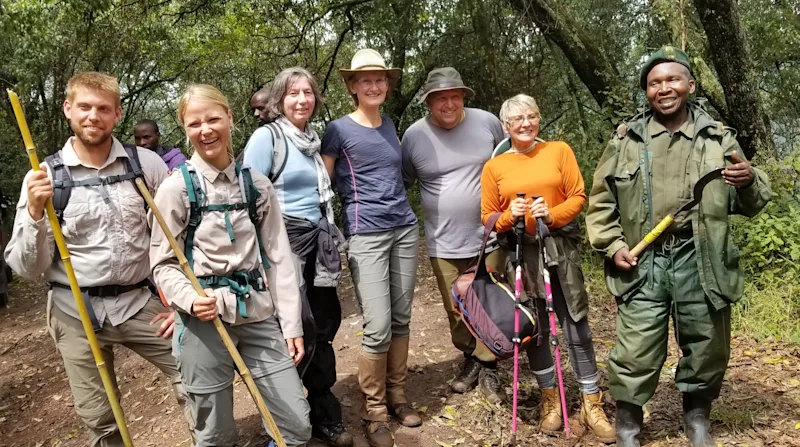
Why packing smart matters
The forest is demanding and unpredictable. Trails turn muddy and slippery after rain, slopes are steep, and a dry morning can become a downpour within minutes.
With the wrong gear you risk blisters, scratches, cold and fatigue, which can spoil your hour with the gorillas.
Packing well also helps the gorillas. Earth-toned clothing helps you blend into the forest, and carrying no plastic bags or litter supports the rules of the Uganda Wildlife Authority and the Rwanda Development Board and protects the fragile habitat that both countries depend on.
What to Wear for Gorilla Trekking
Wear layers that are lightweight, quick-drying and earth-toned. Mornings in the forest are cool, midday can be warm and rain can arrive at any time, so you need to add and remove layers easily.
1. Tops
Choose long-sleeved shirts in lightweight, quick-dry fabric to protect your arms from thorny plants, nettles and insects.
Stick to green, brown, khaki or grey rather than red, orange or neon, so you blend into the forest and do not startle the gorillas.
Tuck your shirt into your trousers to keep insects out, and add a moisture-wicking base layer and a warm fleece or light jacket for cold starts.
2. Trousers
Long trekking trousers protect you from scratches, mud, nettles and biting insects. Water-resistant, quick-dry fabric is best. Avoid jeans, which are heavy, slow to dry and uncomfortable once wet.
3. Rain gear
Pack a lightweight waterproof jacket that covers your torso and arms and folds into your daypack.
Bwindi is a tropical rainforest that can see rain in any month, and Volcanoes National Park is also wet for much of the year. In the wetter months, waterproof over-trousers keep your legs dry and clean.
4. Accessories
- Gardening or light trekking gloves to grip thorny vegetation, roots and vines
- Warm beanie or cap for early starts when temperatures are low
- Wide-brimmed hat and sunglasses for midday sun and to keep branches and insects out of your face
- Buff or scarf for dust, cold and sun on your neck
Best Footwear for Gorilla Trekking: Boots, Socks and Gaiters
Footwear is the most important item on your gorilla trekking packing list.
Poor boots cause blisters and ankle injuries that can make the trek far harder than it needs to be, especially on the steep, muddy trails of Bwindi, Mgahinga and Volcanoes National Park.
- Hiking boots: choose sturdy, waterproof boots with ankle support and a grippy sole. Break them in with several days of walking before you travel.
- Hiking socks: wear thick, moisture-wicking socks and pack a spare pair in a dry bag.
- Tuck in your trousers: put your trouser legs into your socks to stop safari ants and other insects climbing up your legs.
- Gaiters: these cover the gap between boots and trousers and keep mud and water out, which is especially useful in the wet season.
- Lodge shoes: bring light trainers or sandals for evenings, so your boots can dry.
- Spare insoles: useful if you notice pressure points on the longer hikes.
Never trek in brand-new boots or in trainers with a smooth sole. On slippery slopes, grip and ankle support are what keep you upright.
Essential Gear for a Gorilla Trek
- Daypack (20 to 30 litres): comfortable, well-fitting and with a waterproof cover or liner.
- Water: carry at least 1.5 to 2 litres in a bottle or hydration bladder, as the climbs are steep and humid.
- Packed lunch and energy snacks: nuts, energy bars, fruit and sweets. Most lodges prepare a packed lunch on request.
- Dry bags: protect your passport, phone and camera from rain and humidity.
- Power bank and spare batteries: for a full day of photos and for a phone you may need for emergencies.
- Trekking pole or walking stick: optional, but helpful on steep, slippery sections. Many parks provide one.
- Binoculars: both Bwindi and Volcanoes have excellent birdlife and monkeys along the trails.
Should you hire a porter?
Yes, we recommend hiring a porter. Porters carry your daypack, give you a hand on steep or slippery slopes and help you reach the gorillas less tired.
They are usually local community members, so hiring one puts money directly into livelihoods around the park. Arrange it at the briefing or through your safari operator.
Camera tips for gorilla trekking
You get about one hour with the gorillas, and it passes quickly, so be ready before you arrive. Charge your batteries, clear your memory card and protect your gear with a rain cover.
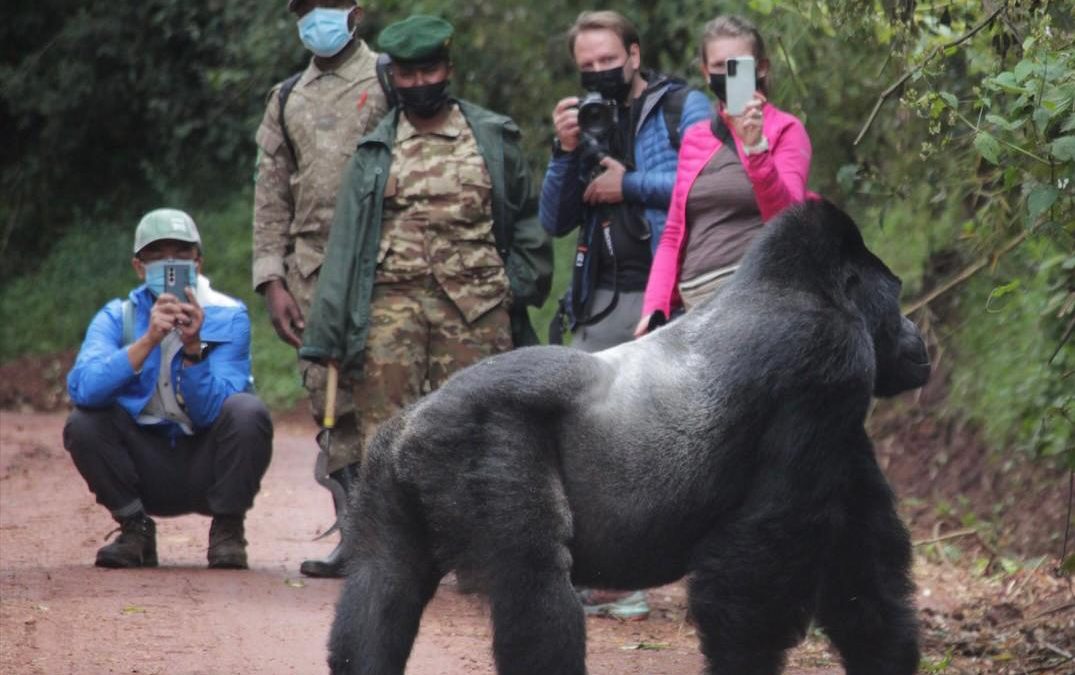
The forest is dark, so a lens that works well in low light helps. Flash photography is not allowed, and you should switch it off before you start. Keep your voice low and keep the minimum distance your guide gives you.
Health, Safety and Documents for Gorilla Trekking
Health and safety items
- First-aid kit: blister pads, pain relievers, antiseptic wipes, plasters and any personal medication.
- Insect repellent: apply it before you set off and avoid spraying near the gorillas. Insects, nettles and safari ants are common on the trail.
- Sunscreen and lip balm: the sun can be strong on open ridges.
- Hand sanitiser: useful for keeping hands clean, since gorillas are vulnerable to human illness.
Gorillas can catch human diseases, so do not trek if you have a cold, cough or stomach illness. Tell your guide before the trek, as park rules may not allow you to visit the gorillas if you are unwell.
Documents to carry
- Passport valid for at least six months after your travel dates
- Gorilla trekking permit, which your safari operator usually arranges for you
- Travel and medical insurance that covers emergency evacuation
- Vaccination records, including a yellow fever certificate where required. Check entry rules for both countries before you travel.
What NOT to Pack for Gorilla Trekking
- Plastic bags and single-use plastics: Rwanda bans plastic bags, and both countries ask visitors to protect the forest from litter.
- Bright or neon clothing: it makes you stand out and may startle wildlife.
- Drones and professional filming gear: these need prior permission from the park authorities.
- Jeans and heavy cotton: they stay wet and weigh you down.
- Valuables and large amounts of cash: leave them in your lodge safe, and split any money you carry.
These rules exist to protect the gorillas, keep trekkers safe and keep the forest as natural as possible.
Seasonal Packing Tips: Dry Season vs Wet Season
The dry months, June to September and December to February, bring drier trails and easier hiking. Lighter layers, sun protection and a compact rain jacket are usually enough, though showers are still possible.
In the wetter months, March to May and October to November, prioritise waterproofs. Pack waterproof over-trousers, gaiters, extra socks and dry bags, and expect muddy, slippery trails.
The forest is greener, there are fewer visitors and the birding is excellent.
Gorilla Trekking in Uganda vs Rwanda: What Changes in Your Packing List?
The core packing list is almost the same in both countries: sturdy boots, layered earth-toned clothing, rain gear, gloves and insect protection.
| Factor | Uganda (Bwindi, Mgahinga) | Rwanda (Volcanoes) |
|---|---|---|
| Terrain | Steep, forested valleys and ridges, some volcanic slopes at Mgahinga | Volcanic slopes at high altitude |
| Climate | Cool mornings and frequent rain | Cooler and often wetter, especially higher up |
| Extra layer | Fleece or light jacket | Add a warmer layer for early starts |
| Trek length | One to eight hours | Often one to four hours or more each way |
| Energy needs | Packed lunch and snacks | Extra water and snacks, as slopes are steep |
If your trip includes both countries, pack for the cooler Rwanda leg and use the same boots and rain gear for both. A good safari operator can advise on the best season and the right gear for each leg.
Gorilla Trekking Packing Checklist
| Category | Items |
|---|---|
| Clothing | Long-sleeved quick-dry tops, long trekking trousers, fleece, rain jacket, rain trousers, beanie, sun hat |
| Footwear | Broken-in waterproof hiking boots, thick socks, gaiters, lodge shoes |
| Gear | 20 to 30 litre daypack, 2 litres of water, snacks, dry bags, power bank, binoculars, walking pole |
| Accessories | Gardening gloves, sunglasses, buff, camera with rain cover |
| Health | First-aid kit, blister pads, insect repellent, sunscreen, sanitiser |
| Documents | Passport, permit, travel insurance, vaccination records |
Frequently Asked Questions About Gorilla Trekking Packing
Do I need special boots for gorilla trekking?
Yes. Waterproof hiking boots with ankle support and a grippy sole are essential on muddy, steep trails.
What colour clothes should I wear gorilla trekking?
Wear earth tones such as green, brown, khaki or grey, and avoid red, orange and neon.
Can I take a camera on a gorilla trek?
Yes. Bring a camera or phone with a rain cover, and switch off the flash, which is not allowed near gorillas.
What if it rains during the trek?
Treks go ahead in the rain, so a waterproof jacket and a rain cover for your gear are important in any season.
How fit do I need to be?
Moderate fitness is recommended. Treks can be steep and long, but a porter and a steady pace help most travellers complete them.
What is the minimum age for gorilla trekking?
Trekkers must be at least 15 years old in both Uganda and Rwanda.
Should I hire a porter?
It is optional but highly recommended. A porter carries your pack and supports local families.
How many people trek together?
Groups are small, with a maximum of eight visitors per habituated gorilla family each day.
Ready to Trek? Book Your Gorilla Safari with Adventure Uganda Safaris
A well-planned packing list means a safer trek, a more comfortable day and better memories of your hour with the gorillas.
When you book with Adventure Uganda Safaris, you get more than a tour: expert permit handling, smooth transport, comfortable lodges and a pre-trek briefing with packing advice tailored to your travel dates.
- Gorilla trekking in Bwindi and Mgahinga, Uganda, and Volcanoes National Park, Rwanda
- Combined Uganda and Rwanda gorilla safaris
- Help with permits, porters and the best season to travel
- Experienced, licensed local guides
Contact Adventure Uganda Safaris today for a customised gorilla trekking package and a full packing checklist for your dates.